How to Get Deodorant Stains Out of Dress Shirts: 8 Effective Methods That Work
To get deodorant stains out of dress shirts quickly, apply a pre-treatment like baking soda paste or hydrogen peroxide before washing. For faster results, let the treatment sit for 15 to 30 minutes to break down residue, then launder as usual. These methods work well on both fresh and set-in stains with minimal effort.
This advice is for anyone who wears dress shirts regularly and wants to maintain a crisp, clean look without damaging delicate fabrics. You’ll learn effective stain removal techniques tailored for white and dark shirts, plus practical tips on pre-treating and washing.
Key Takeaways
- Mix three tablespoons baking soda with one tablespoon water to create a paste for stubborn deodorant stains.
- Apply hydrogen peroxide to white dress shirts and let it sit at least 30 minutes before washing.
- Rub enzyme-based laundry detergent directly into stains, then let it incubate 15, 30 minutes for best results.
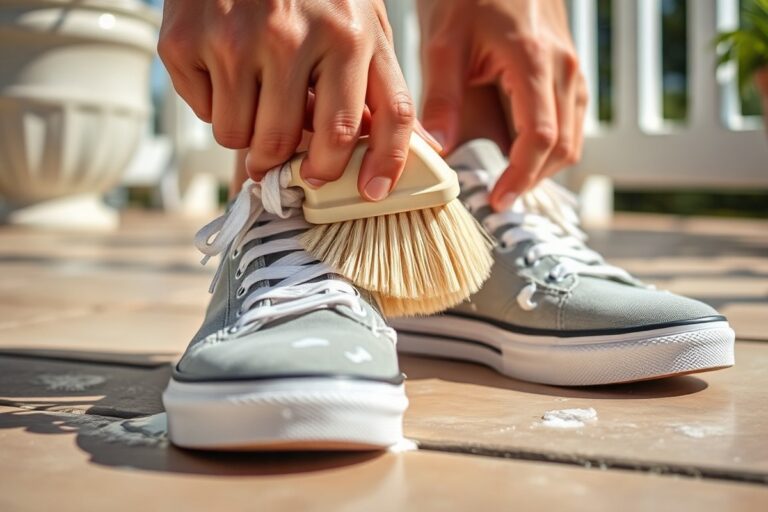
- Use a soft brush or toothbrush to gently scrub treated areas to loosen dried deodorant residues.
- After applying any treatment, soak the shirt in water for 30 minutes to help stain removal ingredients penetrate fabric.
- Dampen a cotton ball with 70% rubbing alcohol to scrub deodorant stains followed by rinsing and normal laundering.
1. Fast and Effective Ways to Remove Deodorant Stains

Removing deodorant stains from dress shirts quickly and effectively often starts with simple household ingredients or trusted commercial products. Baking soda and white vinegar stand out as reliable and affordable options. Baking soda works by lifting sweat and deodorant residue from most white fabrics, while vinegar’s acidity breaks down the stains without harsh chemicals. Commercial products like Tide Ultra Stain Release Liquid are also designed to tackle tough deodorant marks, especially when you want a faster, convenient approach.
The key is to act promptly. Baking soda paste usually needs about 20 minutes to work on the stain, while vinegar treatments can require a soak up to 30 minutes. Commercial stain removers often cut that time down to a few minutes if applied correctly before washing. Using a soft-bristled toothbrush to gently scrub improves the stain removal by loosening buildup without damaging shirt fibers.
Follow these steps for an effective stain removal routine using household or commercial options. This approach fits most dress shirt fabrics except delicate blends where milder treatment is necessary.
- Identify the stain type and fabric: Check if your dress shirt is light or dark-colored to avoid treatments that can cause fading, particularly on dark or colored shirts.
- Create a baking soda paste: Mix 3 tablespoons of baking soda with 1 tablespoon of water to form a thick paste ideal for white shirts.
- Apply the paste: Spread the baking soda paste directly onto the deodorant stain, focusing on thick or yellow areas.
- Let it sit: Allow the paste to sit for about 20 minutes at room temperature to lift the stain effectively.
- Gently scrub: Use a soft-bristled toothbrush to rub the paste into the fabric, targeting stubborn spots while being careful not to damage the fibers.
- Rinse with cold water: Wash out the baking soda paste thoroughly under cold running water to prevent setting the stain.
- Apply white vinegar if needed: For persistent stains, soak the affected area in a solution of equal parts white vinegar and cold water for up to 30 minutes before rinsing again.
- Use a commercial stain remover: On tough or old stains, apply a product like Tide Ultra Stain Release Liquid directly to the spot, following the instructions, usually letting it work for 5 to 10 minutes before washing.
Baking soda is inexpensive and usually costs less than $1 per use, while vinegar is equally affordable and commonly found in kitchen pantries. Commercial stain removers range from $7 to $15 per bottle but save time with quicker results, especially on deep-set stains. Avoid harsh scrubbing or heat on deodorant stains before treatment to prevent setting them permanently. With these options, you can clear most deodorant marks efficiently and keep your dress shirts looking sharp.
2. How to Remove Stains from White vs Black Dress Shirts

Removing deodorant stains varies between white and black dress shirts because each fabric reacts differently to stain types and cleaning methods. White shirts often develop yellow sweat and deodorant buildup, while black shirts show white deodorant marks that require gentle treatment to avoid fading. Understanding these differences helps prevent discoloration and fabric damage while keeping your shirts looking their best.
White Shirts: Tackling Yellow Buildup
Yellow stains on white dress shirts happen from a combination of sweat and deodorant minerals, especially aluminum-based compounds. These stains appear in the underarm area and can become more stubborn with repeated wear. Avoid bleach on these stains because it may worsen yellowing or damage the fabric over time.
The most effective way to remove yellow buildup is an oxygen-bleach soak, which breaks down the aluminum-oil bond gently without the harsh effects of chlorine bleach. Use about 1 scoop (according to package instructions) of oxygen bleach powder dissolved in warm water (around 110°F) and soak the stained area for 6 to 8 hours or overnight. Wash normally afterward with a mild detergent.
Choosing a deodorant formulated to prevent yellow stains, such as Rexona’s Invisible Black+White range, can also reduce buildup from the start. This helps keep your white shirts fresher longer and decreases the need for heavy stain treatments.
Black Shirts: Removing White Streaks Gently
White marks on black shirts result from solid deodorant residue rubbing off, creating white or chalky streaks usually in the underarm area. Sweat can also cause a yellowish or grayish hue due to interactions with minerals in the deodorant. Aggressive scrubbing may damage the dye, so gentle methods work best.
Begin by gently blotting the stain with a dry, clean cloth to remove any surface residue. For more stubborn buildup, softly scrub the affected area using a damp cloth or a soft fabric brush. Steer clear of strong chemicals or bleach since they might fade colors or weaken the fabric. Make sure to review the shirt’s care instructions before using any stain treatment.
This gentle approach reduces stain visibility without risking color loss. Using deodorants designed for dark fabrics, like Rexona’s Invisible Black+White, can also prevent white marks by minimizing residue buildup on black shirts.
Color-Safe Alternatives to Harsh Bleach
Chlorine bleach might seem like a quick fix for stains on white fabric, but it risks causing yellowing and damaging fibers even on white shirts. Oxygen bleach offers a safer alternative suitable for both white and colorfast fabrics. It works by releasing oxygen molecules that break down stain particles without affecting fabric color or strength.
Use oxygen bleach according to package directions, generally requiring soaking the fabric in warm water with the product for several hours. This method effectively removes yellow buildup and deodorant stains while being gentle enough for regular use on whites and many colored shirts.
For black or dark dress shirts, avoid bleach entirely. Instead, stick to gentle scrubbing and commercial stain removers made for dark clothing, or opt for deodorants that don’t leave residue easily. Checking fabric care labels and testing treatments on a small hidden area can prevent accidental damage. Below is a table summarizing common deodorant stain types, their typical appearance, and usual locations on dress shirts to help you identify what you’re dealing with and choose the right cleaning method:
| Type of Mark | Typical Appearance | Common Location |
|---|---|---|
| Fresh deodorant transfer | White or chalky streak | Where clothing brushes against the underarm |
| Deodorant build-up | Waxy, stiff or crusty residue | Around the underarm area |
| Sweat and product stain | Yellow or darker discoloration | Underarms of white or light clothing |
| Detergent residue | Pale streaks, specks or patches | Anywhere on the garment |
Knowing the stain type will help you decide whether gentle rubs, soaking, or special stain treatments are necessary. Taking care with stain removal ensures your dress shirts keep their original color and fabric integrity.
Tip: Always test any stain removal method on a small, hidden area of the shirt first to avoid unexpected discoloration or fabric damage.
3. Understanding What Causes Deodorant Stains on Shirts
Deodorant stains on dress shirts form mostly due to a chemical reaction between aluminum compounds in many antiperspirants and your sweat. Sweat by itself is colorless and odorless, but when it mixes with aluminum, it creates those stubborn yellow stains that often appear on the underarm areas of white or light-colored shirts. This reaction happens because aluminum reacts with the salts and proteins in sweat, leaving a lasting yellow residue. The stains can become especially tough to remove when you wear the shirt multiple times without washing, allowing the reaction to intensify.
White deodorant stains are a different issue. These appear as waxy, powdery patches and occur mostly on darker fabrics, where residue from the deodorant’s ingredients like talc or stearates become visibly obvious. These ingredients do not typically react with sweat but rather sit on top of fabric fibers, creating white streaks or patches. Even clear deodorants or invisible sticks might leave residue because they contain other solids that don’t dissolve easily in water. The difference in how these stains look depends on fabric color and the exact deodorant formulation.
The role of your body chemistry is significant because different people produce sweat with varying salt and oil levels. This means the same deodorant might cause yellow stains for one person but less so for another. Some deodorants are formulated to reduce staining by avoiding aluminum or using advanced technologies to prevent residue buildup. However, these often come at a higher price and may need frequent reapplication to maintain effectiveness.
Fabric type also influences stain formation. Natural fibers like cotton absorb sweat and aluminum more readily, making stains more pronounced. Synthetic fabrics might resist staining but can trap deodorant residue on their surface, causing white marks. Understanding these details helps you pick dress shirts and deodorants that minimize stains and decide how aggressively to treat the affected areas.
The best approach to managing deodorant stains is to act quickly before the chemical reactions worsen. Washing shirts as soon as possible after wearing prevents bacteria in sweat from mixing with deodorant ingredients and forming tougher yellow stains. For people who wear dress shirts daily, switching to antiperspirants without aluminum or using sweat-blocking undershirts can reduce stain risk. Knowing why these stains form and how sweat combines with deodorant chemistry lets you take the right steps to keep your shirts looking clean and professional.
4. Step-by-Step Pre-Treatment and Washing Checklist
Start by applying an enzyme-based laundry detergent directly onto the deodorant stain. This is important because enzymes break down the proteins and oils in deodorant residue, making the stains easier to remove. Gently rub the detergent into the fabric with your fingers or a soft brush, ensuring full coverage of the stained area.
Allow the detergent to sit on the stain for 15 to 30 minutes before washing. This waiting period lets the enzymes fully penetrate the fabric and loosen the stain particles. Avoid skipping this step or washing immediately, as this reduces the effectiveness of the treatment.
Use warm or cool water when washing dress shirts to avoid setting deodorant stains deeper into the fabric. Hot water can make these stains tougher to remove. A water temperature between 86°F and 104°F (30°C to 40°C) works well for most shirts and helps maintain the color and fabric quality.
Check the care label before washing to choose the right water temperature and cleaning method. Some fabrics need hand washing or dry cleaning, while cotton shirts handle warm machine washing. For white shirts with tough stains, apply hydrogen peroxide for at least 30 minutes before washing, but avoid this on colored shirts to prevent fading.
- Apply enzyme-based detergent directly to the stain.
- Rub gently with fingers or a soft brush for even penetration.
- Let the detergent sit on the stain for 15, 30 minutes.
- Choose warm or cool water for washing; avoid hot water.
- Follow the garment’s care instructions for washing method and temperature.
- For white shirts, consider a 30-minute hydrogen peroxide treatment if stains persist.
- Wash shirts immediately after treatment to prevent buildup.
After washing, inspect the shirt before drying. Do not put the garment in the dryer until you confirm the stain has been removed. Heat from the dryer can permanently set any remaining deodorant marks. Repeat the pre-treatment and washing steps if deodorant stains are still visible before putting the shirt in the dryer. Proper pre-treatment and careful washing increase your chances of fully removing deodorant stains while preserving the shirt’s fabric and appearance.
5. Natural and Home Remedies for Deodorant Stain Removal
Natural ingredients like baking soda, white vinegar, and hydrogen peroxide can safely remove deodorant stains from dress shirts. These remedies work by breaking down residue without harsh chemicals, making them ideal for delicate fabrics and those with sensitivities. Applying these mixtures correctly and allowing enough time for them to work increases their effectiveness, even on older stains.
Baking Soda and Water Paste Recipe
Baking soda is mildly abrasive and alkaline, which helps lift deodorant stains and neutralizes odors. Mixing it with water forms a paste that you can easily apply to the fabric. This method is gentle enough for most dress shirts, including colored ones, and works well on dry or fresh stains.
- Mix four tablespoons of baking soda with about a quarter cup of warm water to create a thick paste.
- Use your fingers or a soft cloth to rub the paste directly into the stained area in gentle circular motions.
- Let the paste sit on the stain for at least two hours; for tougher stains, leave it on up to overnight.
- Rinse the area thoroughly with cold water to remove the paste.
- Wash the shirt as usual according to the care label instructions.
Avoid scrubbing too hard to prevent damaging delicate dress shirt materials.
White Vinegar Soaking Method
White vinegar is acidic, which helps dissolve deodorant residue and remove odor. It’s safe for both white and colored shirts, though repeated exposure to vinegar can dull colors slightly over time. Adding baking soda to vinegar creates a mild foaming action that improves stain removal on stubborn marks.
- Fill a basin with equal parts white vinegar and cold water.
- Submerge the stained area of your dress shirt and soak for about one hour.
- Use an old, clean toothbrush to gently brush the deodorant stain while still soaked.
- For more persistent stains, drain the basin and mix a tablespoon of baking soda with a little water to form a paste.
- Apply the baking soda paste to the stain and allow it to sit for 30 minutes.
- Rinse thoroughly with cold water to remove vinegar and baking soda residues.
- Wash the shirt normally after rinsing.
Test the vinegar solution on a hidden area before applying to delicate or brightly colored shirts to prevent discoloration.
Hydrogen Peroxide and Dish Soap Mix
This combination uses hydrogen peroxide as a mild bleach and antibacterial agent, baking soda as a gentle scrub, and dish soap for grease cutting. It’s one of the most effective natural treatments, especially on white shirts or very stubborn deodorant stains. Avoid using this mixture on dark or colored shirts as hydrogen peroxide can cause fading.
- Mix 2 tablespoons of 3% hydrogen peroxide with 1 tablespoon of baking soda and add 1 drop of dish soap to create a paste.
- Apply the paste directly onto the deodorant stain.
- Let the paste sit for 15 to 30 minutes, allowing the ingredients to break down the stain.
- Gently rub the paste into the fabric with a soft brush or fingers during this waiting period.
- Rinse the spot thoroughly using cold water until the mixture is fully washed away.
- Wash the shirt according to its care label after rinsing.
Use 3% hydrogen peroxide only, as stronger concentrations can damage fabric fibers.
6. Common Mistakes When Removing Deodorant Stains and How to Fix Them
One common mistake is scrubbing deodorant stains too hard. This damages the fabric fibers, causing wear and thinning that can lead to holes or weak spots in your dress shirt. Instead, gently rub the stained area using a soft cloth or your fingers with a mild stain remover. This approach loosens the stain without harming the shirt’s material.
Another error involves using bleach or harsh chemicals on colored or delicate shirts. Bleach can cause color fading, leaving visible discoloration, especially on dark or patterned fabrics. To protect your shirt’s color, test any stain remover on a hidden area first. Use color-safe or oxygen-based stain removers as safer alternatives, and avoid chlorine bleach unless the shirt is white cotton.
Preventing color loss also means controlling water temperature. Hot water can set deodorant stains, making them harder to remove and potentially dulling colors. Wash dress shirts in cold or lukewarm water, between 60°F and 80°F, to safely remove stains without impacting the fabric’s dye.
- Do not scrub stains aggressively; use gentle rubbing or blotting instead
- Avoid bleach on non-white fabrics to prevent color fading
- Test stain removers on a hidden shirt area before full application
- Wash dress shirts in cold to lukewarm water to protect colors
- Use personal wipes for quick removal of chalky deodorant stains before washing
- Reapply stain remover and soak for 10-15 minutes if stains persist before laundering
- Consider professional dry cleaning for persistent or old stains on expensive shirts
Many try rinsing or scrubbing immediately without pre-treating the stain, which often leaves residue behind. Applying a stain remover and letting it sit for 10 to 15 minutes breaks down deodorant buildup before washing. Using personal hygiene wipes to gently lift fresh deodorant stains before laundering can also prevent setting the stain. Persistent stains might need repeated treatment or dry cleaning to avoid damaging your shirt through excessive home cleaning attempts.
7. How to Prevent Deodorant Stains on Dress Shirts
Reducing the risk of deodorant stains on dress shirts begins with how you apply your deodorant. Applying just enough, about 2 to 3 swipes on each underarm, is enough to keep odor at bay without leaving residue that leads to stains. Using too much deodorant increases the chances of buildup transferring onto your shirt fabric.
Letting deodorant dry fully before putting on your shirt can sharply cut down on stains forming. Aim to apply deodorant at least 5 minutes before dressing so the product has time to absorb and dry completely. When the deodorant dries, it’s less likely to rub off and create unsightly stains.
Choosing a deodorant formula matters, too. Look for products designed to be clear or those marketed as stain-free or residue-free. Some deodorants contain ingredients like aluminum compounds that are more prone to causing white or yellow marks on fabrics. Picking deodorants without these compounds or those labeled as “invisible” may help reduce staining.
- Apply deodorant in thin, even layers to avoid excess buildup
- Wait at least 5 minutes between applying deodorant and putting on your shirt
- Choose deodorants labeled as clear, stain-free, or residue-free
- Avoid deodorants with aluminum-based compounds known to cause stains
- Check product ingredients to find formulas less likely to transfer onto clothing
- Allow shirts to air dry completely after washing before wearing or ironing
Another practical habit is to let shirts air dry in a well-ventilated area before wearing or ironing, since heat from an iron or dryer can fix any unnoticed deodorant stain permanently into the fabric. Confirming your shirt’s care label guidance ensures you use the safest drying method. When your shirt is dry and any residue has been washed away, you reduce the chances of creating permanent marks. Developing these small habits not only reduces the chance of stains but also extends the life of your dress shirts, keeping them crisp and professional-looking for longer periods without extra effort or cost.
8. Choosing the Right Method Based on Shirt Fabric and Stain Age
Choosing the right stain removal method for deodorant marks depends on the shirt’s fabric type, how old the stain is, and how severe it looks. Using a method suited for the fabric helps protect the shirt while effectively lifting the stain. Fresh stains usually come out with gentler treatments, whereas older, set-in stains require stronger or repeated treatments based on the fabric’s sensitivity.
Reading and Understanding Care Labels
The first step is to check the care label inside your dress shirt. This label tells you what fabric the shirt is made from, common types include cotton, polyester blends, silk, or wool, and the approved washing methods. For example, cotton shirts often tolerate warm water and mild bleach alternatives, while delicate fabrics like silk or cashmere require cold water and gentle detergents.
Look for washing temperature recommendations and any warnings like “dry clean only” or “do not bleach.” These instructions guide which stain removal techniques you can safely use. Following the label prevents shrinking, color fading, or fabric damage.
Treating Fresh vs Stubborn Stains
Fresh deodorant stains respond best to prompt action using mild, quick treatments like dabbing with cold water and applying liquid detergent directly before washing. Mild pre-treatment works because the stain hasn’t bonded deeply with the fabric fibers. Avoid rubbing aggressively since that can spread the stain or damage fabric.
For older, set-in stains, stronger methods help break down the hardened residue. Soaking the shirt for 30 minutes to an hour in cold or warm water mixed with oxygen-based stain remover works on most washable fabrics. Increasing soak time overnight can improve results for severe marks. Repeat treatments may be necessary but monitor the fabric to avoid weakening it. Allowing the shirt to air dry after treatment and using sunlight as a natural bleaching agent can also help lighten persistent stains.
Fabric-Sensitive Stain Removal Options
Delicate fabrics need special care to avoid damage. Using old pantyhose or a very soft cloth with a gentle stain remover helps lift stains on silk or cashmere without rough scrubbing. Avoid harsh bleach or high temperatures that can ruin these fibers. Instead, use cool water and mild detergents designed for delicate laundry.
For moisture-wicking or synthetic dress shirts, stain removers with enzymes or oxygen boosters work well without harming the fabric. These can usually handle stubborn stains with a longer soak, but always follow the garment’s labels and test treatments on a small hidden area first to check for colorfastness or fabric changes.
Test any stain remover on a hidden seam or hem before applying it to the visible areas to avoid unexpected fading or damage.
Step-by-Step Action Plan for Removing Deodorant Stains
Follow these steps carefully to get deodorant stains out of your dress shirts efficiently and safely.
- Before washing: Gently rub a mild stain remover or liquid detergent into the deodorant-stained area and let it sit for 10 minutes to break down the buildup.
- During washing: Wash the shirt inside out on a cold or warm cycle suitable for the fabric type; check the stain afterward to make sure it has faded.
- After washing: Avoid using the dryer until the stain is fully gone; air dry and inspect the shirt under good light.
- If stain remains: Apply a paste of baking soda and water to the stain and let it sit for 30 minutes before rinsing and rewashing.
- For white shirts: Use a diluted oxygen-based bleach solution as a soak for 15 to 30 minutes to lift stubborn stains safely.
- For dark shirts: Spot-test any treatment on a hidden area first to avoid discoloration before repeating the stain removal steps.
- After stain removal: Store shirts properly and apply a thin layer of deodorant after it has dried completely to prevent new stains.
- Regular care: Repeat these steps whenever deodorant stains appear to keep your dress shirts looking sharp.
Frequently Asked Questions
What Gets Rid of Deodorant Stains on Clothes Most Effectively?
A combination of pre-treatment with a stain remover or vinegar and washing with detergent usually removes deodorant stains. Acting quickly helps prevent the stain from setting into the fabric fibers.
Are Roll-On Deodorants Less Likely to Stain Clothes Than Sprays?
Roll-on deodorants typically leave fewer white marks than sprays because they apply less residue on the fabric. Choosing clear or gel formulas can further reduce visible stains on dress shirts.
Can You Remove Old, Set-In Deodorant Stains from Dress Shirts?
Yes, old set-in stains can often be lifted using a stronger pre-treatment like baking soda paste or soaking the shirt in vinegar. However, repeated treatments may be needed for stubborn marks.
Will Dawn Dish Soap Get Out Deodorant Stains from Dress Shirts?
Dawn dish soap can help break down deodorant residue thanks to its grease-cutting properties. Apply it directly before washing to boost stain removal on both white and colored shirts.
How Do You Remove Deodorant Stains Specifically from Black Dress Shirts?
Use a damp cloth or fabric brush to gently rub the stained area without scrubbing too hard, which can fade fabric color. A vinegar soak may also help lift white residue from black shirts.
What’s the Best Way to Prevent Deodorant Stains on Dress Shirts?
Applying deodorant well before dressing, using clear or stain-free formulas, and letting it dry fully can minimize stains. Regular laundering and timely stain treatment also keep shirts looking fresh longer.
Wrapping Up
Removing deodorant stains from dress shirts requires prompt and careful action using the right treatments for fabric and stain type. Take the time to treat stains before washing and check results before drying to avoid setting them in permanently. Your next step is to treat one stained shirt today using a mild detergent pre-treatment and cold wash to see how well it improves the stain’s appearance.