Can You Wash Mold Out of Clothes? 8 Proven Ways That Really Work
You can wash mold out of clothes, but it often requires a combination of specific techniques to remove both stains and odors completely. Hot water washes, pretreating with vinegar or vodka, and thorough drying are key steps for effective mold removal and prevention. This advice is useful if your clothes have developed mold from damp storage or accidental wetness, helping you restore them safely and effectively.
This article offers clear, practical steps for treating moldy fabrics, including how to prepare clothes before washing, the best products to use, and methods to prevent mold from returning. Dealing with delicate or sturdy fabrics? You’ll get tips to remove mold without damaging your clothes.
Key Takeaways
- Use hot water washes at 140-160°F (60-71°C) to kill most mold species effectively.
- To lessen mold and smell on clothes, soak them for one hour in a mix of one part white vinegar and four parts water before washing.
- For stubborn mildew smells, soak clothes in equal parts white vinegar and water for 30 minutes before washing.
- Unflavored vodka can be used to soak mildewy clothes for 10-15 minutes if it does not cause discoloration.
- After washing, dry clothes thoroughly using a dryer or air-dry in direct sunlight to prevent mold regrowth.
- Regular detergent combined with multiple washes, hot, then cold, can help decontaminate clothes from mold spores.
1. Can Mold Be Completely Washed Out of Clothes?

Yes, mold can often be completely washed out of clothes if you remove all mold spores, eliminate odors, and dry the clothes thoroughly. The success depends on how long the mold has been on the fabric, the type of material, and whether you follow proper cleaning and drying steps. Mold grows quickly in damp, warm conditions, especially if clothes are stored folded or sealed before they are fully dry, which keeps moisture trapped and encourages regrowth.
To fully remove mold, start by brushing off any visible spores outdoors to avoid spreading them inside your home. Next, soak the clothes in a vinegar or baking soda solution for about 30 minutes to kill mold and reduce odor. Pretreat any stubborn stains gently before washing. Washing in hot water, at least 140°F (60°C), is recommended when the fabric can handle it, as heat helps kill remaining spores. Adding vinegar or borax to the wash boosts cleaning power and helps break down mold residues.
After washing, drying clothes immediately and completely is critical. Drying in direct sunlight offers a natural disinfectant effect that helps eliminate any leftover mold. Clothes that remain damp, even slightly, can quickly develop mold again, especially in warm, enclosed spaces. Proper drying may take longer for thick fabrics or cold weather, so using a dryer or drying rack in a well-ventilated area is essential.
Mold can return if clothes are not dried fully or if they are stored in humid or poorly ventilated conditions. Repeated rewashing to remove mold stubbornly clinging to fibers can weaken some fabrics over time, especially delicate ones, so use gentle cycles and detergents designed for the material. For durable fabrics, multiple washes might be necessary to remove all mold and odors effectively. If mold stains or smells persist after several attempts, disposing of the item may be safer to avoid health risks.
Professional dry cleaning can be an option for delicate or non-washable clothes, but it tends to be more costly, typically $5 to $15 per item, and may also require multiple treatments. Washing machines with hot cycles, affordable household additives like vinegar, and sunlight drying offer a practical approach to removing mold at home. Time and vigilance in drying and storing clothes properly help ensure the mold doesn’t return after washing.
2. Which Methods and Products Effectively Remove Mold Stains and Odors?

Several household products can effectively kill mold on clothes while addressing stains and odors. White vinegar is one of the most effective natural solutions, killing approximately 82% of mold species and safe for most fabric colors. To use it, add one cup of white vinegar directly to the washing machine cycle. For tougher odor removal, follow the wash with a rinse containing a few drops of tea tree oil, which acts as a natural mold inhibitor.
Baking soda works well for light mold stains and odors. It is mildly alkaline, helping neutralize smells and loosen mold residues. Dissolve one tablespoon of baking soda in a spray bottle filled with water and spray the affected areas before washing, or add ½ cup of baking soda to the wash to boost deodorizing power. Combining vinegar with baking soda can increase mold-killing effectiveness due to their complementary properties.
Bleach is highly effective for mold removal but should be used only on white clothes, as it can damage or discolor colored fabrics. Oxygen bleach, such as OxiClean or Biokleen Oxygen Bleach Plus, offers a safer alternative for colored clothes. It acts like chlorine bleach but is less harsh and removes mold stains effectively when added to the wash cycle.
Borax is a very strong option for heavy mold infestations and is mostly safe for colors, though it should be used with care following label instructions. For persistent mold stains, soaking clothes for an hour in hot water mixed with one cup of white vinegar before washing again with oxygen bleach can improve results.
| Method | Best For | Safe for Colors | Strength |
|---|---|---|---|
| Vinegar | General mold & odor | Yes | Strong |
| Baking Soda | Light stains & smell | Yes | Medium |
| Borax | Heavy mold cases | Mostly | Very Strong |
| Bleach | White clothes only | No | Extreme |
Some natural remedies like tea tree oil can supplement these treatments but usually are not sufficient alone for heavy mold contamination. Diluting tea tree oil in water and adding a few drops to the last rinse cycle helps inhibit mold regrowth and improve odor control. Vodka and other alcohols have anecdotal use but lack strong evidence for effective mold killing on fabrics.
Never mix bleach with vinegar or other acids because this combination produces toxic fumes that are harmful to breathe.
Using the right product depends on the fabric type and mold severity. Vinegar and baking soda combinations are safe first steps for colored garments, while white clothing with heavy mold can tolerate bleach. Oxygen bleach and borax provide alternatives that balance safety and mold-fighting power, especially for stubborn stains and odors.
3. How to Prepare and Treat Moldy Clothes Before Washing
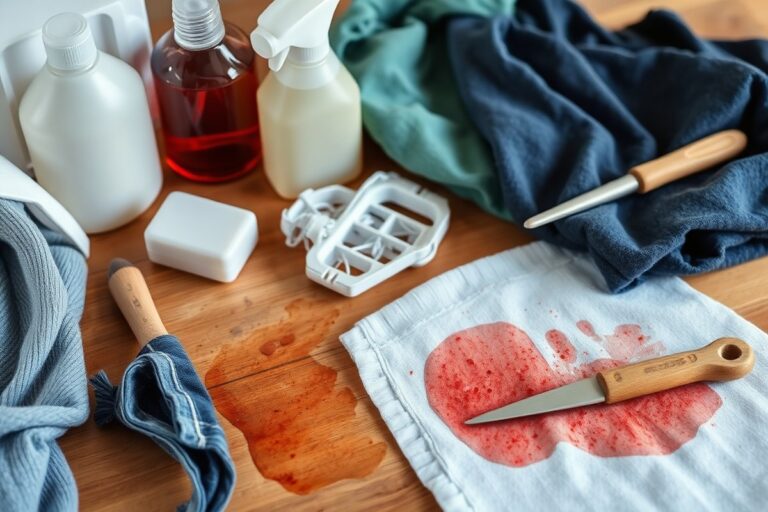
Proper preparation is essential before washing moldy clothes to prevent further spreading and to improve cleaning effectiveness. Start by safely removing loose mold outdoors, then pre-soak the items in a suitable solution to loosen stains and kill mold spores. Finally, pre-treat stains with appropriate removers or natural solutions to break down mold spots before machine washing.
Brushing Off Loose Mold Safely
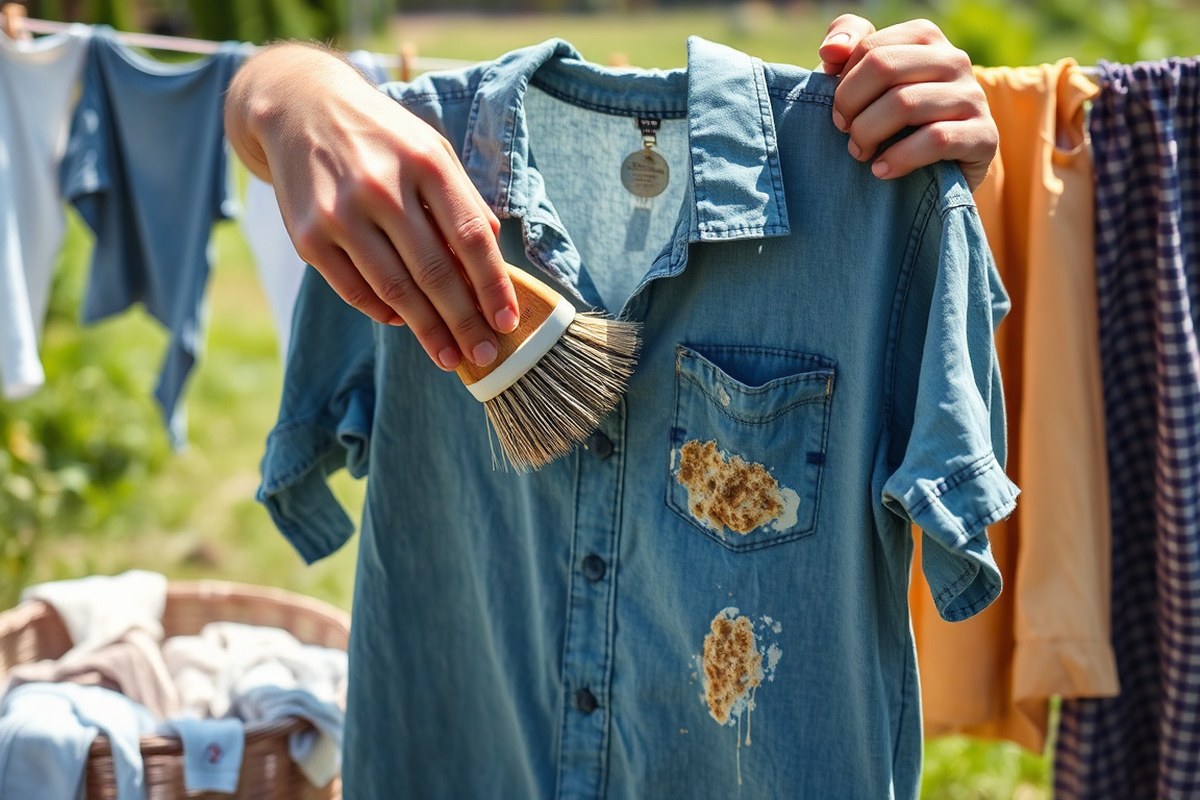
Removing loose mold from clothes outdoors reduces the risk of spreading spores indoors and helps prevent respiratory irritation. Use a soft brush or dry cloth to gently lift off visible mold without rubbing it deeper into the fabric. Take care to wear gloves and a mask if you are sensitive to mold. Here are the steps to brush off loose mold safely:
- Take the moldy clothes outside to an open area with good ventilation.
- Put on disposable gloves and a dust mask to protect yourself from inhaling mold spores.
- Use a soft-bristle brush or dry cloth to lightly brush the moldy areas, aiming to remove loose patches without pressing hard.
- Avoid shaking the clothes vigorously, which can release spores into the air.
- Place the brushed clothes in a sealed plastic bag or container for the next steps.
- Clean and disinfect the brush or cloth immediately after use.
Following these steps prevents mold spores from spreading indoors and reduces contamination before washing.
Pre-Soaking Options and Timing
Pre-soaking moldy clothes helps loosen mold stains and kill spores, making them easier to wash out. Soaking also prevents heat from setting mold stains deeper if you apply hot water directly during washing. Use a solution known for effectiveness against mold while protecting fabric colors and fibers. Common pre-soak solutions include:
- White vinegar: Use one cup of white vinegar per gallon of cool water. Vinegar is mildly acidic and can kill many mold spores.
- Oxygen-based bleach (OxiClean): Follow package instructions to dissolve the product in cool water for a safe, color-friendly soak.
- Citric acid solution: Dissolve two tablespoons of citric acid powder in a gallon of water for natural mold removal on sturdy fabrics.
Soak the clothes for a minimum of 30 minutes. For heavily moldy items, soak up to 8 hours but do not exceed that time to avoid fabric damage. After soaking, rinse clothes with cool water before pre-treating stains.
Pre-Treatment with Stain Removers and Natural Solutions
Applying stain removers directly to mold spots before washing helps break down mold residues and discoloration. Choose products formulated for mold or mildew stains, or use safe household options like vinegar or a paste of baking soda and water. To pre-treat mold stains:
- Place the garment on a flat surface and gently blot the mold stains with a cloth dampened with white vinegar.
- Apply an oxygen-based stain remover or a baking soda paste (mix 3 parts baking soda to 1 part water) over the moldy areas.
- Let the treatment sit for 15 to 30 minutes, allowing the solution to penetrate the fabric.
- Avoid using chlorine bleach on colored fabrics to prevent damage and discoloration.
- Gently rub the stained areas with a soft brush or your fingers to help lift mold residues.
- Rinse the treated areas with cool water before placing the clothes in the washing machine.
Proper pre-treatment improves mold removal during washing and reduces lingering stains and odors.
4. Best Washing Practices for Moldy Clothes by Fabric Type
Different fabrics require specific washing settings to effectively remove mold without damaging the material. Checking the fabric care label first is essential to determine the highest water temperature safe for washing. Hot water, when suitable, kills mold spores and helps lift stains. Use a heavy-duty detergent and, if appropriate for the fabric, add ¾ cup of bleach for white or colorfast items. For delicate or non-washable fabrics, gentler methods such as soaking in water with tea tree oil before cleaning can help reduce mold without harsh chemicals.
| Fabric Type | Water Temperature | Detergent / Additives | Precautions |
|---|---|---|---|
| Cotton, Towels, Durable Fabrics | Hot (as high as fabric permits, often 130°F, 140°F) | Heavy-duty detergent; ¾ cup bleach if safe | Check colorfastness; bleach can fade colored clothes |
| Synthetic Fabrics (polyester, nylon) | Warm to hot (follow care label, usually below 130°F) | Heavy-duty detergent; avoid bleach on colored synthetics | Avoid bleach if fabric is dyed; use oxygen-based cleaners if needed |
| Delicate Fabrics (silk, wool, lace) | Cold to lukewarm (below 90°F) | Mild detergent; soak in water with 10, 15 drops tea tree oil per gallon for 1 hour before washing | No bleach; handle gently; hand wash or use delicate cycle |
| Non-Washable Fabrics (dry clean only) | Do not machine wash | Spot clean with mild solutions; consider professional cleaning | Avoid moisture saturation; leather and suede require specialized care |
Quick cleaning, ideally within one or two days of spotting mold, prevents mold from embedding itself deeper into fabric fibers. The right water temperature and detergent strength are key factors. Using hot water when possible helps kill mold spores on cotton and durable fabrics, while synthetics generally tolerate warm water. Avoid bleach on dyed or delicate materials; it can cause fading or weaken fibers. For delicate or non-washable items, soaking in a tea tree oil solution is a safer option and can reduce mold growth before a gentle wash. Professional cleaning is often best for items labelled dry clean only to avoid damage.
5. How to Dry and Store Clothes to Prevent Mold Regrowth
Drying clothes thoroughly and storing them properly are essential steps to stop mold spores from returning after washing. Mold thrives in damp environments, so complete drying and careful storage in dry, ventilated conditions prevent its regrowth on your garments.
Best Practices for Drying Clothes to Prevent Mold
Clothes must be dried completely before storage to prevent moisture that encourages mold growth. The most effective method is drying in direct sunlight, which not only removes moisture but also uses ultraviolet rays to kill mold spores and reduce odor. Outdoor drying isn’t always an option, so run your dryer on high heat until clothes feel crisp and cool, not just warm or slightly damp.
Avoid air drying indoors in humid or poorly ventilated rooms, as this can keep clothing damp for hours or even days, creating an ideal environment for mold. After drying, clothes should feel dry to the touch and should not emit any musty smell. Pay careful attention to thick fabrics like towels, jeans, and sweaters, which take longer to dry and are more prone to mold if moisture remains.
Conditions for Storing Clothes Mold-Free
Storing clothes properly prevents moisture buildup and provides a barrier against mold spores in the air. Clothes should be stored only after they are completely dry. Use breathable storage options such as cotton garment bags, linen storage bins, or open shelving to allow air circulation around fabrics.
Storage areas should be dry and well ventilated, ideally below 60% humidity. Avoid storing clothes in basements, attics, or plastic containers that trap moisture, as these spaces often have higher humidity levels and poor airflow. Keeping closets and drawers clean and dry reduces mold risks. Consider placing moisture absorbers or silica gel packets in storage spaces to help control humidity.
Steps to Keep Clothes Mold-Free During Storage
- Always ensure clothes are 100% dry before storing.
- Store clothes in breathable containers or garment bags.
- Keep storage areas dry, ventilated, and free from humidity above 60%.
- Avoid folding clothes tightly to improve airflow.
- Use moisture absorbers like silica gel packets in drawers or closets.
- Keep storage spaces clean and free from dust and dirt.
- Regularly air out stored clothes to check for dampness or odors.
Applying these steps consistently helps stop mold growth and keeps your clothes fresher longer. Air circulation and dryness are the two most important factors that influence mold development on stored garments.
Risks of Improper Drying and Storage
Mold can start growing in as little as 24 to 48 hours on damp clothes in warm, humid conditions. Folding or storing clothes while damp, or keeping them in moist areas, traps moisture inside the fabric. This environment accelerates mold spore germination and growth, which damages fabrics and causes musty odors that are difficult to remove.
Storing clothes in plastic bags or sealed containers can hold moisture and encourage mold growth. Regular contact with moldy clothes may cause allergic reactions or breathing problems. When mold keeps coming back despite washing and drying properly, or the contamination is heavy, it’s safer to throw the item away to protect your lungs and stop mold from spreading to other clothes or parts of your home.
Tips for Combating Mold in Difficult Conditions
In humid climates, controlling indoor moisture is key. Use a dehumidifier in closets and storage rooms to maintain humidity below 60%. Open windows or use fans to improve air circulation in enclosed spaces. Clothes stored in a basement or attic should be kept on shelves off the floor and should not be packed tightly.
Regularly exposing stored clothes to sunlight by hanging them outside every few weeks can help kill any mold spores that might start to develop. For seasonal storage, consider washing and fully drying clothes before packing them away for months. Incorporating vinegar in the rinse cycle on mold-prone items can reduce mold spores by over 80%, according to studies on vinegar’s acidity effects.
Never store clothes until they are completely dry, as this is the single most effective way to prevent mold regrowth and avoid damage to your garments.
6. When Moldy Clothes Are Unsafe to Keep or Wash
Clothes with extensive mold growth or that have had mold for a long time should be discarded instead of washed. Removing mold from fabric becomes less effective as it spreads deeply into fibers, and persistent stains or odors indicate mold remnants remain. Continuing to wear or keep these items can pose health risks, especially for people with allergies or respiratory conditions. Always inspect moldy clothes carefully: large patches or musty smells after multiple cleanings suggest disposal is safer.
Mold on clothes can trigger allergic reactions, skin irritation, and breathing problems, making health a primary reason to decide against keeping moldy garments. The mold’s waste gases cause the musty odor and remain harmful even if invisible. For this reason, clothes that still smell moldy after cleaning should not be worn or stored. In such cases, the safest choice is to toss the clothing to avoid ongoing exposure to mold spores.
Mold that keeps showing up on your clothes after proper washing and drying suggests there might be unseen moisture or mold issues inside your home. Solo cleaning efforts won’t stop mold growth if the source of moisture remains. Professional mold remediation is necessary when mold is found on multiple belongings or in structural areas of the house. Specialists can identify underlying causes and treat them to prevent further contamination of fabrics and indoor air.
Managing mold carefully stops it from spreading and protects your health. Avoid placing wet clothes in the hamper unless you’re ready to wash them right away, since mold grows fast on damp fabric. Clean moldy clothes quickly and dry them completely within 24 hours, using the warmest water that your fabric can handle to kill mold spores. Soaking the clothes for 15 minutes before washing can help loosen mold if needed. If you still notice mildew or smells after washing, wash and air out the clothes again, but throw them away if mold or odors don’t go away after multiple attempts.
7. Why Mold Smells Persist and How to Eliminate Odors Effectively
Mold odors often linger even after washing because the spores and their waste products can embed deeply in fabric fibers. Eliminating these smells requires not only cleaning but also neutralizing and breaking down the odor molecules with targeted products and practices.
Why Mold Smell Is Hard to Remove
Mold produces volatile organic compounds (VOCs) that cause the unmistakable musty smell. These compounds can penetrate fabric fibers and may not fully wash out with detergent alone. Mold spores can cling tightly to the textile, releasing odors until they are completely killed and removed.
Repeated washes may reduce the smell but might not fully eliminate it, especially if the mold has set in over time or the fabric is dense. The longer clothes were exposed to mold, the deeper the spores settle, making the odor more persistent.
Use of Odor Neutralizers and Sprays
Using specialized odor neutralizers can effectively target mold smells that survive after multiple washes. Commercial fabric sprays designed to neutralize mildew aromas contain ingredients that bind to and break down odor-causing molecules, masking or removing the scent entirely.
Sprinkle baking soda directly on moldy areas before washing to help absorb odors and assist in mold removal. Post-wash, applying an odor-neutralizing spray can provide a final deodorizing step. These sprays are widely available for around $5 to $15 and can be found in grocery stores or online.
Additional Washing and Drying Tips
Eliminating mold smells often requires soaking clothes once or twice, followed by a thorough wash. Use a mixture of detergent and an odor-removing agent such as white vinegar or borax, letting the clothes soak for no less than 30 minutes. After soaking, wash the garments using the warmest water temperature that the fabric can handle to destroy mold spores.
Sun drying is a practical way to reduce mold smell. The ultraviolet rays from sunlight kill remaining spores and help evaporate moisture that feeds mold. Dry clothes outside in direct sunlight for several hours to improve odor elimination significantly.
Persistent mustiness after repeated washing and drying often indicates mold damage that is too deep in the fabric. At this point, continuing to invest effort or products may not restore the clothes adequately.
- Sprinkle baking soda generously on affected areas to absorb odors before washing.
- Soak clothes for 30 minutes in a mixture of warm water and one cup of white vinegar or 1/2 cup of borax.
- Wash clothes in the highest water temperature recommended on the fabric label using a strong detergent.
- After washing, spray mold odor neutralizer evenly over the fabric according to the product directions.
- Dry clothes outside in direct sunlight for at least 4 hours to kill remaining spores and aid odor removal.
- Repeat soaking and washing cycles if odor persists, up to two additional times as needed.
- Inspect clothes after drying; discard if musty smell remains despite treatment and fabric is damaged.
8. Household Safety and Handling Tips During Mold Removal
Handling moldy clothes poses health risks because mold releases spores that can irritate your skin, eyes, and respiratory system. If you wash moldy items without precautions, spores may spread inside your washing machine or onto other laundry, increasing the risk of cross-contamination. Proper safety steps protect your health and prevent mold from moving around your home.
Wearing disposable gloves and a mask during mold removal reduces direct contact with mold spores and limits inhalation. Carry the moldy clothes outside or to a well-ventilated area before treatment to avoid spreading spores indoors. Keep moldy clothes separate from clean laundry in sealed plastic bags or containers until you can clean them.
- Wear a mask rated N95 or higher and gloves before handling moldy clothes
- Handle moldy fabrics in a well-ventilated space or outdoors
- Keep moldy clothes sealed away from other laundry to avoid cross-contamination
- Clean the washing machine drum and detergent drawer with a bleach solution or mold cleaner after washing moldy clothes
- Wash moldy clothes separately from regular laundry
- Use hot water (above 130°F) when fabric care labels allow to kill mold spores effectively
- Dry clothes completely in direct sunlight or with a hot dryer cycle to prevent mold regrowth
Always clean your washing machine after washing moldy items to stop spores from spreading to future loads.
Washing machines can become a source of mold spore spread if not cleaned properly after treating moldy laundry. Spores may linger in rubber seals, detergent dispensers, or filter compartments. Running an empty cycle with hot water and a cup of bleach or washing machine cleaner kills lingering spores and helps protect your next laundry loads.
Checking clothing tags before washing helps you choose the right temperature and products so you do not damage fabrics. For delicate fabrics that can’t tolerate hot water, use mold-specific detergents or add household ingredients like white vinegar or baking soda during the wash cycle to reduce spores safely. Cost is minimal; household mold cleaners or vinegar cost a few dollars and require only about 15, 30 minutes, including washing machine cleaning. Following these safety practices reduces the risk of mold exposure and spread while giving moldy clothes the best chance to be restored without damage or health hazards.
Step-by-Step Action Plan for Removing Mold from Clothes
Follow these steps to safely remove mold from your clothes and keep them mold-free moving forward.
- Before you start: Take moldy clothes outside to shake off loose spores, minimizing indoor contamination. Check that the fabric can handle your chosen cleaning method by reading the care label.
- Day 1: Pre-treat stains with a mixture of detergent and white vinegar or a mold-specific pre-wash spray. Let it sit for 10, 15 minutes to break down mold and odor substances.
- Day 1: Wash clothes separately using hot water if the fabric allows, adding detergent and, if safe for the fabric, a disinfectant like bleach or an oxygen-based cleaner. Confirm the mold and smell are gone after the wash.
- Immediately after washing: Dry clothes fully in direct sunlight if possible, or use a dryer on high heat approved for the fabric type. Dampness invites mold regrowth, so ensure complete dryness.
- Within a week: Store clothes in a well-ventilated, dry space. Use moisture absorbers or dehumidifiers if humidity is high to prevent mold from returning.
- If mold returns or odors persist: Repeat treatment or consider professional cleaning for delicate items. Discard clothes with extensive mold damage or those that cause allergic reactions despite cleaning.
Frequently Asked Questions
How Can I Remove Mildew Smell from My Clothes?
To eliminate mold and bad smells, soak your clothes in a solution made with vinegar or baking soda before washing. Including one cup of white vinegar in the wash cycle also helps get rid of mildew odors effectively.
Do Lysol Wipes Kill Mold Spores?
Lysol wipes can kill some mold spores on hard surfaces but are not recommended for fabric since they won’t penetrate deep into clothing fibers or neutralize odors.
What Kills Black Mold Immediately?
Hot water combined with vinegar or a bleach solution (for white fabrics) kills black mold effectively. Multiple wash cycles may be needed to fully remove all spores and stains.
What Should You Never Clean Mold With?
Avoid using ammonia directly on moldy clothes because it can release harmful fumes and may not kill mold effectively on fabrics. Also, don’t mix bleach with ammonia or other cleaners.
Can Mold Return After Washing Clothes?
Mold can return if clothes are not dried thoroughly or stored in humid conditions. Dry in direct sunlight to naturally kill leftover spores and prevent regrowth.
Is It Safe to Wear Clothes with Faint Mold Smell After Washing?
It’s not recommended because lingering mold spores can cause allergies or skin irritation; rewash or dry in sunlight to eliminate odors fully.
Final Thoughts
Washing clothes can remove most mold and its odors if you act promptly and follow fabric-specific care instructions. Proper cleaning, drying, and storage prevent mold from coming back. Start by pre-treating your moldy clothes today and check that all visible signs and smells have disappeared before putting them away.