How to Get Rid of Pit Stains: 8 Proven Methods for Fast, Lasting Results
To get rid of pit stains quickly and effectively, pre-treat the area with a stain remover or a natural paste, then wash the garment in warm water. For tougher stains, soak the fabric overnight and scrub gently before laundering. This approach helps break down sweat and deodorant residues without damaging the fabric.
This advice is for anyone dealing with yellowish or white armpit stains that can ruin your clothes. You’ll find practical methods to remove pit stains fast and prevent them from coming back, ensuring your shirts stay fresh and clean longer.
Key Takeaways
- Apply a paste of baking soda and water directly to pit stains and let it sit for 30 minutes before washing.
- Soak shirts in a mixture of one cup vinegar and two cups water for 30 minutes to loosen sweat stains.
- Use a soft-bristled toothbrush to gently scrub stained areas after applying your chosen cleaner.
- For fresh sweat stains, allow treatments to sit 10, 15 minutes; older stains may require soaking overnight.
- Choose an aluminum-free deodorant to reduce the risk of future yellow pit stains.
- Pre-treat stains with commercial gels like Shout Advanced Gel at least five minutes before washing.
1. How to Remove Pit Stains Quickly and Effectively

Removing pit stains quickly requires using household ingredients that break down sweat and deodorant buildup without damaging your fabric. Baking soda, white vinegar, lemon juice, and hydrogen peroxide can all help lift these stains when applied properly. The key is to act soon after noticing the stain because older marks set harder and become more challenging to remove. Avoid using a dryer before the stain is gone, as heat can make the stain permanent.
Here is a straightforward routine to tackle pit stains effectively using items you likely have at home. This process works best on cotton and other durable fabrics; for delicate or dry-clean-only garments, a gentler approach or professional service might be necessary.
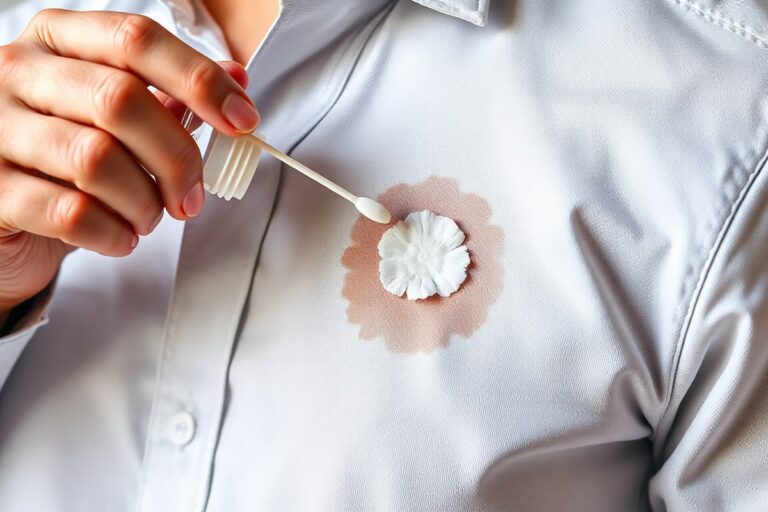
- Mix a cleaning paste. Combine 4 tablespoons of baking soda, 1 tablespoon of water, and 1 tablespoon of hydrogen peroxide to form a thick paste. Baking soda absorbs odors and lifts stains, while peroxide acts as a mild bleaching agent to break down discoloration.
- Apply the paste directly. Spread the paste evenly over the stained armpit area, covering the entire pit stain. Pushing it into the fabric helps target the deep-set stain.
- Let it sit for 30 minutes. Allow the mixture to sit at room temperature without covering. This waiting time lets the cleaning agents penetrate the stain for visible results without damaging the fabric.
- Rinse with cold water. After soaking, rinse the area with cold water to remove the paste and loosened stain particles. Hot water can set remaining stains, so avoid it during this step.
- Treat with white vinegar if needed. For persistent stains, soak the pit area in a solution of 1 part white vinegar to 2 parts cold water for 15 minutes. Vinegar breaks down deodorant buildup and neutralizes odors.
- Wash normally. Launder the garment in cold or warm water using your regular detergent. Check the label for temperature recommendations to avoid fabric damage.
- Air dry the garment. Do not use a dryer until you confirm the stain is gone. Heat can set any remaining traces, making removal harder.
- Repeat if necessary. Stubborn or older pit stains may require two or more treatments for complete removal.
Before starting, inspect the fabric for care instructions and test the cleaning paste on a hidden area to prevent discoloration. The entire treatment takes about 45 minutes plus wash time. Costs are minimal since all the ingredients are common kitchen staples.
2. What Causes Pit Stains and Why They Turn Yellow

Yellow pit stains form from a chemical reaction between your sweat and the aluminum compounds in antiperspirants. Sweat itself contains water, salts, proteins, and fats. When you sweat, the proteins and salts in sweat combine with aluminum salts from your antiperspirant and natural body oils. This mixture bonds with the fabric fibers of your shirt, causing the yellow discoloration you often see in the underarm area.
Heavy sweating increases the chance of these stains because more sweat means more protein and salt buildup that can react with aluminum. Antiperspirants work by blocking sweat glands with aluminum salts, but these same chemicals can react with sweat on your clothes. Deodorants without aluminum may still leave white residue or sweat marks, but they typically do not cause the yellow stains. The yellowing happens because aluminum compounds chemically alter sweat proteins and body oils, creating a stain that is difficult to remove.
Fabric type also affects the stain appearance. Synthetic shirts often show deodorant buildup rather than the deep yellowing seen on cotton fabrics. This buildup looks like stiff or crusty patches rather than a clear yellow stain and results from the way synthetic fibers interact with deodorant ingredients, not the chemical sweat-aluminum reaction.
Differentiating sweat protein stains from deodorant buildup can help improve stain removal. Sweat protein stains are yellowish and found where your skin sweats the most. They tend to soak into the fabric and cause stiffness after drying. Deodorant buildup often looks white or chalky and sits on the surface of your clothes, especially on synthetics. Knowing this difference lets you target the stains appropriately for better results.
To reduce yellow pit stains, let your antiperspirant dry completely before putting on clothing. Using the product sparingly lowers aluminum buildup on your skin and fabric. Switching to aluminum-free deodorants can eliminate the primary cause of yellow stains. Since the yellowing comes from a chemical reaction, preventing the interaction between aluminum and sweat proteins is the most effective strategy.
Allow your antiperspirant to dry fully before dressing to minimize aluminum transfer and reduce yellow pit stains.
3. Best Natural Remedies for Different Stages of Pit Stains
Natural remedies can effectively remove fresh and moderately old pit stains, but very stubborn or set-in stains often require more powerful treatments. Applying the right natural method depends on the stain’s age and fabric. You’ll usually leave these remedies on for at least 1 to 6 hours, sometimes overnight. These approaches avoid harsh chemicals, keeping your clothes safer when used properly.
Natural Treatments for Fresh Stains
For fresh pit stains, a baking soda paste offers a simple and effective solution. Mix 4 tablespoons of baking soda with a quarter cup of water to form a thick paste. Spread it evenly over the stain and let it sit for 30 minutes to an hour before rinsing with cold water. This method works well because baking soda neutralizes odor and loosens sweat oils.
White vinegar is another good option for fresh stains. Soak the stained area in a solution of equal parts white vinegar and water for 30 minutes, then wash as usual. The vinegar acts as a natural acid that breaks down mineral deposits from sweat, making it easier to remove stains without damaging fabrics.
Handling Older or Set-In Stains Naturally
Older pit stains need longer treatment times with more powerful natural agents like hydrogen peroxide. Apply a mixture of half a cup of hydrogen peroxide, a quarter cup of baking soda, and one teaspoon of liquid dish soap directly to the stain. Let this solution soak into the fabric for 8 to 24 hours, ideally overnight. Hydrogen peroxide works as a mild bleach and oxidizer, breaking down stubborn yellowing without harsh chemicals.
Keep in mind very old stains may not fully disappear with natural remedies because the sweat’s reaction with deodorants and fabric fibers becomes permanent. You may see significant lightening but some faint discoloration can remain.
Fabric-Specific Application Tips
Natural fibers like cotton absorb sweat more, so stains tend to be darker and require longer soaking times. They usually tolerate baking soda, vinegar, and hydrogen peroxide treatments well. For synthetic fabrics, such as polyester or nylon, start with shorter exposure times of 30 minutes to 1 hour to avoid damaging the fabric’s finish. Test the remedy on an inconspicuous area first to check for colorfastness. Table 3.1 below compares natural treatment options by fabric and stain age, helping you choose the safest and most effective approach.
| Fabric Type | Stain Age | Recommended Natural Treatment | Soaking/Application Time |
|---|---|---|---|
| Cotton | Fresh | Baking soda paste or vinegar soak | 30 minutes to 1 hour |
| Cotton | Older/Set-in | Hydrogen peroxide mix | 8 to 24 hours overnight soak |
| Synthetics | Fresh | Vinegar soak (test first) | 20 to 30 minutes |
| Synthetics | Older/Set-in | Hydrogen peroxide mix (test first) | 1 to 2 hours max |
Using the right remedy for your fabric helps avoid fading or damage. For stubborn stains, extending soaking time within these limits usually improves results, but watch for fabric weakening or color loss.
4. Using Chemical and Commercial Products Safely for Pit Stains
Effective commercial products for pit stains include enzyme-based cleaners, oxygen bleach formulas, and targeted stain gels. Each option has strengths depending on the stain’s age and fabric, but chlorine bleach should be avoided as it can worsen yellowing. Follow safety tips to protect your skin and fabric while getting the best results.
Enzyme-Based Cleaners and How They Work
Enzyme cleaners feature active proteins that break down the organic compounds causing pit stains, such as sweat and body oils. Products like Puracy Stain Remover use six different enzymes designed to penetrate fabric fibers and eliminate tough stains and odors. These cleaners are particularly effective because they target protein-based stains, which are common in underarm discoloration.
Use enzyme cleaners by applying them directly to the stained area. Let the product sit for at least 15 to 30 minutes to allow the enzymes to digest the stain. For heavily soiled garments, a longer soak of up to several hours or overnight can improve results. After soaking, scrub gently with a soft brush before washing the garment as usual.
Oxygen Bleach and Stain Removers
Oxygen-based bleaches, such as Clorox Oxi Magic or borax, provide a gentler alternative to chlorine bleach and work well for removing protein stains like pit stains. These products release oxygen bubbles that help lift stain particles from fabric without causing damage or yellowing. To treat pit stains with oxygen bleach:
- Dissolve the oxygen bleach powder in warm water following the package instructions (usually around 1 scoop per gallon).
- Submerge the stained area or the entire garment and soak for up to 6 hours for deep stains.
- For improve cleaning, scrub the stains with a soft toothbrush before rinsing.
- After soaking, launder normally in the warmest water safe for the fabric.
- Avoid mixing oxygen bleach with ammonia or chlorine bleach to prevent harmful fumes.
Targeted stain gels like Shout Advanced Gel focus on treating spots with a thicker formula that clings to fabric, giving the remover more time to work. Carbona Stain Devils #9 specifically tackles underarm stains but may perform similarly to other enzyme or oxygen bleach products.
Bleach Usage and Safety Guidelines
Chlorine bleach can permanently worsen pit stains by reacting with proteins and deodorant residues, turning the yellow dark or setting it deeply into the fabric. Avoid using chlorine bleach on any yellow pit stains. Instead, opt for color-safe oxygen bleach products that are less damaging and more stain-specific. When using chemical stain removers, follow these safety steps:
- Wear rubber gloves to protect your hands from irritation.
- Apply products in a well-ventilated room to avoid breathing fumes.
- Test any product on a small, hidden fabric area before full use to check for colorfastness.
- Never mix bleach with ammonia or other household cleaners.
- Use the product only as directed on the label for concentration and soak times.
- Rinse thoroughly after treatment to remove any chemical residues.
Following these precautions and product recommendations helps remove pit stains safely while preserving your clothing’s color and fabric integrity.
5. How to Remove Pit Stains According to Fabric Type
Different fabrics require specific approaches to remove pit stains effectively without causing damage. Cotton and sturdy materials can handle stronger treatments, while synthetics need gentler care to preserve their structure. Delicate or colored fabrics demand cautious methods and patch tests to avoid fading or weakening.
Cotton and Durable Fabrics
Cotton and other durable fabrics like linen tolerate a broad range of stain removal techniques. You can use natural agents such as lemon juice or commercial products without much risk of damage. For old yellow pit stains on white cotton shirts, applying lemon juice and letting the garment sit in direct sunlight for several hours helps to break down the discoloration naturally.
Use warm water (around 110°F) when rinsing to activate stain removers but avoid hot water, which can set stains. After treating, wash cotton shirts as usual with regular detergent. Persistent stains may benefit from soaking in a diluted solution of baking soda and water for 30 minutes before washing.
Synthetic and Performance Fabrics
Synthetic materials like polyester, nylon, and spandex are less absorbent and require gentler cleaning. Avoid harsh chemicals and chlorine bleach because these can damage fibers and reduce the garment’s performance. Instead, opt for mild detergents formulated for sportswear or synthetic blends.
To remove pit stains from synthetic fabrics, pour a solution made of equal amounts white vinegar and water onto the affected spots. Allow it to soak for 15 to 20 minutes before rinsing thoroughly with cold water. Skip using fabric softeners since they can cover synthetic fibers and hold in sweat, making stains worse over time.
Air dry synthetic garments rather than using high-heat dryers. High temperatures can weaken elasticity and cause synthetic fibers to lose shape.
Delicates and Sensitive Materials
Treat delicates such as silk, rayon, or brightly colored fabrics with care to prevent damage or colour bleeding. Start by testing your chosen stain removal method on a hidden seam or inside hem. Apply a small amount of the cleaner and wait 10 to 15 minutes, then check for any adverse changes in color, texture, or strength.
For delicates, consider hand washing with a mild detergent and cool water, gently rubbing the stained area instead of scrubbing. Avoid soaking for long periods. Pat the fabric dry with a clean towel and air dry away from direct sunlight to prevent fading. Steer clear of bleach and strong stain removers on delicate or colored fabrics; oxygen-based stain removers designed for colors can be a safer alternative but still require patch testing. Below is a summary table to guide stain treatment based on fabric type:
| Fabric Type | Recommended Cleaning Method | Water Temperature | Chemical Precautions | Drying Advice |
|---|---|---|---|---|
| Cotton, Linen | Lemon juice + sunlight; baking soda soak | Warm (≈110°F) | Avoid chlorine bleach on whites with set stains | Machine dry or air dry |
| Polyester, Nylon, Spandex | Vinegar solution; mild detergent | Cold | No bleach or fabric softener | Air dry, avoid heat |
| Silk, Rayon, Delicates | Mild detergent, hand wash | Cold | No bleach; patch test stain remover | Air dry, away from sun |
Your cleaning choices should balance stain removal with preserving fabric integrity. Using appropriate treatments according to fabric type helps maintain your clothes’ look and lifespan.
Test stain removal on an inconspicuous area before applying to delicate or colored fabrics to avoid irreversible damage.
6. Common Mistakes That Make Pit Stains Worse (and How to Fix Them)
Pit stains can become harder to remove if certain mistakes occur during washing or treatment. One major error is washing stained clothes in hot water too soon. Heat tends to set protein and sweat compounds into fabric fibers, making stains permanent. Always start with cold water to prevent stains from bonding deeply. Cold water keeps stains suspended so cleaners can work better.
Another frequent problem is using the wrong product on the stain. Some detergents and bleach can worsen yellowing or damage the fabric. Avoid harsh scrubbing or using chlorine bleach on colored garments. Instead, try scrubbing gently with a baking soda and water paste or soak in vinegar before washing in cold water. These natural solutions help break down the mixture of sweat and deodorant residue without causing harm.
Harsh mechanical actions like rubbing the stained area roughly can damage the fibers, causing fabric thinning and trapped dirt. Using a soft brush or fingers to apply stain removers is best. Give the solution time, usually 30 minutes or more, to work before rinsing or washing.
- Avoid washing pit-stained clothes in hot water initially; use cold water instead.
- Do not apply chlorine bleach on colored fabrics to prevent discoloration.
- Use gentle scrubbing, not harsh rubbing, to protect fabric integrity.
- Pre-soak stains with vinegar or treat with baking soda paste for at least 30 minutes.
- Use detergents labeled safe for protein-based stains.
- Do not dry stained clothes in heat before treatment as heat sets stains.
- Stop aggressive home treatments after repeated failure to avoid fabric damage.
Repeated attempts to remove pit stains at home can sometimes backfire, especially on old or heavily set-in stains. If your stain treatment does not improve the area after a few cycles, consider professional cleaning advice. Experts can use stronger stain removers and safe techniques without harming the clothing, though this service may cost $10 to $30 per item depending on the local market and fabric type.
Taking care with water temperature and product choice while handling pit stains gently can save your clothes and reduce stubborn yellow marks. Recognize when to switch from home methods to professional care to avoid wasting time and risking your favorite clothes.
7. Tips to Prevent Pit Stains and Maintain Fresh Clothes
Choosing the right deodorant can greatly reduce the chance of pit stains. Products with aluminum or aluminum compounds tend to react with your sweat, leading to yellowing and discoloration on shirts. Opt for deodorants labeled as aluminum-free or those containing lower concentrations of aluminum. Keep in mind that even aluminum-free deodorants may still cause some staining due to ingredients like oils or waxes. Apply deodorant sparingly, using a thin, even layer rather than heavy application lowers residue buildup that contributes to stains.
Washing frequency plays a key role in preventing pit stains from setting. Regularly washing clothes after each wear, especially shirts worn during heavy sweating, discourages stain buildup and lingering odor. Use a prewash stain remover or soak the shirts briefly in a mixture of water and a bit of detergent before washing. This step helps break down sweat and deodorant residues before they have a chance to bond with fabric fibers.
Fabric choice can also affect how likely your clothing is to stain. Natural fibers like cotton and linen tend to absorb sweat and oils more than synthetics, which means stains may form faster but often wash out easier. Synthetic blends may hold onto stains and odors longer because they trap oils differently. Choose lighter colors to make stains less visible, but washing remains essential to prevent permanent damage. Avoid tight-fitting shirts that trap heat and moisture, increasing sweat concentration on fabric.
Effective laundry habits extend stain prevention beyond just washing often. Always wash shirts in warm water (around 104°F to 140°F or 40°C to 60°C) as it helps dissolve oils better than cold water. Avoid fabric softeners, which can build residue and make fabrics less breathable, promoting sweaty conditions. After washing, dry shirts promptly instead of leaving them damp, which can encourage stain setting and odor. Hang drying outdoors in sunlight adds natural disinfectant action and can brighten whites.
- Use a thin layer of aluminum-free or low-aluminum deodorant
- Wash shirts after each use, especially if sweaty
- Pretreat or soak armpit areas before machine washing
- Prefer breathable, natural-fiber clothing in lighter colors
- Wash clothes in warm water without fabric softener
- Dry shirts promptly, ideally in sunlight
Following these steps will maintain fresher, stain-free shirts and reduce the frequency of pit stain removal efforts. Each stage aims to control what causes stains to form or lock into fabric. Deodorant application affects residue volume, while washing and drying habits influence how stains develop over time. Select products carefully and commit to consistent laundry routines to keep your clothes looking their best.
8. When to Consider Professional Cleaning for Tough Pit Stains
Professional cleaning becomes necessary when pit stains have not responded to thorough home treatments or when fabrics are delicate and risk damage from aggressive stain removers. Set-in stains that have persisted through multiple cleanings or that have deeply yellowed despite enzyme-based pretreatments often need expert attention to avoid fabric weakening or discoloration. You should consider professional cleaning if you’ve tried soaking, enzyme sprays, and careful washing over a few cycles with no significant improvement.
Experts use specialized enzymatic detergents and controlled temperature cycles that home washers may not replicate. Their process often combines soaking with stronger enzymatic or oxidation agents tailored to fabric type and stain severity. For very old or stubborn stains, professionals may allow the stain remover to dry on the fabric overnight to maximize enzyme action. This multi-step, patient approach reduces stain molecules thoroughly while protecting fibers.
Cost varies depending on the provider, garment type, and stain extent but expect to pay $10 to $30 per shirt, more for delicate or large items. Commercial dry cleaning might run higher but offers effective cleaning for non-washable fabrics or garments with multiple types of stains. Ask the cleaner about their process and stain guarantee to set reasonable expectations, given some pit stains may only lighten rather than fully disappear.
Look for signs your visit is warranted, such as persistent odor after washing, stiff or discolored fabric under the arms, or visible yellow marks after several at-home efforts. Avoid continuous harsh scrubbing or bleaching at home, as this can weaken fabric and worsen appearance. Instead, switch to professional services before permanent damage occurs.
Caution: Avoid heavy use of bleach at home on pit stains since it can weaken fabric fibers and cause yellowing to worsen instead of improving.
Step-by-Step Action Plan to Remove and Prevent Pit Stains
Follow this plan to tackle existing pit stains and keep your clothes fresh going forward.
- Before washing: Pretreat stains with a mixture of baking soda and water or a commercial stain remover. Wait 30 minutes; the stain should noticeably lighten.
- Day 1: Wash the garment on the hottest safe setting for its fabric with your regular detergent. Check the stain after washing; it should be reduced or gone.
- After washing: Air dry the clothing instead of machine drying. Heat can set any remaining stains permanently.
- Week 1: If the stain persists, soak the item overnight in white vinegar or hydrogen peroxide diluted with water. Rinse well and wash again.
- Ongoing: Use antiperspirants that contain aluminum chloride to reduce sweat, and wear breathable fabrics like cotton to prevent buildup.
- Weekly: Add a cup of white vinegar to your laundry rinse cycle to maintain freshness and prevent yellowing over time.
- Monthly: Inspect often-worn shirts for early signs of stains and pretreat immediately to avoid buildup.
- When needed: Bring tough, stubborn stains to a professional cleaner who uses specialized treatments.
Frequently Asked Questions
What Is the Best Method to Treat Pit Stains on White Cotton Shirts?
Apply a paste made from baking soda and water directly to the stain, let it sit for 30 minutes, then scrub gently before washing. This method targets the stain without damaging the fabric.
Can Pit Stains Come Back After Washing?
Yes, pit stains can reappear if not fully removed because residue remains in fabric fibers. Using enzyme-based stain removers helps break down sweat and deodorant buildup.
How Long Should I Soak Clothes to Remove Tough Pit Stains?
Soak clothes for several hours or overnight in a solution of water and enzyme cleaner for best results on stubborn stains. Longer soaking loosens deep-set residues.
Do Natural Fibres Stain Differently Than Synthetic Ones from Sweat?
Yes, natural fibers like cotton tend to show yellow stains more clearly, while synthetics might trap odor but look less yellow. Treatment varies slightly based on fabric type.
Are Homemade Remedies Effective for Old, Set-In Pit Stains?
Some homemade remedies can help, but enzyme-based commercial products usually work better on older, set-in stains. Consistent treatment is key.
Will Switching Deodorants Help Prevent Pit Stains?
Switching to a deodorant without aluminum compounds can reduce yellow pit stains since aluminum often reacts to cause staining. Choosing the right product matters.
Key Points to Remember
Removing pit stains is manageable with the right pretreatment and washing steps that respect fabric care. Preventing these stains saves time and keeps your clothes looking newer longer. Start by treating any early stains today and switch to preventive habits that protect your wardrobe.