How to Remove Deodorant Marks from Black Shirts: 8 Proven Methods That Work
To remove deodorant marks from black shirts quickly and effectively, start by gently rubbing a slightly dampened dryer sheet over the white residue or create a baking soda paste to break down the stain. For tougher marks, soak the shirt’s underarm area in a warm water and white vinegar solution for 30 to 45 minutes before washing as usual. These straightforward steps can restore your black shirts’ look without fading or damage.
This advice suits anyone dealing with visible deodorant stains on their dark-colored clothing. You’ll find practical methods tailored for different fabric types and stain severity, along with tips to avoid common cleaning mistakes and prevent future marks.
Key Takeaways
- Use a damp dryer sheet to quickly lift deodorant marks from black shirts without harsh chemicals.
- Create a paste from three tablespoons of baking soda and one tablespoon of water to treat stubborn stains.
- Soak set-in deodorant stains in warm water mixed with white vinegar and dish soap for about 30 minutes for better results.
- Apply the baking soda paste softly onto the stain, then allow it to rest for 20 to 30 minutes before rinsing or laundering.
- Choose cleaning methods based on fabric sensitivity and stain depth to avoid damaging black shirts.
- Rubber or nylon tights can safely break up deodorant buildup on most fabric types without color fading.
1. How to Remove Deodorant Marks from Black Shirts Quickly and Effectively
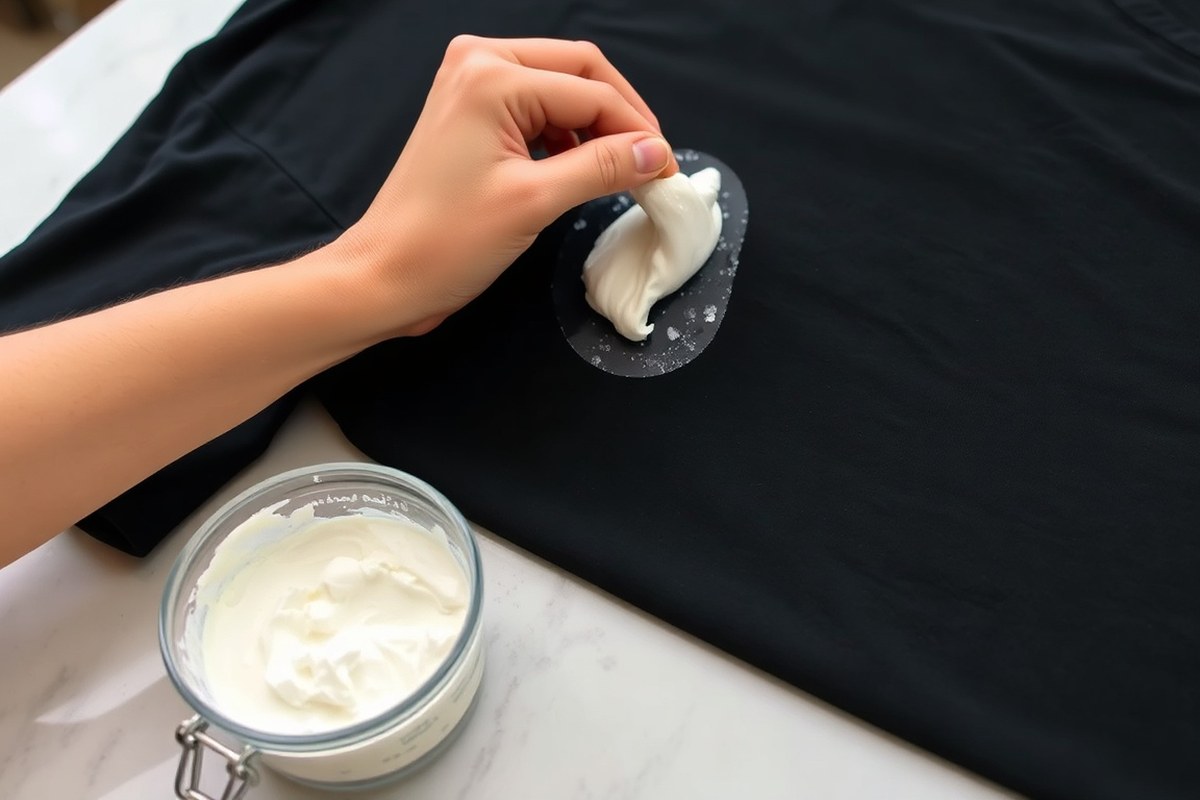
White deodorant marks stand out sharply on black shirts, but removing them quickly without damaging the fabric or fading the color is possible using gentle, proven methods. Using harsh chemicals or scrubbing too vigorously can cause fading, so it’s best to focus on mild household items known for breaking down deodorant residue safely. A slightly damp cloth or dryer sheet can lift fresh marks immediately, while a mild cleaning paste or acidic rinse tackles more stubborn stains effectively. Follow these steps to remove deodorant marks from black shirts quickly and protect your fabric’s color and texture:
- Blot fresh marks gently. Use a clean, slightly damp washcloth to wipe the deodorant mark softly. Avoid rubbing hard, which can grind the residue deeper or wear down the fabric’s dye. This step typically removes superficial, white deposits.
- Rub with a dampened dryer sheet. Lightly dampen a dryer sheet and gently rub over the deodorant mark. Dryer sheets contain softening components that attract and lift deodorant residue without chemicals that damage dark fabric.
- Prepare a mild cleaning paste. Mix 2 tablespoons of baking soda with a little water to form a spreadable paste. Baking soda neutralizes minerals in deodorant buildup and is safe on most cloth.
- Apply the paste cautiously. Spread the paste over the stained areas using a soft cloth or your fingers. Let it sit for about 10 minutes; the paste will absorb and loosen deodorant deposits.
- Rinse with cool water. Thoroughly rinse the treated area under cool water to remove baking soda and loosened residues. Avoid hot water, as it may set any remaining stain or cause fabric colors to fade.
- Use white vinegar as a rinse if needed. For persistent marks, dilute white vinegar with an equal amount of water and apply with a soft cloth. Vinegar dissolves deodorant salts safely without bleaching black fabric. Rinse off after 5 minutes.
- Air dry the shirt. Avoid heat drying until the stain is fully gone. Heat can set deodorant stains permanently and increase color fading. Air drying also helps you spot any remaining marks for further treatment.
Before treating more delicate blacks like silk or fine knits, test any solution on a hidden seam. This ensures no colour loss or fabric damage occurs. These quick methods cost very little, mostly just household ingredients, and save you from rewashing or throwing out favourite black shirts. Gentle treatment combined with prompt action yields the best results without risking fabric or dye damage.
2. What Causes Deodorant Stains on Black Shirts and Why They’re so Visible
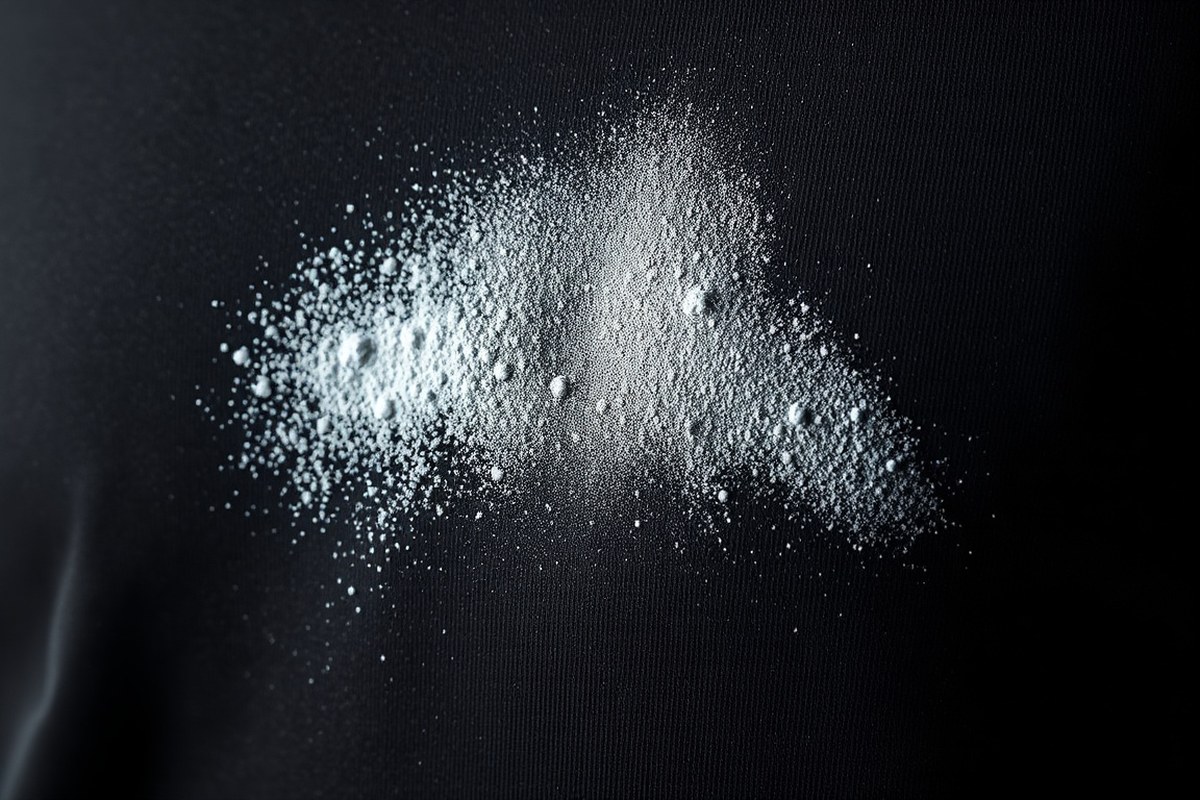
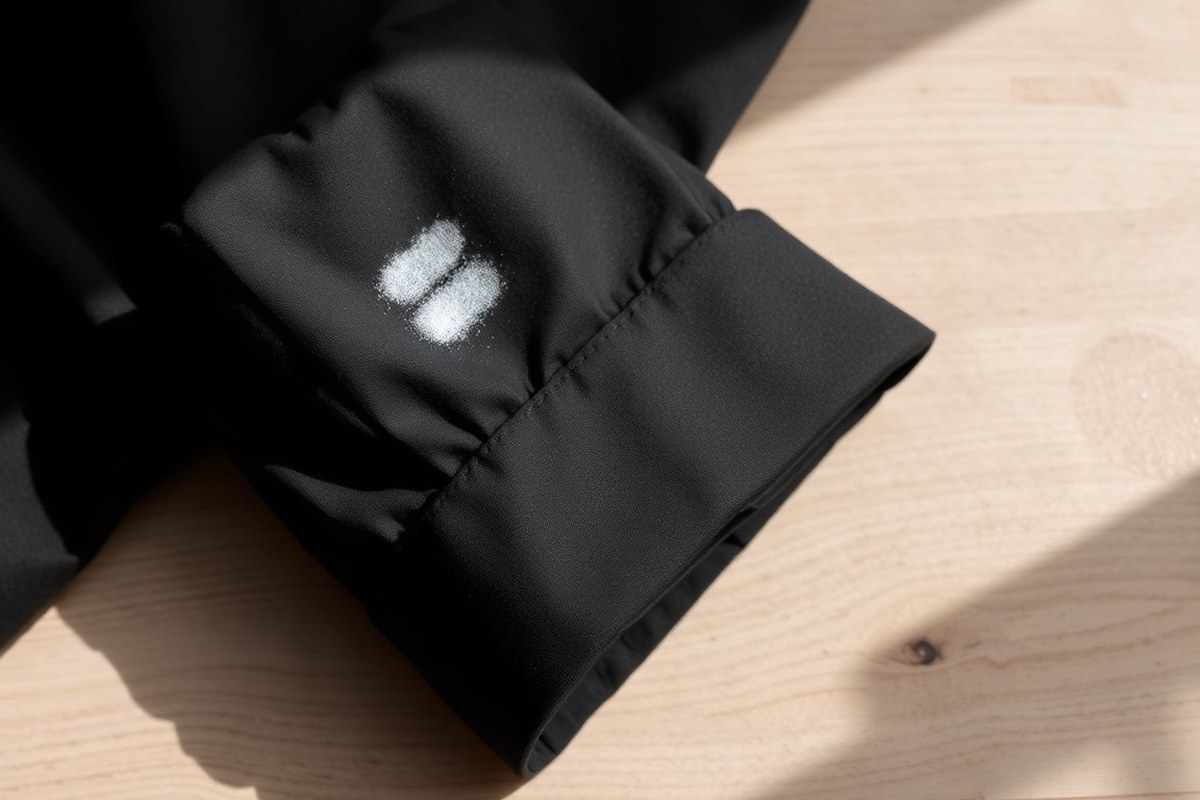
Deodorant stains form on black shirts primarily because of the interaction between ingredients in deodorants and your sweat, combined with the contrast these residues create on dark fabric. The white or yellow marks arise from aluminum compounds and other chemicals in antiperspirants reacting with minerals in sweat. These stain components become easily visible on black shirts, standing out due to their lighter color and texture.
Ingredients in Deodorants That Cause Stains
Antiperspirants, which are a common type of deodorant, usually contain aluminum salts like aluminum chlorohydrate or aluminum zirconium. These compounds temporarily block sweat pores to reduce moisture. When these aluminum salts mix with minerals such as calcium and magnesium in sweat, they form residues that stick to fabric. This residue often appears as white or yellowish marks on clothing, especially if the product is a stick, roll-on, or spray with higher concentrations.
In addition to aluminum salts, some deodorants include oils, waxes, and other ingredients that add to the buildup on fabric. These components can leave greasy or powdery deposits that cling to fibers, particularly on synthetic blends or shirts with polyester content. Black shirts highlight these residues more because the lighter color of the residue contrasts sharply against dark dye.
Sweat’s Role in Creating Deodorant Stains
Sweat itself also contributes to the stain formation process. It contains water, salts, and minerals that interact chemically with the aluminum compounds in antiperspirants. As your body heats up and perspiration increases, the mixture of sweat and deodorant ingredients deposits on fabric. Over time and with repeated wear, this buildup becomes harder to remove and can cause permanent discoloration.
Perspiration’s salt content is particularly responsible for yellowing underarm stains seen mostly on lighter fabrics. On black shirts, the mix of sweat minerals and deodorant compounds can create opaque, white powdery marks. The more you sweat, the more prominent this residue tends to become.
Why Stains Are More Noticeable on Black Shirts
The dark dye in black fabrics causes a strong visual contrast that makes any residue or buildup very visible. White or pale deodorant residue contrasts with the black background, revealing exact shapes of fingerprints, armpit areas, or collar contact points. These marks stand out even if they’re thin or light. Black fabrics also tend to show changes in fabric texture caused by crusted deodorant minerals, making stains feel rough to the touch and easier to spot.
Shirts made from synthetic fibers or blends commonly hold onto deodorant residues more than natural fibers. This is due to the difference in how fibers absorb oils and powders. Polyester or nylon threads attract and trap oils and minerals, which causes buildup that remains visible even after washing. This stickiness combined with color contrast explains why deodorant stains are a frequent complaint on black shirts.
Physical Residue Buildup on Fabric Fibers
When deodorant residue dries on a black shirt, it forms a physical layer or crust on the fabric surface, rather than being fully absorbed. This layer can clump or cake, reflecting light differently than the smooth fabric and showing as marks. Over time, repeated application and washing without proper stain removal can make this film thicker and more difficult to remove.
It’s possible to visualize this by thinking of the residue as tiny particles of chemicals and minerals that settle into fabric weave. These particles do not dissolve in water easily without targeted cleaning and can cause the visible buildup primarily at the underarm area and points where deodorant contacts the fabric directly.
Always avoid drying your black shirt before treating deodorant stains; heat from the dryer can permanently set the deposits, making them harder to remove.
3. Effective Home Remedies for Removing Deodorant Stains on Black Clothes
Several home remedies remove deodorant marks from black shirts effectively without damaging the fabric. Using baking soda paste, soaking in white vinegar, and quick methods like baby wipes or dryer sheets target different levels of stain severity. Each method focuses on gently breaking down or lifting deodorant residue and helps keep black fabrics looking fresh.
Using a Baking Soda Paste Safely
Baking soda is mildly abrasive and great for lifting deodorant stains off black fabric without fading color. Mixing it with water creates a paste that grabs deodorant buildup when applied carefully. Letting the paste sit allows it to break down the stain before rinsing away residue.
- Mix 3 tablespoons of baking soda with 1 tablespoon of water until you get a thick paste.
- Turn your black shirt inside out to protect the visible side.
- Apply the baking soda paste directly onto the deodorant mark using your fingers.
- Gently rub the paste into the stain, covering it completely.
- Allow the paste to sit and dry for about 20 to 30 minutes.
- Rinse the area under cold running water to remove the dried paste.
- Wash the shirt as usual, following care instructions.
This method is low cost and takes about 30 to 45 minutes total. Avoid scrubbing too hard to prevent roughening the fabric’s surface. If staining persists, consider repeating the treatment before washing.
Applying White Vinegar Soak for Set-In Stains
White vinegar is acidic and helps dissolve deodorant buildup that’s become stubborn over time. Soaking the stained area in diluted vinegar breaks down residues without harsh chemicals, making it safe for black shirts. This approach works well for set-in stains that aren’t easily removed by surface cleaning.
- Fill a basin with warm water, about enough to submerge the affected shirt part.
- Add ½ cup of white vinegar to the water and mix well.
- Turn your black shirt inside out and submerge the stained area in the vinegar solution.
- Let it soak for approximately 30 minutes.
- Remove the shirt and gently rub the stain to loosen deodorant residue.
- Rinse thoroughly with cold water.
- Wash normally according to fabric care labels.
Vinegar is affordable and commonly available. Avoid prolonged soaking over 1 hour to prevent affecting fabric color. This soak can be repeated for tough, older stains before laundering.
Quick Fixes: Baby Wipes and Dryer Sheets
When you spot a deodorant mark and need a fast fix, baby wipes and dryer sheets offer gentle, immediate stain removal without water or machines. They work by lifting deodorant residue off the fabric surface using quick rubbing motions, ideal for last-minute touch-ups.
- Choose an unscented baby wipe or a new/used fabric dryer sheet.
- Lay your black shirt on a flat surface or hold it taut.
- Rub the baby wipe or dryer sheet firmly over the deodorant mark in short, quick strokes.
- Check progress, reapplying if some residue remains.
- Allow the fabric to air dry before wearing.
Baby wipes and dryer sheets cost a few cents per use and require no rinsing or soaking. They work best on fresh or light deodorant stains. For heavier marks, combine a quick wipe with a home remedy soak later for full removal.
4. Choosing the Right Method Based on Fabric Type and Stain Severity
Fabric type plays a big role in deciding how to remove deodorant marks from black shirts. Rough or sturdy fabrics like cotton can handle stronger stain removers and soaking, while delicate fabrics such as silk or rayon need gentler methods to avoid damage. Always check care labels to confirm fabric type and washing instructions before choosing a treatment.
Assessing the age and intensity of the stain helps you pick the right removal strategy. Fresh deodorant marks can often be treated with quick spot cleaning, while older, set-in stains usually require longer treatments like soaking. The more time a stain has to set and the more visible the residue, the stronger the method should be, but with delicate fabrics, avoid harsh chemicals even for tough stains.
| Fabric Type | Recommended Removal Method | Soaking Advice | Notes on Damage Risk |
|---|---|---|---|
| Cotton, Polyester | Oxygen bleach solution, gentle scrubbing | Safe to soak up to 30 minutes | Low risk; strong solutions usually okay |
| Silk, Rayon | Mild detergent, spot treat with water and vinegar mixture | Avoid soaking; use quick spot treatments | High risk; avoid harsh agents and long exposure |
| Wool, Cashmere | Mild soap, blotting with damp cloth | No soaking, dry clean if stain is severe | Very delicate; moisture and agitation may cause shrinkage |
| Blends (Cotton/Polyester) | Oxygen bleach solution preferred | Short soak, about 15-20 minutes | Moderate risk; avoid harsh abrasives |
For set-in deodorant stains on sturdy fabrics, soaking in a solution of oxygen bleach diluted according to package instructions usually helps lift the residue. Let shirts soak at room temperature for up to 30 minutes, then gently rub the stained area before washing normally. This method costs around $5 to $10 per treatment for oxygen bleach powder and requires no special equipment.
Delicate fabrics demand careful treatment. Avoid soaking as it can damage fibres or cause color loss in black fabrics. Instead, use a mild detergent with water or a vinegar mixture to gently spot clean. Applying the product carefully with a soft cloth and rinsing quickly limits exposure and prevents weakening or discoloration.
For mild or fresh stains, start with quick spot cleaning using water and a mild detergent. If the stain does not fade, escalate to oxygen bleach soaking on sturdy fabrics or repeat gentle spot treatments on delicate ones. Never use bleach or abrasive scrubbing on delicate fabrics, as this leads to fabric damage and faded black color.
5. Common Mistakes When Removing Deodorant Stains and How to Avoid Them
Applying bleach to deodorant stains on black shirts is a common error that often leads to permanent discoloration or damage to the fabric. Bleach can strip color from shirts, leaving faded or white spots that are difficult to mend. To avoid this, use specialised stain removers designed for dark fabrics or mild detergents that protect the fabric’s dye.
Drying clothes with deodorant stains before removal solidifies the marks, making them harder to clean. Heat from dryers sets stains permanently, so always treat and wash stains while they are fresh and never put the shirt in a dryer until the deodorant mark is gone. Air drying after stain removal prevents heat from fixing any remaining residue.
Scrubbing deodorant marks aggressively can wear out fabric fibers, causing thinning or rough patches on your black shirts. Instead, gently rub stain removers or detergents with your fingers or a soft cloth. Let the product sit for 5 to 10 minutes before rinsing, which improves stain breakdown without stressing the fabric.
- Avoid bleach or chlorine-based cleaners on black shirts to preserve color.
- Do not dry shirts in a hot dryer until all deodorant stains are fully removed.
- Skip rough scrubbing; gently apply stain remover to protect fabric integrity.
- Use cold or lukewarm water when rinsing stained areas to prevent setting stains.
- Avoid using too much detergent, excess residue can attract dirt and make stains worse.
Always test any stain removal product on a hidden area of the shirt first to check for colorfastness.
Using hot water might seem helpful, but it can cause deodorant proteins and oils to bind more tightly with fabric fibers, thus worsening the stain. Instead, lukewarm or cold water is more effective at loosening these marks on black clothes. Choosing the right temperature and treatment method based on fabric type also matters; delicate materials need gentler care to avoid fading or damage.
Remember that prevention goes a long way. Wearing an undershirt can create a barrier to keep sweat and deodorant from directly staining your black shirts. With fewer stains, you reduce the risk of damage caused by harsh cleaning attempts or repeat treatments.
6. Pre-Treatment and Soaking Techniques for Set-In Deodorant Stains
Soaking black shirts before washing can significantly improve the removal of set-in deodorant stains. Different soak solutions work by loosening sweat, mineral salts, and deodorant residues without damaging the fabric or fading color. Effective soaking times usually range from 15 minutes to 1 hour depending on the soak ingredients and stain severity.
Warm Water and Dish Soap Soak
A soak using warm water and dish soap gently breaks down deodorant particles and oils on black shirts. Dish soap cuts through grease and grime without harsh chemicals. This method suits mildly set-in stains and is simple to apply at home.
- Pour 1 quart (0.95 L) of warm water into a basin or sink, then add ½ teaspoon (2.5 mL) of mild dish soap and stir gently.
- Submerge the stained areas of the black shirt fully in the solution.
- Let the garment soak for 15 to 30 minutes, allowing the soap to penetrate the fabric.
- Occasionally agitate the shirt gently to help dislodge the deodorant residue.
- Remove the shirt and rinse with cool water before laundering as usual.
This quick soak is low-cost and safe for most fabrics. Avoid hot water to prevent setting stains or fading dark colors. The dish soap should be free of bleach or perfumes for gentleness.
White Vinegar Soak for Mineral Salt Breakdown
White vinegar effectively dissolves mineral salts and deodorant buildup that cause white marks on black shirts. Vinegar’s mild acidity softens and lifts residues without harming color when diluted properly. This soak is best for stubborn, older stains.
- Stir together 1 cup (237 mL) of distilled white vinegar and an equal amount of warm water in a clear bowl or basin.
- Fully immerse the stained portion of your black shirt into the vinegar solution.
- Gently work the liquid into the fabric with your fingers or a soft brush for about a minute.
- Allow the shirt to soak for 45 minutes to 1 hour, but do not exceed 2 hours to avoid fabric weakening.
- Rinse the shirt thoroughly with cool water to remove all vinegar residue.
- Wash the shirt normally using a detergent suitable for dark fabrics.
Vinegar soaks cost just a few cents per use and have the added benefit of deodorizing. Use distilled vinegar to prevent introducing hard water minerals. This soak works well when combined with a subsequent wash designed for black clothes.
Ammonia-Improve Soak for Tough Stains
Ammonia combined with dish soap and warm water offers a strong soak for highly set-in deodorant stains. Ammonia breaks down protein-based residues and oils effectively but should be used with care due to its caustic nature. This soak is recommended only for sturdy fabrics like cotton or blends resilient to alkaline treatments.
- Combine 1 quart (0.95 L) of warm water with ½ teaspoon (2.5 mL) of dish soap and 1 tablespoon (15 mL) of household ammonia in a mixing bowl.
- Ensure good ventilation in the room and wear gloves to protect your skin.
- Place the stained areas of the black shirt into the solution and fully soak them.
- Let the garment soak for 15 minutes, not exceeding this time to prevent damage.
- Remove the shirt and rinse with plenty of cool water until the ammonia smell is gone.
- Wash normally with cold water and a detergent safe for dark fabrics.
Avoid mixing ammonia with bleach or acidic products to prevent toxic fumes. Perform a patch test on an inconspicuous area of the shirt first. This soak is a strong option when milder methods fail to remove the stains after soaking and regular washing.
7. Tips for Preventing and Managing Deodorant Stains on Black Shirts
Choosing the right deodorant can significantly reduce stains on black shirts. Look for clear gel or liquid formulas without aluminum compounds, as these tend to leave fewer white marks or yellow buildup. Avoid heavy antiperspirants that contain aluminum; they block sweat but often react with fabric to cause visible stains. Powder deodorants can also help, since they don’t contain wet ingredients that transfer easily to clothing.
Applying deodorant correctly prevents excess residue. Apply a thin, even layer and give it at least 2 to 3 minutes to dry fully before putting on your shirt. This drying time lets the deodorant settle, reducing transfer to fabric. Applying deodorant lightly and avoiding multiple layers per day can minimize buildup. For best results, use deodorant on clean, dry skin to ensure better absorption and less residue.
- Choose clear, gel, or liquid deodorants without aluminum compounds
- Apply deodorant sparingly and evenly, allowing 2, 3 minutes to dry
- Use deodorant on clean, dry skin after showering
- Wear well-fitted shirts to reduce friction that rubs deodorant into fabric
- Wait for deodorant to dry before dressing
- Wash black shirts regularly to prevent buildup of residues
- Consider switching to powder deodorants for less fabric staining
Clothing fit affects deodorant stain formation. Shirts that are too tight cause rubbing between fabric and skin, pressing deodorant into the fibers. Choose black shirts with a comfortable fit around the shoulders and underarms to limit friction. Looser fits can help airflow and allow deodorant to dry more completely before contact with the fabric.
Laundry habits also play a role in managing deodorant marks. Wash black shirts after every two to three wears to prevent accumulation of deodorant and sweat residues that cause visible stains. Use cold water and detergent formulated for dark colors to maintain fabric integrity and colour intensity. Avoid fabric softeners, which can leave residues that trap deodorant particles.
These lifestyle tweaks and simple steps for deodorant applications cut down on stains and keep black shirts looking their best. The investment in choosing stain-free deodorants and giving time for drying costs only a few minutes but can save hours of difficult stain removal later. Your black shirts will stay cleaner and maintain their color longer with these preventive habits.
8. When to Seek Professional Cleaning for Persistent Deodorant Stains
Deciding when to seek professional cleaning for deodorant stains on black shirts depends on the stain’s age, severity, and your fabric type. If you’ve tried home treatments and the mark remains visible after a few washes, especially if it has yellowed or set deep into the fabric, it’s time to consider expert care. Professional cleaners can address stains that home methods can’t fully remove, including stains that have caused discoloration or damage to the fibres.
Professionals use specialized solvents and detergents not typically available at home, along with advanced machines that control temperature and agitation precisely to avoid further wear. Techniques like dry cleaning or wet cleaning vary based on the garment’s material and stain type. For delicate, natural fibers found in many black dress shirts or blends, professional methods reduce the risk of fading or shrinking compared to aggressive home treatments. Experts also know how to handle tricky fabrics by using targeted spot treatments combined with overall garment cleaning.
Costs for professional stain removal generally range from $10 to $30 per item but can increase for heavily soiled or specialty garments. This price covers inspection, pre-treatment, cleaning, and finishing. Turnaround times depend on the cleaner and treatment type but typically range from 24 to 72 hours. You should ask the cleaner about their success rates with deodorant stains and if they offer a satisfaction guarantee, especially when dealing with valuable or irreplaceable shirts.
Keep in mind that some deodorant stains cause permanent yellowing due to fabric chemistry or aluminum compounds in antiperspirants. Even professional cleaning may not restore the fabric completely in these cases, but it can improve the appearance significantly. Avoid delaying the decision to seek professional help as older stains become harder to remove and increase the chance of permanent damage.
Always check your shirt’s care label before sending it for professional cleaning to ensure the recommended method won’t harm the fabric.
For persistent deodorant marks, a good rule is this: if the stain is older than a week, home attempts have failed after two treatments, or your shirt is made of delicate or expensive material, professional cleaning is the safest choice. This way, you protect your shirt while maximizing stain removal without risking color loss or fabric damage.
Step-by-Step Action Plan to Remove Deodorant Marks from Black Shirts
Follow these steps to tackle deodorant stains on your black shirts efficiently and protect your fabric’s color.
- Before washing: Gently rub the stain with a damp cloth to remove any loose deodorant residue. Check for visible whitening to confirm initial stain lift.
- Pre-treating: Apply a small amount of a gentle liquid detergent or stain remover directly on the mark. Let it sit for 10 to 15 minutes to break down the stain.
- Soaking: Soak the shirt in cold water mixed with a color-safe detergent for 30 minutes if the stain is set-in. Look for lessening of the mark during soaking.
- Washing: Wash the shirt inside out in cold water on a gentle cycle with a detergent designed for dark colors. Ensure the stain is visibly faded before drying.
- Post-wash check: Inspect the shirt before drying. If stains remain, reapply pre-treatment and repeat washing to avoid setting the stain with heat.
- Air drying: Hang the shirt to dry away from direct sunlight, which can fade colors. Confirm the stain is gone once dry.
- Prevention: Apply deodorant and allow it to dry fully before dressing. Use a clear, gel-based deodorant to minimize white marks.
- Routine maintenance: Regularly use detergents formulated for dark clothes and avoid overusing fabric softeners that can leave residue.
Frequently Asked Questions
Can Dryer Sheets Help Remove Deodorant Marks from Black Shirts?
Yes, slightly dampening a dryer sheet and rubbing it on deodorant marks can remove them effectively without damaging fabric.
Is It Better to Use White Vinegar Than Hydrogen Peroxide on Black Shirts?
Using white vinegar is safer for black shirts as it dissolves mineral salts without fading or bleaching the darker dye.
Does Deodorant Type Affect How Stains Appear on Black Shirts?
Antiperspirants and stick deodorants often leave more visible white residue on black fabric compared to sprays or roll-ons.
Can Deodorant Stains Come Back After Washing Black Shirts?
Yes, residual mineral salts can leave deodorant marks visible after washing, so pre-treating before laundry helps prevent this.
Are There Fabric Types That React Badly to Deodorant Stain Removal?
Delicate fabrics like silk require gentle pre-treatment to avoid colour fading or damage when removing deodorant stains.
Will Professional Cleaning Remove Set-In Deodorant Stains from Black Shirts?
Professional cleaners have stronger solvents and techniques that can remove stubborn deodorant stains better than home methods.
Final Thoughts
Removing deodorant marks from black shirts requires careful treatment to protect dark fabrics while getting rid of stains. Applying targeted pre-treatment and washing with cold water detergent designed for blacks keeps shirts looking their best. Your next step is to check your deodorant type and consider switching to options less likely to cause noticeable residue on dark clothing.