How to Remove Bad Smell from Clothes After Washing: 8 Effective Solutions
To remove bad smell from clothes after washing quickly, use white vinegar by adding ½ to 1 cup to your wash or soaking clothes in a vinegar-water solution for 30 minutes before laundering. Always air dry clothes in a well-ventilated area for 24 hours to eliminate lingering odors safely. These steps help break down odor-causing residues and deodorant buildup effectively.
This information is for anyone frustrated by persistent smells after laundry and wanting fresh, clean-smelling clothes. You will learn practical methods to tackle odors, maintain your washing machine, and care for different fabric types to keep your laundry smelling fresh.
Key Takeaways
- Fill a basin with cool water and add 1 cup of white vinegar, then let your clothes soak for 30 minutes before running them through the wash to help remove bad smells.
- Add ½ to 1 cup of white vinegar to the washing machine before the final rinse cycle to help remove smells.
- Rub a paste of baking soda and water onto underarm areas and let sit 30 minutes before washing to lift deodorant buildup.
- Let your clothes dry naturally for about 24 hours in a place with good airflow, ideally outside, to make sure any lingering odors disappear completely.
- Turn synthetic sweat-heavy clothes inside-out before washing to better target trapped odors with detergent and vinegar.
- Maintain your washing machine regularly to avoid odor build-up and cross-contamination from residual water.
1. How to Remove Bad Smell from Clothes After Washing Quickly
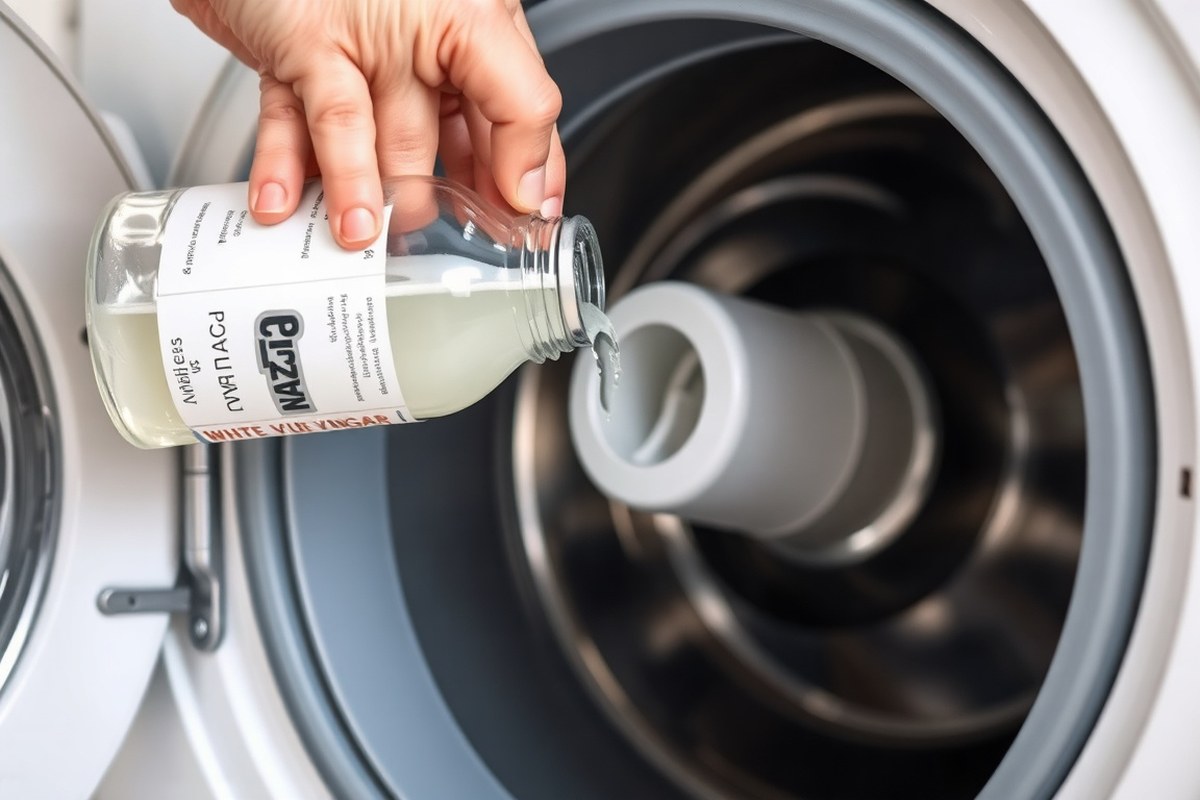
Removing bad smells from clothes after washing can often be achieved with simple and effective home remedies. Using white vinegar or baking soda either during or after the wash helps neutralize odors that sometimes linger. Rewashing with the right techniques can also refresh your laundry quickly, without wasting time or damaging fabrics. Here are clear steps to eliminate bad smells from your clothes quickly using common household items and proper washing methods:
- Add vinegar during the rinse cycle. Pour 1/4 cup (59 mL) of distilled white vinegar into the washing machine during the final rinse cycle. Vinegar helps break down odor-causing residues and deodorizes your clothes without leaving a vinegar smell. This costs just a few cents and takes no extra time beyond your usual wash.
- Use baking soda to boost your detergent. Add 1/2 cup (about 115 grams) of baking soda directly into the wash along with your regular detergent. Baking soda neutralizes acids and odors, making it especially useful for general odor issues. This is an inexpensive option that improves your wash’s freshening power instantly.
- Soak particularly smelly clothes in vinegar and water. Make a soak with one part white vinegar to four parts cool water (for example, 1 cup vinegar to 4 cups water). Let your garments soak for 30 to 60 minutes. Afterwards, rinse them thoroughly and proceed with a normal wash cycle. This helps remove stubborn mildew or sweat smells usually found in workout wear or towels.
- Rewash clothes using the hottest water safe for the fabric. Repeat washing smelly clothes with detergent at the hottest water temperature allowed by the care label. Hot water kills odor-causing bacteria that cold water might miss. Adding vinegar or baking soda during this wash intensifies the deodorizing effect.
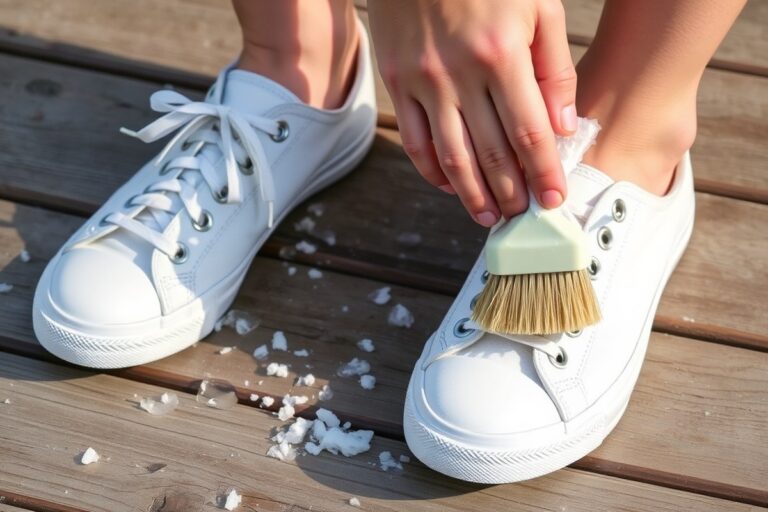
- Rub underarms with baking soda paste if odors persist. Mix baking soda with just enough water to form a paste. Apply this to underarm areas before washing and let it sit for 30 minutes. This lifts deodorant buildup that traps odors in fabrics like shirts containing sweat stains.
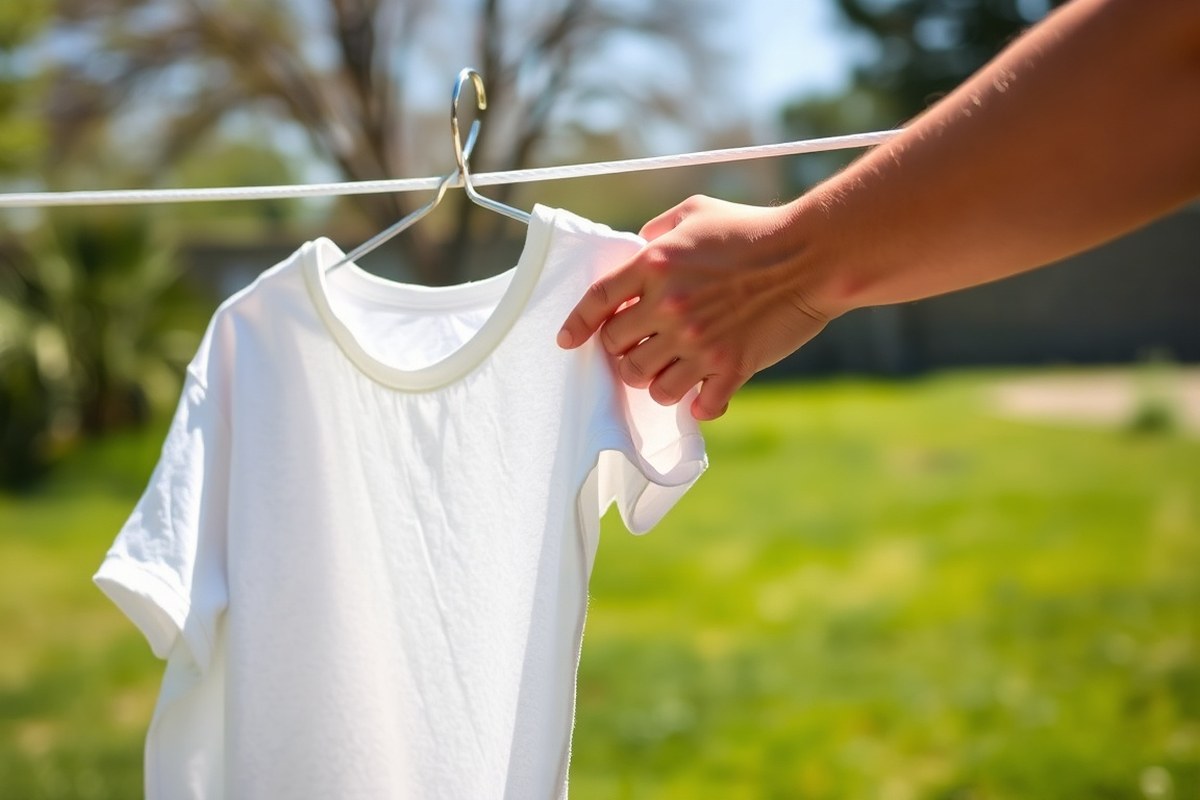
- Dry clothes promptly and completely. After washing, dry your clothes in direct sunlight or a well-ventilated area on a line, or use a dryer set on a suitable temperature. Clothes that stay damp or dry slowly develop a musty smell. Fast drying prevents bacteria growth that causes bad odors after washing.
2. Common Reasons Clothes Smell Bad After Washing
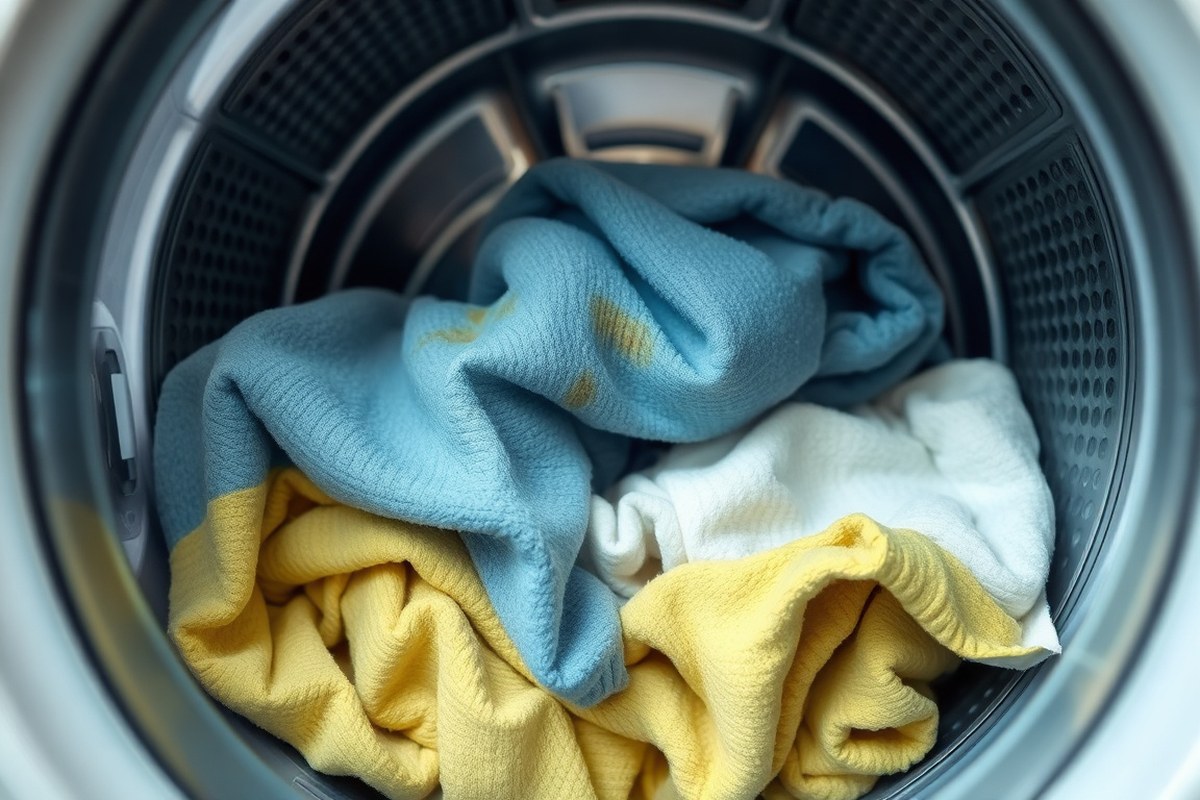
Clothes often retain a bad smell after washing due to bacteria, detergent residue, and trapped moisture. Sweat and skin oils provide nutrients that allow bacteria to grow on fabric fibers, producing odor compounds that remain even after washing. This is especially true for synthetic fabrics, which tend to hold onto both bacteria and odors more than natural fibers like cotton. Washing may remove some bacteria, but if clothing isn’t washed thoroughly, odors can linger.
Using too much detergent or not rinsing clothes properly can leave residues of detergent and fabric softener in the fibers. These residues trap oils and bacteria, worsening the smell over time. Detergent residue can even create a chemical odor or a bleach-like scent if the product doesn’t rinse out completely. Using the recommended amount of detergent per load size helps avoid buildup.
Washing temperature has a direct effect on smell removal. Warm or hot water (typically 104 to 140°F) can better break down oils and kill bacteria compared to cold water, which might only wash away surface dirt. If your clothes still smell musty, consider washing in warmer water based on the garment care label to help eliminate odor-causing microbes. However, delicate or synthetic fabrics may require cooler temperatures, so adjusting based on fabric type is important.
Residual moisture after washing and drying fosters continued bacterial growth, creating a musty or sour smell. Folding or storing clothes while damp traps moisture in the fibers, allowing mildew and mold to develop. Promptly transferring laundry out of the washing machine and drying thoroughly in a well-ventilated space stops this cycle. In room temperature conditions, clothes left damp can support microbial growth within just a few hours.
Fabric type plays a critical role in odor retention. Synthetic materials like polyester and nylon trap sweat and bacteria more effectively than cotton or other natural fibers. This makes them more prone to persistent odors even after washing. Treating these fabrics with additional rinses or occasional disinfecting additives can help. Also, separating laundry by fabric type to apply the right wash settings and drying methods will reduce odor buildup.
Never fold or put away clothes before they are completely dry to avoid trapping moisture that causes musty smells.
3. How to Clean and Maintain Your Washing Machine to Prevent Smells
Keeping your washing machine clean stops the build-up of biofilm, mold, and detergent residues that cause bad odors on clothes. Clean key parts regularly, run monthly maintenance cycles with hot water and cleaners, and adopt habits like leaving the door open to keep your machine fresh and working well.
Clean Door Seals and Detergent Drawers Regularly
Rubber door seals and detergent drawers trap water, dirt, and detergent, creating a perfect environment for mold and bacteria. Cleaning these parts every one to two weeks prevents odors from forming and spreading to your clothes.
Use a cloth soaked in a mild detergent and warm water to wipe the rubber door seal, paying attention to folds and crevices. Remove the detergent drawer and wash it thoroughly in hot, soapy water to clear out leftover detergent and fabric softener residues. Dry all parts completely before putting them back to prevent moisture buildup.
Run Monthly Hot Water and Vinegar or Commercial Cleaners
One maintenance cycle each month keeps your washing machine free from residues and bacterial growth. Use hot water at the highest temperature your machine allows, typically 130°F to 140°F, to dissolve grime effectively.
- Empty the washing machine drum.
- Pour 1 cup of white vinegar into the detergent dispenser or directly into the drum.
- Run a full hot water cycle without any laundry inside.
- Optional: For stubborn residues, use a commercial washing machine cleaner following the manufacturer’s instructions instead of vinegar.
- After the cycle ends, wipe the inside of the drum and door seal with a dry cloth.
Vinegar works as a natural antibacterial and deodorizer, while commercial cleaners may target calcium build-up and detergent film more aggressively. This step costs about $3 to $10 per cleaner package or the cost of vinegar. Avoid skipping this routine, as odors can return within weeks if residues and biofilm persist.
Leave the Door Open After Use for Drying
Moisture left inside the washing machine encourages mold and bacteria growth. Leaving the door or lid open after every wash lets air circulate and dries out damp areas, especially the drum and door seals.
If space is limited, prop the door open slightly rather than closing it tightly. This habit prevents musty smells that transfer to freshly washed clothes, reducing the chance of odor build-up significantly over time.
Avoid Detergent Overdosing and Fabric Softener Buildup
Using too much detergent or fabric softener can leave sticky residue inside your washer that traps dirt and odor-causing bacteria. Follow the detergent and softener dosage instructions on the packaging exactly, adjusting amounts based on load size and soil level.
Overloading your washer amplifies this problem because clothes do not rinse thoroughly. Make sure loads have enough space for clothes to move freely, which improves rinsing and prevents residue accumulation and odors.
4. Pre-Washing Treatments to Tackle Stubborn Odors in Fabrics
Pre-soaking clothes is an effective way to remove stubborn odors before washing. It allows natural and commercial solutions to penetrate fabric fibers, breaking down odor-causing compounds and bacteria. Soaking times typically range from 30 minutes up to 2 hours, depending on the treatment and how strong the smell is.
Vinegar and Water Soak for 30-60 Minutes
White vinegar is a widely used natural deodorizer that neutralizes smells from sweat, mildew, and body oils. Mix vinegar with cool water to create a soak that loosens odors embedded in fabrics. Soaking for 30 to 60 minutes helps break down odor-causing bacteria without harming most fabrics. For strong mildew smells, the full hour is best.
- Fill a sink or bucket with cool water, enough to fully submerge the clothes.
- Add 1 cup (240 mL) of white vinegar to the water and stir to mix.
- Place the odor-affected clothes in the solution, making sure they are completely soaked.
- Let the clothes soak for 30 to 60 minutes depending on odor intensity.
- Remove the clothes and wash as usual with your preferred detergent.
- Dry clothes outdoors if possible to improve freshness and reduce remaining odors.
Baking Soda Mixture for Sweat and Body Odor
Baking soda is an affordable and gentle deodorizer that adsorbs odors and softens water. It works well for sweat and body odor but is less effective on mildew. Dissolving baking soda in water and pre-soaking clothes for 30 minutes can neutralize smells before washing. For more persistent odors, extending the soak to up to 2 hours in warm water can improve results.
- Fill a basin with warm water, enough to cover the clothes.
- Add ½ to 1 cup (120 to 240 mL) of baking soda and stir to dissolve thoroughly.
- Submerge the clothes and ensure fibers are fully soaked.
- Soak for 30 minutes for general odor or up to 2 hours for stronger smells.
- Wash the clothes normally with your regular detergent.
- To get the best effect, keep vinegar and baking soda separate during soaks since their chemical reaction cancels out their cleaning abilities.
Enzyme Detergent Treatment for Heavy Soils and Synthetic Fabrics
Enzyme detergents break down proteins and oils that cause bad smells, particularly on synthetic fabrics such as polyester and spandex. These materials trap sweat and bacteria tightly, so using enzymes can be effective. Soaking clothes in cool water with enzyme detergent for about 30 minutes before washing helps remove odors early on.
- Fill a basin with cool water to avoid damaging synthetic fibers.
- Add a measured scoop of enzyme detergent following the product instructions.
- Mix the water and detergent to create a uniform solution.
- Fully submerge the odor-affected clothes in the solution.
- Let them soak for 30 minutes to allow enzymes to work on breakdown.
- Transfer clothes to the washing machine and continue with your usual wash cycle.
Commercial Laundry Odor Remover Products Overview
Several commercial products supply specialized odor-fighting ingredients optimized for various tough smells. For example, Clorox FreshGuard™ Laundry Odor Remover handles sweat, smoke, mildew, and pet odors effectively, conveniently working in the wash cycle. Another option is ARM & HAMMER™ Plus OxiClean™ Odor Blasters™, which have triple the odor-fighting power compared to value detergents. These products often contain ionic micro-scrubbers or enzyme blends that penetrate fabric fibers deeply.
Using them as a pre-wash soak or adding directly into the wash can improve results on persistent odors. Follow package directions carefully for soaking times and amounts. Costs vary but are generally competitive with quality detergents, typically $8, $12 per container, lasting for multiple loads.
5. Choosing the Right Detergent and Wash Settings for Odor-Free Laundry
To get rid of bad smells from clothes, choose a detergent made for odor-fighting. These detergents contain ingredients that break down odor-causing molecules better than regular detergents. Look for products labeled as targeting tough odors or designed for sportswear and heavily soiled items. Adding a laundry scent booster or a fragranced detergent can also help keep your clothes smelling fresh for longer.
Water temperature plays a key role in removing odors and protecting fabric. Hot water (130°F or above) kills bacteria and dissolves oils causing smells, but it can damage delicate fabrics like wool or silk. Warm water (about 90°F to 110°F) offers a balance by cleaning well without shrinking or fading most clothes. Cold water (below 80°F) uses less energy but might not remove heavy odors or grease effectively, which can leave smells trapped.
Washing cycles with longer wash times and extra rinses help remove stubborn odors. For heavily soiled or smelly clothes, choose a heavy-duty or sanitize cycle, as they provide deeper cleaning with longer agitation. Adding an extra rinse cycle helps wash away detergent residue, which can trap odors if left behind. Some products like Downy Rinse & Refresh rinse additives target fabric residue without coating fibers like fabric softeners do.
Using too much detergent is a common cause of lingering smells. Excess soap builds up on fabric and traps odors, making your clothes smell worse after washing. Follow detergent dosing instructions based on your load size and soil level to avoid residue buildup. If you notice detergent residue, run a rinse-only cycle to clear it out.
| Fabric Type | Recommended Water Temperature | Washing Cycle | Detergent Advice |
|---|---|---|---|
| Cotton, synthetic blends | Warm (90°F, 110°F) | Heavy-duty or normal cycle | Use odor-fighting detergent, avoid overdosing |
| Delicates (silk, wool) | Cold (~80°F) | Gentle/delicate cycle | Use mild, fragrance-free detergent sparingly |
| Sportswear (polyester, nylon) | Warm to hot (90°F, 130°F) | Sanitize or heavy-duty cycle | Use detergent designed for odor and sweat removal |
| Heavily soiled or musty clothes | Hot (130°F when fabric-safe) | Sanitize or heavy-duty with extra rinse | Add rinse additive & use odor-targeting detergent |
After washing, remove clothes promptly to prevent dampness and musty smells. Use scent boosters or fragranced detergents to leave a lasting fresh smell, but avoid fabric softeners that can trap odors. An extra rinse cycle is simple to add and improves odor removal by rinsing out detergents and residues. Adjust your wash cycle length and temperature based on the fabric and odor level to protect fabric while cleaning thoroughly.
Tip: Overusing detergent can trap odors; always measure detergent carefully and use an extra rinse cycle if needed to keep clothes fresh.
6. Drying Techniques That Prevent Odors and Preserve Freshness
Dry your clothes as soon as possible after washing to prevent bacteria and mildew from growing. Damp clothes left in the washing machine for more than an hour can develop sour or musty odors due to bacterial activity. Ideally, transfer your laundry to the drying area within 30 to 60 minutes after the final spin cycle.
Sun-drying offers natural benefits against odors. The sun’s ultraviolet (UV) rays can kill certain bacteria on fabric, reducing the chances of bad smells. Air circulation outdoors helps clothes dry faster, preventing the dampness that encourages mildew. Sunlight also leaves fabrics smelling fresh without added chemicals. However, prolonged exposure to direct sun might fade colors or weaken fibers, so limit drying to a few hours when possible.
Drying clothes indoors can cause odor issues if air circulation is poor or humidity is high. Damp, enclosed spaces encourage mold and mildew growth on fabrics. To avoid this, dry clothes near an open window, fan, or dehumidifier. Keeping indoor drying times short also helps prevent musty smells. If indoor drying is your only option, remove clothes promptly once dry to stop moisture buildup.
Tumble drying is recommended when quick drying is necessary or for fabrics that do not tolerate sun exposure well. High heat from the dryer kills bacteria and helps eliminate odors lodged in synthetic fibers or gym clothes. Use the appropriate heat setting for the fabric type to prevent damage. Running the dryer for at least 30 minutes usually ensures thorough drying and odor removal. Avoid overdrying, which can wear out fabrics and increase static.
- Move clothes to drying within 30 to 60 minutes of washing
- Sun-dry for 2 to 4 hours for natural bacteria kill and freshness
- Use a fan or dehumidifier when drying indoors to reduce humidity
- Choose tumble dry for thick, synthetic, or sweat-heavy items
- Select dryer heat based on fabric care labels to avoid damage
- Remove clothes promptly from dryer or drying line to prevent dampness
Prompt drying halts bacterial growth, which is the main cause of bad smells after washing. Ensuring clothes are dry completely and quickly is just as critical as the actual washing process. Drying methods and timing depend on your local climate, the fabric type, and your available space or equipment. Prioritize airflow and avoid leaving damp clothes sitting, whether indoors or outdoors, to keep your laundry fresh and odor-free.
7. Special Treatments for Synthetic and Sweat-Heavy Clothing
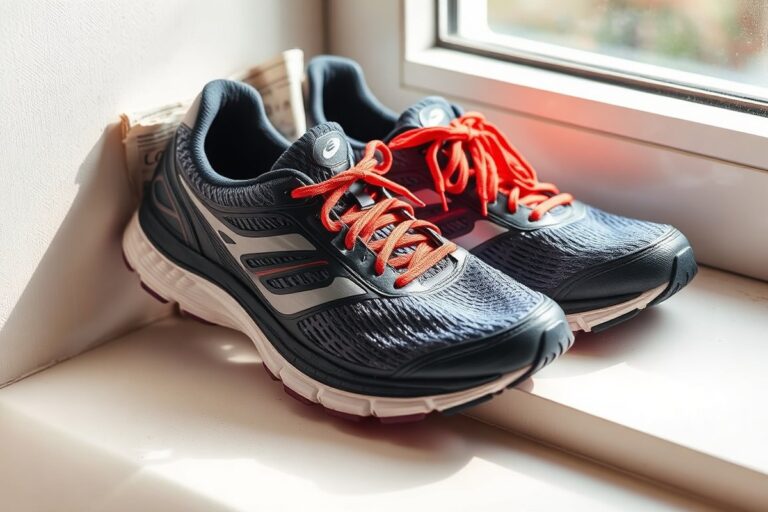
Synthetic fabrics hold odors more stubbornly because they trap sweat and bacteria in their fibers. Athletic clothes made from polyester or nylon need special care since regular washing often fails to break down sweat oils. Enzyme detergents and targeted pretreatments work best to remove these tough smells without damaging the fabric.
Turn Clothes Inside-Out Before Washing
Turning synthetic and sweat-heavy clothes inside-out exposes the areas where sweat and bacteria accumulate directly to the water and detergent. This helps the cleaning agents reach the hidden odors more effectively. Make sure to do this even for lightly soiled gym wear to prevent lingering smells.
For synthetic fibers, agitating the fabric against itself allows the wash to penetrate better, which is essential because these fabrics often resist odor removal. This step also protects the outer side of the fabric from wear during washing.
Use Enzyme-Based Detergents and Presoak Methods
Enzyme detergents contain biological agents that break down sweat proteins and oils causing persistent odors, especially in synthetic fabrics. Presoaking clothes in a vinegar solution before washing helps loosen odor molecules and kills bacteria responsible for smells. Follow these steps to apply the best treatment:
- Turn the clothes inside-out to expose sweat-prone areas.
- Fill a basin or the washing machine drum with cold water.
- Add ½ to 1 cup (120 to 240 mL) of white vinegar to the water.
- Submerge the clothes and soak for 30 minutes to 1 hour.
- Transfer the clothes to the washer and use 50% less detergent than usual.
- Select the warmest water setting safe for the fabric (usually 104°F to 140°F).
- Use an enzyme-based detergent suitable for synthetics and follow label instructions.
- Complete the wash cycle and dry clothes immediately to prevent bacteria growth.
A typical bottle of white vinegar costs around $3 to $5 and can treat multiple loads. Enzyme detergents range from $8 to $15 per bottle depending on the brand and size.
Avoid Fabric Softeners That Trap Odors
Fabric softeners and dryer sheets can leave a coating on synthetic fibers that traps sweat and odor molecules instead of allowing them to wash out. Skipping these products helps maintain breathability and odor removal effectiveness.
Instead of fabric softener, add ½ cup (120 mL) of white vinegar to the rinse cycle. Vinegar naturally softens fabrics without leaving a scent and prevents static without buildup that leads to smells.
Repeat Treatment Cycles If Necessary
Persistent odors in workout clothes or synthetic materials sometimes require multiple wash cycles. If smell remains after the first wash, repeat the soaking and washing steps. Avoid using bleach frequently as it can degrade synthetic fabrics.
Signs that you need another treatment include noticeable sweat smell after drying or fabric feeling sticky or greasy to the touch. Properly treated clothes should smell clean and fresh, with no lingering sour or musty odors.
8. Common Odor-Causing Mistakes and How to Fix Them
Overloading your washing machine is a common mistake that causes clothes to retain bad smells. When the drum is too full, water and detergent can’t circulate properly, leaving fabrics partially unwashed and damp in spots. This trapped moisture fuels mildew and odor buildup. To fix this, only fill your washer to about 75% capacity, allowing enough room for clothes to move freely during the cycle. This simple adjustment ensures thorough rinsing and washing.
Using too much detergent can seem like a good way to get clothes cleaner, but it often backfires. Excess detergent residues stay on fabric fibers, trapping odor-causing bacteria instead of removing them. Use the detergent amount recommended on the product label or your machine’s manual, usually 2 tablespoons for a regular load. This helps avoid buildup and prevents unpleasant smells after washing.
Leaving wet clothes sitting in the washer drum for too long invites musty odors. According to laundry experts, clothes can develop noticeable smells after 8 to 12 hours of sitting damp inside the machine. To prevent this, promptly transfer clothes to the dryer or hang them up immediately after the cycle finishes. If you forget, rewashing or airing clothes outside can refresh them.
Storing clothes improperly after washing also encourages odors. Clothes put away while still damp or packed tightly in drawers without airflow provide a setting for mold and mildew to thrive. Always ensure clothes are completely dry before folding and storing. Choose breathable storage options and avoid plastic bags, which trap moisture and smell.
- Don’t overload the washer; limit loads to 75% drum capacity for optimal washing.
- Use the detergent recommended dose (about 2 tablespoons per regular load) to avoid residue buildup.
- Move clothes out of the washer within 8 hours to prevent musty smells.
- Dry clothes thoroughly before folding and storing to keep fabrics fresh.
- Use breathable storage containers to allow air circulation and prevent moisture buildup.
- Clean your washing machine regularly to reduce odor-causing buildup inside the drum and seals.
Always unload your washing machine as soon as the cycle ends to beat the clock on mildew growth and keep clothes smelling fresh.
Following these steps takes just a bit of extra attention but can prevent most laundry-related odors. Small changes like correct load size, proper detergent amounts, and timely drying and storage make a noticeable difference. You won’t need expensive products or treatments to fix odors if these basics become routine habits. Clean, fresh laundry starts with good habits during and after the wash cycle.
Step-by-Step Action Plan to Remove Bad Smell from Clothes After Washing
Follow these practical steps to tackle and prevent lingering odors in your laundry effectively.
- Before You Start: Inspect your washing machine for mold or residue and clean it using a washing machine cleaner or a hot water and vinegar cycle. You’ll know it worked if the machine smells fresh and looks clean.
- Pre-Wash: Treat smelly clothes with a soak in a mixture of water and baking soda or white vinegar for 30 minutes. Your clothes will smell noticeably fresher before the wash.
- During the Wash: Use a detergent designed to eliminate odors and select the hottest safe water setting for your fabric. Confirm this by checking if the clothes come out smelling neutral and clean.
- Right After Washing: Remove clothes immediately from the washing machine to avoid mustiness. Clothes taken out promptly should not have any damp, sour smell.
- Drying: Dry clothes fully in direct sunlight or use a high-heat dryer setting suitable for the fabric. Fresh-smelling and dry clothes mean the odor problem is solved.
- Weekly Maintenance: Run a monthly deep-clean cycle in your washer with a specialized cleaner or vinegar and baking soda. The absence of machine smells confirms good maintenance.
- Ongoing Clothes Care: Wash synthetic and sweat-heavy clothing separately with specialized detergents to avoid odor build-up. If those clothes stay odor-free after washing and drying, the routine is working.
Frequently Asked Questions
How Long Should I Soak Clothes in Vinegar to Remove Bad Smells?
Soak clothes in a mixture of water and vinegar for about 30 minutes to effectively neutralize odors. This helps break down the odor-causing bacteria before you rinse and air dry the items.
Can Fabric Softener Hide Bad Smells or Actually Remove Them?
Fabric softener may mask odors but won’t eliminate the bacteria causing bad smells. It’s better to use a detergent designed to tackle odors alongside proper washing and drying techniques.
Is It Safe to Use Baking Soda Regularly in Laundry to Prevent Odors?
Using baking soda regularly is safe and can help neutralize odors by balancing pH in the wash. Add about half a cup to your detergent to support fresher-smelling clothes without harming fabrics.
Can Mixing Different Laundry Detergents Improve Odor Removal?
Mixing detergents isn’t recommended because chemical reactions might reduce cleaning power or damage fabrics. Choose a quality detergent formulated for odor removal and stick with it consistently.
Does Overloading the Washing Machine Cause Clothes to Smell Bad After Washing?
Overloading restricts water and detergent circulation, preventing proper cleaning and leaving odors behind. Wash smaller loads to ensure clothes come out fresh and fully clean.
Can Leaving Wet Clothes in the Washing Machine Cause Permanent Odors?
Leaving wet clothes inside too long allows mold and mildew to develop, causing stubborn smells. Remove clothes promptly after the cycle ends and dry them thoroughly.
Final Thoughts
Bad odors in clothes can be a sign of problems with how your laundry and washer are handled. Taking quick, targeted actions improves freshness and helps stop smells from returning. Try treating your next load with a pre-wash soak, use the right detergent, and dry properly to see a big difference fast.