What Is Tumble Drying? A Complete Guide to Safe and Efficient Laundry Care
Tumble drying is a laundry process that uses heat and rotating motion to remove moisture from clothes quickly. It softens fabrics by loosening them after washing and is ideal for items like towels, bedding, and certain cotton and synthetic fabrics. This method suits busy people who need practical, fast laundry solutions without waiting for air drying, especially in humid areas.
This overview explains what is tumble drying, how it works, and which clothes you can safely machine dry. It covers key points like reading care labels, typical drying times, energy use, and safety tips to help you use your tumble dryer effectively at home.
Key Takeaways
- Clothes should be wet but not dripping before placing them in a tumble dryer for best results.
- Check the care label’s tumble dry symbol to confirm if your item can go in the dryer.
- Use low heat settings for synthetic fibers like polyester and nylon to prevent damage.
- Cotton garments tolerate tumble drying but air drying helps extend their lifespan and reduce shrinkage.
- Towels and bedding benefit from tumble drying because it makes them softer and fluffier.
- Tumble dryers can use about 4 kWh per cycle, so consider energy-efficient models or air drying to save power.
What Is Tumble Drying and How Does It Work?
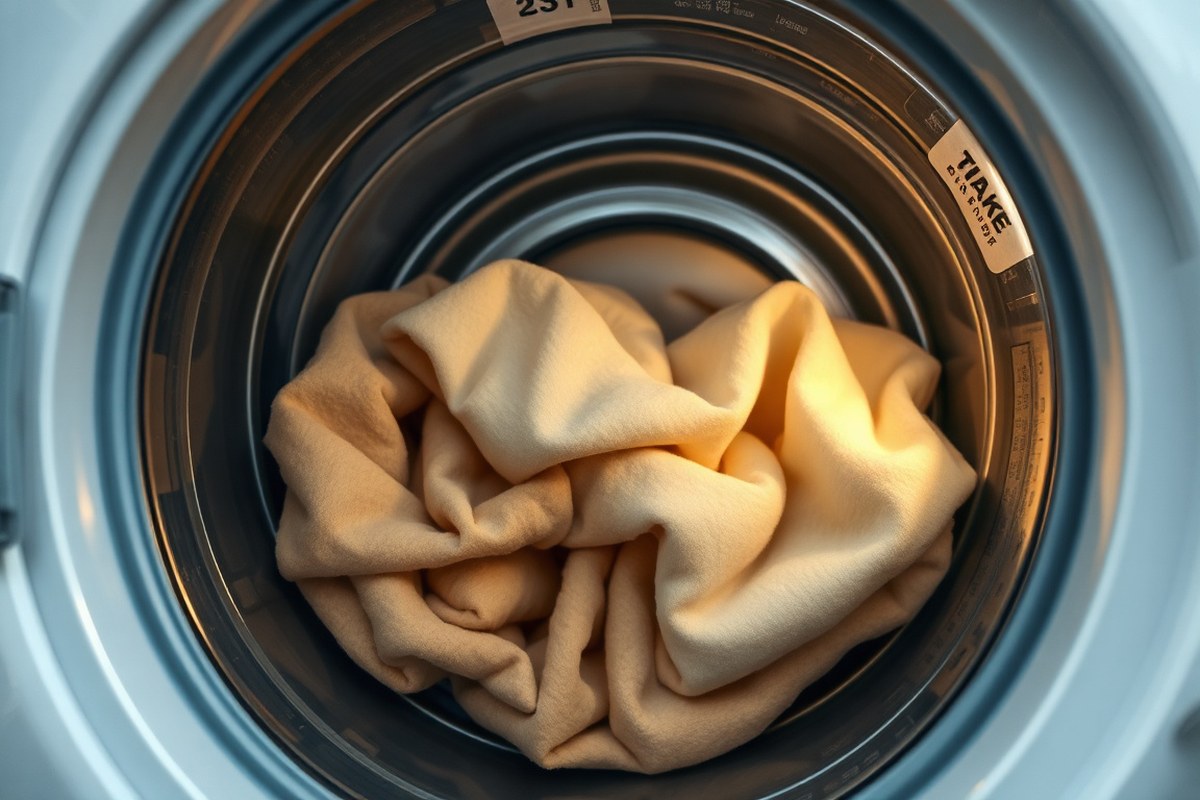
Tumble drying uses a machine that heats and spins clothes inside a rotating drum to dry them. The movement turns the clothes, allowing warm air to reach all areas and remove moisture. This technique dries fabrics faster than air drying, especially thick ones or when you need finished laundry quickly.
A tumble dryer operates by combining heat with mechanical action. Clothes are placed inside a drum that rotates, roughly at 50 to 100 revolutions per minute, causing garments to lift and fall repeatedly. Warm air, heated to around 120°F to 160°F (49°C to 71°C) depending on the chosen setting, passes through the drum. The heat causes water in the fabric to evaporate. The moist air is then vented out or recirculated in heat pump models, which reuse the heat to increase efficiency.
The heat is essential because evaporation requires energy to turn water into vapor. Higher temperatures speed up this evaporation but can raise the risk of damaging certain fabrics or causing shrinkage. Lower heat settings extend drying time but are gentler on delicate materials. Modern tumble dryers offer variable heat settings and sensors to monitor moisture, helping avoid over-drying.
As the drum rotates, applying mild mechanical action without damaging the clothes, the tumbling helps prevent wrinkles and allows warm air to reach all parts of the garments evenly. Overloading the drum reduces this movement, leading to uneven drying and potential creasing. It’s best to fill the dryer no more than 75% of its capacity.
Before using a tumble dryer, clothes should be wet but not dripping. Garments that hold a lot of water take longer to dry and cause the dryer to consume more energy. Tumble drying typically takes 30 to 60 minutes per load, but this varies by fabric type, load size, and dryer model. Heat pump dryers may take slightly longer but consume less energy by recycling warm air.
Tumble drying removes moisture from clothes quickly by combining warm air with a rotating drum that keeps items moving inside the machine. Heat accelerates evaporation, while the tumbling action distributes heat and reduces wrinkles. Proper load size, temperature settings, and moisture levels before drying help achieve efficient, even drying without damaging garments.
Which Clothes Can and Cannot Be Tumble Dried?

Most everyday clothing like cotton and certain synthetics can be safely tumble dried if you choose the right setting. However, delicate or heat-sensitive fabrics often require air drying to avoid shrinking, warping, or damage. Knowing which fabrics to dry in the machine and which to avoid will protect your garments and keep them looking their best.
Fabrics Safe for Tumble Drying
Cotton is one of the most common fabrics that tolerates tumble drying well. It can handle high heat settings without major damage, although using a medium or low heat option can extend the life of your clothes. Linen and some wool garments specially labelled for tumble drying are also safe, as modern dryers can gently dry these fabrics without shrinking or felting them.
Common synthetic fibres like polyester and nylon generally withstand tumble drying, but only when set to low heat. High temperatures can melt or distort these materials, so sticking to delicate or synthetic settings keeps them safe. These fabrics also dry quickly, which reduces exposure time and risk of heat damage.
Clothes made from blends of cotton and synthetic fibres usually fall into the safe zone for tumble drying. Always check the care label for temperature recommendations and dry accordingly.
- Cotton (medium to high heat)
- Wool marked “tumble dry safe” (low heat)
- Linen (medium heat)
- Polyester and nylon (low heat only)
- Cotton-synthetic blends (follow label)
- Towels and bed linens (high heat)
- Denim (low to medium heat)
Common Fabrics to Avoid in the Dryer
Delicate and heat-sensitive fabrics usually cannot withstand the conditions inside a tumble dryer. Silks, for instance, often lose their sheen and shrink due to the high heat and tumbling motion. Likewise, rayon and acetate, both prone to shrinking and distortion, are better off air dried.
Fabrics with elastic elements, such as spandex or Lycra, can lose their stretch if exposed to dryer heat. This makes garments like leggings or swimwear unsuitable for tumble drying. Also, clothes with sequins, beads, or other decorations should not go in the dryer, as tumbling can cause these features to fall off or get damaged.
Signs a Garment Shouldn’t Be Tumble Dried
The most reliable indicator is the care label on your clothing. Look for the tumble dry symbol: a square with a circle inside it. A crossed-out version means never tumble dry. If the symbol includes dots, they indicate the allowed heat level (one dot for low heat, two for medium, three for high). Other clues that a garment shouldn’t go in the dryer include:
- Delicate or sheer fabric construction
- Presence of special finishes like waterproofing or flame retardants
- Elastic or spandex content that feels sensitive to heat
- Clear signs of potential shrinkage from previous washing
- Garments that have lost shape in the past after drying
Always sort laundry by fabric type and drying instructions before starting your tumble dryer to prevent accidental damage.
How to Read and Understand Tumble Dry Symbols
Reading tumble dry symbols on clothing labels lets you choose the right drying method for your laundry. These symbols show whether you can tumble dry a garment and at what heat level, helping you avoid damage or shrinkage. Understanding these signs ensures you dry clothes safely and maintain their shape and color.
Common Tumble Dry Symbols Explained
The tumble dry symbol on clothing labels looks like a square containing a circle. It indicates the garment can be tumble dried under certain conditions. A square with a circle crossed out means you should avoid using the tumble dryer for that item. Delicate materials such as wool, silk, and bras often carry this warning because heat or tumbling can damage the fabric or shrink it. Garments may show a washing symbol allowing washing but still have a no tumble dry icon since washing and drying care steps differ.
When the do not tumble dry symbol appears, air drying is the best alternative even if it means the drying process takes longer. For example, linen items marked for low heat tumble drying might benefit from a brief tumble dry on low to soften them initially, then finishing by air drying. No tumble dry symbol on a garment suggests air drying is the safer option to avoid damage from heat or tumbling. This careful approach can save you from costly fabric damage or replacing worn-out clothing.
Interpreting Heat Level Dots
Dots inside the tumble dry circle indicate the heat setting suitable for the garment. One dot means tumble dry at a low heat, which suits delicate fabrics or synthetics like polyester and activewear. Two dots indicate a medium heat setting, typically safe for most cotton and blended fabric items. Three dots show the highest heat level, which some towels and bedding can tolerate to ensure thorough drying and softness.
Choosing the right heat level based on these dots helps prevent shrinking, fabric weakening, or colour fading. For example, cotton t-shirts and jeans can handle medium heat but turning jeans inside out and using a lower heat setting helps protect the color and fabric during drying. When the tumble dry symbol appears without any dots, it generally means drying at any heat level is permitted, but choosing medium or low heat is a safer approach to protect your clothes.
When to Ignore or Follow the Symbols Strictly
Following care label symbols strictly reduces the risk of damage and helps maintain your clothes’ lifespan. Some items marked “do not tumble dry” can survive a dry cycle on an air-only setting without heat, but this depends on the fabric and dryer capabilities. For heat-sensitive items like wool jumpers or bras, flat drying is the best choice regardless of convenience.
In other cases like time-strapped households or bedding and towels, using a tumble dryer within the recommended settings is both practical and beneficial. Bedding and towels often become softer and fluffier after a tumble dry, improving comfort. Always check the symbols carefully before deciding, as ignoring the advice can void warranties or permanently harm the fabric. When in doubt, air drying your garment after spinning it well reduces drying time and heat exposure.
Typical Tumble Drying Times and Factors That Influence Them
Tumble drying typically takes between 30 to 90 minutes per load, depending on several factors. Load size, fabric type, and moisture level in the clothes are the primary influences on drying time. Smaller loads dry faster because there’s more airflow and heat circulation around each item. Overloading your dryer can extend drying time because clothes stay damp longer when they are packed too tightly.
Different fabrics absorb and retain water differently, which affects how long they take to dry. Lightweight fabrics like synthetic blends and thin cotton shirts can dry in about 30 to 45 minutes. Thicker fabrics such as towels, fleece, or denim can take closer to 60 to 90 minutes due to their density and higher water retention. Very wet clothes will also need longer to dry, which is why it’s important to use a proper spin cycle in your washer before transferring clothes to the dryer.
The drying cycle you select plays a role too. Many dryers offer specific programs for delicate, cotton, or bulky loads. Using the right cycle optimizes drying time while protecting fabric quality. For instance, the Candy RapidÒ system has programs tailored for fine fabrics, which reduce drying time while avoiding damage. Heat pump dryers usually take a bit longer than condenser dryers, but they use less energy and preserve clothes better over time.
| Fabric Type | Typical Drying Time | Influencing Factors |
|---|---|---|
| Lightweight synthetics | 30-45 minutes | Low water retention, quick heat penetration |
| Cotton shirts, thin fabric | 40-60 minutes | Moderate thickness and water absorbency |
| Towels, fleece | 60-90 minutes | Thicker fabric, higher water retention |
| Denim, jeans | 70-90 minutes | Heavy fabric, dense weave |
| Bedding and bulky items | 90+ minutes | High volume and thickness slows drying |
To decide how long to run your dryer, consider the fabric types and load size. Start with the recommended cycle or a medium drying time, then check for dampness and add short intervals as needed. Avoid stopping the dryer too early to prevent musty smells or wrinkles. If the clothes still feel wet or heavy, add 10-15 minute increments until dry.
Bulky items need longer drying times, so it helps to dry them separately from thinner fabrics to avoid extended cycles for lighter clothes. Using dryer balls or clean tennis balls inside the drum can also speed drying by improving air circulation and separating the fabric. Remember, dryer efficiency and drying speed depend on maintaining a clean lint filter and good vent airflow.
Common Tumble Drying Mistakes and How to Avoid Them
Loading your tumble dryer beyond its capacity is a common mistake that reduces drying efficiency and increases energy use. Overloaded dryers trap moisture among clothes, extending drying times and risking damp spots. Aim to fill the drum loosely, allowing at least 20 percent of the space empty to let hot air circulate. For example, if your dryer’s drum holds 7 cubic feet, fill it with about 5 to 6 cubic feet of laundry.
Another frequent error is drying clothes without sorting them by fabric type and thickness. Heavy items like towels take longer to dry than lightweight garments, so mixing them causes uneven results and may waste energy. Sort laundry into similar groups and adjust drying times accordingly to avoid overdrying delicate fabrics, which can lead to shrinkage and weakened fibers.
- Do not overload the dryer; leave sufficient space for air circulation
- Separate thick and thin fabrics to ensure even drying
- Use the appropriate drying cycle and temperature settings for fabric care
- Remove clothes promptly to reduce wrinkles and static build-up
- Avoid tumble drying linens frequently to prevent texture loss and wrinkling
- Clean the lint filter before every load to maintain efficiency and safety
Drying clothes on high heat can cause them to shrink or become misshapen. To prevent damage, use lower heat settings or specialized cycles that reduce mechanical stress on fabrics. Many modern dryers have ‘gentle’ or ‘delicate’ cycles designed to protect fibers by producing heat under 120°F. These cycles usually extend drying slightly beyond standard times but help keep your garments looking their best.
Promptly remove laundry when the cycle ends to prevent wrinkles and reduce the need for ironing.
Ignoring care labels often leads to unintended damage. Even if a garment appears suitable for tumble drying, always check its instructions. Some items classified as ‘do not tumble dry’ resist heat and tumbling, as drying may cause shrinkage, color fading, or fabric distortion. For these, air drying is the safer, energy-saving option. While air drying may leave some fabrics feeling rougher, it significantly reduces wear and tear.
Different Types of Tumble Dryers and Their Pros and Cons
Tumble dryers mainly come in three types: vented, condenser, and heat pump. Each uses a different technology to dry clothes and varies in energy use, drying efficiency, and cost. Understanding these differences helps you choose the right dryer for your home and how to balance upfront costs with long-term energy savings.
Vented tumble dryers work by blowing hot, moist air from the drum outside through a hose. This method usually delivers the fastest drying times because the moist air is removed immediately. However, this design means you need a suitable place to vent the air outside, which can limit placement options indoors. Vented dryers tend to use more energy, as they constantly draw in new air and heat it.
Condenser tumble dryers trap moisture from your clothes inside the machine by condensing the hot air into water, which collects in a tank that you must empty regularly. These dryers do not require external venting, so they work well in apartments or homes without an external wall. Energy use is moderate, higher than heat pump dryers but usually less than vented models. You spend some time emptying the water tank after every few loads.
Heat pump tumble dryers use a different technology that recycles the warm air inside the machine instead of venting it outside or converting it all to water. The heat pump captures and reuses heat from the air, recycling it back into the drum. While heat pump dryers take longer to dry clothes, they are the most energy-efficient option, often rated in the A+++ energy class, according to manufacturers like Candy. They also tend to be gentler on clothes due to lower drying temperatures. Like condenser dryers, you need to empty the water tank regularly.
| Type | Drying Method | Energy Efficiency | Typical Drying Time | Water Tank | Installation |
|---|---|---|---|---|---|
| Vented | Expels hot, moist air outside | Lowest efficiency | Fastest drying times | No | Requires external vent |
| Condenser | Condenses moisture into water tank | Moderate efficiency | Moderate drying times | Yes, needs emptying | No vent needed |
| Heat Pump | Recycles heat and removes moisture to water tank | Highest efficiency (A+++) | Longest drying times | Yes, needs emptying | No vent needed |
Costs vary depending on the type. Vented dryers generally cost less upfront but use more electricity, increasing energy bills over time. Condenser dryers cost a bit more initially but offer flexibility in placement without needing a vent. Heat pump dryers carry the highest purchase price but reduce energy consumption significantly, which lowers electricity costs over the long term.
For homeowners or renters looking to save on energy, heat pump dryers are the best choice despite longer cycles. They use technology that conserves heat by reusing it, offering the most energy savings and gentle drying. If quick drying is a bigger priority and you have access to venting outdoors, a vented dryer may suit your needs better. Condenser dryers sit in the middle, offering vent-free convenience with moderate energy use.
Energy Use in Tumble Drying and How to Reduce It
Tumble dryers use a significant amount of energy, often ranking among the highest power consumers in a household. Typical models consume between 2 to 4 kilowatt-hours (kWh) per cycle, depending on the machine’s efficiency and the drying settings used. This energy use directly affects your electricity bill, with a single drying load potentially adding several cents to the cost. Gas-powered models may be somewhat cheaper to operate but still impact your overall utility expenses. Understanding how your dryer uses energy and making smart choices can reduce these costs and lower your environmental footprint.
One of the simplest ways to save electricity during tumble drying is to limit the frequency of use. Air drying clothes whenever possible costs nothing in terms of energy and lessens wear on fabrics. Even shifting one or two loads a week from the dryer to a clothesline or drying rack can reduce power consumption noticeably. When weather or timing doesn’t allow for air drying, using your dryer efficiently becomes key.
Drying settings affect energy consumption considerably. High heat settings and extended dry cycles use more power than low or medium settings. Choosing a sensor-dry function, which stops the cycle as soon as clothes reach the desired dryness, prevents over-drying and saves energy. Choose eco modes or energy-saving programs on your machine for regular loads when available. These settings usually run slower at lower temperatures but cut electricity use by up to 30%. Avoid using the “extra dry” or “heavy” settings unless necessary, as they increase cycle time and energy use.
Sorting laundry by fabric type and moisture content before drying also helps. Towels and heavy cottons hold more water and need longer drying than synthetics or lightweight items. Starting with spin cycles at the highest safe speed on your washing machine removes more water, shortening drying time. Avoid mixing heavy and light items together in one load to prevent overdrying smaller, lighter pieces.
Regular maintenance improves efficiency and reduces energy waste. Clean the lint filter before every load to ensure proper airflow. Check and clean the dryer vent or duct annually to prevent blockages, which can increase drying times and power use. Empty the water reservoir of your condenser or heat pump dryer after each cycle or as directed.
For households with frequent tumble drying needs, investing in a heat pump dryer may offer long-term savings despite a higher initial cost. These models use heat recovery to dry clothes at lower temperatures, consuming around 50% less energy compared to conventional vented or condenser dryers. Over several years, this can lead to notable cost reductions, especially in homes where drying is a daily activity.
How to Prepare Laundry and Use Your Tumble Dryer Safely and Effectively
Preparing your laundry and selecting the correct settings can protect your clothes and optimize drying time. Proper loading and routine maintenance also keep your tumble dryer working safely and efficiently.
Sorting and Preparing Laundry
Sorting your clothes helps avoid damage and ensures they dry evenly. Separate items by fabric type, weight, and drying requirements indicated on the care labels. Remove items that shouldn’t go in the dryer, such as delicate garments marked “air dry only.” Empty all pockets and close zippers to prevent snagging and lint buildup. Shake out each item before loading to reduce wrinkles and clumping. Follow these steps to prepare laundry for tumble drying:
- Check each garment’s care label for tumble dry suitability and recommended settings.
- Separate laundry into groups: heavy fabrics (like towels), medium fabrics (cottons, synthetics), and delicates.
- Empty pockets and fasten buttons or zippers.
- Shake out items to loosen them and reduce wrinkles.
- Remove any items to air dry based on labels.
- Load laundry loosely into the drum, avoiding overfilling, leave about a hand’s width of space at the top.
Never overload the drum; it reduces drying efficiency and increases wear on clothes and the dryer.
Choosing the Right Drying Programme
Selecting the correct drying programme maintains your clothes’ quality and uses energy wisely. Most dryers have separate cycles for cottons, synthetics, and delicate fabrics. Use low heat settings or “delicate” programmes for fine fabrics like wool or items with special care instructions. Some models feature sensor drying, which stops the cycle when clothes reach the right dryness, preventing over-drying and shrinking. Consider the type of dryer too: condenser dryers collect water in a tank that needs emptying after use, while vented dryers expel moist air through a vent.
Cleaning and Maintaining Your Dryer
Regular cleaning reduces fire risk and ensures optimal performance. After every load, clean the lint filter to keep airflow unobstructed. Once a month, wipe down seals and drum surfaces to prevent residue buildup. For condenser dryers, empty the water collection tank after each use or ensure the drain hose is clear. Periodically check and clean the venting system for vented models to avoid blockages that can overheat the unit. Inspect power cables and plugs for damage and ensure the appliance is placed on a stable, ventilated surface.
Step-by-Step Action Plan for Safe and Efficient Tumble Drying
Follow these steps to get the best results from your tumble dryer while protecting your clothes and saving energy.
- Before you start: Sort your laundry by fabric type and check labels for tumble drying symbols. Only dry clothes that are safe for tumble drying to avoid damage.
- Just before drying: Clean the lint filter every time to improve dryer efficiency and reduce fire risk. You’ll notice better airflow and shorter drying times.
- First use: Select the lowest heat setting suitable for your items and start a short drying cycle. Your clothes should feel damp but not soaking to prevent overdrying.
- After a few loads: Adjust drying times based on your typical load size and fabric thickness. Your items should be dry without feeling stiff or overheated.
- Weekly: Inspect and clean the dryer vent if accessible to maintain airflow and reduce energy use. You should see consistent drying times and avoid overheating odors.
- Monthly: Check for any build-up or mechanical issues in your dryer and address them promptly. Proper maintenance keeps your dryer working safely and efficiently.
- Ongoing: Use high spin speeds on your washer to reduce moisture before drying. This lowers drying time and energy consumption without risking fabric damage.
- Seasonal: Consider air-drying suitable clothes during warmer seasons to save energy and extend garment life.
Frequently Asked Questions
Do Dryers Tumble Dry?
Yes, dryers use a rotating drum to tumble clothes while blowing hot air, speeding up drying compared to air drying.
How Much Do 2 Hours of Tumble Drying Cost?
Costs vary, but tumble drying for 2 hours uses significant electricity, making air drying cheaper if time allows.
How Do I Dry Something If It Says “Do Not Tumble Dry”?
Avoid tumble drying and air dry instead, even though it takes longer, especially in humid areas like North Texas.
Is Delicate the Same as Tumble Dry?
No, delicate refers to a gentle drying cycle that prevents damage to fragile fabrics, different from standard tumble dry settings.
Can I Tumble Dry Clothes to Reduce Wrinkles?
Yes, tumble drying loosens fabric fibers, resulting in softer clothes with fewer wrinkles.
Do Heat Pump Dryers Save Energy Compared to Regular Dryers?
Yes, heat pump dryers use less energy by recycling heat, reducing running costs significantly.
Final Thoughts
Tumble drying can save time and effort when used correctly, protecting your clothes and lowering energy costs. Identifying which fabrics are safe, reading care labels, and maintaining your dryer regularly makes a real difference. Start by sorting your laundry carefully and cleaning the lint filter before each cycle to see immediate benefits. This simple routine sets you up for safer, more efficient tumble drying every time.