
Do Not Tumble Dry: What It Means and 8 Best Ways to Safely Dry Clothes
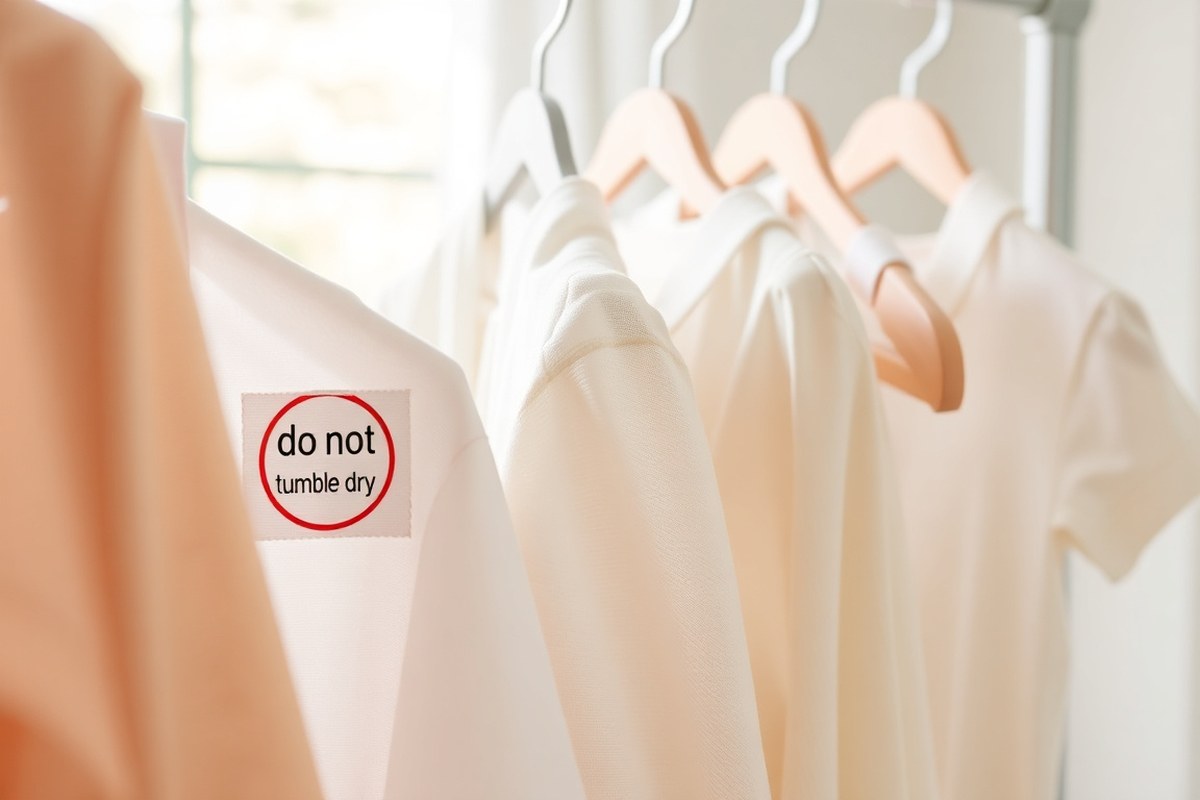
“Do not tumble dry” means you should avoid using a dryer to dry your garment because the heat and tumbling action can damage the fabric. This instruction protects delicate fabrics from shrinking, warping, or losing shape. Understanding what this label means helps you keep your clothes looking their best and lasting longer. This article is for homeowners and renters who want to care properly for delicate clothing marked “do not tumble dry.” You’ll learn why that label matters and how to dry these clothes safely using effective air-drying techniques and careful handling.
Key Takeaways
- “Do not tumble dry” prevents fabric shrinkage, warping, and surface damage from heat and agitation.
- Air drying is the safest method to dry clothes marked “do not tumble dry.”
- Lay garments flat on a clean surface and reshape them while damp to retain original form.
- Flip flat-drying items every 2 to 3 hours to prevent uneven drying and damp spots.
- Room humidity, airflow, and fabric thickness affect air drying time, which ranges from 4 to 48 hours.
- Use a drying rack indoors if outdoor drying isn’t an option; basic models cost $15 to $45.
1. What Does ‘Do Not Tumble Dry’ Mean and Why It Matters

The label “do not tumble dry” means you should avoid using a dryer that spins clothes with heated air to remove moisture. Instead, these garments require drying methods that do not involve the tumbling action or high heat from a dryer. The label usually appears as a square with a circle inside it, crossed out by an X, indicating the garment should not enter a tumble dryer.
Manufacturers place this warning on fabrics or clothing items sensitive to heat or mechanical agitation. Materials like wool, silk, rayon, and some synthetics, or clothes with delicate embellishments, often bear the “do not tumble dry” label because heat and motion can cause permanent harm. For example, wool can shrink or felt, silk can weaken fibers or discolor, and decorated garments can have their appliques or beads loosened or melted.
Tumble drying works by rotating clothes in a drum while circulating warm air to speed drying. This combination can be too harsh for certain textiles, leading to issues such as shrinking, warping, loss of shape, color fading, fabric thinning, or damage to decorative elements. The risks vary depending on the fabric’s sensitivity, dryer settings, and length of the drying cycle. Ignoring this label increases the chance of ruining your garment and shortening its usable life.
Recognizing the importance of these labels prevents damage to your clothes. A cotton shirt, for instance, can generally be tumble dried on a gentle, low heat setting. In contrast, a delicate silk blouse usually cannot tolerate any dryer heat. Air drying gently takes moisture away without exposing fabric to heat or agitation. To do this properly, lay your clothes flat or hang them somewhere breezy and out of direct sunlight to avoid color loss or shape distortion.
The time required to air dry depends on factors like fabric thickness, temperature, and humidity, often taking several hours or overnight. While this might seem less convenient than tumble drying, it prevents problems like shrinkage or fabric weakening. Drying your delicates this way saves you money by preserving clothing quality and avoiding replacement costs. Following the label exactly also maintains how your clothes look and feel.
2. What Happens If You Tumble Dry Clothes Marked ‘Do Not Tumble Dry’?
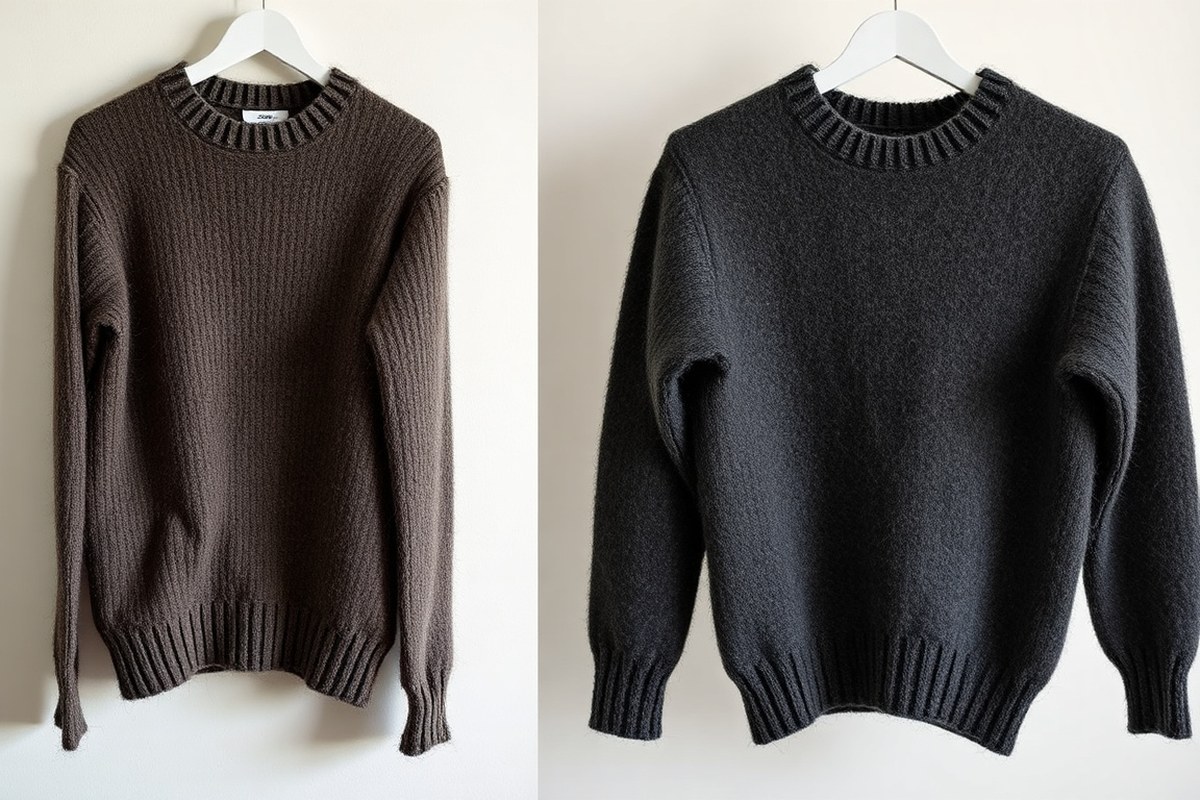
Tumble drying clothes marked “Do Not Tumble Dry” often causes immediate and long-term damage to the garment. The high heat and tumbling motion create friction and stress on fibers that certain fabrics cannot handle. As a result, fabrics may shrink, lose elasticity, or suffer damage to delicate embellishments.
Shrinkage happens when heat causes fibers to contract and tighten. Natural fibers like cotton and wool are particularly prone to this. For example, cotton shirts or wool sweaters may reduce in size by one to three sizes after repeated tumble drying at typical dryer temperatures of 120°F to 140°F. This shrinkage permanently alters the garment’s fit and shape.
Loss of elasticity occurs when heat breaks down synthetic fibers such as spandex or elastane blended into garments. Stretchy sportswear or fitted clothing with these fibers can become baggy or misshapen after just a single tumble dry cycle. The fibers lose their ability to snap back, so the item no longer holds its original form.
The tumbling action itself can damage fabrics with embellishments, trims, or delicate weaves. Items with sequins, beads, or lace may experience loosening or detachment of these decorations. For example, a blouse with beaded cuffs or a lace trim might show fraying or missing beads after a short tumble dry session. Layered garments or those with linings risk uneven drying and heat buildup inside the layers, which can cause warping or shrinkage over time.
Damage from tumble drying can be immediate, especially with high heat settings or prolonged drying times, but some effects accumulate after repeated cycles. For instance, fading of dye and weakening of fabric strength might not be obvious after one dry but become noticeable over multiple uses. Garments designed with “Do Not Tumble Dry” instructions typically contain delicate fibers or construction that make them vulnerable even to low-heat tumbling.
Ignoring these labels may seem convenient, but it comes at the cost of garment longevity and appearance. The risk timeline varies by fabric and dryer setting. Lightweight silk and rayon may distort or shrink within one tumble dry cycle, while thicker cotton or wool may take a few cycles before significant damage appears. Decorative items tend to degrade faster under mechanical agitation regardless of fabric thickness.
Always consult the care label closely and avoid tumble drying any garment marked “Do Not Tumble Dry” to prevent irreversible shrinkage, loss of stretch, and damage to delicate details.
3. Best Air Drying Methods for Clothes Marked ‘No Tumble Dry’
Air drying clothes marked “do not tumble dry” is the safest choice. Choosing the right method depends on the fabric type and garment construction. You can use line drying, flat drying, shade drying, or drip drying, each tailored to protect your delicate clothes from damage, color fading, or deformation.
Line Drying: When to Hang Clothes Outside
Line drying works well for sturdier woven fabrics such as cotton, linen, and some polyester blends. It allows airflow around the garment, speeding up drying while minimizing wrinkles. Line drying is best suited for shirts, trousers, and durable cotton T-shirts, but avoid direct sun on dyed or delicate fabrics to prevent fading.
To set up for line drying, use a sturdy clothesline or ventilated hangers spaced to let air circulate freely. Hang garments by seams or weighted areas to avoid stretching the fabric’s shape. Make sure clothes are spun well before hanging to reduce drying time between 4 and 24 hours.
Flat Drying: Ideal for Wool and Knitwear
Wool, cashmere, and heavy knitwear require flat drying to prevent felting, shrinking, and stretching. Laying items flat helps preserve their shape and texture. Using a towel or a mesh drying rack supports the garment evenly, reducing stress on the fibers.
This method typically takes 24 to 48 hours. To prepare for flat drying, press excess water out gently with a towel but avoid wringing. Reshape the garment to its original form while damp and spread it evenly to dry.
- Choose a clean, flat surface protected from direct sunlight.
- Place an absorbent towel or mesh rack on the surface.
- Lay the wool or knit garment flat on the towel, smoothing wrinkles and seams.
- Press gently with another towel to absorb excess moisture if needed.
- Reshape the garment to its original measurements.
- Turn the garment occasionally to expose all sides to air.
- Keep it away from heat sources to avoid shrinkage or felting.
Shade Drying: Protecting Colors and Delicate Fibers
Shade drying is critical for colored fabrics such as dyed linen, dark cotton, and silk blouses. Direct sunlight can cause UV fading and weaken fibers, leading to premature wear. Hanging clothes in the shade extends their life and keeps colors vibrant.
Use a drying rack or a clothesline positioned in a shaded, well-ventilated area. Select lightweight hangers or padded forms for silk to reduce stress on the fabric. Drying times vary from 8 to 36 hours depending on humidity and fabric thickness.
Drip Drying: Handling Lace and Delicate Synthetics
Drip drying suits delicate synthetics like rain shells, lace, and polyester blends that should not be wrung out to avoid distortion. Hanging these wet garments on a shower rod or a tub edge allows water to drip off while maintaining the shape without wrinkles or creases.
This method requires patience, as drying can take between 8 and 36 hours. Avoid placing these items near heat or in the sun. Let gravity do the work without twisting or pressing the fabric.
- Remove garments from the washer using a gentle spin cycle to reduce dripping.
- Do not wring or twist; gently lift and shake the garment to free excess water.
- Hang the garment over a shower rod, a tub edge, or a padded hanger.
- Ensure the garment is spread evenly to prevent stretching in one spot.
- Place in a well-ventilated indoor space away from direct sunlight or heat sources.
- Check periodically for dry spots and adjust hanging position if necessary.
| Drying Method | Suitable Fabrics | Typical Setup | Typical Time |
|---|---|---|---|
| Dry Flat | Wool sweaters, cashmere cardigans, heavy knitwear | Towel or mesh rack, reshaped horizontally | 24, 48 hours |
| Line Dry | Woven cotton shirts, linen trousers, sturdy polyester | Clothesline or ventilated hanger | 4, 24 hours |
| Drip Dry | Rain shells, delicate synthetics, lace items | Tub or shower rod, no wringing | 8, 36 hours |
| Shade Dry | Dark cotton, silk blouses, dyed linen | Rack or line away from direct sun | 8, 36 hours |
4. How to Prevent Damage: Reshaping and Handling While Drying
Reshaping your clothes as they dry preserves their original size and prevents unwanted stretching or distortion. To protect delicate fabrics, reshape and handle wet garments carefully, especially heavy knits and lace. Reshape at regular intervals during drying to maintain the garment’s structure.
Lay Flat on Absorbent Towels to Dry
Place your garment on a clean, dry towel laid flat on a surface. Using towels helps absorb moisture evenly and supports the shape of the item without adding stress. For heavier sweaters or woolen items, use a mesh drying rack underneath the towel to improve air circulation.
Heavy and shape-sensitive knits should stay flat to avoid stretching, as hanging can pull the fabric downward under its weight. Delicate lace or beaded items also benefit from flat drying to prevent distortion and damage.
Gently Press Out Excess Water Without Wringing
Before drying, remove excess water by pressing or rolling the garment gently, never wringing or twisting. Wringing damages fibers and leads to uneven stretching.
- Lay the garment flat on an absorbent towel.
- Roll the towel and garment together tightly, applying light pressure.
- Unroll and check that excess water is absorbed by the towel.
- If needed, replace the wet towel with a dry one and repeat.
This process evenly removes moisture and prepares the fabric for reshaping without strain.
Flip or Rotate Garments Every Few Hours
Turn your clothes every 2 to 4 hours during the drying process to expose all sides to air. This prevents moisture buildup on one side, reducing the risk of mildew or fabric distortion.
While flipping, gently reshape the item to its original dimensions by easing the fabric back into form without stretching. For slight shrinkage, soak in lukewarm water with a gentle conditioner for 30 minutes, then stretch gently before drying flat again.
Avoid Hanging Delicate Knits Until Fully Dry
Wet knitwear is prone to stretching if hung. Avoid hanging these garments while damp to protect their shape. Instead, lay them flat throughout the drying process.
For lace or crochet items, support their full shape by placing them flat, using towels or mesh racks that keep delicate details from sagging or snagging. Only hang such items once they are completely dry to prevent distortion and damage.
5. Can You Use Low-Heat Tumble Drying on ‘Do Not Tumble Dry’ Items?
Low-heat tumble drying is generally not recommended for clothes marked “do not tumble dry,” but it can be attempted cautiously if you’re willing to accept some risk. The label means the fabric or embellishments may be sensitive to heat or tumbling, so even low or no-heat settings may cause shrinkage, deformation, or damage on the first try. Before using any tumble dry cycle, carefully check the material type, garment construction, and any appliques or prints since these are more vulnerable.
To decide whether to try low-heat tumble drying, weigh the fabric’s heat tolerance against the risk of harming a favorite or expensive item. For instance, sturdier fabrics like some cotton blends may tolerate a short low-heat cycle better than delicate silks or lace, which usually should avoid tumbling entirely. Choose a heat setting below 120°F (49°C), use a no-heat or air-fluff option when possible, and keep drying time under 20 minutes. Check the garment frequently during the cycle to catch early signs of damage.
A practical decision rule is: for clothes labeled “do not tumble dry,” skip tumble drying altogether unless you must expedite drying or need softening benefits, and the garment is made of tough or synthetic fibers. When tumble drying, select the lowest heat setting for a brief period, and check the fabric before drying it again. This approach reduces exposure to mechanical and thermal stress that causes harm.
Taking precautions helps minimize damage risks. Turn the garment inside out to protect the outer surface, remove any loose tags or accessories, and avoid overloading the dryer drum. Add dryer balls to reduce wrinkles and improve air circulation, which promotes quicker drying at lower temperatures. Use a mesh laundry bag for highly delicate items to cushion them from tumbling impact. Finally, avoid mixing these clothes with heavy or abrasive items that increase mechanical stress.
Always stop the dryer early to check your garment’s condition; damage is easier to prevent at the first sign of trouble than to repair later.
Following these timing and handling guidelines lowers the chance of damage if you decide to tumble dry “do not tumble dry” clothes. For instance, drying for only 10 to 15 minutes on low heat can remove excess moisture without stressing the fabric as much as a full cycle. Repeat drying should be avoided unless strictly necessary and with careful inspection after each short interval. These measures balance risk with convenience when air drying is impractical.
6. How to Speed Up Air Drying Without Harming Your Clothes
To speed up air drying without risking damage to your clothes, focus on improving airflow and reducing humidity in the drying area. Clothes marked “do not tumble dry” usually require gentle handling, so rushing the process with heat or agitation can cause shrinkage or fabric breakdown. Instead, position your clothes in a well-ventilated space where air can circulate freely around them. Using a fan pointed toward the drying clothes can reduce drying time significantly by moving moist air away and replacing it with dry air.
Wringing or rolling your clothes gently before hanging them can also help remove excess water without stressing the fibers. Avoid aggressive wringing, which might stretch or damage delicate fabrics. For example, rolling a wet shirt in a clean towel and pressing can squeeze out moisture safely. The faster you can reduce the initial water weight, the less time the fabric stays damp and vulnerable.
Various factors influence how long drying takes. Fabric thickness is a major one; light cotton might dry within 4 to 12 hours indoors, while thick wool or cashmere can take 24 to 48 hours. Room humidity plays a critical role, higher humidity slows evaporation. To manage this, consider drying in a room with a dehumidifier or using a fan and opening windows for cross-ventilation. The spin cycle speed in your washing machine also matters. Higher spins extract more water and shorten drying, but for delicate items, spinning too fast might damage fibers.
- Place clothes flat or hang them where air flows freely on all sides
- Use a fan to circulate air and accelerate drying by 20-50%
- Gently roll wet clothes in a towel to remove excess water before hanging
- Keep humidity low by using a dehumidifier or opening windows
- Avoid direct sunlight on delicate fabrics to prevent fading or stiffness
- Space out clothes to avoid overlapping and improve airflow
For indoor drying, pick a room that stays dry and ventilated. Avoid bathrooms or laundry rooms where humidity spikes. Count on a minimum of 8 hours for lightweight garments and closer to 48 hours for dense materials unless you improve air movement. Using a hair dryer on a low heat setting and at a safe distance can help target small damp areas without causing heat damage, especially for quick touch-ups. Combining these methods lets you respect the “do not tumble dry” label while minimizing wait times effectively.
7. Common Mistakes and How to Fix Them When Drying Delicate Clothes
Ignoring care labels is a common mistake that leads to damage when drying delicate clothes marked ‘do not tumble dry.’ These labels provide specific instructions about temperature limits and drying methods designed to protect the fabric. Using a tumble dryer on such items often causes shrinkage, wrinkles, or fabric breakdown from heat and friction. Another frequent error is setting up drying spaces improperly, like placing damp clothes in direct sunlight or overcrowding a drying rack, which can cause uneven drying and fabric stiffening.
After accidental tumble drying, immediate action can help prevent further damage. Start by gently reshaping the garment while it’s still slightly damp or warm to correct misshaping or shrinkage. You can smooth out wrinkles by hand or use a cool iron with a pressing cloth on fabrics that tolerate ironing. For synthetic fibers, avoid heat and try hanging the item in a steamy bathroom; the steam can relax fibers and reduce creases.
- Check the care label before drying to avoid ignoring ‘do not tumble dry’ warnings.
- Air dry delicate garments flat or hang them with enough space to prevent wrinkles.
- Use a fan or open windows to speed air circulation without heat exposure.
- For shrinkage, gently stretch the damp garment back to size and lay flat to dry.
- When fibers break or holes appear, consider whether you need professional repair or replacement.
- Act quickly after accidental tumble drying by reshaping and avoiding heat to minimize damage.
Proper damage assessment means checking for fabric changes like stiffness, excessive wrinkling, or shrinkage greater than 10% of the original size, which is common after improper tumbling. Minor shrinkage can often be corrected by wetting the garment and gently stretching it back into shape, then drying it flat on a clean towel. Notice holes or tears? The fabric might be too damaged for home repair, so professional tailoring could be necessary. Avoid further heat exposure in these cases, as damaged fibers break down faster under high temperatures.
Wrong drying setups, such as overcrowded racks or direct sunlight on sensitive fabrics, can make wrinkles hard to remove and cause color fading. Prevent this by ensuring good air flow and avoiding prolonged exposure to direct light during drying. Spending $10 to $30 on drying racks designed for delicate clothing can improve drying outcomes and reduce the risk of damage over time. Taking these precautions will help keep your garments in better condition and extend their lifespan.
8. Choosing the Right Drying Equipment for ‘Do Not Tumble Dry’ Clothes
Choosing the right drying equipment for clothes labeled ‘do not tumble dry’ helps maintain fabric quality while maximizing drying efficiency. Selecting a drying rack or setup depends on the garment type, available space, and your budget. Understanding the pros and cons of mesh racks, foldable racks, and traditional clotheslines or hangers can guide you in protecting delicate fabrics without risking damage.
Mesh Drying Racks: Pros and Cons
Mesh drying racks work well for delicate garments like lace, silk, or embellished pieces because they provide full surface support. The mesh surface prevents stretching and deformation common with solid bars or wires. They encourage air circulation, which speeds drying while reducing the chance of mildew.
However, mesh racks tend to cost more than simple bar racks, with prices typically ranging from $25 to $60. Over time, mesh can sag or develop holes, especially if heavy items are placed on them. Their lightweight design usually requires careful placement to avoid tipping or falling over, which can cause damage.
Foldable Racks for Small Spaces
Foldable drying racks offer flexibility for renters or those with limited space. They can be set up quickly in any room and folded away when not in use. Popular foldable racks feature multiple tiers, allowing you to dry several delicate pieces at once without overlapping, which improves airflow.
Costs generally range from $20 to $50 depending on size and material, such as metal or plastic. Setup considerations include placing the rack near a window or fan for faster drying. Avoid overcrowding garments, as this reduces drying efficiency and can cause wrinkles or mildew.
Clotheslines and Hangers: When to Use Each
Clotheslines are ideal for outdoor drying, offering ample airflow and natural sunlight, which can help kill bacteria. Use clothespins to secure delicate items gently, avoiding stretching the fabric. Indoor clotheslines can work but need good ventilation and space, which may be a challenge in small apartments.
Hangers work best for shirts, blouses, and garments prone to wrinkles. Hanging clothes vertically prevents fabric distortion but requires a sturdy closet rod or drying bar. Space considerations include ensuring the garment doesn’t touch other clothes to allow air circulation.
| Drying Equipment | Cost Range (USD) | Best for Garment Type | Space Requirements | Setup Tips |
|---|---|---|---|---|
| Mesh Drying Rack | $25 – $60 | Delicate, lightweight fabrics | Medium; usually freestanding | Place on flat, stable surface; avoid heavy items |
| Foldable Rack (Multi-tier) | $20 – $50 | Various delicate garments | Compact when folded; room to expand | Set near airflow source; avoid overcrowding |
| Clothesline (Outdoor) | Varies; low if DIY | Most garments; sturdy fabrics | Requires outdoor space | Use gentle clothespins; avoid direct harsh sunlight |
| Indoor Clothesline | Low to moderate | Delicates with airflow needs | Needs ventilated room | Ensure good ventilation; avoid damp rooms |
| Hangers | Low | Shirts, blouses, lightweight clothes | Closet rod or bar needed | Avoid tight spacing; hang vertically |
Matching drying equipment to your space and garment type is key to fabric protection. A stable setup away from direct heat sources and with sufficient airflow keeps clothes safe and dry faster.
Tip: Avoid placing delicate garments on wet or dirty racks, as this can cause stains or mildew during slow drying.
Step-by-Step Action Plan for Safely Drying ‘Do Not Tumble Dry’ Clothes
Use this plan to protect your delicate clothes while drying. Follow each step carefully to avoid damage and keep your garments looking their best.
- Before washing: Check the care label closely for “do not tumble dry” and sort those items separately to prevent accidental tumble drying.
- Right after washing: Gently press out excess water without wringing to reduce drying time and prevent stretching.
- Within 1 hour of washing: Lay your clothes flat on a clean, dry towel in a well-ventilated area. Flip them every few hours to help even drying and maintain shape.
- After 4 hours: Use a fan or dehumidifier nearby to speed up drying without heat, ensuring the fabric remains safe.
- Next day: Check if the garment is dry by feeling the fabric; it should be crisp and cool to the touch with no damp spots.
- If still damp after 24 hours: Replace the towel underneath and continue air drying in a low-humidity location to avoid mildew.
- After drying is complete: Store the garment properly in a cool, dry place to keep the fabric in good condition.
Frequently Asked Questions
What Fabrics Commonly Have a “Do Not Tumble Dry” Label?
Delicate fabrics like silk, wool, and certain synthetics often carry the “Do Not Tumble Dry” label. These materials can shrink or lose shape due to heat and tumbling damage from dryers.
Can Repeated Air Drying Fade Colors on Delicate Clothes?
Air drying generally prevents heat damage but prolonged sun exposure can fade colors. Dry clothes in shade or indoors to maintain vibrant colors longer.
Is It Safe to Iron Clothes That Say “Do Not Tumble Dry”?
Yes, but use low heat settings suited for delicate fabrics to avoid burning or shiny marks on the garment.
How Can You Tell If a “Do Not Tumble Dry” Item Can Handle Any Heat at All?
Check the care label for additional instructions like “cool iron” or “dry flat.” The presence of such notes might allow minimal heat use cautiously.
What’s the Best Way to Dry Wet Knitwear Without Causing Stretching?
Lay the knitwear flat on a towel rather than hanging it. This reduces stretching and helps maintain its shape during drying.
Can Using a Fan Speed Up the Air Drying of “Do Not Tumble Dry” Clothes?
Yes, placing a fan near air drying clothes increases airflow and speeds evaporation without heat, reducing overall drying time safely.
Final Thoughts
Respecting the “do not tumble dry” label helps preserve your delicate clothes’ fabric, shape, and color. Start by laying your wet items flat on a towel and providing good air circulation to dry effectively without heat. Taking this simple step today saves you from costly damage and keeps your wardrobe looking fresh longer.


