Do Not Dry Symbol Meaning and Care: What to Know and How to Follow
The do not dry symbol means you should avoid using a dryer altogether to prevent damage to your clothing. It typically looks like a square with a circle inside that has a large X over it. Following this symbol helps maintain the fabric’s shape, color, and lifespan, especially for delicate or sensitive materials.
This information is helpful for anyone trying to care for their clothes responsibly, especially if you want to avoid shrinking, fading, or weakening your garments. You will learn what the symbol means, how to recognize it among similar laundry symbols, and useful ways to dry your clothes safely without a dryer.
Key Takeaways
- The do not dry symbol means machine drying will likely harm your garment’s fabric or fit.
- Look for a square with a circle and an X to identify the do not dry symbol clearly.
- Hang drying and laying flat to dry are recommended drying methods for items labeled do not dry.
- Fabrics like wool, silk, and embellished clothing often carry the do not dry symbol to prevent damage.
- Using high heat settings on dryers can cause shrinking or warping on do not dry items.
- Check other care symbols, such as washing temperature dots, to combine gentle washing with drying precautions.
What Does the Do Not Dry Symbol Mean?

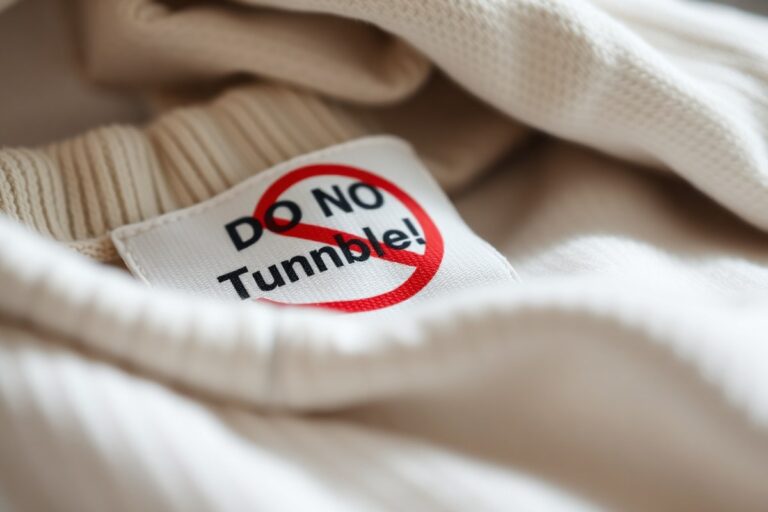
The do not dry symbol on a garment care label looks like a square with a circle inside that has a large “X” over it. This icon directly tells you not to use a tumble dryer for that item. In other words, the item should never be placed in a dryer machine because the heat and tumbling action can damage the fabric.
This symbol specifically refers to tumble drying, which involves drying clothes with heated air while the drum rotates. It does not mean you cannot dry the item at all; rather, it warns against using electric or gas tumble dryers. You can still air dry the garment safely by hanging it on a line or drying rack, or laying it flat on a surface, depending on other care instructions present.
Usually, fabrics with the do not dry symbol include delicate materials like silk, wool, or some synthetic blends that react poorly to heat and mechanical movement. When you see this symbol, it means the manufacturer wants you to avoid shrinkage, deformation, or weakening caused by the high temperatures and spinning inside a dryer.
Following this instruction means you should remove the garment from the washing machine after the spin cycle and hang it immediately. Hanging to dry is a safe way to dry many delicate or structured fabrics indoors or outdoors. You can use a clothes hanger, a drying rack, or a flat surface for drying, depending on the fabric. For example, knit sweaters or heavy wool can lose shape if hung, so laying flat to dry preserves their form.
Avoid tumble drying because it can cause colors to fade faster, fabric to shrink, or create irreversible damage like pilling or stretching. Air drying may take several hours to more than a day, depending on humidity and temperature. Although it takes more time, air drying helps maintain the garment’s size, texture, and color, saving you money over time by extending the life of your clothes.
One exception to the no drying advice is using low heat or air fluff settings on tumble dryers, but the do not dry symbol usually prohibits all tumble drying. If your only option is machine drying, consider professional wet cleaning where allowed, or consult the care tag for further guidance.
How to Distinguish Do Not Dry from Similar Laundry Symbols
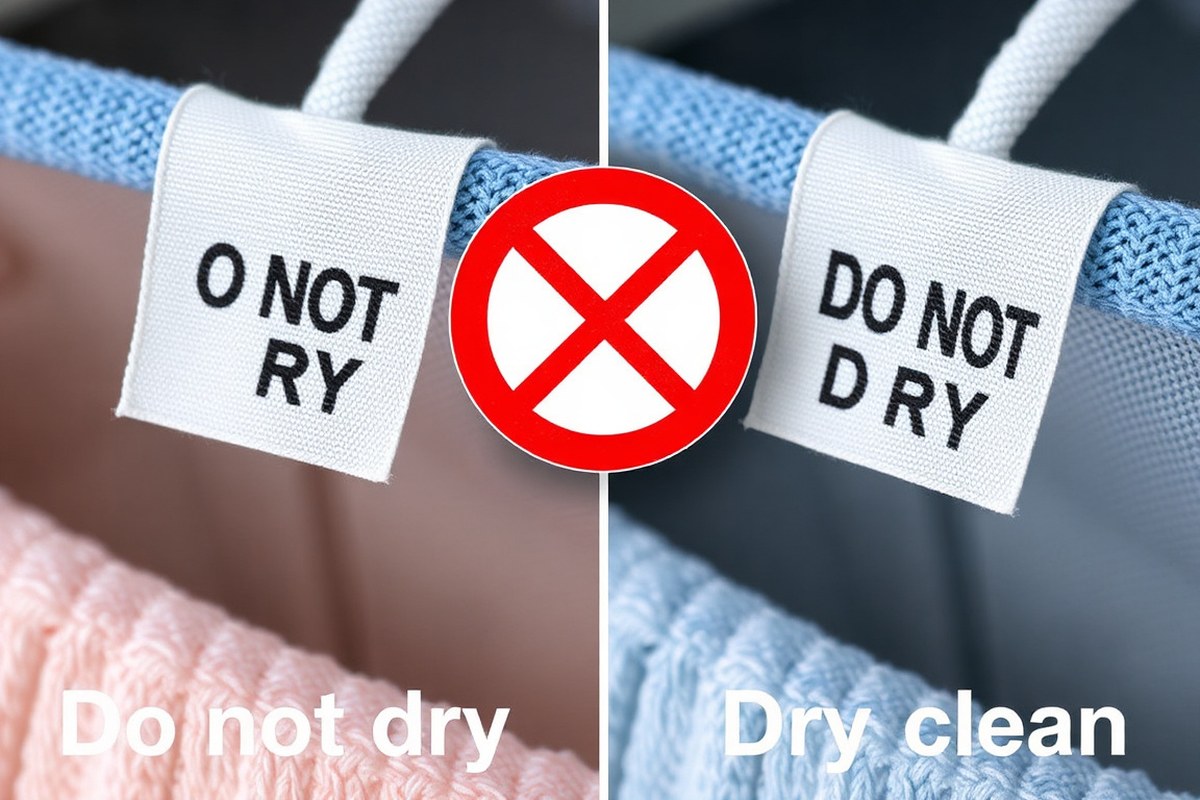
Understanding the differences between do not dry, do not tumble dry, and do not dry clean symbols helps you avoid damaging your clothes. Each symbol targets a specific drying or cleaning method, so recognizing them ensures you follow the right care steps. All care symbols use simple shapes, but slight variations matter a lot when deciding how to handle your laundry.
The Do not dry symbol generally prohibits any drying process that involves heat or mechanical action, such as using a tumble dryer or exposing the item to direct heat sources. This is different from the Do not tumble dry symbol, which only forbids using a tumble dryer but allows air drying or line drying. The Do not dry clean symbol focuses on dry cleaning methods, which use chemical solvents instead of water or mechanical drying. Following these distinctions protects your textiles from shrinking, warping, or chemical damage. The following table summarizes the key visual features and meanings of these drying-related care symbols:
| Symbol | Description | Meaning | Common Usage |
|---|---|---|---|
| Square with cross (X) | Square or box crossed out | Do Not Dry at all (no heat, no tumble, no direct drying) | Delicate fabrics like silk or wool, sensitive blends |
| Square with circle inside, crossed out | Circle (tumble dryer) inside square with a diagonal cross | Do Not Tumble Dry (air drying preferred) | Items that tolerate air drying but risk heat damage from dryers |
| Circle with cross (X) | Plain circle crossed out | Do Not Dry Clean (avoid chemical dry cleaning) | Naturally water-washable fabrics sensitive to dry cleaning solvents |
Always examine each symbol on your garment’s care label closely. The dry clean symbol is just a plain circle, often accompanied by letters indicating the cleaning solvent used by professionals. The tumble dry symbol is a circle inside a square and sometimes includes dots to signal allowed heat settings. If there’s an X through these symbols, it means you must avoid that specific process.
Tip: Check for extra marks like dots or lines, which can signal low heat or drying in shade, to fine-tune how you handle drying your clothes.
Recognizing these subtle differences guides your drying strategy. For example, if you see the do not tumble dry symbol, it’s safe to air dry your clothing, which usually costs nothing extra and reduces energy use. But if the do not dry symbol is shown, avoid putting your item in any dryer or direct heat, which might extend drying time but prevents irreversible damage. Ignoring these subtle instructions risks shrinking, color fading, or fabric distortion.
Why Following the Do Not Dry Symbol Is Important
Following the do not dry symbol is essential to keep your clothes looking their best and to avoid damage. Ignoring this symbol can lead to shrinking, fading, and fabric distortion. Understanding the risks helps you protect your garments and extend their lifespan.
Risks of Ignoring the Do Not Dry Symbol
Ignoring the do not dry symbol often results in exposing fabrics to heat or tumbling that they cannot handle. This exposure can cause fabrics to shrink, which permanently alters the fit and shape of your clothes. Also, certain fibers may weaken or lose elasticity, causing garments to stretch out or sag. The heat can also fade colors, leaving your clothes looking washed out and worn prematurely.
Delicate items or those made from natural fibers like wool, silk, or rayon are particularly vulnerable. For these materials, the mechanical action and heat of a dryer can break down fibers at a microscopic level, leading to pilling, fraying, or holes appearing over time. Ignoring the label can cause irreversible damage that washing alone wouldn’t produce.
How to Spot Damage from Machine Drying
Signs your clothes have been damaged by ignoring the do not dry symbol include noticeable shrinking, stiff or rough fabric texture, and loss of color vibrancy. You might also see permanent wrinkles that don’t come out with ironing, as well as distortion in the garment’s shape, such as sleeves shrinking or hems curling.
Look closely for thinning fabric or small holes, especially in areas that rub together, like underarm seams or around cuffs. Pilling or fuzz balls on the surface indicate fiber breakdown. These changes usually become apparent after one or two heat drying cycles, so it’s better to act early before the damage accumulates.
Proper Care Steps to Follow
Always air-dry garments marked with the do not dry symbol by hanging them on a clothesline or drying rack indoors or outdoors, away from direct sunlight to prevent fading. Hang wet clothes in a well-ventilated space with moderate temperatures, ideally between 65°F and 85°F. This method avoids rapid drying that stresses fibers.
For flat drying, lay items on a clean, dry surface that allows airflow on all sides. This is important for knitwear or heavier pieces that could stretch under their own weight if hung. Using a padded hanger or clothesline clips will help prevent unwanted creases during hanging.
When Dry Cleaning or Other Methods May Harm Clothes
The do not dry symbol also means avoiding professional dry cleaning or spot cleaning with chemical solvents, as these can damage sensitive materials. The EPA banned certain dry cleaning chemicals in 2012 due to health risks, and some fabrics react poorly, losing finish or texture. Instead, hand washing in cold water is safer for these items.
Using warm or hot water for washing is often not recommended for clothes with this symbol since heat can compound the drying damage. Always follow the water temperature indicated by accompanying wash symbols, such as cold water between 65°F and 85°F for single-dot markings. Correct washing paired with air drying maintains fabric integrity.
Cost and Effort Compared to Damage Avoidance
Air drying takes longer than machine drying but costs nothing extra and avoids expensive repairs or replacing damaged items. Investing time in gentle care methods helps keep your wardrobe intact and saves money over time. A simple drying rack or clothesline setup is inexpensive and energy-efficient.
Failing to follow the do not dry symbol can mean spending $50 to $150 or more to replace a favorite garment, especially if it shrinks or gets misshapen. Repairing damaged clothes often costs nearly as much as replacement. Considering this, the few extra hours it takes to air dry is a worthwhile effort to preserve your clothing’s quality and fit.
Recommended Drying Methods for Items with Do Not Dry Labels
To dry clothes with the do not dry symbol, you need to avoid tumble drying and choose gentler methods like air drying, using drying racks, or flat drying. These options help prevent damage such as shrinking, loss of shape, or fabric weakening that heat or tumbling can cause. Proper positioning and timing are necessary to achieve even drying and maintain your garment’s integrity.
Air Drying Techniques
Air drying is the most common alternative to machine drying and is especially suitable for delicate fabrics such as wool, silk, or fine knitwear. Hanging your clothes allows them to dry naturally without exposing them to heat, which can cause shrinking or fiber damage. Air circulation helps speed up drying, and you can do this indoors or outside.
For best results, use a clothesline or hanger that allows the garment to hang freely and retain its shape while drying. Make sure the area has enough airflow and moderate temperatures, ideally between 60°F and 75°F (15°C and 24°C). Air drying clothes may take several hours to a full day depending on humidity and fabric thickness.
- Shake your garment gently to remove excess water before hanging.
- Use a sturdy hanger or clothesline to hang the item by the seams or shoulders.
- Position the drying area in a well-ventilated room or outdoors in a shaded spot.
- Ensure garments don’t touch each other to allow air to circulate properly.
- Turn heavier items halfway through drying to improve airflow and speed the process.
- Check periodically for dryness and softness, which means the garment is ready to be stored.
Using Drying Racks Safely
Drying racks offer a controlled way to air dry clothes indoors, helping avoid wrinkles that can form from improper hanging. You can use racks in rooms with good airflow, positioned away from direct heat sources such as radiators or vents. This method is cost-effective and gentle on fabrics labeled with the do not dry symbol.
Avoid overcrowding the rack to prevent slow drying. Space clothes evenly and allow enough room for air to circulate around each item. Choose racks made of materials that do not rust or stain, such as plastic or coated metal, to keep your clothes clean during drying.
- Set up the drying rack in a bright room with good air circulation.
- Spread the wet garment evenly on the bars, avoiding stretching the fabric.
- Space items apart to maximize airflow and reduce drying time.
- Use fans or open windows to increase ventilation if necessary.
- Turn heavier pieces over mid-cycle to reduce damp spots.
Flat Drying for Delicate Fabrics
Flat drying is recommended for delicate or stretchy fabrics that can lose shape or stretch out when hung, such as wool sweaters or fine silk blouses. This method prevents distortion and reduces the risk of damage caused by gravity during hanging. You will need a clean, flat surface covered with a dry towel or mesh drying mat.
Change the towel if it becomes damp to keep moisture from being trapped. Turn the garment over for even drying, and reshape it gently to maintain its original dimensions. Flat drying typically takes longer than air drying by hanging but preserves the quality of sensitive materials.
- Lay a clean, dry towel or mesh drying mat on a flat surface like a table.
- Place your garment flat on the towel, smoothing out wrinkles and shaping it correctly.
- Roll or press gently to remove excess water, but do not wring or twist the fabric.
- Leave the garment to dry, turning it over every few hours to ensure both sides dry evenly.
- Replace the towel when it becomes damp to avoid mildew or unpleasant odors.
- Once dry, fold or store the item carefully to preserve its form.
Avoiding Direct Sunlight Damage
Direct sunlight can fade colors and weaken some fabrics, especially delicate or dark-colored clothing. For items with do not dry labels, avoid placing them in direct sun during air drying to prevent fabric damage. Instead, dry them in a shaded area with good airflow to balance drying speed and fabric safety.
If drying outdoors, look for covered clotheslines or use umbrellas or shade structures. Drying in indirect sunlight still benefits from natural warmth and UV light without the risk of fading or brittleness. For indoor drying, place items near windows with diffused light but avoid putting them right on the glass.
- Identify a shaded, ventilated area outdoors for drying your clothes.
- Hang or lay garments where sunlight is filtered or indirect.
- Check garments regularly for signs of fading or color loss.
- Move the clothing indoors if the sun becomes too strong or temperatures exceed 80°F (27°C).
- Use window coverings indoors to prevent harsh sunlight exposure on drying clothes.
Fabrics and Materials That Often Have Do Not Dry Instructions
Certain fabrics often feature the ‘do not dry’ symbol because drying them can cause damage, shrinkage, or loss of shape. These materials are sensitive to heat, tumbling, or air drying in some cases. Knowing which fabrics commonly require this care helps you protect your clothes effectively.
Delicate Natural Fibers
Wool, silk, and linen frequently come with ‘do not dry’ instructions. Wool can shrink, felt, or become misshapen when exposed to heat or agitation in a dryer. Silk’s delicate protein fibers may weaken or develop water spots when dried with heat or harsh tumbling. Linen, while strong when dry, may wrinkle excessively or shrink if dried improperly.
For these materials, air drying flat or hanging in shade is usually recommended to maintain their texture and fit. Avoid direct sunlight to prevent fading, and do not wring out water aggressively.
Synthetic Fabrics Sensitive to Heat
Polyester, acrylic, and nylon blends sometimes bear the ‘do not dry’ symbol, especially when combined with delicate weaves or finishes. High heat can melt or deform synthetic fibers, causing fabric to lose elasticity or become misshapen. Turning these garments inside out before drying can lower the risk if air drying is preferred.
Use cool air or drying racks away from heat sources. Machine drying, even on low, may not suit these blends when combined with other sensitive fibers.
Items with Special Finishes or Embellishments
Fabrics with finishes such as water-resistant coatings, flame retardants, or decorative elements like sequins and beads often prohibit machine drying. The high heat and tumbling motion can degrade coatings or loosen embellishments. Drying these items indoors on flat surfaces or padded hangers reduces mechanical stress and maintains their protective or decorative qualities. For example, waterproof jackets typically require air drying to preserve their functionality, and embellished garments benefit from laying flat to avoid snagging.
Reasons Drying Is Restricted
Heat, tumbling, and prolonged drying can all harm sensitive textiles. Heat may shrink fibers, alter their chemical properties, or weaken them. Tumbling agitates fabric and stitches, potentially causing pilling, distortion, or tearing. Extended exposure to air, especially in humid conditions, can also lead to mildew or odors if fabrics are not dried properly.
- Heat-induced shrinkage or deformation
- Loss of fabric strength or elasticity
- Deterioration of finishes or coatings
- Damage to sewn-on decorations or trims
- Wrinkling that is difficult to remove
- Risk of mildew from improper air drying
Many garments include ‘do not dry’ labels reacting to these risks. Following these care symbols protects your investment and prolongs garment life.
Always gently blot excess water with a towel before air drying to speed up drying time without stressing fibers.
How to Handle Fabrics with Do Not Dry Labels
Start by removing your items from the washing machine promptly to reduce wrinkles and mildew risk. Lay delicate fabrics flat on a clean, dry towel or drying rack, reshaping them as needed. Hang sturdier items inside out on padded or wooden hangers to avoid marks and stretching.
Choose well-ventilated, shaded areas indoors or covered outdoor spots to protect fabrics from sunlight fading or moisture buildup. Expect air drying to take from several hours up to a full day depending on the fabric thickness and climate conditions. No special equipment is needed beyond space and patience. Avoid using heat sources like radiators or direct sunlight for these fabrics to prevent damage.
Seasonal and Environmental Factors Affecting Drying Choices
Humidity and temperature play a major role in drying clothes marked with the do not dry symbol. High humidity slows evaporation, making air drying take much longer and increasing the chance of mildew or odors. Cooler temperatures also extend drying time, which can be a problem if you need the garment quickly or if indoor air circulation is weak. On the other hand, warm, dry air speeds up drying without heat damage, which is preferable for sensitive fabrics.
Outdoor drying is often best for these items, providing fresh air and sunlight that can reduce bacteria and odors. However, in areas with high pollution or dust, outdoor drying might cause contamination or require extra rinsing. Also, avoid drying outside on very humid or rainy days because garments can stay damp for days, promoting mold growth and weakening fibers.
Indoor drying offers more control over temperature and cleanliness but demands attention to air flow and humidity levels. A well-ventilated room with a fan or dehumidifier helps maintain steady drying without heat. Avoid placing delicate clothes near direct heat sources, which can cause shrinking or texture changes despite the do not dry label.
- Use a drying rack in a room with a temperature between 65, 75°F and humidity under 50% for best results.
- Choose a spot with good air circulation; open a window or use a fan to reduce moisture.
- Avoid hanging clothes in tight clusters to allow air to reach all surfaces evenly.
- Outdoor drying works well on sunny, breezy days with low humidity below 60%.
- Cover clothes loosely with a sheet if drying outdoors near pollen or dust to prevent contamination.
- Consider an “air dry” or “no heat” dryer setting if you live where outdoor or indoor air drying is too slow or impractical.
Following these tips helps protect garments that require careful drying and can extend the life of fabrics marked with the do not dry symbol. Ignoring the impact of environmental conditions can lead to damage such as stretching, shrinking, color fading, or mildew buildup. Patience and a bit of planning on where and how to dry these clothes can avoid costly replacements or professional repairs.
Common Mistakes with the Do Not Dry Symbol and How to Fix Them
One common mistake with the do not dry symbol is assuming it only refers to avoiding tumble drying. This symbol actually means no heat drying at all, including air drying with direct sunlight or placing items near a heater. Ignoring this can cause fabric shrinkage, color fading, or weakened fibers. Another frequent error is drying only part of the garment or using temperature settings that exceed the fabric’s tolerance, which can lead to uneven damage.
Damage from drying against the label’s instructions mostly shows as shrinking, stiffness, or color loss. Repairing or reversing these effects is tricky but some steps may help restore the garment’s appearance and feel. For example, stretching shrunk clothes gently while damp and air drying flat away from direct light can recover some size. For stiffness, washing again using a fabric softener designed for delicate fabrics can improve softness. Color fading is not reversible, but using color brightening detergents on subsequent washes can prevent further dullness. Here’s a list of practical fixes for damage caused by not following the do not dry symbol:
- Re-wet the garment with cool water to relax fibers before reshaping.
- Lay flat on a clean towel and gently stretch the fabric, focusing on shrunk areas.
- Allow to air dry indoors, away from direct sunlight or heat sources.
- Use a gentle, pH-neutral detergent for a separate wash to restore softness.
- Apply a fabric softener made for delicate textiles during the rinse cycle.
- Avoid ironing shrunk or stiff areas; steam lightly if necessary to relax fibers.
- Store the garment properly, folded rather than hung, to maintain shape.
These fixes take patience, often needing several hours to fully dry flat and reshape. For expensive or sentimental items, consulting a professional cleaner experienced with delicate fabrics is safer than home treatments. Trying to force drying or stretching aggressively can worsen damage.
Cost-wise, at-home fixes mostly incur detergent and fabric softener expenses, usually between $5 and $15 per treatment. Professional restoration can cost $30 or more per item depending on fabric and damage. Good results look like less stiffness, restored size, and minimized color dulling, but some irreversible changes may remain if drying damage was severe.
Can Professional Wet Cleaning Be Used When Do Not Dry Is Shown?
The presence of a “do not dry” symbol on a garment label usually indicates that the fabric cannot withstand conventional heat or mechanical drying processes. It often means avoiding tumble drying or using any drying methods that could cause shrinkage, distortion, or damage. Professional wet cleaning, represented by the letter W in a circle, is a specific form of cleaning that uses water and specialized techniques under controlled conditions. This process differs significantly from traditional drying and dry cleaning methods.
Professional wet cleaning is generally considered safe even for items labeled with the “do not dry” symbol, provided the wet cleaning is done by a skilled specialist. Unlike tumble drying, professional wet cleaning does not rely on high heat or aggressive mechanical action to dry the fabric. Instead, it uses gentle water-based cleaning with finely tuned temperature and moisture controls, followed by careful air drying or low-heat drying methods tailored to the fabric type. This approach reduces the risk of fabric shrinkage, color bleeding, or texture changes that typical drying can cause.
Choosing a cleaner experienced in wet cleaning is critical. Look for a dry cleaner displaying the professional wet cleaning symbol (a W inside a circle) and ask about their protocols for items marked with do not dry instructions. A reputable cleaner will adjust the cleaning cycle’s water temperature, time, and mechanical action to match the garment’s fibers and construction. They may also offer special finishing processes, such as gentle drying at low temperatures or controlled steam treatment, to avoid stressing the fabric. Expect to pay more for professional wet cleaning than for standard dry cleaning, with prices varying by the garment’s complexity, but typically ranging from $15 to $40 per item.
Good results from professional wet cleaning include the garment returning clean, wrinkle-free, and maintaining its original shape and size. Problems occur if a cleaner uses inappropriate water temperature, excessive agitation, or heat during drying, which can damage items marked do not dry. Items like wool, silk blends, or embellished fabrics often benefit from wet cleaning under specified conditions, whereas items that prohibit drying due to delicate finishes must undergo careful handling to avoid compromising their appearance or functionality.
In cases where the label forbids all drying but permits professional wet cleaning, confirm that the cleaner’s methods align precisely with the label’s guidance. Avoid home attempts to machine wash or dry these items, as professional equipment and expertise are essential to prevent damage. When in doubt, discussing the garment’s care symbols directly with the cleaner can help ensure safe treatment and longer garment life.
Never attempt home drying on items with the do not dry symbol; always rely on professional wet cleaning specialists who understand how to handle delicate fabrics safely.
Step-by-Step Action Plan for Handling Garments with the Do Not Dry Symbol
Follow these steps carefully to protect your clothes from damage when you see the do not dry symbol. You’ll know your clothes are safe if they keep their shape and color after drying.
- Before washing: Check the care label for the do not dry symbol to confirm drying restrictions.
- During washing: Use an appropriate gentle cycle with cold water to minimize fabric stress.
- Right after washing: Remove the garment promptly to prevent wrinkles and distortion.
- Drying stage: Lay the garment flat on a clean towel or drying rack indoors away from direct sunlight; the fabric should feel dry and retain its original fit without shrinking.
- After drying: Inspect the item for any signs of shrinkage or damage before storing; if it looks unchanged, it dried properly.
- Weekly care: Store the garment in a cool, dry place to avoid moisture that could deform or mildew the fabric.
- When in doubt: Contact a professional cleaner for advice or use professional wet cleaning services as a safe alternative.
Frequently Asked Questions
What Does It Mean If My Garment Has Both a Do Not Dry and Do Not Tumble Dry Symbol?
It means you should avoid all machine drying methods, including tumble drying. Instead, air dry the garment by laying it flat or hanging it, depending on the label instructions to prevent damage.
Can I Use a Dryer on Low Heat If I See the Do Not Dry Symbol?
No, any machine drying is not recommended if the do not dry symbol is shown. Even low heat can harm delicate fabrics or finishes indicated by that symbol.
Is the Do Not Dry Symbol the Same as Do Not Dry Clean?
No, the do not dry dry symbol means avoid machine drying, while do not dry clean prohibits solvent-based dry cleaning. Both restrict different care methods.
What Happens If I Ignore the Do Not Dry Symbol on a Delicate Fabric?
Ignoring it might shrink, warp, or weaken the fabric fibers. Follow the symbol to preserve your garment’s shape and durability.
Can I Hang a Garment to Dry If It Has the Do Not Dry Tumble Symbol?
Yes, hanging to dry is often a safe alternative when tumble drying is prohibited. Check for other drying instructions like hang to dry symbols.
Are There Any Fabrics That Never Use the Do Not Dry Symbol on Their Labels?
Most natural fibers like cotton and linen don’t normally require do not dry warnings, but silks, wool, and embellished fabrics often do. Label symbols depend on fabric treatment.
Key Points to Remember
Respecting the do not dry symbol helps keep your clothes looking their best and extends their life. Taking care to dry these items gently prevents shrinking, fading, and fabric damage. Try laying your clothes flat to dry today and check how they hold up before your next wear or wash.