What Is Heavy Duty in Washing Machine: Complete Guide to Heavy Duty Cycles
Heavy duty in washing machine refers to a cycle and design built to clean large, bulky, or heavily soiled loads effectively. This cycle uses high agitation speeds, hotter water temperatures, and longer wash times to tackle tough laundry. You will find features that support extra capacity and powerful washing action made for work clothes, muddy uniforms, and heavy fabrics.
This explanation is useful for anyone deciding whether to use the heavy duty setting or shopping for a washer to handle demanding laundry. It covers how heavy duty cycles work, which fabrics benefit most, and what to expect regarding water use, cost, and care.
Key Takeaways
- The heavy duty cycle combines fast agitation with maximum water temperature up to 203°F for deep cleaning.
- Use the heavy duty cycle for large loads weighing over 12 pounds or for stubborn stains and dirt.
- Heavy duty washers typically range from 4.5 to 6.0 cubic feet in capacity to fit bulky or many items.
- Heavy duty cycles often require 60 to 90 minutes, sometimes up to 150 minutes depending on load size and model.
- Expect 30 to 50 percent more water usage on heavy duty settings compared to normal cycles.
- Heavy duty wash cycles can eliminate tough stains in one wash without needing pre-treatment when paired with good detergent.
What Does Heavy Duty Mean on a Washing Machine?
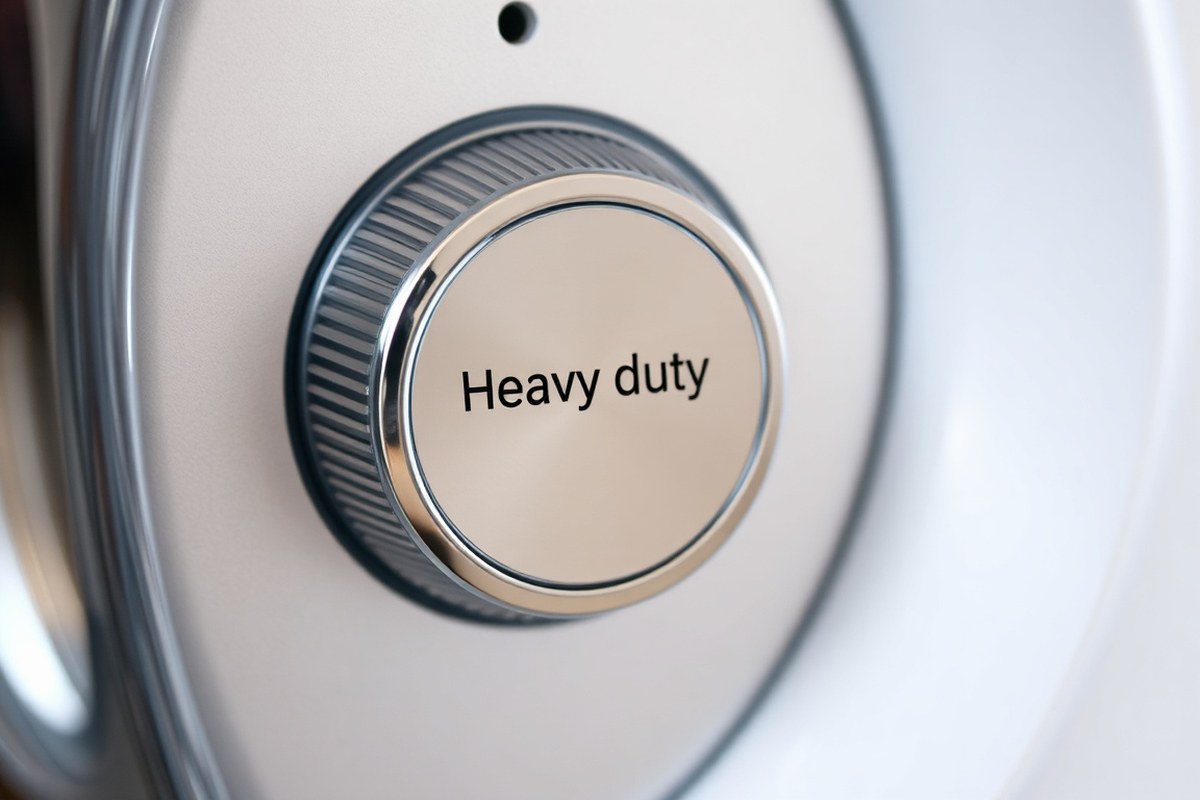
The heavy duty setting on a washing machine is a specially designed cycle intended to clean heavily soiled or bulky items that regular cycles cannot handle effectively. This cycle uses longer wash times and more vigorous agitation to help remove deep dirt and stubborn stains. Typically, it also involves increased water levels and warmer water temperatures than a normal wash, improving the cleaning power needed for tough jobs.
Heavy duty means the machine applies stronger mechanical action, which includes faster drum rotation and more forceful tumbling to break down soil embedded in thick fabrics like work clothes, jeans, or towels. Washing times during this cycle can extend beyond 60 minutes, compared to 30 to 40 minutes on typical regular cycles. Water temperature often ranges between warm and hot, say, 90 to 120 degrees Fahrenheit, to help activate detergents and sanitize the fabrics. Your washing machine’s manual usually specifies the precise parameters set for the heavy duty cycle, varying slightly by brand and model.
Using this cycle matters because normal or quick wash cycles might not fully clean bulky or heavily soiled laundry, leaving residue or odors behind. Heavy duty cycles provide the extra mechanical and thermal energy needed to break up dirt and grease, particularly on items like sports gear, heavily stained uniforms, or thick bedding. It also means the machine uses more water; this can increase by 30 to 50 percent compared to normal cycles, depending on your washer’s design.
To use the heavy duty cycle correctly, load the machine with suitable fabrics that can withstand intense agitation and higher temperatures. Avoid overloading because the cycle exerts more strain on the motor and mechanical parts. Follow your detergent’s dosing instructions carefully; sometimes heavier soil needs more detergent but exceeding recommended amounts can cause buildup or rinsing issues. It’s best to select warm or hot water settings unless the fabric care label advises against it.
One drawback is the heavier use of water, energy, and longer run times, which can raise your utility costs per load. Also, repeated use on delicate items risks fabric damage or shrinking, so reserve this cycle for the right laundry. If your machine lacks a dedicated heavy duty cycle, choosing a “bulky” or “extra soil” cycle with similar parameters can sometimes substitute.
Good results from heavy duty washing show as visibly cleaner, fresher clothes with no lingering soil without damage to fabric texture or color. Problems like incomplete cleaning or unusual noise during this cycle may indicate overloading, insufficient detergent, or a mechanical issue, in which case checking the user manual or contacting a technician is recommended.
How the Heavy Duty Cycle Works to Clean Tough Laundry

The heavy duty cycle cleans tough laundry by combining powerful agitation, hotter water, longer wash times, and faster spin speeds. It targets stubborn dirt and heavy soil through vigorous scrubbing and deep detergent action, making it ideal for items like towels, jeans, and work clothes. This cycle typically uses warm to hot water temperatures, often reaching up to 95°C (203°F), which helps dissolve oils and break down grime more effectively.
Agitation in the heavy duty cycle runs at a high or vigorous speed, physically scrubbing the fibers to lift embedded dirt. The cycle also lasts longer than standard settings, sometimes extending up to 14 minutes or more of active wash time, providing detergents extra opportunity to work. After washing, the machine spins at a high speed to remove as much water as possible, leaving the fabric damp but not soaking wet. This reduces drying time and limits wear from heat exposure in the dryer.
| Feature | Standard Cycle | Heavy Duty Cycle | Purpose |
|---|---|---|---|
| Agitation | Moderate | High / Vigorous | To physically scrub away deep grime |
| Duration | Short to Medium | Long | To allow detergents more time to work |
| Water Temperature | Cool to Warm | Warm to Hot (up to 203°F) | To dissolve oils and heavy soils |
| Spin Speed | Medium | High (up to 2000 RPM) | To extract maximum water from thick fabrics |
Heavy duty cycles run longer than standard washes, typically lasting around 58 minutes on some models like LG’s, ensuring enough time for thorough cleaning. The machine also uses a high-speed spin cycle, up to 2,000 revolutions per minute on some models, to extract water efficiently. This combination reduces wear on fabrics by minimizing drying time and improves the removal of tough stains and deep soil. Still, aggressive agitation and very hot water can increase fabric wear and shrinkage risk, so this cycle suits sturdy materials rather than delicate items.
Use the heavy duty cycle only for durable fabrics and heavy soils to avoid unnecessary wear on everyday clothes and delicate fabrics.
Which Items and Fabrics Should Use Heavy Duty Wash?
Heavy duty wash cycles work best for durable, heavily soiled, or bulky items that require stronger agitation and higher temperatures for effective cleaning. Use this cycle for work clothes, sports gear, towels, bedding, and some outdoor fabrics. Avoid delicate or natural fibers that could shrink or sustain damage from the intense wash action.
Heavily Soiled Workwear and Sports Gear
Work clothes and sports gear often accumulate deep dirt, grease, sweat, and mud that regular cycles can’t fully remove. Heavy duty settings use longer wash times combined with higher temperatures, typically between 122°F and 140°F, to break down embedded grime and stains. The stronger agitation helps loosen soil trapped in dense fabrics like canvas, denim, and nylon.
Sort these items separately to prevent dirt transfer to lighter or more delicate fabrics. Also, check pockets carefully for debris or sharp objects before washing to protect your machine’s drum. Using heavy duty for these loads maximizes cleanliness without needing multiple wash cycles.
- Construction or mechanic overalls with grease stains
- Muddy sports uniforms and cleats-related fabrics
- Durable scrubs or work uniforms
- Canvas or nylon outdoor bags and gear
- Gym towels heavily soaked with sweat
Bulky Items: Towels, Bedding, and Outdoor Gear
Bulky laundry like towels, blankets, and pet bedding absorb a lot of moisture and dirt, requiring a wash cycle that can handle their size and weight. Heavy duty cycles apply stronger water flow and longer agitation to penetrate thick layers and remove oils, sweat, and odors. Hot water washes, around 130°F or more, are recommended for bed linens and towels to kill allergens and bacteria.
Separate bulky items by color and fabric type to avoid uneven washing or damage. While heavy duty handles thick fabrics well, very large or dense bedding sometimes fits best in a specialized “bulky” cycle designed to provide gentler tumbling to prevent clumping and ensure thorough rinsing.
- Bath towels and washcloths with body oils
- Sheets and duvet covers that trap sweat and dust mites
- Pet blankets and washable cushions
- Heavy outdoor gear like canvas tarps or nylon covers
Fabrics to Avoid or Use Cautiously
The heavy duty cycle risks damaging delicate fabrics like silk, lace, or loosely woven wool by using high heat and intense agitation. These conditions can lead to shrinking, stressing the fibers, or causing lasting harm. Cotton blends with delicate embroidery or trims also benefit from gentler wash cycles to protect their details.
Delicate and repaired items should be sorted separately and washed in cold water cycles with minimal agitation. Use mesh laundry bags for fragile pieces and avoid heavy duty cycles altogether. Overuse of the heavy duty cycle on natural fibers can degrade the fabric’s lifespan and appearance.
- Silk, lace, and fine synthetics
- Wool and other animal fibers prone to shrinking
- Clothes with delicate embroidery or appliques
- Clothing with repairs that might unravel under agitation
Heavy Duty Washing Machine Capacity and Design Features
Heavy duty washers typically provide a capacity ranging from 4.5 to over 6.0 cubic feet. This allows them to manage large laundry loads that often exceed 12 pounds per wash, making these units well-suited for families with heavy laundry needs or for small business use. The larger drum size distinguishes them from normal models by accommodating bulky items such as comforters and heavy work clothes without overloading the machine.
Design differences also contribute to their durability and performance. Heavy duty models are built with more powerful motors and reinforced components to endure frequent, intensive use. They often feature higher spin speeds, commonly adjustable up to 1200 revolutions per minute or more, to extract more water from heavier loads, reducing drying time. Many also include advanced options such as smart sensors and automatic detergent dispensers to improve cleaning efficiency and adapt cycles to load conditions.
Choosing between front load and top load heavy duty washers depends on your priorities. Front loaders generally offer better cleaning performance and water efficiency because their tumbling action is gentler on fabrics and they use less water per load. Top loaders, especially traditional agitator models, tend to be faster at washing cycles and might be easier to load and unload. However, some modern high-efficiency top loaders come close to front loaders in energy and water savings. The table below compares typical features for heavy duty front load and top load machines:
| Feature | Front Load Heavy Duty | Top Load Heavy Duty |
|---|---|---|
| Capacity (cubic feet) | 4.5 to 6.0+ | 4.5 to 5.5+ |
| Typical Maximum Spin Speed (RPM) | 1000 to 1400 | 700 to 1200 |
| Water Usage per Load | 30 to 45 gallons | 45 to 60 gallons |
| Energy Efficiency | Generally higher | Moderate to high |
| Cycle Duration | Longer (40-60 minutes) | Shorter (30-45 minutes) |
When selecting a heavy duty washer, consider how you usually wash and the types of laundry you handle most. A front loader might save water and energy overall, but top loaders can be more convenient if you value shorter cycles and easier loading. Make sure the machine you choose has adjustable spin speeds to optimize drying time and energy use based on the fabric and load size.
Maintenance expectations for heavy duty machines include regular cleaning of the drum and detergent drawer, plus addressing wear on seals and belts sooner than with lighter-use washers. Following manufacturer guidelines helps keep your unit functioning well under heavy loads, preventing costly repairs or downtime. While a heavy duty washing machine might use more energy and water during some cycles, modern models often feature technologies that balance thorough cleaning with efficiency.
Energy, Water Use, and Cost Implications of Heavy Duty Cycles
Heavy duty cycles use significantly more water and energy than normal wash settings because they run longer and apply more intense agitation and higher temperatures. These cycles are designed to break down tough stains and heavily soiled fabrics, which requires increased resources. For example, heavy duty cycles can last several minutes longer and operate at temperatures up to 140 degrees Fahrenheit, compared to some normal cycles that run shorter and cooler.
This increased consumption affects your utility bills. Using the heavy duty cycle frequently can raise energy and water costs noticeably, especially if your washing machine is a traditional top-loader. Top-loading machines running a heavy duty cycle might use around 150 liters (40 gallons) of water per load, compared to about 50 liters (13.2 gallons) for front-loading models washing the same weight. Electricity use also rises due to longer wash times and hotter water, increasing energy bills.
ENERGY STAR® certified heavy duty washers offer a solution by using less water and electricity than standard models. They typically use front-loading designs, which cut water use by 30, 50% compared to top-loaders. While heavy duty cycles on these machines still use more resources than normal cycles, the difference is less drastic, helping keep utility bills lower without sacrificing cleaning power. Choosing an ENERGY STAR certified heavy duty washer can reduce your water and energy consumption substantially.
To manage costs, limit heavy duty cycle use to loads that truly need it, such as heavily stained work clothes or muddy sportswear. Using a normal cycle for lightly soiled items saves water and energy. Also, avoid overloading the machine as this can extend wash times and force more rinsing, increasing consumption further. Maintaining your machine by cleaning filters and leaving the door ajar after heavy duty cycles prevents mold and keeps the washer running efficiently, reducing energy and water waste over time.
Only use the heavy duty cycle for very dirty loads to avoid unnecessary water and energy use and extend your machine’s lifespan.
Common Mistakes and How to Avoid Damage Using Heavy Duty
Using the heavy duty cycle incorrectly can lead to damaged fabrics and strain on your washing machine. Avoid common mistakes by carefully choosing loads, sorting fabrics, and selecting the right detergent and temperature. Following a clear checklist prevents wear and tear on both your clothes and machine.
Overloading and Fabric Wear
One typical error with the heavy duty cycle is overloading the washer. This cycle agitates vigorously, which means too many items can cause friction, stretching, or even tearing of fabrics. A proper load uses about 70 to 80 percent of the machine’s capacity, leaving enough space for clothes to move freely during the 60 to 90 minute heavy duty wash.
Overloading also puts extra strain on the washing machine’s motor and suspension system, potentially leading to mechanical problems or sensor failures. Monitor the size and weight of the load to avoid these issues. Use the following checklist to gauge when a load is appropriate for heavy duty:
- Sort by fabric type: only sturdy fabrics like denim or towels.
- Check garment weight: plan for about 5 to 7 pounds per cubic foot of washer space.
- Leave space for agitation: clothes should move freely without being packed tightly.
- Avoid mixing textiles that vary widely in weight or texture.
- Distribute load evenly around the drum to prevent imbalance.
Following this checklist maintains fabric integrity and protects your washing machine from overwork.
Using Heavy Duty with Delicate or Lightly Soiled Clothes
Heavy duty cycles are designed for tough, heavily soiled fabrics but applying this setting to delicate or lightly soiled items can cause damage. Aggressive agitation can pill knits, fade colors, and stretch out lighter fabrics like synthetics or blends.
Washing lightly soiled clothes on heavy duty also wastes energy and water, as the cycle typically runs 60 to 90 minutes with higher agitation and hotter water. This increased demand raises utility costs and accelerates wear on fabrics that do not need intensive cleaning.
When deciding whether to use the heavy duty cycle, consider this rule: if the fabric is delicate or only mildly dirty, select a gentler cycle. Heavy duty works best only when soil levels are high and the fabric is durable.
Wrong Detergent or Temperature Use
Choosing the wrong detergent or washing temperature undermines the cleaning performance of heavy duty cycles and increases risks like residue buildup, shrinking, or color fading. Heavy duty washes use hot water to dissolve tough stains and powder detergents are typically best for mud, clay, or hard water based on how effectively they dissolve.
For protein stains like blood or grass, enzymatic liquid detergents perform better but require pre-treating the spots before the cycle starts. Using eco-friendly or mild detergents during heavy duty cycles on heavy fabrics helps prevent color loss in clothes that do not require extremely harsh washing.
- Choose detergent type according to stain and water type.
- Use hot water only for sturdy, heavily soiled fabrics.
- Pre-treat protein stains before washing.
- Avoid high temperatures on fabrics prone to shrinking or fading.
- Rinse thoroughly to prevent detergent residue buildup.
Matching detergent and temperature carefully protects your garments while ensuring heavy duty cycles clean effectively.
Additional Cycles and Features on Heavy Duty Machines
Heavy duty washing machines often come with additional cycles and features that tailor cleaning to different types of laundry beyond just tough fabrics. These features include sanitize and steam options to handle heavy soil and allergens, as well as specialty cycles that cover quick washes, soaking, and fabric care for delicate items. Selecting the right cycle depends on fabric type, soil level, and your specific cleaning goals.
Sanitize and Steam Cycles
Sanitize cycles use high temperatures, usually above 150°F, to kill bacteria and allergens on heavily soiled clothes or items used by those with allergies. This cycle is useful for bedding, towels, and items requiring extra hygiene. Steam cleaning options gently refresh delicate garments by relaxing fibers without harsh detergents or agitation, reducing wrinkles and odors.
Use sanitize cycles when disinfecting work clothes or items exposed to germs, and opt for steam settings on delicate fabrics that cannot handle aggressive washing. Keep in mind sanitize cycles use more energy and water due to the hotter wash and longer durations, so they are best saved for heavily soiled loads or specific needs.
Soak, Speed Wash, and Specialty Cycles
Soaking cycles help loosen tough stains before the main wash by fully saturating clothes for 30 minutes to an hour, improving dirt removal. Speed wash modes clean lightly soiled or small loads quickly, often cutting cycle time to 15-30 minutes while using less water and energy. Other specialty cycles on heavy duty machines can include:
- Pre-wash for heavily stained items needing extra cleaning time
- Bulky or bedding cycles with slower spins to protect large items
- Wrinkle control with intermittent tumbling at the end of the cycle
- Cold wash for fabrics susceptible to shrinking or color fading
- Allergen cycles designed to reduce dust mites and pet dander
These cycles provide flexibility when your laundry load varies from heavy soil to routine or delicate items and help you save resources when a full heavy duty cycle isn’t necessary.
Settings for Delicates and Permanent Press
Heavy duty washers also include options for more sensitive fabrics to avoid damage. Delicate cycles use cooler water, gentler agitation, and lower spin speeds to protect fibers like silk, lace, or synthetic blends. Permanent press cycles reduce wrinkles and preserve fabric shape by minimizing agitation and spin speed while including a cool down or slow spin phase at the end.
Balancing fabric care means selecting cycles that match the material and soil level. Use heavy duty settings for sturdy cottons, jeans, and heavily soiled work clothes. Switch to delicate or permanent press for blends, synthetics, or slightly soiled items that still need care but don’t require intense cleaning.
Best Practices for Using and Maintaining Heavy Duty Machines
Using the heavy duty cycle puts extra strain on your washing machine’s components like the motor and drum bearings. To keep your machine running smoothly, clean the detergent drawer and dispenser regularly to prevent buildup. After every heavy duty wash, run a maintenance cycle with hot water and no laundry to clear out residue that can cause odors and affect performance. Check and tighten any loose screws or bolts around the drum and door to avoid rattling or imbalance during cycles.
Heavy duty cycles use stronger agitation and higher spin speeds, so balance your loads carefully. Overloading or unevenly distributed clothes increase wear and tear. If your machine vibrates excessively or makes unusual noises during heavy duty washing, pause the cycle and redistribute the laundry. Also, use only the recommended amount of detergent to avoid buildup that stresses the motor and suspension system.
- Run a monthly cleaning cycle with hot water and no clothes.
- Inspect and clean the detergent drawer after every 5 loads.
- Avoid overloading to maintain proper drum balance.
- Use high-quality detergent suitable for heavy duty cycles.
- Leave the door open after cycles to let the drum dry and prevent mold.
- Check door seals and gaskets regularly for damage or wear.
Always unplug your washing machine before inspecting or cleaning internal parts to avoid electrical hazards.Signs that require professional service include persistent loud noises, leaks that don’t stop after cleaning seals, or errors that continue despite following the manual. Regular professional maintenance, every 1 to 2 years, can identify worn suspension parts and motor issues before they cause breakdowns. Repair costs vary widely but expect $100 to $300 for typical motor or bearing replacements. Addressing problems early keeps your machine efficient and extends its lifespan despite the heavy loads.
Your Quick-Start Action Plan for Using the Heavy Duty Cycle
Follow these clear steps to get the most out of your washing machine’s heavy duty cycle and keep your tough laundry clean without damage.
- Before Washing: Sort your laundry to separate heavy-duty items like work clothes and heavily soiled fabrics from delicate or light loads.
- Day 1: Load only the recommended capacity of heavy-duty items into the machine to avoid overloading. Check your manual for specific limits.
- Day 1: Select the heavy duty cycle and use the appropriate detergent designed for tough stains, following package instructions for amount.
- After Starting: Monitor the first wash to ensure the machine completes the cycle without error or unusual noise, confirming proper operation.
- Week 1: Inspect washed items for cleanliness and check that fabric feels intact to confirm the cycle’s effectiveness and gentleness.
- Weekly: Clean your washing machine’s detergent drawer and door seal to maintain efficiency and prevent residue buildup.
- Monthly: Run a maintenance wash with a machine cleaner to keep internal parts free of deposits, ensuring consistent heavy duty performance.
- As Needed: Use additional cycles like pre-soak or extra rinse for heavily stained or bulky items to improve cleaning results without damaging fabrics.
Frequently Asked Questions
What Does Heavy Duty Mean on a Washing Machine?
Heavy duty means the machine is designed to handle large, tough, or heavily soiled loads. This setting uses more water, longer wash times, and stronger agitation to clean deeply embedded dirt.
How Does the Heavy Duty Cycle Affect Water and Energy Use?
Heavy duty cycles typically use more water and energy due to longer wash times and stronger agitation. This helps remove stubborn dirt but may increase utility costs compared to normal cycles.
Can Using Heavy Duty Cycles Damage Clothes?
Using heavy duty cycles on delicate fabrics can cause wear or shrinking. Reserve it for sturdy items like jeans, towels, and bedding to avoid fabric damage.
What Capacity Is Ideal for a Heavy Duty Washing Machine?
A capacity of 4.5 cubic feet or more suits heavy duty machines best, allowing them to handle bulky loads without overloading the washer, ensuring better cleaning and machine longevity.
What Maintenance Is Recommended for Heavy Duty Washing Machines?
Regularly check and clean filters, seals, and detergent dispensers to prevent clogs and build-up. This helps heavy duty machines perform optimally despite handling tough loads frequently.
Is Heavy Duty the Best Cycle for Every Load?
Heavy duty isn’t always necessary and can waste resources on light loads. Use it selectively for heavily soiled or bulky items to balance cleaning power with efficiency.
Before You Go
Heavy duty means your washing machine is ready to tackle the toughest, dirtiest laundry with a strong cycle designed for deep cleaning. Using this cycle correctly protects your clothes and your machine’s lifespan. Start by sorting your heavy-duty laundry and following the machine’s load and detergent guidelines for best results. This approach ensures your tough items come out clean without unnecessary wear.