Are Dryer Sheets Necessary? What Actually Works and Alternatives Explained
Dryer sheets are not strictly necessary for laundry, but they can help reduce static cling, soften fabrics, and add fragrance. You can choose alternatives that work better for your skin type, fabric needs, or environmental concerns. This article suits homeowners and renters curious about how dryer sheets impact clothes, skin, and the planet, plus cost-effective options.
You’ll learn how dryer sheets function, their safety considerations, and several alternatives from dryer balls to homemade options. The goal is to help you decide when and how to use or avoid them based on your laundry habits and priorities.
Key Takeaways
- Dryer sheets reduce static and soften fabrics by coating clothes with a thin layer of chemicals during drying.
- They may cause irritation for sensitive skin and leave residues that affect some fabrics like activewear or microfiber.
- The average American uses around 300 dryer sheets annually if applied to every laundry load, costing roughly $7 per 160-sheet pack.
- Dryer balls cut drying time up to 25% and reduce static without chemicals, making them a safer, reusable alternative.
- Environmental concerns about dryer sheets stem from synthetic fragrances and non-biodegradable ingredients.
- Homemade dryer sheets can be made using 100% wool yarn and essential oils for a natural, customizable option.
Are Dryer Sheets Necessary for Laundry?
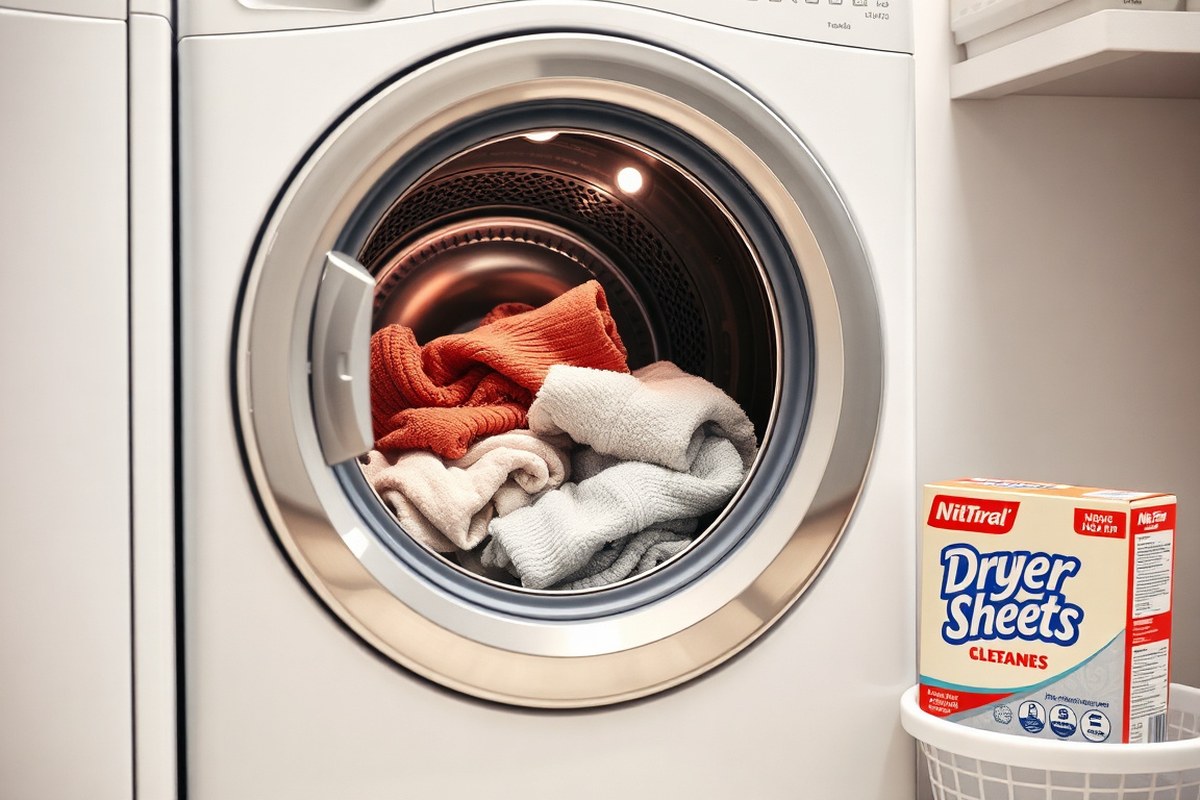
Dryer sheets are not necessary to get your clothes clean and dry. Washing machines and dryers themselves handle the cleaning and drying process effectively, depending on the detergent, water temperature, and drying settings you use. Your laundry will come out clean and dry without adding dryer sheets in the drying cycle.
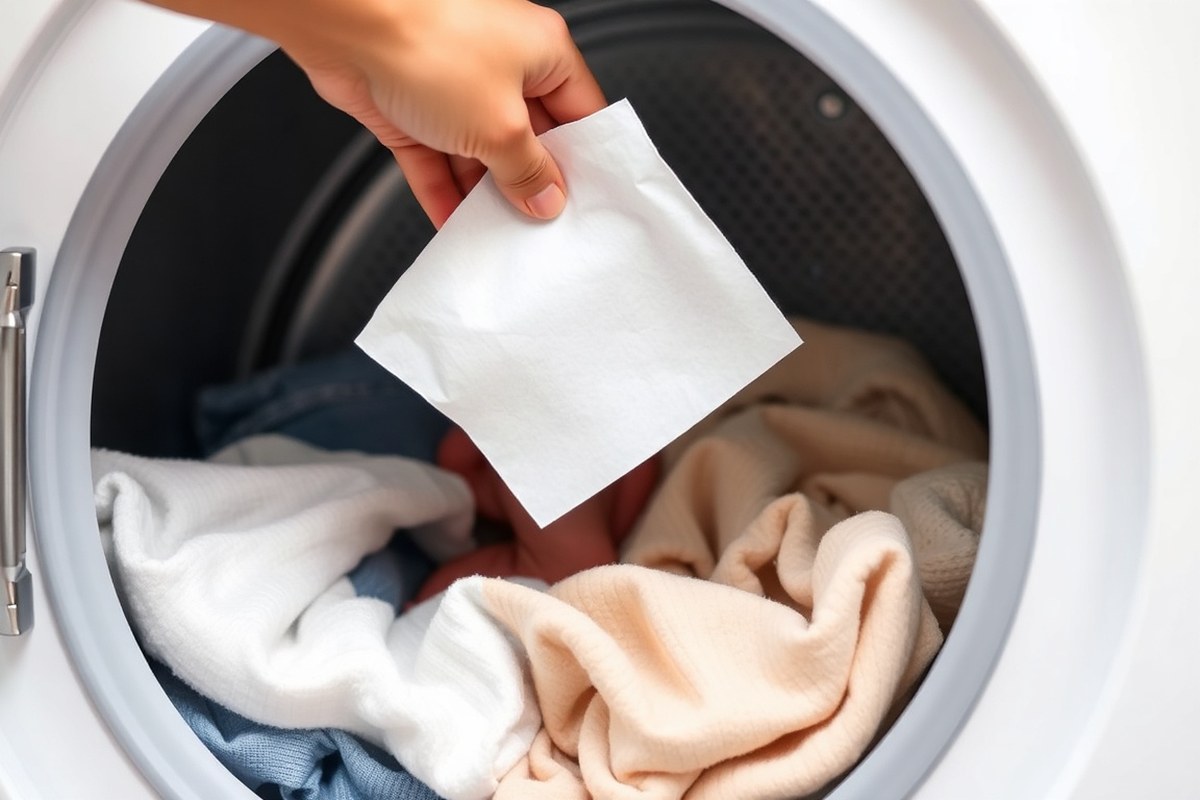
Dryer sheets do more than just assist with drying your clothes. They work to lessen static cling, make fabrics feel softer, and leave a pleasant fragrance on your laundry. As the clothes tumble, dryer sheets release agents that soften fabric along with scents, improving the texture and aroma. Still, these features are extras and not necessary for simply having clothes that are clean and dry.
Those who choose not to use dryer sheets can still achieve soft, static-free laundry. Alternatives such as adding a cloth dampened with diluted white vinegar to the dryer can reduce static and soften fabrics naturally. Using the right detergent and following proper drying techniques, such as not over-drying clothes and separating synthetic fabrics, can also minimize static issues. Many people in humid climates or with cotton-heavy wardrobes find no need for dryer sheets at all.
Using dryer sheets involves extra cost and generates some environmental concerns because of the chemicals and residues they leave on clothes and dryers. Their cost per load ranges from a few cents to around 10 cents depending on brand and usage. While many homeowners appreciate how dryer sheets improve softness and scent, skipping them lowers laundry costs and simplifies the routine, with minimal difference in cleaning or drying performance.
In cases where static cling is a persistent problem, such as in dry climates or loads with many synthetic fibers, dryer sheets can be effective in keeping clothes from sticking together and reducing wrinkles. However, for typical household laundry loads including cotton and mixed fabrics, dryer sheets are mainly a matter of personal preference rather than a necessity. You can do laundry effectively without them by focusing on good detergents, appropriate drying times, and natural softening alternatives.
How Dryer Sheets Work and Their Effects on Clothes
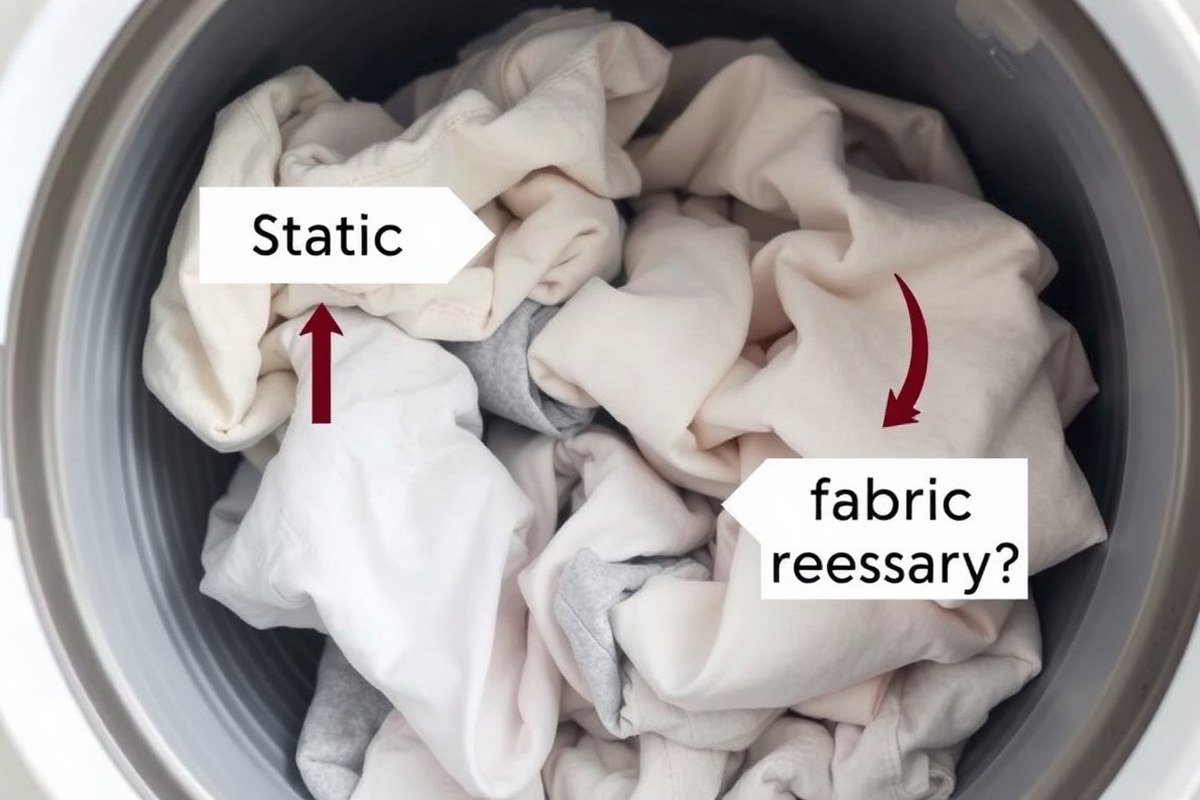
Dryer sheets are thin pieces of fabric coated with softening agents, anti-static chemicals, and synthetic fragrances. These ingredients activate through the heat and tumbling action inside your dryer, transferring onto your clothes. This transfer leaves a waxy, lubricating film on the fibers, making fabrics feel softer to the touch and reducing that scratchy stiffness often left after drying.
The reduction of static electricity happens because dryer sheets contain positively charged compounds. During drying, these compounds neutralize the negative electrical charges that build up in your fabrics. This neutralization prevents clothes from clinging together or attracting lint and hair, making it easier to separate and fold your laundry after the cycle.
At a microscopic level, fabric fibers can develop tiny static charges due to friction as they rub against each other while tumbling. Dryer sheets coat these fibers with a thin layer of lubricating chemicals, often made from quaternary ammonium compounds or similar substances. This layer reduces friction between fibers and dissipates static charges. As a result, clothes become less clingy and softer without damaging the fabric.
Fragrance compounds in dryer sheets are synthetic oils designed to cling to the fibers during the drying process. Once dry, they slowly release scent molecules, keeping your clothes smelling fresh for several days. This scent-adding feature is convenient, but the synthetic nature means you may want to use dryer sheets sparingly if you have sensitive skin or allergies.
Keep in mind that this waxy coating can affect certain fabrics differently. For example, moisture-wicking gym wear may lose some breathability because the coating traps sweat rather than letting it evaporate. Flame-retardant clothes can have their protective qualities reduced. Microfiber fabrics may get streaky or lose cleaning power due to the coating filling tiny hooks in the fabric.
Use dryer sheets in moderation to avoid buildup that can reduce towel absorbency and breathability in technical fabrics.
Are Dryer Sheets Safe for All Fabrics and Skin Types?
Dryer sheets are not safe for all fabrics or skin types. Some fabrics like moisture-wicking or flame-resistant clothing can be damaged or lose important features when exposed to dryer sheets. For those with sensitive skin, dryer sheets with fragrances or chemicals may cause irritation or allergic reactions. Choosing the right type matters to avoid fabric damage or skin discomfort.
Fabrics to Avoid
Certain fabrics react poorly to the waxy coatings and chemicals in dryer sheets, which can reduce their effectiveness or cause damage. Avoid dryer sheets with these fabric types to preserve their properties and lifespan.
- Flame-resistant fabrics like children’s pajamas, dryer sheets can affect their self-extinguishing ability and pose safety risks.
- Moisture-wicking fabrics used in sportswear, they rely on breathability and cannot absorb the softening agents.
- Microfiber materials, dryer sheets can clog the fine fibers and reduce absorbency.
- Water-repellent fabrics, the coating can lose its ability to repel water after using dryer sheets.
- Towels, dryer sheets leave a waxy film that reduces absorbency, making towels less effective.
When drying these fabrics, skip dryer sheets to maintain their intended function. Check garment care labels for any warnings against fabric softeners or dryer sheets.
Skin Sensitivity and Allergies
Dryer sheets contain chemicals and fragrances that can irritate sensitive skin or trigger allergies. People with respiratory conditions or those prone to skin reactions should be cautious. Symptoms from using dryer sheets might include redness, itching, rash, or respiratory discomfort like sneezing or coughing.
Synthetic fragrances are common irritants. Using scented dryer sheets in households with sensitive members can cause headaches or worsen respiratory issues. It’s important to test by removing dryer sheets for a few laundry cycles to see if symptoms improve.
- Watch for new or worsened skin irritation after laundry days.
- Note any respiratory problems or headaches correlated with laundry use.
- Conduct patch tests by washing a few garments without dryer sheets to compare skin reactions.
- Observe if irritation appears only with certain brands or scents of dryer sheets.
Stop using dryer sheets if any irritation or allergic symptoms appear, and consult a dermatologist or allergist if the condition continues.
Choosing Suitable Dryer Sheet Types
For those with skin sensitivities or allergies, choosing unscented or alternative options reduces risks. Unscented dryer sheets are available and typically cause fewer reactions than scented versions.
Many people opt for alternatives like dryer balls or using distilled white vinegar in the rinse cycle to reduce static and soften fabrics without added chemicals. Dryer balls especially avoid chemical residues and fragrance irritations completely. Here’s how to select wisely:
| Feature | Traditional Dryer Sheets | Alternatives (Dryer Balls, Vinegar) |
|---|---|---|
| Skin Sensitivity | May cause irritation or allergies | Generally hypoallergenic |
| Fragrance | Often scented, can trigger reactions | No scent or natural smell |
| Effect on Fabric | Can reduce absorbency and damage some fabrics | Safe for most fabrics |
Test different options on small loads of laundry first. If you or your family members have sensitive skin or respiratory issues, unscented sheets, dryer balls, or vinegar are preferable. Avoid double softening agents to lower irritation risk.
Environmental and Health Concerns Related to Dryer Sheets
Dryer sheets release a mix of chemical ingredients, including quaternary ammonium compounds (quats) and synthetic fragrances. When heated inside the dryer, these chemicals emit volatile organic compounds (VOCs). A 2011 study identified 25 different VOCs from dryer sheets vented into home air, including two carcinogens, acetaldehyde and benzene. While direct links to health effects remain unclear due to a lack of focused studies, these chemicals can irritate skin, eyes, and respiratory systems, particularly for people with sensitivities or asthma.
Besides indoor air quality, dryer sheets pose environmental concerns. Most are made from non-biodegradable synthetic fibers that contribute to microplastic pollution when lint escapes the dryer vent or falls into wastewater. The chemical residues left on fabrics also wash off in laundry cycles, adding to water pollution. Heat exposure during drying can make these chemicals more environmentally damaging by increasing their chemical reactivity and persistence.
Eco-friendly alternatives help reduce these concerns without sacrificing fabric softness or static reduction. Wool dryer balls are reusable, biodegradable, and contain no added chemicals. Cloths dampened with natural substances like vinegar provide similar benefits without VOC emissions. Soap nuts offer a plant-based option that naturally softens fibers without synthetic chemicals. Another effective approach is air drying clothes to eliminate the need for any chemical softeners, save energy, and minimize exposure to irritants.
Choosing natural or fragrance-free dryer sheets can lower chemical emissions but often comes at a higher cost, ranging from $5 to $10 per box compared to conventional sheets costing around $3 to $5. Reducing usage frequency by alternating these products with alternatives or skipping them altogether can also limit environmental impact and exposure risks. Deciding how to handle fabric care depends on your priorities for health, the environment, convenience, and budget.
Top Alternatives to Dryer Sheets and How They Compare
Wool dryer balls are among the best reusable alternatives to dryer sheets. Made from natural wool, they reduce static, soften clothes, and can cut drying time by up to 25%. Toss three to six balls into your dryer along with your laundry load. The balls separate clothes, improving air circulation and reducing wrinkles. They work well for most fabrics but may not fully eliminate static on loads with many synthetic fibers.
Using distilled white vinegar as a DIY dryer aid involves dampening a clean cloth with a few tablespoons of vinegar and placing it in the dryer. This method helps reduce static, especially in natural fibers like cotton and wool, without leaving any noticeable vinegar smell. Repeat cycles as needed, but avoid this method if your dryer has metal components sensitive to acidity.
Another single-use option is balling up aluminum foil and tossing it into the dryer. The foil discharges static electricity throughout the cycle, working similarly to dryer sheets. Foil balls are affordable and last for many loads, but they can be noisier and less effective on synthetic-heavy laundry. Combining foil balls with wool dryer balls may yield fluffier clothes and minimal static.
| Alternative | How It Works | Pros | Cons | Cost/Use |
|---|---|---|---|---|
| Wool Dryer Balls | Improve air flow and reduce static by separating items | Reusable, reduces drying time by 25%, natural fibers | Less effective on synthetic-heavy loads, initial cost | $10, $20 for 6; lasts 1000+ loads |
| White Vinegar Cloth | Damp cloth releases acids that neutralize static on natural fibers | Cheap, natural, no chemical scent | Must use each load, less effective on synthetics | $0.10 per use for vinegar |
| Aluminum Foil Balls | Discharges static electricity, similar to dryer sheets | Inexpensive, reusable for many uses, reduces static | Noisier, less effective on synthetic fabrics | Under $1 for several balls; reusable |
| DIY Dryer Sheets | Damp cloth with natural softeners tossed in dryer | Customizable scents, natural ingredients | Single-use, requires preparation, variable effectiveness | Varies; generally under $0.20 per sheet |
| Tennis Balls | Physical agitation to fluff and separate laundry | Inexpensive, readily available | Can be rough on delicate fabrics, less effective for static reduction | Under $5 for 3 balls |
Using wool dryer balls is simple: place them in the dryer with your wet clothes. They soften fabric naturally and cut drying time, reducing energy use. For static control on natural materials, try the vinegar cloth method by dabbing 2-3 tablespoons of distilled white vinegar on a clean washcloth and tossing it in. Aluminum foil balls need to be tightly crumpled and dropped in; they’re low maintenance and can be reused for several loads. Tennis balls offer fluffing benefits but don’t excel in static reduction and may damage finer fabrics.
Pro tip: Use a combination of wool dryer balls and aluminum foil balls to get the fluffiness of the balls and the static reduction from the foil, especially for mixed fabric loads.
Costs, Efficiency, and Practical Tips for Using Dryer Sheets
Dryer sheets generally cost between $5 and $10 per box, with around 80 to 240 sheets depending on the brand and retailer. For example, a pack of 160 dryer sheets typically costs about $7. This can add up if you use them with every load of laundry. In contrast, alternatives like wool dryer balls have a higher initial cost, usually around $15 to $25 for a set of three, but they can be reused for hundreds of loads, reducing long-term expenses.
Contrary to popular belief, dryer sheets may not reduce drying time or energy use. According to research, the coating on dryer sheets can leave a residue on towels and microfiber fabrics, decreasing their ability to absorb moisture. This buildup forces your dryer to work harder and often increases drying time and energy consumption. Also, the residue can accumulate inside dryer vents and on dryer filters, leading to more frequent maintenance needs and potential efficiency loss.
To get the best results while minimizing waste and residue, use dryer sheets sparingly. One sheet per medium-sized load is usually enough. Overuse leads to buildup on clothes and inside your machine, reducing effectiveness and possibly damaging fabrics. You can also extend a dryer sheet’s lifespan by cutting it in half or using one sheet for two smaller loads.
- Use one sheet per medium or large load to avoid excess residue
- Place the sheet in the dryer drum before adding clothes for even distribution
- Do not overload the dryer, so sheets can move freely and work effectively
- Remove clothes promptly after drying to minimize wrinkles
- Clean your dryer’s lint trap and vents regularly to prevent residue buildup
- Cut sheets in half for smaller loads to save product
- Combine dryer sheets with wool dryer balls to reduce static and soften clothes naturally
Combining dryer sheets with other products can improve laundry outcomes. Wool dryer balls help separate garments and reduce drying time by creating more air space, which can offset some of the increased drying time dryer sheets might cause. Dryer sheets provide static control and fragrance but should be balanced with mechanical softness from dryer balls, especially when drying towels and microfiber items.
When to Avoid Dryer Sheets and Reduce Your Usage Safely
Avoid using dryer sheets with certain fabrics and when you notice signs that your clothes or dryer may be affected by residue buildup. Reducing dryer sheet use in specific cases helps protect fabric performance, safety features, and dryer function. You can cut back on sheets safely by identifying when they are unnecessary or harmful and using alternatives in those situations.
Clothes That Should Avoid Sheets
Dryer sheets coat fabrics with a waxy residue that can reduce breathability and moisture-wicking capabilities. It’s important to skip dryer sheets on flame-resistant fabrics like kids’ sleepwear because the coating interferes with their ability to self-extinguish, posing a safety risk. Athletic wear, microfiber, towels, and water-repellent fabrics also lose their performance when coated by dryer sheets. These fabrics rely on pore openness and moisture movement, which the waxy layer blocks. For everyday clothes made from natural fibers like cotton shirts, pants, and socks, dryer sheets work well and are generally safe. However, avoid using them on:
- Flame-resistant clothing such as children’s pajamas
- Athletic and performance wear with sweat-wicking properties
- Microfiber materials that depend on breathability
- Towels where softness and quick drying are priorities
- Water-repellent or waterproof fabrics
Using liquid fabric softeners in the wash or natural alternatives can provide softness without the risk of coating these sensitive fabrics.
Signs of Damage or Residue
Residue from dryer sheets can harm both fabrics and your dryer’s performance. Watch for these signs to know when to stop using dryer sheets or clean your appliance:
- Clothes feeling less breathable or softer but heavier and stuffy
- Colors appearing muted or covered by a cloudy film
- Reduction in moisture-wicking ability, causing your athletic gear to feel damp longer
- Lint buildup or sticky wax deposits inside the dryer drum and on sensors
- Longer drying times potentially caused by residue clogging moisture sensors
If your clothes or dryer show these symptoms, it’s time to give up or reduce dryer sheet use and clean your dryer’s interior parts following the manufacturer’s instructions to prevent hazards or inefficiency.
Safe Reduction Strategies
You can safely reduce the use of dryer sheets while keeping your clothes soft and static-free. Start by using sheets only on heavier, natural-fiber loads that tend to cling more and skipping them on delicate or performance fabrics. Try using one sheet per load instead of multiple to cut back on residue buildup. In low-humidity environments or if you have sensitive skin, static can be more intense. Instead of increasing dryer sheets, use a few alternative techniques:
- Dry clothes with a damp washcloth or wool dryer balls to reduce static
- Add a small amount of liquid fabric softener during the wash cycle
- Remove clothes promptly when dry to prevent static and wrinkles
Check labels for fabric care guidelines and treat flame-resistant or moisture-wicking items without dryer sheets altogether. When changing habits, expect a short adjustment period before you find your preferred balance between fabric care and static control.
How to Make and Use Homemade Dryer Sheets Effectively
Making your own homemade dryer sheets is a practical, eco-friendly way to soften clothes and reduce static without relying on commercial products. Using simple materials and natural ingredients, you can create sheets that work well and are safe for most fabrics. Follow the steps below to prepare, use, and care for your homemade sheets to get the best results.
Materials Needed
Start with soft, absorbent fabric squares as the base for your dryer sheets. Cotton or flannel cut into 6-inch squares works well. You’ll also need a liquid softening agent; white vinegar is a natural choice known for reducing static and softening fabrics safely. For added scent, pure essential oils like lavender or eucalyptus can be included, but use them cautiously if allergies are a concern. Gather these materials before you begin:
- 6 to 10 cotton or flannel fabric squares (6 x 6 inches each)
- White distilled vinegar (1 cup for solution)
- Essential oils (5 to 10 drops per batch, optional)
- A large clean glass jar or airtight container for storage
- Measuring cup and spoon
Natural fabrics absorb the solution without leaving residue on clothes, making them a reliable choice for reusable sheets. Avoid synthetic materials to keep your sheets safe for most laundry loads.
Preparation Steps
Mix a solution of one cup white vinegar and 10 to 15 drops of your chosen essential oil in a glass jar. Add the fabric squares, fully soaking them but not leaving excess liquid pooling. Allow the fabric to absorb the mixture for at least 24 hours before using it in the dryer to ensure even saturation. To prepare homemade dryer sheets:
- Cut your chosen fabric into squares if not pre-cut.
- Combine one cup of white vinegar with 5 to 10 drops of essential oil in a jar.
- Place fabric squares in the solution, pressing them to absorb the liquid fully.
- Seal the jar and let the squares soak for a full day at room temperature.
- Remove and wring out any excess liquid before use to avoid wet spots in your dryer.
Store the soaked dryer sheets in an airtight container when not in use to keep them fresh. You can reuse each sheet about 10 to 15 times before making new ones, checking for loss of scent or softness.
Using and Caring for Homemade Sheets
Place one soaked sheet in the dryer with your wet laundry. The heat will release the vinegar and oils, softening fabrics and reducing static by neutralizing static charge buildup. Although homemade sheets may not provide as strong a fragrance or static control as commercial dryer sheets, they efficiently soften clothes without chemical residues. To maintain effectiveness and prevent issues:
- Use one dryer sheet per load of laundry
- Replace sheets after about 10 to 15 drying cycles
- Do not over-soak sheets before use; wring out excess liquid
- Avoid using homemade sheets on microfiber or moisture-wicking athletic wear
- Wash fabric squares every 2 to 3 months to remove buildup
Avoid adding homemade dryer sheets directly to damp laundry without wringing out to prevent damp spots and prolong dryer life.
Scenting and Allergy Considerations
Essential oils add scent and can offer natural antibacterial properties, but some can cause contact allergies or respiratory irritation if overused. Use only 5 to 10 drops of a single pure essential oil per cup of vinegar to minimize risk. Popular choices include lavender, lemon, or eucalyptus, which are generally gentle for most users.
For users with sensitive skin or allergies, it’s safer to skip essential oils and rely on the vinegar’s natural deodorizing effect. Always test a small batch of homemade sheets on delicate fabrics first to watch for any reactions. Keep these tips in mind:
- Use pure essential oils, not fragrances or blends with additives
- Limit essential oil amount to avoid overpowering scents
- Avoid oils that are known allergens for you
- Consult with household members about sensitivities before using scented sheets
- Consider unscented vinegar-only sheets for allergy-friendly softening
Step-by-Step Action Plan to Decide on Dryer Sheets for Your Laundry
Follow this plan to evaluate dryer sheets in your laundry routine, test alternatives, and find what fits your needs best.
- Day 1: Run a load with dryer sheets as usual. Note the feel, static, and scent of your clothes to establish your baseline.
- Week 1: Swap dryer sheets for an alternative like wool dryer balls or homemade sheets. Check for changes in static cling, softness, and any skin reactions.
- Week 2: Use no fabric softener or sheets on one load with synthetic or delicate fabrics. Observe any static buildup or fabric stiffness.
- Week 3: Try spot testing the dryer sheets on one or two garments only. Look for any staining or fabric changes.
- After 1 Month: Review your notes on comfort, fabric care, and skin sensitivity. Decide if dryer sheets add enough benefits to keep using them.
- Ongoing: Rotate between alternatives and dryer sheets depending on fabric type, skin sensitivity, and environmental concerns.
- Seasonal Check: Reevaluate your routine especially after allergy or skin changes, or if you notice static problems increase.
Frequently Asked Questions
Are Dryer Sheets Necessary for Clean Laundry?
Dryer sheets are not necessary for clean laundry since washing removes dirt and stains. They mainly reduce static and soften fabrics, which you can achieve using other methods if preferred.
Do Dryer Sheets Prevent Clothes from Shrinking?
Dryer sheets do not prevent shrinking; shrinkage depends on fabric type and drying temperature. Use gentle drying settings to reduce shrinking risks.
Can Dryer Sheets Cause Allergies or Skin Irritation?
Some people may experience skin irritation or allergies from dryer sheets due to fragrances or chemicals. Opt for fragrance-free or hypoallergenic options if you have sensitive skin.
Do Dryer Sheets Affect Towel Absorbency?
Yes, dryer sheets can reduce towel absorbency by coating fibers with residue. Skip them when drying towels to keep them fluffy and absorbent.
Are Dryer Sheets Safe for Athletic Wear and Moisture-Wicking Fabrics?
Dryer sheets are not recommended for moisture-wicking fabrics as they can clog fibers and reduce breathability. Air drying or using no softener preserves fabric performance.
How Long Do Dryer Sheets Keep Clothes Smelling Fresh?
Dryer sheets typically keep clothes smelling fresh for a few days, depending on storage and wear. Rewash if scent fades or if laundry sits too long.
Before You Go
Dryer sheets are not strictly necessary for clean, comfortable laundry. You can reduce or avoid them by testing alternatives and observing your clothes and skin closely. Start with swapping one load to better understand what works without compromising fabric care. This hands-on approach helps you balance convenience, safety, and eco-friendliness in your laundry habits.