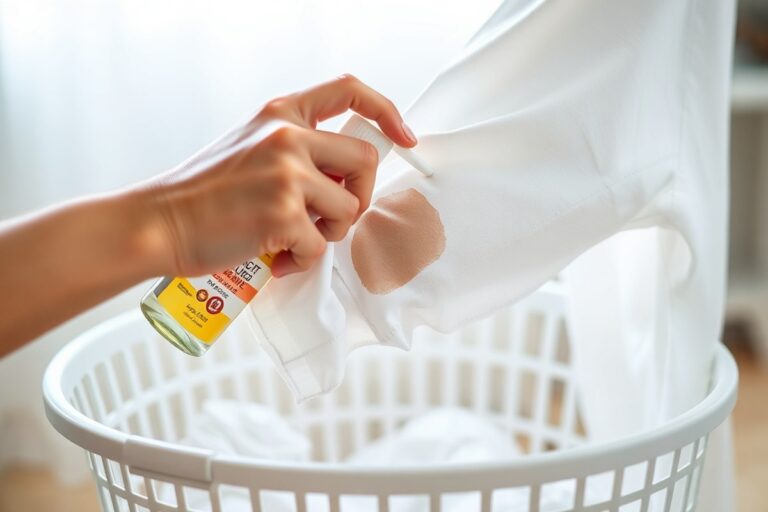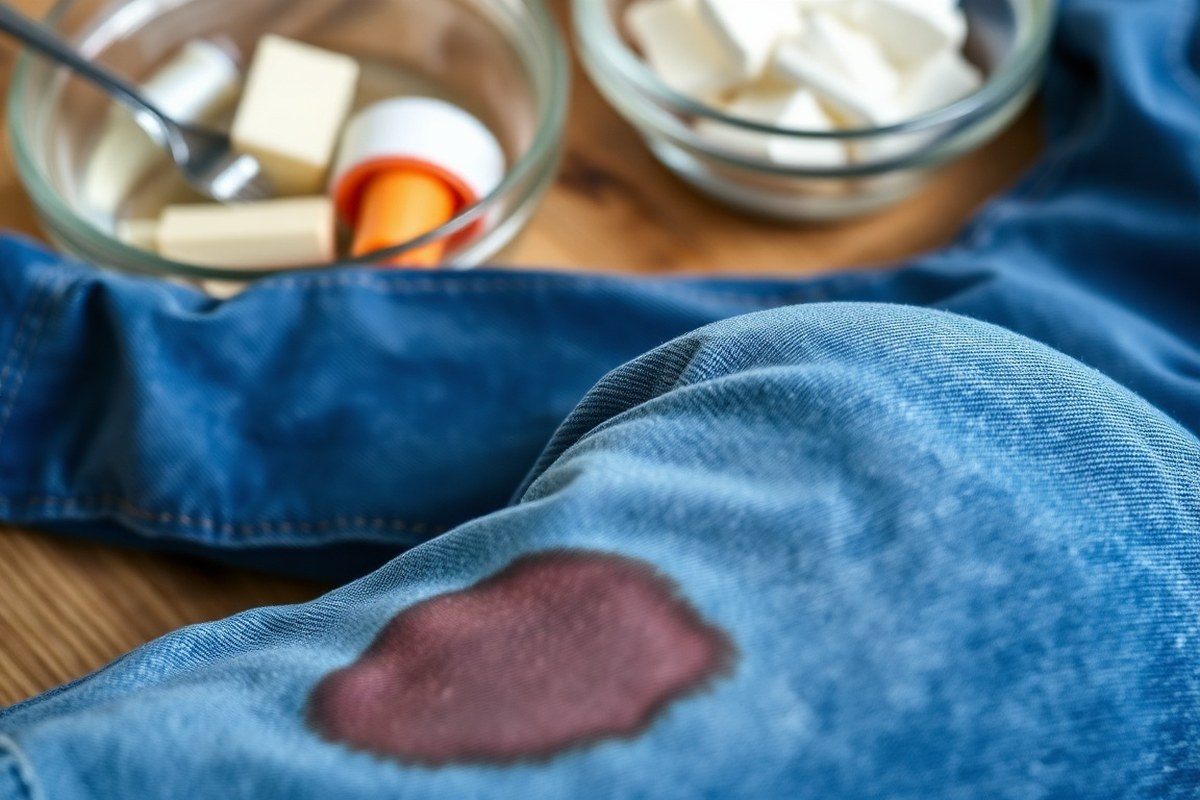
How to Get Out Stains from Jeans: 8 Effective Methods for Clear Results
To get out stains from jeans quickly and safely, start by treating the spot with a suitable household remover, let it sit, then wash on a regular cycle. Acting fast prevents stains from setting and using gentle methods avoids damaging the fabric. Understanding which stain treatment suits your type of stain and jean color makes all the difference in successful removal.
This advice works for anyone who wants their jeans to look clean without harsh chemicals or professional help. The following tips offer clear, practical methods using common products and straightforward steps that you can apply at home to handle everyday stains effectively.
Key Takeaways
- Apply dish detergent directly on grease stains, rub gently, let sit 10 minutes, then wash in cold water.
- For wine stains, sprinkle baking soda liberally and let it stand 1-2 minutes before washing.
- Saturate ink or marker stains with hairspray for 15 minutes, then blot with a damp cloth carefully.
- Soak sweat-stained jeans in a solution of two parts water to one part white vinegar for 30 minutes before washing.
- Use 3% hydrogen peroxide on old blood stains, let it sit 10 minutes, then rinse before laundering.
- For dried stains, apply liquid detergent or stain remover, wait 10-15 minutes, then rinse or wash normally.
1. How to Remove Stains from Jeans Quickly and Safely
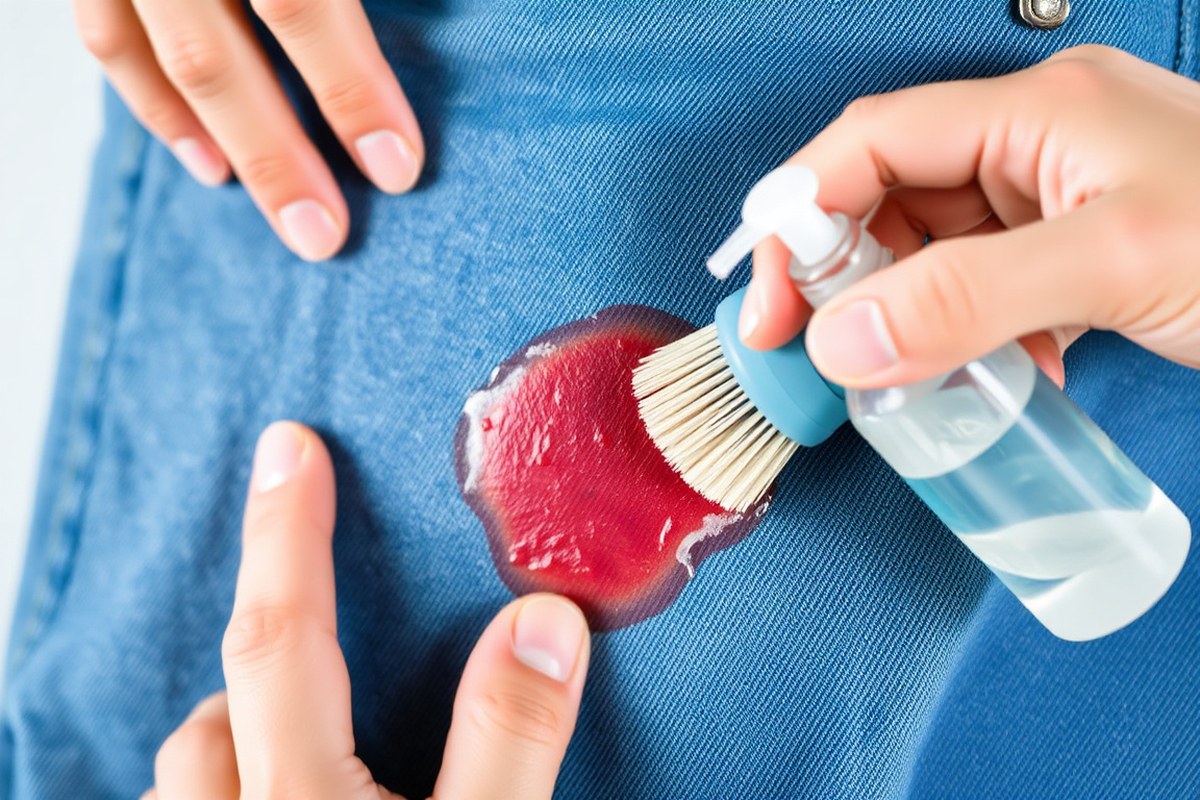
Acting quickly is important for getting stains out of jeans effectively. The first step involves blotting the stain to absorb excess liquids or solids without spreading it further. Avoid rubbing, which can embed the stain deeper into the fibers. Cold water is generally preferred for rinsing because it prevents setting protein-based stains like blood or sweat, and it helps maintain the denim’s color.
When choosing products, stick to liquid laundry detergent, dish soap, or stain removers that are safe for most denim fabrics. Check the care label for any specific restrictions, but these common household items usually won’t harm standard jeans. Avoid bleach on dark denim to prevent color loss. After applying a treatment, give it time to work before washing.
- Blot the stain immediately. Use a clean cloth or paper towel to gently blot excess stain material. This prevents it from soaking deeper. Avoid rubbing, which can worsen the stain.
- Rinse the stained area with cold water. Hold the fabric under running cold tap water from the back of the stain to flush out as much as possible. Cold water helps avoid setting the stain.
- Apply a safe stain remover. Use a liquid laundry detergent or dish soap directly on the stain. Rub gently or blot to work the product in without damaging the fabric. For greasy stains, dish detergent tends to work well.
- Let the treatment sit for a short time. Leave it for about 5 to 10 minutes. This brief soak allows the product to break down the stain without risking fabric damage.
- Rinse again with cold water. This removes the soap and loosened stain particles. Always use cold water to protect color and fabric integrity.
- Repeat the treatment if necessary. For stubborn stains, repeat the application and rinsing steps until the stain fades noticeably.
- Wash as usual in cold water. Follow the jeans’ care label instructions, washing on a normal or cold-water cycle with regular detergent. Cold water washing helps preserve fabric and colour.
- Air-dry the jeans. Avoid machine drying until you’re sure the stain is fully removed, as heat can set any remaining blemish. Hanging jeans to air-dry is the safest choice.
This approach balances speed, safety, and effectiveness, helping you protect your jeans while removing stains. Treat stains as soon as possible and avoid high heat until they are gone to keep your jeans looking their best.
2. Key Household Stain Removers and When to Use Them
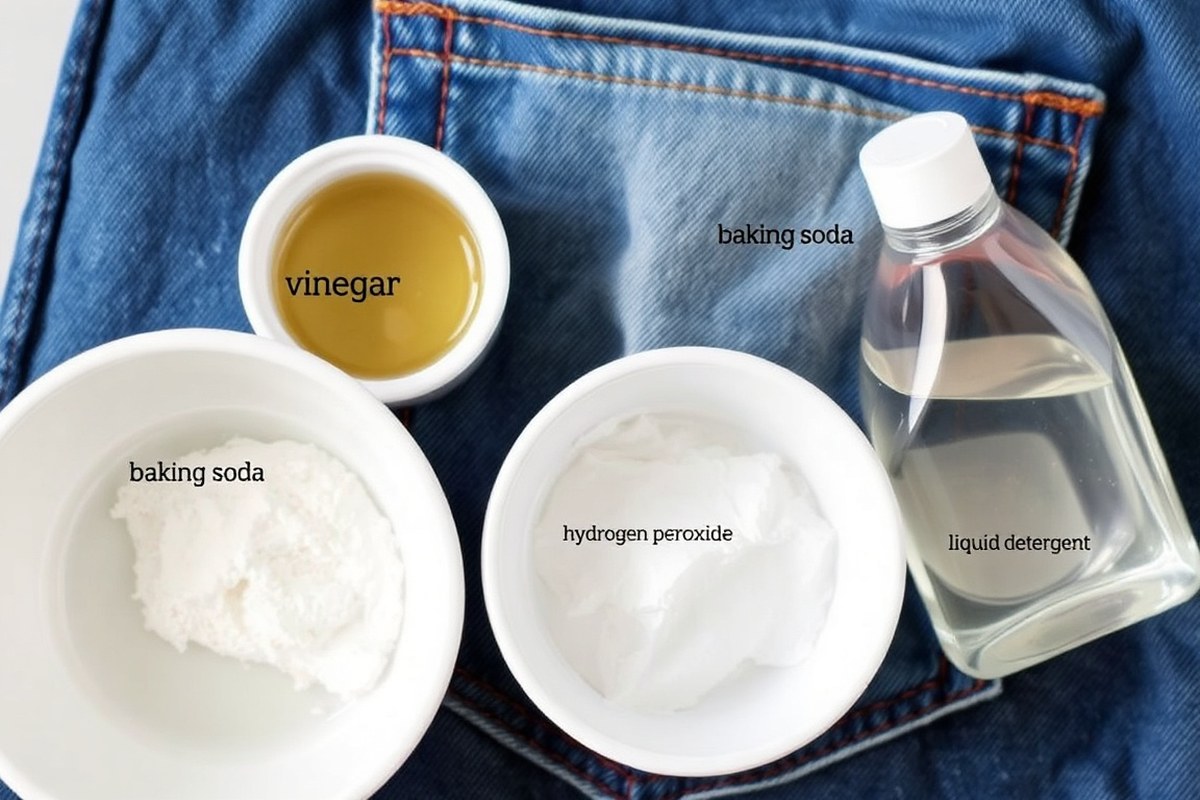
Several common household items work well for removing stains from jeans, including white vinegar, baking soda, dish soap, and rubbing alcohol. Each targets certain stain types more effectively, so knowing which to use helps you treat the stain properly without harming the denim. Most require letting the product sit for 5 to 30 minutes before rinsing or washing.
White Vinegar for Food and Sweat Stains
White vinegar is especially effective on food, beverage, and sweat stains. It works by breaking down stain molecules and neutralizing odors. Apply undiluted white vinegar directly onto the stain and let it soak for 5 to 10 minutes. Then blot with a clean cloth or paper towel.
For difficult stains from foods or beverages such as wine or salad dressing, start by rinsing the spot with white vinegar. Next, put on some dish soap mixed with water and leave it on your jeans for 15 minutes before washing. Combining vinegar and baking soda produces a fizz that helps break down tough stains. Apply this mixture as a paste and wait about 30 minutes before rinsing off with cold water.
Vinegar is safe on most denim fabrics but test on an inconspicuous area first to avoid any colour fading. Avoid using vinegar on acid-sensitive materials like silk or acetate blends sometimes found in jean blends.
Dish Soap and Baking Soda for Grease and Oil
Dish soap targets oils and grease effectively because it is designed to emulsify fats. Apply a small amount of dish soap directly to the stain and scrub gently using an old toothbrush. Let it sit for 10 to 15 minutes, then rinse with cool water. For fresh grease or oil stains, this is often enough to remove them. Baking soda improve this effect by absorbing some of the oil.
For set-in grass or dirt stains, mix 3 parts baking soda with 2 parts white vinegar to make a paste. Work it into the stain with a toothbrush, then let it sit for 30 minutes before rinsing. For heavy oil stains, letting baking soda sit alone for about 30 minutes can improve results.
Baking soda is gentle enough for denim but can leave white residue if not rinsed fully. Overuse of baking soda or vigorous scrubbing may cause slight abrasion on very old or delicate jeans, so use moderate pressure.
Rubbing Alcohol and Hairspray for Ink and Dye
Rubbing alcohol works well on ink and some dye stains by breaking down the color pigments. Dab rubbing alcohol onto the stain using a cotton ball or clean cloth, then blot with an absorbent towel to lift the ink. Let the alcohol sit for about 5 to 10 minutes before rinsing.
Hairspray often contains alcohol, making it another option for ink stains. Spray the area liberally and allow it to sit for 5 minutes, then blot. Be cautious using hairspray on coloured jeans since some formulations contain dyes that might affect the fabric colour. Always test first.
Because rubbing alcohol can dry out denim fibers over time, limit its use to spot treatments and never soak the entire garment. Avoid using on stretch denim where alcohol might weaken elastic fibers. The table below summarizes the best household stain removers by type of stain and details how challenging each stain is to remove from jeans.
| Stain Type | Common Source Examples | Recommended Remover | Challenge Level |
|---|---|---|---|
| Grass/Dirt | Outdoor wear, gardening | Baking soda paste (baking soda + vinegar) | Easy to moderate with pretreatment |
| Oil/Grease | Cooking spills, bike chains | Dish soap, baking soda | High – can embed deeply in fibers |
| Ink/Paint | Pens, DIY projects | Rubbing alcohol, hairspray | High – deep fiber damage possible |
| Wine/Coffee | Food and beverages | White vinegar, baking soda | Moderate – requires quick action |
| Food (salad dressing, blood) | Meal spills | White vinegar, dish soap | Moderate – acid food stains stain deeply |
Always test any stain remover on a hidden part of your jeans first to check for colourfastness before treating the visible stain.
Letting stain removers sit for the right amount of time is critical. White vinegar and dish soap solutions usually need 10 to 15 minutes to work, while stronger pastes like baking soda and vinegar mixtures require up to 30 minutes. Rubbing alcohol and hairspray act faster and need just about 5 to 10 minutes. Applying heat or scrubbing immediately after applying these products can damage the fabric, so be gentle and patient.
3. Removing Specific Tough Stains from Jeans
Tough stains on jeans require specific treatments tailored to their nature to maximize removal without damage. Blood, ink, red wine, grease, and dirt each respond best to targeted methods involving particular cleaners and temperatures. Older or set-in stains may need repeated or prolonged treatment and sometimes won’t come out completely, especially if heat has set them during drying.
Blood Stain Treatment Using Cold Water and Hydrogen Peroxide
Blood stains are protein-based and prone to setting when exposed to heat, so always use cold water. Hydrogen peroxide acts as a mild bleach on denim, breaking down the stain. Salt can also help lift fresh blood by absorbing moisture. Avoid warm or hot water to prevent permanent setting. Follow these steps to tackle blood stains on jeans:
- Rinse the blood stain immediately under cold running water to flush out as much blood as possible.
- Apply a small amount of hydrogen peroxide directly to the stain; it should bubble slightly.
- Let it sit for 5 to 10 minutes without letting it dry completely.
- Gently blot the area with a clean cloth or sponge, repeating peroxide application if the stain persists.
- For fresh stains, sprinkle salt onto the dampened stain to help absorb blood and leave it for 15 minutes.
- Rinse thoroughly with cold water again to remove residue.
- Wash the jeans in cold water with an enzyme detergent to break down leftover proteins.
- Air dry to avoid heat setting any remaining stain.
Ink Stain Removal Using Alcohol-Based Solutions
Ink, especially from pens, can penetrate deep into denim fibers and often contains permanent dyes, making it hard to remove. Alcohol-based solutions like rubbing alcohol break down the ink’s pigments. Avoid machine washing before treating ink, as washing alone won’t remove the stain and can set it more firmly. Use this approach to deal with ink stains:
- Place the jeans on a flat surface with a paper towel underneath the stain.
- Dab rubbing alcohol onto the stain using a cotton ball or cloth, pressing gently to lift ink.
- Blot the stain from the outside edges inward to prevent spreading.
- Repeat dabbing and blotting until ink no longer transfers to the cloth.
- Rinse the treated area with cold water to remove residual alcohol and ink loosened from the fibers.
- Apply a stain remover or liquid laundry detergent and let it sit for 15 minutes.
- Machine wash the jeans on a cold, gentle cycle.
- Inspect the stain before drying; repeat treatment if any ink remains because heat will set it permanently.
Dealing with Oil and Grease Stains Using Dish Soap
Oil and grease resist water and require a grease-cutting agent like dish soap to break down their molecules. Dish soaps designed for kitchen use are inexpensive, safe for denim, and effective. Hot water following treatment can set oil stains, so use cold water rinses. For large or old stains, multiple treatments might be necessary. To remove grease or oil stains, follow these steps:
- Blot excess grease carefully without rubbing it further into the fabric.
- Put a small dab of liquid dish soap right on the stain.
- Gently rub the soap into the stain with your fingers or a soft brush.
- Let the soap sit on the stain for 15 to 30 minutes to penetrate the oil.
- Rinse the area with cold water, continuing to rub gently to lift the grease.
- The stain may stay after the first treatment, so apply soap and let it soak again.
- Once substantially faded, wash the jeans on a cold, gentle cycle with regular detergent.
- Check that the grease stain is gone before drying; air dry to avoid setting.
4. How to Treat Stains on White and Light-Colored Jeans
Removing stains from white or light-colored jeans requires gentle yet effective methods to avoid discoloration or fabric damage. Choosing mild household items, testing them first, and following clear treatment steps helps brighten stains while preserving the fabric’s appearance. Soaking these jeans for about 30 minutes with the right solution often delivers good results without weakening fibers.
Why Safe Stain Removal Matters on White Jeans
White and light-colored denim is more prone to visible staining and color shifts from harsh chemicals. Using strong bleaches or abrasive scrubbing can cause fading, yellowing, or fabric thinning. Gentle approaches protect the integrity and brightness of the jeans while still tackling common stains.
Testing any cleaning method on a hidden area before applying it widely ensures it won’t harm the fabric or change its color. This precaution reduces the risk of accidentally ruining the jeans.
Household Items That Brighten Without Fading
Distilled white vinegar is a top choice for safely removing and brightening stains on white denim. It breaks down many common stains like sweat, food, and light mold without bleaching the fabric aggressively.
Oxygen-based bleach, unlike chlorine bleach, is generally safe for whites and can improve removal of tougher stains. Use it according to package instructions and avoid overuse to prevent weakening the fabric.
Dish detergent mixed with water helps combat yellow stains, especially sweat marks. Combining vinegar with water in equal parts also works as a mild, effective stain remover.
Step-by-Step Stain Treatment Checklist for White Jeans
Follow these steps to treat white and light jeans safely:
- Inspect the stain type and size to choose the appropriate cleaner.
- Test chosen stain remover on a small hidden spot of the jeans.
- Prepare a soaking solution: for sweat, mix 2 cups water with 1 cup white vinegar.
- Soak the stained area or the entire garment for about 30 minutes, stirring occasionally.
- Gently dab stains with a sponge soaked in undiluted vinegar if necessary.
- Rinse the jeans thoroughly with cold water to remove residue.
- Launder according to the care label, avoiding chlorine bleach or overheating.
Adhering to this routine helps remove stains effectively while minimizing fabric wear or color changes.
Soaking Times and Conditions for Best Results
Allow jeans to soak for around 30 minutes in the recommended solutions to loosen and lift stains properly. Shorter soaks may be insufficient, while longer ones can slightly weaken fabric, so balance is key.
Use warm tap water for soaking unless the care label advises against it. Warmth helps activate stain removers but avoid hot water, which can set some stains and stress fibers.
Do’s and Don’ts for Caring for White Denim Stains
Proper stain care involves specific practices to protect light jeans.
- Do act quickly to treat fresh stains before they set.
- Do test cleaners on a hidden area first.
- Do use vinegar, oxygen-based bleach, or mild detergent for light stains.
- Don’t use chlorine bleach, which can yellow white jeans.
- Don’t scrub harshly or use abrasive brushes that damage fibers.
- Don’t soak jeans longer than 30 minutes to avoid weakening fabric.
- Don’t dry stained jeans in direct sunlight, which can cause yellowing.
Following these guidelines helps maintain the brightness and strength of your white or light-colored jeans while removing stains effectively.
5. How Long to Let Stain Treatments Soak for Best Results
Stain treatment soak times differ depending on the type of stain and how fresh or set it is. Fresh stains usually require shorter soaking, between 10 to 20 minutes, because the stain is still moist and easier to break down. Older or dried stains need longer soak times, anywhere from 30 minutes up to several hours, to allow the treatment to penetrate the fabric fibers and lift the stain effectively.
Washing or drying jeans too soon after applying a stain treatment can lock the stain in permanently. Heat from the dryer causes stains, especially oil or dye-based, to set deeper. Washing without sufficient soak time may only partially remove the stain, leading to multiple treatments. Waiting the right time improves the chances of removing stains on the first try and protects the fabric.
Fabric condition also influences soak time. Thicker denim can handle longer soaking without damage, while thinner or older jeans need careful timing to avoid weakening fibers. In all cases, use water temperatures recommended on the care label for soaking and washing. Warmer water helps loosen stains but should never exceed the denim’s limits.
| Stain Type/Condition | Recommended Soak Time | Water Temperature & Notes |
|---|---|---|
| Fresh stains (general) | 10, 20 minutes | Warmest water safe for fabric |
| Dry or set stains | 10, 15 minutes with detergent; up to 30+ minutes for soaking | Warm water; longer soak may be needed |
| Oil-based stains | Apply oil-based remover; soak 30+ minutes | Follow product label; avoid hot water if fragile fabric |
| Coffee stains | Dab with full-strength detergent; soak briefly (5-10 mins) | Hot water recommended |
| Salt or vinegar treatment | Salt: 5 minutes; Vinegar: max 15 minutes | Cold water rinse after treatment |
| Paint stains (set) | Professional treatment recommended | Use oil-based remover if DIY; soak as directed |
When applying any treatment, gently rub it into the stain with a soft toothbrush or your fingers. Let the jeans lay flat or hang freely during soaking to avoid fabric distortion. Avoid soaking longer than recommended for delicate jeans to prevent color fading or fabric damage.
Never put stained jeans in the dryer before confirming the stain is fully gone; heat can set stains permanently.
6. Common Stain Removal Mistakes and How to Fix Them
Common mistakes in removing stains from jeans often cause more harm than good, such as spreading the stain, discoloring fabric, or damaging the material itself. These result mostly from acting too slowly, using the wrong cleaners, or applying heat prematurely. For example, putting stained jeans directly into the dryer can set the stain, making it much harder or impossible to remove. You should always check that the stain is fully gone before applying heat.
Over-scrubbing is another frequent error. Rubbing the stain too hard can push it deeper into the fibers or cause fraying. Instead, dab gently with a clean cloth in circular motions when using a solvent or stain remover. Testing any chemical treatments on a hidden area of the jeans first can save your garment from discoloration or damage. This step matters because some stain removers, like paint thinner or nail polish remover, might bleach or weaken the fabric.
- Applying heat too soon: Avoid the dryer until the stain is 100% removed.
- Using harsh chemicals without testing: Always spot-test in an inconspicuous spot before treatment.
- Scrubbing aggressively: Dab gently to avoid pushing stains deeper or damaging fibers.
- Ignoring stain type: Choose a remover suited for specific stains (e.g., dish soap for oily stains, laundry detergent for toothpaste).
- Delaying treatment: Treat fresh stains quickly for better removal results.
- Skipping rinse or blot step: After applying treatments like hairspray or detergent, blot with a damp cloth to lift the stain.
- Over-saturating jeans: Use just enough product to cover the stain without soaking the entire area.
Fixing discoloration or damage caused by stain treatment may require neutralizing the chemical used. For mild fading, rinsing the affected area thoroughly with cold water can help. For fabric weakened by solvents, avoid harsh tumble drying; instead, hang-dry to maintain shape and prevent further wear. If the stain worsens after treatment, appearing larger or more visible, stop further treatment immediately. Rinse the jeans gently with cold water and try a milder stain remover. Repeated aggressive treatments often cause spreading or color changes.
Small fixes include applying a fabric-safe bleach alternative on white or light jeans to restore whiteness lost due to stain removers. In some cases, professional cleaning may be the only option to prevent permanent damage. Taking these precautions helps you save your jeans, maintaining their appearance and fabric integrity after stain removal attempts.
7. Best Practices for Washing and Drying Jeans After Stain Removal
After treating stains on your jeans, wash them in cold water using a mild detergent. Cold water helps prevent the stain from setting further and reduces the chance of color fading. Avoid using bleach or harsh chemicals that can break down denim fibers and dull the fabric’s color.
Machine wash your jeans on a normal or gentle cycle depending on their thickness and wear. Thick, sturdy denim can handle a normal cycle, while thinner or distressed jeans may benefit from a gentler wash to protect seams and any decorative details. Be sure to wash jeans separately from clothes that might bleed colors or snag the fabric.
- Use cold water to wash jeans to prevent shrinking and preserve color
- Choose a mild detergent without bleach or heavy optical brighteners
- Set your washing machine to a normal or gentle cycle based on jean thickness
- Turn jeans inside out to minimize abrasion and protect surface dye
- Wash jeans alone or with similar colors only
- Skip fabric softeners that could break down denim fibers
- Air dry jeans by hanging them to avoid heat damage and shrinkage
Air drying your jeans after washing is the best option to keep them in good shape. The heat from a dryer can cause shrinkage and may set any faint, residual stains permanently. Hang your jeans by the waistband or lay them flat on a clean surface in a ventilated area. Avoid direct sunlight, which can fade the fabric over time.
Color fading happens when dyes lose their depth due to excessive heat, harsh detergents, or prolonged sun exposure. Washing with cold water and choosing detergents formulated for dark or colored fabrics helps maintain the denim’s original hue. Turning your jeans inside out before washing and drying also minimizes surface wear and fading. Following these steps preserves the fabric’s quality and extends the life of your jeans while giving you the best chance to fully remove stains without causing new damage or shrinkage. If you need a quick routine to follow:
- Rinse and treat stains promptly
- Scrub gently with a soft brush if needed
- Wash inside out in cold water with mild detergent
- Use a normal or gentle machine cycle
- Hang jeans to air dry out of direct sunlight
- Do not use heat in drying or ironing unless necessary
8. When to Seek Professional Cleaning for Jeans Stains
Stains on jeans can range from easily removable to stubborn or even permanent. A good rule to decide between home treatment and professional cleaning is to consider the stain’s age, type, and your jeans’ fabric. Fresh stains usually respond well to immediate home treatment, but older stains that have set for days or weeks often become harder to remove. When your stain doesn’t come out after soaking, using stain removers, and washing, consider getting professional cleaning. Stubborn oil-based stains, ink, or paint, especially oil paints, fall into this category because home detergents may not break them down effectively.
Delicate fabrics or blends that look like denim but contain materials such as silk, cashmere, or wool require expert care. These fabrics react poorly to typical stain removers and washing techniques used for regular jeans. Using harsh chemicals or scrubbing can damage fibers and alter the fabric’s texture or color. Professionals use milder solvents and special equipment designed to treat sensitive materials without harm. Jeans made from standard cotton denim rarely need professional care unless the stain resists home treatment for several days or the jeans have special finishes or dyes that could be harmed.
Another important sign a stain is beyond home remedies is the type of stain itself. For example, blood stains demand swift action, cold water and specific enzymes within hours, or they risk becoming permanent. When the stain stays after your first efforts, a dry cleaner can use stronger enzyme-based treatments safely. Similarly, greasy or oily stains that fail to budge with household degreasers after repeated attempts warrant professional intervention. Specialists have access to industrial solvents or steam treatments that safely dissolve trapped oils. Wine and dye-transfer stains also sometimes resist home methods and benefit from professional attention to avoid discoloration.
Taking jeans to a professional cleaner usually costs between $10 and $25 per item, depending on location and complexity. This service’s value lies in its use of industrial-grade solvents, targeted stain treatment, and fabric preservation. Good results are jeans free of visible stains without damage to color or fabric integrity. Risks of DIY stubborn stain removal include fading, spreading stains, or fabric weakening when improper chemicals or techniques are used. Professional cleaners minimize these risks through tested methods and specialized knowledge.
To decide whether to treat stains yourself or go pro, try a simple approach: apply your preferred household treatment first, wait 24 to 48 hours, then check again after a proper wash and dry cycle. When the stain is still visible, avoid using harsher home treatments because that usually makes the stain harder to remove. Instead, pack your jeans carefully, following garment care instructions, and take them to a reputable dry cleaner. Mention the stain type and your prior treatment attempts. This helps professionals choose the best cleaning strategy.
Don’t delay removing fresh stains, but avoid aggressive home treatments on delicate fabrics or older stains that resist initial cleaning, those need professional care.
Step-by-Step Action Plan for Removing Stains from Jeans
Follow these steps to tackle stains on your jeans effectively and protect your garment’s look.
- Immediately after staining: Blot or gently scrape off any excess with a clean cloth or spoon to avoid spreading the stain.
- Within 30 minutes: Apply a household stain remover suitable for the stain type, such as liquid dish soap for grease or white vinegar for sweat stains. Let it sit briefly.
- Within 1 hour: Rinse the treated area under cold water from the back of the fabric to flush out the stain particles.
- Before washing: Pretreat stubborn stains with a paste of baking soda and water or a commercial stain remover. Let it soak for 15 to 30 minutes depending on the stain severity.
- Washing: Wash your jeans inside out with cold water on a gentle cycle using a mild detergent to prevent fading.
- After washing: Check if the stain is gone before drying. A trace left behind means you should repeat pretreatment and washing to prevent the stain from setting permanently.
- Drying: Air dry your jeans or use the lowest heat setting on your dryer to protect the fabric and keep the stain from setting further.
- When a stain persists after home treatment: Bring your jeans to a professional cleaner experienced in denim stain removal.
Frequently Asked Questions
Can I Use Toothpaste to Remove Stains from Jeans?
Toothpaste can remove some stains by gently scrubbing the area, then washing normally. Use a non-gel, non-whitening toothpaste and test on a hidden spot first to avoid color fading.
Will Freezing Jeans Help Remove Gum Stains?
Freezing jeans can harden gum, making it easier to chip off without spreading the stain. Place jeans in a plastic bag and freeze for a few hours before scraping the gum gently off.
Is It Safe to Use Bleach on Dark Jeans?
Bleach can discolor or damage dark jeans, so avoid it unless using a color-safe bleach option. Always test a small area first, and follow specific care instructions on the jeans’ label.
How Do I Remove Sweat Stains from the Waistband of Jeans?
Use a paste of baking soda and water on sweat stains, let it sit for 30 minutes, then rinse. This method helps break down oils and deodorant buildup without harsh chemicals.
Can Vinegar Help Remove Ink Stains from Jeans?
Vinegar may lighten ink stains but usually won’t remove them completely. Dab with vinegar, then apply dish soap and rinse quickly to avoid spreading the ink further.
What’s the Best Way to Remove Grass Stains from Jeans?
Pre-treat grass stains with liquid laundry detergent or stain remover before washing in cold water. Avoid hot water initially, as heat can set the protein-based stain.
The Bottom Line
Tackling stains on jeans quickly with the right treatment and care helps keep your denim looking fresh and extends its life. Try the gentle stain removers from your kitchen first, and always air dry your jeans after washing to avoid setting stains. For tough spots that won’t budge, professional cleaners offer specialized solutions that protect your jeans without damage.