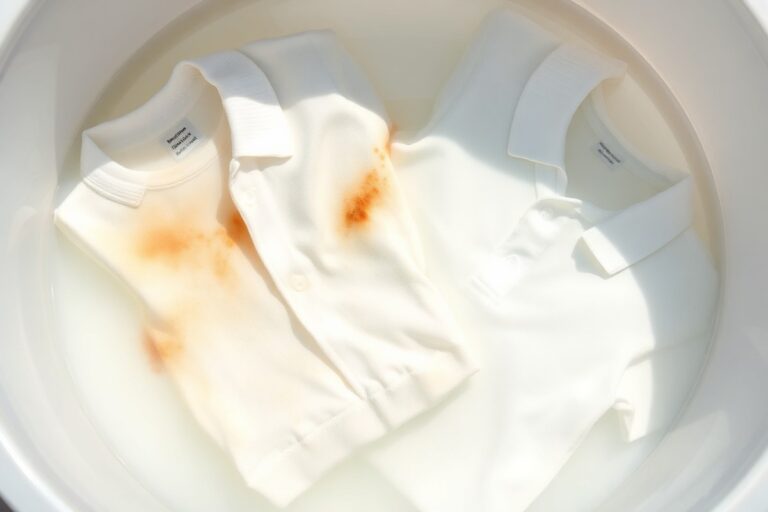
How to Keep Clothes from Shrinking: 8 Proven Strategies That Work
To avoid shrinking your clothes, wash them in cold or lukewarm water and use low heat or air dry instead of high heat drying. Choosing the correct water temperature and drying method preserves fabric shape and size efficiently. Understanding fabric types and their shrinking tendencies also plays a key role in keeping your garments fitting just right. This information is important for anyone who wants to maintain their wardrobe’s best fit and extend the life of their favorite pieces.
These strategies suit everyday laundry routines and help protect sweaters, shirts, and other common fabric types from unwanted shrinkage. You’ll learn how treating fabrics properly during washing and drying prevents size loss and keeps clothes looking new longer. Following these tips ensures you won’t face the disappointment of your clothes shrinking unexpectedly after cleaning.
Key Takeaways
- Wash clothes in cold water (60-80°F) to reduce fiber contraction and limit shrinking.
- Use a gentle or permanent press cycle to avoid aggressive agitation that stresses fibers.
- Air dry or use low-heat dryer settings to prevent heat-induced fabric shrinkage.
- Separate fabrics that shrink easily, like wool and cotton, from ones less prone to shrinking.
- Never overload washers or dryers to avoid uneven cleaning and drying that causes shrink spots.
- Follow fabric care labels closely for specific temperature and washing instructions.
1. How to Keep Clothes from Shrinking During Washing and Drying

Clothes shrink most often because of heat and agitation during washing and drying. Cold water washes help keep your clothes at their original size, as warm and hot water can cause fibers to contract. Using the gentle or delicate cycle on your washing machine reduces the amount of agitation your clothes endure, which also lowers the risk of shrinking. Always avoid overloading the washer, because crowded clothes don’t clean evenly and rub against each other more, which can pull and shrink fabrics.
Using a dryer greatly influences shrinkage. Exposing clothes to high heat causes fibers to contract, shrinking garments noticeably. Opt for the gentlest heat setting that dries your items efficiently. Air drying avoids heat completely, preventing shrinkage altogether. When drying in a machine, take clothes out quickly to prevent overdrying that further tightens fabric.
- Wash clothes in cold water on gentle cycles
- Do not overload machines; leave space for clothes to move freely
- Use the lowest heat setting possible in the dryer
- Remove clothes immediately when dry to prevent overdrying
- Prefer air drying when you want to avoid any shrinkage
- Sort clothes by fabric type to apply the proper washing and drying methods
Certain fabrics need extra care, so paying attention to your laundry routine can save you money and keep your clothes fitting right for years. Crowding the machines not only makes clothes prone to shrinking but can damage fibers. Professional laundry services often have advanced equipment and expertise to minimize shrinkage if you want extra protection. Making these practical steps part of your laundry cycle will reduce costly regrets caused by shrinking clothes.
2. Which Fabrics Are Most Likely to Shrink and Why

Fabrics made from natural fibers like cotton, wool, and linen are generally the most likely to shrink. The structure and elasticity of these fibers make them sensitive to heat, moisture, and agitation. Synthetic fibers and blends tend to resist shrinking better but still require proper care to maintain appearance and fit.
Natural Fibers Prone to Shrinking
Cotton, wool, and linen are known for their absorbent and elastic fiber structures. Cotton, made from cellulose, absorbs water and swells, which loosens the fiber alignment. When exposed to heat during washing or drying, these fibers contract, leading to shrinkage of 3 to 5% on average. Wool is even more sensitive, with potential shrinkage ranging from 10 to 15% if handled improperly, due to the scales on its fiber surface that interlock when agitated or heated. Linen’s rigid cellulose fibers can also shrink and distort but usually less drastically than cotton or wool.
This shrinkage mainly happens because the natural fibers relax and contract when heated or overly agitated in the wash. Warm to hot water and high dryer temperatures accelerate this process. Using cold water and gentle washing cycles reduces the fiber swelling and preserves the fabric size.
Synthetic Fibers and Shrink-Resistance
Polyester, nylon, acrylic, and other synthetic fibers are chemically engineered to be more dimensionally stable. These fibers have low moisture absorption, so they don’t swell or relax like natural fibers. Shrinkage for synthetic fabrics is typically less than 1 to 2%, mostly caused by extreme heat deforming the fiber rather than water absorption.
Even though synthetic fibers resist shrinking better, they are not immune. High dryer heat or hot water can damage their molecular bonds, causing distortion or minor shrinkage. Low-temperature washing and air drying, or using machine settings on low heat, help maintain their shape. Because of this stability, synthetic fabrics are often blended with natural fibers to improve durability and reduce shrinkage.
How Blends Affect Dimensional Stability
Blended fabrics combine natural and synthetic fibers, which affects shrinkage risk based on the ratio and quality of fibers. A high percentage of natural fibers increases the chance of shrinking, while synthetic content provides stability. For example, a cotton-polyester blend with 60% cotton and 40% polyester will shrink less than 100% cotton but more than 100% polyester. The synthetic fibers help hold the fabric’s shape after laundering.
Cheap or low-quality blends may shrink more because the fibers and fabric structure lack tight bonding and finish treatments that prevent relaxation shrinkage. Properly blended and treated fabrics minimize shrinkage by balancing fiber properties. Still, reading care labels and washing with appropriate temperatures ensures the blend wears longer and keeps its size.
Special Care for Wool and Delicate Fabrics
Wool requires particular attention because of its high shrinkage potential. It should be washed in cold water around 40°F (4°C) and handled with slow agitation or gentle cycles. Heat above this temperature or rough mechanical action causes the wool fibers to lock together tightly, shrinking the garment dramatically. Wool stops shrinking when dried flat away from direct heat or sunlight.
Other delicate fabrics such as silk or fine knit blends also need low temperatures and minimal agitation. Dry cleaning is often recommended for very delicate items to avoid the risks of water, heat, or twisting during washing. Delicate cycles, cooler water, and air drying provide enough cleaning while protecting the fabric’s size and texture.
Always check the water temperature when washing wool or delicate clothing, temperatures above 40°F can cause significant shrinkage and damage.
3. Reading and Using Fabric Care Labels to Avoid Shrinking
Fabric care labels provide essential instructions on washing and drying that help prevent clothes from shrinking. These labels specify the ideal temperature, wash cycle, and drying method tailored to each fabric type. Following these instructions closely reduces heat exposure and agitation, which are the main causes of shrinking during laundry.
Common Care Symbols Related to Shrinking
Care labels use standardized symbols to guide your laundry choices. A tub icon with a number inside shows the maximum water temperature recommended, usually in degrees Celsius. For example, a “30” means the garment should be washed in water no warmer than about 86°F (30°C). A hand symbol in the tub indicates hand washing only to avoid machine agitation.
Drying instructions often show a square with a circle inside representing a tumble dryer. Dots inside the circle indicate the heat level: one dot means low heat, two dots medium, and three dots high heat, which you want to avoid for shrink-prone fabrics. A crossed-out circle means do not tumble dry. Lines inside a square suggest air drying, either flat or hanging, to prevent heat shrinkage.
How to Follow Temperature Guidelines
Water temperature can make a significant difference in shrinking clothes. Cold water, ranging between 60°F and 80°F (15°C to 27°C), is best for most fabrics to avoid shrinking. The care label sets a precise benchmark, so look for that maximum temperature and choose your washing machine settings accordingly.
If the label allows warm water, use the lowest warm setting available. Hot water can cause fibers to contract and shrink, especially in cotton and wool. Lower temperatures also help protect dyes and fabric finishings. Selecting cold wash cycles is a low-cost method that requires no extra products, just your attention to the settings and label.
When to Use Gentle Wash Cycles
Labels recommending gentle, delicate, or hand wash cycles do so to limit agitation and spinning force. Agitation causes fibers to rub and tighten, which causes shrinkage. Using these cycles usually means slower or no spinning to protect fabric shape and size.
For fragile garments or those made of natural fibers like wool, silk, or blends, the gentle cycle prevents excessive friction and heat buildup. Hand washing is an option when the label shows a hand wash symbol; it lets you control movement and avoids mechanical stress inside the machine. Although gentle cycles may extend wash time and require clothes to retain more water, leading to longer drying, this tradeoff helps maintain your garment’s fit in the long run.
4. How Water Temperature Influences Clothes Shrinking
Washing clothes in cold water is the safest way to prevent shrinkage. Cold water, generally below 70°F (21°C), causes minimal stress to fabric fibers. It keeps them stable, and since fibers don’t expand or contract much in cold water, your clothes retain their shape. Using cold water also reduces energy costs and can extend the life of your garments by avoiding heat damage to the fibers.
Washing at 30°C (86°F) or lukewarm water is usually fine for most everyday laundry. This temperature is warm enough to clean clothes effectively without putting too much strain on the fibers. Below about 85°F, cotton and other materials experience limited fiber movement, which means a low chance of shrinking during washing. At this temperature, delicate fibers hold their form better compared to washing in hot water.
Using water hotter than 130°F (54°C) or setting the washer to hot can cause clothes to shrink. Heat makes fabric fibers swell and then tighten as they cool down. This process mostly affects cotton, which might shrink around 5% in both length and width when washed in hot water and dried at high heat. Intense heat also damages fibers, reducing their elasticity to return to their original size. To illustrate, here is a simple guide showing how water temperature affects common fabrics and shrink risks:
| Water Temperature | Effect on Fibers | Shrink Risk Level | Fabric Types |
|---|---|---|---|
| Cold (<70°F / 21°C) | Minimal fiber stress or movement | Low | All fabrics, especially cotton, wool, and synthetics |
| Lukewarm (70°F, 85°F / 21°C, 29°C) | Moderate fiber relaxation | Low to Moderate | Most everyday fabrics; safe for delicates with gentle handling |
| Hot (>130°F / 54°C) | Strong fiber expansion and contraction | High | Cotton, wool, and natural fabrics prone to shrink; some synthetics damaged |
Follow these tips depending on your situation: For most clothes, wash in cold water with gentle detergent to avoid shrinkage and damage. Use warm water under 85°F along with a longer washing cycle to effectively remove stains or sanitize clothes without resorting to higher temperatures. Avoid washing in hot water unless the garment’s care label explicitly allows it, and even then, use caution with repeated hot cycles.
Overloading your washing machine can also increase shrink risk, even with cold or warm water. Poor water circulation traps moisture unevenly, causing some fibers to swell and others to dry rapidly. Use moderate load sizes to ensure proper rinsing and even water exposure.
Choosing the right water temperature take conscious effort but saves your clothes from shrinking over time. Cold or lukewarm water keeps fabric fibers stable. Hot water should be reserved for sturdy items that won’t shrink or require thorough disinfection. Always check fabric care labels to confirm the safest temperatures for your specific clothing.
5. Drying Techniques That Prevent Clothes from Shrinking
To prevent clothes from shrinking during drying, air drying is the safest method, eliminating heat damage entirely. When using a dryer, select low-heat settings and remove clothes while they are still slightly damp to maintain their original size. These steps help protect fabric integrity and keep garments fitting as they did before washing.
Air Drying Indoors vs. Outdoors
Air drying removes heat exposure, which is the main cause of shrinkage in many fabrics, especially cotton. Drying clothes indoors allows better control over temperature and humidity, reducing the risk of sun fading or fabric stiffening. Outdoor air drying uses natural airflow and sunlight, which can speed drying but may cause colours to fade or fibers to become brittle if exposed too long.
For delicate fabrics, indoor air drying on a flat surface or hanger helps maintain shape and size without stretching or shrinking. Outdoors, hang clothes in shaded areas to avoid direct sun and turn delicate items inside out to protect their fibres. Both methods avoid the high temperatures present in dryers, making them ideal for shrink-sensitive garments.
Safe Dryer Settings to Use
Using the dryer can shrink clothes if heat settings are too high. To minimize shrinkage, choose dryer settings such as “low heat,” “delicate,” or “air fluff” that apply gentle drying without excessive heat. These settings help clothes dry evenly and reduce fabric stress. Follow these key dryer practices to reduce shrinking risk:
- Sort clothes by fabric type and thickness to match dryer settings
- Use “low heat” or “delicate” for cotton, wool, and synthetic blends
- Avoid “high heat” or “hot” settings unless fabric care labels allow it
- Check clothes periodically during drying to prevent overdrying
- Use dryer balls or clean tennis balls to improve airflow and reduce drying time
Proper use of dryer settings balances efficient drying with fabric protection, maintaining original garment dimensions.
How to Finish Drying to Avoid Overdrying
Overdrying makes fabrics stiff and brittle, leading to shrinkage and wear. To prevent this, remove clothes from the dryer while still slightly damp, then finish drying by air drying or using the “air fluff” or “no heat” setting for 10-15 minutes. This approach keeps fibres flexible and reduces shrinkage risks.
Check garment dryness by feeling the fabric or weighing items before and during drying. Different fabrics dry at different rates, so adjust drying time accordingly to avoid overdrying thicker or multi-layered items.
Remove clothes from the dryer before they are completely dry and let them air dry to preserve softness and prevent shrinking.
6. Common Laundry Mistakes That Cause Unwanted Shrinkage
One of the biggest causes of unwanted shrinkage is using the wrong washing program. Programs with long cycles and high spin speeds damage fibers by stretching and contracting them repeatedly. This stress causes fabrics, especially cotton, wool, and rayon, to lose their shape. Opt for gentle or delicate cycles instead, which use slower agitation and lower spin speeds to protect your clothes.
Overloading your washer or dryer also leads to shrinking issues. When clothes are packed too tightly, they can’t move freely, reducing rinsing efficiency and causing uneven drying. Overcrowded dryers often run longer and hotter to compensate, which increases fabric shrinking risk. For best results, load machines no more than three-quarters full and separate heavy items from lighter ones.
- Avoid long wash cycles and high spin speeds; use delicate settings to reduce wear.
- Do not overload washers or dryers; fill machines to about 75% capacity.
- Separate clothes by fabric weight to ensure even washing and drying.
- Avoid using hot water unless the fabric care label explicitly allows it.
- Do not overdry clothes; use shorter dry cycles and remove garments when slightly damp.
- Use air drying whenever possible, especially indoors or on a clothesline.
- Do not rub or twist clothes when wet to prevent fiber damage and shrinking.
High agitation mechanically stresses fibers by bending and compressing, which causes them to contract over time. When paired with high spin speed, the risk increases since the rapid spinning pushes fibers together tightly. Prioritizing gentle washing actions and lower spin cycles keeps fibers relaxed and prevents pull or compaction.
Using hot water or high dryer heat adds another layer of risk. Hot water causes fibers to swell and lose their structure, setting them in a smaller size when dried. High heat in dryers shrinks and sometimes hardens fabrics, permanently changing their shape. Drying clothes on low heat or air drying indoors can prevent this damage.
Following these practices requires minimal extra time or expense but can save you money by extending the life of your clothes. For delicate or expensive items, considering specialized laundry services that avoid harsh washing methods could be a worthwhile investment. These services often use toxin-free and eco-friendly techniques that cut down on shrinkage and keep garments looking new longer.
7. How to Reverse Shrinking and Restore Clothes Fit
Reversing shrinking in clothes is possible to some extent, especially with natural fibers like cotton and wool. These fabrics tend to contract when exposed to heat or agitation but can often be gently stretched back to a better fit if handled carefully. The key is to relax the fibers by rehydrating them and then methodically stretching the garment while it is damp. Although the fit may not return exactly to its original size, this process frequently restores much of the lost stretch.
To restore shrunken cotton or wool clothes, use lukewarm water combined with a gentle conditioner or hair treatment. This helps soften the fibers and reduce stiffness caused by shrinkage. After soaking, you stretch the fabric gently in all directions, holding the shape until it dries partially. This method works best shortly after shrinking occurs; older, more compacted shrinks are harder to fix.
- Fill a basin with lukewarm water. Aim for about 80°F to 90°F (27°C to 32°C) to avoid further shrinkage. Avoid hot water, which tightens fibers.
- Add 1 to 2 tablespoons of a gentle hair conditioner or baby shampoo. Mix until dispersed; it will relax the fibers and allow easier stretching.
- Submerge the shrunken garment fully and let it soak for 30 minutes. This softens the fabric without damaging it.
- Gently squeeze excess water out without rinsing. Keeping the conditioner in the fabric aids elasticity while stretching.
- Lay the garment flat on a clean towel. Roll the towel with the garment inside to press out more water, leaving it damp but not dripping.
- Slowly stretch the fabric back to its original shape and size. Focus on length and width, stretching evenly but gently to avoid tearing seams or warping the shape.
- Pin or secure the garment in the stretched position on a flat surface. Use heavy objects or fabric-safe pins to hold the shape as it dries.
- Allow the garment to air dry completely. This can take 12 to 24 hours depending on fabric thickness and room humidity.
Success depends on fabric type and how severe the shrinkage is. Wool often responds well, regaining much of its original size, while cotton may only stretch partially. Avoid wringing or forceful pulling, which can damage fibers, and do not use heat during drying as it reverses the softening effect. Expect some variation in results based on garment quality and how recently the shrinkage occurred. For delicate or expensive items, testing on a hidden area first can prevent accidental damage.
8. When to Use Professional Laundry Services for Fabric Protection
You should consider professional laundry services when dealing with delicate fabrics, expensive garments, or clothes with complex care requirements that you’re not confident managing at home. Fabrics like silk, wool, cashmere, and some synthetic blends often need special washing methods that prevent shrinkage and protect the material’s integrity. When the care label says dry clean or hand wash only, using a professional service is generally the best way to keep your garment’s size and quality intact.
Professional laundry services use controlled water temperatures, gentle detergents, and specialized machines to reduce fabric stress and shrinkage risks. They understand the precise balance of agitation, soaking time, and drying methods needed to keep delicate garments intact. For example, many use cold water washes with mild formulas that don’t break down fibers, then air dry or use low-temperature dryers that avoid shrinkage commonly caused by heat.
Deciding when to use these services depends on the garment’s value to you and its care instructions. Spending $100 or more on a sweater or seeing a label that advises against machine washing means professional care helps avoid expensive damage. Also, if you’ve already noticed subtle shrinking or fabric changes after home washing, it may be time to switch to a professional cleaner. This can help restore shape and protect against further shrinkage.
Costs vary depending on the service and garment size but generally range between $5 to $20 per item for cleaning delicate clothing. Some services offer bulk packages or subscription plans that can be economical if you have multiple items needing special care. Look for providers with expertise in fabric protection, such as Love2Laundry or Mandy’s Laundry, which emphasize shrinkage prevention alongside stain removal and freshening.
Good results from a professional laundry service mean your clothes come back looking and fitting as they did when new, without the stiffness, shrinkage, or distortion home methods can cause. Problems arise if providers ignore care labels or use hot water and aggressive cycles, which can still cause shrinkage even in a professional setting. Always confirm that the service understands your garment’s needs and ask about their methods for protecting fabric integrity before entrusting your clothes.
Choose professional cleaning if your garment’s care label advises dry cleaning or hand wash only; this minimizes shrinkage risk and extends clothing life.
Step-by-Step Action Plan to Keep Clothes from Shrinking
Follow these steps to protect your clothes from shrinking and keep your wardrobe looking its best.
- Before You Start: Check all fabric care labels carefully and sort clothes by fabric type to apply the right washing and drying methods.
- Each Wash: Use cold water for washing unless the label specifies otherwise. Clothes washed in cold water are less likely to shrink.
- After Washing: Remove clothes from the washer promptly to reduce wrinkles and avoid extra heat exposure that can lead to shrinking.
- Drying Time: Air dry clothes made from natural fibers like wool and cotton when possible. For machine drying, use a low heat or delicate setting.
- After Drying: Check the fit of your clothes once dry. If shrinkage occurs, try gently stretching damp garments back to size before fully drying them.
- Monthly: Review your laundry products and settings. Avoid detergents with harsh chemicals and keep your washing machine and dryer maintained for consistent care.
- As Needed: Consider professional laundry services for expensive or delicate items that carry a high risk of shrinking.
Frequently Asked Questions
Will 80% Cotton and 20% Polyester Shrink?
A fabric with 80% cotton and 20% polyester is less likely to shrink than 100% cotton because polyester resists shrinking. However, high heat in washing and drying can still cause some shrinkage, so it’s best to use cold water and low heat or air dry to protect your clothes.
Does Washing at 30 Shrink Clothes?
Washing clothes at 30°C (86°F) usually does not cause significant shrinking because the water temperature is low. Using cold or cool water helps prevent shrinkage by reducing fabric stress, especially on cotton and other natural fibers that shrink more in hot water.
How Many Times Will 100% Cotton Shrink?
100% cotton typically shrinks the most during the first one or two washes when exposed to heat. After that, any additional shrinkage is minimal. To avoid shrinking multiple times, wash cotton clothes in cold water and dry them on low heat or hang dry.
What Is the 30 Minute Laundry Rule?
The 30 minute laundry rule suggests finishing your laundry cycle within 30 minutes to avoid clothes staying wet too long, which can lead to stretching or shrinking. Promptly removing clothes also reduces wrinkles and helps maintain fabric shape.
Can Shrinking Be Caused by Detergent Types?
Certain harsh detergents or those with enzymes can weaken fibers, leading to shrinkage over time. Using gentle, eco-friendly detergents prevents fabric damage and helps keep clothes their original size.
Is Line Drying Better to Prevent Shrinkage?
Line drying is often better at preventing shrinkage because it avoids heat that tightens fibers. Hanging clothes to dry naturally preserves fabric size and shape compared to high-heat drying methods.
Key Points to Remember
Preventing clothes from shrinking mostly depends on following fabric labels, using the right water temperature, and selecting proper drying methods. Start applying these steps immediately to protect your favorite garments. The next time you do laundry, pay close attention to these details and watch your clothes keep their shape and fit longer.