How to Leather Jacket Care: Essential Steps and Tips for Lasting Quality
To maintain your leather jacket’s look and durability, clean it carefully, condition it every 3 to 6 months, and store it properly to avoid damage. Handling stains and water exposure correctly also protects the leather’s integrity and extends its life. These practices form the core of how to leather jacket care.
Owners of leather jackets will find clear steps to keep their jackets fresh and lasting longer. Whether you want to remove stains, apply conditioner, or store your jacket during offseason, a consistent routine preserves the jacket’s quality and appearance over time.
Key Takeaways
- Always clean your leather jacket while it is dry and free of dirt before applying any care products.
- Condition your jacket every 3 to 6 months to replenish oils and prevent drying or cracking.
- Use ink recolor removers cautiously, as dried ink stains may not fully come out.
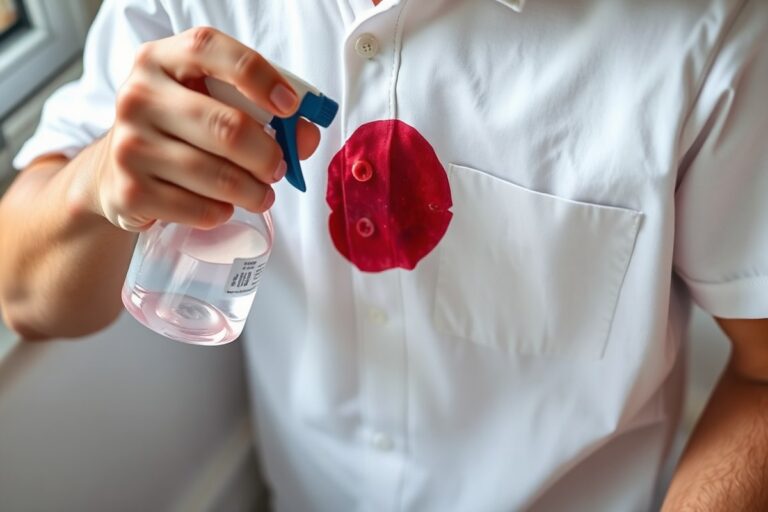
- Remove mold by spraying a 50/50 mix of white vinegar and water, then letting the jacket air dry.
- Dry wet leather jackets naturally over 2, 3 days away from direct heat to avoid damage.
- Store jackets on wide hangers in breathable garment bags to maintain shape and avoid mildew.
How to Properly Care for Your Leather Jacket

Proper daily and routine care for your leather jacket starts with keeping it clean and dry. Gently wipe your jacket with a soft, dry cloth every few days to remove dust and dirt. This simple step prevents buildup that can dull the leather’s finish and cause premature wear. For jackets worn frequently, consider a light cleaning every 2 to 3 months to maintain its look and texture. Avoid using water or harsh cleaners during these wipe-downs, as they can damage the leather.
Protecting leather means guarding against dryness and cracking. Applying a leather conditioner every 3 to 6 months helps maintain suppleness. The exact timing depends on how often you wear the jacket and the environment it faces. For instance, if you live in a dry or cold climate, conditioning closer to every 3 months is ideal. Use a small amount of conditioner, about a dime-sized dollop, and rub it in with a soft cloth, focusing on areas prone to bending like sleeves or the shoulders. This supports flexibility and reduces the risk of cracks and stiffness.
Another critical habit is proper storage. Always hang your jacket on a good-quality padded hanger to keep its shape and prevent stretching. Store it in a cool, dark place away from direct sunlight, which fades and dries out leather over time. Avoid plastic garment bags, which trap moisture and can encourage mold growth; instead, use a breathable cloth cover if needed. This thoughtful storage approach helps keep your jacket in pristine condition between wears.
Simple wiping can prevent damage by catching dirt early and stopping stains from settling in. Making it a habit to spot-check your jacket after every use lets you notice issues like small scuffs or foreign materials that might otherwise settle into the leather. Prompt attention helps avoid bigger problems later. In more humid environments, regular airing of your jacket also prevents moisture buildup that can lead to mold or mildew.
For different leather jacket styles, adapt your routine slightly. A bomber jacket benefits from monthly wipe-downs and conditioning every 4 months, focusing on edges that see the most friction. Suede jackets need brushing rather than wiping, and avoid conditioners designed for smooth leather, as they can change suede’s texture. Quilted leather jackets require gentler cleaning methods and conditioning about every 6 months, while puffer jackets with leather panels are best maintained via spot cleaning and airing out regularly.
Maintaining a simple schedule can help you stay on track: wipe every few days, clean properly every 2 to 3 months, condition every 3 to 6 months, and store thoughtfully after every wear. These habits cost little but yield a long-lasting jacket that holds its shape, finish, and comfort. Neglecting daily care can lead to dryness, cracking, fading, and odors, all of which reduce the jacket’s lifespan and appearance.
How to Clean a Leather Jacket Safely at Home

Cleaning your leather jacket at home requires a gentle but effective approach that protects its finish and maintains its texture. Avoid washing it in a machine, as this can ruin the leather. Instead, follow safe cleaning steps using the right products and avoid harsh surfaces to keep your jacket looking its best.
Gathering Your Cleaning Materials
Collect materials that will clean your leather jacket without damaging it. Use a soft microfiber cloth for dusting and wiping, mild soap for gentle cleaning, distilled water to prevent mineral deposits, and a dedicated leather cleaner for deeper stains. Avoid abrasive sponges or brushes that can scratch the leather surface. Having everything ready makes the cleaning process smooth and effective. Here’s a simple checklist to gather:
- Soft microfiber cloth
- Mild soap or gentle leather cleaner
- Distilled water
- Clean sponge or soft cloth for applying cleaner
- Towel for drying
Never use regular tap water alone, as its minerals can leave spots or discolor leather over time.
Testing and Applying Leather Cleaner
Always start by trying the cleaner on a small, concealed spot on your jacket to check for color changes or damage. Choose a gentle leather cleaner or combine mild soap with distilled water for routine cleaning. Keep liquid to a minimum, as excess moisture can harm the leather or cause stains. Follow these steps to clean the surface safely:
- Lightly dampen a soft cloth with distilled water mixed with a small amount of mild soap or use a dedicated leather cleaner.
- Gently wipe the leather surface in circular motions to lift dirt without scrubbing aggressively.
- Use a clean, dry microfiber cloth to remove any excess moisture immediately.
- Allow the jacket to air dry naturally away from direct heat or sunlight.
Do not put your leather jacket in a washing machine or dryer; this can cause shrinking and cracking.
Cleaning the Inside Lining
The lining of your leather jacket also needs attention but requires a different approach since it’s usually fabric. Spot clean the lining with a slightly damp cloth and mild soap, avoiding over-wetting. For stubborn smells or stains, try a fabric-safe cleaner designed for delicate materials.
After cleaning the lining, leave the jacket open to dry completely, preventing moisture buildup inside. Keep in mind that the lining dries faster than the leather exterior, so monitor the drying process closely to avoid mildew or odor development.
Removing Common Stains: Ink, Oil, and Mold from Leather
To remove common stains like ink, oil, and mold from your leather jacket, use mild, leather-safe household items carefully to avoid damage. Some stains respond well to simple powders or diluted solutions applied gently and allowed to absorb or dry before wiping off. For tougher or set-in stains, professional cleaning is a safer option to prevent ruining the leather.
Ink Stain Removal Options
Ink stains can be tricky because dried ink often sets deeply into the leather. Start with alcohol-free wipes designed for delicate surfaces to avoid drying out or cracking the leather. Test any wipe on a small hidden area first. Gently blot the stain instead of rubbing harshly.
Ink removal products made specifically for leather exist, but they rarely guarantee full success and can cost $10 to $20 or more. If the ink is fresh, acting quickly with the wipe gives you the best chance to remove it.
Dealing with Oil and Grease Spots
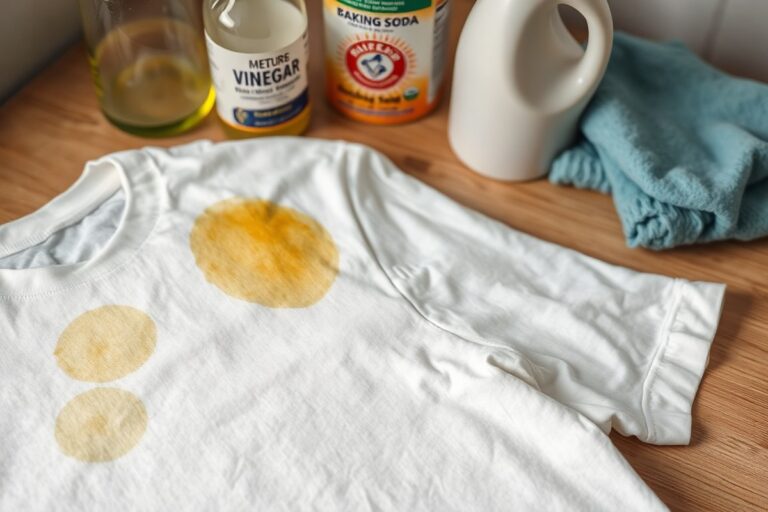
Oil or grease tends to leave persistent marks that can darken the leather. Avoid harsh solvents like nail polish remover, which damage the leather surface. Instead, sprinkle cornstarch or baking soda generously over the stained area to absorb the oil. Leave it on for at least 12 hours, ideally overnight.
Afterward, brush off the powder gently with a soft cloth or brush. Repeat if some oil remains. This method is cheap, using common kitchen items, but it requires patience and care to avoid grinding the stain deeper.
Mold and Mildew Treatment
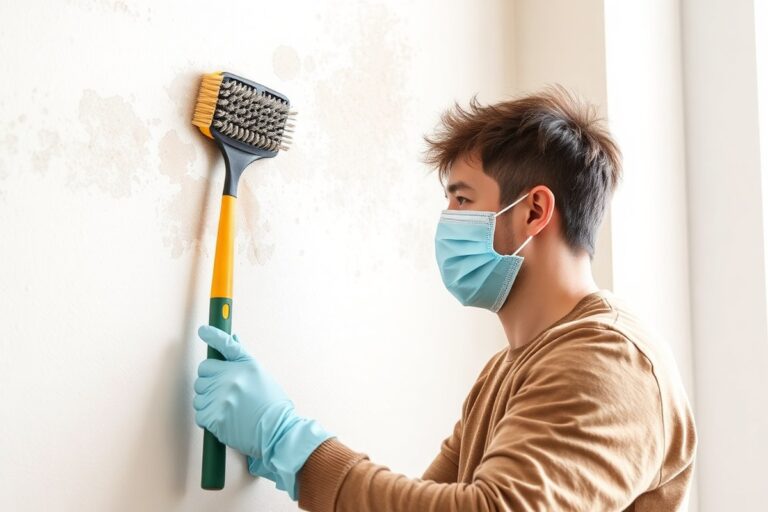
Leather can develop mold or mildew in damp environments, which appears as fuzzy spots or a musty smell. A safe homemade cleaner combines one part white vinegar with one part water. Vinegar’s mild acidity kills mold spores without harsh chemicals.
Dampen a clean cloth lightly with the vinegar solution and wipe the moldy area carefully. Avoid soaking the leather. Let it air dry fully in a well-ventilated room, away from direct heat or sunlight. Vinegar doesn’t stain leather, but strong or frequent use may alter natural oils, so condition the jacket afterward.
| Stain Type | Safe Solution |
|---|---|
| Oil | Cornstarch or baking soda |
| Ink | Alcohol-free wipes |
| Mold | White vinegar + water |
Simple household products can target these stains without harsh chemicals that might ruin your jacket. Always apply treatments gently and test on inconspicuous areas first. For stubborn or old stains, professional leather cleaners provide specialized care that protects your jacket’s material and finish.
When and How to Condition a Leather Jacket
Conditioning your leather jacket every 3 to 6 months keeps it soft and prevents cracks by restoring lost moisture and oils. Choose a conditioner suited to your jacket’s leather type, and apply it carefully following specific steps to maintain the jacket’s look and durability.
Frequency Based on Wear and Climate
How often you condition your leather jacket depends on usage and the environment. If you wear your jacket regularly or live in a humid or rainy area, conditioning every 3 months will help protect the leather from drying out and water damage. For occasional wear or drier climates, conditioning every 6 months suffices.
Apply a waterproofing spray designed for leather after conditioning if your jacket faces heavy exposure to rain or moisture. Regardless of the schedule, clean and condition your jacket at least once a year to maintain its suppleness and extend its life.
Selecting the Appropriate Conditioner
Leather jackets are made from various types of leather, each requiring a different conditioner. For smooth or full-grain leather, a cream or lotion-based conditioner is best as it penetrates deeply and restores natural oils without leaving a greasy surface. Suede and nubuck leathers need special conditioners or sprays specifically made for those textures to avoid damage or discoloration.
Petroleum-based products or heavy oils should be avoided as they can clog the leather pores and invite dirt. Choose a conditioner that lists natural ingredients and is free of harsh chemicals for safe use. Conditioners usually cost between $10 and $25 and a small amount covers the whole jacket.
Proper Application Technique
Applying leather conditioner requires careful preparation and gentle technique to prevent uneven absorption or a sticky finish. First, clean the jacket of dust and dirt. Use a soft cloth or brush for surface dirt and make sure the leather is dry before conditioning. Follow this step-by-step process to condition your jacket properly:
- Place the jacket on a flat, clean surface in a well-ventilated area.
- Choose a small amount of conditioner, roughly a teaspoon, to start.
- Use a soft, lint-free cloth to apply the conditioner in small, circular motions.
- Pay special attention to seams, folds, and areas that crease during wear.
- Let the conditioner absorb for 15 to 20 minutes without disturbing the jacket.
- Buff the jacket lightly with a dry cloth to remove any excess and restore shine.
- Allow the jacket to air out for a few hours before wearing or storing.
Too much conditioner can leave residue and attract dirt, while too little might not penetrate enough to protect the leather. Proper conditioning leaves the jacket supple without feeling oily or stiff.
Best Practices for Storing Leather Jackets Long-Term
Storing your leather jacket properly is key to keeping it in good shape, preventing creasing, and avoiding fading over time. Use a wide, padded hanger rather than a thin wire one to support the jacket’s shoulders and maintain its natural form. This minimizes strain that causes the leather to stretch or crease. Hangers with soft fabric padding cost around $10 to $20 and provide enough cushion without damaging the leather’s surface.
Choose a cool, dry spot for storage, ideally between 60 and 75 degrees Fahrenheit with low humidity. Excess moisture encourages mold and mildew growth, while too much heat dries out the leather, leading to cracking or stiffening. Avoid basements, garages that lack climate control, or places near radiators and air vents. Bright sunlight causes fading and discoloration, so keep the jacket away from windows or use UV-blocking curtains.
Do not store your leather jacket in plastic bags or cover it with plastic sheeting. Plastic traps moisture, promoting mold development and deteriorating the leather finish. Instead, opt for a breathable cloth garment bag if needed, which allows air circulation and protects from dust. Alternatively, you can leave the jacket uncovered in a well-ventilated closet.
Before storing the jacket long-term, ensure it is clean and conditioned. Dirt and oils can cause permanent stains or dry patches if left untreated. Conditioning every six months with a leather conditioner helps retain natural oils, keeping the jacket supple and preventing stiffness. Test conditioners on an inconspicuous spot to check for adverse reactions. Once conditioned, hang the jacket immediately and avoid folding or compressing it, as folds can cause deep creases hard to remove later.
For jackets not worn frequently, take them out of storage periodically to air them out and inspect for any signs of moisture damage or fading. This practice helps the leather breathe and prevents musty odors. Store the jacket away from strong odors like cigarette smoke, which leather readily absorbs and retains.
When you follow these steps, you can expect your leather jacket to maintain its shape, color, and softness for years. Neglecting proper storage can result in misshapen shoulders, creasing around the elbows and waist, and faded or cracked patches requiring costly repair or replacement.
Never cover a leather jacket with plastic; it traps moisture and causes irreversible damage like mold or discoloration.
Handling Water Exposure and Drying Leather Jackets Properly
Leather jackets are not ruined by getting wet, but handling the situation correctly matters to prevent long-term damage. Water can cause leather to stiffen, discolor, or develop mildew if not dried properly. You want to dry your jacket slowly in a safe environment and avoid actions that could dry it too quickly or unevenly.
Drying a damp leather jacket requires patience and care. Avoid direct heat sources like hair dryers, radiators, or sunlight, which can cause the leather to crack or shrink. Instead, let the jacket dry naturally at room temperature in a well-ventilated space. As it dries, gently reshape the jacket to maintain its original form and prevent creasing. Here are clear steps to follow if your leather jacket gets wet:
- Pat dry the surface with a soft, absorbent towel to remove excess water without rubbing, which can damage the leather texture.
- Hang the jacket on a wide-shouldered hanger to support its shape and allow air to circulate around it.
- Place it in a well-ventilated room away from direct sunlight or heat sources. Ideal ambient temperature is about 65 to 75°F (18 to 24°C).
- Gently reshape the jacket by smoothing out wrinkles and adjusting sleeves or collar to prevent creases as it dries.
- Avoid closing zippers or buttons while drying to let the jacket dry evenly and maintain airflow inside.
- Allow 12 to 24 hours for drying, depending on how wet the jacket is and the humidity level in the room.
- Apply a leather conditioner once dry to restore moisture and suppleness that water exposure may have affected (skip conditioning if you are uncertain or the jacket feels oily).
- Regularly reapply a protective spray or cloth treatment every few months to help waterproof the leather and minimize damage from future water exposure.
Do not use heat or forced drying methods, as these cause leather to lose its natural oils and crack. Avoid using shoe polish or other non-leather-specific products, as they can clog pores and dry out the leather surface, leading to discoloration.
Special Care for Different Leather Types and Finishes
Leather jackets come in varieties like suede, nubuck, sheepskin, and bonded leather, each needing its own care routine to last longer and keep looking its best. Suede and nubuck differ from smooth leather because they have soft, fuzzy surfaces that absorb dirt and moisture easily. Use brushes and cleaning products made specifically for suede or nubuck, and always try new products on a hidden spot first. A protective spray made for these materials helps repel stains and moisture, which is important given their delicate texture.
Sheepskin or lambskin jackets are smooth and generally more supple than regular leather, but their softness calls for gentle cleaning. Avoid harsh chemicals or soaking the jacket. Instead, lightly dab with a damp cloth and use a conditioner designed for smooth leather to keep the material flexible. These jackets often cost more, so spending about $15 to $30 on a good leather conditioner can prevent cracking and stiffness over time.
Bonded leather jackets require a different mindset since they combine leather scraps with synthetic materials. While they look similar to genuine leather, bonded leather tends to peel and crack as it ages, which often cannot be prevented. Cleaning bonded leather can be done with a mild soap and water solution, but conditioning won’t restore the glued layers. This means bonded leather jackets typically have a shorter useful life than suede, nubuck, or sheepskin jackets. Here’s a comparison of care essentials for each type of leather jacket:
| Leather Type | Key Care Products | Cleaning Method | Protection Needed | Expected Durability |
|---|---|---|---|---|
| Suede | Suede brush, gentle suede cleaner, suede protector spray | Brush off dirt, spot clean with special cleaner, avoid water | High, use protective spray regularly | Good with proper care, can stain easily |
| Nubuck | Nubuck brush, mild cleaner, protective spray | Brush to lift nap, spot clean carefully, limit moisture exposure | High, protects from dirt and moisture | Good longevity with regular care |
| Sheepskin/Lambskin | Mild leather cleaner, smooth leather conditioner | Light damp cloth wiping, avoid soaking, condition regularly | Moderate, moisturizing prevents cracking | Long-lasting if conditioned properly |
| Bonded Leather | Mild soap, soft cloth | Wipe with mild soapy water, no conditioner effective | Low, prone to peeling and cracking | Shorter lifespan, expect wear over time |
For jackets with embroidery, patches, or painted details, test any cleaning or protection product on a hidden area first to avoid damage. Avoid soaking these pieces and focus on gentle spot cleaning. Regularly applying a suitable protective spray on suede and nubuck can prevent stains and water damage, keeping the textured finish intact.
Higher-priced jackets with unique finishes need more attention, but using the right cleaning tools and products tailored to the leather type delivers better results. Neglect or using general leather care products on delicate finishes often leads to rough patches or discoloration, whereas appropriate care maintains the jacket’s original look much longer.
Common Mistakes to Avoid in Leather Jacket Care
One common mistake that damages leather jackets is using the wrong cleaning products. Leather is sensitive to harsh chemicals; using household cleaners or soaps can dry out or discolor the leather. Always choose a product designed specifically for the type of leather you own, ideally one made by the same brand as your jacket.
Over-conditioning is another frequent error. Applying too much conditioner too often can clog leather pores and make the surface sticky or dark. Limit conditioning to once every three to six months depending on wear and exposure, applying a thin, even layer, and allow it to absorb fully. Gently wipe away any excess conditioner with a soft cloth after over-conditioning, then let the jacket air out before you wear it.
Failing to protect leather from water exposure leads to stiffness and cracking. Avoid soaking your jacket or exposing it to rain without a water-repellent spray made for leather. After any moisture exposure, let your jacket dry naturally at room temperature, away from direct heat sources.
- Do not store your jacket in plastic bags; use breathable garment bags instead.
- Never iron or use high heat directly on leather.
- Avoid folding the jacket sharply; hang it on a wide padded hanger.
- Resist the urge to clean stains with water alone; use proper leather stain removers.
- Don’t ignore small cracks or dryness; treat early with appropriate conditioners.
Correction is often possible if you notice damage early. For example, if stains or sticky residues appear after cleaning, try a mild leather cleaner to remove buildup. Avoid over-enthusiastic scrubbing, which can remove the top layer of leather. When the jacket feels stiff from misuse, apply a quality leather conditioner and gently work it into the fibers to restore softness over several days.
Many care myths exist, such as leather jackets needing frequent washing or the idea that oily stains can simply be wiped off with water. These approaches tend to worsen the condition of the leather over time. Always prioritize gentle, leather-specific products and follow recommended application methods.
Test any cleaner or conditioner on a small hidden spot before applying it widely to ensure no discoloration or damage occurs.
Step-by-Step Action Plan for Caring for Your Leather Jacket
Follow these steps to keep your leather jacket in great shape and extend its lifespan.
- Day 1: Inspect the jacket thoroughly for stains, damage, or dryness before use. This helps target care needs early.
- Week 1: Clean the jacket gently using a soft, damp cloth and mild leather cleaner if necessary. Check for any spots that remain after drying.
- Week 2: Apply a leather conditioner evenly to restore moisture and prevent cracking. The leather should feel supple without greasy residue.
- Monthly: Store the jacket in a cool, dry place on a padded hanger, covered with a breathable cloth bag. This prevents deformation and mildew.
- After Rain Exposure: Pat dry with a soft towel and air dry away from heat sources. Confirm the jacket is dry before storing.
- Every 3-6 Months: Assess the jacket for any new stains or dryness. Spot-treat stains promptly and reapply conditioner as needed.
- Before Seasonal Storage: Give the jacket a final clean and conditioning. Store it in a controlled environment to avoid humidity and pests.
- As Needed: Avoid common mistakes like using harsh chemicals or folding the jacket. Adjust your care routine based on how often you wear it and the leather type.
Frequently Asked Questions
How Do I Remove Wrinkles from a Leather Jacket?
Use a steamer or hang your leather jacket in a humid bathroom to relax wrinkles gently without direct heat. Avoid ironing, which can damage the leather’s finish.
Can a Leather Jacket Be Professionally Cleaned?
Yes, professional cleaning is often recommended for tough stains or deep cleaning, ensuring expert care without harming the leather.
Is Leather Ruined If It Gets Wet?
No, leather isn’t ruined if wet, but drying it properly by patting with a towel and air drying is essential to avoid damage.
How Do I Wash a Suede Leather Jacket?
Avoid water and washing machines; instead, brush regularly and use special suede sprays to maintain its texture and appearance.
How Often Should I Condition My Leather Jacket?
Condition your leather jacket every 3 to 6 months depending on wear and environmental exposure to keep it supple and prevent drying out.
Can I Store My Leather Jacket in Plastic Bags?
No, storing leather in plastic can trap moisture and cause mold; use breathable cloth garment bags instead for proper ventilation.
Wrapping Up
Maintaining your leather jacket properly keeps it looking sharp and prolongs its life. Start caring for your jacket today with a gentle cleaning, then schedule regular conditioning and correct storage. This proactive approach will protect your investment and keep the jacket ready whenever you want to wear it.