How to Remove Mildew from Fabric: 8 Proven Methods for Complete Cleaning
To remove mildew from fabric effectively and safely, begin by treating the stained area with appropriate cleaning agents like vinegar, hydrogen peroxide, or specialized odor removers, depending on fabric type. After soaking or applying the treatment, wash and dry the fabric thoroughly to eliminate both mildew stains and musty odors. This approach helps prevent damage while ensuring complete mildew removal.
This advice suits homeowners or renters dealing with mildew on various fabrics, from clothing to upholstery. You’ll learn proven methods tailored to different fabric types, how to choose the right cleaning agent, and steps for testing and caring for your fabric to avoid mildew’s return.
Key Takeaways
- Test cleaning methods on a hidden fabric spot and wait 15 minutes to check for damage or color loss.
- Soak mildew-stained fabrics in vinegar or a bleach alternative for 15-60 minutes based on fabric sensitivity.
- Use Clorox FreshGuard™ Laundry Odor Remover in the rinse cycle to eliminate as much as 100% of musty odors from your laundry.
- Use hydrogen peroxide on white fabrics for mold stains, letting it set for 15 minutes before washing.
- Expose treated fabrics to direct sunlight for 1-2 hours to help kill mildew and deodorize.
- Pre-soak colored fabrics in Clorox 2™ solution for 30 minutes to avoid fading while loosening mildew stains.
1. How to Remove Mildew from Fabric Effectively and Safely

Removing mildew from fabric involves targeting both the visible stains and the musty odors left behind. Treating the fabric properly prevents spores from spreading and stopping stains from setting, which could happen if the fabric is heated before complete cleaning. Preparing your fabric and cleaning materials upfront ensures a thorough and careful approach. Follow these steps to effectively and safely remove mildew from fabric:
- Prepare your cleaning solution. For white fabric, mix equal parts white vinegar and water in a spray bottle. For colored or delicate fabrics, use a mild detergent or a commercial mildew remover safe for your fabric type. Avoid bleach on colored items unless the product label specifically allows it.
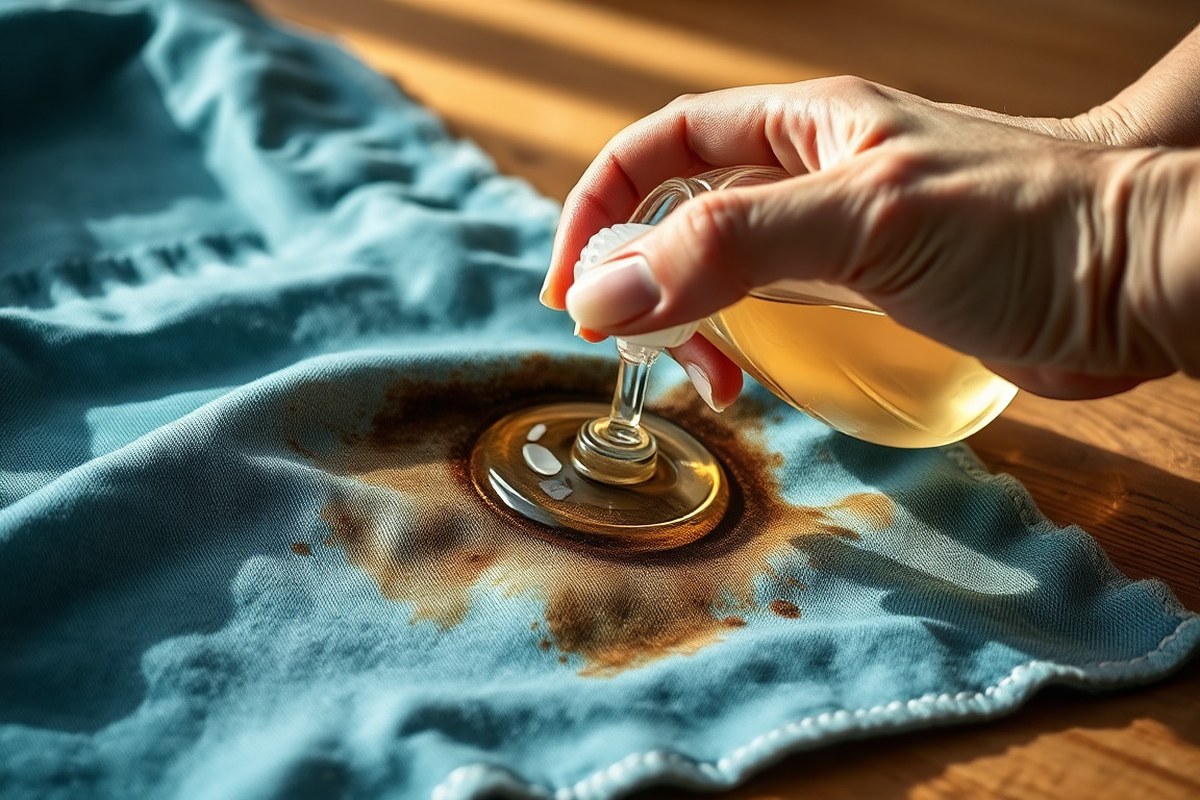
- Apply the cleaning solution directly to mildew stains. Spray or gently dab the solution onto the affected areas. Make sure to cover the entire stain, as a thorough soak helps break down mildew spores and stains.
- Let the solution soak for 15 to 30 minutes. This soaking period allows the cleaning agent to penetrate the fabric and loosen mildew particles. Avoid drying or rinsing immediately.
- Gently agitate or scrub the stained area. Use a soft brush or your fingers to work the solution into the fibers without damaging them. This helps lift the stain from the fabric.
- Rinse the fabric thoroughly with cold water. Washing out the cleaning solution and loosened mildew prevents residue buildup and binds spores to the fabric.
- Wash the fabric as usual. Use a regular laundry cycle with mild detergent at a temperature safe for the fabric. Add a product like Clorox FreshGuard™ Laundry Odor Remover during the rinse cycle to eliminate musty odors.
- Dry the fabric outdoors in sunshine or in a well-ventilated area. Sunlight naturally helps kill mildew spores and removes lingering smells. Avoid using a dryer until you confirm the stains and odors are gone, as heat can set mildew stains permanently.
- Inspect the fabric after drying. Check for any remaining stains or odors. If necessary, repeat the treatment process before drying again.
2. Choosing the Right Mildew Removal Method by Fabric Type

Choosing the right mildew removal method depends on the type of fabric you are dealing with. Cotton and synthetics tolerate stronger cleaning agents, while delicate fabrics need gentler care. Upholstery and non-washable materials often require specialized treatments or professional help to avoid damage.
Safe Methods for Cotton and Synthetic Fabrics
Cotton and synthetic fabrics like polyester or nylon can handle more strong mildew removal methods. You can use oxygen-based bleach or a mixture of white vinegar and water to treat most mildew stains safely. Chlorine bleach works well on white cotton fabrics, but avoid it on colored or synthetic textiles to prevent discoloration and fabric damage.
Apply the cleaning solution directly to the affected area and let it sit for 10 to 15 minutes. Then, gently rub the fabric together or use a soft brush before rinsing thoroughly with clean water. Washing the item in hot water, according to care label instructions, helps kill mildew spores and remove odors.
- Test your cleaning agent on a hidden spot before full application
- Use oxygen bleach for colored cotton and synthetics
- Mix white vinegar with water (1:1 ratio) as a gentle natural alternative
- Limit chlorine bleach to white cotton and follow label directions carefully
- Rinse thoroughly to remove any chemical residue
- Air dry in sunlight if possible to help kill residual mildew spores
Never mix chlorine bleach with vinegar; it produces dangerous fumes.
Treating Mildew on Delicate Fabrics Like Silk and Wool
Delicate fabrics such as silk, wool, and vintage textiles require very gentle cleaning to avoid damage. Avoid chlorine bleach, harsh scrubbing, and high temperatures, which can weaken or discolor these materials. Instead, use a mild detergent specifically formulated for delicates or a diluted solution of white vinegar and water.
Apply the cleaning solution carefully with a soft cloth or sponge, blotting rather than rubbing the mildew spots. Let the fabric air dry flat on a clean towel away from direct sunlight, which may fade colors. For stubborn mildew or antique items, professional cleaning is often the safest option. Keep these points in mind:
- Use mild, pH-neutral detergents made for delicate fabrics
- Apply cleaning solutions sparingly and avoid soaking
- Blot stains gently without scrubbing
- Dry flat and avoid heat sources or direct sun
- Consider professional cleaners for vintage or valuable pieces
Cleaning Upholstery and Other Non-Washable Materials
Upholstered furniture and other fabrics that cannot be machine washed require special attention. Rubbing alcohol is effective for killing mildew colonies on upholstery without excessive moisture that could worsen mold growth. Spray or dab rubbing alcohol on the mildew spot, allow it to dry, then vacuum to remove any residue.
For carpets showing mildew stains, sometimes standard cleaning does not suffice. In severe cases, removal and professional treatment or disposal may be necessary to ensure complete mildew removal and prevent recurrence. Always check the care instructions for the specific furniture or textile piece before proceeding.
- Use rubbing alcohol sparingly on upholstery to kill mildew
- Dry treated areas quickly and thoroughly
- Vacuum after treatment to remove dead mildew spores
- Consider professional cleaning for carpets with widespread mildew
- Consult care labels or manufacturer recommendations
Excess moisture on upholstery can worsen mildew problems; use liquids sparingly and dry quickly.
3. Common Cleaning Agents Compared for Mildew Removal
Choosing the right cleaning agent for mildew on fabric depends on the balance between stain removal effectiveness, fabric safety, and odor control. White vinegar is a natural option good for mild stains and odor neutralization without harsh chemicals. Bleach works best on white fabrics but comes with risks to fabric integrity. Baking soda aids odor removal but is weaker on stains. Hydrogen peroxide offers a safer bleach alternative with reliable mildew stain removal.
White Vinegar Solution Benefits and Limits
White vinegar is a popular natural cleaner that helps kill mildew spores and neutralize odors. Using a solution of one part vinegar to three parts warm water, spray the mildew-affected fabric and let it sit for about 10 minutes before rinsing or washing. Vinegar is gentle on most fabrics and does not cause color loss, making it a safe first step for mildew treatment.
However, vinegar alone may not remove heavy mildew stains. When combined with baking soda, sprinkled onto the fabric after spraying vinegar, a chemical reaction helps lift mildew particles and odors. After the fizzing reaction stops, vacuum or brush off the baking soda residue before washing the fabric as usual.
Oxygen Bleach vs Chlorine Bleach for Color Safety
Oxygen bleach is a non-chlorine alternative that removes mildew safely on colored and delicate fabrics without fading. It works by releasing oxygen that breaks down mildew stains and kills spores. Oxygen bleach can be added to your washing machine according to package directions, often as half a cup per load.
Chlorine bleach is very effective for stubborn mildew stains but should only be used on white, bleach-safe fabrics such as white cotton. It can weaken fabric fibers and cause discoloration or damage if misused. Always dilute bleach properly (usually about one-quarter cup per gallon of water) and never mix it with vinegar or ammonia. Use in a well-ventilated area and wear gloves to protect your skin.
Effectiveness of Baking Soda and Hydrogen Peroxide
Baking soda primarily reduces mildew smells instead of eliminating stains. Using half a cup in the wash cycle improve odor control and supports mild cleaning, but it cannot completely remove stubborn mildew marks by itself.
Hydrogen peroxide is a gentle bleaching agent effective against mildew stains and spores. On white fabrics, dab hydrogen peroxide onto the stain, let it sit for 15 minutes, and then launder as usual. It is less damaging than chlorine bleach and safe for use on many fabric types, provided care labels allow it. Hydrogen peroxide also kills mildew spores during the process, helping prevent recurrence. The table below compares common cleaning agents based on effectiveness, fabric compatibility, safety, and odor removal:
| Cleaning Agent | Effectiveness on Mildew Stains | Fabric Compatibility | Safety Concerns | Odor Removal |
|---|---|---|---|---|
| White Vinegar | Moderate for mild stains | Safe for most colors and fabrics | Low; avoid on delicate fabrics like silk | Good |
| Oxygen Bleach | Good for stains on colors and delicates | Safe if label permits; no color fading | Low toxicity; follow product instructions | Good |
| Chlorine Bleach | High for white fabrics | Only white, bleach-safe fabrics | High; can weaken fibers, cause discoloration | Fair |
| Baking Soda | Weak, not for heavy stains | Safe for all fabrics | Very low | Excellent |
| Hydrogen Peroxide | Good on white or colorfast fabrics | Generally safe; test first on colors | Moderate; can bleach colors | Good |
Use vinegar for gentle mildew spots and odor control on colored fabrics. Choose oxygen bleach over chlorine bleach to protect colors or delicate materials while still removing mildew. Baking soda is best as a washing additive to combat odors. Hydrogen peroxide sits between vinegar and chlorine bleach in strength, suitable for white or colorfast fabrics needing stain removal but with less risk of damage than chlorine bleach.
4. How to Test Fabric for Colorfastness Before Treatment
Testing fabric for colorfastness before applying cleaning agents helps avoid permanent damage or discoloration. You perform a spot test on a hidden area, wait to observe any changes, and decide if it’s safe to proceed. This simple step protects your fabric while ensuring the chosen mildew treatment works effectively.
Choosing the Right Spot for Testing
Pick a small, inconspicuous area on the fabric, such as an inside seam, hem, or under a flap. This spot should not be visible during regular use or wear. When you have removable cushion covers or pillowcases, turn them inside out to locate a hidden spot for testing. Testing on these areas prevents noticeable damage if the fabric reacts negatively.
Keep in mind that different fabric parts may react differently, especially if there is variation in fabric or dye. Test on the same material you plan to treat to get accurate results.
Step-by-Step Spot Test Procedure
- Mix a small amount of the chosen cleaning agent according to instructions or your recipe. For example, dilute bleach or vinegar as recommended.
- Dab the mixture on the hidden spot using a cotton swab or small cloth. Apply enough to wet the area but avoid soaking.
- Blot gently with a clean cloth to remove any excess solution and avoid spreading it beyond the test spot.
- Wait for at least 15 to 30 minutes to let the agent interact with the fabric fully. This time allows you to spot immediate fading or damage.
- Check for changes in color, texture, or fabric strength after the waiting period.
What Results to Look For
Good results mean no change in the fabric’s original color, no bleaching, and no weakening of the fibers. The fabric texture should remain the same without becoming rough, sticky, or brittle. Mild changes like slight dampening or softening are typically acceptable if they disappear once dried.
Damage signs include noticeable fading, color bleeding onto test cloths, fabric thinning, or a change in texture. When you notice color running or fabric weakening, do not use that cleaning agent on the main fabric area. Instead, try a milder solution or consult a professional cleaner.
Checklist for Safe Testing
- Choose an inconspicuous test area on the fabric
- Prepare your cleaning solution exactly as intended for use
- Apply agent gently using a cotton swab or soft cloth
- Wait 15 to 30 minutes without disturbing the test spot
- Observe and compare the test spot to untreated fabric
- Look for color retention, unchanged texture, and no weakening
- Discard or modify treatment if any damage appears
This checklist ensures your fabric will tolerate the mildew removal process without harm. It prevents costly mistakes, especially with delicate or brightly dyed textiles.
Steps If Color Loss or Damage Occurs
When a spot test reveals fading or fabric damage, discontinue that cleaning method immediately. Instead, try a less aggressive approach like using mild detergent and water or a specialized fabric-safe mildew remover. You can also prolong the wait between applications to reduce impact, or test small patches of homemade remedies such as diluted lemon juice or tea tree oil, which tend to be gentler.
Label instructions and fabric care guides often suggest avoiding bleach on colored fabrics because of risk. For delicate fabrics like silk or wool, choose enzyme-free, pH-neutral cleaners and skip harsh chemicals. In tough cases, a professional cleaner experienced with mildew stains on specific fabrics can recommend safe options or treatments.
5. Removing Mildew Odor from Fabric Completely
Persistent mildew odor lingers even after stain removal because mold spores produce musty-smelling compounds that settle deep within fabric fibers. Neutralizing this odor requires treating the fabric beyond simple washing. A borax soak is an effective method to start with. Dissolve half a cup of borax in a gallon of warm water and soak the fabric for at least 30 minutes before laundering. Borax not only helps clean but also neutralizes odors by altering the pH balance, making it harder for mold to survive.
Sunlight plays a natural and powerful role in odor removal by killing mold spores and drying out moisture that mildew thrives on. After washing, hang your fabric outside in direct sunlight for several hours, ideally 4 to 6 hours, turning occasionally to expose all sides. Sunlight’s ultraviolet rays act as a disinfectant, reducing the musty smell while fresh air helps remove trapped odor molecules. This technique works well on clothes, curtains, and upholstery covers alike.
For fabrics that cannot be sun-dried, or when the smell remains after washing, repeating the washing process is often necessary. Use a detergent with added mildew-fighting agents or add a cup of white vinegar to the rinse cycle. Vinegar is acidic and helps break down odor-causing compounds without damaging most fabrics. After laundering, air dry indoors in a well-ventilated area or use a fan to speed drying. Avoid putting fabric in a dryer until the odor is fully gone, as heat can set the smell permanently.
Delicate or non-washable fabrics may require special care to remove mildew odor. Spraying a mixture of half water and half white vinegar onto the fabric surface and allowing it to air out can help reduce odors. Avoid saturating the fabric to prevent water stains or shrinkage. For stubborn smell, consider professional cleaning to safely deep clean without damage.
Detecting success means no trace of mustiness after the fabric is dry, and a fresh or neutral scent instead. If lingering odor persists, repeat the soaking and sun-drying steps or try an enzymatic cleaner designed for mildew odors. These cleaners target organic molecules causing smells but verify compatibility with your fabric type before use. Patience and prompt treatment yield the best results to fully restore fabric freshness and prevent permanent mildew damage.
Only dry fabric in the dryer once all mildew stains and odors are completely removed to avoid setting the smell permanently.
6. Drying and Aftercare to Prevent Mildew from Returning
The best way to dry fabric after removing mildew is to use direct sunlight whenever possible. Sunlight helps kill remaining mildew spores by ultraviolet (UV) rays and reduces moisture quickly. However, sunlight is not always suitable for all fabrics because prolonged exposure can fade colors or weaken fibers. You should dry sturdy fabrics like cotton and linen in the sun but be cautious with delicate or dark-colored fabrics.
Using a clothes dryer for mildewed fabric is generally safe, but only when the fabric is completely clean and slightly damp, not soaking. Set the dryer to a medium or low heat setting to avoid shrinking or damaging the fabric. High heat can cause some mildew spores to die, but heat alone won’t fully remove mildew; proper cleaning before drying is critical. If your fabric is delicate or prone to shrinking, air drying is safer.
Proper storage after drying is important to prevent mildew from returning. Fabrics should be stored in a dry, well-ventilated area with controlled humidity. Avoid damp places like basements, crawl spaces, or closets lacking airflow. Using breathable storage containers or cotton storage bags instead of plastic bins can reduce moisture buildup. Regularly inspecting stored fabrics and giving them fresh air every few months helps keep mildew at bay.
- Use sunlight for drying cotton, linen, and strong fabrics to kill spores.
- Dry delicate fabrics indoors away from direct sun to prevent fading.
- Set dryers to medium or low heat, only on clean, damp fabric.
- Store fabrics in dry areas with good air circulation.
- Avoid basements and damp storage spaces.
- Choose breathable storage containers like cotton bags, not plastic bins.
- Air out stored fabrics every few months to prevent moisture buildup.
It’s important to completely dry the fabric before storage. Even a little moisture can allow mildew to return. Using a moisture meter or feeling the fabric will help: it should feel dry and cool, not damp or warm. Mistakes like folding damp fabric or storing it in plastic containers trap moisture and increase mildew risk. Dry your fabric shortly after cleaning, within a few hours if possible, to keep it fresh and mildew-free.
7. Troubleshooting Common Cleaning Mistakes with Mildew
One common mistake is using heat to dry or wash fabric with mildew stains before fully treating it. Heat can set mildew stains permanently, making them much harder to remove later. Always wash affected fabric in cool or lukewarm water first and avoid drying with hot air until the stain is gone.
Harsh chemicals, like undiluted bleach or strong solvents, may seem effective but often damage fabric fibers or cause color fading. To avoid this, use gently acidic cleaners such as diluted white vinegar, which remove mildew without damaging fabric. Test any cleaner on a hidden area first to ensure colorfastness and fabric integrity.
Allowing mildew to return quickly usually means moisture sources have not been controlled. Fixing mildew means addressing both the stain and the environment. Ensure fabrics dry thoroughly within hours after washing and store them in well-ventilated, dry areas to stop mildew spores from growing again.
- Do not use hot water or high heat drying until mildew is fully removed
- Avoid harsh bleach on delicate or colored fabrics to prevent damage
- Test cleaning solutions on hidden fabric spots before applying broadly
- Ensure fabrics dry completely within a few hours after washing
- Identify and control moisture sources like damp storage or poor ventilation
- Repeat mild cleaning steps promptly if mildew begins to reappear
If a stain persists despite following these steps, repeat the mild washing process using a vinegar solution, which has natural mild acidity ideal for removing mold stains gently. Persistent mildew usually requires more than one treatment cycle and more time for fabric to dry thoroughly between applications. Preventing future mildew depends largely on keeping fabric dry and well-ventilated immediately after cleaning to avoid giving spores a chance to settle and grow.
8. When to Seek Professional Cleaning for Mildew on Fabric
Severe mildew damage or when fabric shows deep stains and structural weakening signals the need for professional cleaning. Large, dark mildew spots that don’t get better after initial home treatments or fabric that smells musty after thorough washing and drying mean you should turn to experts. Professional cleaners use specialized equipment and chemicals designed to penetrate fabric fibers without causing color loss, which is critical for delicate or high-value textiles.
Some fabrics, such as silk, wool, leather, and vintage clothing, are better handled by professionals due to their sensitive nature. These fabrics can react poorly to standard household cleaners and might shrink, discolor, or become damaged if treated improperly. Professionals have access to mildew stains removers that brighten all colors safely without fading, and they apply disinfectants that control mildew and other fungi without harming the fabric.
The decision rule for choosing professional cleaning begins with the extent and type of fabric. Start by inspecting the fabric for persistent odor, visible discoloration, and fabric integrity. Cleaning attempts that don’t remove mildew or fabric that feels fragile mean you should get professional help. Also, consider professional cleaning if multiple treatments with typical mildew removers have failed or if you lack access to proper cleaning tools and chemicals. Prices for professional mildew treatment vary, generally ranging from $20 to $100 or more depending on fabric size and treatment complexity.
Choosing a mildew-specialized fabric cleaner involves looking for products labeled as disinfectants with ingredients effective against mold and mildew. Good commercial mildew cleaners will claim to brighten colors without causing fading, even after repeated use. Before selecting a cleaner or professional service, check if they guarantee color safety and have experience with your fabric type. Reliable cleaning professionals often offer consultation on fabric care and use methods tailored to protect color and texture.
Good results from professional cleaning show mildew stains greatly reduced or removed, fabric colors intact, and no lingering mildew smell. Problems can arise if professionals use harsh chemicals incompatible with the fabric, which risks fading or weakening fibers, or if drying is inadequate afterward, causing mildew to return. That’s why it’s essential to follow all care recommendations they provide and air the fabric completely before storage.
Always test any cleaning method on a hidden fabric area before applying it widely, especially when dealing with delicate or expensive textiles. This helps avoid irreversible damage.
Step-by-Step Action Plan for Removing Mildew from Fabric
Follow these steps carefully to get rid of mildew stains and odors from your fabric and stop them from coming back.
- Before you start: Test your fabric for colorfastness using a hidden spot and your chosen cleaner. If no fading or damage occurs, move on to cleaning.
- Day 1: Apply the appropriate mildew remover based on your fabric type, use a mild detergent or vinegar solution for delicate fabrics, or a diluted bleach solution for whites. Rinse thoroughly to remove mildew and cleaner residue.
- Day 2: Wash the fabric according to its care label on the warmest safe setting to eliminate remaining mildew and odor. Check that all stains and smells are gone before drying.
- After washing: Dry the fabric completely outdoors in sunlight, which helps kill mildew spores and remove musty odors. Avoid drying indoors or in damp areas.
- Week 1: Store your fabric in a dry, well-ventilated place. Keep humidity low to prevent mildew from returning.
- Week 2: Inspect fabric for any lingering stain or smell. Repeat cleaning if mildew persists or seek professional cleaning help if the fabric is delicate or heavily damaged.
Frequently Asked Questions
Can Vinegar Remove Mildew from Fabric Safely?
Yes, vinegar can remove mildew safely from many fabrics. It helps kill spores and neutralizes the odor, but test colorfastness first to avoid fading.
What Role Does Sunlight Play in Removing Mildew from Fabric?
Sunlight acts as a natural mildew killer by drying and killing spores. Drying fabric outside in the sun can reduce mildew stains and odor efficiently.
Is Lemon Juice Effective in Removing Mildew Stains on Fabric?
Lemon juice is a natural cleaner that can brighten mildew stains on fabric. It works best combined with sunlight for tough mildew spots.
Can Mildewcide Be Used on All Types of Fabric?
Mildewcide is effective but not safe for all fabrics. Use it only on mildew-resistant materials and follow product instructions closely.
How Can I Tell If My Fabric Is Colorfast Before Mildew Treatment?
Test fabric by applying a small amount of cleaner to an inconspicuous spot. If no color fades or transfers within 10 minutes, it’s safe to treat the whole fabric.
What Should I Do If Mildew Returns After Cleaning Fabric?
Repeat cleaning and ensure fabric dries completely and quickly. Increase airflow and reduce humidity to prevent spores from regrowing.
Key Points to Remember
Removing mildew from fabric requires careful cleaning, thorough drying, and proper storage. Address stains and odors promptly to prevent long-term damage. Start by testing your fabric’s reaction to cleaners and choose the safest method for your material before treating mildew. Taking these steps helps protect your fabrics and keeps your home fresh.