
How to Remove Dark Marks from Underarms: 8 Proven Methods That Work Safely
Dark marks on underarms can often be lightened by consistent skin care and gentle home remedies that remove dead skin and brighten the area. Using natural ingredients like lemon juice, potato juice, or gentle exfoliants regularly helps reduce darkness safely without harsh chemicals. Learning how to remove dark marks from underarms involves choosing the right treatments and avoiding irritants that worsen pigmentation.
This information is for adults dealing with uneven underarm skin tone who want effective and safe methods to improve appearance. It covers practical home remedies and daily habits to target these dark marks while keeping skin healthy and protected.
Key Takeaways
- Scrub underarms with a natural paste for 10 to 15 minutes to exfoliate dead skin cells.
- Apply lemon slices or juice to underarms and leave for 5 to 15 minutes to use its mild bleaching effect.
- Use potato juice on your underarms daily to benefit from its gentle skin-lightening properties.
- Rinse underarms with cool water after treatments to calm skin and close pores.
- Avoid deodorants containing aluminum fluoride, which can contribute to underarm darkening.
- Apply alum paste before showering and wash off after 10 to 15 minutes for brightening effects.
1. Effective Home Remedies to Remove Dark Underarm Marks
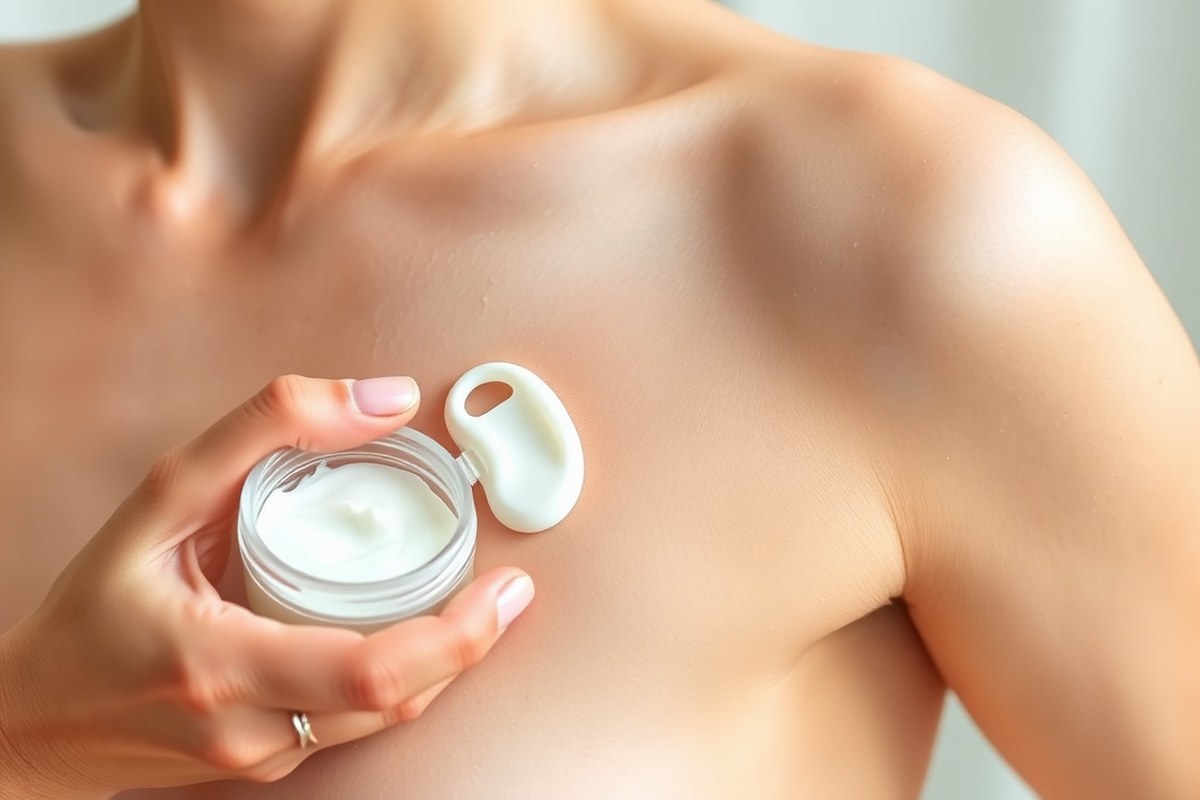
Some natural home remedies may help fade dark marks on underarms safely over time by soothing skin, gently exfoliating, and lightening through mild natural acids or enzymes. Applying these remedies consistently 2 to 3 times a week usually shows gradual improvement within a few weeks. Always test a small skin patch first to avoid irritation and follow exact preparation and timing steps for best results.
Lemon Juice and Potato Juice Applications
Lemon juice and potato juice are popular for their mild bleaching and brightening properties, thanks to natural acids and enzymes. Using them carefully helps minimize risk of irritation, which can worsen darkness if skin becomes inflamed.
To apply lemon or potato juice safely, avoid leaving the juice on your skin longer than recommended and do not use on broken or very sensitive skin. Use each juice no more than 2 to 3 times per week to prevent dryness.
- Clean your underarms gently with mild soap and lukewarm water, then pat dry.
- For lemon juice: Cut a fresh lemon in half and rub the cut side gently on your underarm for about 1 minute.
- For potato juice: Grate a small potato and squeeze to extract fresh juice.
- Apply the potato juice with a cotton ball evenly over your underarms.
- Leave the lemon juice or potato juice on your skin for 5 to 10 minutes.
- Rinse off with lukewarm water and gently pat dry.
- Apply a fragrance-free moisturizer immediately after to prevent dryness.
- Repeat this process 2 to 3 times per week in the evening, avoiding sun exposure after application to prevent sensitivity.
Aloe Vera, Turmeric, and Natural Oils
Aloe vera gel, turmeric, and certain natural oils have soothing, anti-inflammatory, and mild lightening effects that can improve underarm skin tone when used regularly. Aloe vera helps calm irritation, turmeric contains curcumin which may reduce pigmentation, and oils like almond or coconut moisturize while supporting skin repair.
Prepare blends with simple ratios and apply for 10 to 15 minutes, then rinse to avoid residue buildup. These treatments can be used more frequently, around 3 times a week, as they are gentle.
- Extract fresh aloe vera gel from the leaf or purchase organic pure aloe vera gel.
- Mix aloe vera gel with 1/4 teaspoon turmeric powder and 1 teaspoon almond oil to create a smooth paste.
- Apply the mixture evenly to your clean, dry underarms.
- Let it sit for 10 to 15 minutes without rubbing or disturbing the area.
- Rinse thoroughly with lukewarm water and pat dry gently.
- Use this remedy up to 3 times a week in the evening.
- Always patch test turmeric mixtures first, as it can cause mild staining or irritation for some skin types.
Using Gentle Exfoliants and Masks
Removing dead skin cells helps prevent buildup that can darken underarms. Gentle exfoliation with home-made scrubs or masks based on ingredients like oatmeal, yogurt, and honey supports brighter skin while maintaining the delicate skin barrier. These treatments should be done once or twice weekly to avoid over-exfoliation, which can irritate and worsen underarm darkness.
- Mix 2 tablespoons plain yogurt with 1 tablespoon finely ground oats and 1 teaspoon honey.
- Apply the paste to clean underarms using circular motions to lightly exfoliate.
- Leave the mask on for 10 to 15 minutes to allow moisturizing and soothing benefits.
- Rinse off gently with lukewarm water and pat dry.
- Follow with a fragrance-free moisturizer to lock hydration.
- Use this scrub/mask treatment once or twice per week depending on your skin’s sensitivity.
- Avoid scrubs with harsh particles like pumice or baking soda directly on underarms, as they can cause micro-tears and irritation.
2. Topical Skincare Ingredients That Brighten Underarms Safely
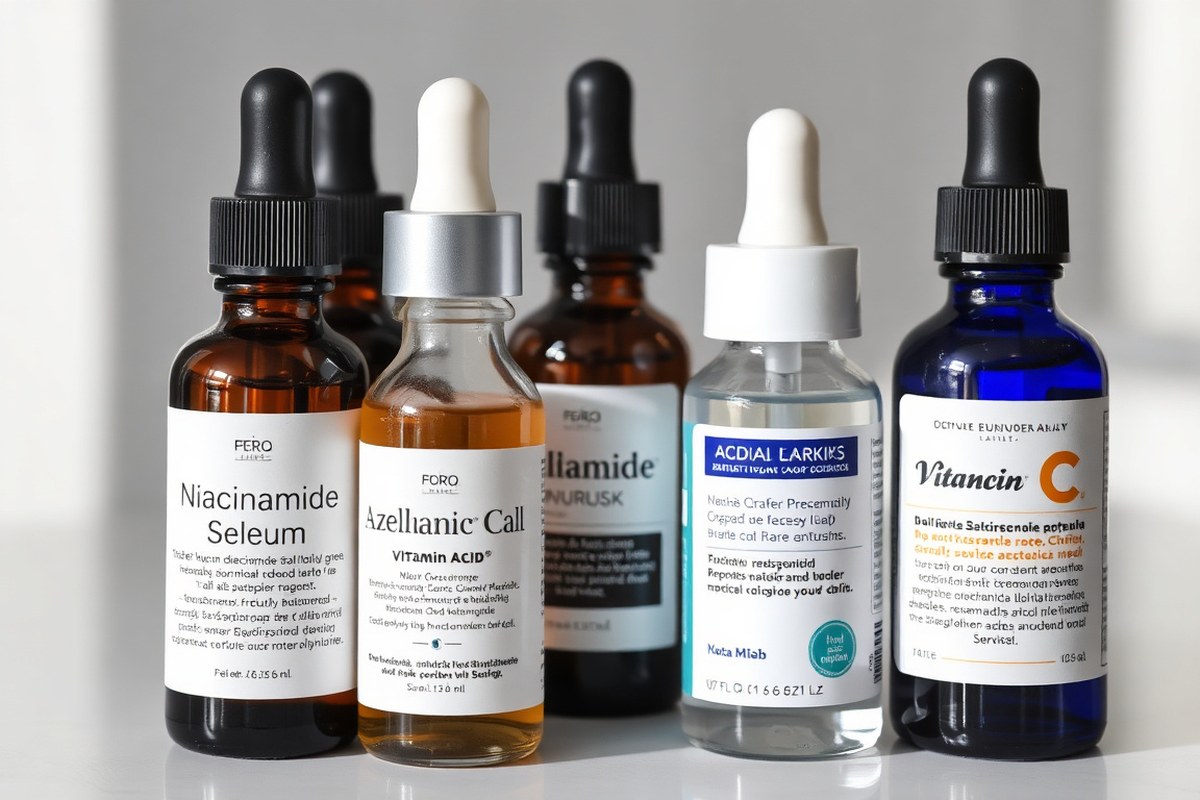
Several topical ingredients can safely lighten dark marks on your underarms by addressing pigmentation directly or improving skin texture. Key actives include natural acids, antioxidants, and mild exfoliants that remove dead skin buildup and reduce discoloration. Careful incorporation into your skincare routine helps maximize results while minimizing irritation on this sensitive area. The table below summarizes common ingredients, how they work, and tips for use:
| Ingredient | How It Works | Usage Tips | Skin Compatibility |
|---|---|---|---|
| Lemon Juice | Contains citric acid that exfoliates and lightens skin by removing dead cells | Apply gently with a thick slice for 5, 10 minutes; rinse with cool water; avoid daily use | Suits normal/oily skin, avoid if sensitive or broken skin |
| Turmeric | Rich in antioxidants that reduce pigmentation and brighten skin tone | Mix with water or honey into a paste; apply 10, 15 minutes before rinsing; 2, 3 times weekly | Suitable for most skin types; may stain clothes temporarily |
| Apple Cider Vinegar (ACV) | Mild acids help remove dead skin cells and lighten dark patches gently | Dilute with water (1:1 ratio); apply with cotton ball; limit to every other day to prevent irritation | Better for tolerant skin; do a patch test first |
| Brown Sugar & Olive Oil Scrub | Physical exfoliant that smooths and removes dead skin, while olive oil moisturizes | Massage scrub gently for 10, 15 minutes; rinse thoroughly; use 1, 2 times weekly | Good for dry to normal skin; avoid over-scrubbing sensitive areas |
| Fragrance-Free Moisturizers or Serums | Soothes and hydrates, reducing friction that worsens dark patches | Apply daily post-cleansing; choose products without alcohol or irritants | Ideal for all skin types, especially sensitive |
To incorporate these safely, start by applying the chosen product once or twice a week. Monitor your underarm skin for redness, stinging, or dryness. Increase frequency gradually as tolerated without irritation. Avoid using harsh chemicals or alcohol-based products, as they can worsen the darkening through irritation or burns. Consistency is key, lightening underarm marks can take several weeks, even months, to show visible improvement.
Always perform a patch test on a small underarm area before regular use to prevent unwanted irritation or allergic reactions.
Dark underarms often result from dead skin cells and constant friction. Exfoliating with gentle acids or scrubs effectively removes this buildup while antioxidant-rich ingredients like turmeric improve skin brightness. Follow exfoliation with soothing moisturizers to maintain the skin barrier. This routine helps diminish discoloration safely without aggressive treatments. Remember, avoid layering multiple active brightening ingredients simultaneously, especially on sensitive skin. Choose one effective ingredient and give it time to work.
3. How Hair Removal Methods Affect Underarm Darkness
Shaving can contribute to dark underarms mainly due to the irritation it causes. Razors can create tiny cuts or cause friction, leading to inflammation and eventually darkening of the skin. Frequent shaving or using dull blades worsens this effect. Avoid shaving every day if you want to reduce dark marks, and always use a moisturizing shaving cream or gel to protect your skin during the process.
Waxing pulls hair from the root, which can be less irritating than shaving when done properly. Waxing removes dead skin cells along with hair, potentially lightening the underarm area over time. However, waxing too often or improperly can cause redness or sensitivity, which might worsen pigmentation. Allow at least four weeks between waxing sessions and apply a soothing, fragrance-free moisturizer afterward to calm the skin.
Laser hair removal offers the most effective long-term solution for dark underarm marks among hair removal methods. By targeting hair follicles, it reduces hair growth and the need for shaving or waxing, lowering the risk of irritation-related pigmentation. Many users see a noticeable improvement in both hair density and skin tone after multiple sessions, usually spaced 4 to 6 weeks apart, with costs varying widely but often ranging from $150 to $300 per session.
To care for your underarms after removing hair, begin by washing gently with a mild soap that lacks fragrance. Apply a hypoallergenic moisturizer to soothe the skin and minimize rubbing. Stay away from deodorants containing alcohol or strong scents for at least a day afterward, especially on sensitive skin. When shaving, use a fresh razor and shave along the direction of hair growth to prevent irritation.
Shaving may cause darkening even with careful methods, so trying waxing or laser hair removal might reduce extra pigmentation. Waxing takes some time and practice but avoids cuts that razors cause. Laser treatments should be done by a professional, particularly for darker skin, since improper settings can worsen marks. Always consult a licensed dermatologist or technician before using laser hair removal.
Dark underarms caused by hair removal methods often improve with consistent, gentle care. Reducing the frequency of shaving and integrating moisturizers or anti-inflammatory products can minimize irritation. Waxing and laser hair removal generally offer better results for preventing dark marks if performed correctly. Still, patience is necessary, and ongoing maintenance treatments might be needed to keep skin tone even and reduce hair regrowth safely.
4. Lifestyle Changes to Prevent and Reduce Underarm Darkness
Deodorants can contribute to dark underarms because many contain aluminum-based compounds and other chemicals that may irritate the sensitive skin, leading to post‑inflammatory hyperpigmentation. Choosing aluminum-free deodorants with gentle, skin-brightening ingredients like niacinamide or mandelic acid can help reduce darkness while controlling odor. Make sure to switch products gradually and monitor your skin’s reaction for about 2 to 4 weeks to see any improvement or irritation.
Good hygiene practices are essential for preventing dark marks and maintaining even skin tone under your arms. Gently cleanse your underarms daily with a mild soap or cleanser to remove sweat and bacteria without stripping moisture or causing irritation. Avoid excessive scrubbing, which can worsen pigmentation. After washing, pat skin dry completely before applying deodorant or moisturizers. Applying a lightweight, fragrance-free moisturizer daily can also protect and soothe skin, reducing darkening caused by dryness or friction.
- Use aluminum-free deodorants with skin-brightening ingredients.
- Wash underarms daily with mild soap and lukewarm water (around 90°F).
- Pat dry gently; avoid rubbing or harsh exfoliation.
- Apply a fragrance-free moisturizer to keep skin hydrated.
- Wear loose-fitting clothing made from breathable materials like cotton or bamboo.
- Avoid tight clothing or synthetic fabrics that cause friction and trap sweat.
- Limit shaving frequency and try alternative hair removal methods to reduce irritation.
Friction from clothing worsens dark underarm marks by irritating skin and causing inflammation. Wearing loose-fitting shirts made from natural fibers such as cotton or bamboo helps reduce friction and keeps the area ventilated, lowering sweat accumulation. Avoid synthetic fabrics like polyester and nylon, which trap heat and moisture, increasing irritation risk. If tight clothes are unavoidable during workouts or professional settings, opt for moisture-wicking fabrics that minimize heat buildup. Changing clothes promptly after sweating and washing them regularly prevents bacteria growth that may worsen pigmentation.
5. Medical Conditions Linked to Persistent Dark Underarms
Dark marks under your arms often come from harmless causes, but some medical conditions can be behind persistent darkening. Acanthosis nigricans is the most common medical reason. It causes the skin in folds, like your underarms, neck, and groin, to become darker, thicker, and take on a velvety texture. This change happens due to improve insulin levels or hormonal imbalances, which means it sometimes signals health issues such as diabetes, polycystic ovary syndrome (PCOS), or thyroid problems.
Look beyond the dark marks to spot warning signs. Acanthosis nigricans usually shows patches of skin that are not only darker but may feel thicker or velvety. The dark areas often appear symmetrically on both underarms and sometimes extend to the neck or other body folds. If you notice rapid onset, significant thickening, or widening of these dark patches, or if you have other symptoms like unexplained weight gain, excessive hair growth, or fatigue, it’s time to seek medical advice. These signs can point to underlying hormonal or metabolic issues that need evaluation.
A simple rule to decide if you need a doctor’s visit: if your underarm darkening is persistent and accompanied by texture changes, such as thickening or a velvety feel, or occurs alongside symptoms like increased thirst, frequent urination, or weight changes, schedule an appointment. Your healthcare provider can order blood tests, including fasting glucose and hormone panels, to check for conditions like insulin resistance or thyroid dysfunction. Early diagnosis helps manage these conditions and may improve skin appearance naturally.
The cost for medical evaluation varies based on location and insurance but expect basic lab work to range between $50 and $150 without insurance. Managing the root cause, such as controlling blood sugar in diabetes, can reduce skin darkening over time. Treating acanthosis nigricans medically often requires addressing the underlying condition first; topical treatments alone usually don’t fix it for good.
Some people naturally have darker skin and may be more prone to acanthosis nigricans. It’s not a health emergency but requires attention if the symptoms worsen or new problems emerge. Other potential causes include hormonal treatments, oral contraceptives, or rare disorders affecting the adrenal or pituitary glands. Your doctor can help determine the cause and what treatments fit your situation best.
Seek medical care promptly if dark underarm patches thicken, spread rapidly, or come with symptoms like excessive thirst or fatigue, as these may indicate serious underlying health issues.
6. When to Consult a Dermatologist for Dark Underarms
Seek a dermatologist’s advice if your dark underarms are severe, persistent, or worsen despite home care. Particularly consider professional evaluation if the darkness covers large areas, has a velvety or thickened texture, or is accompanied by itching, pain, or swelling. Darkening linked to sudden hormonal changes, recurrent irritation, or infection also warrants prompt medical attention. This helps rule out underlying conditions like acanthosis nigricans or fungal infections that may require targeted treatments.
Once you consult a dermatologist, expect a careful assessment of your skin and history. They may perform a skin biopsy or recommend blood tests to identify causes. Professional treatments include topical prescription creams with ingredients like hydroquinone or tretinoin, chemical peels using agents such as glycolic acid or salicylic acid, and laser therapies designed to break up pigmentation. These options vary in cost, starting from approximately $200 for peels to $400 or more per laser session. Here is a checklist to help you decide when to see a dermatologist for dark underarms:
- Darkness persists more than 8 weeks despite home remedies
- Area of pigmentation is larger than 2 inches across
- Skin shows thickening or velvety texture changes
- Associated symptoms like itching, pain, or odor occur
- Darkening follows hormonal shifts, such as pregnancy or new medications
- Previous treatments cause irritation or worsen discoloration
- Appearance causes significant self-consciousness or lifestyle impact
Professional treatments tend to act faster than natural remedies, often showing improvement within 4 to 6 weeks. Laser options offer precise pigment targeting with minimal downtime but may need multiple sessions for optimal results. Chemical peels remove superficial pigmented layers, promoting renewal but can cause temporary redness or sensitivity. Prescription creams work gradually and require consistent application as per dermatologist guidance. Risks include irritation, uneven lightening, or rarely, scarring if improperly applied.
Discuss the benefits and risks of each option with your dermatologist to choose a personalized plan. Their expertise ensures safer use of treatments like hydroquinone creams and controlled laser procedures. They also monitor your progress to adjust therapy or address side effects. This professional support helps achieve smoother, brighter underarms with less guesswork and risk.
7. Professional Treatments: Laser, Chemical Peels, and Beyond
Professional treatments like laser therapy, chemical peels, and microneedling offer targeted ways to lighten dark underarm marks. These options work by removing pigmented skin layers or breaking down excess melanin. Their safety and downtime vary, and multiple sessions are typically needed for noticeable results.
Laser Therapy Benefits and Considerations
Laser treatment reduces pigmentation in the underarm by using precision laser energy to break down excess melanin. The process targets discoloration without damaging surrounding tissue. You can expect a series of sessions, often between three and six spaced several weeks apart, to gradually lighten the skin tone.
This approach is effective for lasting results but requires a professional evaluation first due to the thin, sensitive nature of underarm skin. Some redness and mild irritation may occur immediately after treatment, but downtime is usually minimal. People with sensitive or melanin-rich skin should proceed cautiously and consult a dermatologist to avoid worsening pigmentation. Laser therapy can also indirectly help by reducing excessive sweating with Botox injections, preventing further irritation caused by moisture and friction in the area.
Chemical Peel Types for Pigmentation
Chemical peels use acids like retinol, glycolic acid, lactic acid, or trichloroacetic acid to remove the top layers of skin. This exfoliation eliminates dead skin cells and promotes the renewal of fresh skin, exposing a more radiant layer with less discoloration. The choice of acid depends on your skin type and how dark the marks are.
Peels can be milder or more intensive; lighter peels might cause little to no downtime, while stronger peels could lead to redness, peeling, and sensitivity for several days. Sessions are typically spaced a few weeks apart, with visible improvement seen after three to five treatments. A professional will customize the peel strength to reduce irritation risk, especially for sensitive underarm skin.
Microneedling and Other Emerging Options
Microneedling uses tiny needles to create controlled micro-injuries in the skin. This stimulates collagen production and improves skin texture along with pigmentation. Though newer for underarm discoloration, microneedling can gently exfoliate and rejuvenate the skin without aggressive chemical exposure.
This treatment usually requires multiple sessions (around four to six) to see noticeable brightening effects. Minor redness and swelling may last a day or two, but overall downtime is short. Dermatologists may combine microneedling with topical treatments for improve results, particularly if you have sensitive skin. The following table summarizes key aspects of these treatments, including how they work, session requirements, and safety considerations:
| Treatment | Mechanism | Session Count for Results | Downtime | Safety Notes |
|---|---|---|---|---|
| Laser Therapy | Breaks down excess melanin; targets pigmentation | 3, 6 sessions, spaced weeks apart | Minimal; mild redness or irritation | Requires dermatological evaluation; caution with sensitive or dark skin tones |
| Chemical Peels | Exfoliates dead skin; promotes new cell growth | 3, 5 sessions, spaced weeks apart | Varies based on peel strength; from none to several days of peeling | Customized strength needed to avoid irritation on thin, sensitive skin |
| Microneedling | Stimulates collagen; improves texture and pigmentation | 4, 6 sessions | Minor redness, usually 1, 2 days | Safe for sensitive skin; professional guidance recommended |
Choosing the right treatment depends on your skin type, pigmentation cause, and how sensitive your underarms are. Consulting a dermatologist first ensures safer results with tailored options. Professional supervision can help minimize side effects and manage healing, speeding up recovery and improving effectiveness.
8. How Long Does It Take to See Results and What to Expect
Visible lightening of dark underarm marks varies depending on your treatment choice. Home remedies demand consistent use over several weeks for gradual improvement, while professional treatments typically show faster results after a few sessions. Monitoring skin changes closely helps determine whether to continue, adjust, or combine methods for best outcomes.
Expected Timeline for Home Remedies
Natural remedies like aloe vera, lemon juice, and turmeric usually require at least 6 to 12 weeks of daily, gentle application before noticeable lightening occurs. Consistency matters because these treatments work by gradually reducing pigmentation and soothing inflammation without harsh chemicals. Applying remedies twice a day after cleansing your underarms is recommended for steady progress. Patience is key since immediate results are unlikely and overuse of acidic ingredients can cause irritation or worsen darkness.
Expect small signs of change such as reduced darkness intensity or smoother skin texture starting around the fourth week. Maintaining hygiene and avoiding irritants like shaving cuts or strong deodorants support the remedy’s action. After 12 weeks without improvement, think about adding targeted topical ingredients to your home remedy or getting professional advice.
Professional Treatment Result Timelines
Professional options such as laser therapy or chemical peels generally produce visible improvement faster, often within 4 to 6 sessions spaced 3 to 4 weeks apart. Each session targets darker pigmentation with stronger, controlled methods that promote skin renewal and collagen stimulation. You might notice the skin appears fresher and lighter after just one or two treatments, but full benefits usually require the complete course recommended by your dermatologist.
Costs and downtime vary by treatment. Laser treatments can cost between $200 and $500 per session and might cause temporary redness or sensitivity. Chemical peels may involve mild peeling for days after each procedure. Discuss your skin sensitivity and expectations with your provider, as some people may need to combine sessions with topical brightening agents to maintain results.
Monitoring Progress and Adjustments
Tracking your underarm skin’s response includes taking photos every two weeks and noting changes in colour, texture, and sensitivity. Gentle cleansing and moisturizing routines should continue. Peeling, ongoing redness, or no lightening of dark marks after a few weeks means you should change your method. Switching to a gentler remedy, trying a different active ingredient, or consulting a dermatologist can prevent worsening.
Combining home remedies with professional treatments often improve results, but avoid mixing harsh chemicals without guidance. Consult a healthcare professional if your underarm darkening worsens suddenly, appears patchy, or is accompanied by itching or swelling, as these could indicate a medical condition.
Do not expect overnight results; consistent, gentle care over weeks is necessary to see real improvement without irritating your skin.
Step-by-Step Action Plan to Lighten Dark Underarm Marks
Start addressing dark underarm marks carefully to see gradual improvement while protecting your skin.
- Before you start: Switch to gentle, fragrance-free deodorants and avoid shaving for a few days to reduce irritation.
- Week 1: Apply a topical product with gentle brightening ingredients like niacinamide or alpha arbutin once daily. Check for reduced redness or smoother texture.
- Week 2: Use natural remedies such as diluted lemon juice or aloe vera gel at night to support skin lightening, watching for any irritation or dryness.
- Week 3: Incorporate exfoliation twice a week with a mild scrub or chemical exfoliant containing lactic acid to remove dead skin cells and brighten the area.
- Week 4: Evaluate hair removal choices, prefer waxing or trimming instead of shaving, and notice if darkening slows or the skin feels less irritated.
- After 5 weeks: Monitor changes; if marks are stubborn or worsening, plan a dermatology consultation to explore medical treatments.
- Ongoing: Maintain lifestyle habits like wearing loose clothing, avoiding friction, and keeping the area dry to prevent further darkening.
Frequently Asked Questions
Can Dark Underarm Marks Disappear Completely with Home Treatment?
Dark underarm marks can often fade significantly with consistent home treatment, but complete disappearance varies by cause. Regular exfoliation and use of brightening ingredients help, yet persistent darkening from medical conditions might need professional care.
Is It Safe to Use Toothpaste on Dark Underarms to Lighten Them?
Some people use white toothpaste to lighten dark underarms, but safety isn’t guaranteed. Toothpaste may irritate sensitive skin, so it’s better to rely on skincare products made for underarms.
Do Deodorants Contribute to Dark Underarm Marks?
Certain deodorants with alcohol or harsh chemicals can irritate skin, potentially worsening dark underarm marks. Choosing gentle, fragrance-free deodorants reduces the risk of irritation and pigmentation.
Can Underarm Hair Thickness Cause Dark Marks?
Thick or dense underarm hair can make the skin appear darker, especially if hair follicles are clogged. Waxing, which removes hair at the root, may lighten the area compared to shaving.
Does Excessive Scrubbing Help Remove Dark Underarm Skin?
Excessive scrubbing can irritate the skin and worsen dark marks. Gentle exfoliation for 10 to 15 minutes with a mild paste is enough to remove dead cells without damaging skin.
How Does Diabetes Affect Dark Underarm Pigmentation?
Diabetes and insulin resistance increase the risk of dark underarms due to skin sensitivity and pigment changes. Managing blood sugar and consulting a doctor can help control pigmentation.
Key Points to Remember
Removing dark marks from your underarms requires consistent care and patience. Gentle products, thoughtful hair removal, and protective habits together help improve your skin’s tone safely. Start with a simple step like switching your deodorant today to protect your skin while you work toward brighter underarms.