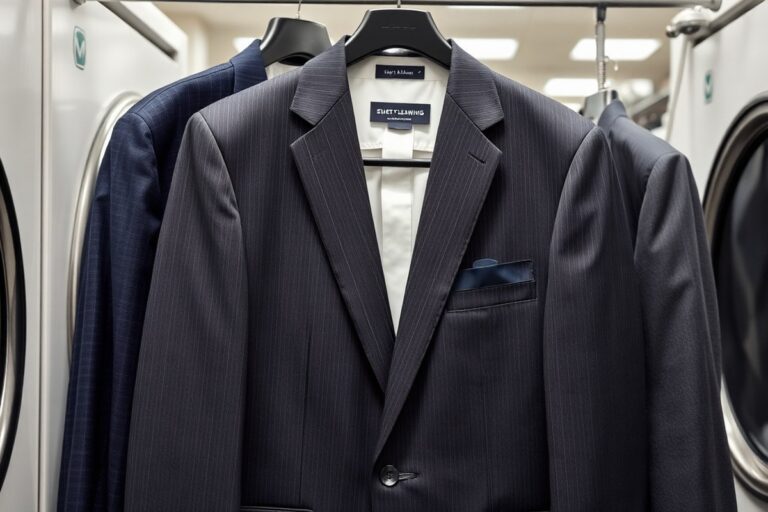
Does the Washer or Dryer Shrink Clothes? What Actually Causes Shrinkage and How to Prevent It
Both the washer and dryer can cause clothes to shrink, but the dryer usually leads to more noticeable shrinkage due to higher heat levels. Washers mostly cause minor shrinkage by exposing fabrics to water and agitation, but dryers use heat that makes natural fibers contract significantly. This article helps homeowners understand why shrinkage happens in each machine and how to protect their clothes.
This information targets anyone caring for fabrics prone to shrinking, such as cotton, wool, or silk. You’ll learn what causes shrinkage, which fabrics are most vulnerable, and practical steps to prevent or even reverse shrinkage at home.
Key Takeaways
- Cold water washing helps minimize shrinkage in natural fibers like cotton and wool.
- Dryers cause more shrinkage because heat between 140 and 180 °F contracts fibers rapidly.
- Pre-shrunk cotton shrinks less than untreated cotton but can still shrink slightly.
- Synthetic fibers rarely shrink below 90 °C but can deform at high dryer temperatures.
- Soaking shrunken clothes for 30 minutes can help relax fibers before reshaping.
- Gently squeezing excess water before laying clothes on a towel prevents further shrinkage.
Does Shrinking Occur More in the Washer or Dryer?

Clothes can shrink during washing or drying, but the dryer typically causes more shrinkage. This happens because heat and movement affect fabrics differently in each machine. Washing clothes in hot water and using strong agitation can cause fibers to contract slightly. Still, the shrinkage is usually smaller than the shrinkage caused by the heat of the dryer.
The dryer combines heat with tumbling action, creating a more aggressive environment for shrinking. High heat causes fibers to contract, while the tumbling shakes and compacts the fabric even more. For example, cotton or wool garments exposed to dryer temperatures above 130°F (54°C) can shrink noticeably faster and more permanently. Overdrying intensifies this effect, making the garment smaller than intended.
In contrast, the washer’s agitation can lead to some shrinkage, especially when paired with hot water cycles, but it usually won’t cause as much size change as the dryer. The absence of sustained heat during washing limits the amount that the fabric fibers contract. For fabrics sensitive to both heat and mechanical action, such as cotton and wool blends, skipping the hot water wash or using gentle agitation reduces the risk of shrinkage during the wash.
When deciding how to prevent shrinkage, consider the fabric type, wash temperature, and dryer settings. Using cold or warm water in the washer lowers the chance your clothes will tighten up. On the dryer side, lowering the heat and reducing tumble times helps preserve size. For example, a low-heat or air-dry cycle keeps fabrics from contracting too much. Avoiding overdrying by checking clothes for dryness earlier than usual can also prevent excessive shrinkage.
Both agitation and heat contribute to shrinking in laundry. The washer’s primary risk is mechanical agitation combined with hot water, while the dryer poses a higher risk because of its heat and tumbling. The dryer often results in more serious and lasting shrinkage for many fabrics, so careful drying choices help keep your clothes close to their original fit.
How Washing Machines Cause Clothes to Shrink

Clothes shrink in washers mainly due to a combination of heat, water, and mechanical action. High water temperature and strong agitation strain fibers, causing them to contract and tighten. Different fabrics react uniquely to these factors, so understanding their effects can help you avoid unwanted shrinkage.
Water Temperature Effects on Different Fabrics
Water temperature strongly influences whether clothes shrink during washing. Hot water contributes most to shrinking by relaxing fibers and allowing them to tighten as they dry. Natural fibers like cotton and wool are particularly vulnerable to shrinkage from washing in warm or hot water, while synthetic fibers tend to be more stable.
Cold water washing rarely causes shrinkage, so it’s safer for delicate or unknown fabrics. When in doubt, always opt for cold water to reduce the risk of damage or shrinkage. Fabric care labels often specify maximum wash temperatures for this reason, so following those instructions helps protect your clothes.
Agitation and Wash Cycle Roles
The agitation level during the wash cycle directly affects how fibers are handled. Stronger agitation, such as in heavy-duty or long cycles, stresses fabric by twisting and rubbing fibers. Over time, this mechanical action can cause natural fibers to lose their original shape and contract, leading to a smaller garment size.
Delicate cycles use gentler agitation and shorter wash times to reduce fiber stress and shrinkage risk. Overloading your machine also increases friction between clothes, which can intensify shrinking. For garments that may shrink easily, consider hand washing or use a gentle cycle with minimal agitation.
How Fiber Structure Reacts in Washers
Natural fibers like cotton, wool, and linen consist of protein or cellulose that absorb water and swell during washing. When exposed to heat and agitation, their molecular bonds loosen and then tighten again unevenly as they dry, causing shrinkage. Wool requires especially gentle handling; even moderate agitation can felt and shrink it.
Blended fabrics can shrink unpredictably because their fibers react differently to washing conditions. For example, a cotton-polyester blend may shrink less than pure cotton but is still vulnerable if washed hot or agitated harshly. Synthetic fibers such as polyester and nylon generally resist shrinking but can deform under extreme wash conditions. Follow these steps to minimize shrinkage risk in the washing machine:
- Check the garment’s care label for recommended water temperature and cycle type.
- Separate fabrics prone to shrinking from more stable materials.
- Choose cold water for washing delicate or poorly labeled items.
- Select a gentle or delicate cycle to reduce agitation and wash time.
- Avoid overloading the washer to prevent excessive friction among fabrics.
- Use mild detergent without excessive additives that might weaken fibers.
- Consider hand washing fragile items to eliminate spinning and agitation stress.
- Remove clothes promptly after washing to avoid prolonged dampness that can weaken fibers.
Never use hot water if the fabric label advises cold or warm washing; heat is the primary trigger for shrinking in most natural fibers.
Why the Dryer Causes More Dramatic Shrinkage
The dryer causes more dramatic shrinkage than the washer mainly due to its higher heat levels, continuous tumbling action, and the risk of overdrying. Heat in the dryer more aggressively contracts fabric fibers, while the tumbling physically compresses them further. Overdrying extends exposure to these factors, damaging fibers and increasing shrinkage.
Heat Level Ranges and Effects on Fabrics
Heat from the dryer typically ranges from about 120°F (50°C) on the low setting to 160°F (71°C) or more on high. Exposure to temperatures above 140°F (60°C) can cause natural fibers like cotton to contract permanently. This occurs because heat relaxes the stretched fibers, allowing them to revert to their original, smaller dimensions.
Lower heat settings reduce shrinkage risk but extend drying time. Some delicate fabrics or blends tolerate less heat and need air-dry or no-heat settings. For this reason, selecting an appropriate dryer setting tailored to the fabric content is essential. Fabrics with heavier weaves or tighter knits shrink less, but heat still affects them over longer exposure.
Impact of Tumble and Mechanical Action
The tumbling motion of a dryer moves clothes around constantly, causing fibers to rub and compress together. This mechanical action pushes fabric fibers closer as heat causes them to contract, intensifying the shrinkage effect beyond what heat alone would cause. For cotton garments, tumbling combined with heat can shrink fabric by three to five percent or more, depending on fabric weight and weave.
Textured or loosely woven materials tend to compact more under tumbling. Rougher tumbling motions, such as those in older or heavy-duty dryers, can increase the risk of shrinkage. Avoiding long tumble cycles can help preserve fabric size and shape.
Risks of Overdrying and Timing Tips
Overdrying is a common cause of excessive shrinkage. Leaving clothes in the dryer longer than needed exposes fibers to prolonged heat and mechanical stress, which damages and hardens fibers, making them contract more. Clothes removed while still slightly damp shrink less and experience less damage. To prevent overdrying, follow these recommended steps for drying shrink-prone clothing:
- Check the garment care label to identify drying temperature and timing guidance.
- Separate delicate or high-shrink fabrics from heavy or synthetic ones before drying.
- Use the lowest dryer heat setting appropriate for the fabric type.
- Opt for shorter drying cycles or use moisture sensor settings that stop the dryer when clothes are nearly dry.
- Remove clothes promptly at the end of the cycle to avoid sitting in residual heat.
- Lay or hang garments flat to finish drying when slightly damp to reduce fiber stress.
- Consider air drying for very shrink-prone items, especially cotton and wool blends, to eliminate dryer heat and tumbling effects.
Which Fabrics Are Most Prone to Shrink in Washer vs Dryer
Shrinkage in clothes depends largely on the type of fabric and the temperatures exposed during washing and drying. Natural fibers like cotton, wool, and linen are more vulnerable to shrinking when washed or dried at high temperatures. Wool can even shrink at cold washing temperatures as low as 30°C. In contrast, synthetic fabrics such as polyester and nylon typically resist shrinkage up to about 90°C, a temperature rarely reached in home laundering.
Washing machines set to 40°C or higher increase the risk of shrinkage for natural fibers unless the clothes are labeled as pre-shrunk. Tumble dryers, which can reach 70-75°C, are particularly risky for natural fabrics because these temperatures encourage the fibers to contract. Blended fabrics, which mix natural and synthetic materials, vary in shrinkage susceptibility but often shrink more than pure synthetic fabrics.
| Fabric Type | Shrinkage Risk in Washer | Shrinkage Risk in Dryer | Temperature Threshold for Shrinkage |
|---|---|---|---|
| Wool | High (even at 30°C) | High (at 70-75°C) | 30°C washing; 70-75°C drying |
| Cotton | Moderate to High (above 40°C) | High (at 70-75°C) | 40°C washing; 70-75°C drying |
| Silk | Moderate (above 40°C) | Moderate to High (at 70-75°C) | 40°C washing; 70-75°C drying |
| Linen | Moderate (above 40°C) | High (at 70-75°C) | 40°C washing; 70-75°C drying |
| Polyester | Low (resistant under normal conditions) | Low (resistant under normal conditions) | Up to 90°C required |
| Nylon | Low (resistant) | Low (resistant) | Up to 90°C required |
| Blended Fabrics | Variable (depends on natural fiber %) | Variable (depends on natural fiber %) | Varies |
Keeps in mind that blended fabrics require special attention since their shrinkage risk changes with the proportion of natural fibers they contain. To limit shrinkage, check the care labels closely and use lower temperature settings on both your washer and dryer. Also, washing shrink-prone fabrics separately from others helps avoid damaging less sensitive clothes due to fabric interactions during the wash or dry cycle.
Best Practices to Prevent Shrinking in the Washer
Preventing shrinkage in the washer mainly involves controlling water temperature, selecting the right wash cycle, managing load size, and sometimes resorting to hand washing. Using cold water on a gentle cycle and adjusting detergent amounts according to the load are practical steps that reduce fabric stress. Hand washing suits delicate fabrics, offering the greatest control to protect clothes from shrinking.
Choosing Suitable Water Temperatures
Cold water is the safest bet for most fabrics to keep shrinkage at bay. Washing with cold water, typically below 80°F (27°C), prevents fabric fibers from contracting as they do under heat stress. Using warm or hot water, especially above 104°F (40°C), increases the risk that fibers will tighten and shrink. For new clothes made from cotton or wool, cold water wash reduces the initial shrinkage that often occurs during the first few cycles.
Some specialty fabrics need more care. Wool items, for example, require low-temperature washing with detergents designed for wool to keep the fibers soft and avoid shrinkage. Checking clothes’ care labels ensures you select a temperature that matches the fabric’s needs.
Selecting Gentle Wash Cycles
Choosing a gentle or delicate wash cycle is key. These cycles use slower spin speeds and shorter agitation times, significantly lowering mechanical stress on fibers that leads to shrinkage. Avoid heavy-duty or bulky cycles for shrink-prone garments, as they expose fabric to excessive movement and heat.
Gentle cycles typically last less than 30 minutes and tumble clothes more softly. This preserves both the fabric’s shape and size. Quick or hand-wash cycles are even milder, combining low speeds and cool water, which further reduces shrink risk.
Managing Load Size and Detergent Use
Overloading the washer causes clothes to rub harshly against each other, increasing friction and fabric wear that can lead to shrinkage. Washing smaller loads allows garments to move freely and rinse thoroughly, promoting a gentler wash. For an average home washer, filling the drum about two-thirds full provides the best balance.
Detergent levels also affect shrinkage indirectly. Using too much detergent can leave residue, altering fabric texture and stiffness, which may lead to misshaping when drying. Use the detergent measurement recommended on the product for your load size and water hardness to avoid buildup.
- Fill the washer to no more than two-thirds capacity
- Use detergent amounts as per label instructions
- Choose detergents formulated for sensitive or delicate fabrics when possible
- Rinse thoroughly to remove detergent residues
- Sort clothes by fabric type and wash similar items together
Overloading the machine stresses fibers and can make shrinkage more likely, so avoid packing the drum too tightly.
Sorting clothes also matters: heavier fabrics like denim need different care than lightweight synthetics to reduce shrinkage.
When to Opt for Hand Washing
Hand washing is ideal for highly shrink-prone fabrics or garments with special finishes that could be damaged by machine agitation. It lets you control water temperature precisely, avoid twisting or wringing, and gently clean delicate materials.
Use cool or lukewarm water with a mild detergent designed for delicate fibers. Soak the item for just a few minutes, gently swish it through the water, then rinse thoroughly. Avoid scrubbing, and press water out gently instead of wringing. Lay garments flat to dry to maintain shape and prevent size loss.
How to Avoid Shrinkage When Using a Dryer
Using the dryer carefully can greatly reduce the chance your clothes will shrink. The key is controlling heat and drying time because intense heat and over-drying make fabric fibers contract, causing shrinkage. Choose dryer settings like “tumble dry low,” “air dry,” or “fluff” that use little or no heat. These settings dry your clothes gently and help preserve their original size.
Remove clothes from the dryer while they are still slightly damp to avoid overdrying. Clothes left in the dryer too long become brittle and more likely to shrink. You can finish drying by hanging clothes on a line or laying them flat indoors, which also helps retain their shape better than tumble drying alone. Lower heat combined with partial drying in the machine, followed by air drying, is particularly useful for natural fibers like cotton, which are prone to shrinkage.
- Set your dryer to low heat or no heat (air dry or fluff).
- Take clothes out while slightly damp, not bone dry.
- Lay delicate items flat to dry to keep their shape.
- Hang sturdier clothes on a drying rack or outside if possible.
- For 100% cotton, wash in cold water and air dry to minimize shrinkage.
- Avoid high heat settings which cause more fiber contraction.
- Use dryer balls to separate clothes and promote even air circulation.
Air drying is generally safer for avoiding shrinkage. Hanging clothes outdoors or indoors lets garments dry naturally without high heat. It also saves energy since dryers use a significant amount of electricity. Air drying is slower, typically taking a day or more depending on weather and humidity, but it’s the gentlest on fabrics. Use it especially for cotton, wool, and other natural fabrics that shrink easily in the dryer.
How to Safely Unshrink Your Clothes at Home
Shrinkage isn’t always permanent. You can often restore shrunken clothes by loosening the fibers through soaking and conditioning, followed by careful stretching and drying. This method works best on natural fibers like cotton and wool but may not fully reverse shrinkage in synthetic fabrics.
Gather these supplies before starting: lukewarm water, a mild hair conditioner or baby shampoo, a clean basin or sink, and a towel. The conditioner helps relax the fabric fibers, making them more pliable and easier to stretch. Avoid hot water because it can cause further shrinkage or damage. Follow these steps precisely for the best chance of restoring your garment to its original size:
- Fill a basin with lukewarm water. Use enough water to fully submerge the shrunken garment without overcrowding.
- Add 2 tablespoons of hair conditioner. Mix gently until it’s evenly distributed in the water. This softens the fibers.
- Soak the garment for 30 minutes. Let it lie flat without agitation to avoid stressing the fibers further.
- Gently squeeze excess water. Do not wring. Press the garment against the basin sides to remove water carefully.
- Lay the garment on a clean towel. Roll the towel and garment together and press lightly to absorb more moisture, making it easier to stretch.
- Stretch the garment back to size. Use your hands to gently pull it into its original dimensions. Focus on areas that shrank the most.
- Air dry flat, avoiding heat or direct sunlight. Placing a dry towel underneath can help maintain the stretched shape while drying.
Expect some improvement rather than a perfect return to original size. Fabrics affected by repeated heat exposure, especially in the dryer, might not fully recover. Avoid machine drying after this treatment, as heat can cause the fibers to tighten again. This approach costs minimal money and takes about an hour plus drying time, making it a practical option if you want to extend the life of your favorite clothes.
Common Shrinkage Mistakes and How to Fix Them
Shrinkage often happens because of simple mistakes in how you wash and dry your clothes. Using water that’s too hot or drying fabrics on high heat can cause fibers to tighten up and lose size. Even low or medium dryer heat can shrink sensitive fabrics. Over-drying clothes can make this worse by continuing to expose them to heat longer than necessary.
Another common error is leaving clothes to hang dry under their own weight, which causes stretching and then uneven shrinking as the fabric dries differently. Residues from fabric softeners or dryer sheets can also contribute to shrinkage by altering the fabric’s structure, especially in natural fibers like cotton and wool.
To avoid damage and shrinking, check all garment care labels and follow them closely. When choosing wash settings, use cold water or the gentle cycle for shrink-prone items. When drying, opt for the lowest heat setting or air dry flat on a clean surface. Avoid hanging heavy wet clothes to dry to stop stretching. Sticking to these habits helps maintain the size and shape of your clothes over time.
- Wash clothes in cold water or on a gentle cycle to reduce heat exposure.
- Use the dryer’s lowest heat setting or air dry flat to prevent fiber tightening.
- Never hang heavy wet garments, as weight pulls and stretches fabric.
- Skip fabric softeners and dryer sheets to avoid chemical residue buildup.
- Remove clothes promptly from the dryer to avoid over-drying shrinkage.
- Check care labels before washing or drying; following instructions matters most.
Fixing shrinkage after it happens can work by soaking shrunken items in lukewarm water with hair conditioner or baby shampoo. This relaxes fibers enough to gently stretch the fabric back to its original size. Don’t expect perfect restoration, but this method can improve fit for many cotton and wool clothes. The process requires letting clothes soak for about 30 minutes, carefully stretching them, then air drying flat.
Always follow the garment’s care label to prevent shrinkage, ignoring it is the single biggest mistake in laundry care.
Changing your laundry habits to avoid heat damage, mechanical stretching, and harsh chemicals helps keep clothes looking and fitting their best. It also cuts down on replacement costs by extending the life of your garments. Making these adjustments doesn’t take extra time but saves frustration over clothes that suddenly shrink or lose shape.
Step-by-Step Action Plan to Prevent Clothes Shrinkage
Follow these practical steps to minimize the risk of shrinking your clothes in the washer and dryer.
- Before Washing: Check fabric care labels for temperature and drying instructions to avoid surprises.
- Day 1: Use cold water cycles for washing; this reduces fiber contraction and preserves fabric size.
- Day 1: Choose gentle or delicate wash settings to limit agitation that can cause shrinkage.
- Day 1: Avoid overloading the washer to ensure clothes move freely and wash evenly without excess friction.
- Day 1: Skip the dryer when possible; air-dry your clothes flat or hang them to retain their original shape.
- After Washing: If you must use the dryer, select the lowest heat or no-heat setting and remove clothes while still slightly damp to prevent tightening.
- Weekly: Inspect clothes that are prone to shrinkage, such as cotton and wool, and adjust care routines as needed based on fabric response.
- Monthly: For shrunken items, use gentle stretching techniques on damp fabric to restore fit, avoiding harsh chemicals or heat.
Frequently Asked Questions
Can Shrinking Be Permanent After Washing or Drying?
Shrinking can be permanent if fabrics contract beyond their original size due to heat or agitation. Delicate fabrics may not return to their previous shape once shrunken.
Does Air-Drying Clothes Prevent Shrinkage Completely?
Air-drying reduces shrinkage risk since it avoids heat from dryers. However, some shrinkage can occur from water absorption and fabric tension during washing.
Can Fabric Softener Help Reduce Fabric Shrinkage?
Fabric softener doesn’t prevent shrinkage but can relax fibers to reduce stiffness. It mainly improves softness, not size retention during washing or drying.
Do High-Efficiency Washers Shrink Clothes More Than Traditional Washers?
High-efficiency washers use gentler cycles and less water, which may lessen shrinkage risk. However, hot water and prolonged agitation still cause shrinking.
Is Shrinkage More Common in New Clothes or After Repeated Washes?
Shrinkage often occurs more in new clothes during early washes, as fabrics settle and fibers contract. Repeated washing has less impact once fabric stabilizes.
Can Overloading the Washer or Dryer Increase Fabric Shrinkage?
Overloading limits proper rinsing and drying, causing uneven shrinkage or retaining damp spots that encourage fabric contraction in heat.
Before You Go
Most shrinking happens in the dryer due to heat causing fibers to contract quickly, while washers mainly contribute through agitation and hot water. Using cold water, gentle cycles, and air-drying are your best moves to keep clothes their original size. Start by checking labels carefully and adjusting your laundry routine today to protect your wardrobe from unexpected shrinkage.