What Is Laundry Stripping? A Complete Guide for Deep Cleaning Fabrics
Laundry stripping is a deep-cleaning process that removes built-up residue like detergent, fabric softeners, and minerals trapped in fabric fibers. It works by soaking heavily soiled laundry in a hot water solution containing agents such as washing soda, borax, and detergent to break down and release these residues. This method is ideal for fabrics that have lost their softness or smell musty despite regular washing.
This method suits anyone needing a thorough fabric refresh, especially for towels, sheets, and workout clothes. You’ll learn which fabrics can safely be stripped, the ingredients to use, and clear steps to get your laundry thoroughly clean and residue-free.
Key Takeaways
- Strip about 12 to 15 pounds of laundry per session to effectively remove residue buildup.
- Add 2 to 3 tablespoons of your laundry stripping agents and extra baking soda for every 5 gallons of water used.
- Use a large basin or bucket with at least 4 inches of hot water to soak your laundry during stripping.
- Allow your laundry to soak for 4 to 6 hours, stirring the water every hour to ensure effective residue removal.
- Test fabric residue by agitating the water; brown discoloration signals heavy buildup needing stripping.
- Combine washing soda, borax, and a regular detergent pod for a powerful stripping solution in your soaking water.
What Is Laundry Stripping and How It Works
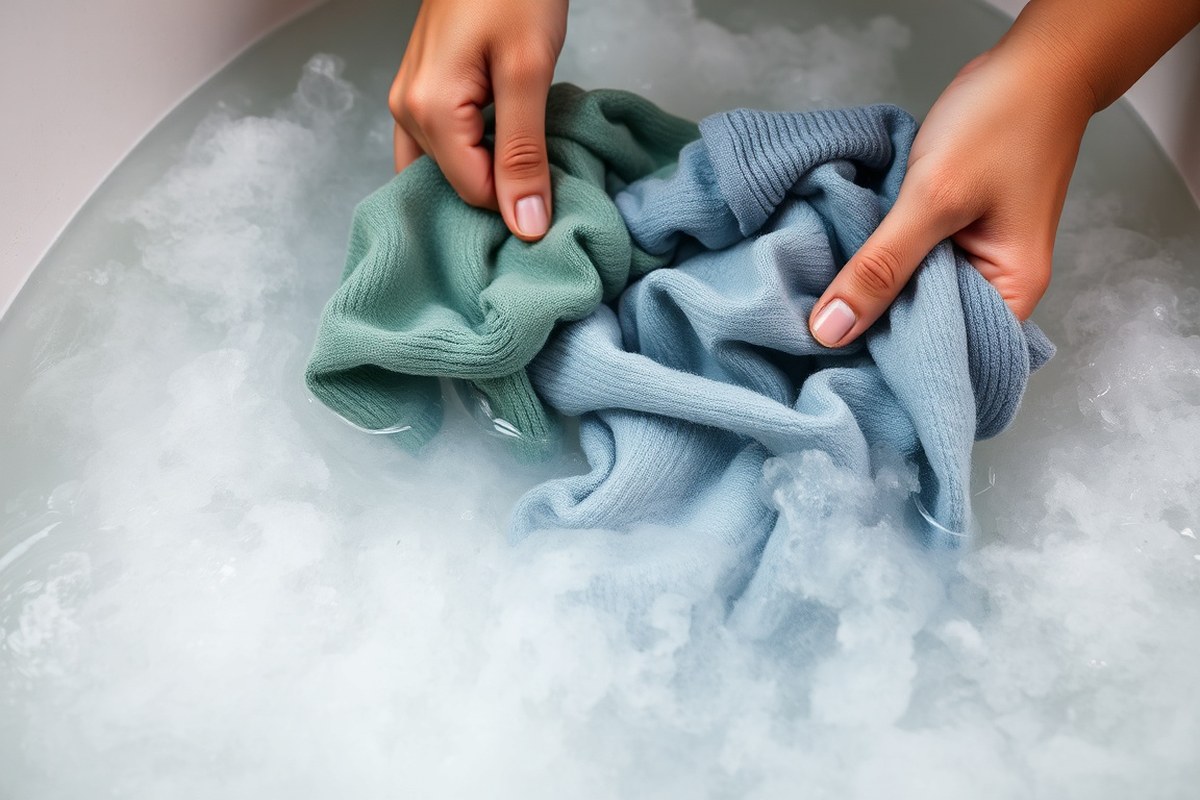
Laundry stripping is a deep-cleaning process designed to remove layers of residues that normal washing doesn’t fully eliminate. Over time, detergents, fabric softeners, body oils, minerals from hard water, and dirt can build up in fabric fibers. This residue dulls colors, reduces absorbency, and traps odors. Laundry stripping works by soaking items in a hot water solution combined with specific cleaning agents to break down and lift out these deposits.
The process involves filling a basin or tub with at least 4 inches of hot water, typically around 130 to 140 degrees Fahrenheit, which helps dissolve residues more effectively. Cleaning agents like washing soda, Borax, and detergent are added in measured amounts, roughly 2 to 3 tablespoons each per 5 gallons of water, sometimes with extra baking soda to boost cleaning power. When fabrics soak in this mixture for several hours, often with occasional stirring, the chemicals work to loosen built-up grime embedded deeply in the fibers.
Residues that laundry stripping removes are mainly leftover detergent and softener that don’t rinse out during a usual wash, along with body oils and minerals that can accumulate from repeated laundering. These residues make towels, sheets, and similar household textiles lose their softness and absorbency. You may notice dark, cloudy water during the soak, which signals that residues and sometimes dye from the fabric itself are being released. This dark discharge means the process is successful in drawing out unwanted materials.
This method is most effective on sturdy, light-colored fabrics such as towels, bedding, and bathrobes, which can tolerate hot water without damage. Laundry stripping clears out the build-up that causes musty smells to linger even after cleaning. The result is refreshed fabric with restored brightness and absorbency. Despite its benefits, laundry stripping can be harsh on fabric fibers if done too often or on delicate items, so it’s best reserved for occasional deep cleaning sessions.
Preparation for laundry stripping includes ensuring your washing basin is clean and free of soap residue to prevent interference with the stripping mix. Typically, the load for stripping is moderate, about 12 to 15 pounds of fabric per soak, to allow space for effective soaking and agitation. Since hot water temperature and soaking time are essential, fabrics that cannot handle heat should be excluded from this process to avoid damage. Following these steps helps ensure that laundry stripping successfully removes the stubborn residues that standard washing misses.
Which Fabrics and Items Are Safe to Strip

Not all fabrics are safe to strip. Laundry stripping involves soaking items in hot water with detergents or additives to remove deep-seated residues like oils, minerals, and fabric softener buildup. This deep cleaning can weaken delicate fibers or cause colors to fade. Materials such as cotton towels and white bed linens respond well because they are durable and often accumulate organic residues that benefit from stripping.
Some fabric types and items should be avoided to prevent damage. Stripping is unsafe for dark-colored clothes as hot water and stripping agents can cause fading or color bleeding. Workout clothes made from performance fabrics with moisture-wicking properties may lose effectiveness if stripped frequently. Wool and other natural fibers are vulnerable to weakening and wear from the stripping process due to their delicate structure. Here is a checklist for fabrics and items safe for laundry stripping:
- White or light-colored cotton towels and washcloths
- Organic and durable bed linens such as cotton or linen
- Light-colored cotton T-shirts or underwear heavily soiled with oils
- Items without embellishments or delicate stitching
- Clothes with visible buildup or stiffness from detergent residues
- Items that have become dingy or lose fluffiness over time
- Items that tolerate hot water washing according to care labels
Stripping colored clothes can be risky. Hot water and strong detergents might cause uneven color loss or fading. To minimize this risk, select only colorfast, sturdy fabrics, test a small hidden area first, and separate darker garments. Using cooler water or shorter soak times provides some protection but reduces stripping effectiveness.
Only strip laundry when necessary, frequent stripping or doing it on sensitive fabrics will accelerate wear and could ruin clothes.
To protect your garments, always read care labels to confirm temperature and washing guidelines. Stick to stripping tough, light fabrics intended for hot water, such as cotton towels. Avoid delicate or specialty fabrics that can lose strength or finish. You can usually tell if stripping is needed by testing in a small section: if residue appears quickly upon stirring, a strip wash may restore softness and freshness.
Ingredients and DIY Recipes for Laundry Stripping
Hot water combined with Borax, washing soda, and powdered laundry detergent forms the basis for stripping laundry. These ingredients help dissolve and wash away accumulated residues such as detergent buildup, fabric softener films, and hard water minerals. Usually, use a mixture with equal parts Borax and washing soda, plus double that amount of powdered detergent. For instance, in a hot water-filled tub, ⅓ cup each of Borax and washing soda along with one detergent pod makes a powerful stripping mix.
Borax and washing soda serve different but complementary roles. Borax helps to soften the water and neutralize odors, making it excellent for eliminating musty smells from towels or heavy fabrics. Washing soda is a stronger alkaline substance that lifts grime and neutralizes acids in stains, which makes it very effective at restoring whiteness and brightening colors. Washing soda is generally considered more powerful than baking soda, which is sometimes suggested as a gentler alternative but lacks the same cleaning strength for laundry stripping.
You can strip laundry without Borax by substituting it with a natural acid like white vinegar, using around ¼ cup per load. Vinegar acts as a fabric softener and helps to dissolve mineral buildup without harsh chemicals. However, this variation may not remove residues as deeply as the traditional Borax and washing soda combo.
Eco-friendly options rely on such substitutes as washing soda or vinegar along with natural detergents. Some people add liquid castile soap or baking soda, but these alone are less effective as stripping agents compared to washing soda’s higher alkalinity. Washing soda remains a good choice as it’s derived from naturally occurring minerals and is biodegradable. The following table summarizes common laundry stripping ingredients, their typical amounts for a standard batch, and their roles:
| Ingredient | Typical Amount | Purpose | Notes |
|---|---|---|---|
| Borax | ⅓ cup | Water softener and odor neutralizer | Can be substituted with ¼ cup vinegar for Borax-free stripping |
| Washing Soda | ⅓ cup | Lifts grime and neutralizes acids | Stronger cleaning agent than baking soda |
| Powdered Laundry Detergent | 1 laundry pod or ½ cup powder | Breaks down oils and dirt | Use a heavy-duty detergent for best results |
| Hot Water | Enough to fill tub or washer | Activates cleaning agents and loosens residue | Water temperature ideally near 130-140°F (54-60°C) |
| Vinegar (optional) | ¼ cup | Dissolves mineral build-up when used instead of Borax | Natural acid alternative for sensitive skin or eco preferences |
This mixture is usually combined in a bathtub, basin, or washing machine tub filled with hot water. Stir the ingredients to dissolve them evenly before soaking your laundry for a few hours. Check that all powders dissolve thoroughly to avoid residue on fabrics. While Borax and washing soda form the backbone of the traditional recipe, adding or substituting small amounts of vinegar can reduce chemical usage and suit sensitive skin needs.
How to Strip Laundry: Step-by-Step Instructions
Laundry stripping requires soaking your clothes in a hot, alkaline solution to remove built-up residues. The process generally takes about 5 to 6 hours of soaking in water heated to around 140°F to 160°F, with stirring at regular intervals. Proper rinsing afterward is essential to remove all loosened residues.
Preparing the Soaking Solution
Start by filling a large tub or basin with about 5 gallons of very hot water, ideally between 140°F and 160°F. Using water in this temperature range helps break down detergent buildup and fabric softener residues effectively. Add 2 to 3 tablespoons each of washing soda (sodium carbonate) and Borax, plus a few tablespoons of a heavy-duty detergent, to create an alkaline solution that lifts away grime and minerals.
Stir the solution well to ensure all powders are dissolved before adding your laundry. For best results, use a clean tub or basin to avoid introducing additional dirt or residues during soaking.
Soaking and Stirring Schedule
Submerge the clean laundry items fully in the prepared soaking solution. Avoid delicate fabrics that require cold water washes, as hot water can damage them. Let the laundry soak for 5 to 6 hours. Stir the clothes and solution gently every hour to promote even exposure and help loosen stuck-on buildup.
Be aware that washing machines are generally not designed to maintain water temperature or hold laundry in soak for hours. Using a large basin or bathtub allows you to keep the water hot and perform manual stirring as needed. Stirring on the hour is sufficient; more frequent stirring won’t improve results significantly and can cause fabric wear.
Rinsing and Final Washing
After the soaking period, drain the alkaline solution carefully. Rinse the clothes thoroughly in fresh water multiple times until the water runs clear and all residues have washed away. This step prevents any leftover stripping solution from irritating your skin or damaging fabrics.
Follow rinsing with a standard washing cycle using your regular detergent and water temperature suited to the fabric type. This final wash completes the process, removing any last traces of loosened detergent or minerals and leaving your laundry effectively refreshed.
- Fill a clean tub or large basin with 5 gallons of very hot water (140°F to 160°F).
- Add 2 to 3 tablespoons each of washing soda and Borax, plus a few tablespoons of heavy-duty detergent; stir until dissolved.
- Submerge the laundry fully in the solution, avoiding delicates.
- Let soak for 5 to 6 hours, stirring gently every 60 minutes.
- Drain the soaking water carefully and rinse the clothes thoroughly in fresh water until clear.
- Run a normal wash cycle on the rinsed laundry with detergent appropriate for the fabric.
Can I Use My Washing Machine for Laundry Stripping?
Using your washing machine for laundry stripping can be effective, especially with top-loading models that allow you to control water temperature and agitation. It saves time compared to soaking laundry in a bathtub and uses your machine’s powerful cleaning action. However, you must select proper settings and fabrics to avoid damage to clothes or your washer.
Washing Machine Method Benefits and Drawbacks
One main benefit of using a washing machine for stripping is convenience. The machine combines soaking and agitation, speeding up the process and reducing physical effort. You can typically handle larger loads than a bathtub and avoid bending over to fill and drain water. Because stripping uses a mix of hot water, detergent, and laundry booster agents, the washing machine’s cycle supports thorough residue removal that refreshes fabrics.
On the downside, laundry stripping in a machine often uses long cycles and hotter water, which may stress delicate or loosely woven items. Prolonged exposure to alkaline or bleaches added during stripping runs some risk of weakening fiber strength or fading colors. Also, the heavy build-up released from clothes can clog machine seals, filters, or pump parts if residues are excessive. Finally, this method usually consumes more water and energy than regular cleaning, raising environmental concerns.
Recommended Settings and Precautions
Choose the hottest water temperature safe for your garment labels, often “hot” or around 130-140°F, as heat activates the stripping agents. A top-loading washer works best because you can interrupt and soak clothes before agitation if desired. Use a long wash cycle to allow enough soaking time, around 60 to 90 minutes, which improves residue loosening. Add about 1/4 cup of laundry detergent, 1/4 cup of washing soda, and 1/2 cup borax or an equivalent stripping agent before filling the tub.
Keep an eye on the process to avoid over-soaking delicate fabrics or synthetic blends. After stripping, rinse thoroughly with cold water to remove any leftover chemicals that could irritate skin or degrade fabric. Running an empty rinse cycle immediately after stripping helps clean your washing machine of residues. Always check your washer’s manual for any warnings about hot water use or chemical interactions. Avoid combining heavily soiled items with lightly soiled ones to prevent residue transfer.
Stop the cycle after soaking if possible, then manually agitate clothes for better residue release without overworking fabric or machine parts.
When to Avoid Machine Stripping
Do not use your washing machine for stripping delicate fabrics like silk, cashmere, or lace, as prolonged exposure to hot water and detergents can cause shrinkage or fiber damage. Avoid stripping clothes with embellishments, elastic trims, or anything labeled “hand wash only.” Those items risk fading, bleeding, or deformation.
Refrain from frequent stripping, as it can degrade fabrics faster than regular washing. Reserve machine stripping for very heavily soiled loads, towels, or bedding that accumulate oils, detergent buildup, or minerals over time. Also, if your washer has electronic controls susceptible to chemical corrosion, repeated exposure to stripping agents might reduce its lifespan. Using a bathtub or a separate soaking container is safer when the fabric or machine might be vulnerable.
When and How Often Should You Strip Laundry?
Strip laundry only when you notice persistent issues that regular washing does not fix. This method is best for heavily used textiles like towels, bedding, or gym clothes that have built up residues of detergent, fabric softener, sweat, and minerals over time. Signs indicating the need for laundry stripping include a musty or sour smell, reduced absorbency of towels, dingy or gray fabric appearance, rough or stiff texture, and visible residue on laundry. These symptoms show that residue has accumulated to a degree regular washing cannot remove.
Because laundry stripping uses harsh chemicals and hot water for several hours, it can weaken fabric fibers if done too frequently. For most household items, stripping every 3 to 4 months is enough to maintain freshness and softness. Frequently stripping fabrics can cause them to degrade faster, making them wear out prematurely. Avoid stripping delicate fabrics or clothing that the method could damage. Assess your laundry’s condition using this checklist before deciding to strip:
- Musty or sour odor that doesn’t wash out
- Reduced towel absorbency or stiffness
- Dull or darkened color compared to new fabric
- Visible sticky or filmy buildup after washing
- Rough texture, indicating residue or buildup
- Items heavily exposed to sweat, oils, or hard water
To perform laundry stripping safely, soak fabrics for several hours in a hot water solution that breaks down residue, using ingredients like washing soda, borax, and detergent. Follow specific soaking times and water temperatures outlined in your chosen recipe to avoid damage. Waiting for these signs before stripping prevents unnecessary wear, conserves water and cleaning agents, and prolongs fabric life.
This approach balances the effectiveness of stripping with the risk of fabric damage. If your laundry looks clean, smells fresh, and feels soft, routine washing with appropriate detergents is usually sufficient. Use laundry stripping only as a targeted treatment for deeply embedded buildup or stubborn odors, rather than as a frequent maintenance step.
Understanding the Residue Removed and Results to Expect
Laundry stripping targets the buildup of residue left behind on fabrics that normal washing can’t fully remove. This residue includes trapped minerals from hard water, soap scum, body oils, grease, and leftover laundry detergent. Over time, these deposits accumulate on your clothes, towels, and bedding, causing stiffness, discoloration, and even unpleasant odors. Laundry stripping aims to dissolve and loosen this embedded grime, restoring the fabric’s softness and freshness.
The brown or cloudy water you see during laundry stripping often surprises people. It’s not all dirt or soil from the fabric but mostly the dissolved buildup of minerals, soap scum, and oils washing away. For example, hard water contains calcium and magnesium ions that bind with detergent and fabric fibers, forming a residue that normal laundry cycles don’t remove. When the stripping solution interacts with these deposits, they break down and color the water brownish or murky. This visual cue shows the residue is coming off and the process is working.
Your fabrics are likely to feel softer and look brighter after stripping. For towels and bedding, residues that cause stiffness will wash away, improving absorbency and comfort. Stripping can also reduce trapped odors because it removes the oils and grime that hold smells deep inside fabric fibers. Regarding stains, laundry stripping works best on those caused or worsened by residue buildup, such as dingy yellowing or soap film. It’s less effective on fresh or set-in stains caused by pigments or dyes from food or dirt.
To tell if stripping worked, examine the water clarity and fabric feel after the process. When the water runs clearer during the final rinse and no further residue appears, your laundry is likely clean of buildup. Fabrics will feel softer and have a more neutral smell free of mustiness or detergent odors. If residue or stiffness remains, consider repeating stripping or adjusting the solution’s ingredients or soaking time. Typical laundry stripping sessions last about 3 to 5 hours in warm water (around 104°F to 120°F), allowing time for deposits to dissolve without harming fabric fibers.
While laundry stripping helps with deep cleaning, it isn’t recommended as a regular practice due to the effort, time, and water it requires. Avoiding residue buildup by choosing the right detergent amount, using fabric-friendly water softeners if needed, and regular washing usually prevents the need for stripping. When needed occasionally, stripping refreshes fabrics and removes odors that washing alone can’t.
Safety Tips and Common Mistakes to Avoid
Taking safety precautions during laundry stripping is essential to protect your skin and preserve your fabrics. Exposure to Borax, washing soda, and concentrated detergents can cause irritation if handled improperly, while certain fabrics may weaken or fade. Follow these guidelines to avoid common mistakes that lead to damage or discomfort.
Handling Borax and Washing Soda Safely
Borax and washing soda are effective cleaning agents but can cause irritation to your eyes and skin. Wearing gloves is advisable, especially if your skin reacts easily. To clean your laundry thoroughly without excess chemicals, mix 1 part Borax, 1 part washing soda, and 2 parts detergent.
Mix these powders into hot water, around 130 to 140°F, gradually to ensure they dissolve fully and distribute evenly. Avoid inhaling the powders when adding them to water, as dust can irritate your respiratory system.
Wear gloves and work in a well-ventilated area to minimize exposure to chemicals during laundry stripping.
Avoiding Fabric Damage During Stripping
High temperatures and strong chemicals can weaken fabrics if used too frequently or on delicate items. Keep stripping sessions limited to heavily soiled or residue-laden fabrics. Never strip items you’ve dyed yourself, as this process will likely cause noticeable fading or uneven color removal.
Use laundry stripping only on durable fabrics like cotton towels, sheets, and workout clothes. Avoid delicate materials such as wool, silk, or anything labeled “hand wash only.” The combination of Borax, washing soda, and detergent in hot water is too aggressive for these fabrics and can lead to thinning or holes.
- Strip only natural, sturdy fabrics like cotton and polyester blends
- Limit the soaking time to 4 to 6 hours to prevent weakening fibers
- Do not strip clothing with printed designs or previously dyed garments
- Use hot water no hotter than 140°F to avoid fiber damage
- Rinse garments thoroughly after stripping to remove all residue
- Test a small, hidden area first if unsure about fabric safety
Following these steps will reduce the risk of fabric damage and keep your items in good condition.
Preventing Skin Irritation or Allergic Reactions
Borax and laundry detergents can cause skin irritation, itching, or allergic reactions during or after laundry stripping. Always wear rubber or nitrile gloves while handling the mixture and avoid touching your face or eyes. After the process, wash your hands thoroughly even if you wore gloves.
After laundering, inspect your skin for redness or irritation in the first 24 hours. Stop using Borax-based stripping if you notice any irritation, and ask a healthcare professional for advice. Use gentle, fragrance-free detergents in your regular laundry loads to minimize allergic reactions.
Rinse stripped laundry thoroughly to remove all chemical residues that could irritate your skin later.
Step-by-Step Action Plan for Laundry Stripping
Follow these steps to safely and effectively strip your laundry and restore your fabrics.
- Before you start: Gather your supplies, washing soda, borax, and detergent, plus a large tub or basin for soaking.
- Step 1: Choose suitable items like towels, sheets, or workout clothes with built-up residue. Avoid delicate fabrics.
- Step 2: Fill the tub with hot water and add your stripping ingredients according to the recommended amounts.
- Step 3: Soak the laundry for 4 to 6 hours, stirring every 30 minutes to help release residue.
- Step 4: Rinse the items thoroughly in clean water several times to remove loosened buildup and chemicals.
- Step 5: Wash the stripped laundry as usual in your washing machine without adding extra detergent.
- After 1 use: Inspect fabrics for improved softness and reduced odor to confirm success.
- After 3 months: Repeat laundry stripping only if residue or smell returns, as frequent stripping may damage fabrics.
Frequently Asked Questions
How Long Should I Soak Laundry Stripping?
Soak laundry for about 4 hours during stripping to remove buildup effectively. This extended soak helps dissolve years of detergent residue and fabric softeners using hot water and the stripping agents.
Can Laundry Detergent Cause Eczema?
Yes, some laundry detergents can irritate skin and cause eczema flare-ups. Choosing a hypoallergenic, fragrance-free detergent can help reduce this risk.
How Do I Dissolve Borax for Laundry?
Dissolve Borax in hot water before adding clothes to ensure it fully activates. Using hot water boosts Borax’s cleaning power and helps remove residues.
How Do I Deep Clean Bed Sheets?
Deep clean bed sheets by stripping them with hot water, Borax, washing soda, and detergent. This removes oils, residues, and buildup better than regular washing.
Can Laundry Stripping Remove Stubborn Odors from Clothes?
Yes, laundry stripping effectively removes odors from trapped oils and residues on fabric surfaces. The hot water and alkaline mixture break down odor-causing buildup.
Is Laundry Stripping Safe for Colored Clothes?
Laundry stripping is generally safe for colorfast fabrics but avoid delicate or non-colorfast items. Test a small area first to prevent fading or damage.
Final Thoughts
Laundry stripping helps remove detergent buildup and grime that regular washing leaves behind, giving your fabrics a fresh start. Start with a small batch of towels or workout clothes to see the difference before treating larger loads. Taking action today can improve the feel and smell of your laundry and extend the life of your favorite fabric items.