How to Clean Down Jacket: Safe Methods for Fluff and Warmth
Cleaning your down jacket without damaging its fill requires gentle washing with the right detergents and proper drying techniques. Use a mild, down-specific cleaner and avoid harsh chemicals. Thorough drying with tennis balls to prevent clumping restores loft and warmth effectively. These steps help maintain your jacket’s fluff and insulation for years.
This advice is perfect for outdoor enthusiasts and down jacket owners who want to clean their gear safely. You’ll learn how to spot-treat stains, machine wash correctly, and dry your jacket to keep it puffed up and protected against the elements.
Key Takeaways
- Use down-specific detergents like Nikwax Down Wash or Granger’s Down Wash for safe cleaning.
- Spot-treat stains before washing to loosen dirt and improve stain removal.
- Soak your jacket for 10 to 15 minutes in clean water with detergent before washing.
- Machine wash your down jacket on a gentle cycle with cold water only.
- Dry your jacket in a low-heat dryer with 4-6 tennis balls to prevent down clumps.
- Pause every 20 to 30 minutes during drying to shake and redistribute the down.
How to Clean a Down Jacket Without Ruining It
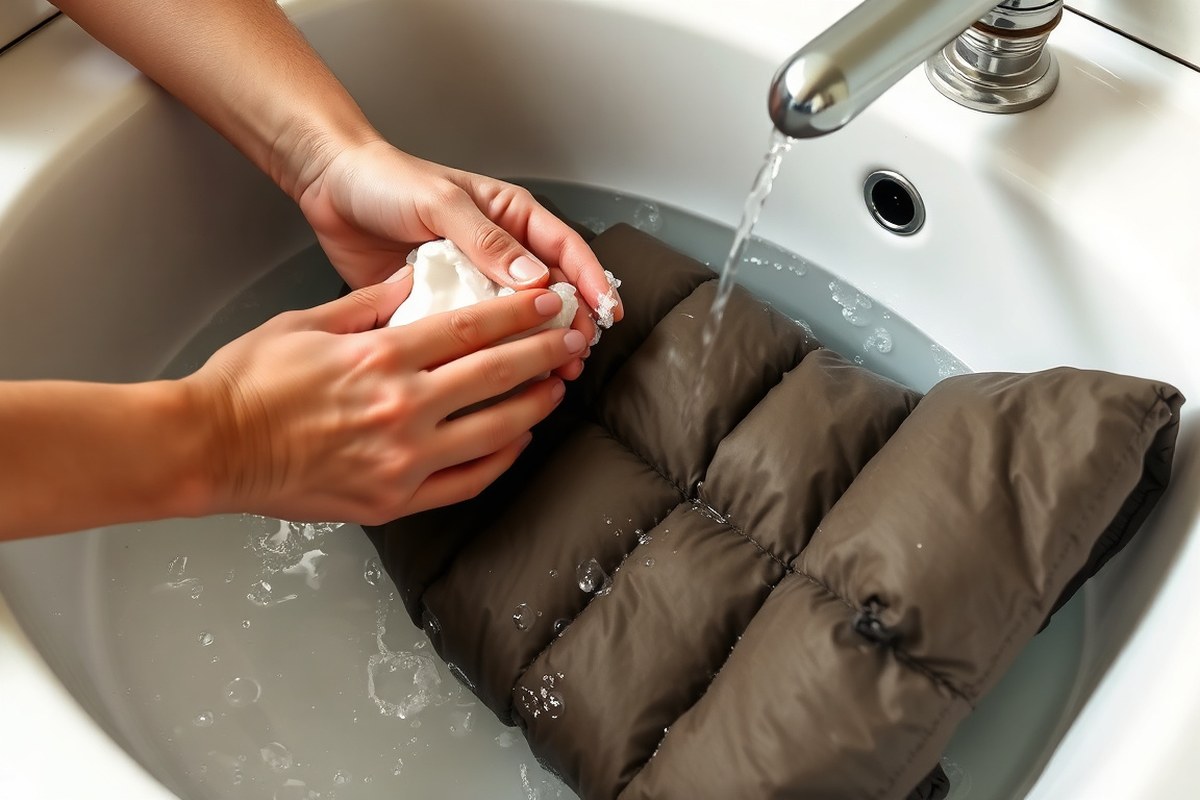
Cleaning a down jacket without ruining its insulation or fabric requires a gentle, controlled approach. Using cold water and a down-specific detergent helps preserve the jacket’s loft and prevents damage. Both hand washing and machine washing are possible, but machine washing should be done carefully, with the right settings and equipment.
Start by checking the care label for washing instructions and confirm if the jacket is machine-washable. Using a front-loading washing machine is preferable since it’s gentler on the down and shell fabric compared to top-loaders with agitators. Protecting the jacket during washing helps maintain even distribution of the down fill and avoids clumping or fabric wear. Follow these steps to clean your down jacket safely:
- Spot clean visible stains: Before washing, gently scrub grime with a down-safe detergent mixed with water to prevent dirt transfer during washing.
- Prepare the washing machine: Wipe the detergent dispenser to remove residue. Load the jacket into a front-loader without overfilling, the jacket must move freely.
- Choose cold water and gentle cycle: Set the machine to a gentle or normal cycle using cold water (around 68°F / 20°C) to avoid heat damage to feathers and fabric.
- Add down-specific detergent: Use the amount recommended on the detergent label to clean the insulation thoroughly without leaving residue.
- Run an extra rinse: After the main wash, refill with clean cold water to soak the jacket for 5 to 10 minutes, then drain and rinse again to fully remove soap.
- Check fabric and insulation condition: Look for reduced grime with no fabric dullness or stiffness. The down should feel evenly distributed without large clumps or flat spots.
- Dry thoroughly on low heat: Use a dryer with low heat and toss in a couple of clean tennis balls to help restore the loft. Avoid high heat to prevent damage or loss of fluffiness.
Successful cleaning results in a jacket with evenly fluffed insulation and a clean, intact shell that repels moisture well. Problems like tacky fabric, visible wear, soap residue, or persistent clumps indicate washing or drying conditions need adjustment or a gentler approach like hand washing.
A gentle hand wash can be used if machine washing is unsafe or your washer is too small. Soak the jacket in cold water with down-safe detergent for 5 to 10 minutes, then rinse multiple times. Avoid wringing or twisting the jacket to preserve its shape and insulation.
What Detergents Are Safe for Cleaning Down Jackets
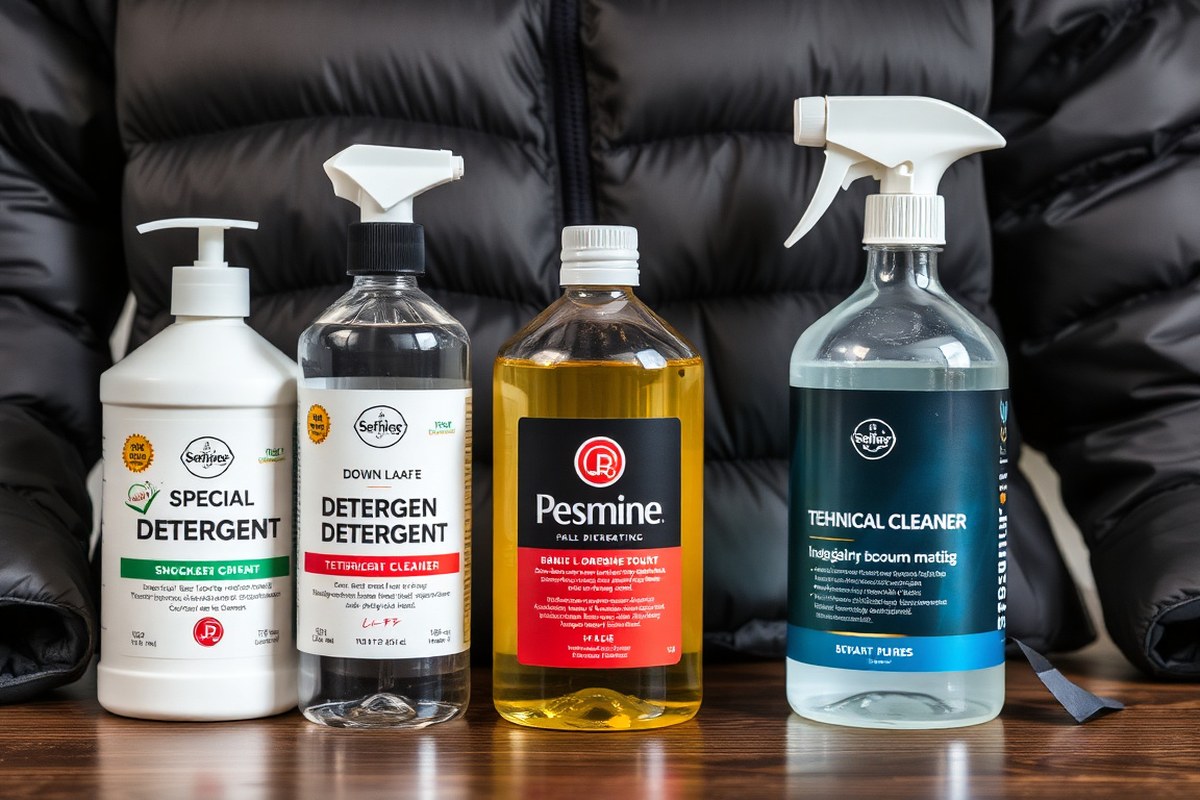
Use detergents specifically designed for down insulation to clean your jacket safely. Regular laundry detergents strip natural oils from the feathers, which diminishes the jacket’s ability to keep you warm. Avoid fabric softeners and bleach, since they coat the down feathers and reduce their insulation performance. A mild, fragrance-free detergent made for technical fabrics or down is your best bet for maintaining loft and warmth.
Down-specific cleaners are formulated to clean while protecting the delicate feathers. These products minimize residue buildup and avoid damaging the natural oils that keep the down fluffy. Choosing the right detergent helps prevent clumping and preserves the jacket’s effectiveness in cold weather. When washing, clear the detergent compartment before adding soap to avoid trapping residues.
| Option | Down Cleaner (Commonly Sold As) | Best Use | Residue Risk | Suitability |
|---|---|---|---|---|
| 1 | Nikwax Down Wash Direct | General down jackets | Low | ★★★★★★★ |
| 2 | Nikwax Tech Wash (shell-friendly, not down-specific) | Wash shell first, then down method | Medium | ★★★★★★☆☆ |
| 3 | Grangers Down Wash | Down insulation refresh | Low | ★★★★★★★ |
| 4 | Atsko Sport-Wash | Athletic grime on down shells/liners | Medium, Low | ★★★★★★☆ |
Fabric softeners and bleach should never be used on down jackets. These chemicals can damage the feathers by coating or breaking down their natural structure, which leads to loss of insulation and reduced jacket lifespan. Washing with a specialized down detergent or mild technical wash ensures the jacket stays clean without harming the insulation.
Always avoid regular detergents and fabric softeners; they strip oils from down feathers, reducing warmth and causing clumping during drying.
For spot cleaning, use the same down-safe soap as for full washes to avoid introducing harsh chemicals. You can balance between spot cleaning and full washing based on how dirty your jacket is. Remember, proper cleaning combined with thorough drying on low heat and tennis balls keeps the down fluffy and warm for years. Down detergents typically cost between $10 and $20, which pays off by maintaining your jacket’s performance.
How to Remove Stains Before Washing Your Down Jacket
Spot cleaning stains on a down jacket helps avoid unnecessary full washes and protects the delicate insulation. Use a mild, down-safe soap and a damp cloth to treat the stain gently. Let the solution sit for about 10 to 20 minutes to loosen the stain before blotting it away carefully.
Identify the Stain Type
Different stains require slightly different care to effectively loosen without damaging your jacket. Sweat stains can usually be lifted with mild detergent, while food and grease spots might need a gentle stain remover formulated for down garments. Mud requires a quick dry removal of hardened bits before any liquid treatment to avoid spreading. Knowing the stain type guides you toward the right cleaner, avoiding harsh chemicals that could harm the feathers or the jacket’s water-repellent coating.
Use Mild Soap and Damp Cloth
Choose a soap formulated for down or a gentle, fragrance-free detergent. Apply it sparingly on a damp cloth rather than directly on the stain to avoid over-saturating the fabric. Gently blot rather than rub, lifting the stain without pushing it deeper or flattening the down inside. Products like Nikwax Down Wash, Granger’s Down Wash, or ReviveX Down Cleaner are recommended because they clean without stripping oils that keep the feathers lofted and water-resistant.
Let Treatment Sit Before Washing
After applying your cleaning solution, allow it to soak in place for approximately 10 to 20 minutes. This gives the detergent time to break down oils and dirt embedded in the fabric without manual scrubbing, which can risk damage.
Short soaking enables easier stain removal when the jacket goes through its next full wash. Avoid letting the solution dry completely on the fabric, which could cause additional residue.
Avoid Over-Scrubbing
Vigorous scrubbing can damage the delicate outer fabric and compress the down insulation, reducing the jacket’s warmth and loft. Use only light blotting motions with a soft cloth to preserve the jacket’s materials. For stubborn stains, repeat spot treatment instead of aggressive abrasion. Flattened or damaged down feathers won’t regain loft from spot cleaning alone, so treat stains carefully and save agitation for full wash cycles with proper drying afterward. Follow these steps for effective spot cleaning using mild soap and careful technique:
- Identify the type of stain and select an appropriate mild detergent or down-safe cleaner.
- Moisten a soft cloth or sponge with lukewarm water and add a small amount of cleaner.
- Gently blot the stained area, avoiding rubbing motions to protect fabric and insulation.
- Allow the spot treatment to sit for 10 to 20 minutes to loosen the stain.
- Using a clean, damp cloth, carefully blot away the loosened grime and detergent.
- Repeat spot treatment if the stain persists but avoid soaking the whole jacket unless the care label permits.
- After spot cleaning, evaluate whether a full wash is necessary based on remaining dirt, odor, or loft condition.
Step-by-Step Machine Washing Instructions
Machine washing a down jacket requires careful settings to protect the delicate feathers and maintain the jacket’s loft and insulation. Use a cold or warm gentle cycle, appropriate detergent, and extra rinses to avoid soap buildup. These steps help keep the jacket clean without damaging its fill.
Prep the Machine and Jacket
Before washing, ensure your washing machine’s detergent compartment is thoroughly clean of any detergent or fabric softener residue. This prevents buildup that could harm the down insulation by causing clumping or stiffness. Using a front-loading machine or a high-efficiency top-loader without a center agitator is important because these machines clean more gently, reducing damage.
Check the jacket for any open zippers, loose threads, or damaged areas that could worsen during washing. Close all zippers and fasten any Velcro or snaps to avoid snagging inside the machine.
Select Gentle Cycle and Correct Temperature
Choose a delicate, wool, or down-specific cycle to wash your jacket. These settings use slower agitation and less spin speed to protect the down feathers. Set the water temperature to cold or warm, staying at or below 30°C (86°F) as recommended by outdoor gear specialists like REI. Hot water can strip natural oils from the down, making it brittle and less insulating.
Keep the load size small to avoid excessive tumbling, which can damage the jacket’s fabric and fill. Check your jacket’s care label for any temperature or cycle restrictions before starting the wash.
Add Down-Safe Detergent Properly
Choose a detergent made specifically for down items, like Nikwax Down Wash Direct, or select a liquid soap without detergent. These cleaners protect the natural oils in the down feathers and prevent residue buildup that can reduce the jacket’s insulation. Follow the manufacturer’s instructions carefully for the right amount of detergent based on your load size and water hardness.
Overdosing detergent can leave soap residues that cause clumping, while using fabric softeners or bleach is not recommended because they degrade the down’s loft and water resistance. Only use the amount necessary for cleaning effectively.
Run Extra Rinse Cycles
After the main wash, run at least one extra rinse cycle to completely remove all detergent traces. Soap residue trapped in the jacket can cause the down to clump and lose loft over time. When the jacket retains soapiness or shows suds, run another rinse cycle to remove any leftover detergent.
Spacing out the rinse cycles with brief spin cycles can help extract excess water gently. Avoid aggressive spinning speeds that may compress the down too much or damage the fabric. Front-loading machines usually allow you to add extra rinses and adjust spin speeds; use these features to protect your jacket.
- Clean the detergent compartment and select a front-loading or compatible high-efficiency washer.
- Inspect your jacket; close all zippers and fasten any Velcro or snaps.
- Set the washing machine to a delicate or wool cycle, using cold or warm water (not exceeding 30°C/86°F).
- Measure and add down-specific detergent following the product instructions precisely.
- Start the washing cycle, keeping the load size small.
- After the wash finishes, run an extra rinse cycle to eliminate any remaining soap.
- Repeat the rinse if the jacket feels soapy.
- Spin gently to remove excess water, avoiding high-speed spins that can damage the down.
How to Dry a Down Jacket to Restore Loft and Prevent Clumps
To dry a down jacket properly and restore its loft, use a tumble dryer on a low heat or air-fluff cycle with tennis or dryer balls. Avoid high heat to protect the fabric and insulation. Drying usually takes between 1 and 3 hours, with pauses every 20 to 30 minutes to shake and redistribute the feathers, preventing clumps and restoring fluffiness.
Use Low Heat or Air-Fluff Cycle
High heat can damage the delicate down filling and melt the seams of your jacket’s shell fabric. Select a low heat or no heat air-fluff cycle on your dryer. This temperature setting safely dries the jacket without risking heat damage.
Some jackets require extra caution because of sensitive materials, so always check the care label before starting. Air drying alone is possible but takes 24 to 48 hours and increases the chance of clumping and odor, making low heat tumble drying far more effective.
Add Tennis or Dryer Balls
Adding tennis balls or specialized wool dryer balls to the dryer helps break up down clumps as the jacket tumbles. These balls bounce inside the drum, separating the feathers and redistributing the filling evenly through the baffles.
Place the tennis balls inside a clean sock if your jacket label allows to avoid dirt transfer. Using three tennis balls usually provides enough bounce to fluff the jacket throughout the drying process.
Pause and Shake Every 20, 30 Minutes
Stopping the dryer every 20 to 30 minutes gives you a chance to shake and fluff the jacket. This redistributes feathers and breaks up any early clumps forming inside the baffles. It also ensures even drying and maintains loft.
During each pause, run your hands gently over the jacket to break any stubborn clumps, then restart the dryer. This step is critical to preventing a heavy, misshapen jacket with damp spots inside.
Allow 1, 3 Hours to Fully Dry
Down jackets usually take between 1 and 3 hours to fully dry on a low heat setting. The time varies by jacket thickness, size, and dryer efficiency. Ensure that every part of the jacket’s seams and baffles is completely dry to avoid mildew or odor.
If the jacket feels cool or damp inside after the first drying cycle, do not increase heat. Instead, continue drying on low and repeat shaking breaks until fully dry. After drying, tossing the jacket on no heat with tennis balls for 15 to 20 minutes can further restore fluff. Follow these steps to dry your down jacket safely and effectively:
- Set your dryer to a low heat or air-fluff cycle.
- Place the jacket inside the dryer with 2, 3 clean tennis balls or wool dryer balls.
- Start the dryer and run for 20, 30 minutes.
- Pause the dryer and remove the jacket.
- Shake the jacket vigorously to break up feather clumps and redistribute the down.
- Return the jacket and balls to the dryer and continue drying.
- Repeat the shake and dry cycles until the jacket is fully dry, checking for damp spots.
- Optionally, run a final 15, 20 minute air-fluff cycle with tennis balls to maximize loft.
Tip: Never increase the dryer temperature above low; higher heat risks melting fabric seams and ruining insulation.
When to Spot Clean vs. Perform a Full Wash
Spot cleaning your down jacket works best for small stains or minor dirt patches, protecting the insulation from unnecessary moisture exposure. Use a damp cloth with mild soap to gently rub the affected area, then blot with a clean towel. This method avoids fully saturating the jacket, which can help maintain the loft and prevent down clumping. Spot cleaning takes just a few minutes and is ideal when your jacket has localized grime or a quick touch-up is needed.
Full washing becomes necessary once dirt, sweat, and body oils build up across the fabric, causing odor or general grime. Over time, these elements deteriorate the materials and reduce performance. A complete wash evenly saturates the jacket, allowing thorough cleaning throughout the insulation and fabric. It’s important to wash down jackets in a front loading washer to prevent the center agitator damage common in top loaders, then rinse thoroughly to ensure all detergent residues are removed. Full washing typically takes 1 to 2 hours, including drying, and may slightly shorten the jacket’s lifespan if done too frequently.
Spot cleaning rarely damages insulation since it limits water exposure and vigorous washing actions. Avoid rubbing aggressively or using strong chemicals during spot cleaning, as this can harm the fabric or cause down displacement. Washing is riskier for insulation if done improperly, uneven rinsing or using too hot water can affect loft, but proper machine washing with cold water and gentle cycles minimizes these risks. Persistent odors, widespread dirt, or stains beyond the reach of spot cleaning make full washing unavoidable. The table below contrasts spot cleaning and full wash to help decide which fits your jacket’s condition and your timeframe:
| Cleaning Method | When to Use | Time Required | Effect on Insulation | Pros | Cons |
|---|---|---|---|---|---|
| Spot Clean | Small stains, minor dirt, quick refresh | 5-15 minutes | Minimal risk | Fast, less water used, preserves loft | Not effective for full odor or grime removal |
| Full Wash | Widespread dirt, sweat buildup, odor, periodic deep clean | 1-2 hours (including drying) | Risk if done too often or improperly | Thorough cleaning, restores fabric and insulation cleanliness | Longer process, requires careful washing/drying to avoid damage |
Deciding between spot cleaning and full washing involves assessing how dirty or sweaty your jacket is, how well it smells, and whether stains are localized or spread. Spot treats small problem areas without stressing the insulation, while washing resets the jacket’s freshness and removes accumulated oils. Avoid waiting too long to wash your jacket because trapped sweat and dirt degrade the fill and fabric, eventually impacting warmth and lifespan.
The key to protecting your jacket’s longevity lies in balancing how often you wash it against how much grime it accumulates. Spot clean regularly to manage minor issues, preserving the down insulation’s loft. Perform a full wash every few months or after heavy use to maintain overall performance and hygiene. Always ensure thorough rinsing and proper drying afterward, using a tumble dryer with tennis balls to restore loft and prevent clumps, which can’t be fixed by washing alone if the fill is already degraded or shifted.
Post-Cleaning Care and Storage for Long Jacket Life
Store your down jacket in a cool, dry place where air can circulate freely. Avoid compressing it tight inside a stuff sack or a sealed plastic bag for long periods, as this can crush the feathers and impair their insulation ability. Instead, use a large cotton storage bag or hang it on a wide hanger in a closet. This breathable environment helps keep moisture and odors at bay while allowing the jacket to maintain its loft and shape.
Never put your down jacket away while it’s still damp. Dampness damages the feathers and creates a musty smell that’s tough to remove. After washing and drying, make sure the jacket is completely dry by feeling the inside and gently shaking it to detect any cold spots or clumps. Dry it until it feels fluffy and warm to the touch.
Routine maintenance extends your jacket’s lifespan. After each wear, air it out by hanging it outside or near an open window for a few hours to prevent odors and moisture buildup. Spot clean minor stains promptly using a damp cloth and mild soap to avoid frequent full washes, which stress the down. Always follow the care instructions on the manufacturer’s label before washing.
Regularly inspect your jacket for tears, loose stitching, or fabric abrasions. Check seams and zippers carefully since small holes can let feathers escape or moisture get in, reducing warmth and durability. Repair minor damage quickly with down-specific patches or fabric glue sold in outdoor stores. If the damage is extensive, professional repair or dry cleaning may be necessary to preserve your investment.
Remember, compressing your jacket in a backpack during outdoor activities is fine for short periods but don’t use this as storage. After your adventure, unpack and dry your jacket before returning it to open storage. This keeps the down filling resilient and keeps your jacket performing well through many seasons. Proper care, including storage and light maintenance, costs little in effort but pays off with lasting warmth and comfort.
Step-by-Step Action Plan for Cleaning Your Down Jacket
Follow this plan to keep your down jacket clean and maintain its warmth and loft safely.
- Before you wash: Check for stains and treat them with a gentle stain remover designed for down or delicate fabrics. Confirm stains fade before proceeding.
- Day of washing: Use a front-loading washing machine with a down-specific detergent or a mild, non-detergent cleaner. Select a gentle cycle with cold water. Observe that the jacket gets evenly wet without fabric damage.
- Right after washing: Rinse thoroughly to remove any detergent residue. Squeeze out excess water gently by pressing; avoid wringing.
- Drying day 1: Place your jacket in a tumble dryer on low heat with clean tennis balls or dryer balls to restore loft and prevent clumps. Check every 30 minutes to redistribute down evenly.
- Drying day 2 (if needed): Continue tumble drying or lay flat in a warm, dry place. Make sure the jacket is fully dry before storage to avoid mold or odor.
- After drying: Fluff the jacket by hand and spot clean minor stains as needed between washes.
- Ongoing care: Store your jacket loosely in a breathable garment bag or hang it rather than compressing it in a tight space. Confirm no musty smells or dampness develop.
Frequently Asked Questions
Can I Use Fabric Softener on a Down Jacket?
No, avoid fabric softener because it can damage the jacket’s water-resistant coating and reduce loft over time. Instead, stick to down-safe detergents to protect the feathers and outer shell.
How Often Should I Clean My Down Jacket?
Clean your down jacket every few seasons or when visibly dirty to maintain loft and performance. Overwashing can strip natural oils from the down insulation.
Can I Wash My Down Jacket with Other Clothes?
It’s best to wash your down jacket alone to prevent abrasion and ensure thorough cleaning and rinsing. Washing with heavy items can damage the fabric and affect insulation.
What Temperature Water Should I Use for Washing a Down Jacket?
Use cold to warm water (generally under 104°F or 40°C) to protect the down feathers and shell fabric. Hot water can damage the filling and outer material.
How Do Tennis Balls Help When Drying a Down Jacket?
Tennis balls bounce around in the dryer and break up clumps of down, restoring the jacket’s loft. Use two or three balls for the best effect without damaging the jacket.
Is It Okay to Store My Down Jacket While Damp?
No, store your down jacket fully dry to prevent mold and mildew growth. Make sure it’s completely dry before placing it in a clean, breathable storage bag or hanging it loosely.
Wrapping Up
Cleaning your down jacket properly preserves its insulation and durability for many outdoor adventures. Start with spot cleaning to extend time between full washes, and always dry thoroughly to avoid damage. Try washing your jacket gently following the steps outlined above and enjoy reliable warmth on your next outing.