How to Clean Cloth Shoes by Hand: Simple Steps for Lasting Results
Cleaning cloth shoes by hand requires gentle techniques and the right supplies to avoid damage while removing dirt effectively. You should use mild detergent solutions and avoid hot water that can weaken shoe adhesives. This process works well for most cloth shoes, including those worn daily by kids and adults who want to prolong their footwear’s life.
This guide is designed for anyone who owns cloth shoes and wants safe, practical cleaning methods. You’ll learn how to prepare your shoes, treat stains, wash by hand, and dry properly to keep your shoes looking fresh and lasting longer without risking damage.
Key Takeaways
- Remove laces and insoles before cleaning to treat each part thoroughly and prevent moisture buildup inside the shoes.
- Use a mild detergent mixed with cold water to hand wash cloth shoes, avoiding water above 30°C to protect adhesives.
- Soak shoelaces in the detergent solution for 15 to 30 minutes, longer if they are white and stained.
- To tackle yellow stains on white cloth shoes, apply a baking soda and hydrogen peroxide paste and let it sit for 2 hours out of direct sunlight.
- Gently dab ink stains with 70% isopropyl alcohol to dissolve pigments without harsh scrubbing.
- Always air dry cloth shoes for at least 24 hours in a shaded, well-ventilated area to maintain shape and prevent damage.
How to Clean Cloth Shoes Safely and Effectively
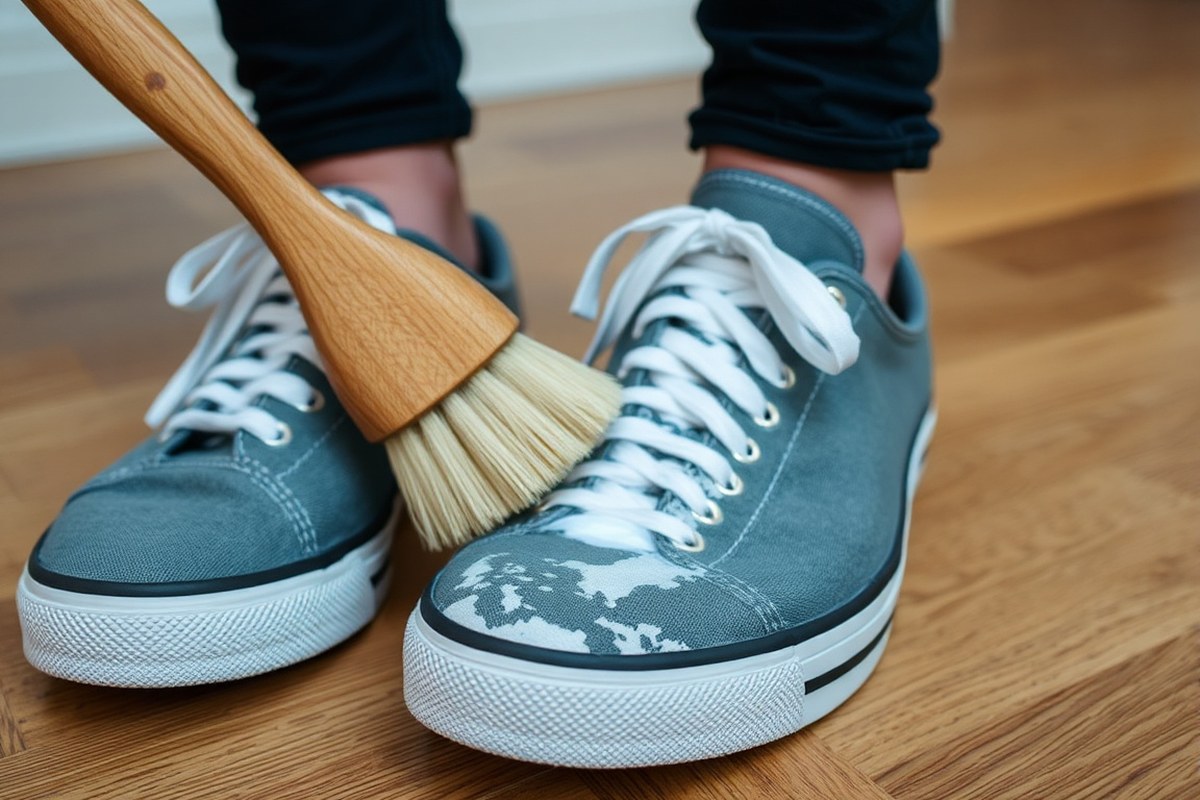
Cleaning cloth shoes by hand is the safest way to protect delicate fabrics while removing dirt and stains effectively. Before you start washing, prepping your shoes properly will help avoid any damage during cleaning. Avoid harsh scrubbing, which can fray the fabric or loosen stitching. Using gentle tools and mild soap suitable for fabric keeps the shoes looking fresh without compromising their structure. Follow these steps for a thorough, safe hand wash:
- Remove loose dirt: Use a soft brush or dry cloth to gently brush off any dried mud or dirt from the shoe’s surface. This prevents embedding dirt deeper into the fabric during washing.
- Prepare a cleaning solution: Mix a small amount (about 1 tablespoon) of mild liquid detergent with 1 cup of warm water, around 90°F to 100°F. Avoid hot water that can cause shrinking or color fading.
- Test the solution: Dab a small hidden area of the shoe with the soapy water using a soft cloth. Wait 5 minutes to check for any discoloration or fabric damage before proceeding.
- Clean the shoes gently: Dip a soft-bristled toothbrush or clean cloth into the solution. Use light, circular scrubbing motions, focusing on stained or soiled areas without saturating the fabric. Avoid aggressive scrubbing.
- Rinse carefully: Wipe the shoes thoroughly with a clean, damp cloth to remove all soap residue. Avoid rinsing under running water to prevent excess moisture that slows drying and can deform the shoes.
- Remove excess moisture: Blot with a dry towel to soak up surface water. Do not wring or twist the shoes, which can cause damage.
- Air dry correctly: Stuff the shoes with dry paper towels to help maintain shape and absorb moisture. Let them dry at room temperature away from direct sunlight or heat sources, which can cause warping or fading. Drying typically takes 24 hours.
This method costs only a few cents for detergent per cleaning and takes about 30 minutes of active work plus drying time. Properly cleaned cloth shoes appear uniformly bright and free of dirt while maintaining softness and flexible fit. Signs that damage may have occurred include frayed seams, color loss, or stiff areas caused by too much water or vigorous scrubbing.
Choosing the Right Cleaning Supplies and Solutions
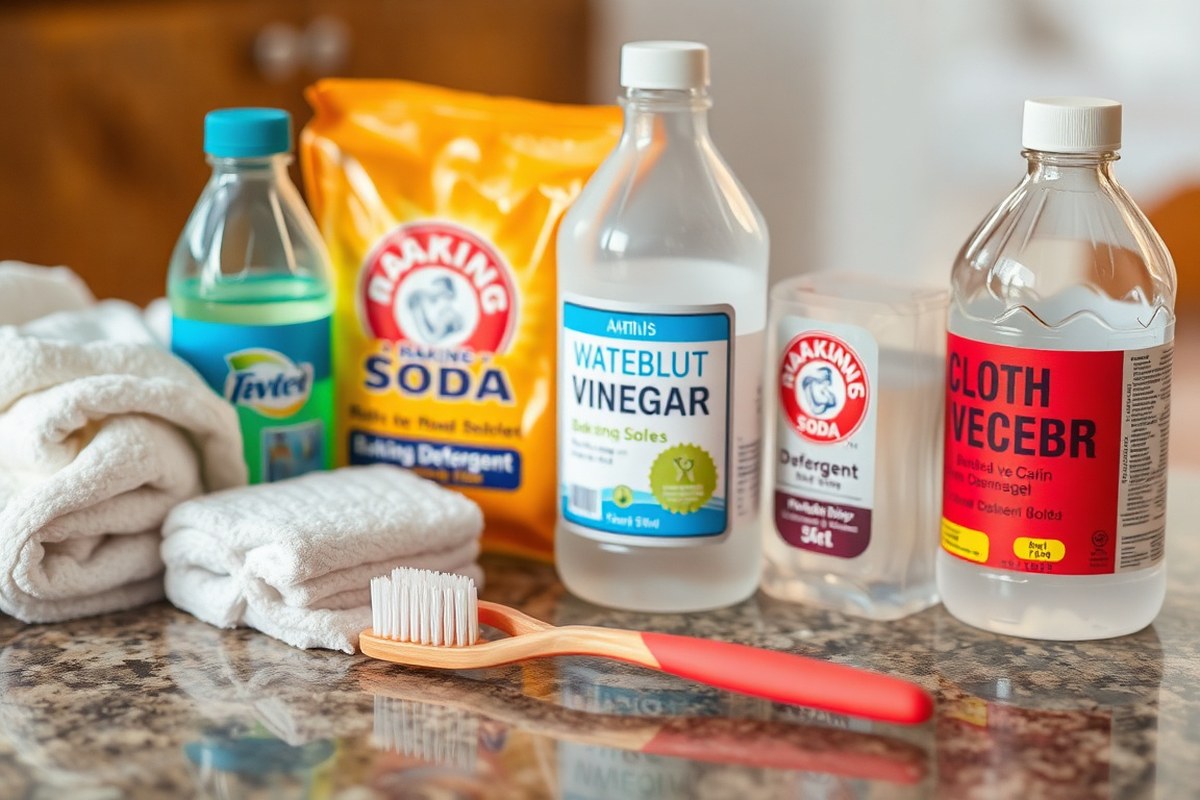
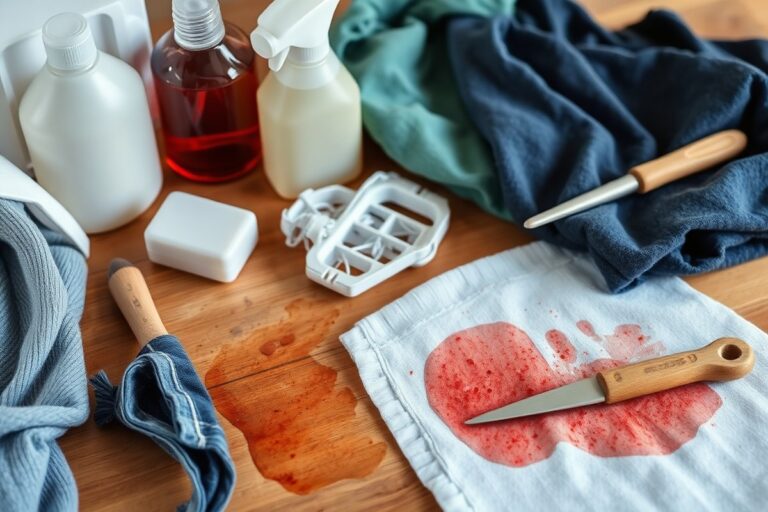
Start by gathering soft cleaning tools such as a microfiber cloth, a soft-bristled toothbrush, and a small bowl or container for mixing cleaning solutions. These items let you gently scrub fabric shoes without causing damage. For homemade cleaning solutions, baking soda and distilled white vinegar work well for typical dirt and stains because they’re mild yet effective at breaking down grime.
Mix one tablespoon of baking soda with around two tablespoons of distilled white vinegar, then add warm water gradually until you form a paste. Use a toothbrush to spread the paste on the spots with stains, allow it to sit for half an hour, gently scrub, and finish by wiping with a damp cloth. This approach removes most stains while keeping the fabric’s color and shape intact.
- Soft-bristled toothbrush to scrub stains and dirt gently
- Microfiber or cotton cloth for wiping and applying solutions
- Baking soda for mild abrasive cleaning and deodorizing
- Distilled white vinegar for breaking down stains and odors
- Warm water to mix cleaning solutions properly
- Shoe cleaner made specifically for fabric shoes or white shoes if available
- Toothpaste (non-gel, white) to treat white stains and scuffs carefully
Avoid using harsh chemicals like bleach on fabric shoes since bleach can weaken the fibers and cause discoloration, especially on colored materials. White vinegar is a safer alternative but should be diluted and tested on a small, hidden area first to check for any adverse reactions. Use only mild detergents or cleaners formulated for delicate fabrics and always work in gentle circular motions along the fabric’s grain to maintain the shoe’s look.
Test any homemade or new cleaning solution on an inconspicuous spot before full application to avoid unwanted damage.
For removing simple surface dirt, start by brushing off loose soil with the toothbrush or a dry cloth before applying any liquid solutions. This step prevents mud or dust from embedding further into the fabric. When tackling stubborn stains, apply a shoe cleaner designed for fabric shoes or a paste of baking soda and water. After application, rinse the area with a damp cloth but avoid soaking the shoe, especially if it has leather or sensitive inner linings.
Consistency in gentle cleaning and using the right supplies minimizes the risk of shrinking, fading, or weakening the fabric shoes. Quality homemade solutions like baking soda and vinegar are cost-effective, often under a dollar per use, making them practical for regular shoe care. Following these guidelines helps keep your cloth shoes looking clean without risking damage from stronger chemicals or improper tools.
Removing Laces and Cleaning Insoles and Laces
Yes, you should remove the laces and insoles before cleaning your cloth shoes. Cleaning these parts separately helps avoid damage and removes trapped dirt and odor better. Using mild soap and proper drying methods keeps your shoes fresh and extends their life.
Why Remove Laces and Insoles First
Removing laces and insoles allows you to clean every part thoroughly. Laces often collect dirt and sweat, while insoles hold moisture and bacteria that cause odor.
Cleaning these parts separately prevents damage to the shoe fabric. For example, washing the shoes with laces on can cause uneven cleaning or tangling. Insoles, especially fabric-covered ones, can degrade if not handled properly.
Cleaning Shoelaces Step-by-Step
Cleaning your shoelaces is simple and removes dirt and grime effectively. Soaking laces in detergent loosens stains and sweat build-up without harsh scrubbing that could fray the fibers.
- Remove the laces from the shoes carefully.
- Combine warm water with roughly 1 tablespoon of mild detergent per quart of water.
- Soak the laces in the solution for 15 to 30 minutes.
- Agitate the laces gently with your hands to release dirt.
- Rinse the laces under clean water to remove soap.
- Squeeze out excess water without wringing too hard.
- Lay the laces flat or hang them up to air dry completely before reinstalling.
Soaking takes about 15-30 minutes, and drying usually requires 1 to 3 hours depending on humidity. Avoid machine drying to prevent shrinkage or damage.
Properly Washing and Drying Insoles
Insoles need gentle cleaning to remove odor-causing bacteria without damaging their shape or material. Fabric-covered insoles respond well to mild soap and hand washing.
- Remove the insoles from your cloth shoes carefully.
- Use a damp cloth to wipe the surface with a mixture of warm water and mild soap.
- Gently scrub any stains or odor spots using light pressure.
- Wipe off soap residue with a clean, damp cloth, rinsing the cloth as needed.
- Pat the insoles with a dry towel to remove excess moisture.
- Allow insoles to air dry completely in a well-ventilated area, avoiding direct sunlight or heat sources that can warp or shrink them.
Drying insoles typically takes several hours to overnight, depending on material and environment. Reinstall insoles only once fully dry to prevent mold growth and maintain shoe comfort.
Dealing with Tough Stains on Fabric Shoes
Stubborn stains on cloth shoes require targeted treatment to remove them effectively without damaging the fabric. Start by gently brushing off loose dirt or debris with a soft brush or cloth. For fresh dirt stains, apply a small amount of mild detergent directly onto the spot and let it sit for about 15 minutes. This allows the detergent to break down oils and grime. Avoid soaking your shoes, as excessive water can cause shrinkage or warp the fabric.
Ink stains call for a more precise approach. Dab a cotton swab or microfiber cloth in rubbing alcohol or a stain remover designed for cloth shoes, then gently blot the stain without scrubbing. Let the solution sit for up to 10 minutes to soften the ink, then rinse lightly with a damp cloth. Be cautious with rubbing alcohol, as applying too much or rubbing harshly may weaken the fabric fibers.
Yellowing on white cloth shoes usually results from leftover soap or natural oxidation over time. Mix equal amounts of baking soda and water to form a paste. Spread this paste over the yellowed spots and let it sit in indirect sunlight for 30 to 60 minutes. This gentle bleaching helps remove discoloration without harsh chemicals. Use a damp cloth to rinse off all the paste, as residue can attract dirt and cause more yellowing.
Avoid harsh scrubbing on tough stains to prevent damaging the fabric. Use a soft toothbrush or microfiber cloth to gently work cleaning solutions into the stain. After treating the area, blot away excess moisture with a dry towel and let the shoes air dry somewhere with good airflow, away from direct sunlight or heat to protect the fabric and shape.
Special fabric types like suede require cleaning solutions intended for that material. Use a microfiber cloth dipped in suede cleaner and follow product instructions carefully. Let the cleaning solution sit only as long as recommended, usually no more than 10 to 15 minutes, to avoid discoloration or fabric breakdown.
The cost of cleaning tough stains is generally low, as household items like baking soda, mild detergent, and rubbing alcohol are inexpensive and readily available. Commercial fabric shoe cleaners can range from $5 to $15 per bottle and may provide extra stain-fighting power, which is helpful for persistent marks. Successful stain removal is indicated by visibly cleaner fabric without damage, discoloration, or new stains forming. Persistent stains after careful cleaning attempts may call for the help of a professional cleaner to avoid causing permanent harm.
Hand Washing vs. Machine Washing Cloth Shoes
You can safely clean most cloth shoes either by hand or with a washing machine, but each method has pros, cons, and specific risks. Hand washing is the safer choice for delicate materials or shoes with glued parts, while machine washing suits sturdier fabric shoes if done carefully by following care labels.
Pros and Cons of Hand Washing
Hand washing uses gentle scrubbing with lukewarm water and mild detergent, minimizing damage from agitation. It’s ideal for shoes with delicate foam, glued embellishments, or mixed materials like leather accents, which may loosen or crack in a machine. This method takes more time, usually soaking shoes for up to six hours and scrubbing by hand, but it preserves shape and detail better.
Cleaning by hand allows targeted stain treatment and avoids risks that come from the harsh tumbling of a washing machine. On the downside, thorough cleaning depends on your effort and technique, so stubborn dirt may require repeated cleaning.
Machine Washing Risks and Precautions
Machine washing is efficient and generally works well on solid fabric or canvas shoes without delicate details. However, risks include damaging shoe structure, fading colors, and weakening glue bonds that hold parts together. Shoes with leather, suede accents, or delicate foam should not go in a washing machine.
To reduce damage, always read and follow the shoe’s care instructions. Put shoes in a mesh laundry bag to protect them and your machine’s interior. Use a gentle cycle with cold or lukewarm water and mild detergent. Avoid bleach or harsh chemicals. Remove laces and insoles beforehand because they need separate cleaning.
| Aspect | Hand Washing | Machine Washing |
|---|---|---|
| Material Suitability | Safe for all except extremely fragile items | Safe for sturdy cloth or canvas only |
| Risk of Damage | Low – gentle cleaning | Medium to high – agitation can damage glued parts, foam, and leather |
| Cleaning Time | 1, 6 hours soaking plus scrubbing | 1 cycle, about 30, 40 minutes |
| Equipment Needed | Bucket or basin, detergent, cloth/brush | Washing machine, mesh laundry bag, detergent |
| Ease of Use | Requires manual effort and attention | Set and go, but requires care with cycle/settings |
| Effectiveness | Good for targeted stains and delicate materials | Good for general dirt on washable fabrics |
| Drying Considerations | Shape maintained more easily when hand washed | May require reshaping due to machine agitation |
Choosing the right method depends on the shoe’s material and how dirty it is. A thorough hand wash may be best if your cloth shoes have glued parts or mixed materials, or if you want to avoid any risk of damage.
When to Choose Either Method
Choose hand washing when shoes have delicate foam, glued embellishments, leather accents, or suede details. Hand washing prevents damage like cracks or loosening glue caused by machine agitation. Also prefer hand washing for stubborn stains that need spot treatment.
Machine washing is suitable if your cloth shoes are mainly canvas or solid fabric with no delicate accents. Use the gentle cycle with cold or lukewarm water and put shoes in a mesh laundry bag. Remove insoles and laces for separate cleaning. This method saves time and works well for lightly soiled fabric sneakers.
Tip: Always check the care instructions on your shoes before deciding on machine washing to avoid unintended damage.
Best Practices for Drying and Maintaining Shape
Cloth shoes need proper drying to avoid shrinking, warping, and adhesive damage. After cleaning, allow them to air dry completely, typically for several hours or overnight, in a well-ventilated, shaded area. Avoid direct sunlight and heat sources because excessive heat can cause the fabric and glue to break down or deform, especially when water temperature exceeds 86°F (30°C), which can liquefy shoe adhesives and lead to failure.
Maintaining the shape of your shoes during drying helps prevent creases and warping. The best way to do this is by stuffing the shoes with dry, clean materials such as white tissue paper, dry cloths, or unprinted newspaper. This keeps the shoe’s structure intact as it dries, especially for softer fabrics that may lose form when wet.
- Wipe shoes gently with a damp microfiber cloth after cleaning to remove soap residue.
- Press with a dry towel to absorb excess moisture without soaking the fabric.
- Stuff shoes with dry paper or clean white socks for shape retention.
- Place shoes in a well-ventilated, shaded spot away from direct sunlight and heat.
- Do not use hot dryers or direct heat sources like radiators.
- Allow at least several hours or overnight to dry fully before wearing or storing.
- After drying, brush gently to restore fabric texture.
Using hot dryers or placing shoes in direct sunlight may speed drying but can cause color fading, fabric stiffening, or glue breakdown, compromising shoe integrity. Air drying is slower but safer for preserving the life and appearance of cloth shoes. If drying indoors, keep shoes away from air vents or heaters that can expose them to sudden heat. Checking dryness by touch before use ensures they are fully dried and less prone to odor or mildew. These steps protect your shoes and help them last longer.
Tips for Keeping White Cloth Shoes Clean and Bright
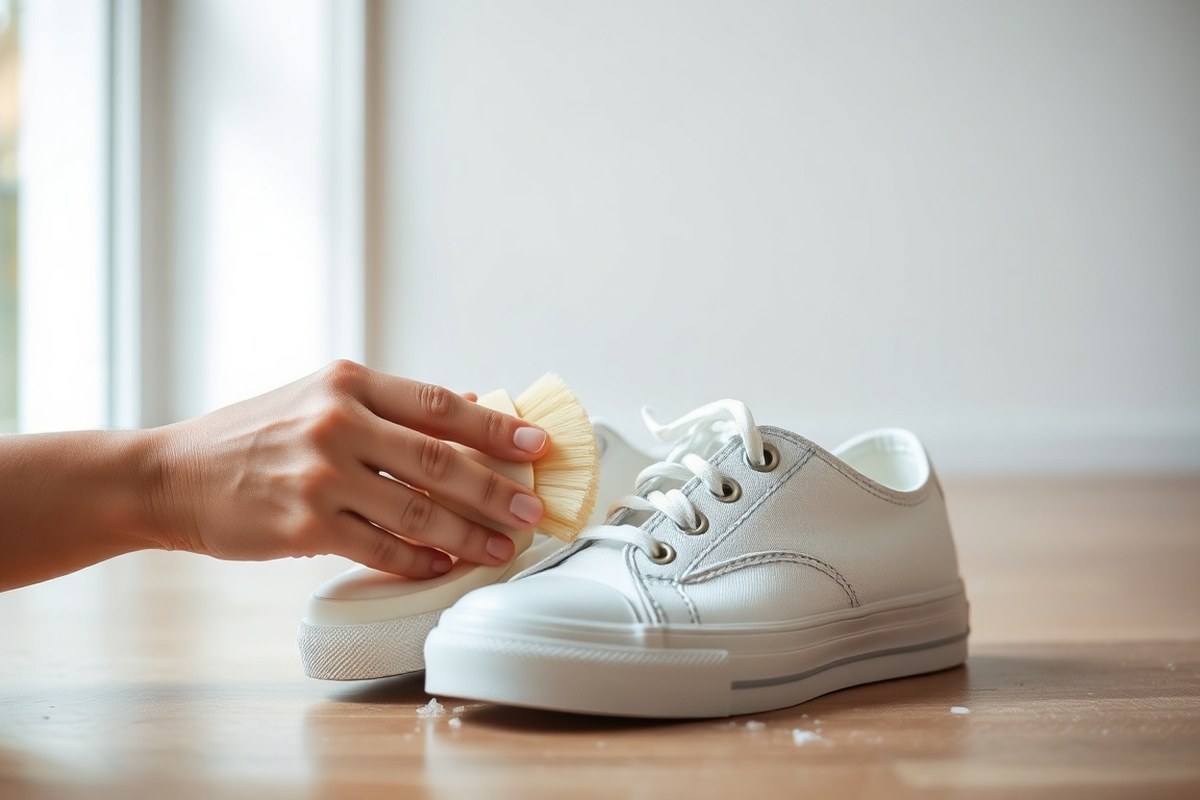
Keeping white cloth shoes bright requires regular care and the right cleaning methods to prevent yellowing and dullness. Dirt and sweat buildup dull the fabric, and leftover soap or harsh cleaners can cause the white material to yellow over time. Preventing this involves gentle cleaning, immediate stain treatment, and proper drying.
A simple homemade remedy to brighten white shoes uses baking soda and water. Mix two tablespoons of baking soda with enough water to form a paste. Using a soft toothbrush, gently scrub this paste onto yellowed or stained areas. Let it sit for 15 to 20 minutes before rinsing with cool water. Baking soda acts as a mild abrasive to lift stains without damaging the fabric, and it helps neutralize odors. Avoid soaking the entire shoe, which can weaken glue and stitching.
To address stubborn stains or a lack of brightness, mix white vinegar and water in equal amounts and gently apply with a soft cloth. Avoid soaking the shoes; instead, lightly dab and wipe the surface. Vinegar works to dissolve mineral buildup and residues that lead to yellow spots. Let your shoes dry naturally in a well-aired space out of direct sunlight to prevent yellowing and fabric damage. Avoid using heat sources like hairdryers, as they can harm the fabric and glue holding the shoes together.
Prevent yellowing by wiping shoes gently after each wear using a damp cloth. Taking a few minutes to remove surface dirt before it sets will keep the fabric bright longer. Avoid wearing white cloth shoes in rainy or muddy conditions if possible. Storage also matters: keep shoes in a cool, dry place out of prolonged sun exposure and away from plastic bags that trap moisture.
Regularly removing and washing laces helps maintain the shoe’s overall whiteness. Use mild detergent and air dry the laces separate from the shoes to avoid transferring dirt or residues. For daily upkeep, spray a fabric protector designed for cloth shoes; this adds a barrier against dirt but choose one that is safe for white fabrics to prevent yellowing.
Bright white fabric shoes that appear evenly clean and free of yellow streaks show signs of proper care. Watch out for signs of fading or hard-to-remove stains after several cleanings, which may mean fabric aging or damage. At that point, reducing intense scrubbing or switching to professional cleaning can protect your shoes’ lifespan.
Common Cleaning Mistakes and When to Seek Professional Help
Many people make cleaning mistakes that can harm cloth shoes, like using harsh scrubbing or the wrong water temperature. Fixing damage depends on the problem’s type and severity. You should seek professional help if your shoes are expensive, delicate, have multiple materials, or carry special features that could be ruined.
Mistakes That Damage Fabric and Adhesives
One frequent mistake is scrubbing too hard, especially on athletic shoes made of mesh or knit fabrics. This can cause snags or scratches that weaken the fabric. Using hot water or bleach may also weaken adhesives or fade colors.
Putting cloth shoes in the dryer damages both fabric and glue by subjecting them to heat and tumbling. Over-soaking shoes leads to distortion and adhesive failure as well. Avoid using harsh chemical cleaners or abrasive brushes, which can thin the fabric surface or remove coatings.
How to Correct Over-Cleaning or Stains
Use a gentle approach to restore appearance and structure. For fabric snags or minor scratches, trim loose threads carefully without tearing more fabric. To fix color fading, consider fabric dye designed explicitly for cloth shoes, follow instructions for application.
If adhesives start peeling, clean both surfaces and apply a flexible shoe glue available at shoe repair stores. Hold parts firmly together until dry, usually 24 hours. Avoid water or heavy use until fully cured. For minor water stains, wipe with a damp cloth and air dry at room temperature away from heat.
Signs You Need Professional Repair
Check for these indicators to decide if you should consult a professional shoe repair service:
- Shoes with high cost or sentimental value
- Severe stains that resist household cleaning methods
- Complex construction with mixed materials like leather trim on cloth
- Structural damage such as sole separation or heel cracks
- Fragile or decorative elements that may be ruined by DIY methods
- Wear affecting performance membranes or waterproofing layers
Professional repair shops, such as Rio and Kim’s Shoe & Bag Repair with over 40 years of experience, specialize in handling luxury or delicate footwear. Costs vary widely depending on repair type but expect to pay between $30 to $100 or more for extensive cleaning and restoration. This investment protects your shoes from permanent damage and maintains their appearance and function.
Regularly inspect shoes for wear and address small problems early to avoid costly repairs or replacement.
Step-by-Step Action Plan for Cleaning Cloth Shoes
Follow these clear steps to clean your cloth shoes safely and keep them looking their best.
- Before you start: Remove laces and insoles for separate cleaning. Check for any visible stains to treat first.
- Day 1: Apply a gentle fabric cleaner or mild soap to stains using a soft brush and let it sit 10, 15 minutes to lift dirt.
- Day 1: Hand wash shoes in lukewarm water with mild detergent. Avoid soaking more than 30 minutes to prevent damage.
- Day 1: Rinse thoroughly with clean water to remove all soap residue, which can attract new dirt.
- Day 1: Stuff shoes with paper towels or cloth to maintain shape and air dry them in a shaded, well-ventilated area.
- Day 2: Clean laces and insoles separately by soaking in mild soapy water, then rinse and air dry completely.
- Day 3: Once dry, spray fabric protector to help repel future stains.
- After 2 weeks: Repeat spot cleaning as needed to maintain brightness, especially for white cloth shoes.
Frequently Asked Questions
Can I Use Bleach to Clean Cloth Shoes?
Avoid bleach as it can weaken fabric fibers and cause discoloration. Instead, use mild soap and water for safer cleaning.
How Often Should I Clean Cloth Shoes to Maintain Their Appearance?
Clean cloth shoes regularly, ideally after every few wears or when visibly dirty, to prevent stains from setting. Regular wiping helps preserve fabric and color.
Can I Waterproof Cloth Shoes at Home?
Yes, apply a fabric-safe waterproof spray designed for cloth shoes. Test a small area first to avoid discoloration.
Is It Okay to Use a Toothbrush on All Cloth Shoe Materials?
A soft-bristled toothbrush works well on canvas and fabric shoes but avoid stiff brushes on delicate or woven fabrics. Test gently.
Should I Clean the Shoe Soles Separately?
Yes, clean soles with soapy water and a brush to remove dirt without soaking the shoe fabric. This keeps shoes fresher longer.
Can I Store Cloth Shoes in Plastic Bags After Cleaning?
Avoid plastic bags; instead, store cloth shoes in breathable fabric bags or in open air to prevent moisture buildup and mold growth.
Wrapping Up
Keeping cloth shoes clean takes some care, but hand washing with the right products preserves their look and lifespan. Focus on gentle, targeted cleaning and proper drying to avoid damage. Start today by removing your laces and insoles, then tackle any stains with a mild soap and soft brush, you’ll see the difference in freshness and appearance right away.