How to Bleach Clothes Safely and Effectively: Complete Guide with Tips
To bleach clothes safely and effectively, dilute household bleach with water, soak white fabrics for up to 10 minutes, then rinse thoroughly to remove residues. Avoid overexposure by limiting soak time, choosing proper bleach types, and checking garments frequently to prevent damage.
This guidance is for home laundry users wanting to whiten clothes without ruining fabrics or colours. You will learn how to pick the right bleach, soak and rinse correctly, and handle delicate or coloured items carefully.
Key Takeaways
- Use about 1 cup of bleach per 3 gallons of water for standard white laundry loads.
- Soak white clothes in bleach solution for no more than 10 minutes to avoid fabric weakening.
- Hand-wash delicate garments first, then soak briefly in a very diluted bleach solution only.
- Check clothes every 30 minutes during bleaching treatments in warm water to avoid over-bleaching.
- Limit chlorine bleach soak times to under 10 minutes and oxygen bleach to under 8 hours.
- Bleach coloured clothes only with oxygen-based bleach to prevent colour fading or damage.
How to Bleach Clothes Step-By-Step for Whitening

Bleaching white clothes at home can restore their brightness if done carefully. Using the right bleach concentration and soaking time prevents fabric damage while effectively whitening. A typical safe mixture uses about 1/4 cup of bleach per gallon of cold water, enough to lift stains and whiten without harsh effects. Avoid hot water for soaking, as it can weaken fabric fibers and cause unwanted reactions. Follow these step-by-step instructions to safely bleach white clothes by hand and achieve a bright finish.
- Prepare your workspace and equipment. Wear gloves and work in a well-ventilated area to avoid inhaling fumes. Use a clean plastic or stainless-steel bucket for soaking, as bleach can damage metal containers.
- Dilute the bleach solution. Mix 1/4 cup of regular household chlorine bleach with 1 gallon of cold water in your bucket. Stir gently to distribute the bleach evenly before adding clothes.
- Pre-rinse the clothes. Rinse white garments with cold water to remove loose dirt and detergent residues that may react with bleach.
- Soak the clothes. Submerge your white clothes fully in the bleach solution. Let them soak for about 5 to 10 minutes. This timeframe whitens the fabric but avoids overexposure that can weaken fibers.
- Remove and rinse thoroughly. After soaking, take out the clothes promptly and rinse them well under cold running water. This step removes all bleach traces and prevents yellowing or fabric weakening.
- Wash as usual (optional). For extra cleaning, wash the bleached clothes with your regular detergent in cold or warm water, but avoid bleach in the washing machine rinse cycle.
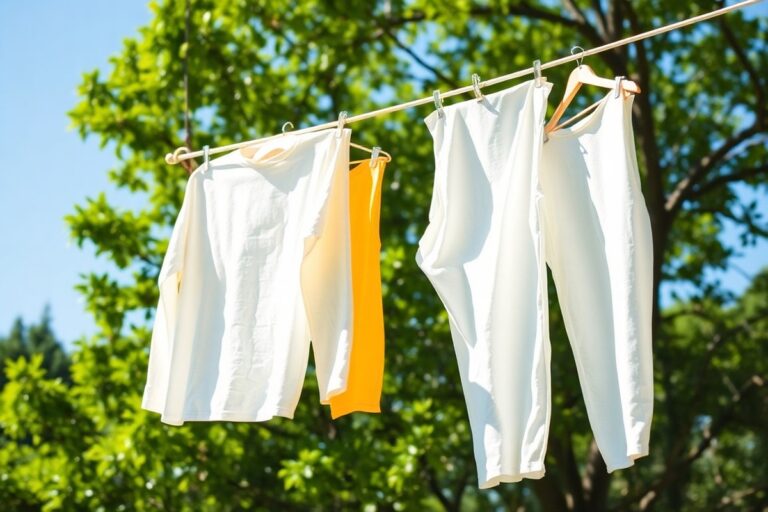
- Dry the clothes properly. Hang white clothes to air dry in indirect sunlight. Direct sun can bleach fabrics naturally but may cause damage if too intense. Tumble drying on a low setting is an alternative if the care label allows.
Following these steps carefully reduces risks like fabric damage or leftover bleach odors. Staying close to recommended bleach amounts and soak times ensures a clean, white result without weakening your garments. Always check your garments’ care labels before bleaching, and handle bleach with care to protect yourself and your clothes.
Which Fabrics Can and Cannot Be Bleached Safely

Natural fibers like cotton and linen can safely handle bleaching, while delicate fabrics such as silk, wool, and leather should avoid chlorine bleach altogether. Synthetic fabrics like polyester and nylon require gentle treatment with non-chlorine bleach, as harsh bleach can cause yellowing or damage. Testing for bleach compatibility before applying any bleach helps prevent ruining your clothes.
Fabrics Suitable for Bleaching
Cotton and linen are the most bleach-friendly fabrics. They withstand both chlorine and oxygen-based bleaches without damage when used properly. These materials bleach well to remove stains or brighten whites. For synthetic fabrics like nylon and polyester, oxygen or non-chlorine bleaches work best but have limited whitening power. These fabrics do not tolerate hot water above 130 °F (54 °C), which can cause melting or weakening.
Delicate silks, wool, and leather are generally unsafe for chlorine bleach, which strips fibers and causes discoloration. Instead, use very mild, non-chlorine options like diluted hydrogen peroxide or sodium percarbonate for these fabrics, and always follow care labels.
Fabrics to Avoid Bleaching
Some fabrics degrade quickly under chlorine bleach. Wool, silk, mohair, and leather can become brittle, discoloured, or physically damaged. Spandex and Lycra lose elasticity and structure after bleach exposure. Polyester often yellows with too much chlorine bleach or excessive exposure. Such damage appears as thinning, holes, or yellowed areas that do not wash out. Carefully avoid harsh bleach treatments on these types to preserve garments. Always check your clothing’s care label for the bleach symbol: a triangle means bleach is safe, a triangle with a cross means no bleach, and a triangle with lines signals only non-chlorine bleach.
How to Test Fabric Bleach Compatibility
Before bleaching any clothing item, perform a spot test to check for damage or discoloration. Mix a diluted bleach solution according to package instructions (usually 1 part bleach to 10 parts water). Apply a small drop on an inconspicuous area of the fabric using a cotton swab.
Wait 5, 10 minutes, then rinse thoroughly and assess. When the fabric changes color, weakens, or becomes brittle, avoid bleaching the entire item. This simple test prevents costly mistakes and fabric loss.
Bleaching Delicate or Mixed Fabric Items
For fabric blends or delicate items, select oxygen-based bleach alternatives, such as hydrogen peroxide or sodium percarbonate, instead of chlorine bleach. Use cold or lukewarm water to avoid harm. For fabrics containing silk, wool, or spandex fibers, gently hand wash using diluted non-chlorine bleach. Prolonged soaking or hot water should be avoided.
Handling mixed fabrics requires patience and caution. Bleach the item only if the most sensitive fiber in the blend is compatible with mild oxygen bleach. Otherwise, seek professional cleaning advice.
Fabric Bleach Compatibility Checklist
- Cotton and linen: tolerate both chlorine and oxygen bleach well
- Polyester and nylon: use only oxygen bleach; avoid hot water above 130 °F
- Silk, wool, mohair, leather: no chlorine bleach; use very mild peroxide or sodium percarbonate
- Spandex and Lycra: avoid all bleach types to prevent damage
- Check the garment’s care label for bleach symbols
- Always perform a spot test before full bleaching
- Use cold or warm water for delicate bleaching; avoid hot water
Never use chlorine bleach on delicate or synthetic fabrics without a spot test first; the risk of permanent damage and yellowing is high.
Types of Bleach and How to Choose the Right One
Chlorine bleach, oxygen bleach, and gentle alternatives like hydrogen peroxide differ in their chemical makeup, fabric safety, and ideal uses. Chlorine bleach is powerful but harsh, suitable mainly for whites and quick treatments. Oxygen bleach acts slower but preserves fabric colors and fibers better. Hydrogen peroxide and baking soda offer milder options for brightening and stain removal.
Chlorine Bleach Characteristics and Uses
Chlorine bleach contains strong oxidizing agents and works quickly to whiten clothes and remove stains or dyes. Typically sold as household bleach with more than 5% available chlorine, it should be used sparingly and for short periods, soaks longer than 10 minutes risk damaging fabrics. Chlorine bleach can weaken fibers after just 3 to 5 treatments, causing thinning and tearing.
This type of bleach is best reserved for white cotton fabrics or heavily stained whites that can withstand the harsh chemical. It effectively removes dye and brightens whites rapidly but will strip colors, so avoid using it on colored garments. Concentrations above 5% available chlorine increase the risk of fabric damage and require more cautious dilution.
Oxygen Bleach Advantages and Limitations
Oxygen bleach is a safer alternative for fabric care because its main ingredient is hydrogen peroxide, combined with soda ash, technically known as sodium percarbonate. It brightens whites and lifts stains without stripping colors or harshly weakening fibers. Unlike chlorine bleach, oxygen bleach is often labelled “color-safe” because it doesn’t remove dyes from fabrics.
Although oxygen bleach acts slower, sometimes needing up to 8 hours to fully work, it offers more routine maintenance and color retention benefits for colored clothes. It is ideal for how to bleach clothes white again without damage and can be used as part of regular laundry routines. However, it may be less effective for very tough stains or quick whitening compared to chlorine bleach.
| Bleach Type | Main Ingredient | Effectiveness Speed | Fabric Safety | Color Safety | Typical Use | Recommended Soak Time |
|---|---|---|---|---|---|---|
| Chlorine Bleach | Sodium hypochlorite (5%+ available chlorine) | Fast (minutes) | Can damage fabric in 3-5 uses | Not safe, strips color | Whites, heavy stains | Up to 10 minutes |
| Oxygen Bleach | Hydrogen peroxide + soda ash (sodium percarbonate) | Slower (up to hours) | Gentle on fabric | Safe for colors | Whites and colors, routine brightening | Up to 8 hours |
| Hydrogen Peroxide | 3% H2O2 solution | Medium (localized treatment) | Gentle | Safe if tested | Stain brightening, color-safe bleaching | Short spot treatment |
This table shows how factors like speed, fabric safety, and use cases vary across bleach types. Chlorine bleach’s rapid action comes with a risk of textile damage. Oxygen bleach balances mildness and stain removal but requires more time. Hydrogen peroxide offers a mild, color-safe option for spot treatments.
Gentle Alternatives: Hydrogen Peroxide and Baking Soda
Hydrogen peroxide at 3% concentration is a flexible, gentler alternative to traditional bleaches. It works slower but can brighten colors and whites without stripping dyes, making it a solid choice when chlorine bleach is too harsh. Use it for localized stain treatment by applying directly or mixing with oxygen bleach powder to form a paste.
Baking soda, though not a bleach chemically, can help brighten clothes by neutralizing odours and boosting detergent action. It is much milder and slower acting, suitable for maintenance cleaning rather than significant whitening. Neither hydrogen peroxide nor baking soda should replace bleach for tough stains but can be used safely on most fabrics.
How to Bleach Colored Clothes Without Damage
Bleaching colored clothes without causing damage requires careful selection of the bleach type and precise techniques to protect the fabric and maintain color integrity. Oxygen-based bleach is the safest choice because it gently lifts stains and brightens colors without the harsh effects associated with chlorine bleach. Spot treatment with diluted oxygen bleach solutions allows whitening of specific areas without risking overall fabric fading.
Choosing Safe Bleach for Colored Fabrics
Chlorine bleach is too strong for colored clothes and usually causes fading or fabric weakening. Instead, use oxygen-based bleach (sometimes called color-safe bleach) made from sodium percarbonate or hydrogen peroxide. It releases oxygen ions that break down stains without harming dyes or fibers.
This type of bleach works best in warm water between 90°F and 120°F (32°C to 49°C) and typically requires soaking times from 30 minutes up to several hours depending on the stain severity. Always read the label of your oxygen bleach product for precise instructions.
Spot Bleaching Colored Clothes Safely
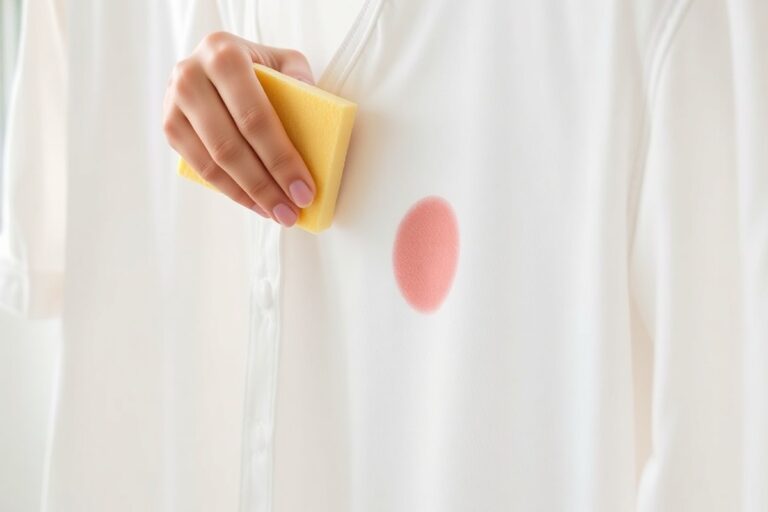
Spot bleaching lets you whiten small areas without treating the whole garment. To do this safely, dilute oxygen bleach much more than for a full-soak, typically 1 tablespoon per cup of water, and test on an inconspicuous area. Apply with a cotton swab or soft cloth directly on the stain, letting it sit for 5 to 10 minutes under room temperature.
After treatment, rinse the spot thoroughly with cold water to halt the chemical action. Avoid using chlorine bleach for spot treatments on colors, they can cause uneven bleaching and permanent damage.
Steps to Minimize Fabric Damage
Fabric damage happens when bleach concentration is too high, exposure time is excessive, or fabrics are incompatible. To protect your clothes:
- Choose oxygen-based bleach specifically labeled safe for colors
- Use the lowest effective concentration and soak time
- Test a hidden section first to check for colorfastness
- Avoid mixing bleach with ammonia or detergents containing ammonia
- Rinse clothes thoroughly after bleaching to remove all residual bleach
- Do not bleach garments with colored patterns, trims, or non-colorfast dyes
Following these precautions reduces fading, fiber weakening, and color bleeding risks.
Can Colored Clothes Be Bleached White?
Bleaching colored clothes to pure white is generally not achievable without significant risk of damage or uneven fading. Chlorine bleach would strip color but also degrade fibers, leaving a weakened garment. Oxygen bleach cannot remove color completely; it mainly brightens and removes stains.
If the goal is full whitening, it’s safer to replace the item rather than attempt full bleaching on colored fabric. For spot cleaning or brightening dull colors, oxygen bleach offers a balanced solution that keeps the garment wearable.
Checklist for Bleaching Colored Clothes
- Confirm the fabric is colorfast and compatible with oxygen bleach
- Select oxygen-based bleach, never chlorine bleach
- Test a small hidden area before full treatment
- Dilute bleach according to product instructions for colors
- Use warm water (90°F to 120°F) for soaking and spot treatment
- Apply spot treatment with a cotton swab, limit exposure to 5, 10 minutes
- Rinse extensively after bleaching to stop chemical action
- Allow air drying away from direct sunlight to prevent fading
How Long to Bleach Clothes and Timing Tips
The ideal soaking time in a bleach solution depends on the fabric type and the level of whitening you want. Whites and sturdy fabrics like cotton shirts should soak for 5 to 10 minutes, while socks and denim may need 10 to 20 or even up to 30 minutes. Delicate fabrics require only about 3 to 5 minutes to avoid weakening the fibers. Setting a timer is key to prevent over-soaking, which can lead to fabric damage like thinning or holes.
Water temperature also matters for effective bleaching. Chlorine bleach works best in hot water, so washing white clothes on a hot or warm cycle can speed up the bleaching process. For example, adding chlorine bleach five minutes into a hot-water wash can boost cleaning and sanitizing power. Oxygen bleach, a gentler option, requires hot water to lift stains but should be used with cold water for colored items to protect the dye. Cold water slows bleaching but helps preserve colors, so limit soaking time when using it.
When you find that clothes haven’t reached the desired level of whiteness after the initial soak, it’s safe to repeat the process. Use fresh bleach solution and soak again for the recommended time, but avoid repeating too often as frequent bleaching weakens fabric fibers, especially cotton. Timing soaking sessions becomes even more important in this case to maintain garment durability.
Regular bleach use on clothing demands caution. Leaving clothes submerged too long can cause yellowing or weaken threads, reducing garment lifespan. For example, cotton shirts soaked beyond 10 minutes risk fiber breakdown, while delicate fabrics soaked over 5 minutes may develop holes or roughness. Always rinse well after bleaching and never leave fabrics soaking unattended.
To bleach clothes effectively while protecting your fabrics, follow clear timing guidelines: Submerge white cotton shirts for about 5 to 10 minutes, socks for up to 20 minutes, and denim for no longer than 30 minutes in a properly diluted bleach solution. Use hot water with chlorine bleach for whites and warm water with oxygen bleach for colors. Stop soaking promptly as soon as the timer ends to avoid damage and maintain your garment’s strength and appearance.
Always set a timer when soaking clothes in bleach to avoid leaving them submerged too long, which can severely damage the fabric. Rinse thoroughly immediately after bleaching.
Common Mistakes When Bleaching Clothes and How to Fix Them
Over-bleaching clothes or using bleach too often can seriously weaken fabric fibers, causing holes or tears that won’t repair easily. Avoid full-strength bleach directly on your clothes, as it is highly concentrated and can result in irreversible discoloration or fiber damage. Always dilute bleach according to the instructions, typically about 1 part bleach to 30 parts water for laundry use, which helps keep fabric safe while whitening effectively.
Pouring bleach directly onto fabric almost always causes yellow spots or bleached areas that look uneven. To prevent this, mix bleach fully into water before submerging your clothes. Push the clothing down to ensure it saturates evenly, avoiding any bleach pooling on the fabric. Stains or heavy dye on fabric take longer to lighten, so adjust soaking time carefully to avoid over-bleaching sensitive areas.
If your clothes develop yellowing or greying after bleaching, soak them in a mixture of equal parts water and white vinegar for 15 minutes to neutralize bleach residue. Rinse thoroughly afterward. For bleach spots or weakened fabric, try rinsing immediately and washing with a mild detergent to remove excess bleach. Avoid wearing fragile items to prevent tears; repair or reinforce small holes promptly to extend garment life.
- Never pour bleach directly on fabric
- Always dilute bleach before use (about 1:30 ratio)
- Submerge and push clothes down to soak evenly
- Adjust soak times for stained or dyed fabrics
- Rinse with vinegar if yellowing occurs
- Wash promptly after bleach exposure
- Limit bleach use to prevent fiber weakening
Bleach is corrosive and can cause marks on both clothes and surfaces if spilled or splashed carelessly. Protect countertops and flooring, and wear gloves to prevent skin irritation. Keep bleach away from eyes and avoid mixing it with ammonia or other cleaners, as it creates toxic gases. Following proper dilution and handling procedures minimizes safety hazards and fabric damage. Using bleach cautiously preserves your clothes’ appearance and longevity while keeping you safe.
How to Dilute Bleach Properly for Different Laundry Tasks
Properly diluting bleach is essential for effective and safe laundry treatment. For soaking clothes, use a ratio of one part bleach to ten parts water. This means mixing about ½ cup of household bleach (typically 5.25% to 6% sodium hypochlorite) into 5 gallons of water. Soak bleach-safe fabrics like cotton for no more than 5 to 10 minutes to avoid damage. Synthetic fabrics often require less or no chlorine bleach because they can be more sensitive to harsh chemicals.
When using a washing machine, add bleach according to your machine type and soil level. For a standard washing machine load, use one-third cup of bleach for lightly soiled or routine whitening. For heavily soiled items, increase to two-thirds cup. High-efficiency washers have bleach dispensers sized for the correct amount, so fill to the maximum line indicated. Always pour bleach into the dispenser, never directly onto clothes, and select a hot water cycle to help activate the bleach.
Spot treatment with bleach requires careful dilution to avoid harming surrounding fabric. Mix one part bleach with five parts water in a spray bottle or small container. Apply with a cotton swab or cloth, gently dabbing the stained area. Rinse thoroughly with water after a few minutes to stop the bleach action. Spot treatment should be tested on an inconspicuous area first and is recommended mainly for whites and colorfast materials verified as bleach-safe.
For sanitizing laundry, such as disinfecting cloth face masks or bedding, use a bleach-to-water ratio of 1:100. Mix ¼ cup of bleach in a gallon of water and add to the wash cycle or soak laundry for 5 minutes before rinsing. This dilution is strong enough to kill most germs without excessive fabric wear.
- Soaking: 1 part bleach to 10 parts water; soak 5, 10 minutes
- Washing machine, light soil: 1/3 cup bleach per load (standard), max dispenser (HE)
- Washing machine, heavy soil: 2/3 cup bleach per load (standard), max dispenser (HE)
- Spot treatment: 1 part bleach to 5 parts water, apply briefly and rinse
- Sanitizing: 1 part bleach to 100 parts water (¼ cup per gallon), soak or wash for 5 minutes
- Use hot water cycles to activate bleach; always check fabric labels
Dilution varies by fabric type. Cotton and polyester typically tolerate standard bleach dilutions, whereas delicate or synthetic fabrics often require oxygen-based bleaches or reduced concentrations to avoid damage. Over-bleaching or using concentrated bleach on synthetics can weaken fibers and cause yellowing or holes.
Following these specific dilution guidelines helps ensure effective whitening, stain removal, and sanitizing without compromising fabric integrity or your washing machine’s function. Measuring carefully and not exceeding recommended bleach amounts prevents staining or residue. Always handle bleach in well-ventilated areas while wearing gloves, and rinse fabrics promptly after bleaching to remove chemical residue.
Safety Tips and Precautions for Using Bleach on Clothes
Handling bleach requires care to protect your skin, eyes, fabrics, and household surfaces. Always wear rubber gloves to prevent skin irritation, and consider using a plastic apron to shield your clothes from accidental spills. Eye protection like safety goggles is advisable, especially when mixing bleach solutions or working with larger quantities. Avoid direct contact with bleach as it can cause burns and irritate sensitive skin areas.
To reduce exposure to harmful fumes, work in a well-ventilated area. Open windows and doors or use an exhaust fan to allow fresh air circulation. Never mix bleach with ammonia, vinegar, or any other household cleaners, as this can create toxic gases. Only mix bleach with water or detergent formulas specifically designed for use with bleach, following the instructions on the bleach container carefully.
Bleach can damage many surfaces, including wood, metals, and painted areas. Protect countertops and floors by covering them with plastic or towels before starting your bleach treatment. Avoid splashes on carpets or upholstery, as bleach can cause permanent discoloration. When handling bleached clothes, rinse them thoroughly to remove residual bleach and then store them separately until fully dry to avoid accidental contact with other garments.
- Wear rubber gloves and plastic apron when handling bleach.
- Use safety goggles to protect your eyes from splashes.
- Work in a well-ventilated space with windows or fans open.
- Never mix bleach with ammonia, vinegar, or other cleaners.
- Cover nearby surfaces to avoid bleach damage.
- Rinse bleached clothes well and store separately until dry.
- Keep bleach out of reach of children and pets in a cool, dry place.
Proper storage helps maintain the bleach’s effectiveness and prevents accidents. Store bleach in its original container with the label intact, tightly closed, and away from direct sunlight or heat sources. Avoid transferring bleach to unmarked containers to prevent misuse. After bleaching, let clothes dry completely before returning them to your wardrobe to keep bleach residues from harming other fabrics.
Always test a small hidden area on your garment before full bleaching to check for fabric reaction and prevent unwanted damage.
Step-by-Step Action Plan for Bleaching Clothes Safely
Follow these steps to bleach your clothes effectively while protecting fabric and color integrity.
- Before you start: Check fabric care labels and separate bleach-safe whites from colored and delicate items to prevent damage.
- Prepare your solution: Dilute the bleach according to the label, usually ¾ cup of bleach per gallon of water for standard whitening; use less for stain removal.
- Spot test: Apply diluted bleach on a hidden fabric area for 5 minutes to check for colorfastness or damage before treating the whole garment.
- Soak for stain removal: Submerge stained whites up to 5 minutes in the bleach solution to avoid weakening fibers; longer soak risks damage.
- Wash promptly: Rinse and wash the bleached items immediately with detergent to remove residual bleach and protect fabric.
- Dry carefully: Air dry or use a dryer on a low heat setting to minimize further stress on bleached fabric.
- After treatment: Inspect the garments for any signs of weakening or color change; avoid repeat bleaching on the same area.
Frequently Asked Questions
Can I Bleach Clothes Without Damaging Elastic or Buttons?
Elastic and buttons may get damaged by bleach, so avoid soaking those parts. Use spot treatment or protect them with a barrier before bleaching.
Is It Necessary to Rinse Clothes Immediately After Bleaching?
Yes, rinsing removes bleach residues that can weaken fabric fibers over time. Use plenty of cold water to fully wash out bleach.
Does Bleaching Remove Odors from Clothes Effectively?
Bleach kills most odors by disinfecting the fabric. However, some strong odors might require repeated treatment or special detergents.
Can I Bleach Clothes in a Washing Machine Dispenser?
Yes, but add bleach to the correct dispenser according to machine instructions to avoid fabric damage. Never pour bleach directly on clothes.
How Does Water Temperature Affect the Bleaching Process?
Warmer water speeds bleaching, usually taking 30 to 60 minutes, while cold water requires 2 to 3 hours for similar results.
Is It Safe to Mix Bleach with Other Laundry Chemicals?
Avoid mixing bleach with ammonia or acids as it produces toxic gases. Always check product labels before combining products.
Key Points to Remember
Bleaching clothes requires careful attention to fabric type, dilution, and timing to safely whiten or remove stains. Always test first and act promptly to rinse and wash out bleach. Start with a small batch to build your confidence before treating more items.