Can Shoes Go in the Washer? A Complete Guide for Safe Cleaning
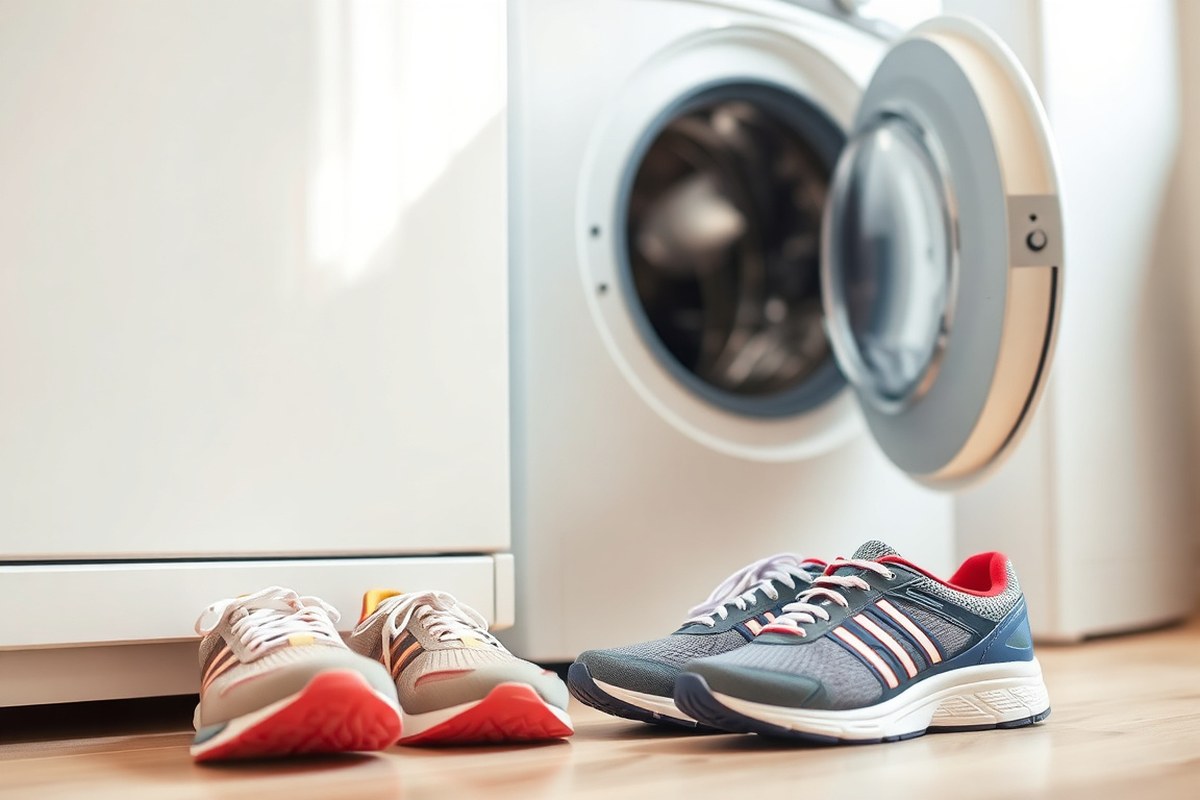
You can put many types of shoes in the washing machine safely if you follow specific preparation and care steps. Machine washing works best for durable materials like canvas, mesh, and some synthetics, but it is not suitable for leather or delicate shoes. This article is for anyone wanting safe, effective shoe cleaning at home using a washer and other methods. You’ll learn which shoes work well in the machine, how to prepare and wash them properly, and when to use hand washing instead.
Knowing how to wash shoes in the washer helps prevent damage and extends the life of your footwear. This advice covers selecting the right settings and detergents, drying your shoes safely, and avoiding common washing mistakes. Whether you want to freshen up a pair of sneakers or handle stubborn stains, this information guides you to clean your shoes efficiently without risking wear or deforming.
Key Takeaways
- Only machine wash shoes with sturdy materials like canvas, mesh, nylon, or polyester and check the care label first.
- Never machine wash leather shoes; clean them gently by hand to avoid damage.
- Remove laces and insoles before washing to clean thoroughly and prevent tangling.
- Use a gentle cycle lasting no more than 30 minutes with cold water and mild detergent.
- Put shoes in a laundry bag or pillowcase to protect them and the washing machine drum.
- Dry shoes naturally at room temperature for 12 to 24 hours; avoid direct heat sources.
Can You Put Shoes in the Washing Machine Safely?
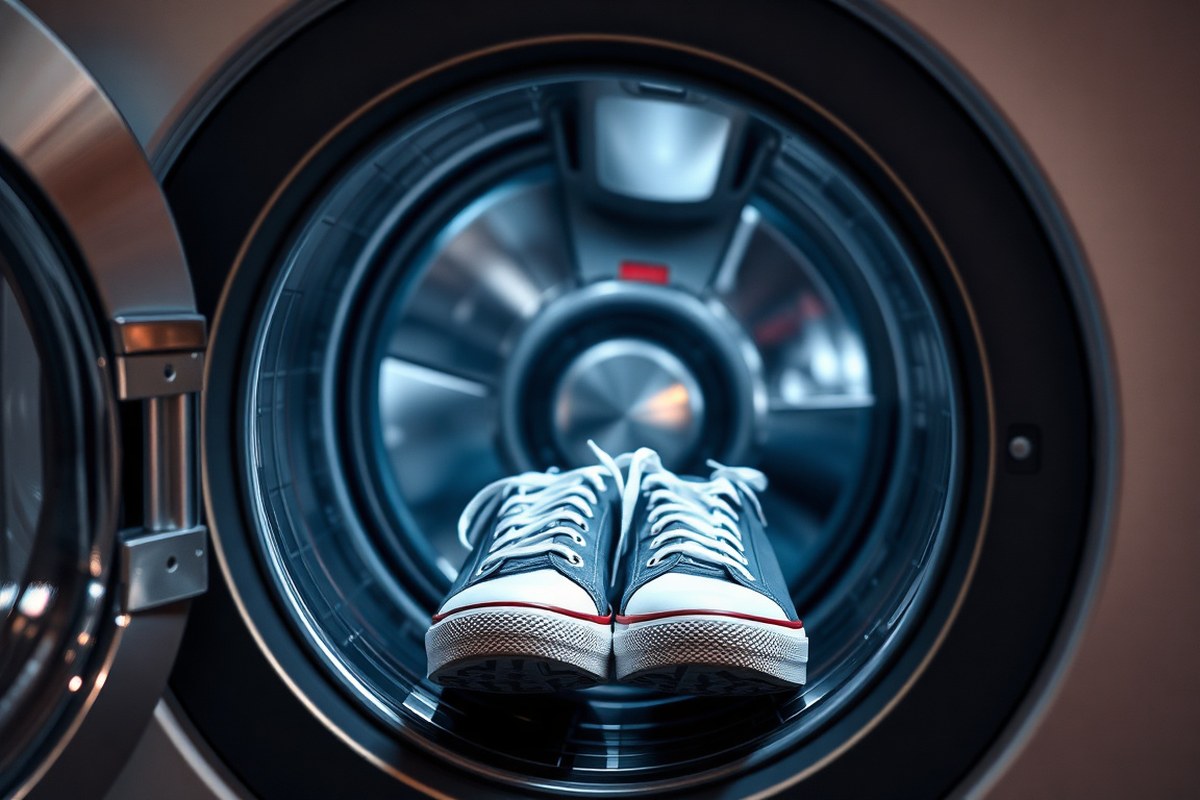
Yes, you can put certain types of shoes in the washing machine safely, but this depends on the material and construction of the shoes. Canvas, nylon, cotton, and polyester shoes generally tolerate machine washing well when done with care. Avoid washing leather, suede, rubber, or vinyl shoes in the machine, as water and agitation can damage these materials, causing warping, color loss, or separation of glued parts.
Machine washing shoes carries some risks. The aggressive movement inside the washer can cause shoes to lose shape, seams to loosen, and trims or attached components to peel off. Besides damaging your shoes, you might risk harming the washing machine’s drum if shoes hit it hard or cause an imbalance during spin cycles. To reduce these risks, use a gentle cycle with cold water (around 30°C) and mild liquid detergent, and place shoes inside a laundry bag or pillowcase for added protection.
Before washing, remove loose dirt and insoles to lighten the load and avoid damage. Combining shoes with towels or similar items in the wash helps balance the load and prevents excessive knocking inside the drum. Always check manufacturer care tags to confirm if machine washing is appropriate for your particular shoes. Some mesh or knit sneakers may also require a gentler cycle to avoid fiber stretching or tearing.
The number of washes and water temperature matter too. Stick to cold or lukewarm water (maximum 30°C) to preserve shoe materials and colors. Avoid bleach, as it can discolor or weaken fabrics. After the wash, air drying is essential; never use a dryer because high heat can deform shoes and glue. Stuffing shoes with absorbent paper helps them keep their shape and dry faster.
Using a specialized sneaker cleaning kit can be an excellent alternative if you’re worried about damage. These kits usually include brushes, gentle cleaners, and treatments designed for machine-wash-safe shoes and those requiring gentler care. If your shoes have delicate materials or complex decorations, hand washing is preferred to avoid damage or machine breakdown. Following all these safety steps ensures your shoes come out clean without compromising their look or your washing machine’s performance. Ignoring these precautions increases the chance of shoes falling apart, fading, or causing washer malfunctions.”
Which Shoe Materials Are Safe for Machine Washing?
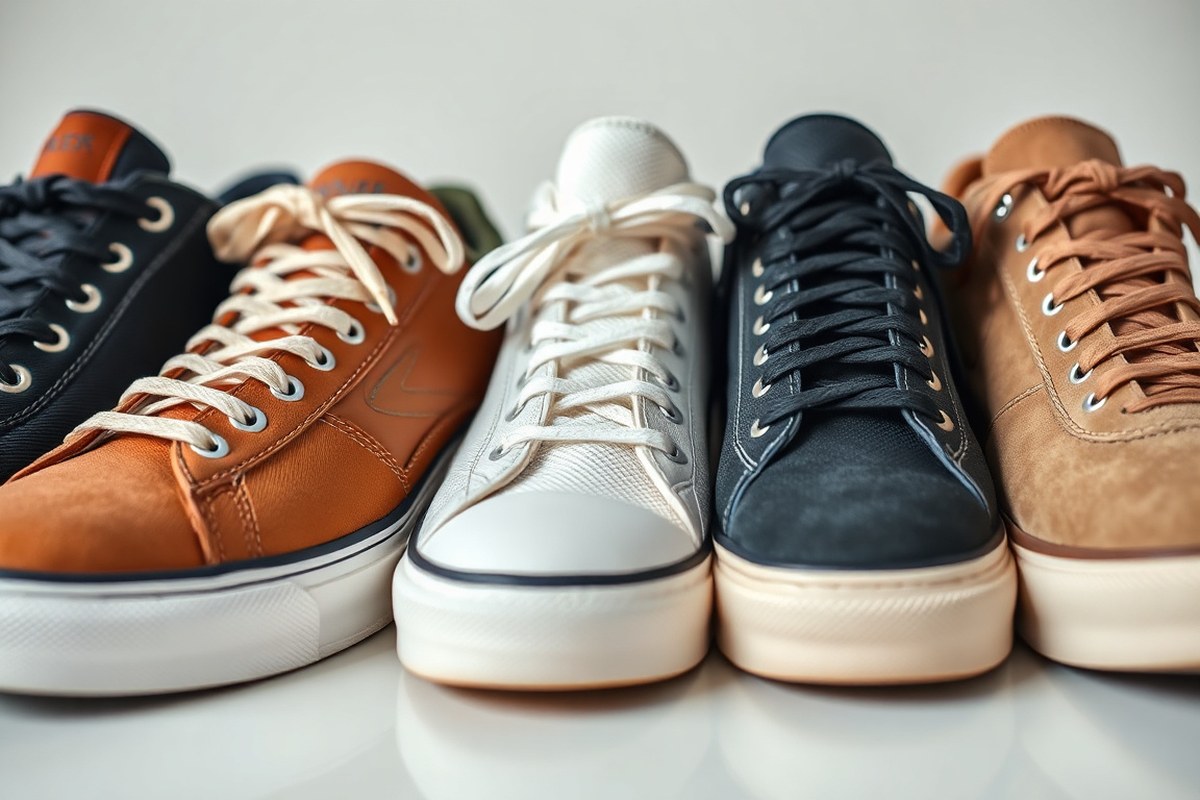
Machine washing suits shoes made from sturdy, water-resistant materials like nylon, cotton, polyester, and mesh uppers. These fabrics handle cold water and gentle agitation well, allowing you to clean trainers, children’s shoes, and running shoes efficiently. Avoid shoes with leather or suede sections, as these are highly sensitive to water and agitation. Washing leather or suede shoes in a machine risks warping, discoloration, and deterioration of the delicate surface. These materials need hand cleaning with a soft brush and special cleaners to keep their shape and appearance.
Fabric or canvas shoes absorb water and can tolerate machine washing with care, but watch for decorative elements like glued soles or leather trims. Such features may come loose or get damaged. When leather is part of the shoe, any exposure to water can cause the material to become stiff or crack after drying. Suede’s texture can flatten and stain, so it never belongs in the washer. Instead, use spot cleaning methods suited to those materials.
Using the right washing settings reduces risk even for machine-safe shoes by controlling temperature, agitation, and detergent. One or two pairs of shoes per load is best to prevent excessive banging inside the drum. Protect shoes with a washable mesh bag to limit the machine’s impact but remember this doesn’t make delicate or leather shoes safe to wash.
| Material | Machine Washable? | Recommended Cleaning Method | Notes |
|---|---|---|---|
| Nylon, Polyester, Cotton | Yes | Cold water, gentle cycle, mild detergent | Best for sneakers, trainers, children’s shoes |
| Mesh uppers (without leather trim) | Usually yes | Cold water, gentle cycle, bag for protection | Check for glued parts and decorative pieces |
| Leather | No | Hand clean with soft brush and leather cleaner | Water exposure causes warping and stiffness |
| Suede | No | Spot clean with suede brush and specialized cleaner | Machine washing damages texture and color |
| Canvas | Yes | Cold water, gentle wash, mild detergent | Absorbs water well; dry carefully to avoid shape loss |
| Decorative or delicate materials | No | Gentle hand cleaning only | Machine washing risks damaging trims or glue |
Do not put leather or suede shoes in the washing machine even if they look sturdy, air drying or professional cleaning is safer for these materials.
Machine washing won’t suit expensive or heavily constructed shoes with mixed materials, because any water damage or agitation can ruin their fit and finish. Hand cleaning with suitable products and tools avoids the harsh effects of the machine. Following these guidelines helps you keep shoes clean without risking their material quality or longevity.
How to Prepare Shoes Before Machine Washing
Preparing your shoes before putting them in the washing machine is key to a thorough and safe clean. Removing detachable parts, clearing away dirt, and protecting shoes help keep both your footwear and machine in good condition. Follow the detailed steps below to prepare your shoes properly.
Remove Laces and Insoles
Take out the laces and removable insoles before washing to ensure each part gets cleaned properly and avoids damage. Washing laces inside a separate mesh bag prevents tangling and breakage. Insoles may not always be machine washable, so washing them by hand with mild soap helps preserve their shape and cushioning. Removing these parts reduces wear on the shoes during wash cycles and helps the water and detergent reach inside better.
Clean Off Dirt and Debris
Clear off loose mud, sand, and grass from your shoes before machine washing. Removing surface debris prevents it from spreading or clogging the washing machine.
Use a soft brush like an old toothbrush or a cloth to gently scrub the outsole and seams. Tap the soles together to release dirt trapped in grooves. Avoid harsh scrubbing on delicate uppers to protect the fabric or material.
Use a Mesh Laundry Bag
Place your shoes inside a mesh laundry bag before washing. The bag cushions the shoes during the spin cycle and prevents them from banging against the drum or other clothes. The laces, once inside their own mesh bag, can go inside the same bag with the shoes or separately. This protective step helps keep shoes intact, avoids scuffs, and reduces noise.
- Take your shoes off and remove the laces.
- Remove the insoles if they are designed to be removable.
- Place the laces inside a small mesh laundry bag suitable for washing.
- Tap the soles together over a trash can or outside to knock loose dirt out.
- Use a soft brush or cloth to gently clean mud, sand, and grass from the soles and shoe edges.
- Place the shoes inside a large, closed mesh laundry bag.
- Add the lace bag and any other removable parts if machine washable to the same wash.
- Check that all zippers or fasteners on mesh bags are closed to avoid snags in the machine.
Choosing the Right Washing Settings and Detergents
Use cold water and a gentle or delicate cycle to minimize wear and tear on your shoes. Hot water can weaken adhesives and cause colors to fade, so stick to temperatures below 80°F (27°C). Avoid high-spin speeds; instead, select a slow spin or no spin setting to reduce impacts that may deform your shoes or damage the washing machine drums.
It’s okay to wash your shoes with clothes, but keep the load balanced and avoid delicate fabrics. Pair your shoes with towels or sturdy items to cushion impacts and prevent banging noises. Using a mesh laundry bag designed for shoes is advisable to protect both your footwear and clothing from friction and snagging.
Choosing the right detergent helps protect your shoes and clean effectively. Use a mild liquid detergent without bleach or fabric softeners, as additives can break down shoe materials or leave residues. Avoid powdered detergents that may not fully dissolve, potentially leaving gritty particles in seams. Skip additives like stain removers unless the shoe’s care label explicitly recommends them.
- Set your machine to cold water and a gentle or delicate cycle (under 80°F/27°C).
- Use slow or no spin to prevent shoe deformation.
- Wash shoes with towels or durable clothes, not delicate fabrics.
- Place shoes in a mesh laundry bag to reduce friction and protect them.
- Choose mild liquid detergent without bleach or fabric softeners.
- Avoid powdered detergents and harsh stain removers unless care label allows.
Following these guidelines reduces the risk of damage from machine washing and helps your shoes stay fresh. Using cold, gentle cycles preserves adhesives and fabric, while the right detergent keeps soles and uppers clean without harmful chemicals. Pay attention to your machine’s settings and detergent type to get the best results with minimal risk.
Step-by-Step Guide to Washing Shoes in the Washing Machine
Washing shoes in the machine requires a gentle cycle using cold water, with careful load balancing and mild detergent. Avoid frequent washing, limit machine washes to when the shoes are noticeably dirty or have an odor. Laces and insoles can usually be washed alongside shoes, but remove insoles first to dry separately afterward.
Setting the Machine Cycle
Select a cold water cycle set between 20 to 30 degrees Celsius (68 to 86 degrees Fahrenheit) to avoid damaging shoe adhesives and materials. Use a gentle or delicate cycle combined with a slow spin or no-spin option. This reduces the risk of excessive wear or deformation caused by vigorous agitation or high spin speeds.
Limit the wash cycle length to about 30 to 40 minutes. Shorter cycles with cold water preserve the shoe’s shape and extend their lifespan. Over-washing can break down stitching, fade colors, or loosen glue holding components together.
Loading Shoes and Laundry
Place shoes inside a protective laundry bag to prevent damage to both the shoes and the washer drum. Add a few towels or lightweight items to balance the load, which minimizes vibration and noise. Washing only shoes in the machine without balancing items can cause the washer to shake excessively.
Remove insoles and laces from shoes before washing. Laces can go in the laundry bag with the shoes, but insoles dry better if washed separately or air-cleaned. Once the wash cycle finishes, let shoes and insoles dry fully before reinserting to avoid mildew or lingering odors.
Adding Detergent and Optional Additives
Use a small amount of mild liquid detergent formulated for delicate items, or opt for specialized shoe detergent strips designed for cold water washing. Avoid bleach or harsh chemicals, which can deteriorate fabric and foam materials. You may add a laundry detergent sheet for convenience, ensuring it is suitable for shoes and gentle fabrics.
Do not overuse detergent, as excess suds can build up inside the shoe fibers, requiring additional rinses. Stick to manufacturer recommendations for detergent quantity and type. Adding a fabric softener is generally not recommended, because it can leave residues reducing breathability.
- Remove dirt from shoes using a soft brush before placing them in the washing machine.
- Take out the insoles and laces; place laces inside a laundry bag.
- Load the shoes and laundry bag of laces into the washing machine.
- Add a few towels or lightweight clothing items to balance the load.
- Pour a small amount of mild liquid detergent or add a detergent strip.
- Set the washing machine to a cold water (20, 30°C), gentle/delicate cycle with slow or no spin.
- Start the cycle, keeping it between 30 and 40 minutes for best results.
- After the cycle, remove shoes and laces; air-dry separately at room temperature.
Never wash shoes in hot water or a heavy-duty cycle, as this risks damaging materials and causing the shoes to lose shape.
How to Dry Shoes Safely After Washing
After washing your shoes, air drying is the safest way to dry them completely without risking damage or shrinking. On average, shoes take at least 8 to 24 hours to dry fully, depending on their material and the drying environment. Leather and heavier materials might take longer, while mesh and canvas tend to dry faster. Make sure to remove the insoles and laces and let each part dry separately to speed up the process and avoid moisture buildup inside.
Using a dryer is not recommended because the high heat can warp the soles, shrink the shoes, and even damage internal adhesives. Instead, place your shoes in a well-ventilated area at room temperature. Keeping them out of direct sunlight helps prevent fading and cracks, especially in delicate materials. If possible, let them air dry outside on a dry, shaded surface, but only after rinsing away any cleaning solution to avoid spots or discoloration from sunlight drying on the residue.
To help your shoes keep their shape during drying, stuff the interiors with crumpled newspaper or a dry towel. These fillers absorb moisture and prevent the shoes from collapsing or creasing as they dry. Replace the stuffing a couple of times if it gets wet too quickly. For shoes with removable insoles, set them aside to dry separately in the same well-ventilated area. Wait until every part, the shoes, insoles, and laces, are completely dry before putting them back together or wearing them again.
For a slightly faster drying time without heat, you can place a fan nearby to circulate air around the shoes, which can reduce drying time by several hours. Avoid using heaters or direct heat sources like radiators, as concentrated heat can dry out and damage shoe materials. Patience is key here: rushing the drying with heat risks shrinking the shoes or ruining their shape, which may lead to discomfort or reduced shoe lifespan.
When and How to Hand Wash Shoes Instead
Shoes made from materials like leather, suede, satin, and those with delicate details should not go in the washing machine due to the risk of damage. Hand washing provides better control and gentler care. Cleaning them by hand also helps maintain their shape and appearance over time.
Cleaning Leather Shoes
Leather shoes require gentle cleaning to prevent cracking, discoloration, or stiffening. Avoid soaking leather in water, as it can cause the material to warp and lose its natural oils. Use mild cleaners designed specifically for leather and always test any product on a small hidden area first. Follow these steps for hand cleaning leather shoes safely:
- Remove laces and gently brush off loose dirt with a soft brush or cloth.
- Mix a small amount of mild soap, such as saddle soap or a leather cleaner, with lukewarm water to create a light sudsy solution.
- Dampen a soft cloth with the solution and wring it out well to avoid soaking the leather.
- Wipe the shoe surface carefully, focusing on stains or dirty areas without saturating the leather.
- Use a clean, damp cloth to remove any soap residue.
- Dry shoes at room temperature away from direct heat or sunlight to prevent drying out and cracking.
- Once dry, apply a leather conditioner to restore moisture and keep the leather supple.
- Replace the laces after the shoes are fully dry.
This approach preserves the leather’s durability and appearance. Avoid using harsh detergents or scrubbing vigorously, as these can damage leather surfaces.
Cleaning Suede Shoes Without Damage
Suede requires an even more delicate touch since water and harsh cleaning agents can cause staining and texture changes. Never soak suede shoes or use liquid cleaners directly on them. Instead, use dry cleaning methods and gentle spot treatments. Here are the steps for cleaning suede by hand safely:
- Brush off surface dirt with a suede brush or a soft toothbrush using light, circular motions.
- Rub stains gently with a suede eraser or a clean pencil eraser to lift marks without moisture.
- For tougher stains, lightly dampen a cloth with white vinegar or rubbing alcohol, then blot the stain carefully without soaking the fabric.
- Allow the suede to air dry completely in a well-ventilated area away from direct heat.
- Brush the suede again to restore its characteristic nap and texture.
These steps help maintain the soft, velvety texture of suede without risking water stains or flattening the fabric. Avoid household soaps or water-soaked cloths, which can leave permanent marks.
Hand Washing Canvas and Mesh Shoes
Canvas and mesh shoes can handle a little more moisture than leather or suede but still benefit from gentle hand washing to avoid damage. Use mild detergent and lukewarm water while avoiding aggressive scrubbing that could weaken fabrics or detach glued parts. Follow this hand washing method for canvas or mesh footwear:
- Remove laces and insoles if possible for separate washing.
- Brush off excess dirt with a soft brush or cloth.
- Prepare a mixture of mild detergent and lukewarm water.
- Dip a soft cloth or brush into the solution, then gently scrub the shoe surface focusing on stains and dirty areas.
- Rinse the cloth or brush and wipe away soap residue carefully without soaking the shoe.
- Pat the shoes with a dry towel to absorb excess water.
- Stuff the shoes with paper towels or cloth to maintain their shape while drying.
- Let them air dry at room temperature away from direct sunlight or heat sources.
This process helps keep canvas and mesh shoes clean without risking fabric weakening or deformation. Using mild detergent avoids irritation or damage, and drying properly reduces chances of odor or mildew buildup.
Common Mistakes When Washing Shoes and How to Fix Them
One common mistake is using hot water, which can break down shoe materials and cause parts to loosen. Use cold or lukewarm water around 30°C (86°F) to avoid damage. Another error is not protecting the shoe’s shape before washing. Filling shoes with crumpled newspaper or inserting a shoe tree helps maintain their form during the wash cycle.
Many people mistakenly add bleach or fabric softener to the wash, thinking it will clean better or soften fabrics. These products can discolor materials, weaken fabrics, and leave residues that harm breathability. Avoid bleach and fabric softeners unless the shoe’s care instructions explicitly approve their use.
Choosing the wrong machine settings can also cause problems. Aggressive cycles, too much agitation, or high spin speeds can cause shoes to lose shape or develop cracks. Use a gentle or delicate cycle to limit movement and protect bonded parts. Overloading your washing machine can increase collisions between shoes and other laundry, leading to scuffs and damage on both.
After washing, some shoes go limp or misshapen. Restoring shape is possible by stuffing them with clean, dry newspaper and leaving them to air dry at room temperature. Replace the paper every 2 to 3 hours for heavily soaked shoes until fully dry. Avoid placing shoes near direct heat sources that can shrink or distort materials.
Never put shoes in the dryer, as heat can melt adhesives, shrink materials, and ruin the fit permanently.
- Use cold or lukewarm water, avoid hot water to protect materials
- Stuff shoes with newspaper or use shoe trees before washing
- Use a gentle or delicate cycle, avoid high spin speeds
- Skip bleach and fabric softeners unless approved by the manufacturer
- Wash shoes separately or with towels to cushion impacts
- Replace wet stuffing frequently during drying to keep shape
If your shoes end up stained, spot treat those areas with a mild detergent using a soft brush before washing next time. Avoid harsh stain removers that might damage fabric. Consistently following these tips reduces the risk of wearing out your shoes prematurely and keeps them looking better longer.
Step-by-Step Action Plan for Washing Shoes in a Machine
Follow these steps to wash your shoes safely in the washing machine and keep them in good shape.
- Before washing: Remove laces and insoles to clean separately. Check the shoe label to confirm they’re machine washable.
- Preparation: Brush off loose dirt and place shoes in a mesh laundry bag or pillowcase to protect both shoes and washer drum.
- Washing settings: Set your machine to a gentle or delicate cycle with cold water. Use a small amount of mild detergent.
- Load the machine: Add towels to balance the load and reduce noise. Watch for excessive banging as a sign to stop and adjust placement.
- After washing: Remove shoes promptly and reshape them if needed to avoid wrinkles or creases.
- Drying: Air dry shoes away from direct heat or sunlight. Stuff shoes with paper towels to maintain shape and absorb moisture.
- Cleaning accessories: Wash laces and insoles by hand or place them in a separate mesh bag for gentle machine washing.
- Final check: Inspect shoes for any damage or lingering moisture before wearing, repeating cleaning or drying steps if necessary.
Frequently Asked Questions
How Can I Clean Cork Shoes Without Damaging Them?
Avoid machine washing cork shoes as water can weaken the material. Instead, wipe them gently with a damp cloth and mild soap, then let them air dry to preserve their structure and appearance.
What Is the Best Way to Clean Clarks Suede Shoes Safely?
Do not put Clarks suede shoes in the washing machine. Use a suede-specific cleaner and brush to remove dirt, then air dry them away from heat to maintain the nap and texture.
How Should I Clean Trainers Made with Mixed Materials?
For trainers with canvas, nylon, or polyester, machine washing on a cold cycle with mild detergent is usually safe. Pretreat stains beforehand and always remove laces and insoles before washing.
Can Brooks Running Shoes Be Washed in the Washing Machine?
Brooks shoes made of mesh or synthetic materials can generally be machine washed on a gentle, cold cycle. Check the manufacturer’s instructions first to avoid damaging delicate fibers or glued components.
What Are the Safest Drying Methods After Machine Washing Shoes?
Air drying is best. Stuff shoes with paper to maintain shape and place them away from direct heat or sunlight to prevent warping or fading. Do not use a dryer as it can damage shoes and shrink their materials.
How Can I Clean White Sneakers in the Washing Machine Without Discoloration?
Use a mild liquid detergent on a cold cycle to prevent yellowing. Avoid bleach and pre-soak stains carefully before washing. Air dry them in shade, stuffing with paper to retain their form.
Before You Go
You can wash many types of shoes in the washing machine if you prepare them properly and choose the right settings. Taking care during drying will help keep your shoes looking good and lasting longer. Start by checking your shoe’s label and removing accessories before the first wash to protect both your shoes and your washing machine.