How to Clean Dry Clean Only Clothes at Home: 8 Safe Methods That Work
You can clean dry clean only clothes at home safely by choosing the right method based on fabric type and following specific care steps. Techniques like hand washing with gentle detergents, using dry cleaning kits, or steaming can refresh garments without damaging fibers.
This advice is for anyone wanting to save money or avoid frequent dry cleaner visits while keeping delicate clothes in good shape. You’ll learn which fabrics can handle home cleaning and how to treat stains, dry properly, and prevent shrinking or wrinkles.
Key Takeaways
- Check the fabric label before cleaning to confirm if home care is safe for your dry clean only garment.
- Hand wash delicate fabrics in cold water with a mild detergent to reduce fiber damage and color fading.
- Use dry cleaning kits for small loads, cleaning 3 to 5 items at a time for best results without overcrowding.
- Pre-treat spots with gentle stain removers or soak tough stains for 15 to 30 minutes before washing.
- Dry clothes on low heat or air dry to minimize shrinkage and maintain fabric shape.
- Refresh garments between washes using a clothing steamer to remove wrinkles and odors safely.
1. How to Clean Dry Clean Only Clothes at Home Safely

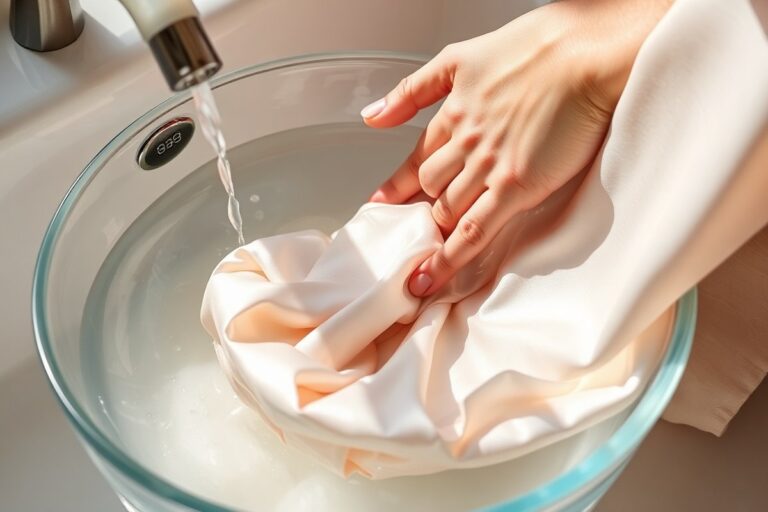
Cleaning dry clean only clothes at home requires a careful approach to prevent damage while refreshing your wardrobe affordably. The safest method is hand washing with cold water and mild detergent to avoid shrinking, color loss, or fabric distortion. Dry cleaning kits also offer a convenient alternative, using special cleaning cloths and bags designed to mimic the professional process without harsh chemicals. Both methods depend on modest agitation and low temperatures to maintain fabric integrity.
When washing by hand, avoid hot water and bleach, and handle garments gently to protect delicate fibers. Use a clean sink or basin, and do not wring or twist your clothes; instead, press out excess water softly. For kits, follow the product instructions precisely, placing only a few items (3 to 5) into the bag to allow room for movement and even cleaning. Overcrowding can lead to uneven results or increased wrinkles.
Dry your clothes flat on a clean towel or hang them to air dry away from direct sunlight and heat sources to prevent shrinking or fabric damage. Avoid machine drying unless the care label explicitly allows it. Recognizing these core safety principles will help you maintain your dry clean only clothes with confidence.
- Check the garment label. Confirm the item is suitable for hand washing or kit cleaning by looking for dry clean only tags and any special instructions.
- Treat any visible stains gently. Use a mild stain remover before washing, testing it on an inconspicuous area first to avoid fabric damage.
- Fill a basin with cold water and mild detergent. Use a small amount of gentle detergent designed for delicates.
- Submerge the garment and swish softly. Let it soak for about 5 to 10 minutes, then move it gently to clean it without stretching or wringing.
- Rinse thoroughly with cold water. Remove all soap by rinsing multiple times, pressing the water out gently between rinses.
- Use a clean towel to press out extra water. Lay the item flat on a towel, roll it up, and press down to absorb moisture. Avoid twisting the fabric.
- Air dry flat or hang carefully. Dry away from direct sunlight, heat, or rough hangers to keep the shape and fibers intact.
- If using a dry cleaning kit, follow the included instructions. Place only a few items inside the provided cleaning bag, use the special cleaning cloth, and run the dryer for the recommended time, usually about 30 minutes, without overcrowding.
2. Which Fabrics Can You Clean at Home? A Fabric Safety Guide

You can safely clean many “dry clean only” fabrics at home by hand washing or using special kits, but some materials like leather and suede should never be wet-cleaned due to damage risks. Knowing which fabrics tolerate home cleaning helps avoid costly mistakes and preserves your clothes.
Safe Fabrics for Hand Washing and Kit Use
Delicate fabrics such as wool, cashmere, silk, cotton, linen, polyester, and some blends like rayon or viscose generally respond well to gentle hand washing or dry cleaning kits. These fabrics can handle water and mild detergents if cleaned carefully, avoiding heavy agitation.
The key is to soak clothes in cool or lukewarm water (about 70°F or 21°C) for 15 to 30 minutes using a detergent formulated for delicates or a home dry cleaning kit. This method avoids shrinkage and fabric distortion common with machine washing. Even garments labeled “dry clean only” often fall into these fabric types and can be refreshed at home while preserving color and texture when you test first for colorfastness.
Fabrics to Avoid Washing at Home
Fabrics like leather, suede, and some rayon or viscose blends require professional dry cleaning because water and home detergents can ruin their texture and structure. Leather and suede absorb water, which stiffens, warps, or stains them irreversibly.
Suits, blazers, and other construction-heavy garments made of wool or stiff fabric sometimes require professional services to maintain shape and finish. Some delicate fabrics like velvet also demand professional attention.
Washing these materials at home risks costly damage. For leather or suede labeled “dry clean only” or “not washable,” stick to professional cleaners.
Testing Fabric Safety: Simple Methods
Before washing, test your garment for colorfastness and water sensitivity by dipping a small hidden area in water mixed with a mild detergent. Blot the fabric and check for color bleeding or deformation after drying.
A quick test helps decide whether home cleaning is safe. If colors run or fabric alters, avoid hand washing. Instead, use alternative methods like steaming to refresh clothes. Knowing the fabric type and testing its response to water ensures safer home cleaning and protects your investment.
| Fabric Type | Home Washing Safe? | Recommended Method | Comments |
|---|---|---|---|
| Wool & Cashmere | Yes | Hand wash with cold water, gentle detergent | Soak 15-30 minutes, avoid agitation, reshape after drying |
| Silk | Yes, with caution | Hand wash cold water, specialized detergent | Test colorfastness first; handle gently to avoid pulling |
| Cotton & Linen | Yes | Hand or machine wash gentle cycle | Can often tolerate more agitation, but follow label |
| Polyester & Some Rayon Blends | Usually | Hand wash or kit as per instructions | Test first; some rayon reacts poorly to water |
| Leather & Suede | No | Professional dry cleaning only | Water causes irreversible damage |
| Velvet & Structured Wool | No or limited | Professional dry cleaning recommended | Maintains fabric finish and garment shape |
Testing before washing is especially important for blends and more delicate fabrics. Use fabric-appropriate detergents and avoid harsh scrubbing or hot water to protect your clothes while cleaning at home.
Tip: Always perform a colorfastness test in a hidden spot on your garment before washing to avoid irreversible dye bleeding.
3. Treating Stains on Dry Clean Only Clothes Before Washing
Properly treating stains on dry clean only clothes before washing helps avoid fabric damage and preserves garment quality. Different types of stains require specific approaches using gentle, fabric-safe products. Pre-treating stains carefully limits the risk of discoloration, shrinkage, or weakening of delicate fibers.
Identifying Different Stain Types
Recognizing the nature of a stain guides the right treatment method. Oil-based stains, such as from cooking oil or cosmetics, need solvents that dissolve grease without water. Protein stains from blood, sweat, or dairy respond well to enzyme-based removers or mild soap but should not be exposed to hot water initially to prevent setting. Dye stains, like those from wine or ink, require color-safe, gentle stain removers due to their potential to alter fabric color.
Knowing the stain type matters because some treatments that work on sturdy fabrics will harm dry clean only items. For instance, harsh scrubbing or strong bleach can ruin fabric texture and color.
Safe Stain Removers and Application Techniques
Select stain removers labeled safe for delicate or dry clean only fabrics. Natural detergents with mild surfactants or enzyme-based spot treatments work best. Avoid bleach, strong solvents, or abrasive powders.
Use a soft cloth or cotton swab to apply the remover, dabbing gently. Avoid rubbing to prevent fabric distortion or spreading the stain. Blotting helps lift the stain safely. Without a specialized dry cleaning stain remover towelette, you can carefully treat small stains using a mix of cold water and gentle detergent.
Soaking and Spot Cleaning Guidelines
Soaking dry clean only clothes is generally risky, but brief soaking on a stained area can loosen dirt without damage. Limit soaking to 5 to 10 minutes with cold water and a small amount of gentle detergent. Extended soaking or warm water can set protein stains or cause shrinkage. For spot cleaning, follow these steps to treat a stain while protecting fabric integrity:
- Test the stain remover on an inconspicuous seam for colorfastness and fabric reaction.
- Blot off any excess stain gently with a soft cloth before applying treatment.
- Dampen a clean, soft cloth with cold water and apply a small amount of natural detergent or enzyme-based remover directly to the stain.
- Dab the stain gently, avoiding any rubbing or scrubbing motions that could damage the fabric or spread the stain.
- Blot the treated area with a dry cloth to absorb loosened stain particles and excess moisture.
- When necessary, soak the stained spot briefly for 5 to 10 minutes in cold water with gentle detergent, laying it flat.
- Repeat dabbing and blotting steps if the stain persists, but limit the process to avoid fabric stress.
- Allow the garment to air dry flat, avoiding heat or direct sunlight that may alter delicate fibers or colors.
4. Hand Washing vs Dry Cleaning Kits: Pros, Cons and When to Use Each
Hand washing dry clean only clothes gives you control over the process, but it requires careful attention. It involves gently soaking the garment in cool water with a mild detergent designed for delicate fabrics, then rinsing without wringing or twisting. Hand washing is best for items that might bleed color or lose shape if exposed to solvents in dry cleaning kits. You can spot-test a small hidden area first to check for colorfastness. The main benefit is avoiding chemicals, but hand washing risks shrinking or stretching if not done carefully.
Dry cleaning kits, usually priced under $20, offer a convenient alternative. They use a gentle solvent-based cleaner in a special bag that goes into your dryer, freshening several garments at once, often up to four items per kit load. These kits work well on lightly soiled clothes and help retain fabric shape and color. However, they don’t remove heavy stains, and some users report mixed results, so reading reviews before buying is key. The process typically takes under an hour, making it a quick option between professional cleanings.
Choosing between hand washing and a dry cleaning kit depends on your garments. Hand washing suits delicate fabrics that water won’t damage, like silks and wools removed from intense stain situations. Kits are better for structured items like suits and coats that need gentle solvent care without moisture exposure. Using kits on items that bleed or lose structure risks damage, and hand washing heavily soiled pieces may not clean effectively.
| Method | Ideal Garments | Process | Time Required | Number of Items | Cost Range | Effectiveness |
|---|---|---|---|---|---|---|
| Hand Washing | Silks, wools, delicate fabrics | Soak in cool water with mild detergent, rinse gently, air dry | 30-60 minutes | One or two at a time | Minimal, detergent cost only | Good for removing dirt but risky for stains and shrinking |
| Dry Cleaning Kit | Suits, coats, mild dirt or odor | Place garments in special bag with cloth, dry in machine | Under 1 hour | Up to 4 items per kit load | Under $20 per kit | Effective for freshening and light cleaning, not tough stains |
Because hand washing requires manual care and drying, it’s better for individual or very delicate items. Kits speed the process and handle multiple garments but depend on dryer availability and proper use to avoid fabric damage. Neither method replaces professional dry cleaning if your garment has significant stains or structural details like pleats or padding. Use hand washing or kits based on fabric type, garment construction, and the level of soiling for best results.
5. Drying and Finishing: How to Avoid Shrinkage and Wrinkles
Dry clean only clothes should never go in a home dryer. The heat and tumbling can cause shrinkage, distortion, and damage the fabric’s fibers. For structured garments like jackets or suits, using a dryer risks ruining the tailored shape that’s difficult to restore. Instead, air drying flat or on a hanger in a well-ventilated room is best to help maintain your clothes’ original fit and texture.
Proper drying helps prevent wrinkles and keeps garments looking sharp. Remove excess water by gently pressing items between towels, avoiding wringing or twisting. Hang delicate pieces on padded hangers or lay them flat on a clean towel, reshaping seams and collars while damp. This helps avoid permanent creases and stretching.
- After washing, gently press out water with a clean, dry towel.
- Lay flat on another towel for sweaters or delicate knits to dry fully.
- Hang blouses, dresses, or tailored items on padded hangers to retain shape.
- Avoid direct sunlight to prevent fading.
- Dry indoors in a well-ventilated space with good air circulation.
- Use a garment steamer to remove light wrinkles once dry.
- Use the lowest heat setting and a pressing cloth when ironing is necessary.
Keeping dry clean only clothes wrinkle-free without damage requires gentle handling. Steaming works well to relax fibers and smooth creases without contact heat that can scorch or shine delicate fabrics. Test a hidden area before ironing, and avoid prolonged heat exposure when using it as a last resort.
Never put “dry clean only” garments in a machine dryer, even the lowest heat settings risk permanent shrinkage and loss of shape.
The key to maintaining garment quality after home washing is patience. Air drying may take 12 to 24 hours depending on fabric and room conditions. Faster drying methods like heat or direct sunlight often cause uneven drying and damage. Air drying costs nothing but requires space and time, a worthwhile tradeoff to preserve your investment in delicate clothing.
6. Refreshing Clothes Without Washing: Steaming and Odor Removal
Steaming can refresh dry clean only clothes by removing wrinkles and light odors without washing. To kill tougher smells without wetting the fabric, spraying unflavored vodka works well and is safe for most fabrics. Other natural methods include airing out clothes and using odor absorbers for added freshness.
Using a Clothes Steamer Effectively
A garment steamer uses hot steam to relax fabric fibers, eliminating wrinkles and reducing odors from body, food, and smoke. Steaming does not replace washing for dirty clothes, but it keeps lightly worn garments fresh and wearable longer. Popular models like the Conair Turbo ExtremeSteam Steam & Iron cost around $40 to $70 and are easy to operate. Follow these steps to steam your dry clean only clothes safely and effectively:
- Hang the garment on a sturdy hanger in an open area.
- Fill the steamer’s reservoir with clean water, then turn it on and wait for it to heat up (usually 1-2 minutes).
- Hold the steamer about 1 to 2 inches away from the fabric to avoid water spots.
- Slowly move the steamer vertically down the garment, allowing the steam to penetrate but not soak the material.
- Pay extra attention to areas prone to odor like underarms and collar.
- Allow the garment to air dry for 10-15 minutes after steaming.
- Turn off and empty the steamer when done to prevent mineral buildup.
Steaming costs mostly time and the initial purchase of a steamer. It works well to freshen clothes that are not visibly dirty or heavily stained.
Making and Applying Vodka Odor Spray
Spraying dry clean only clothes with unflavored vodka kills bacteria causing smells without wetting the fabric or removing dyes. Vodka evaporates quickly, taking odors with it. This method is safe for most fabrics except delicate silk or leather, where test a small hidden area first. To create and use a vodka odor spray:
- Pour plain, unflavored vodka into a clean spray bottle (about 8 ounces).
- Lightly mist the garment by spritzing the spray evenly, about 3 sprays per shirt or jacket area.
- Hang the clothes in a well-ventilated space to let the vodka air dry completely.
- Avoid over-saturating to prevent water spots or stiffness.
This method can be done as often as needed for refreshing clothes between cleanings without damage.
Other Natural Freshening Techniques
Besides steaming and vodka sprays, simple freshening methods include hanging clothes outside or near an open window to air out odors. Sunlight and fresh air reduce mustiness and smoke smells effectively. Using natural odor absorbers like baking soda placed nearby while storing clothes also helps maintain freshness.
For quick odor removal, a spritz of commercial wrinkle releaser sprays containing mild deodorizing ingredients can be applied carefully. Downy Wrinkle Releaser is one example that also softens fabric without wetting it. These alternatives work best as maintenance steps for dry clean only garments not heavily soiled or stained.
7. Common Mistakes When Cleaning Dry Clean Only Clothes at Home
Common mistakes in cleaning dry clean only clothes at home can cause severe shrinking, fabric damage, and color issues. Using too hot water or heat during drying often leads to shrinking and distortion, especially for delicate fibers like silk, wool, and cashmere. Heat damages these fabrics by tightening or weakening the weave. To avoid this, always wash in cold water below 80°F and air dry away from direct sunlight and heat sources.
Color bleeding or distortion frequently happens when garments are not colorfast. Using water or home cleaning kits on these can cause dyes to run, ruining the piece and other clothing washed with it. Testing for colorfastness involves dabbing a hidden area with water and blotting it with white cloth to check for dye transfer. When color bleeds during testing, it’s best to take the item to a professional dry cleaner instead of trying to clean it at home.
Handling mistakes correctly can save your garment. For color bleeding, rinse the piece immediately with cold water to remove excess dye and stop further bleeding. Shrunk or misshapen clothes may recover slightly by gently stretching and reshaping while damp, but significant shrinkage is usually irreversible. Never use heat to try to fix shrinkage, as this only worsens the damage.
- Do not wash heavily beaded or sequined garments at home to avoid melting or loosening embellishments.
- Start by testing cleaning methods on less valuable dry clean only items to build confidence.
- Always hand wash or use home dry cleaning kits according to instructions with mild detergent, cold water, and gentle motions.
- Avoid wringing or twisting fabrics to prevent distortion and fiber stress.
- Keep the drying area shaded and well-ventilated, never exposing clothes to direct sunlight.
- Use colorfastness tests on hidden garment areas before full cleaning attempts.
- When unsure or if mishaps occur, contact a professional dry cleaner right away.
Following these tips helps protect your investment in delicate garments. Avoiding common errors saves time spent undoing damage and can extend the life and appearance of your dry clean only items. While home care suits many fabrics, knowing when to pause and seek professional help is key for preventable garment loss or costly repairs.
8. When to Skip Home Cleaning and Use Professional Dry Cleaners
Some garments are too delicate or complex for safe home cleaning and require a professional dry cleaner. Silk, wool, linen, and heavily structured items often carry a high risk of damage if washed at home. Clothes with intricate embroidery, beading, or trims also benefit from professional care because these details may not withstand water, agitation, or heat found in home methods. You should avoid home cleaning if the garment’s fabric or construction seems fragile or if it has a label specifically warning against any water-based cleaning.
Identifying when damage is likely starts with closely examining the garment. Look for signs like fabric stretching, visible loose threads, shrinkage risk, or dyes that run easily when tested by a light damp cloth on a hidden seam. When the fabric includes multiple layers or stiff interfacings, cleaning at home could lead to distortion. Also, garments with linings or non-removable stiffeners might face warping or shrinking if washed with water. In those cases, professional cleaners can use solvents instead of water, protecting fiber integrity and shape.
Professional dry cleaners offer solvent-based cleaning, which does not use water, preserving the garment’s fiber strength and preventing shrinkage or texture changes. This process is especially important for fabrics that degrade or transform when exposed to water and heat. The machines used by professionals circulate solvents gently, removing soils without agitation like typical home washing can cause. Also, professionals have access to specialized spotting agents and pressing equipment that restores garments carefully without heat damage or residue.
Deciding whether to attempt home cleaning or use a professional service follows a simple rule. Choose professional dry cleaning for lightweight silk blouses, wool blazers with shoulder pads, or garments featuring decorative items like sewn-on beads. On the other hand, sturdier synthetic blends or cotton-poly wool blends with minimal embellishments usually tolerate gentle home cleaning. When in doubt, test a small hidden area with water or the chosen home cleaner; if fabric texture or color changes, take it to the cleaners.
Professional dry cleaning prices typically range from $5 to $15 per garment, depending on complexity and fabric. Special treatments or delicate finishes may cost more. Although home dry cleaning kits range from $10 to $20, they only manage surface soils and mild stains and cannot replicate solvent cleaning, which means repeated home attempts might cause gradual fabric damage or ineffective cleaning. Professional services also include expert spotting, thorough cleaning, and careful pressing, which can prolong the life of expensive clothing.
Try a small hidden patch test before any home cleaning; if fabric feels rough, shrinks, or loses color, professional dry cleaning is your safest option.
Step-by-Step Action Plan for Cleaning Dry Clean Only Clothes at Home
Follow these steps to safely refresh and clean your dry clean only garments without risking damage.
- Before You Start: Check the fabric type and garment care label to confirm it is safe for home cleaning methods. Look for delicate fibers like silk or wool that may require extra care.
- Treat Stains Immediately: Use a gentle stain remover suitable for the fabric. Test it on a hidden area and wait a few minutes to ensure no discoloration occurs.
- Wash Carefully: Choose hand washing with mild detergent or a dry cleaning kit depending on your garment’s fabric. Follow product instructions and use cold water for delicate fibers.
- Dry Gently: Lay flat or hang the garment to air dry away from direct sunlight or heat to avoid shrinking or wrinkling. Check the fabric’s texture as it dries for any signs of damage.
- Refresh Between Washes: Use a handheld steamer or fabric refresher spray to remove odors and wrinkles without a full wash. Confirm the garment feels dry and odor-free before storing.
- Store Properly: Hang or fold your clothes in a clean, dry place to preserve their shape and prevent odors. Use garment bags for delicate items when possible.
- Monitor Garment Condition: After each cleaning cycle, inspect your garment for any changes in texture, color, or fit to catch issues early.
Frequently Asked Questions
Can You Dry Clean Silk Clothes Safely at Home?
Yes, silk can be hand washed gently with mild detergent to clean at home. Avoid harsh scrubbing to keep the fabric’s sheen intact.
How Do I Know If My Wool Sweater Is Safe to Hand Wash?
Wool sweaters with a dry clean only label usually tolerate gentle hand washing in cold water. Use a wool-specific detergent and dry flat to avoid shrinking.
What Household Items Can I Use to Freshen Dry Clean Only Clothes?
A clothing steamer or a mixture of water and white vinegar can refresh odors without washing. Steam also helps remove wrinkles safely.
Is It Okay to Dry Clean Synthetic Fabrics Like Polyester at Home?
Most synthetic fabrics like polyester can be hand washed or cleaned with dry cleaning kits at home. They usually tolerate water better than delicate natural fibers.
How Often Should I Dry Clean Dry Clean Only Clothes If Washed at Home?
If you wash dry clean only clothes at home, professional dry cleaning every few wears can keep them in top shape. It helps maintain texture and color longer.
Can I Use My Regular Laundry Detergent on Dry Clean Only Garments?
Regular detergent may damage delicate fabrics; use a mild detergent made for hand washing or dry cleaning kits instead. This prevents fabric degradation.
Key Points to Remember
Cleaning dry clean only clothes at home can save you time and money while extending your garment’s life. Start by treating stains carefully and choosing the right cleaning method for your fabric to avoid damage. Taking small steps like steaming between washes can keep clothes fresh longer. Try steaming one item today to experience easy refreshment without a full wash.