How to Remove Mildew Smell from Clothes: 8 Effective Steps That Work
To remove mildew smell from clothes effectively, wash them promptly using white vinegar or baking soda, followed by an extra rinse cycle. Dry the garments thoroughly in a well-ventilated space, preferably outdoors, to prevent the odor from returning. These steps help neutralize the sour smell while eliminating the mildew itself.
These tips are for homeowners and renters facing stubborn mildew odors in laundry. The instructions are clear and practical, helping you restore freshness to your fabrics and avoid recurring smells efficiently.
Key Takeaways
- Add 1 cup of white vinegar or baking soda to your wash cycle to neutralize mildew odors in clothes.
- Use an extra rinse cycle to ensure all residues from vinegar or baking soda are removed.
- Air dry clothes for at least 24 hours in a well-ventilated area to avoid mildew smell returning.
- Spray lemon juice on mildew-affected areas and let it sit for 30 minutes before washing for odor removal.
- Add 1/2 cup of baking soda directly to the drum if the mildew smell is strong.
- Mix 2 cups of white vinegar with a gallon of water and let socks or small items soak for 30 minutes before you wash them.
1. How to Remove Mildew Smell from Clothes Effectively
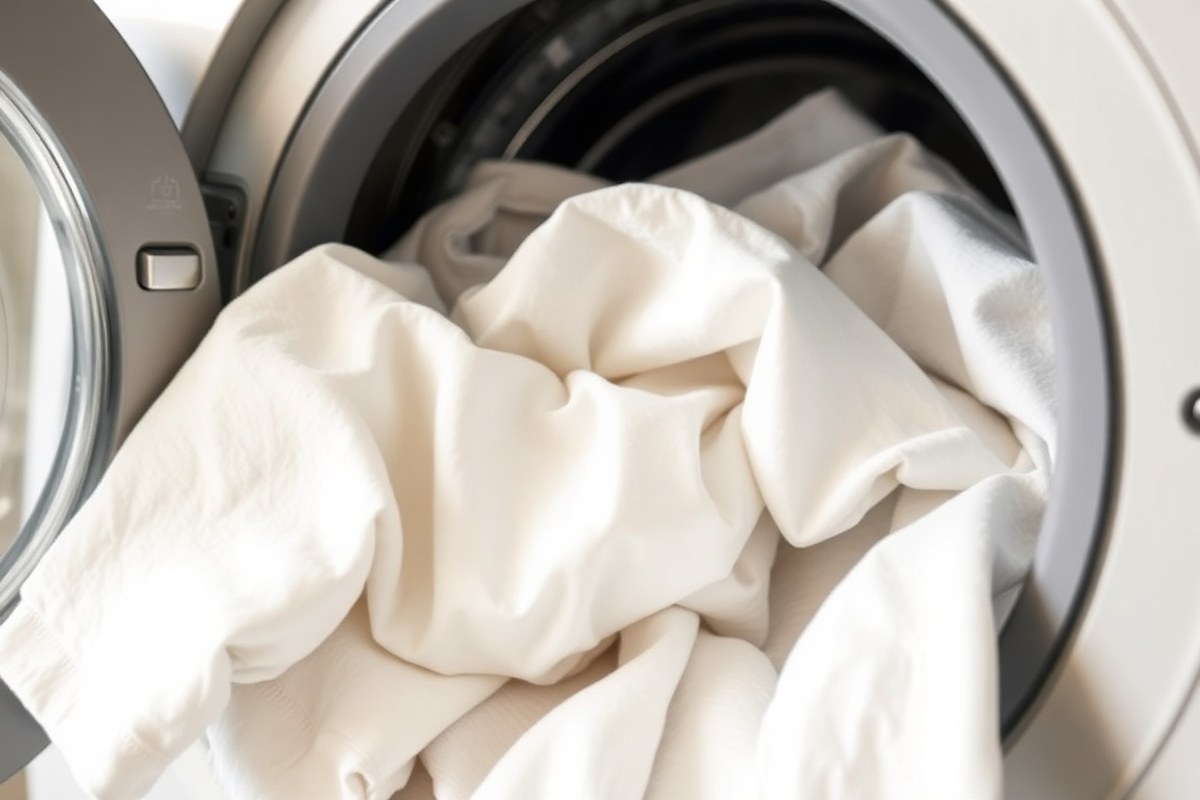
Removing mildew smell from clothes involves using natural household ingredients like white vinegar and baking soda, proper washing techniques, and thorough drying. These methods kill mildew spores, break down odors, and prevent the smell from returning. Follow the steps carefully based on the severity of the odor and fabric type.
Pre-Soaking with Vinegar or Baking Soda
White vinegar is an effective natural deodorizer because its acidity kills mildew spores and neutralizes odors. Baking soda works by neutralizing odors and breaking down mildew, thanks to its alkaline properties. Pre-soaking clothes in either can significantly reduce the mildew smell before washing.
For persistent smells, soaking clothes helps loosen mildew and prevents the odor from lingering after washing. You can also sprinkle baking soda directly on dry clothes and let it sit before washing for effective odor absorption.
- Fill a basin or sink with warm water (about 95°F to 105°F).
- Add 1 cup of white vinegar or 1 cup of baking soda to the water.
- Submerge the mildewed clothes fully and let them soak for 1 to 2 hours.
- Using baking soda, sprinkle a generous amount directly on dry clothes and let it sit for 15 to 20 minutes before washing.
- After soaking, drain the solution and proceed to wash clothes promptly without rinsing the pre-soak off.
Washing Clothes at the Right Temperature
Washing clothes in the appropriate water temperature helps remove mildew and odors effectively. Hot water can kill mildew spores, but check fabric labels to avoid damage. For delicate fabrics that cannot tolerate hot water, warm water combined with additives like vinegar or baking soda still works well.
Add 1 cup of vinegar or baking soda to your detergent to boost mildew removal during the wash cycle. These ingredients help break down mildew and neutralize odors throughout the process.
Extra Rinse and Proper Drying Tips
Adding an extra rinse cycle ensures that vinegar, baking soda, and loosened mildew residues are completely removed. Residue left on fabric can attract more dirt or cause skin irritation.
Drying clothes entirely before storage is critical to prevent mildew smell from returning. Use a dryer on medium to high heat or hang clothes in direct sunlight for at least a few hours. Sunlight’s UV rays help kill mildew spores and freshen fabrics naturally. For delicate items, air dry indoors in a well-ventilated room, but avoid damp or humid environments to stop mildew growth.
2. What Causes Mildew Smell in Clothes and Fabrics?

Clothes develop a mildew smell primarily because moisture gets trapped within the fabric fibers. This trapped moisture creates an ideal environment for mold and mildew spores to grow, producing the musty odor associated with mildew. The problem usually occurs in damp or poorly ventilated areas, where humidity remains high enough that clothes cannot fully dry. Bacteria also thrive in these moist conditions, contributing to the unpleasant smell and further fabric breakdown.
Environmental factors significantly influence mildew growth in clothing. High humidity levels, especially above 60%, provide the necessary moisture for mold spores to multiply. This is common in rainy climates or seasons with poor air circulation. Storing clothes in dark, cramped spaces without airflow encourages mildew development as well. Hard water containing minerals can leave residues that trap dirt and body oils, creating more hospitable conditions for mildew growth even after washing.
Washing machines can contribute to mildew smells in clothes in several ways. Leaving wet laundry inside the machine for hours or overnight encourages mildew and bacterial growth inside the drum and on clothes. A dirty washing machine drum, detergent dispenser, or rubber door seal can harbor mildew spores that transfer to clothing during washing. These residues are hard to remove merely with detergent and can cause fabrics to smell musty even right after a wash cycle. Ensuring the machine is kept clean, running a monthly cleaning cycle, and promptly removing clothes after washing are key steps for avoiding this issue.
The biological cause behind mildew odor involves fungal spores that are microscopic and common in the environment. When spores settle on wet fabric, they feed on organic materials like body soils and natural fibers, releasing enzymes and compounds that create the characteristic mildew smell. These odors persist until thoroughly cleaned and dried. Using standard laundry detergents is the first step to remove surface contaminants. However, scientific studies suggest that soaking clothes in hot water with oxygen-based bleach (such as sodium percarbonate) for about 60 minutes can effectively destroy fungal hyphae responsible for lingering odors.
Understanding how moisture and hygiene affect mildew growth makes clear why drying clothes completely before storing is critical. Sunlight also plays a important role since UV rays kill mildew spores and dry residual moisture, preventing further mustiness. Since washing machines and environmental factors both contribute, combining proper washing, drying, and storage practices is needed to disrupt mildew development and remove odors.
Promptly removing clothes from the washing machine after the cycle finishes prevents moisture from lingering and stops mildew from forming on both your laundry and the machine itself.
3. Choosing the Right Method for Fabric Types
Choosing the right cleaning method for different fabric types ensures the mildew smell is removed without damaging your clothes. Some fabrics handle heat and chemicals better than others, so matching treatments to fabric care labels and material properties helps preserve your garments while eliminating odors.
Cotton, Linen, and Durable Fabrics
Cotton and linen can usually withstand hot water washes and stronger bleaching agents, which help thoroughly kill mildew and remove odors. Using oxygen bleach boosters in a hot water cycle is effective for white and light-colored durable fabrics. However, avoid high heat drying until you are sure all mildew spores are eradicated, as heat can set stains or odors if mildew remains alive.
For white cotton or linen that allows it, soaking in a diluted chlorine bleach solution (about 1/4 cup bleach to 3/4 cup water for 10-15 minutes) before washing can help remove stubborn mildew. Avoid prolonged soaking and always rinse well afterwards to prevent fabric damage.
Synthetic and Activewear Fabrics
Synthetic activewear requires gentler care. Warm water with enzyme-based detergents removes organic residues without harming fibers. Avoid fabric softeners; they leave hydrophobic residues that trap odors and reduce fabric breathability. High heat washing or drying should be avoided as synthetic fibers can degrade or warp.
Washing these fabrics separately prevents transfer of mildew spores to more heat-tolerant items. Pre-soaking in oxygen bleach solutions should be approached with caution and only if fabric care labels permit it, to avoid weakening synthetic fibers.
Delicates, Silk, and Wool
Delicate fabrics like silk and wool need the most careful treatment. Cold water hand washing using specialized wool detergents preserves fiber integrity and prevents shrinkage and damage. Avoid alkaline bleaches such as sodium percarbonate, which can weaken animal fibers.
Professional wet cleaning is often the safest choice for vintage or very delicate items. Avoid any high-heat drying or harsh chemicals that can cause permanent damage. Air drying in a well-ventilated space is recommended to protect delicate fibers while completely removing moisture. The following table summarises effective starting approaches and precautions by fabric type to prevent damage and maximize mildew removal:
| Fabric Type | Suitable Starting Approach | Precautions |
|---|---|---|
| Cotton Towels & Linens | Hot water wash with oxygen bleach booster | Avoid high-heat drying until all mildew spores are eradicated |
| Synthetic Activewear | Warm water wash with enzyme-based detergent | Avoid fabric softeners that trap hydrophobic residues |
| Wool & Animal Fibers | Cold water wash with specialized wool detergent | Avoid alkaline sodium percarbonate that damages fibers |
| Delicates & Silk | Cool hand wash or professional wet cleaning | Avoid harsh chemicals, high heat, and prolonged soaking |
Sorting clothes by fabric type before treatment helps you match the method to the material’s tolerance for heat, chemicals, and agitation. Overloading the washer reduces cleaning effectiveness. Managing drying carefully by ensuring items are completely dry before storing prevents mildew from returning.
4. How to Dry Clothes to Prevent Mildew Smell Returning
Preventing mildew smell from returning starts with completely drying your clothes as quickly as possible after washing. Since mildew thrives in damp environments, any leftover moisture can allow spores to grow again and bring back the musty odor. Using a machine dryer on the right heat setting generally ensures the fastest and most thorough drying. Drying times vary between 60 to 180 minutes based on fabric weight and ambient humidity, according to standard drying guidelines.
Sunlight can help eliminate mildew odors because it has natural disinfectant properties and reduces moisture. However, exposing clothes to direct sunlight for too long may cause fading or damage, especially with colorful or delicate fabrics. To use sunlight effectively, place clothes outside during mild sun for 30 to 90 minutes, then finish drying indoors or in a dryer to avoid fabric wear.
It’s important not to leave wet clothes sitting in the washer or in a damp area waiting to dry. Clothes that sit too long and develop a strong smell need a rerun through the wash cycle followed by immediate drying. Quick transfer from washer to dryer or drying area within 10 to 20 minutes after the cycle ends minimizes mildew risk. Follow this checklist to optimize drying and prevent mildew smell:
- Move clothes to the dryer or drying rack immediately after washing, ideally within 15 minutes
- Set dryer temperature according to fabric type: medium heat for cottons, low heat for synthetics and delicates
- When air drying, put clothes somewhere with plenty of airflow; open windows or turn on fans to help moisture evaporate faster.
- Limit direct sun exposure to no more than 1 hour for delicate or colored fabrics to prevent fading
- Check clothes midway during drying to flip or rearrange for even drying
- Confirm clothes are entirely dry before folding or storing, especially heavier fabrics prone to trap moisture
Good results appear as dry fabric that does not feel cool or damp to the touch and smells fresh or neutral. Any lingering dampness increases the chance mildew spores remain active and odor returns. Avoid overloading the dryer, as this reduces its ability to extract moisture efficiently. For items that take longer to dry, adding clean, dry towels to the load can absorb extra moisture and reduce drying time.
5. Safe Use of Bleach, Hydrogen Peroxide, and Lemon Juice
Bleach, hydrogen peroxide, and lemon juice can remove mildew odors effectively but require careful use to avoid fabric damage. Bleach is safe for whites and colorfast fabrics only. Hydrogen peroxide and lemon juice offer gentler alternatives, helpful for delicate clothes if applied properly.
When and How to Apply Bleach Safely
Chlorine bleach is a strong oxidizer that kills mildew and removes its odor, but it can weaken or discolor many fabrics. Use bleach only on white or colorfast clothes. Avoid bleach on wool, silk, spandex, or fabrics labeled “non-chlorine bleach only.” Dilute bleach properly to protect fabric integrity.
Apply bleach carefully by diluting 1/4 cup chlorine bleach in a gallon of cool water. Soak clothes for no more than 5 minutes, then wash immediately with detergent. Always test a hidden fabric area first. Use bleach in a well-ventilated area and avoid mixing it with ammonia or other cleaners to prevent toxic fumes.
- Check fabric label for bleach safety. Do not use on non-colorfast or delicate items.
- Mix 1/4 cup chlorine bleach with 1 gallon of cool water in a basin.
- Submerge clothes, soak for up to 5 minutes only.
- Remove clothes and wash immediately in your washing machine using detergent.
- Rinse thoroughly to remove all bleach residue.
- Dry clothes in sunlight or machine dry as recommended on labels.
Never leave clothes soaking in bleach solution longer than 5 minutes to avoid weakening fibers or discoloration.
Using Hydrogen Peroxide Effectively
Hydrogen peroxide acts as a mild bleach that kills mildew and freshens fabric without harsh damage. Use 3% hydrogen peroxide on whites and colorfast items only. It breaks down into water and oxygen, so it is an eco-friendlier option than chlorine bleach. Avoid hydrogen peroxide on wool, silk, or dyed fabrics that may fade easily.
Apply hydrogen peroxide directly to mildew-smelling areas, let it sit for 10 minutes, then rinse and wash normally. Use this treatment before laundering for best results.
- Confirm fabric is white or colorfast to withstand hydrogen peroxide.
- Dab 3% hydrogen peroxide onto affected areas using a clean cloth or spray bottle.
- Wait 10 minutes to allow oxidation of mildew and deodorizing.
- Rinse fabric with cool water thoroughly.
- Launder clothes per care instructions.
- Repeat if mildew odor remains.
Test hydrogen peroxide on a hidden area first to watch for any color change before full application.
Preparing and Using Lemon Juice Sprays
Lemon juice is a natural acid with mild bleaching and deodorizing effects. It can help remove mildew smell from colorfast cotton or linen but is less potent than commercial oxidizers. Avoid lemon juice on delicate or easily stained fabrics. Always dilute lemon juice to reduce risk of fabric weakening or color loss.
Mix lemon juice with water and spray it on affected areas, then allow to air dry in sunlight, which helps break down mildew odor naturally. This method suits light odors or preventive maintenance rather than heavy mildew infestations.
- Combine 1 part lemon juice with 2 parts water in a spray bottle.
- Lightly mist the mildew-smelling areas of the fabric.
- Allow the clothes to dry completely in direct sunlight for natural deodorizing.
- Wash clothes afterward if needed for complete cleaning.
- Use this method cautiously on colorfast cotton or linen fabrics.
Avoid lemon juice on colored fabrics that may fade; always rinse and wash after treatment.
6. How to Identify Mildew Smell vs Other Odors
Mildew smell is often described as pungent, stale, and musty, which is distinct from the sourness present in sweat odors or the sharp chemical notes of laundry detergents or fabric softeners. You can identify mildew by its earthy, damp scent that lingers even after the clothes are dry. This odor often comes from fungal spores growing on damp fabric or within washing machine components like the drum gasket, where soap scum and biofilms accumulate. These spores produce volatile organic compounds that create the recognizable musty smell. Sweat smells tend to be sharper and sometimes sour, caused by bacteria breaking down sweat in fabrics, while chemical smells are usually more artificial and less persistent.
To determine whether the odor originates from the clothes or the washing machine, take a close sniff of both. Clothes that smell musty right after washing and drying usually have retained mildew or mold due to trapped moisture or organic residue. Clothes left wet inside a closed drum for 24 to 36 hours at room temperature often grow mildew, resulting in this odor. In contrast, if the washing machine smells strongly musty even when empty, the source is likely inside the machine itself, usually in the rubber gasket or detergent dispenser area. Run a cleaning cycle with an oxygen bleach cleaner or a washing machine cleaner and wipe all crevices to reduce these smells.
Perfumes and scented fabric softeners can temporarily mask mildew odors but won’t remove the underlying cause. Masking scents cover the smell but do not kill the fungi or bacteria responsible. This means the musty scent will return once the perfume fades. Removing mildew odors requires breaking down the biofilms and fungal spores with targeted cleaning, such as using oxygen bleach treatments or washing clothes in hot water if safe for the fabric. Preventing clothes from staying damp for long periods and properly airing or drying them after washing is critical to stopping mildew from forming again.
When smelling clothes, pay attention to the timing and persistence of the odor. Mildew smells tend to develop or intensify if clothes have sat damp for hours or days, especially in a warm environment. Sweat odors are more noticeable after physical activity and tend not to have the stale/damp component. Chemical residues smell sharp immediately after washing but fade with rinsing and drying. Taking these sensory clues into account can help you choose the right cleaning method, whether it’s a deep wash, machine cleaning, or preventing conditions that support mildew growth.
7. Preventing Mildew Smell with Proper Storage and Maintenance
Proper storage and maintenance are key to preventing mildew smells from returning to your clothes. Mildew thrives in damp, warm environments with poor air circulation. Keeping your clothes dry and your storage spaces well-ventilated significantly reduces the risk of mildew growth.
Store clothes in a cool, dry place with humidity levels ideally between 30% and 50%. High humidity encourages mold, so using a dehumidifier or air conditioner in damp climates helps maintain these levels. Plastic bags or airtight containers can trap moisture, so opt for breathable fabric garment bags or storage bins with ventilation.
Regular maintenance of your washing machine, especially front-load models, is also essential. Front loaders are prone to trapping moisture in their door seals, leading to musty smells that transfer to clothes. Run a cleaning cycle with washing machine cleaner or a hot water wash with 2 cups of white vinegar at least once a month. This breaks down detergent and fabric softener residues that support mold growth. Wipe the door seal dry after each use and keep the door slightly open to air out the drum. Here is a checklist to help keep your clothes fresh and mildew-free:
- Store clothes in a cool, dry area with humidity between 30% and 50%
- Use breathable storage containers or garment bags instead of plastic
- Allow clothes to dry completely before storing
- Use a dehumidifier or air conditioner in damp rooms
- Clean your washing machine monthly with vinegar or a commercial cleaner
- Wipe down washing machine seals and leave door ajar after each wash
- Wash clothes if stored for long periods to prevent stale odors
Failing to dry clothes fully before putting them away invites mildew growth, especially in basements, closets, or laundry rooms with poor ventilation. Storage areas should be checked periodically for musty smells or visible mold. Investing $20 to $50 in a small dehumidifier can prevent extensive damage and unpleasant odors in humid climates. Preventing mildew at the source saves time and effort compared to removing stubborn mildew smell later.
8. When to Call a Professional for Mildew Odor Removal
Persistent mildew smell in clothes that home remedies cannot remove often signals a deeper infestation or contamination. This situation arises when the odor remains strong despite multiple washing attempts, or when fabric shows visible mildew spots that resist cleaning. Clothes that absorb mildew spores from a damp home environment may continually redevelop the smell. In these cases, professional cleaning can become necessary to protect your health and preserve your wardrobe.
Professional services for mildew odor removal often include specialized treatments not available at home. They use commercial-grade ozone treatments, which neutralize odor-causing spores by breaking down the molecules rather than merely masking them. Another common method is thermal remediation, where garments are exposed to controlled heat between 140°F and 160°F for several hours to kill mold and mildew thoroughly without damaging fabric. Some services also use deep steam cleaning or chemical sanitizing agents designed for delicate or heavily contaminated textiles.
The cost of professional mildew odor removal varies by location, garment type, and the severity of the mildew infestation. On average, expect to pay between $15 and $50 per item for cleaning, with whole-load treatments costing $100 or more. While more expensive than home washing, professional cleaning offers higher success rates and may include guarantees for odor removal. This is particularly valuable if your clothes have sentimental or high monetary value, or if you experience health issues linked to mildew exposure such as allergies or respiratory irritation.
Before calling a professional, inspect your clothes for stubborn mildew odors after several washes, lingering damp smell, or mold spots that won’t fade. Also, consider your home environment, ongoing dampness or mold growth nearby can cause repeated contamination. Hiring experts helps because they often assess the broader environmental problem as part of their service, identifying sources of mildew that might undermine your cleaning efforts.
Professional cleaning companies usually recommend following up their treatments with preventive measures like improved ventilation and humidity control at home. Their work can stop the mildew smell at the source and prevent it from returning to your clothes. However, not every mildew odor needs this level of care. For lightly affected items or mild odors, thorough washing and drying often suffice.
Persistent mildew odors that resist multiple washes often mean the problem is more than just surface-level contamination, it’s important to address the source of dampness along with professional cleaning for lasting results.
Step-by-Step Action Plan to Remove Mildew Smell from Clothes
Follow these steps carefully to remove mildew odor and keep your clothes fresh moving forward.
- Before washing: Sort your clothes to separate mildew-affected items from fresh laundry to avoid spread of smell.
- During washing: Treat clothes with white vinegar or baking soda along with your regular detergent; these help neutralize odors effectively.
- After washing: Check the clothes for any lingering smell before drying to decide if another wash is needed.
- Drying time: Dry clothes completely in direct sunlight or a high-heat dryer setting to kill mildew spores and prevent smell return.
- Post-drying: Smell your clothes again; fresh, neutral scent indicates success, otherwise repeat washing.
- Storage: Store clothes in a cool, dry place with ventilation and use moisture absorbers if needed to block mildew growth.
- Regular maintenance: Wash items you store for long periods to keep fabrics mildew-free and fresh.
Frequently Asked Questions
Does Vinegar Remove Sweat Smells?
Yes, vinegar helps break down sweat odors. You can spray a mixture of water and white vinegar on clothes for instant odor removal.
How Does Baking Soda Remove Smells?
Baking soda neutralizes odors by balancing pH levels in fabrics. You can add it to your wash cycle or sprinkle it on areas before washing.
How to Get Armpit Smell Out of Shirt?
Use white vinegar or baking soda to treat armpit areas before washing. Spray vinegar or apply baking soda paste and rinse well to eliminate sweat odors.
How to Get Chemical Smell Out of Clothes?
Air out clothes outside in sunlight and wash with baking soda or vinegar. This helps break down chemical residues and remove the smell.
Can Mildew Smell Return After Washing?
Yes, mildew smell can return if clothes aren’t dried properly or stored in damp places. Always dry clothes completely and store in a dry environment.
Is It Safe to Use Bleach on Mildew Smells?
Bleach can remove mildew odors but may damage some fabrics. Follow label instructions and test on a small area first to avoid damage.
Wrapping Up
Mildew smell on your clothes responds best to prompt, thorough washing combined with proper drying and storage. Addressing mildew early prevents stubborn odors and fabric damage. Start by treating the most affected garments today with vinegar or baking soda washes and ensure they dry fully in sunlight or your dryer.