How Do You Wash Clothes in the Washing Machine: A Complete Step-by-Step Guide
To wash clothes in a washing machine, sort them by fabric type, color, and soil level, choose the right water temperature and cycle, and use appropriate detergent. Load the machine properly, treating stains or delicate items beforehand, then select the correct wash settings to protect fabrics while ensuring cleanliness. Regular washing machine maintenance helps keep your laundry fresh and your appliance running smoothly.
This guide is for anyone aiming to improve their laundry routine with clear, practical steps. You will learn how to optimize washing performance, handle different fabrics and stains, and maintain your machine effectively for the best results.
Key Takeaways
- Sort laundry into whites, colors, and delicates to prevent color transfer and protect fabric integrity.
- Use cold water (30°C or lower) for delicates and bright colors to minimize fading and damage.
- Choose a wash cycle based on soil level: Quick Wash for lightly soiled clothes; longer cycles for heavy soil.
- Apply stain remover or soak stains in diluted detergent for 15, 30 minutes before washing.
- Load the washing machine so clothes fill about 80% of the drum for effective cleaning and reduced wear.
- Use approximately 60 ml of liquid detergent for a full front-load wash to avoid residue buildup.
Step-By-Step Guide to Washing Clothes in a Washing Machine
Washing clothes in a machine involves a straightforward sequence that ensures your laundry comes out clean while protecting both your garments and the appliance. Starting with properly prepared clothes and ending with the right cycle selection makes a big difference. Skipping or mixing these steps can lead to poor cleaning, damaged clothes, or even harm your washing machine.
- Check garment labels and remove unsuitable items. Avoid putting leather, faux leather, metal-embellished, or delicate embroidered clothes into the machine. Waterproof items, like raincoats and sleeping bags, also should not go in.
- Sort laundry by fabric type and soil level. Group similar items together to prevent damage and optimize washing settings.
- Load clothes evenly into the drum. Spread garments around the drum to maintain balance during the cycle and help achieve thorough cleaning. Do not overload the machine to avoid strain and poor wash results.
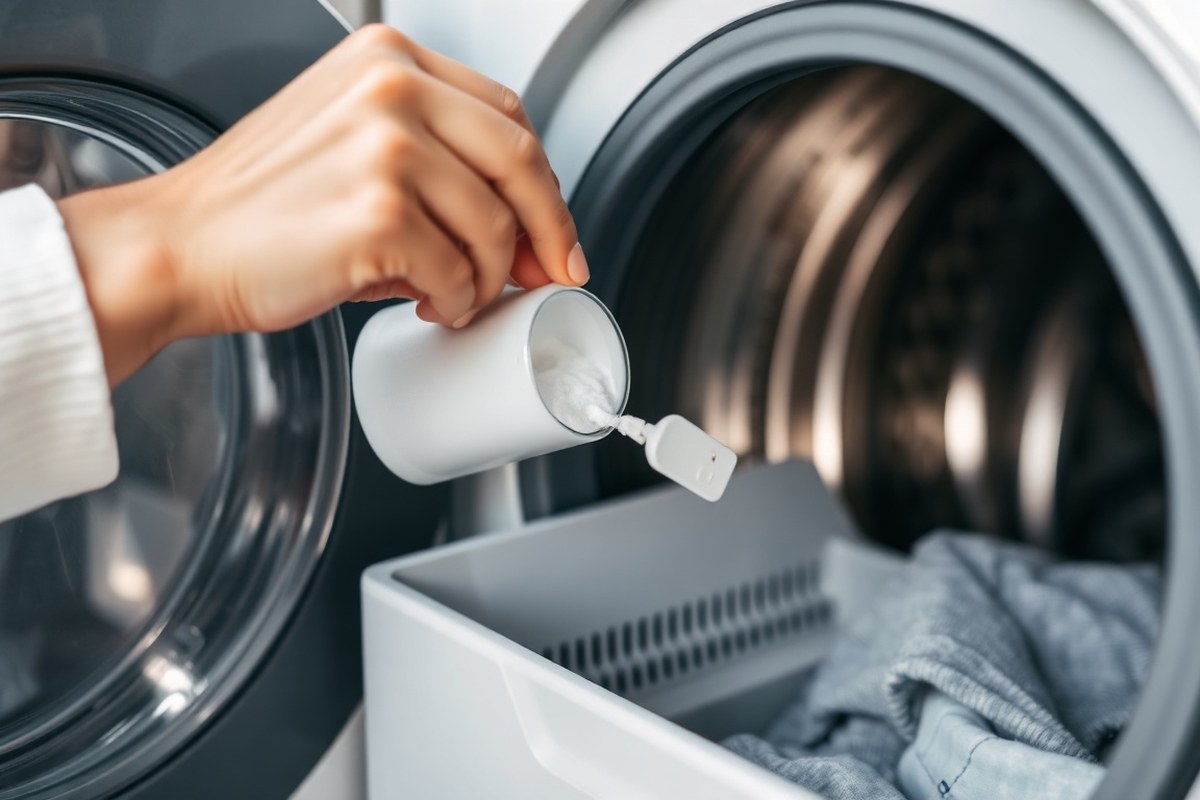
- Add detergent correctly. Use the recommended amount based on your detergent type and load size. For front-loading machines, choose low-sud detergent and place the detergent dosing ball or packet directly inside the drum with the clothes rather than in the drawer, if instructed.
- Select the appropriate washing cycle. Use a hot wash with cold rinse for whites or heavily soiled clothes. For slightly soiled, permanent press fabrics, pick a warm wash and cold rinse. Choose cold wash and rinse cycles for delicates and brightly colored or lightly soiled items, keeping water temperature at 30°C or below.
- Start the machine and let the cycle run completely. Resist opening the door mid-cycle, especially on front loaders, to prevent water leakage and interruption of washing performance.
- Remove clothes promptly after the cycle ends. This prevents wrinkles and mildew buildup. Wring out heavily soaked clothes before loading for a normal wash to reduce excess moisture.
- Run regular cleaning cycles on your machine. About every 30 wash cycles, use a washing machine cleaner or run a normal hot water cycle without clothes to keep the appliance fresh and prevent buildup.
How to Sort Laundry by Fabric Type, Color, and Soil Level
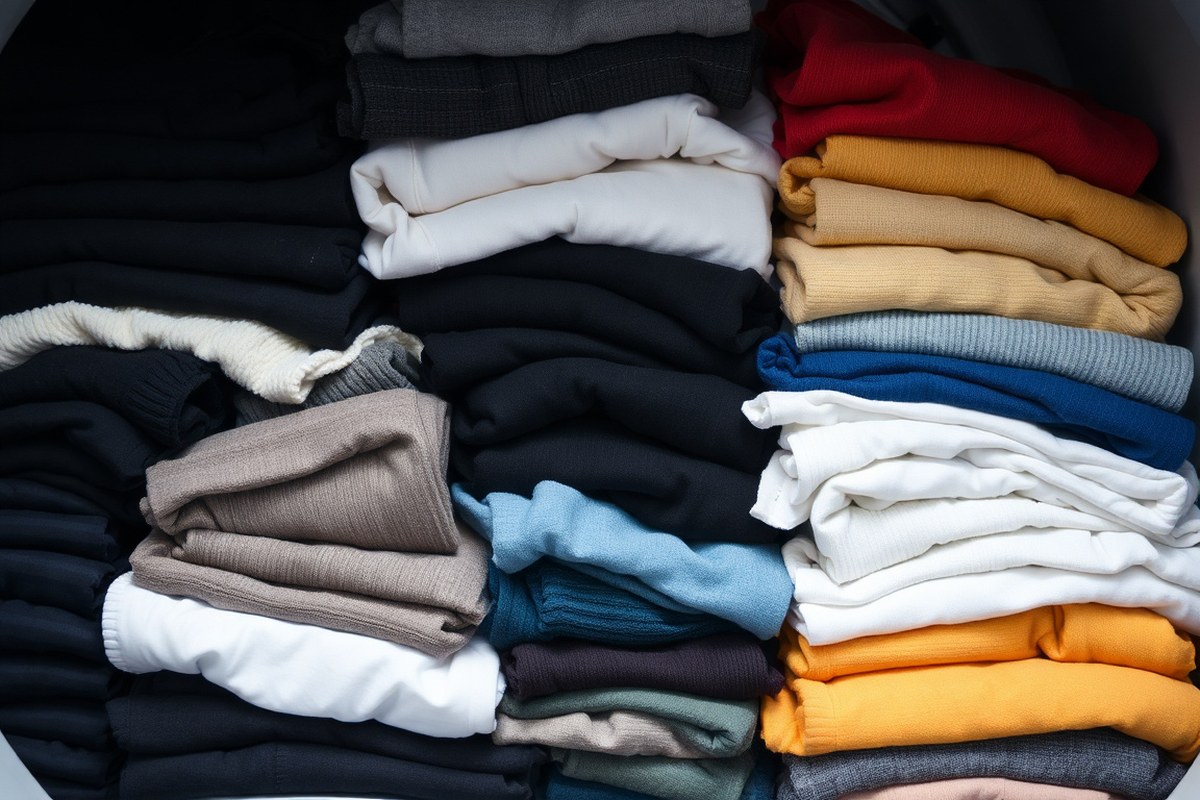
Sorting your laundry before washing is essential to protect your clothes from damage, avoid color bleeding, and ensure every item gets clean. Effective sorting involves separating clothes by color, fabric type, and soil level. Doing this takes a few extra minutes but greatly improves washing results and extends garment life.
Separating Dark, Light, and White Clothes
Separate laundry into dark, light, and white groups to prevent color bleeding. Dark clothes can release dye that stains lighter fabrics, especially when wet. Whites and light colors washed together maintain brightness and avoid picking up dyes from darker items.
Try not to mix new dark-colored clothes with whites or lights, as new dyes are more likely to bleed. For mixed loads with a few dark or colored items, use color-catcher sheets that trap dye to help minimize bleeding, but sorting remains the safer choice.
Keep in mind some deeply pigmented fabrics like red or navy blue are more prone to bleeding. Sorting these carefully should be a priority.
Grouping by Fabric Durability and Type
Sorting by fabric type protects delicate items from damage and ensures fabrics are cleaned with the appropriate cycle. Separate heavy fabrics like denim or towels from lightweight or delicate fabrics such as silk, lace, or knitwear.
Delicate fabrics need gentle wash cycles and sometimes cooler water, while sturdier fabrics can endure stronger agitation and higher temperatures. Washing similar fabrics together reduces the risk of stretching, tearing, or pilling.
Use care labels on garments to guide sorting and washing choices. For example, hand-wash only or gentle cycle items should not share the load with rougher materials.
Delicate fabrics often benefit from being washed inside a mesh laundry bag to prevent snagging and stretching.
Considering Stain and Soil Level
Sort clothes by soil level to adjust wash settings and detergent use effectively. Heavily soiled items, like sportswear or work clothes, need longer wash times, stronger cycles, or extra detergent to get clean. Lightly soiled or worn-only-once items require milder cycles and less detergent.
Separating soil levels prevents transferring dirt from heavily soiled clothes to cleaner ones. It also saves energy and reduces wear on lightly soiled fabrics. Here is a simple sorting checklist by soil level and fabric type:
- Heavy soil, sturdy fabrics (work clothes, towels, jeans)
- Moderate soil, mixed fabrics (regular daily wear, blends)
- Light soil, delicate fabrics (dress shirts, lingerie, blouses)
- Whites and lights with low to moderate soil
- Dark clothes with low to moderate soil
- Hand-wash only or very delicate fabrics
- Color-sensitive clothes (new darks, bright colors)
Using this checklist helps you sort confidently and choose appropriate washing cycles, detergents, and temperatures according to the needs of each group.
Choosing the Right Water Temperature and Wash Cycle for Fabrics
Choosing the right water temperature and wash cycle depends on the fabric type and soil level. You use colder water and gentler cycles for delicate or lightly soiled clothes and warmer water and stronger cycles for heavier fabrics and dirtier items. Matching these settings protects your clothes and cleans them well.
Recommended Temperatures for Common Fabrics
Water temperature affects how well stains come out and how much wear your clothes endure. Cold water (around 30°C or 86°F) is safest for delicate fabrics, bright or dark colors, and lightly soiled garments. Warm water (up to 40°C or 104°F) suits moderately soiled everyday clothes and colored fabrics, helping remove oils and dirt without excessive fading or shrinking. Hot water (around 60°C or 140°F) works best for durable fabrics like whites, towels, and bedding with heavy soil.
| Fabric Type / Use | Recommended Water Temperature | Reason |
|---|---|---|
| Delicate fabrics (silk, wool) | Cold (≤30°C) | Protects fibers, prevents shrinking or damage |
| Bright or dark-colored cottons and casual wear | Cold (≤30°C) | Prevents color fading and protects fabric |
| Moderately soiled colored garments | Warm (up to 40°C) | Effective cleaning without fading |
| Whites, towels, bedding | Hot (up to 60°C) | Removes heavy soil and bacteria |
| Woolen garments | Cold (≤30°C), avoid spinning | Prevents felting and shrinking |
Following these temperature guidelines helps avoid setting stains or damaging fabric. Cold water washes are more energy efficient but might require longer wash cycles or special detergents for tough stains. Always check garment care labels for the manufacturer’s recommendations.
Cycle Types and Their Intended Use
Washing machine cycles control agitation speed, water level, wash time, and spin speed to suit different fabrics and soils. Normal cycles provide moderate agitation and spin speed, suitable for everyday fabrics and average dirt. Heavy-duty cycles use stronger agitation and longer wash times to tackle tough stains on sturdy clothes like jeans, workwear, and towels.
Delicate cycles use gentle agitation, reduced wash time (usually around 30 to 45 minutes), and lower spin speeds to protect fragile fabrics such as silk or lace. Permanent press cycles combine warm water and a slower spin speed to reduce wrinkles on synthetic and wrinkle-prone garments. Choosing the right cycle according to soil level and fabric type ensures effective cleaning without extra wear or stretching.
Adjusting Spin Speed for Fabric Delicacy and Water Removal
Spin speed moves water out of clothes after washing. High spin speeds (up to 1200-1400 RPM) work well for durable fabrics and heavily soaked garments as they reduce drying time. However, delicate fabrics and wool should be spun at low speed or avoided altogether to prevent stretching, shrinking, or damage.
Medium spin speeds suit most everyday clothes, balancing water extraction and fabric care. Some machines allow opting out of spin cycles for very delicate items. Watch that a higher spin speed doesn’t crease or stretch clothes, especially wrinkle-prone or loosely woven fabrics.
Adjusting spin speed based on fabric type, along with matching the proper temperature and cycle, optimizes fabric care and drying time. For instance, use a low spin speed after a cold, delicate cycle on wool to protect the garment.
Best Detergents and Additives to Use for Different Machines and Clothes
Choosing the right detergent type and amount depends mainly on the washing machine and the fabric you are washing. High-efficiency (HE) machines, especially front-loaders, require low-sudsing HE detergents to avoid excess residue and ensure proper rinsing. Powder, liquid, and pod detergents all work, but pods should be placed directly inside the drum before adding clothes to dissolve completely.
Detergent quantity matters to achieve a clean wash without buildup. For front-load machines, use about 60 ml (4 tablespoons) of liquid detergent for a full 7 kg load. A smaller 7 kg load may need only 1-2 tablespoons. Top-load machines typically require a bit more, about 80 ml of liquid per large load. Using too much detergent can leave residues in fabrics and the machine, while too little reduces cleaning efficiency.
| Machine Type | Detergent Type | Detergent Amount | Detergent Placement |
|---|---|---|---|
| Front-load (HE) | Liquid or Powder (HE), Pods | 60 ml (4 tbsp) liquid for 7 kg load; 1-2 tbsp for smaller loads | Detergent drawer (pods in drum) |
| Top-load (HE) | Liquid or Powder (HE), Pods | 80 ml liquid for large load | Detergent drawer (pods in drum) |
| Standard Machines | Powder or Liquid | Follow packaging, adjust by load size | Detergent drawer or drum |
Fabric softener is used to keep clothes soft, reduce static, and add freshness. Many washing machines have a dedicated compartment for fabric softener, usually marked with a flower icon. To use it, pour the recommended amount (often around 25-40 ml) into this compartment before starting the cycle. The machine automatically dispenses it during the rinse cycle. Avoid adding fabric softener directly to the clothes or detergent drawer unless your machine’s instructions say so.
Fabric type affects detergent choice and additives. For delicate materials, choose mild detergents formulated for sensitive fabrics, and avoid harsh additives. For heavily soiled or synthetic fabrics, use detergents designed to remove oil and dirt effectively. Some commercial additives like Synthaprol remove excess sizing without detergent, useful for certain fabric care tasks.
How to Pre-Treat and Handle Stained or Delicate Clothes Before Washing
Pre-treating stains and handling delicate clothes properly before washing help avoid fabric damage and improve cleaning results. Treat stains as soon as possible and use appropriate methods for delicate items to protect them during the wash.
Stepwise Stain Pre-Treatment Methods
Addressing stains before washing increases the chances of their complete removal and prevents them from setting permanently. Use gentle stain removers and act quickly for the best effect. Below is a step-by-step process to pre-treat common stains:
- Identify the type of stain. Know if it’s protein-based (blood, sweat), oil-based (grease, makeup), or dye-based (grass, wine).
- Remove excess material. Gently scrape off solids or blot liquids with a clean cloth without rubbing the stain deeper.
- Apply a suitable stain remover. Use liquid detergent, stain sticks, or a paste of baking soda and water on the affected area.
- Let it sit. Allow the pre-treatment to work for 5 to 15 minutes but do not let it dry out.
- Test fabric colorfastness. Dab a hidden spot with the stain remover before full application to avoid color fading.
- Wash promptly. Transfer the item to the washing machine and run the appropriate cycle based on fabric type.
- Check before drying. Inspect the stain after washing; if it remains, repeat pre-treatment because dryer heat sets stains permanently.
Quick action improves stain removal; avoid rubbing stains as it can spread or embed them further into fibers.
Machine Washing Delicate Fabrics Safely
Delicate fabrics like silk, lingerie, and washable wool require special care in the machine to avoid damage. Use a gentle cycle designed for these fabrics, often labelled as “delicates” or “hand wash.” Cold or cool water temperatures below 80°F (27°C) prevent shrinkage and colour loss. Placing delicates in a mesh laundry bag can protect them from snagging or tangling.
To reduce agitation damage, wash these items separately or with other similar light fabrics. Avoid overloading the machine so clothes move freely without friction against heavier items. Skip fabric softeners and bleach, which can weaken delicate fibers.
Identifying and Excluding Non-Machine Washable Items
Some fabrics and clothing types should never go in the washing machine due to risk of shrinking, warping, or color loss. Examples include non-washable silk, leather, suede, items with glued embellishments, foam rubber, and certain specialty sportswear. Check garment care labels for instructions like “dry clean only” or “hand wash only.”
Hand wash these items in cool water with a mild detergent, gently squeezing but not wringing. Lay flat or hang to dry to maintain shape. Using the washing machine on non-machine washable items can cause costly damage and void warranties.
How to Load the Washing Machine Properly to Optimize Cleaning and Protect Clothes
Load the washing machine drum about three-quarters full to optimize cleaning and protect your clothes. Overfilling limits the space clothes need to move and rub against each other, which is essential for removing dirt and stains effectively. Underloading, on the other hand, can cause the machine to become unbalanced during the spin cycle and waste water and energy.
Distribute clothes evenly around the drum to maintain balance throughout the wash. An unbalanced load can lead to vibrations that wear out the machine parts faster and may cause noisy operation or even a cycle that stops mid-way. Clothes should not be bunched up in one spot but rather spread loosely to allow free tumbling and thorough soaking in detergent and water.
Improper loading can damage fabrics and reduce washing efficiency. Overloaded drums often cause garments to rub unevenly, resulting in excessive wear. It also increases the chance of detergent residue staying on clothes. Very light loads may not rinse clothes fully, leaving soap behind. Giving each item enough room will also help maintain shape and color.
- Sort laundry before loading to prevent color transfer and fabric damage.
- Check garment care labels and remove items not safe for machine wash.
- Place heavy or bulky items evenly around the drum to balance the load.
- Leave enough space so clothes can tumble freely, about 75% of drum capacity.
- For mixed fabric loads, arrange items so they are evenly distributed.
- Avoid stuffing the drum tightly; loose loading improves cleaning and protects fabric.
- Run smaller or delicate loads with fewer clothes to prevent excessive tumbling and wear.
Maintaining proper load size usually takes less time than dealing with clothes that didn’t get clean or came out damaged. For most household washers, roughly 12 to 16 pounds (5.4 to 7.3 kilograms) of laundry fits in the drum comfortably. This allows water and detergent to circulate well, lifting soil without putting stress on fabrics or the washing machine mechanism. Proper loading balances the machine and helps it run quietly, extending its life and reducing repair costs.
How Long Should Different Wash Cycles Run and What Affects Wash Time?
Typical wash cycles last anywhere from 15 minutes to over an hour, depending on the type of cycle you choose and what you’re washing. Shorter cycles, often called quick or express washes, usually take about 15 to 30 minutes. Normal or cotton cycles tend to run between 45 and 60 minutes. Heavy-duty or bulky cycles, meant for bedsheets, towels, or heavily soiled items, can extend to 90 minutes or more. Knowing these timeframes helps you plan your laundry routine effectively.
The exact wash time depends on several factors. Soil level matters because heavily soiled clothes need longer wash times to break down dirt and stains. The fabric type also influences wash time, delicate fabrics need gentle cycles that last less to avoid damage, while tough fabrics like denim handle longer and more intense washes. The machine type is another factor, as high-efficiency models often use longer, more thorough cycles but consume less water.
| Cycle Type | Typical Duration | Best For |
|---|---|---|
| Quick Wash | 15 – 30 minutes | Lightly soiled clothes, small loads |
| Normal/Cotton | 45 – 60 minutes | Everyday fabrics, moderate soil |
| Heavy Duty | 60 – 90 minutes | Heavily soiled items, durable fabrics |
| Delicate | 30 – 45 minutes | Delicate or fragile fabrics |
| Bulky/Bedding | 75 – 120 minutes | Large, bulky items like blankets |
Choosing a quick wash is useful when you have lightly dirty clothes that need refreshing fast. These cycles use less water and energy but may not fully clean heavily stained or bulky items. Avoid quick washes for thick fabrics like towels or for laundry with set-in stains, as the shorter time won’t be enough to remove grime effectively.
Longer cycles usually offer better soil removal because they allow detergent more time to act and the machine to agitate clothes thoroughly. They are preferable when dealing with dirt, sweat, or allergens. However, longer cycles consume more water, power, and wear fabrics faster if used too often.
To decide on wash time, consider the soil level and fabric type, review your machine’s cycle descriptions, and check care labels. For lightly soiled day clothes, start with shorter cycles. For visible stains or bulky bedding, choose longer cycles to get your laundry truly clean. Avoid overloading the machine, as too many clothes can extend the cycle time and reduce washing efficiency.
Basic Washing Machine Maintenance to Keep Your Machine and Laundry Fresh
Cleaning your washing machine regularly prevents buildup of detergent residue, dirt, and odors that can affect both the machine’s performance and your laundry’s freshness. Aim to clean the machine once a month to maintain optimal function and extend its lifespan. Neglecting maintenance can lead to musty smells, poor washing results, and costly repairs over time.
Start with a basic monthly cleaning routine designed for most front-load or top-load washing machines. Use products specifically made for washing machine cleaning or household items like white vinegar and baking soda, which safely break down grime without harming machine components.
- Run an empty hot water cycle with 2 cups of white vinegar to dissolve mineral deposits and detergent buildup.
- Pause the cycle mid-way and add ½ cup of baking soda to neutralize odors and improve cleaning.
- Clean the detergent drawer and rubber door seal with a cloth soaked in vinegar or a mild detergent solution.
- Wipe down the machine’s exterior and control panel to remove dust and spills.
- Leave the door open after each use to allow the interior to dry and prevent mold growth.
- Check and clean the lint filter or drain pump filter every few months, depending on your machine’s design.
This routine usually takes less than an hour and requires items costing under $10 for basic supplies. Avoid harsh chemicals or bleach unless your machine’s manual recommends them. Professional servicing every 1 to 2 years can catch issues like worn belts or drainage problems before they worsen.
Keep the washer door or lid open between loads to reduce moisture and prevent musty odors inside the drum.
Effective maintenance directly improves laundry cleanliness by ensuring the machine rinses clothes thoroughly without redistributing dirt or detergent residues. A well-maintained washer uses water and energy more efficiently, which can also lower utility bills. If you notice persistent smells, discoloration on clothes, or longer cycle times, it may indicate the need for a deeper cleaning or professional checkup. Adjust cleaning frequency upward if you wash heavily soiled clothes often or use high-efficiency detergents prone to leaving residue.
Step-by-Step Action Plan for Washing Clothes in Your Machine
Follow this simple plan to get your laundry done right the first time and avoid common pitfalls.
- Before You Start: Sort your clothes by fabric type, color, and soil level to prevent damage and color transfer. You’ll know it worked when your whites stay bright and your colors don’t bleed.
- Right Before Washing: Pre-treat stains and protect delicate items. If stains fade during the wash and delicates maintain their shape, the prep was effective.
- Loading Time: Load the machine loosely, leaving room for clothes to move. Proper loading means your clothes come out cleaner and without excessive wrinkles.
- Choosing Settings: Select water temperature and wash cycle according to fabric and soil level. Clean clothes with no damage confirm you picked well.
- Detergent Use: Use the correct detergent and additives for your machine and fabrics. No residue or buildup after the cycle means you used the right amount.
- Run Time Check: Note the wash cycle length; longer cycles suit heavy soils, shorter for quick refresh. Clothes that smell fresh and look clean show you timed it right.
- Maintenance Routine: Clean your washing machine regularly to prevent odors and buildup. A fresh-smelling machine and spotless clothes are the signs of proper care.
Frequently Asked Questions
How Long Should You Wash Your Clothes in the Washing Machine?
Most wash cycles last between 30 to 60 minutes depending on the fabric and soil level. Heavy or heavily soiled clothes often require longer times or pre-wash cycles for thorough cleaning.
How Do Washing Machines Work?
Washing machines agitate clothes using water and detergent to remove dirt and stains. The machine cycles through washing, rinsing, and spinning to clean and extract water efficiently without manual effort.
What Is the First Thing You Should Do with a New Washing Machine?
Run a clean washer cycle with hot water and no laundry. This helps remove any residues or dust from manufacturing and prepares the machine for optimal performance.
How Do You Wash Indian Clothes in a Washing Machine?
Use cold water and gentle or delicate cycles to protect vivid colors and fine fabrics. Avoid washing clothes with heavy embroidery or beads in the machine to prevent damage.
Can You Wash Leather or Embroidered Clothes in a Washing Machine?
No, leather, faux leather, and clothes with fine embroidery or metal embellishments should not be machine washed. These items are best cleaned by hand or taken to a professional cleaner.
How Often Should You Clean Your Washing Machine?
Clean your washing machine every 30 wash cycles or roughly once a month with a washing machine cleaner tablet to prevent odors and buildup.
Wrapping Up
Washing clothes in your machine is straightforward when you take the time to sort, load properly, choose the right settings, and care for your equipment. Start by sorting your laundry well on your next wash to protect your clothes and improve cleanliness. This simple step makes all the difference in getting the best results every time.