Can Mold Be Washed Out of Clothes? 8 Proven Ways That Actually Work
Yes, mold can be washed out of clothes but the success depends on how quickly and thoroughly you treat the fabric. Using hot water, effective cleaners like vinegar or bleach, and proper soaking will help remove mold stains and odors. This is essential for anyone dealing with moldy laundry, whether from damp storage, spills, or mildew growth.
You will learn how to safely handle moldy garments, the best washing methods for different fabrics, and tips to prevent mold from returning. These proven steps will ensure your clothes come out clean and fresh without damage.
Key Takeaways
- Wash moldy clothes in water heated to 140-160°F for at least 10 minutes to kill mold spores effectively.
- Pre-soak stained garments in a solution of water and chlorine bleach or vinegar depending on fabric type.
- Work liquid detergent into visible mold spots and allow it to sit for 15 minutes before washing.
- Handle moldy clothes outdoors or in well-ventilated areas to avoid spreading spores indoors.
- Discard garments covered more than 50% with mold, as thorough cleaning is unlikely to restore them.
- Use a dehumidifier or air conditioner to keep humidity around 50% and minimize future mold growth on clothes.
1. Can Mold Actually Be Washed Out of Clothes Completely?

Mold can often be washed out of clothes, but complete removal depends on several factors like the type of mold, fabric material, and how you treat the garment. Active mold growth leaves fuzzy or colored spots that may penetrate deeply into fibers, especially if the fabric stayed damp for a long time. Washing mold from fabric works best when you are able to combine mechanical action, proper temperature, and effective cleaning agents. Detergents alone might not suffice on heavily moldy items, so adding bleach for whites or special mold removers for colors helps break down mold spores and kills fungal growth.
The fabric type is important because some materials tolerate hot water and stronger detergents better than others. Natural fibers like cotton usually endure high temperatures of 130ºF to 140ºF (54ºC to 60ºC), which are recommended for effective mold removal during a wash cycle lasting 10 to 30 minutes. Synthetic fabrics may require lower temperatures and special care, so always check the garment care label. Low temperature washing risks allowing mold spores to survive, causing musty odors and spots to persist. Delicate, dry-clean-only, or wool clothes cannot be treated with hot water or bleach safely, limiting how thoroughly mold can be removed by washing alone.
Success also depends on how much mold is present and how long it has affected the fabric. Light mold growth is easier to remove completely through pre-treatment, soaking, and vigorous washing in hot water. Stains and odors that remain after washing often point to embedded mold or mildew that requires repeat treatments or soaking with oxygen-based cleaners like OxiClean or vinegar solutions to soften stubborn deposits.
Another key factor is drying the clothes thoroughly after washing; mold spores survive in any moisture left on the fabric. Using a high heat setting in the dryer or hanging clothes in direct sunlight promotes mold spore kill-off and prevents regrowth. Leaving freshly washed clothes sitting damp in the washing machine or poorly ventilated spaces invites mold to return. In cases where mold covers large areas, the fabric feels weakened, or the smell persists despite multiple cleaning attempts, it may not be possible to fully restore the garment. Professional advice often indicates discarding items at this point to avoid health risks and further exposure to mold spores .
2. How to Safely Handle and Prepare Moldy Clothes for Washing

Protecting yourself and your home from mold spores is essential when handling moldy clothes. Wear disposable gloves and a mask rated N95 or higher to keep from breathing in spores. Long sleeves and pants can also reduce skin contact. Avoid touching your face or eyes during handling, and wash your hands thoroughly afterward. People with respiratory issues or weakened immune systems should have someone else handle moldy laundry if possible.
Before bringing moldy clothes inside, take them outdoors to shake off loose mold gently. This step stops most spores from spreading throughout your home. Do not beat or aggressively shake the clothing, as that can disperse spores into the air. After shaking, place the clothes directly into a breathable cotton laundry bag or a plastic bag to keep spores contained during transport.
Handle moldy clothes outdoors and never bring them directly into your living spaces to avoid widespread contamination.
Do not soak moldy clothes before removing loose mold outside. Soaking first may cause spores to spread into your washing area or create drips that could contaminate surrounding surfaces. Instead, complete shaking and bagging first, then soak the garments in the washing area following the correct cleaning methods for your fabric type. Here is a checklist for safely handling and preparing moldy clothes for washing:
- Wear N95 mask and disposable gloves before touching moldy garments
- Handle clothes outside to shake off loose mold gently
- Place shaken clothes in a cotton or plastic bag to contain spores
- Keep moldy clothes separate from other laundry to avoid cross-contamination
- Wash hands immediately after finishing outdoor handling
- Avoid soaking moldy clothes before removing loose mold and bagging
- Consider professional cleaning for delicate or non-washable fabrics
Following these safety steps reduces the risk of mold exposure, prevents spores from spreading to other clothes or household surfaces, and protects your health. Taking a bit of extra time for preparation helps ensure mold removal is effective without creating a bigger mold problem inside your home. Costs are minimal, mainly the price of basic protective gear like gloves and masks, which often cost less than $1 each at pharmacies or hardware stores.
3. Best Washing Methods to Remove Mold and Mildew Smells
Mold and mildew on clothes require washing methods that combine heat, cleaning power, and odor neutralizers to be effectively removed. Using the hottest water the fabric can handle along with detergent is essential to kill mold spores and lift residues. White vinegar and baking soda add extra mold-killing and deodorizing action, while bleach is useful only for certain fabrics and types of clothing.
Using Hot Water and Detergent
Hot water kills mold spores more effectively than cold water. The heat works by breaking down spores gradually, limiting their ability to survive and re-grow on clothes. Detergent plays an equally important role by breaking down organic matter that mold feeds on, helping to wash both mold and spores away. Use the hottest water setting that is safe for the fabric according to care labels to maximize mold removal without damaging your clothes. Here are clear steps to wash moldy clothes using hot water and detergent:
- Check the care labels on your clothes for the highest water temperature they can safely handle.
- Set your washing machine to the hottest appropriate wash cycle, often labeled as “hot” or “sanitize.”
- Load the moldy clothes into the machine without overcrowding, which ensures thorough washing.
- Add a full dose of laundry detergent designed for heavy soil or odor removal.
- Start the wash cycle and allow it to complete fully for best mold removal.
- Dry the clothes completely in direct sunlight or an electric dryer on the highest safe heat setting to prevent mold from returning.
Adding White Vinegar or Baking Soda
White vinegar is slightly acidic and can kill over 80% of mold growth on fabric. Adding it to the wash cycle boosts mold-killing and neutralizes musty odors. Baking soda is excellent for eliminating persistent smells and can also aid in stain removal when combined with vinegar. It’s best to use these additives separately or in sequence rather than mixing them directly in the wash to avoid neutralizing their effects. For effective use of vinegar and baking soda to remove mold and odors, follow these steps:
- Pour 1 to 2 cups of distilled white vinegar directly into the washing machine drum with your clothes before starting the wash cycle. Skip detergent for this initial wash.
- Run the clothes through a full wash cycle at the warmest safe water temperature.
- After the vinegar wash, add half a cup of baking soda to the washing machine.
- Run a second wash cycle with your regular detergent and the baking soda to remove any remaining odors and mold residue.
- Dry the clothes completely, preferably in sunlight or on a high heat dryer cycle.
When and How to Use Bleach Safely
Bleach can be effective in killing mold on clothing but requires caution in its use. Use diluted chlorine bleach only on white, bleach-safe fabrics because it can fade or damage colored clothes. The safe dilution is 1 cup of bleach per gallon of water. For colored fabrics, an oxygen-based bleach is a safer alternative as it removes mildew stains without harming colors. Never mix bleach with vinegar or baking soda, as chemical reactions could produce harmful gases. Follow these precautions and steps when using bleach on moldy clothes:
- Check each garment’s care label to confirm if bleach is safe to use on the fabric.
- Prepare a bleach solution by mixing 1 cup of chlorine bleach with 1 gallon of water for whites, or use oxygen-based bleach for colored clothes according to the product instructions.
- Soak the moldy clothes in the bleach solution for no longer than 10 minutes to avoid fabric damage.
- Remove garments and wash them immediately in hot water with detergent to rinse out bleach residues and further clean the fabric.
- Dry thoroughly in sunlight or a dryer on the hottest setting allowed by the care label.
4. How to Soak Moldy Clothes for Stain and Odor Removal
Soaking moldy clothes is a key step to fully removing mold stains and odors, especially when the growth is heavy. The general rule for soaking times depends on how severe the mold is. For light mold, soaking for about one hour is sufficient to start breaking down mold and odor. More stubborn or widespread mold can need several hours or even overnight soaking to ensure the mold is killed and loosened from fabric fibers. Avoid soaking for longer than 24 hours as extended exposure to moisture can damage both fabric and dyes, and promote further mold growth if not properly dried.
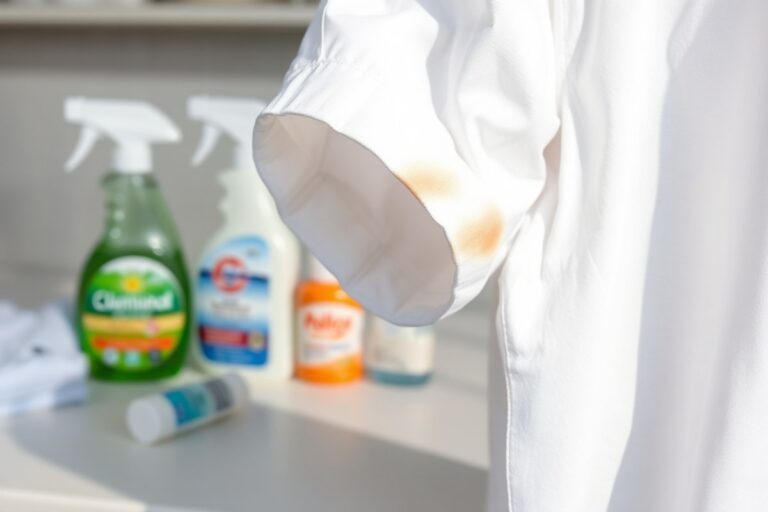
Choosing the right soaking solution matters to completely eliminate mold and prevent it from returning. For white cotton and linen fabrics that permit chlorine bleach according to their labels, use a diluted bleach soak. This typically involves mixing 1/4 cup of bleach into 3/4 cup of water and submerging the garment so the moldy area is fully covered. Soak for 10 to 15 minutes, then rinse well to avoid any fabric damage. For colored or more delicate fabrics that cannot tolerate bleach, a specialized mold and mildew stain cleaner is preferable. Products like Skylar Life Mold & Mildew Stain Removal Gel remove mold safely without harming fabric or washing machine seals. Allow any stain remover to sit for around 30 minutes before washing.
Using soaking methods before washing maximizes the removal effect. Submerge the moldy garment entirely in your chosen solution and keep it at room temperature in a well-ventilated space. Afterwards, wash as usual with the appropriate detergent on the hottest setting safe for the fabric. Following the wash, thoroughly dry clothes either in direct sunlight or a warm dryer. Sunlight and heat are effective at killing mold spores left after washing.
Matching the soaking approach to fabric type ensures effective treatment without damage. Stay clear of bleach on delicate or colored fabrics, and always check garment care labels before using any chemical treatment. For quick mold removal, you can sprinkle a mold remover powder directly on mold spots prior to soaking. After soaking and washing, spraying a fungicide spray can help prevent mold from returning, especially if you tend to store clothes in humid environments. Proper drying and avoiding damp storage conditions further reduce the chance of recurring mold.
5. Treating Mold on Delicate, Dry-Clean-Only, and Colored Fabrics
To protect delicate, dry-clean-only, and colored fabrics from damage while removing mold, you’ll need gentle methods that avoid harsh chemicals like bleach. Natural remedies and professional cleaning services offer safer options. Knowing when to treat at home and when to seek professional help keeps your clothes safe and mold-free.
Natural and Gentle Mold Removal Remedies
Many delicate fabrics, such as silk or wool, react poorly to bleach or strong detergents. Using distilled white vinegar diluted in water provides a natural way to combat mold without harsh chemicals. Mix one part vinegar with four parts water and apply it lightly to the affected area using a clean cloth. Let it sit for 10 to 15 minutes before rinsing with cold water. Vinegar’s acidity helps kill mold spores and neutralize odor while being gentle enough for colored fabrics in most cases.
Gentle soap solutions designed for delicate fabrics can also assist in mold removal. Choose a mild detergent or a leather soap mixed with warm water for leather or suede garments. Always test any treatment on a hidden fabric area first to ensure no color fading or damage occurs. Avoid soaking delicate items for long periods; instead, use short, targeted treatments to minimize risk. After any wet cleaning, allow items to air dry in a well-ventilated spot away from direct sunlight to prevent discoloration.
Using Dry Cleaning for Moldy Clothes
Dry-clean-only items, vintage pieces, or luxury fabrics with mold should be handled by professionals. After gently brushing off surface mold outdoors, take the garment to a dry cleaner and inform them about the mold issue. Professional cleaners use solvents and techniques that can remove mold spores and odors without risking damage that water or bleach-based treatments might cause.
Dry cleaning generally costs between $10 and $30 per item, depending on fabric and complexity. This method is often the safest bet for heavy mold infestations on sensitive items and ensures that the garment retains its texture and color. It also minimizes the chance of mold spreading or becoming embedded deeper with improper home washing. Avoid DIY treatments for dry-clean-only fabrics as they almost always risk permanent damage.
Spot Treatment Techniques for Color-Sensitive Fabrics
Spot treating can be a useful way to remove mold from colored fabrics without washing the entire garment repeatedly. After brushing off mold residues outside, apply a paste made from baking soda and water to the moldy spots. Let it dry, then brush off carefully. For persistent stains, use a vinegar solution lightly dabbed on the spot, being sure to blot and not rub to avoid spreading.
For synthetic colored fabrics, a phenolic disinfectant-based laundry sanitizer can be applied after washing in the hottest water safe for the fabric to eliminate odors. This sanitizer serves as a mold odor remover that won’t bleach colors or weaken fibers. Always follow the sanitizer manufacturer’s instructions for dilution and fabric compatibility. Spot treatment protects the garment’s overall color and integrity while focusing on problem areas.
Test any mold removal solution on a hidden area of the fabric before full application to prevent unexpected color loss or damage.
6. Common Mistakes That Cause Mold Smells to Persist After Washing
Clothes that retain a musty smell after washing often haven’t been thoroughly cleaned of mold or mildew, or they weren’t dried thoroughly afterward. Mold produces a waste gas that creates the odor, which only disappears after the mold is fully removed. A sour or damp smell from laundry might mean your washing machine has mold buildup, especially around rubber seals, detergent compartments, or inside the drum. This mold can re-contaminate your clothes during washing.
Another common mistake is leaving clothes damp for too long, either in the washing machine after the cycle ends or in a damp pile or hamper. Mold thrives in moist, warm, and still environments, so letting clothes sit wet gives mold a chance to grow again. Clothes that feel dry can still contain excess moisture trapped inside fibers, which promotes the musty smell.
Inadequate drying is a key factor in mold or odor returning. Air drying indoors without proper airflow or drying clothes in a crowded wardrobe can keep conditions warm and damp. This encourages mold regrowth on washed clothes even if they smelled clean right out of the washer. Using a dryer incorrectly, like not drying long enough or at a low temperature, also leaves some moisture behind.
- Always clean your washing machine monthly using a washing machine cleaner or run a hot cycle with bleach to remove mold buildup inside the machine.
- Remove clothes promptly after the wash cycle finishes to prevent mildew from developing.
- Dry clothes thoroughly, using a dryer on the highest safe heat setting or air drying in a well-ventilated area with good airflow.
- Avoid leaving damp clothes piled in a hamper or laundry basket for more than a few hours.
- Check and clean the washing machine’s rubber seals and detergent dispensers regularly where mold can hide.
- Wash clothes more frequently if they have been stored damp or are used in high-humidity conditions.
- Use a laundry detergent designed to destroy mold and mildew, especially for musty-smelling clothes.
Following these steps reduces the risk of mold and odors returning on your clothes. Cleaning the machine ensures mold spores don’t transfer back onto fabrics. Removing clothes quickly stops mold growth from restarting in wet fabric. Proper drying eliminates moisture that mold needs to grow again. Keeping the laundry area dry and ventilated prevents lingering moisture, further lowering mold chances. Persistent musty odors on an item after multiple washes and proper drying may indicate that mold has damaged the fabric, making replacement the only solution.
7. When to Keep Moldy Clothes and When to Throw Them Away
Assess the extent of mold coverage on your clothes by closely inspecting the fabric for visible patches and odors. Mild mold often appears as small spots or slight discoloration and may have a faint musty smell. Mold covering less than 10% of the garment with the fabric still structurally sound usually means you can clean the clothing safely. Clothes with extensive mold growth, large, fuzzy, or powdery patches that cover most of the surface, usually show signs of weakening fibers or holes. These signs mean the mold has damaged the fabric beyond safe restoration.
Health risks also guide the decision to keep or discard moldy clothes. Mold exposure can cause allergic reactions, respiratory issues, and skin irritation, especially for those sensitive to mold. Wearing clothes with visible mold poses direct contact risk and multiplies exposure through spores released during movement. Washing that doesn’t fully remove the moldy smell or leaves dark stains often means it’s safer to throw the garments away. This includes any clothing affected by black mold, known for its health hazards, or clothes with extensive mold damage that can’t be cleaned thoroughly.
To follow a straightforward decision rule, first separate moldy clothes from other laundry to avoid contamination. Examine the fabric under good light and smell the affected area. Then answer these: Is mold limited to small spots (under 10% of fabric)? Do you see no damage like thinning or holes? Does the odor disappear after washing? Answer yes to all, and it’s worth saving the clothes. Any no means consider disposal for your health.
Deciding to discard moldy clothes? Look into eco-friendly disposal or recycling options. Throwing moldy garments in regular trash is common, but some items may be recycled if clean and accepted by local facilities, though moldy fabric often is rejected due to contamination. Composting natural fibers might be possible if untreated with harsh chemicals, but this depends on your local regulations. Before disposal, bag clothes tightly to contain mold spores and wash your hands and containers used to handle the items.
Taking small preventive steps like drying clothes thoroughly and storing them in well-ventilated, low-humidity areas helps minimize mold risks. Keeping humidity around 50% with a dehumidifier or air conditioning also reduces mold’s chance to grow. While sunlight effectively inhibits mold by drying and disinfecting fabrics, clothes already heavily affected usually cannot be restored simply by sun exposure. Disposing professionally or as waste ensures safety when mold contamination is too severe, protecting your health and home environment.
8. Preventing Mold Growth and Odors on Clothes Long-Term
Keeping clothes dry, ensuring proper airflow, and storing garments correctly are key steps to prevent mold growth and musty odors from recurring. Regularly drying clothes fully and storing them in low-humidity environments stops the conditions mold needs to thrive.
Proper Drying Techniques
Clothes should be completely dry before storing to avoid mold formation. Damp or even slightly moist fabric can allow mold spores to grow, especially if folded or piled. The ideal drying temperature depends on the fabric, but heat settings between 140°F and 160°F (60°C to 71°C) in a dryer can help kill mold spores. Line drying outdoors in direct sunlight is also effective, as UV rays inhibit mold growth.
For indoor drying, avoid humid rooms like bathrooms or poorly ventilated basements. Instead, dry clothes in rooms with good airflow or near a dehumidifier. It usually takes at least 2 to 4 hours in a warm, dry environment to fully dry lightweight clothes, and longer for thick fabrics like towels or sweatshirts.
Never fold or store clothes while they are still damp, even if you think they’re “mostly dry.”
Humidity Control and Airflow
Humidity levels above 60 percent indoors encourage mold growth on soft fabrics. Use a home hygrometer to monitor relative humidity in closets or laundry areas. Keeping humidity under 50 percent is recommended to stop mold development, according to the Environmental Protection Agency (EPA).
If a room frequently feels damp or stuffy, improve airflow by using fans or opening windows. Running a dehumidifier can also lower moisture. This not only prevents mold on clothes but reduces mold growth on walls and furniture. Check and clean HVAC filters regularly to keep air circulation effective.
Good airflow helps evaporate any lingering moisture in stored clothes. Avoid overcrowding closets where air cannot circulate, as stagnant air traps humidity and encourages mold.
Storage Best Practices to Avoid Mold
Choose breathable storage options like cotton garment bags or open-weave bins to prevent trapped moisture. Plastic bags and airtight containers can trap humidity, unless the clothes are completely dry and the container includes moisture absorbers. Use silica gel packets or activated charcoal packs to absorb excess moisture when storing off-season clothing.
Store clothes in cool, dry places away from heat sources and direct sunlight. Avoid basements or garages prone to dampness or temperature swings. For frequently used clothes, air them out periodically to stop musty smells from settling in.
- Ensure clothes are fully dry before storing
- Use breathable storage containers and bags
- Include moisture absorbers like silica gel packets
- Keep storage areas cool and ventilated
- Avoid plastic bags for long-term storage unless moisture is controlled
- Periodically check and air out stored clothes
Preventing mold on clothes cost very little, just time and attention to drying and storage conditions. The result is fresher, longer-lasting fabrics without musty odors or stains.
Step-by-Step Action Plan to Remove Mold from Clothes
Follow these steps carefully to safely remove mold, stains, and odors from your clothes and prevent future problems.
- Before you start: Wear gloves and a mask to avoid breathing in mold spores or touching them directly.
- Day 1: Take clothes outside and brush off any loose mold outdoors to prevent spreading spores indoors.
- Day 1: Pre-soak moldy clothes in a bucket with hot water and oxygen bleach (like OxiClean) for at least 1 hour, checking that fabric care labels allow safe soaking.
- Day 1: Wash clothes in the hottest water safe for the fabric using a heavy-duty detergent and add one cup of white vinegar or a mold-specific laundry additive to kill mold effectively.
- Immediately after washing: Check for lingering odors or stains. If detected, repeat the soak and wash process before drying.
- After washing: Dry clothes completely in direct sunlight or in a hot dryer, as moisture encourages mold regrowth.
- Ongoing: Store clothes in dry, well-ventilated areas and avoid leaving damp clothes in the laundry basket to prevent mold from returning.
Frequently Asked Questions
What Kills Mold on Fabric?
Mold on fabric is best killed using mold removal products designed for textiles or a mixture of warm water and mold remover. This helps break down mold spores and prevents damage to the fabric when done promptly.
Will a Clorox Wipe Kill Mold?
Clorox wipes can kill mold on hard surfaces but are not recommended for clothes, as they may damage fabrics and don’t penetrate deeply. Specialized laundry treatments work better on moldy clothing.
How to Get Rid of Mold in a House?
Mold in a house requires controlling humidity, improving ventilation, and cleaning affected areas with mold-specific cleaners to prevent spreading and re-growth. Address moisture sources promptly to keep mold away.
How to Get Rid of Mildew Smell?
To remove mildew smell from clothes, use odor-removal laundry additives or soak garments in water with mold remover. Thorough drying after washing also prevents the smell from returning.
Can Washing Machines Cause Moldy Smells on Clothes?
Yes, washing machines can harbor mold and cause smells if left damp or dirty. Clean and air out your washer regularly to avoid this issue.
Is It Safe to Wear Clothes After Mold Removal Washing?
Clothing without visible mold or odor after thorough washing is generally safe to wear. Always check for lingering spots or smells before use to avoid skin irritation or respiratory issues.
Before You Go
Mold can be washed out of most clothes with the right steps, but thorough soaking, washing, and drying are essential to remove both visible mold and stubborn odors. Taking care with how you handle moldy items and drying them quickly reduces the chance mold comes back. Start today by safely pre-soaking your moldy clothes and using a mold-fighting additive in your next wash cycle.