Will Vinegar Take Out Stains? What Actually Works and How to Use It Right
Vinegar can remove certain stains effectively, especially those from blood, sweat, and some food substances, but it isn’t a universal stain remover. Using the right vinegar type and following proper steps increases your chances of success without damaging fabrics or surfaces. This information is for homeowners and renters seeking natural stain removal solutions that actually work.
You will learn which stains vinegar can tackle, safe preparation and application methods, and how long to leave vinegar on stains for the best results. The advice here helps you avoid common mistakes and safely treat carpets, upholstery, and delicate fabrics, improving your stain removal routine.
Key Takeaways
- Use distilled white vinegar with 5 percent acetic acid for most fabric stain removal tasks.
- Apply vinegar directly on fresh blood stains and let it sit for about 10 minutes before rinsing.
- Soak stubborn stains in a mix of cold water and a small splash of white vinegar for 10, 15 minutes.
- Do not use industrial vinegar with 20 percent acetic acid on fabrics or sensitive surfaces to avoid damage.
- For carpet stains, mix 1 tablespoon white vinegar, 1 teaspoon dish soap, and 2 cups warm water for cleaning.
- Let vinegar solutions sit on stains for at least 5-10 minutes, or up to 30 minutes for tougher stains.
Can Vinegar Actually Remove Stains from Fabrics and Surfaces?

Vinegar can remove many common stains from clothing and household fabrics, but its effectiveness varies depending on the stain type. White distilled vinegar contains acetic acid, which helps break down certain compounds in stains, making it especially useful for organic stains like coffee, tea, and some bodily fluids. For example, applying a small amount of white vinegar directly onto a fresh blood stain and letting it sit for 10 minutes can help loosen the stain before washing.
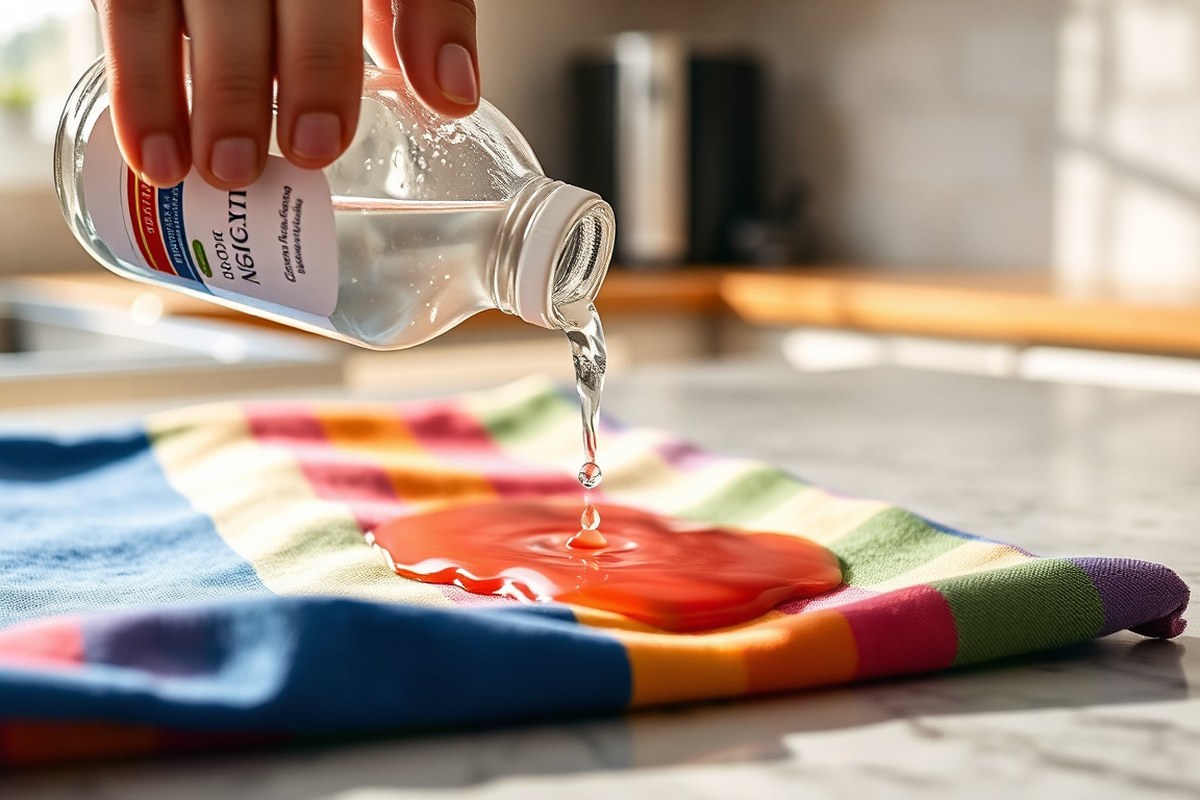
This organic acid is effective at removing rust stains that bleach usually can’t remove. It works by breaking the iron oxide bond, making vinegar or lemon juice a better choice for rust than many commercial bleach cleaners. To treat carpet stains, mix one tablespoon of distilled white vinegar, one teaspoon of dish soap, and two cups of warm water, then apply it to the stain to help lift various common spills.
Despite its versatility, vinegar does have limitations. It is less effective on oily stains, such as grease or makeup, which might require specialized detergents. Its acid content isn’t strong enough to fully break down some synthetic or dye-based stains, so commercial stain removers often work better for ink, hair dye, or deeply set color stains. Also, industrial-strength vinegars with higher acid content can damage delicate fabrics or surfaces, so sticking to standard distilled white or cleaning vinegar is safer.
Vinegar is not a direct replacement for commercial stain removers but rather a helpful supplement or first step. It can reduce or lighten many stains, making them easier to remove in the laundry. A common approach involves flushing the stain with vinegar, then treating it with a soap and water solution before washing. For tougher stains, letting vinegar sit on the fabric for up to 30 minutes can increase effectiveness without harming most fabrics.
The low cost and availability of vinegar make it an economical option compared to specialty stain removers costing several dollars per ounce. A standard gallon of distilled white vinegar often costs under $3 and can be diluted for multiple uses. While it’s safe for most fabrics and surfaces, never apply vinegar on delicate materials without testing a hidden area first, and avoid mixing it with bleach or hydrogen peroxide, which can produce harmful fumes.
How Does Vinegar Work to Remove Different Types of Stains?
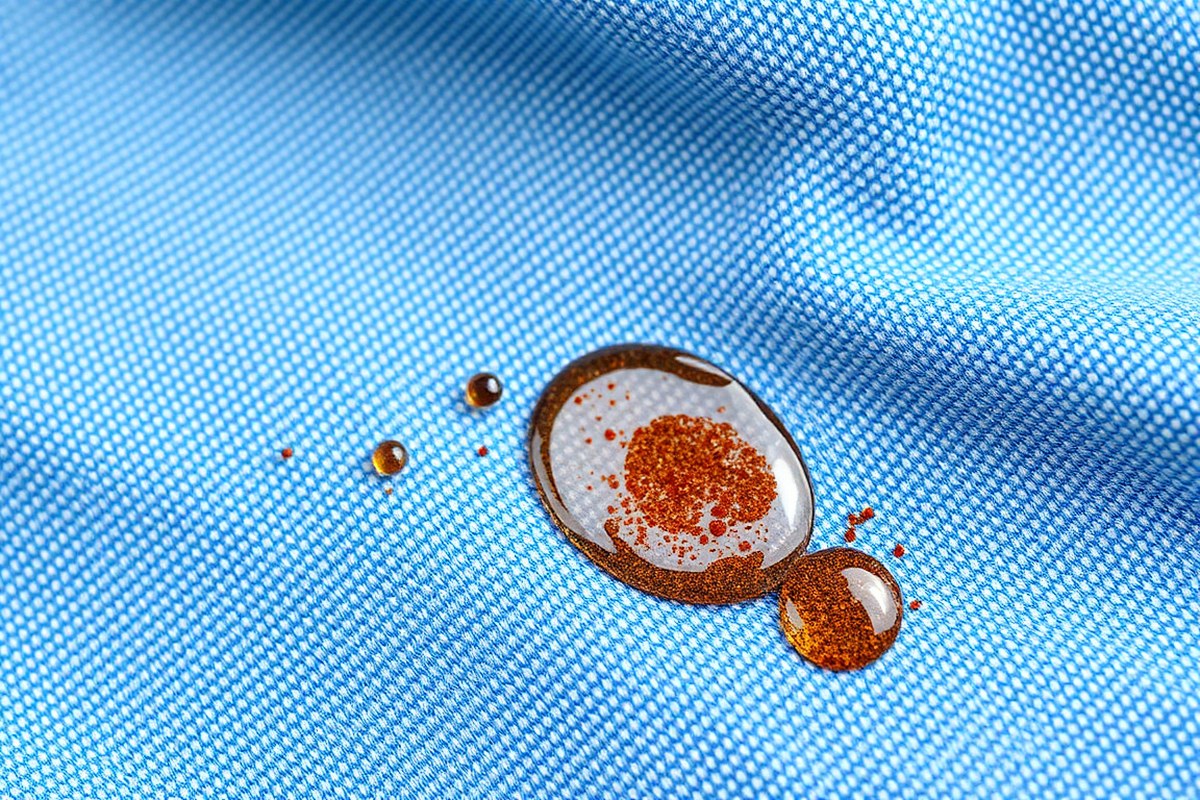
Vinegar primarily removes stains through the action of acetic acid, which makes up about 5 percent of distilled white vinegar. This weak acid breaks down certain substances in stains by dissolving mineral deposits, loosening grime, and neutralizing alkaline components. For organic stains, such as coffee, sweat, or bodily fluids, the acetic acid helps dissolve the compounds causing the discoloration, making them easier to lift from fabrics or surfaces.
The effectiveness of vinegar’s acetic acid depends on the stain type. It works best on water-based organic stains because these often involve proteins, pigments, or residues that acid can break down chemically. For example, vinegar can reduce yellowing from sweat or coffee by altering the stain’s chemical bonds and making it less visible. Vinegar also slows mildew growth and removes soap scum by breaking down grease and mineral buildup, which explains its use on bathroom tiles, shower doors, and washing machines.
Vinegar’s limitation appears with oily or greasy stains. Because acetic acid mixes well with water but not oil, vinegar can’t dissolve or emulsify the oils effectively. Oily stains require surfactants or detergents that surround oil molecules and lift them away from the fabric or surface. Vinegar lacks these properties, so it often won’t remove cooking oil, butter, or heavy grease stains on its own. In some cases, vinegar can even set oily stains if used improperly.
Using vinegar correctly for stain removal involves applying it directly to the affected area in a diluted form, typically equal parts vinegar and water. The acidity helps break down the stain’s chemical structure over 10 to 15 minutes, after which blotting or gentle scrubbing can remove loosened particles. For organic stains on fabrics, applying diluted vinegar as a pre-treatment before laundering can improve stain fading without harsh chemicals. Avoid vinegar on natural stone surfaces or delicate fabrics like silk, where acidity might cause damage.
Homemade cleaning solutions often combine white vinegar with dish soap and water to improve effectiveness against complex stains containing both grease and grime. In this mix, the soap acts as a surfactant to dissolve oils, while vinegar tackles mineral deposits and organic residues. Heating vinegar before application, for example warming a cup in the microwave for 30 to 45 seconds, can also improve its ability to dissolve mineral spots, especially on glass.
Always test vinegar on a small, hidden area first to avoid discoloration or damage, especially on delicate fabrics and surfaces.
Which Stains Can Vinegar Remove and Which Should You Avoid?
Vinegar is effective against many common stains, especially those found in kitchens and on clothing, but its success depends on the type of stain and fabric. It works best on stains caused by coffee, wine, grass, and sweat thanks to its acidity, which can break down or charge stain molecules for easier removal. Vinegar also excels at cutting grease and food-related messes, making it a convenient option for kitchen surfaces and fabrics that can handle mild acids.
Conversely, vinegar is less effective on oil and grease stains on fabrics alone; dish soap is preferable to use first before any heat is applied. Also, vinegar should be avoided on delicate or natural fabrics like silk, wool, and acetate, which can be damaged by its acidity. Always test vinegar on an inconspicuous spot to prevent fabric weakening or discoloration. The table below shows typical stains, how vinegar can treat them, and recommended sitting times to optimize stain removal:
| Stain Type | Treatment Method | Sitting Time |
|---|---|---|
| Coffee | Blot, apply vinegar solution | 5-10 minutes |
| Wine | Blot, apply vinegar paste | 15-20 minutes |
| Grass | Soak in vinegar solution | 30 minutes |
| Sweat | Spray vinegar directly | Before washing |
For stain treatment, start by blotting any excess liquid with a clean cloth or sponge rinsed in cold water. Applying a vinegar solution or paste according to the stain type accelerates removal. Timing matters: letting vinegar sit too briefly may not lift the stain thoroughly, while overexposure can risk fabric damage, particularly on sensitive materials.
On upholstery and carpets, white vinegar can work well for fresh stains such as coffee or wine, but use it sparingly and avoid soaking the fabric. For kitchen surfaces, vinegar, sometimes combined with baking soda, helps remove stubborn food residue and grease stains without harsh chemicals.
Wear gloves when applying vinegar to avoid skin irritation, and always ventilate the area. If the stain persists after treatment or if you’re unsure about the fabric’s compatibility, consider professional cleaning to prevent damage or set-in stains.
How to Prepare and Apply Vinegar Solutions for Stain Removal
To prepare and apply vinegar solutions for stain removal, use white vinegar with water in a 1:1 ratio as a base. For tougher stains, combine vinegar with baking soda by applying them in sequence rather than mixing beforehand. Following precise application steps helps achieve effective stain removal without damaging fabrics or surfaces.
Choosing the Right Vinegar Type and Concentration
White vinegar is the preferred choice for stain removal because it is clear, inexpensive, and free from dyes that could transfer to fabrics. Cleaning vinegar with about 6% acetic acid strength offers stronger stain-fighting power compared to typical distilled white vinegar, which has about 5%. Use cleaning vinegar sparingly on delicate fabrics to avoid weakening fibers.
Higher vinegar concentrations provide better stain removal but can cause color fading or fabric damage, so always test on an inconspicuous area first. For household applications, a 50% vinegar and 50% water mixture balances effectiveness and fabric safety.
Mixing Vinegar with Water and Other Agents
Combine equal parts white vinegar and cold water to make a versatile stain remover suitable for many fabric types. Adding a few drops of mild dish soap can improve grease removal without harming most materials. Avoid mixing vinegar and baking soda in a single solution, as their chemical reaction neutralizes cleaning power.
Instead, apply baking soda first by sprinkling it onto the stain, then spray the vinegar-water mix on top. This layering creates bubbling that helps lift stains from fabric or surfaces without mixing them beforehand. For thick stains, making a baking soda paste with six tablespoons of baking soda and about 80 ml of warm water and applying it before the vinegar spray can boost results.
Step-by-Step Application for Fabric Stains
Use the following steps for applying vinegar stain remover to common fabric stains while preserving material integrity:
- Blot the stain with a clean cloth to absorb excess moisture or residue without rubbing it deeper into the fabric.
- Sprinkle baking soda evenly over the stained area to absorb oils and loosen dirt.
- Mix white vinegar and water in equal parts in a spray bottle for easy application.
- Spray the vinegar-water mixture onto the baking soda-covered stain and allow it to bubble for 5 to 10 minutes.
- Gently blot or rub the stain with a soft cloth or sponge to lift loosened particles.
- If needed, prepare and apply a baking soda paste to stubborn spots and let it sit for 30 to 60 minutes before rinsing.
- Rinse the area thoroughly with cold water to remove vinegar and baking soda residues.
- Launder according to fabric care instructions or air dry if washing is not possible.
How Long Should You Let Vinegar Sit on a Stain for Best Results?
Applying vinegar to a stain requires careful timing to avoid damage and maximize stain removal. Generally, vinegar should sit on a stain for about 5 to 10 minutes before rinsing well with water. This timeframe allows the acetic acid in vinegar to break down many common stains without overstaying and risking fabric damage or color fading. For more stubborn stains on fabrics or surfaces, extending vinegar’s contact time can help. For example, spraying undiluted vinegar on mold calls for letting it sit for around an hour before scrubbing it off.
The type and severity of the stain influence how long you should leave vinegar on. Lightweight stains like coffee or sweat may only need a few minutes of vinegar contact. Greasy or protein-based stains, such as sunscreen or chocolate, often require longer treatments, sometimes up to 20 to 60 minutes with a thicker vinegar application, combined with other cleaners for best results. Sunscreen stains include greasy residue and discoloration, and treating each thoroughly might involve vinegar plus pre-treaters with spray-on alcohol followed by a 10-minute wait.
Knowing when vinegar has done its job depends on observing the stain’s appearance and the fabric’s feel. If the stain looks noticeably lighter or softened after 5 to 10 minutes, rinse it out immediately to avoid damaging the material. Leaving vinegar too long, especially on delicate items or dyed fabrics, can whiten the fabric or weaken fibers. For example, adding a cup of vinegar in a washing machine rinse cycle is best done during the rinse phase rather than pre-soaking clothes to prevent fabric wear.
When tackling particularly tough stains, reapplying vinegar is an option. Use a cloth dampened slightly with diluted vinegar to treat any remaining chalky or stubborn residues, then rinse and dry the area thoroughly. However, avoid multiple extended vinegar treatments on the same spot, as this increases the risk of color loss or texture change. For non-fabric surfaces like toilet bowls or tiles, vinegar can be left overnight or for an hour without damage, making it effective for mineral build-up or mold.
Always test vinegar on an inconspicuous area before full application, as extended vinegar exposure can bleach or weaken certain fabrics and finishes.
Using Vinegar on Carpets, Upholstery, and Delicate Fabrics Safely
Vinegar can be used on upholstery, carpets, and some delicate fabrics, but you need to handle it carefully to avoid damage. Its acidic nature helps break down stains, though it can weaken or discolor certain materials. Testing and proper application protect your fabrics while still tackling stains effectively.
Precautions for Upholstery and Carpets
White vinegar works well to fight stains on many carpets and upholstery, but it’s not safe for all materials. Using it directly without testing can cause color fading or fiber damage, especially on natural fabrics like wool or on dyed synthetics. Avoid vinegar on leather, suede, or fabrics with water-based cleaning restrictions indicated by a care label symbol “S” (solvent only).
Use a diluted vinegar solution, mixing one part white vinegar with two or three parts cold water. Apply the solution with a clean cloth or spray bottle, then blot instead of rubbing to reduce fiber stress. Always work from the outside of the stain toward the center to prevent spreading.
- Check for colorfastness by applying solution to a hidden area first.
- Use a white cloth or sponge to avoid color transfer.
- Limit vinegar use to small sections to minimize risk.
- Blot gently; avoid scrubbing which can damage fibers.
- Follow any care label instructions, especially solvent (“S”) or no-water (“W”) symbols.
- Test a short 10-minute exposure before full application.
Vinegar’s stain-fighting ability shines on synthetic carpets and mixed fabrics, but always test first to avoid unpleasant surprises.
Testing Vinegar on Delicate Fabrics
Delicate fabrics like silk, lace, and wool are sensitive to acids and moisture and may weaken or lose luster if vinegar is applied directly. Avoid soaking these fabrics in vinegar solutions. Instead, do a spot test on a hidden seam or hem for at least 10 minutes, checking for fading or texture changes.
Test a small area first, and when you see no damage, apply vinegar lightly using a damp cloth instead of pouring or soaking. For delicate fibers, dilute vinegar more strongly, about one part vinegar to four parts cold water, to reduce acidity. Treat stains gently by dabbing and follow immediately with a clean rinse using cold water.
Delicates need less force, not more products. Avoid combining vinegar with other cleaners or heat, which can increase the risk of damage.
Post-Treatment Care and Rinsing Tips
After treating stains with vinegar, rinsing the fabric or carpet thoroughly is critical to prevent lingering acidity that can degrade fibers over time. Use cold water and blot the treated area with a clean cloth soaked in plain water until the vinegar scent disappears.
- For upholstery and carpets, avoid soaking; use minimal water to rinse and blot dry.
- For delicate fabrics, rinse gently under cold running water or with a damp cloth.
- Allow fabrics to air dry completely before use to avoid mildew or lingering odors.
- Consider using a fabric-safe neutralizer, like baking soda, lightly sprinkled then vacuumed, especially on carpets.
- When a vinegar smell remains, ventilate the room or place the item outside to air out.
Taking these steps helps preserve fabric strength and appearance while ensuring the stain treatment doesn’t cause future problems.
Common Mistakes Using Vinegar for Stain Removal and How to Avoid Them
Using vinegar incorrectly can make your stain removal efforts less effective or even cause damage. One common mistake is using the wrong type of vinegar. Cleaning vinegar, which is stronger with about 6% acetic acid, is more effective for stain removal than regular white vinegar (5% acidity) but should never be used for cooking or consumed. On the other hand, balsamic or apple cider vinegar can stain fabrics further, so stick to white or cleaning vinegar for stain tasks.
Mixing vinegar with bleach is a serious error. This chemical combination releases toxic chlorine gas, which is unsafe and can harm your respiratory system. Always avoid combining vinegar with bleach or products containing bleach to keep your cleaning safe.
Heat can make some stains set permanently if applied too soon. Applying hot water or using a dryer before the stain is completely removed may lock it into the fabric fibers, making removal nearly impossible. Vinegar works best when stains are fresh and untreated by heat.
- Use only white distilled or cleaning vinegar for stain removal, never flavored or colored vinegars.
- Do not mix vinegar with bleach or other harsh chemicals.
- Test vinegar on a hidden area of fabric or surface to check for colorfastness before applying widely.
- Avoid applying heat to stained fabric before vinegar treatment is complete.
- Use gentle blotting rather than scrubbing to prevent fabric damage, especially on delicate materials like silk or upholstery.
- Wear gloves to protect your skin from irritation when using higher-strength cleaning vinegar.
- Rinse the area well after treatment to remove vinegar residue and prevent any long-term damage.
Some fabrics, like silk or tightly woven upholstery, can be damaged by vinegar’s acidity or by too much friction during cleaning. Always do a patch test first. If the fabric feels rough or discoloured after the test, avoid using vinegar and consider a product made specifically for delicate fibers.
Handling vinegar safely means working in a well-ventilated area and wearing gloves if you have sensitive skin. Vinegar’s acidic nature can cause irritation or burn skin on contact, especially at higher concentrations like cleaning vinegar. Following label instructions for every product you use and never mixing chemicals keeps your household safe.
Steps to Remove Stubborn or Set-In Stains Using Vinegar and Boosters
To tackle stubborn or set-in stains effectively, use vinegar combined with baking soda, dish soap, or oxygen bleach in a stepwise approach. This method breaks down tough stains by loosening particles and neutralizing odors, making it easier to remove the marks completely. Following a sequence of pre-treating, applying vinegar boosters, and thorough washing improves your chances of success.
Pre-Treating with Baking Soda or Detergent
Start by treating the stain with baking soda or dish soap to lift surface grime and absorb oils. Baking soda is especially effective as it acts as a mild abrasive and odor absorber. For tough stains like tomato, chocolate, or turmeric, create a baking soda paste by mixing about 1/2 cup of baking soda with a few teaspoons of water until you get a spreadable consistency. Apply this directly to the stained area and let it sit for 15 to 30 minutes to begin breaking down the stain.
Applying a small amount of liquid dish soap can also help dissolve grease-based stains before vinegar treatment. Gently rub the soap into the fabric or surface, then rinse lightly with cold water. This initial step primes the stain, making vinegar’s acid work more effectively in the next stage.
Applying Vinegar-Based Boosters
After pre-treating, apply vinegar or a vinegar solution to target the stain further. Use regular white distilled vinegar, which costs around $2 to $3 per quart, as an affordable and natural cleaner. Vinegar’s acid breaks down mineral deposits and residue in the stain.
A recommended mixture is 1/2 cup of vinegar poured over or sprayed onto the baking soda-treated area. Let the fizzing reaction loosen the stain for 10 to 15 minutes. For heavy stains, repeat the vinegar application once the fizz dies down. You can also mix vinegar with a small amount of oxygen bleach powder (following package directions) for an extra boost on white fabrics, but test for colorfastness first to avoid fading.
Don’t rely on a quick vinegar and baking soda fizz; allow the mixture to sit for several minutes for best results.
Final Washing and Rinsing Techniques
After the vinegar booster treatment, rinse the stain thoroughly with cold water to flush away loosened particles. Avoid hot water at this stage, as it can set some stains permanently. For fabrics, after rinsing, apply your usual laundry detergent and launder as normal, following the care tag instructions.
If the stain persists, repeat the pre-treating and vinegar application before washing again. For upholstery or carpets, blot the area instead of rubbing to prevent spreading the stain further. Always air dry the cleaned area first, as heat from dryers can fix any remaining stain.
- Apply a baking soda paste (1/2 cup baking soda + water) or liquid dish soap to the stain.
- Let it sit for 15 to 30 minutes to absorb and break down the stain.
- Pour or spray 1/2 cup white vinegar over the treated area.
- Wait 10 to 15 minutes for fizzing and stain loosening.
- Rinse thoroughly with cold water, avoiding heat.
- For fabrics, launder as usual using cold or warm water per care instructions.
- Repeat treatment on stubborn stains before drying.
- Air dry the cleaned fabric or surface before using heat sources.
Step-by-Step Action Plan for Using Vinegar to Remove Stains
Follow these steps to effectively use vinegar for removing common stains while protecting your fabrics and surfaces.
- Before you start: Test vinegar on a small, hidden spot of the fabric or surface to check for any damage or discoloration.
- Immediately after the stain appears: Blot excess liquid or debris gently without rubbing to avoid pushing the stain deeper.
- Within an hour: Mix a solution of one part white vinegar to two parts water, then apply it directly to the stain using a clean cloth or spray bottle.
- After application: Let the vinegar solution sit on the stain for 10 to 15 minutes but no longer than 30 minutes for delicate fabrics.
- Next step: Blot the treated area with a damp cloth to lift the stain and vinegar away, repeating if necessary for stubborn spots.
- After treatment: Rinse or wash the fabric with cold water to remove vinegar residue and air-dry to prevent heat-setting the stain.
- For set-in stains: Create a paste by mixing vinegar with baking soda and gently apply it to the stain, leaving it for 30 minutes before rinsing.
- Within 24 hours: Check the stained area once dry and repeat the process if any residue remains before considering specialized stain removers.
Frequently Asked Questions
How to Get Deep Stains Out of Clothes with Vinegar?
Pre-treat deep stains by soaking them in undiluted white vinegar for 10-15 minutes before washing. This helps break down the stain. Follow that with your usual detergent to improve overall removal.
What Happens If You Mix Vinegar and Dawn Dish Soap for Cleaning Stains?
Combining vinegar and Dawn dish soap creates a powerful stain remover for grease and grime. The soap cuts oils while vinegar breaks down residue. Use this mix carefully on carpets or hard surfaces for best results.
Can Baking Soda and Vinegar Be Used Together to Remove Stains?
Yes, when used in steps rather than mixed directly, baking soda and vinegar effectively remove stains. Sprinkling baking soda first then spraying vinegar helps lift and deglaze stains making them easier to wipe away.
What Clothes Should Not Be Washed with Vinegar?
Avoid vinegar on delicate fabrics like silk, rayon, and acetate as it may weaken fibers or affect dyes. Also skip vinegar on clothes with rubberized parts or trims to prevent damage. Check care labels first.
What’s the First Thing to Use to Get Stains Out Using Vinegar?
Start with a cold rinse to remove excess stain, then apply a baking soda paste followed by vinegar to lift the residue before washing. This sequence maximizes stain removal effectiveness.
Can Vinegar Remove Ink Stains from Clothing Safely?
Vinegar can help fade ink stains if applied quickly but may not remove them completely. Use diluted vinegar, blot gently, and follow with detergent for best results. Avoid rubbing to prevent spreading.
The Bottom Line
Vinegar can be an effective, natural option for many stains, especially fresh and lightly set ones. Using it properly with timely application and careful testing helps protect your items while increasing stain removal success. Try applying vinegar as soon as a stain occurs on your next cleaning task to see how well it works for you.