What Is Permanent Press in Washing Machine? A Complete Guide for Wrinkle-Free Laundry
Permanent press in a washing machine is a cycle designed to reduce wrinkles by using warm water, a gentler spin, and a cooler rinse. It works well for synthetic or blended fabrics that need cleaning without harsh agitation. This setting protects your garments from creasing and shrinking during the wash and pairs with a dryer cycle that gradually lowers heat to keep clothes smooth.
Homeowners and renters interested in maintaining wrinkle-free clothes will find practical tips on choosing fabrics, timing cycles, and avoiding common mistakes. The article covers how permanent press differs from other settings and offers advice for achieving the best results with your washing machine and dryer.
Key Takeaways
- Choose permanent press for synthetic blends, polyester, and wrinkle-prone fabrics to reduce creases during washing.
- Use warm water and a gentle spin cycle to protect clothes from damage and minimize wrinkles.
- The permanent press dryer cycle uses medium-high heat around 135°F, then cools down to prevent setting wrinkles.
- Loading clothes correctly and avoiding overstuffing helps the machine clean and dry evenly on permanent press cycles.
- Follow garment care labels to decide when to use permanent press over normal or delicate settings.
- Most permanent press wash cycles last about 30 minutes, balancing cleaning efficiency and fabric care.
What Is Permanent Press in a Washing Machine?

The permanent press cycle in a washing machine is designed specifically to reduce wrinkles and care for synthetic, blended, and wrinkle-prone fabrics. It works by combining warm water, a gentler wash action, and a slower spin speed to protect fabric integrity while minimizing creases. Using this cycle helps maintain the smooth appearance of garments that might otherwise wrinkle or pill during a normal wash.
This cycle generally runs with water temperatures that are cooler than a regular wash, often warm but not hot, to prevent damage or shrinkage to synthetic materials like polyester, rayon, or nylon. The gentler agitation and slower spin speed reduce the stress on fibers, which limits the formation of new wrinkles. At the end of the washing process, a longer cool-down rinse spray is often included to relax fabric tension and further prevent crease setting.
In practical terms, you place your wrinkle-prone or synthetic clothes in the washer, add your preferred detergent, and select the permanent press cycle. Since this setting uses moderate temperatures and a slower spin, the cycle typically takes a bit longer than a quick wash but less time than delicate or hand wash cycles. Some modern machines allow users to adjust water temperature or spin length within the permanent press setting, providing more control based on fabric type or soil level.
The main purpose of the permanent press setting is to keep garments looking crisp without the need for excessive ironing. For example, shirts, dress pants, or casual wear made from fabrics prone to creasing benefit most from this cycle. Avoid using permanent press for heavy fabrics like denim or towels, as they require more vigorous washing. Also, this cycle costs little extra in energy compared to normal washes because it uses cooler water and spin speeds that are more energy efficient.
Using the permanent press cycle properly means you get clothes that are easier to handle after washing, with fewer wrinkles setting in. However, wrinkle prevention is not foolproof; leaving clothes in the washer too long or overloading the drum can still cause creases. Unlike the normal wash, which may use a higher spin speed risking harsher fabric wear and more wrinkles, permanent press balances fabric care with effective cleaning to deliver good results without damaging garment fibers.
How Permanent Press Cycles Differ from Normal and Delicate Settings
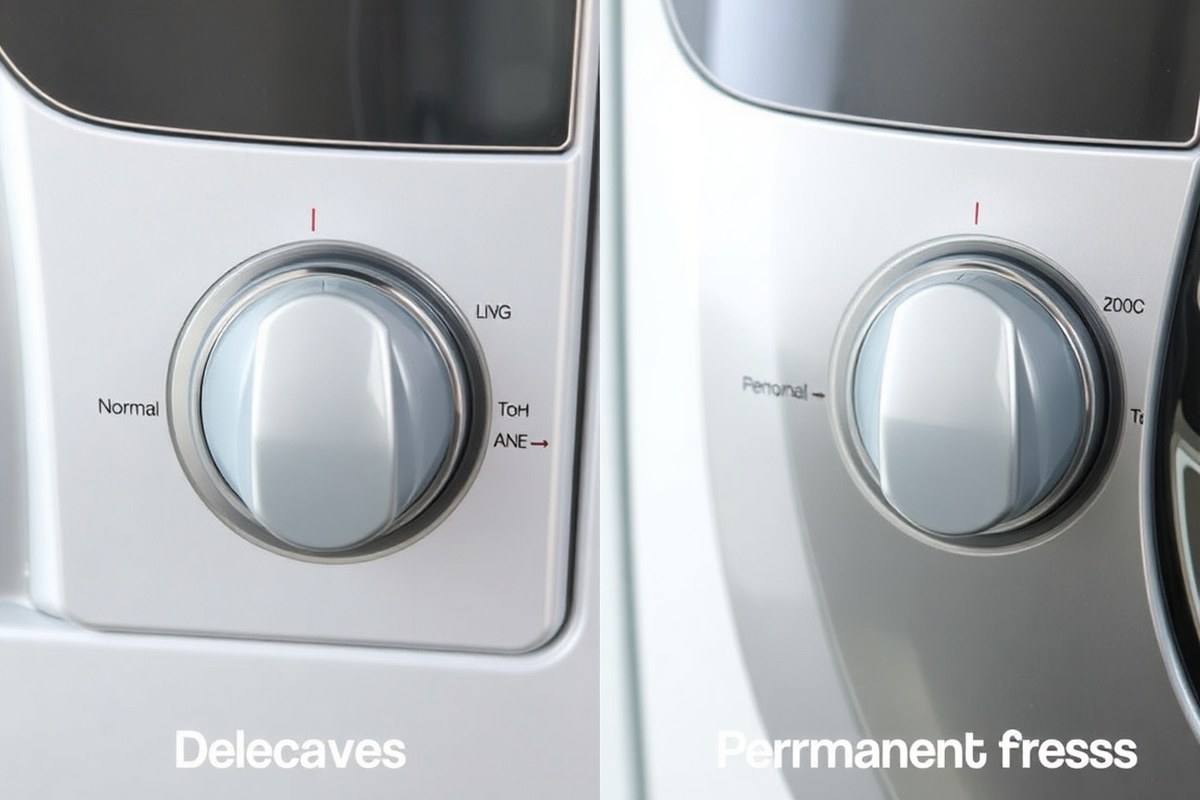
The permanent press cycle uses moderate settings to protect wrinkle-prone fabrics without the harshness of normal cycles or the extra gentleness favored for delicates. It balances water temperature, agitation, and spin speed to reduce fabric damage and creasing. Compared to normal or delicate cycles, permanent press uses warm water instead of hot or cold, milder agitation than normal but more than delicate, and a moderate spin speed that avoids excessive wrinkling or stress on fibers.
| Feature | Delicate Cycle | Permanent Press Cycle | Normal Cycle |
|---|---|---|---|
| Water Temperature | Cold | Warm | Hot |
| Agitation Level | Very light | Mild | Vigorous |
| Spin Speed | Slow | Moderate | High |
| Fabric Type | Fragile fabrics (silk, lace, lingerie) | Wrinkle-prone blends (polyester, rayon, synthetics) | Cotton towels, jeans, bedding |
| Wrinkle Control | Minimal stress but less focus on wrinkles | Fewer creases due to cooldown and moderate spin | More creases from vigorous agitation and spin |
| Best For | Lingerie, silk, hand-wash-only items | Everyday clothes needing wrinkle control | Heavy cottons and durable fabrics |
Permanent press cycles often include a cooldown phase that uses cooler water or slower spin speeds at the end of the wash. This helps reduce wrinkles by relaxing fibers before drying. You can usually adjust water temperature or spin speed on higher-end washers that allow cycle customization. If your machine lacks a permanent press option, choosing a synthetics or easy-care cycle with reduced spin speed is a reasonable alternative.
Tip: Look for clothing labels marked “wrinkle-resistant,” “wrinkle-free,” or “permanent press” to decide when to use the permanent press cycle for best fabric care.
Which Fabrics and Clothes Are Best for Permanent Press?
Permanent press cycles work best with synthetic fabrics and wrinkle-resistant blends designed to handle warm water washing without damage. These fabrics include polyester, nylon, rayon, and spandex blends. Avoid using permanent press for delicate items or heavy fabrics that require gentler care or hot water washes.
Suitable Synthetic and Blend Fabrics
Synthetic fabrics such as polyester and nylon tolerate the warm wash and cool rinse of the permanent press cycle well. These materials are less likely to shrink or lose shape with this cycle’s moderate agitation and temperature settings. Fabric blends combining synthetic fibers with cotton, especially wrinkle-resistant or “non-iron” treatments, also benefit from permanent press because the cycle reduces wrinkling during washing and drying.
Workout clothes made from synthetic fibers like spandex blends are good candidates for permanent press cycles, as the wash temperatures and spin speeds are balanced to clean efficiently without damaging stretch or elasticity. Sorting laundry by fabric type and color before washing is important to avoid damage or color bleeding, even on the permanent press cycle.
- Polyester fabrics
- Nylon and spandex blends
- Wrinkle-resistant cotton/synthetic blends
- Non-iron treated shirts and blouses
- Lightly soiled synthetic workout clothes
Washing these fabrics on permanent press can prevent shrinking and wear caused by higher heat or more aggressive cycles. Use the cycle as intended and follow garment care labels for best results.
Garments to Avoid on Permanent Press
Permanent press is not suitable for delicate fabrics such as lingerie, lace, or knitted sweaters. These materials require cool water and gentler agitation to avoid damage. A delicate cycle with cooler water and slower spinning should be used instead for these items.
Avoid washing heavy or rough fabrics like towels and denim on the permanent press cycle because the moderate agitation and temperatures may not clean thoroughly or could cause uneven wear. Also, permanent press isn’t recommended as a substitute for specific cycles designed for heavily soiled or bulky items that demand higher temperatures or longer wash times.
Special Cases: Sheets, Towels, and Delicates
Sheets and towels typically require a hotter wash cycle than permanent press offers to remove oils and dirt effectively. Washing them on permanent press may leave residues or require more frequent laundering. Use a regular or heavy-duty cycle for these to keep them clean and fresh.
Delicate fabrics need cooler water and less agitation than permanent press provides. Although the permanent press cycle is gentler than normal cycles, it still uses warm water initially, which can cause damage to delicate fibers. Stick with the delicate cycle for these items, and avoid permanent press to protect their shape and texture.
How Does the Permanent Press Dryer Cycle Work?
The permanent press dryer cycle works by using medium heat and controlled tumbling to reduce wrinkles and prevent creases from setting in your clothes. This setting typically runs at a temperature around 135° F, which is lower than the high heat used in standard drying cycles. This moderate heat level helps protect synthetic blends and wrinkle-resistant fabrics without overheating or damaging them.
After the main drying phase, the permanent press cycle includes a cool-down or extended tumbling period. This phase continues to tumble your clothes without heat, allowing them to finish drying while loosening any wrinkles. The gradual drop in temperature prevents the fabric from cooling too quickly in one spot, which is what often causes wrinkles to form during other dryer cycles.
This anti-wrinkle mechanism works because steady movement and moderate heat keep the fabric fibers from settling and hardening in creased positions. The gentle tumbling combined with the cool-down phase mimics what happens when you shake out clothes by hand and hang them to dry, but it happens automatically inside the dryer drum. You can leave permanent press clothes in the dryer when the cycle is complete because the ongoing tumbling keeps the fabric from bunching up.
Using the permanent press dryer cycle is especially helpful for synthetic blends, polyester, and cotton-polyester mixes that tend to wrinkle easily but withstand moderate heat. It doesn’t dry as quickly as high heat cycles, so expect drying times to be somewhat longer. However, this tradeoff leads to fewer wrinkles and less need for ironing. For heavily wrinkled or very thick items, you might need to run the cycle a second time or finish with a short normal drying cycle on low heat.
Some dryer models allow you to select options like “wrinkle release” or “anti-wrinkle” with the permanent press cycle for extra tumbling after drying. Those extra minutes often keep clothes ready to wear straight from the dryer. Avoid using permanent press for delicate fabrics that require very low heat or air dry settings, as the medium heat might cause shrinkage or damage.
The permanent press cycle usually takes between 40 to 60 minutes depending on your dryer and the load size. If your dryer has moisture sensors, the cycle might adjust the length automatically. This cycle is a convenient middle ground between delicate cycles that use no heat and normal cycles that use high heat, providing better wrinkle control without risking fabric damage.
Step-by-Step Guide to Using Permanent Press for Best Results
Using the permanent press cycle correctly involves key steps from sorting clothes to selecting detergent and drying methods. Prompt removal of laundry after washing helps preserve wrinkle resistance. The cycle typically takes about 45 to 60 minutes depending on the machine.
Sorting Clothes by Fabric and Soil Level
Separate your laundry according to fabric types and how soiled the items are. Permanent press works best for synthetic blends, polyester, and wrinkle-resistant cottons. Avoid mixing heavy or very dirty garments with lighter, less soiled clothes on this cycle to prevent uneven cleaning and potential fabric damage. Sorting improves washing efficiency and keeps more delicate items from getting stretched or tangled.
Setting the Washer and Adding Detergent
Use a detergent suitable for synthetic or blended fabrics, ideally a liquid detergent as it dissolves more easily and prevents residue build-up. After sorting clothes appropriately, add the required amount of detergent based on the load size and soil level, following the detergent’s packaging instructions.
Choose the permanent press cycle on your washer. This setting normally uses a warm water temperature at about 80°F to 110°F (27°C to 43°C), balancing effective cleaning with gentle fabric care.
- Sort clothes by fabric type and soil level.
- Add detergent corresponding to load size and soil amount.
- Select the permanent press cycle on your machine.
- Start the washer and set a timer to avoid delays in removing clothes.
- Remove clothes promptly at cycle end to minimize wrinkles.
Leaving clothes in the washer too long after the cycle can cause wrinkles to set in a damp environment.
Using the Dryer’s Permanent Press Cycle
The dryer’s permanent press setting uses medium heat to dry clothes gently without shrinking or damaging fibers. It also includes a cool-down period at the end to reduce wrinkles further by allowing garments to relax while still tumbling.
Check each garment’s care label before drying to ensure it can tolerate machine drying. Some permanent press items may still require air drying or low heat settings.
Removing and Storing Clothes Correctly
Take clothes out of the dryer immediately after the cycle ends to prevent wrinkles from setting as moisture cools. Shake out each item to loosen wrinkles, then fold or hang promptly. Storing clothes quickly after drying helps preserve the wrinkle-resistant benefits of the permanent press cycle and reduces the need for ironing, which can strain fabric fibers over time.
Common Mistakes and How to Avoid Them with Permanent Press
One frequent mistake when using the permanent press cycle is overloading the washing machine. Overloading prevents clothes from moving freely, which can cause uneven washing and increase wrinkles rather than reduce them. To avoid this, fill the washer only about two-thirds full or follow the manufacturer’s recommended load size for permanent press cycles. This allows the water and detergent to work effectively while minimizing fabric stress.
Using the wrong detergent can also reduce the benefits of the permanent press setting. Harsh detergents or those not designed for synthetic and blended fabrics may cause stiffness or wear. Choose a detergent formulated for permanent press or synthetic fabrics to keep garments soft and prevent unwanted wear. This type of detergent typically includes ingredients that reduce static and help maintain fabric integrity.
- Do not overload the washing machine; fill it about two-thirds full for best washing action.
- Use detergent formulated for permanent press or synthetic blends to protect fabrics.
- Avoid high heat drying; use medium or low heat to prevent shrinkage.
- Remove clothes promptly from the dryer to reduce wrinkles and avoid overheating.
- Separate permanent press items from heavy fabrics like towels or denim to ensure even drying.
- Check care labels to confirm the garment is suitable for permanent press washing and drying.
- Use the permanent press cycle consistently with the right water temperature, usually warm, to balance cleaning with wrinkle prevention.
High heat drying is a common error that can cause shrinkage and damage fabrics intended for permanent press cycles. Using medium or low heat settings in the dryer helps maintain fabric size and softness. Removing clothes promptly after the cycle stops prevents additional wrinkles caused by sitting in a hot dryer. Permanent press settings typically combine warm wash temperatures with cooler drying to manage wrinkles and reduce fabric stress.
Ignoring garment labels or washing permanent press clothes with regular or heavy cycles risks damaging the fibers and increasing wrinkling or shrinking. Some synthetic fibers and blends tolerate the permanent press cycle well, but heat-sensitive fabrics might still shrink if exposed to hot water or high dryer temperatures. For delicate or unknown fabrics, it’s safer to opt for the delicate cycle or air dry. Using permanent press incorrectly can lead to garments losing their shape, shrinking, or requiring more ironing, defeating the purpose of the cycle.
How to Choose Between Permanent Press and Other Washing Cycles
Choose the permanent press cycle when your laundry includes synthetic blends, wrinkle-resistant fabrics, or lightly soiled garments that tend to crease easily. This cycle uses warm water, usually around 80°F to 95°F, and a slow spin speed, which reduces agitation and limits wrinkles. It works best for clothes labeled as “permanent press,” “easy care,” or “no-iron” because those fabrics are designed to maintain shape with minimal wrinkling.
Use the normal cycle for heavily soiled items made of durable fabrics like cotton or denim. Normal cycles typically use hotter water (above 100°F) and faster spins to clean tough stains thoroughly, but this can increase wear and create wrinkles on delicate fabrics. Normal cycles are less gentle, so avoid them for clothes that require wrinkle prevention.
Opt for the delicate cycle when washing very lightweight or fragile fabrics, such as silk, lace, or some synthetics prone to damage from heat and agitation. Delicate cycles use cold water and slow spin speeds to prevent damage and fabric shrinkage but provide less wrinkle control compared to permanent press.
To decide exactly which cycle fits your load, start by checking the clothing care labels for the “permanent press” symbol or instructions. When the label says “machine wash warm,” permanent press is a safe choice. For “machine wash cold” and “hand wash” garments, choose delicate. Clothes that don’t wrinkle easily and need deep cleaning should be washed on the normal cycle. This decision keeps your clothes looking their best and extends their life.
For example, a typical load of business shirts and synthetic pants with light soil that you want to avoid ironing would benefit from the permanent press cycle. Using normal here might clean the clothes but cause excessive wrinkles, while delicate might not sufficiently remove dirt. On the other hand, 100% cotton T-shirts with heavy stains need the normal cycle to clean effectively.
Permanent press cycles usually take between 45 and 60 minutes to complete, slightly longer than normal cycles because of the temperature controls and slower agitation. This added time helps care for wrinkle-prone fabrics without extra effort on your part. Expect fewer wrinkles after washing, reducing your need to iron or steam.
Choosing permanent press over delicate or normal involves balancing fabric type, soil level, and your wrinkle preferences. Avoid permanent press if you have extremely delicate or dry-clean-only items, since the warm water and spinning may cause damage. Also, avoid it when washing heavily soiled work clothes that need more aggressive cleaning, as this cycle focuses on fabric care rather than deep stain removal.
Following these rules increases the longevity of your garments and reduces post-wash wrinkles. Read labels carefully and think about your typical laundry loads to select the cycle that fits your clothes’ needs, keeping your wardrobe in better shape with less effort.
Brand Variations and Extra Options in Permanent Press Cycles
Permanent press cycles vary by brand in name and features but always focus on reducing wrinkles and protecting fabrics. You’ll see different labels depending on the manufacturer, alongside adjustable settings that tweak water temperature, spin speed, or drying options. These differences matter because they help tailor the cycle to your clothes’ needs for better care and less ironing.
Naming Conventions and Cycle Variations
Many washing machine makers use different names for permanent press cycles. Whirlpool and Maytag, for example, often call it “Casual” or “Wrinkle Control” instead of permanent press. These terms are generally interchangeable and indicate a similar wash designed for synthetic blends or clothes labeled “permanent press.” The cycle usually runs with warm water and a slower spin to prevent excessive wrinkling and fabric damage.
Some machines show symbols such as zero dots or an empty circle to represent the permanent press option. These symbols don’t provide extra info on temperature or spin but signify the standard cycle for wrinkle reduction. A machine without a permanent press setting often recommends washing wrinkle-resistant clothes in a cool or cold water cycle to approximate the effect.
Additional Wrinkle Prevention Features
Beyond naming, some washers and dryers include extra wrinkle prevention options that you can add to the permanent press cycle. Features like “wrinkle release” or “wrinkle prevent” will periodically tumble your clothes without heat after the cycle ends. This reduces wrinkles forming during the cooldown phase and lessens the need for ironing.
In dryers, wrinkle prevention options usually mean the dryer will pause for short intervals, tumbling clothes occasionally for up to 30 minutes after the cycle ends. This feature costs nothing extra but uses more electricity and time. It is useful if you can’t remove clothes immediately after drying to avoid deep wrinkles.
Customizing Wash and Spin Settings
You can often adjust water temperature, spin speed, and cycle duration within the permanent press setting. Warm water between 85°F to 105°F (29°C to 40°C) is common because it cleans well without stressing synthetic fibers. Lower spin speeds of around 600 to 800 RPM reduce fabric creasing but may leave clothes wetter, increasing overall drying time.
Some machines allow changing the number of rinse cycles or adding extra rinses to remove detergent residues. Tailoring these options helps if you have sensitive skin or hard water. Other controls let you modify soil level or cycle intensity if your permanent press clothes are heavily soiled or lightly worn.
Adjust spin speed lower for wrinkle-prone clothes, but expect longer drying times; higher spin speeds reduce moisture but can create more wrinkles.
Step-by-Step Action Plan for Using Permanent Press Laundry Cycles
Follow these steps to protect your clothes and reduce wrinkles using the permanent press cycle on your washer and dryer.
- Before washing: Sort clothes to separate permanent press items like polyester blends and wrinkle-resistant cottons from delicates and heavy fabrics. This ensures the right cycle for each load.
- Loading the washer: Load permanent press clothes loosely to prevent overcrowding, allowing water and agitation to clean effectively. Successful washing means clothes come out clean without excess wrinkles.
- Choosing settings: Select the permanent press cycle on your washer, usually with warm water and a slower spin. Check the label on your clothes to confirm this matches their care instructions.
- Adding detergent: Use the recommended amount of a mild detergent formulated for permanent press fabrics to avoid residue buildup, which can cause stiffness or damage.
- Starting the dryer: After washing, transfer clothes promptly to the dryer and select the permanent press drying cycle, which uses medium heat and a cool-down period to minimize wrinkles.
- During drying: Remove clothes promptly once the cycle finishes or slightly before to reduce wrinkles forming from sitting crumpled in the dryer.
- After drying: Hang or fold clothes immediately, smoothing out any minor wrinkles by hand. This keeps your garments looking fresh and ready to wear.
Frequently Asked Questions
What Temperature Does the Permanent Press Cycle Use?
The permanent press cycle starts with warm water for washing and finishes with a cool rinse to protect fabric from wrinkles while cleaning effectively. This temperature combo is gentler than regular cycles but warmer than delicate cycles that use only cool water.
Can You Customize Settings When Using Permanent Press?
Many modern washers let you adjust water temperature and spin speed within the permanent press cycle to better suit your clothes. Lower spin speeds reduce wrinkles and fabric wear, while water temperature tweaks help remove stains without damaging fabric.
Does Permanent Press Help Reduce Energy Use?
Permanent press cycles are energy efficient because they use shorter wash times and cooler air during drying, especially towards the end of the dryer cycle. This saves power compared to normal washes that run longer with higher heat.
Why Avoid Permanent Press for Delicate Fabrics?
Permanent press is not as gentle as the delicate cycle, so very fragile items like silk or lace may get damaged even on permanent press. Stick to delicate settings with cool water and minimal agitation for those fabrics.
How Does Permanent Press Prevent Wrinkles?
This cycle washes clothes with enough agitation to clean without overworking fabric and uses a slower spin speed that stops creasing. The dryer cool-down phase further relaxes fibers to reduce wrinkles.
Is Permanent Press Safe for All Washable Fabrics?
Most washable fabrics do well on permanent press, including cotton blends and synthetic clothes. However, heavily soiled or very delicate items might require different cycles for proper cleaning or extra care.
The Bottom Line
Permanent press cycles help you maintain wrinkle-free, well-cared-for clothing designed to handle synthetic blends and wrinkle-resistant fabrics. Use these settings carefully with the appropriate fabrics and follow care labels closely to avoid damage. Your next step should be identifying the permanent press cycle on your machines and testing it with a small load of suitable clothes to see the difference it makes in your laundry routine.