Can Shoes Go in the Washing Machine? A Complete Guide That Works
Yes, many shoes can go in the washing machine safely if you choose the right shoes and follow proper steps. Machine washing can clean shoes effectively, but it’s not suitable for all materials or styles. This advice fits shoe owners who want to freshen up sneakers, canvas, or synthetic shoes without damaging them.
You’ll learn how to identify which shoes are machine-washable, prepare them correctly, select the best washing settings, and dry them without harm. Also included are warnings about risks and alternatives when machine washing isn’t recommended.
Key Takeaways
- Confirm your shoes are made from machine-washable materials like canvas or synthetic fibers before washing.
- Remove laces and soak them separately for 30 minutes to clean thoroughly.
- Let shoes sit 10, 15 minutes out of the washing machine to reduce moisture buildup during wash.
- Use a mesh laundry bag or secure shoes tightly to protect your machine and shoes.
- Select a gentle cycle with cold water and minimal spin speed to avoid damage.
- Air dry shoes for 6, 12 hours for canvas and at least 12 hours for sneakers to prevent odors and warping.
Can You Safely Wash Shoes in the Washing Machine?

Yes, you can safely wash some shoes in the washing machine, but it depends on the material and condition of the shoes. Shoes made of canvas, nylon, cotton, or polyester generally tolerate machine washing well. These fabrics handle water and detergent without losing shape or color too much, making them suitable for a washing machine cycle. For instance, many tennis shoes and running sneakers with mesh or knit uppers fall into this category and can typically be washed without damage if done carefully.
The key is to first check whether your shoes are designed to handle machine washing. Look for manufacturer care labels or guidance online. Shoes with glued parts, delicate trims, or loose seams may come apart during the wash. Leather, suede, rubber, and vinyl shoes should generally avoid the washing machine because water and machine agitation can cause cracking, fading, or deformation. Nike, for example, advises against machine washing their shoes due to potential damage.
Washing shoes in the machine requires taking precautions to avoid damaging both your shoes and the washer. Avoid high temperatures; use cold or warm water instead since hot water can warp the shoe materials or loosen adhesives. A gentle cycle is best to reduce the mechanical stress. Some people use mesh laundry bags to protect their shoes, but washing certain shoes without a mesh bag is possible if you place them carefully and add towels or other soft items to cushion the load. This setup lessens the impact on shoe soles and fabric.
It’s important to remove insoles and laces before washing to clean those separately and prevent tangling. Insert the shoes with the soles facing down or sideways to keep the washer balanced. Using a small amount of mild detergent avoids leaving excessive residue or causing colors to fade. Adding a laundry perfume designed for washing machines can help eliminate odor and leave your shoes smelling fresh.
Risks of machine washing include loosening glued components, stretching or shrinking fabric, color bleeding, and increased wear that shortens shoe lifespan. Agitation can also damage the machine if hard shoe parts strike the drum repeatedly. Deciding to machine wash your shoes often comes down to balancing convenience and potential damage. For shoes made primarily of machine-washable materials and without fragile features, washing machines offer a practical cleaning method. For others, hand washing remains safer.
How to Identify Machine-Washable Shoe Materials

Not all shoes are made the same, so deciding whether they can go in the washing machine depends on their materials and construction. Shoes made with synthetic fabrics like nylon, cotton, and polyester usually handle machine washing well because these fabrics resist water damage and high agitation. On the other hand, shoes made from animal-based materials such as leather or suede typically cannot survive the wash cycle without warping, shrinking, or glue breakdown.
Expensive or specialty shoes, even if made from washable materials, deserve extra caution. For example, Nike recommends against machine washing its shoes, and foam midsoles on running shoes risk damage under agitation. Checking the manufacturer’s care label or website is essential. This source of guidance often clarifies if machine washing is safe and, if so, what specific washing settings to use.
When inspecting your shoes, look for any tags on the inside with washing instructions or symbols. If the label lacks washing info, visit the manufacturer’s website by searching your shoe model plus “care instructions.” Avoid washing any shoes showing warning signs like glued or foam soles, delicate decorations, or mixed materials that may not withstand the machine’s mechanics.
Always confirm both your shoe and washer manufacturer’s recommendations before machine washing shoes to prevent costly damage.
| Material Type | Suitability for Machine Washing | Notes |
|---|---|---|
| Nylon, Cotton, Polyester | Generally safe | Durable synthetics handle cold water and gentle cycles well |
| Leather, Suede | Not recommended | Can shrink, warp, or degrade with water and agitation |
| Foam or glued soles (e.g., running shoes) | Avoid machine washing | Agitation loosens glue causing sole detachment |
| Mesh or fabric sneakers | Usually safe | Look for tags; can use gentle wash and mild detergent |
| Shoes with decorative elements | Not recommended | Agitation may damage decorations or stitching |
| Manufacturer-specific advice | Follow strictly | Some brands explicitly forbid machine washing |
Checking the shoe label or manufacturer’s website helps you avoid costly mistakes. For shoes labeled machine washable, use cold water, a gentle cycle, and mild liquid detergent to minimize wear and color fading. Placing shoes inside a mesh laundry bag cushions them from impact inside the washer drum. This setup protects both the shoes and your appliance.
Failing to choose appropriate materials and proper washing conditions may cause sole glue to loosen, fabric to tear, or shoe shape to deform. Paying attention to these details ensures your shoes stay in good condition while getting clean, saving you money and effort over time.
Step-by-Step Preparation for Washing Shoes in a Machine
Preparing your shoes before washing them in a machine ensures they come out clean without damage to either your footwear or the washer. Proper preparation includes removing parts that can be washed separately, treating stains to prevent set-in marks, selecting the right detergent, and protecting your shoes during the wash cycle.
Removing Laces and Insoles
Take the laces and insoles out of your shoes before washing. Laces can get tangled or damaged in the machine, and insoles often require gentler care. Removing these parts also lets the water and detergent reach all shoe areas more effectively.
After removal, place the laces in a separate mesh laundry bag if their care label allows machine washing. Use a microfiber cloth dipped in a mixture of 1 cup warm water and 1 tablespoon baking soda to gently wipe down the insoles, removing dirt and bacteria without soaking them.
Cleaning and Pre-Treating Stains
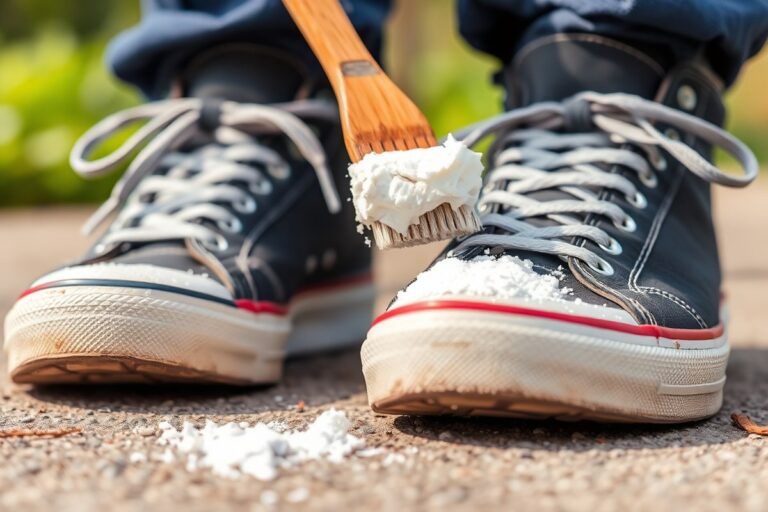
Before washing, scrub off any caked-on dirt and stains to improve cleaning results and prevent washing machine clogging. Pre-treating stains makes sure grime breaks down during the wash, avoiding stubborn marks.
- Use a damp rag or a soft toothbrush to loosen and clean dried mud and dirt on the shoe surface.
- Apply a small amount of mild detergent or stain remover directly to tough stains.
- Let the treatment sit for 10 to 15 minutes before washing.
Be gentle to avoid damaging delicate materials such as mesh or knit fabrics. This step is important for shoes with heavy stains, extending their wearable life and keeping them looking fresh.
Choosing the Right Detergent
Use mild liquid detergent instead of powder to avoid residue buildup inside shoes. Liquid detergents dissolve better in cold water, reducing the chance of clogging and improving cleaning efficiency.
Specialized shoe detergents, like Tru Earth’s detergent strips, are designed to clean without harsh chemicals that can degrade shoe fabric or adhesives. Add only a small amount, following the detergent packaging instructions, to maintain washing machine performance and avoid residue on shoes.
Using Mesh Laundry Bags for Protection
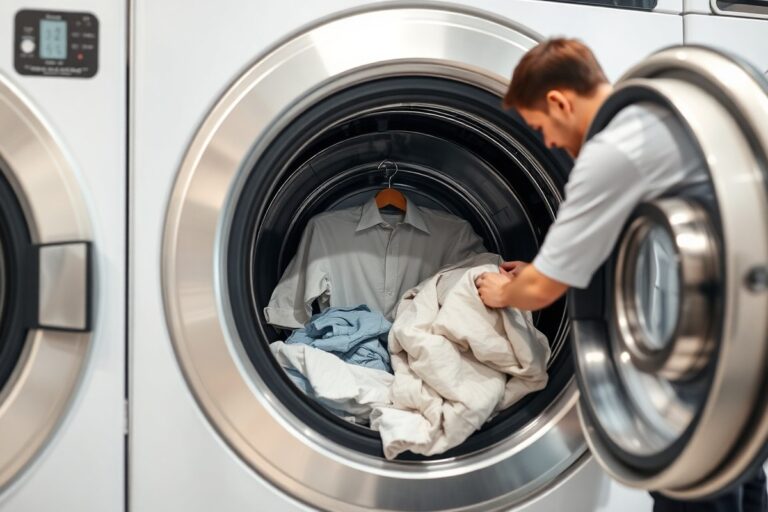
Protect your shoes and washing machine by placing shoes inside zip-up mesh laundry bags before washing. These bags prevent shoes from banging against the drum and reduce fabric wear.
While a pillowcase works in a pinch, mesh bags allow better water flow and cleaning action. Put the shoes in one bag and laces in another so each item receives appropriate care. This simple step helps maintain the shape and material of your shoes during the washing cycle.
Best Washing Machine Settings for Cleaning Shoes
Choosing the right washing machine settings is essential to protect your shoes and clean them effectively. Always select a delicate or gentle cycle combined with cold water. Cold water prevents damage by keeping adhesives and materials from warping or shrinking. Avoid warm or hot water, as it can loosen glues and deform fabric sections.
Spin speed is another critical factor. Opt for a low spin speed or no spin at all to minimize the force on your shoes. High spin speeds increase agitation and can cause parts of the shoe to separate or wear prematurely. Avoid adding fabric softener or bleach. Fabric softeners can leave residues that affect shoe materials, and bleach is too harsh, potentially damaging colors and weakening fibers or adhesives. The table below summarizes the ideal settings and practices for washing shoes in different scenarios:
| Wash Setting | Water Temperature | Spin Speed | Detergent Use | Fabric Softener | Bleach Use |
|---|---|---|---|---|---|
| Delicate or Gentle Cycle | Cold (around 60°F / 15°C) | Low or No Spin | Use mild detergent; avoid excess | Do not use | Do not use |
| Normal Cycle (Not recommended) | Warm or hot (above 90°F / 32°C) | High Spin | Regular detergent; avoid excess | Do not use | Do not use |
| Hand Wash Alternative | Cold water soak | N/A | Mild detergent | N/A | N/A |
For typical fabric sneakers or plastic-based shoes, this approach preserves the shoe’s shape and material integrity. Avoid overloading the washer or using too much detergent since this can lead to inadequate rinsing and buildup, which harms the shoe’s surface. If your machine allows, disable or reduce spin speed manually to provide a gentler cleaning environment. Leaving shoes inside a laundry bag or pillowcase creates a buffer between the shoes and the machine drum, reducing damage risk.
When tackling individual stains, pre-treat the areas with a mild detergent or stain remover before placing the shoes in the machine. This step can decrease the need for aggressive wash cycles, helping the shoes last longer. Always refer to the shoe’s care label; instructions like “machine wash in cold water” provide the safest guidance for setting your washer. Following these guidelines reduces wear and tear while achieving a thorough clean.
Can You Wash Shoes with Clothes in the Washer?
Mixing shoes and clothes in the washing machine is generally not recommended. Doing so can cause damage to your shoes, your clothes, and even the washing machine itself. Shoes, especially sneakers, tend to be bulky and have hard parts like soles and eyelets that can knock against other garments. This impact may tear fabric, scratch or scuff shoes, or strain the washing machine’s drum and suspension.
To avoid problems, balance the washing load carefully by not combining heavy clothing with shoes. Instead, add a few towels or other soft, lightweight items to absorb shocks and prevent excessive vibrations. This helps protect your sneakers and your washing equipment during the spin cycle. It also ensures the shoes get evenly cleaned without rattling around too hard.
Never wash shoes directly with delicate fabrics like silk or lace, as damage and stains are more likely to occur.
Here are some tips for handling loads that include shoes:
- Wash shoes separately from clothes whenever possible.
- If you must mix, pair shoes with towels or old t-shirts rather than regular clothes.
- Use a gentle or delicate cycle with cold or warm water, but avoid hot water which can warp shoe materials.
- Place shoes in a laundry bag or pillowcase to reduce direct impact on other items.
- Remove laces and insoles to clean them separately, reducing tangling and wear.
- Check each garment for colorfastness to avoid dye transfer onto shoes.
- Use a mild detergent designed for sensitive fabrics or athletic gear.
Keeping your shoes and clothes separate during washing minimizes risks of stains from dirt or rub-off of shoe dyes onto your clothing. It also limits abrasion that can cause frayed edges or holes. For heavier shoes or those with tougher construction, a stand-alone shoe wash cycle or hand washing remains the safest choice. Balancing the load properly, whether just shoes or shoes mixed with towels, reduces the chance your washing machine will experience damaging vibrations or uneven spinning.
How to Dry Shoes Properly After Washing
Drying your shoes properly after washing is key to maintaining their shape and materials. Avoid using a dryer because heat can cause damage. Instead, air drying is the safest method, but you can speed up the process by following specific steps and using helpful tools.
Avoiding Machine Dryers
Using a machine dryer for your shoes often causes shrinkage, warping, or weakening of adhesives. High temperatures can break down stitching and alter the fit. Most shoe care labels specifically warn against placing shoes in a dryer.
Even if you use a shoe rack designed to fit inside a dryer, the tumbling and heat still present a risk. Keeping shoes out of the dryer safeguards both their durability and appearance. If your shoes are very wet, avoid placing them near direct heat sources like radiators or hot-air devices since these can also cause material damage.
Best Air-Drying Practices
The safest way to dry your shoes is to leave them in a well-ventilated area at room temperature. Air drying typically takes around 6 to 12 hours, depending on the shoe material and thickness. For example, canvas shoes commonly take closer to 6 to 12 hours, while thicker or synthetic materials might require longer.
To speed drying without causing damage, remove the insoles and laces to expose more surface area. Placing shoes near a fan can also promote airflow and reduce drying time without heat. Avoid direct sunlight, which can fade colors and degrade materials over time.
Using Shoe Racks and Stuffing Materials
Using a shoe rack helps maintain shoe shape and improves air circulation during drying. Some racks fit inside washing machines or dryers but are more effective for air drying when placed near a fan or open window.
Stuffing your shoes with paper towels, newspaper, or unprinted paper can absorb moisture inside and speed up drying. Replace the stuffing every few hours to keep drying efficient. Avoid using colored or glossy paper that might transfer dye or chemicals.
- Remove insoles and laces from the shoes.
- Stuff the shoes gently with dry paper to absorb moisture.
- Place the shoes on a shoe rack or an improve surface that allows air to circulate underneath.
- Position a fan nearby to increase airflow without applying heat directly.
- Rotate or reposition the shoes every few hours to expose all sides to air.
- Replace the paper stuffing with fresh dry paper halfway through drying.
- Let the shoes dry for at least 6 to 12 hours for canvas, or longer for thicker materials.
How to Re-Lace and Re-Insert Insoles Post-Dry
After your shoes are fully dry, check that all parts feel completely dry to the touch. Wet or damp insoles can retain moisture and cause odor or mold. Reinsert the dry insoles carefully, making sure they lay flat without wrinkles.
Next, re-lace the shoes snugly but without overstretching the eyelets. Proper lacing restores the original fit and support. This is also a good time to clean or replace laces if needed to keep your shoes fresh both inside and out.
Risks, Precautions, and Common Mistakes with Machine Washing
Machine washing can sometimes cause discoloration, material breakdown, and shrinkage in shoes. These problems happen because some shoe materials aren’t designed to handle water, heat, or the agitation inside a washing machine. Harsh detergents or hot water can also fade colors and degrade fabric or glue. Protecting your shoes and your washing machine means taking steps to minimize impact and avoid mechanical damage during the wash cycle.
To protect your shoes, always remove laces and insoles first. Wash laces separately in a mesh bag or by hand to avoid tangling. Insoles should be cleaned gently with a soft brush and mild soap outside the machine. Next, place shoes inside a sturdy mesh laundry bag or pillowcase to reduce banging against the drum. Use a front-loading washer if possible, as top loaders with agitators can cause more rubbing and tearing.
Some common mistakes can ruin your shoes or washing machine. Using hot water can shrink shoes or loosen glue. Skipping the mesh bag can cause hitting and scuffing. Washing shoes with heavy or hard items like jeans or belts can contribute to damage. Detergents with bleach or strong chemicals accelerate material breakdown, so choose a mild detergent instead. A high spin speed can also stress shoes and separate parts.
- Remove laces and insoles before washing
- Put shoes in a mesh bag to prevent damage
- Use cold or lukewarm water, not hot
- Choose a gentle cycle with low agitation
- Use mild detergent without bleach
- Do not wash shoes with heavy, hard items
- Skip high spin speeds to protect shoe structure
Taking these precautions helps you avoid discoloration, fabric wear, and deformation. They also reduce the chance your washing machine drum will get scratched or damaged by shoe debris or hard soles. The time and care involved are minimal compared to the cost of replacing or repairing damaged footwear. Good results look like clean, intact shoes with colors and shapes preserved, and a washing machine left in good condition.
Alternatives for Shoes That Can’t Be Machine Washed
Cleaning shoes that aren’t machine washable requires gentle, precise methods to avoid damage. Leather, suede, and glued shoes benefit from spot treatments, mild cleaning solutions, and careful hand washing to preserve their materials.
Cleaning Leather and Suede Shoes
Leather and suede shoes should never go in the washing machine because water and agitation can cause warping, discoloration, and loss of texture. Instead, use soft brushes and specific cleaning products designed for these materials. For leather, a mild dish soap solution and leather conditioner help remove dirt while keeping the surface supple. Suede requires a suede brush to lift dirt and a gentle cleaner for water marks or stains. Here’s a simple approach for cleaning these delicate shoes:
- Brush off loose dirt gently with a dry suede or soft-bristle brush.
- Dab a soft cloth in a mild soap solution (a few drops of dish soap in a cup of lukewarm water) for leather; for suede, use cleaner specifically labeled for suede.
- Lightly wipe the shoe’s surface, avoiding saturation.
- Use a clean, damp cloth to remove soap residue from leather.
- Allow shoes to air dry at room temperature away from direct heat.
- Apply a leather conditioner after drying to keep leather soft and prevent cracking.
- Brush suede again gently to restore its texture.
Never soak suede or leather in water, it can cause irreversible damage.
Using Spot Cleaning and Stain Removers
Spot cleaning targets stains on delicate or glued shoes without exposing the entire shoe to water. Using a household cleaning eraser or a specialized stain remover can effectively lift marks from fabric or leather surfaces. For example, an oxi stain remover powder can help break down muddy stains and odors without a full wash.
Apply stain remover sparingly and follow the product instructions closely. Test it on a hidden section first to check for colorfastness. Use a soft cloth or sponge to treat the stain gently, then blot with a clean cloth. Avoid scrubbing harshly, as this can damage fragile shoe materials or adhesives.
Spot cleaning allows you to treat problem areas without risking damage from excessive moisture or agitation.
Hand Washing with Mild Detergent
When hand washing delicate shoes, use a mild liquid detergent suitable for fabrics and fine materials. Strong detergents can strip protective coatings or dry out natural fibers. Hand washing limits the risk of loosening glued parts or deforming the shoe shape. Follow these steps to hand wash your shoes effectively:
- Remove laces and insoles to clean them separately.
- Fill a basin with lukewarm water and add a small amount (about one teaspoon) of mild detergent.
- Dip a soft cloth or sponge into the soapy water and gently scrub the shoe surface.
- Rinse your cloth or sponge in clean water and wipe away any soap residues from the shoes.
- Pat shoes dry with a towel and let them air dry in a shaded, well-ventilated area.
Hand washing takes patience but protects glued or delicate shoes better than the washing machine.
Maintaining and Protecting Sensitive Shoes
Regular maintenance extends the life of leather, suede, and glued shoes. Applying a protective spray designed for suede or leather creates a barrier against stains and water. Conditioning leather shoes keeps the material flexible and less prone to cracking. Avoid wearing delicate shoes in harsh weather or conditions where stains and dirt may be difficult to remove.
Store shoes in a cool, dry place and use shoe trees or stuffing to maintain their shape. Attention to daily care reduces the need for deep cleaning, which can stress sensitive materials.
Consistent upkeep is the best way to minimize cleaning efforts and protect expensive or delicate footwear.
Step-by-Step Action Plan for Washing Shoes in Your Machine
Follow these steps to clean your shoes safely in a washing machine and keep them in good condition.
- Before you start: Check the shoe label and material to confirm they are machine washable. Shoes made of canvas, nylon, or synthetic fabrics usually work well. You’ll know it’s safe if the label says “machine washable” or the material feels durable and water-friendly.
- Preparation phase: Remove laces and insoles to clean separately and avoid tangling. Start by brushing off any caked-on dirt to remove loose debris. Shoes that come out looking visibly cleaner after a simple brush indicate a thorough prep.
- Loading time: Put your shoes inside a mesh laundry bag or pillowcase to guard both the shoes and the washer drum. Add a few towels to keep the load balanced. The load is balanced well when your shoes stay quiet and don’t bang around during the wash.
- Washing cycle: Select cold water, a gentle or delicate cycle, and a slow spin speed. Use liquid detergent to minimize residue. Success here means your shoes come out clean without damage or fabric distortion.
- After washing: Remove shoes immediately to prevent odor. Stuff them with paper towels or dry cloths to maintain shape. Your drying method is on point when shoes stay firm and keep their shape after drying.
- Drying phase: Air dry shoes away from direct heat or sunlight. Avoid dryers, which can warp or damage shoes. Shoes that air dry fully within 24-48 hours without shrinking or cracking show proper care.
Frequently Asked Questions
What Is the 3 Shoe Rule?
The 3 shoe rule means rotating among three pairs of shoes to let each pair air out and dry fully between wears. This helps prevent odor and keeps your shoes in better condition longer by reducing daily wear.
What Is the Best Way to Clean White Sneakers?
The best way to clean white sneakers is often by hand-washing with mild soap to avoid damage. Machine washing risks discoloration and weakening glued parts, so check if your sneakers are machine washable first.
Is It Safe to Put Shoes in the Dryer?
It is generally unsafe to put shoes in the dryer as heat can warp or damage materials like glue, foam, or leather. Air drying is recommended to preserve shape and prevent shrinking or cracking.
How to Wash Skechers Shoes?
Washing Skechers depends on the model; many fabric Skechers can be machine washed on a gentle cycle, but leather or memory foam models should be cleaned by hand. Always check the care label or manufacturer’s website.
Can You Wash Shoes with Clothes in the Washer?
Washing shoes with clothes is not ideal because the shoes can damage delicate fabrics and the clothes may not clean well. Use a separate load with shoes alone for best results and to protect both.
What Precautions Should I Take Before Machine Washing Shoes?
Remove laces and insoles and check for loose parts before washing shoes. Place them in a pillowcase or use a gentle cycle with cold water to minimize damage to shoes and your washing machine.
Final Thoughts
Washing shoes in the machine can work well when you choose the right pair and follow careful steps. Start by confirming your shoes are machine washable, then prepare and clean them using a gentle cycle. The best next action is to test this process on a less expensive pair before trying it on your favorite shoes.