Can Vinegar Bleach Clothes? What Actually Works for Whitening Laundry
Vinegar does not bleach clothes like chlorine bleach but can brighten and whiten laundry through natural acidity. It works best for removing dinginess and deodorizing rather than producing a stark white effect. You can safely use vinegar as a mild alternative for whitening whites and freshening fabrics without harsh chemicals.
This information suits anyone curious about natural laundry solutions and vinegar’s role in keeping clothes bright. You’ll find clear advice on how to use vinegar in laundry, which fabrics to avoid, and when to choose stronger bleaching agents instead.
Key Takeaways
- Use white distilled vinegar with 5% acidity for the best laundry whitening results.
- Soak white clothes overnight in hot water mixed with 2 cups of vinegar to boost whiteness.
- Add 1/2 to 1 cup of vinegar during washing to deodorize and soften towels and baby clothes.
- Pre-treat yellow underarm stains by spraying vinegar, letting sit 15 minutes before washing.
- Mix equal parts water and vinegar for safe soaking of white fabrics before laundering.
- Avoid vinegar on delicate fabrics like silk or rayon to prevent damage and color loss.
Can Vinegar Really Bleach Clothes and How Does It Work?

Vinegar does not bleach clothes in the way chlorine bleach does, but it can help brighten and whiten fabrics through a different process. Unlike chlorine bleach, which uses strong chemicals to remove color by breaking down pigment molecules, vinegar works as a mild acid that helps dissolve residue, mineral deposits, and dulling buildup on fabric fibers. This effect can make whites appear cleaner and fresher without actually stripping color or damaging the fabric fibers.
Chemically, vinegar is acetic acid, usually around 5% concentration in household white vinegar. When added to your laundry rinse, it lowers the pH of the water and helps break down alkaline residues from detergent or hard water buildup. This removes yellowing and dingy layers that build up over time, restoring the brightness of your whites. Vinegar’s acidic nature also helps dissolve soap scum, which can hold onto stains and dull fabric. Because it does not have oxidizing chemicals, vinegar does not bleach fabrics by changing their molecular color structure like chlorine bleach.
Chlorine bleach, often a sodium hypochlorite solution, works as a strong oxidizer. It breaks the chemical bonds in both dyes and stains, effectively removing color from the fabric. While this results in whitening, it can also weaken fibers if used too often or in high concentrations. Chlorine bleach usage requires careful dosing; for instance, top-load washing machines typically use about 1 cup of bleach per load, while front-loaders use 3/4 cup. Using bleach improperly can create yellowing, fabric damage, or safety hazards.
Vinegar offers a gentler alternative that does not carry those risks. It won’t damage elastic fibers or delicate materials, though it should never be mixed with chlorine bleach in the same wash. Mixing vinegar with bleach releases toxic chlorine gas, which is hazardous to health. For safe brightening, add up to 1/2 cup of white vinegar to the rinse cycle. This practice removes residue and freshens clothes, especially whites that have become dull from repeated washing or hard water.
Though vinegar lacks the quick, strong bleaching power of chlorine bleach, its whitening effect is the result of restoring fabric cleanliness rather than removing dye. Soaking dingy whites overnight in hot water with about 2 cups of vinegar can lift grime and improve brightness gently but takes longer and is less aggressive. Vinegar also helps keep garments soft, reducing the need for commercial fabric softeners and leaving no residue behind.
In summary, vinegar brightens clothes by cleaning and removing buildup rather than chemically bleaching or whitening fabrics. Chlorine bleach provides faster, stronger whitening through oxidation but requires caution due to its harshness and potential fabric damage. Using vinegar regularly as part of your laundry routine can maintain fabric brightness and softness safely, but it does not replace bleach when heavy-duty stain removal or strong whitening is necessary.
The Best Types and Amounts of Vinegar to Use in Laundry
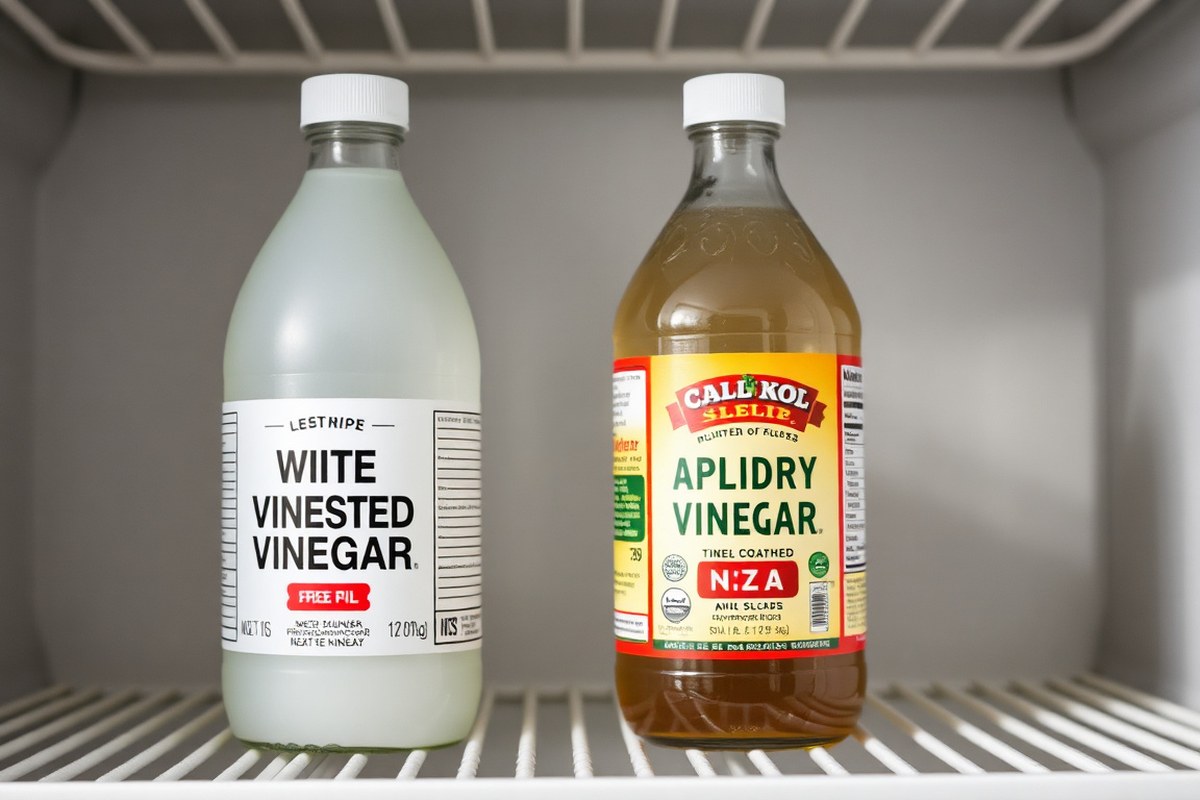
The best vinegar for laundry is white distilled vinegar with around 5% acetic acid. This type is widely available, cost-effective, and gentle enough for regular use without harming fabrics. White vinegar works well to brighten whites, reduce odors, and soften clothes. Avoid apple cider or other colored vinegars, as they may leave stains or odors on your laundry.
Adding vinegar correctly means using the right amount and dilution to avoid fabric damage or lingering smell. Typically, you want to add 1/2 cup of white vinegar per load, either during the wash cycle or in the fabric softener compartment during the rinse cycle. This amount helps break down detergent residue and can help maintain colors without causing fading. For extra whitening, especially with white clothes, increase the amount to 1 to 1½ cups per load or soak items in a solution of 1 cup vinegar per gallon of hot water overnight.
When adding vinegar directly to your washing machine without a fabric softener dispenser, dilute it by mixing 1/2 cup vinegar with 1 cup water before pouring over your clothes. This prevents any concentrated acid from contacting fabrics in one spot, which could weaken fibers.
- Use white distilled vinegar with 5% acidity for best results
- Add 1/2 cup vinegar per standard laundry load during wash or rinse
- Increase to 1 to 1½ cups for soaking or brightening white fabrics
- Always dilute vinegar if adding directly to the drum without a dispenser
- Add a few drops of essential oils to your laundry for a light, fresh fragrance that natural scents provide.
- Use cold water settings with vinegar to prevent color bleeding
- Do not mix vinegar directly with bleach or other strong chemicals
Never combine vinegar with bleach or other chlorine products, as this produces harmful fumes.
Consistency is key to seeing benefits from vinegar in laundry care. White vinegar is affordable, typically under $5 for a gallon, making it an economical addition. Used regularly, it can help maintain fabric softness and brightness without the buildup caused by some commercial softeners. Watch for fabric-specific care instructions and test on a small area first if uncertain. Using vinegar as directed supports cleaner clothes and fresher laundry appliances.
How to Safely Soak and Whiten White Clothes with Vinegar
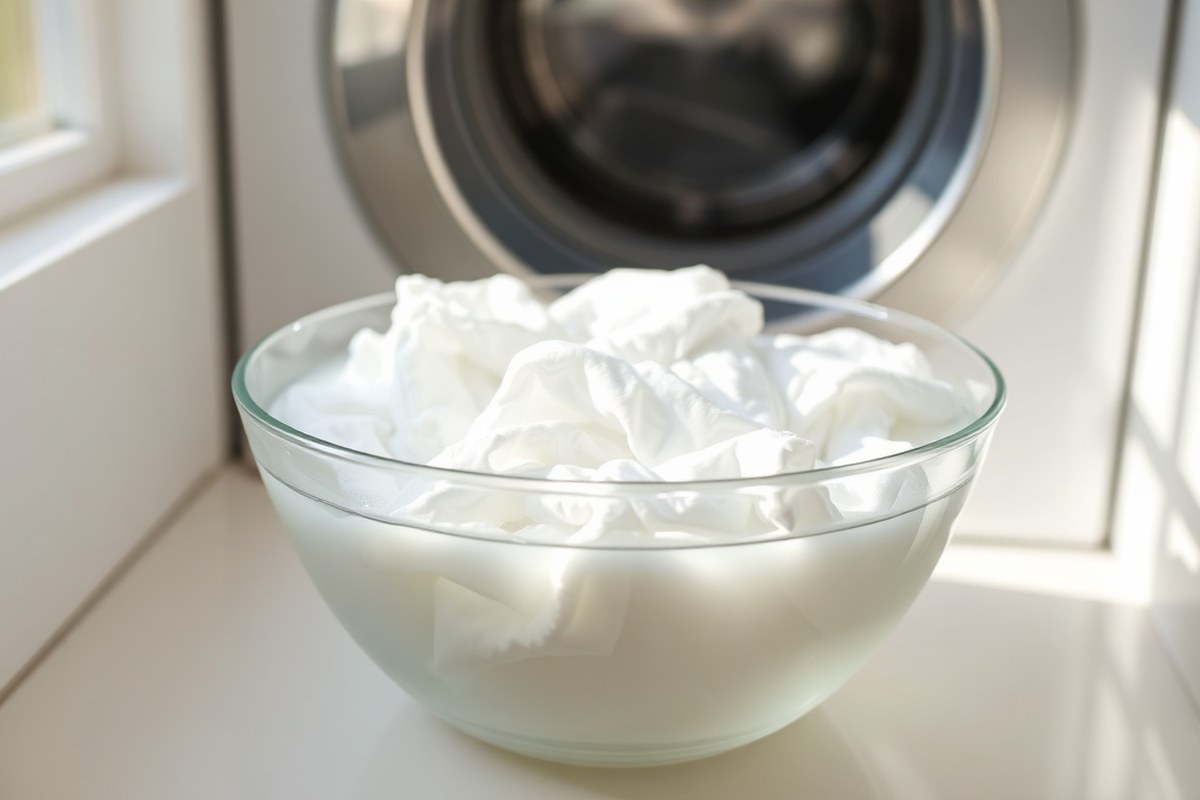
Soaking white clothes in vinegar can help whiten and brighten them safely when done with the right concentration and timing. It often works better than just adding vinegar to the wash cycle because soaking allows the vinegar to penetrate stains and discoloration more deeply without risking fabric damage. Following clear steps and timing is key to getting noticeable results while preserving the fabric quality.
Preparing the Vinegar Soak Solution
Use distilled white vinegar for soaking, as it is mild and won’t leave strong odors. Avoid mixing vinegar with bleach, ammonia, or baking soda during the soak to prevent fabric harm and harmful gases. Prepare a solution with hot water to activate vinegar’s whitening ability more effectively.
Start by filling a basin or sink with enough hot water to fully submerge your white clothes. Add vinegar in the right proportion to avoid fabric damage while maximizing whitening.
- Fill a basin or sink with 1 to 2 gallons of hot water, about 120°F (49°C).
- Add 1 cup (240 ml) of distilled white vinegar to the water and stir gently to mix.
- Inspect the clothes for any elastic or delicate parts; avoid soaking these items in vinegar to prevent damage.
- Submerge the white clothes fully in the vinegar soak solution.
Soaking Duration and Temperature Tips
Keep the clothes soaking long enough for vinegar to act on stains and yellowing but not so long as to weaken fabric fibers. Hot water improve the cleaning effect but should not be so hot it shrinks or damages fabric.
A soaking time of 30 minutes up to 1 hour works well for general whitening. For stubborn stains like underarm yellowing, you can spray vinegar directly and let it sit for 15 minutes before soaking.
- Keep the soaking time between 30 and 60 minutes depending on stain severity.
- Maintain water temperature around 120°F to maximize vinegar’s bleaching power without risking damage.
- Avoid soaking elastic or delicate fabrics longer than 15 minutes or skip soaking altogether for these.
Post-Soak Washing and Drying Recommendations
After soaking, rinse the clothes thoroughly with clean water to remove residual vinegar that could irritate skin or affect fabric over time. Follow up with a regular wash cycle, ideally using a mild detergent without harsh bleach, and avoid combining vinegar with bleach in the same wash. Drying white clothes in natural sunlight can further brighten fabrics, but avoid high heat drying which can set stains or cause shrinkage.
- Drain the soak water and rinse your clothes with fresh cool water until vinegar scent fades.
- Run a gentle wash cycle using mild detergent without added bleach.
- Dry clothes in sunlight if possible, or use a low-heat setting in the dryer.
Which Fabrics and Clothes Should Not Be Washed with Vinegar?
Vinegar’s acidity can damage certain fabrics and clothing types, so you should avoid washing these items with vinegar to prevent wear or discoloration. Acidic solutions break down fibers like elastic, which means repeated exposure to vinegar can weaken the stretchiness in workout clothes, swimwear, bras, and underwear. The elasticity these garments rely on fades faster if vinegar is used regularly. Delicate fabrics such as silk and wool are also sensitive to vinegar and might suffer color loss or fiber damage when washed with it.
Besides fabric sensitivity, vinegar can cause dark or richly dyed clothes to lose their vibrancy if it’s used inappropriately or in high concentrations. While adding vinegar during the rinse cycle can help prevent color fading in dark clothes, soaking or washing these fabrics directly with vinegar might backfire. Vinegar also doesn’t handle greasy or stubborn stains well on some materials, so using it on those can leave residues or cause uneven cleaning. Vinegar use demands a careful approach when it comes to elastics, delicate materials, and certain colors. Below are clear clothing types and fabrics to avoid washing with vinegar:
- Workout clothing and activewear with elastic fibers
- Swimwear, swimsuits, and any clothing with spandex or Lycra
- Bras and other undergarments containing elastic bands
- Silk and wool, which are prone to fiber damage from acidity
- Dark or brightly colored clothes for soaking or heavy vinegar use
- Garments with stubborn grease or oily stains where vinegar won’t lift effectively
When caring for sensitive fabrics, opt for gentle detergents made for that specific fiber type rather than vinegar. Use vinegar only in the final rinse cycle for regular cottons and durable fabrics to get mild deodorizing and softening benefits without risking damage. If you wash elastic or delicate clothes, stick to cold water cycles and avoid soaking them in vinegar for extended periods. Over time, vinegar can also affect rubber components within your washing machine, so use it sparingly to protect both your laundry and your washer.
Avoiding Common Mistakes and Safety Tips When Using Vinegar in Laundry
Mixing vinegar and bleach is dangerous because it creates toxic chlorine gas. This gas can cause coughing, chest pain, and eye irritation. Avoid adding vinegar to the washing machine when you have used bleach or chlorine-based detergents. Always use one or the other, never both together.
Common mistakes when using vinegar in laundry include using too much, applying it directly to colored fabrics without dilution, and ignoring fabric care labels. Vinegar is acidic and can weaken certain fabrics or cause color fading if used improperly. Use about 1 cup of distilled white vinegar per laundry load in the rinse cycle for deodorizing and softening without damage.
Some safety concerns involve storing vinegar safely away from strong chemicals and ensuring proper ventilation if you use it in large quantities. Keep vinegar and cleaning products out of children’s reach. Although vinegar is natural, overuse or mixing with other chemicals can pose risks to your clothes and health.
- Never mix vinegar with bleach or ammonia-based cleaners to prevent toxic fumes.
- Use distilled white vinegar, not flavored or colored vinegar, for laundry work.
- Add vinegar during the rinse cycle, not the wash cycle, to avoid chemical interactions.
- Test vinegar on a hidden fabric spot before full application to check for colorfastness.
- Do not soak delicate fabrics or clothes with special finishes in vinegar.
- Store vinegar in a sealed container away from heat and sunlight to maintain potency.
- Rinse clothes thoroughly after vinegar treatment to avoid residual smell or fabric damage.
Using vinegar responsibly helps you avoid damage and health issues while saving money on specialty laundry products. Vinegar offers benefits for deodorizing, softening, and mild stain treatment when you use it correctly and safely. Follow fabric care advice and never bypass safety warnings to protect both your laundry and washing machine.
Always keep vinegar and bleach far apart and never mix them; even small amounts combined can release harmful chlorine gas.
Using Vinegar to Treat Stains and Deodorize Clothes Effectively
Vinegar can both deodorize laundry and help remove some specific stains, including yellow underarm marks, though it won’t work for every stain type. Its mild acidity breaks down certain residues and odors, making clothes fresher and lighter in appearance when treated properly.
Pretreating Yellow Underarm Stains with Vinegar Spray
Yellow underarm stains often come from sweat mixed with deodorant, which vinegar’s acidity can help break down. Vinegar works best on these marks when applied directly before washing. This treatment isn’t a guaranteed fix for all yellowing, especially on older or heavily set stains, but it offers a natural option for mild to moderate marks. To pretreat yellow underarm stains, prepare a vinegar spray and follow these steps carefully for good results.
- Mix equal parts white vinegar and warm water in a spray bottle.
- Spray the vinegar solution directly onto the yellow stains until they are fully dampened but not soaked.
- Let it sit for 10 to 15 minutes to allow the acidity to break down residue.
- Blot the area with a clean cloth if needed to lift loosened material.
- Wash the garment immediately in the warmest water safe for the fabric with your regular detergent.
- Check the stain before drying, since heat can set the stain further; repeat treatment if needed.
Soaking Smelly Clothes for Deodorizing
Vinegar is effective at deodorizing clothes by neutralizing odors caused by sweat, mildew, or smoke. Soaking clothes in vinegar and water helps remove trapped smells that detergent alone may miss, leaving clothes fresher without harsh chemicals or artificial fragrances. Use this soaking method when your laundry has persistent odors or feels less clean after washing.
- Fill a basin or sink with about 1 to 2 gallons of warm water.
- Add 1 cup of white vinegar to the water and stir gently to mix.
- Submerge the smelly clothes fully in the solution, pressing down gently to soak all fabric.
- Let the clothes soak for 30 minutes to 1 hour depending on odor strength.
- Remove clothes and wring out excess vinegar water.
- Wash clothes as usual immediately after soaking with detergent in warm water suitable for the fabric.
Combining Vinegar with Baking Soda for Better Stain Removal
Using vinegar and baking soda together on stains requires careful timing because mixing them directly causes fizzing that neutralizes their cleaning effects. Instead, apply them separately to target stubborn stains more effectively.
Start with a baking soda paste to lift dirt, then use vinegar to break down residues and deodorize. Always avoid mixing liquid vinegar and baking soda before applying. Follow these steps to combine vinegar and baking soda for stain treatment:
- Make a thick paste by mixing about 2 tablespoons of baking soda with enough water to form a spreadable consistency.
- Apply the paste gently over the stain, covering it completely.
- Let the baking soda sit for 15 to 30 minutes to absorb oils and lift grime.
- Rinse the baking soda paste off lightly with warm water without fully saturating the fabric.
- Dab white vinegar directly onto the stain area, allowing it to penetrate and break down remaining residue.
- Wait 5 to 10 minutes, then wash the garment in the warmest safe water.
Decision Guide: When to Use Vinegar or Alternative Bleaching Methods
Choose vinegar for routine laundry needs when you want a gentle, eco-friendly option that won’t harm fabrics or colors. Plain white vinegar is effective for deodorizing and light brightening but has limited bleaching power compared to stronger alternatives. Avoid homemade vinegar mixtures that add other acids or chemicals, as they often don’t improve results and can risk fabric damage or color loss. For tough stains or serious discoloration, professional stain removal services offer tailored treatments based on fabric type and stain, generally delivering more consistent and safer results. Use the table below to decide which bleaching method fits your laundry situation best. It compares vinegar with common alternatives and professional options, considering fabric safety, stain types, and ease of use:
| Bleaching Method | Best for Fabric Type | Effective on | Risk of Damage | Usage Notes |
|---|---|---|---|---|
| Plain White Vinegar | Most fabrics except delicate silk and wool | Light stains, odors, general brightening | Low | Use 1 cup in rinse cycle; avoid red, brown, balsamic vinegars |
| Oxygen-based Bleach (color-safe) | White and colorfast fabrics | Moderate stains and whitening | Moderate | Follow package directions; test colorfastness first |
| Chlorine Bleach | Durable whites only | Heavy stains, whitening | High | Use sparingly; may weaken fabric; never mix with vinegar |
| Professional Stain Treatment | All, including delicate and specialty fabrics | All stain types and discoloration | Minimal with expert handling | Ideal for persistent, unknown, or expensive fabrics |
Vinegar’s mild acidity makes it safe for regular use, but it won’t remove deep stains or dramatically brighten whites like oxygen or chlorine bleaches. Stronger chemicals often require more care to avoid fading or fabric weakening. When stain removal is urgent or fabrics are valuable, contacting a professional laundry service reduces risk and tends to get better results than DIY methods.
How Vinegar Helps Keep Your Washing Machine and Laundry Fresh
Vinegar can help keep your washing machine clean and your laundry fresher by breaking down soap residue and mineral deposits. It also helps prevent lint buildup and keeps clothes soft without damaging fabrics. However, some washing machine brands advise caution because vinegar’s acidity might harm certain components over time.
Adding Vinegar for Washing Machine Cleaning Cycles
To clean your washing machine using vinegar, pour two cups of plain white vinegar into the detergent drawer or directly into the drum if your model allows it. Run the hottest and longest washing cycle available on an empty machine. The vinegar’s acidity helps dissolve soap scum, mineral deposits, and other residues that accumulate inside the drum and pipes.
This process brightens the machine’s interior and reduces odors that can transfer to your clothes. Avoid using vinegar if your manufacturer specifically warns against it, especially for machines with rubber seals or hoses vulnerable to acid damage. In such cases, soda crystals or commercial washing machine cleaners might be safer alternatives.
Using Vinegar to Soften Laundry and Reduce Lint
Adding half a cup of vinegar during the rinse cycle helps soften towels, sheets, and other laundry items naturally. It works as a fabric softener without leaving residues that typical commercial softeners might, which can reduce fabric absorbency over time.
Vinegar also helps prevent lint and pet hair from sticking to clothes, making garments feel cleaner and look less fuzzy after washing. Pour the vinegar into the fabric softener dispenser or directly into the rinse cycle if your machine allows manual intervention.
- Use white distilled vinegar for best results
- Add ½ cup during the rinse cycle to soften fabrics
- Pour 2 cups into an empty load for machine cleaning
- Run the hottest cycle possible for cleaning
- Do not mix vinegar with bleach or detergents in the same cycle
- Skip vinegar if your machine manual advises against it
- Consider alternative cleaners like soda crystals for sensitive machines
Do not combine vinegar with bleach; this mixture produces harmful fumes and damages fabrics and machines.
Frequency Recommendations for Vinegar Use
Using vinegar about once a month for washing machine cleaning works well for routine maintenance without risking damage. For laundry softening and lint control, adding vinegar each time you do laundry is safe for most machines but might not be necessary with some detergent formulas.
Take care with older machines or those with rubber seals and hoses, as frequent vinegar use may contribute to premature wear. In such cases, limit vinegar use to every two or three months, and consider spot cleaning the machine instead of full cycles.
Step-by-Step Action Plan for Using Vinegar to Safely Brighten Clothes
Follow these steps to use vinegar effectively and safely for whitening and freshening your laundry without damaging fabrics.
- Before your first wash: Check care labels to ensure fabrics are safe for vinegar treatments; avoid delicate fabrics like silk and rayon.
- Day 1 – Pre-soak whites: Mix 1 cup of distilled white vinegar with 1 gallon of cold water; soak white clothes for 30 minutes to boost brightness without harsh chemicals.
- Day 1 – During wash: Add 1/2 to 1 cup of distilled white vinegar to the rinse cycle; you’ll notice softer fabric and reduced odors.
- After wash: Air dry whites in sunlight when possible to naturally improve whiteness further.
- Weekly maintenance: Run an empty washing cycle with 2 cups of vinegar monthly to clean your machine and keep laundry fresh.
- For stains: Apply undiluted vinegar directly to stain spots before washing; blot gently and wash as usual if the fabric allows.
- Monitor results after 2-3 loads: Assess fabric condition and whiteness; if fading occurs, reduce vinegar amount or frequency.
- Switch to alternatives when needed: Use oxygen-based bleach for tough whitening tasks or colored fabrics to avoid damage.
Frequently Asked Questions
How to Get Deep Stains Out of Clothes Using Vinegar?
Soak the stained area in a mixture of hot water and white vinegar for several hours or overnight. This helps break down tough stains while brightening the fabric without harsh chemicals.
How to Bleach a White Shirt in the Washer with Vinegar?
Add 1/2 cup of distilled white vinegar to the detergent compartment during the wash cycle. This whitens fabric and removes odors without damaging the material.
What Clothes Should Not Be Washed with Vinegar?
Avoid vinegar on clothes with elastic or when using bleach, ammonia, or baking soda as it can damage fibers or cause reactions. Test a small area if unsure.
How Much Vinegar Should I Use for Laundry?
Use 1/2 to 1 cup of white distilled vinegar per load to deodorize and brighten clothes effectively without harsh chemicals.
Can Vinegar Damage Colored Clothes?
Vinegar is generally safe for colors but test first; it can dull some fabrics if used excessively.
Is Vinegar Effective Against Sweat Odors in Clothing?
Yes, vinegar deodorizes well and softens fabric without leaving residues.
The Bottom Line
Vinegar can brighten and freshen many laundry loads safely when used with care and in proper amounts. Testing fabrics before use protects your clothes and ensures great results. Start with a small pre-soak for white clothes today to see the gentle whitening benefits vinegar offers without the risks of traditional bleach.