How to Remove Dark Under Armpits: 8 Effective Strategies That Work
To remove dark under armpits effectively, start by using gentle exfoliation and natural lightening remedies like aloe vera and lemon juice. Avoid harsh chemicals and tight clothing that can irritate the skin. Consistent care and avoiding triggers improve tone over time.
This advice is ideal for people dealing with underarm discoloration caused by shaving, deodorants, or excess pigmentation. You’ll learn practical steps to safely lighten your underarms and prevent further darkening.
Key Takeaways
- Use fresh aloe vera gel on your underarms for 10-15 minutes daily to help fade dark skin naturally.
- Apply lemon juice or rub lemon slices on underarms for 2-3 minutes and leave for up to 10 minutes to promote lightening.
- Stop electrolysis treatments to reduce the risk of hyperpigmentation if you notice your dark underarm worsening.
- Choose deodorants without aluminum fluoride to minimize skin darkening linked to antiperspirant use.
- Exfoliate gently with a homemade paste for 10-15 minutes to remove dead skin cells and improve tone.
- Wear loose clothing to prevent friction that can increase underarm darkening.
1. Effective Ways to Remove Dark Underarms Safely

Removing dark underarms effectively involves a combination of safe daily habits and targeted treatments that address the underlying causes of skin darkening. Both natural options and clinical approaches can help lighten your underarm skin when used properly and consistently. Start by identifying factors like shaving techniques or product use that may worsen discoloration. Then, incorporate gentle skin care and proven remedies to promote brighter skin. Follow these practical steps to safely lighten dark underarms over time:
- Switch to a mild, fragrance-free deodorant or antiperspirant. Many conventional deodorants contain aluminum compounds that can irritate and darken the skin. Opt for formulas designed for sensitive skin and apply after cleansing, not on irritated skin.
- Cleanse and exfoliate gently but regularly. Use a gentle scrub or a washcloth to remove dead skin cells twice a week. Over-exfoliating irritates the skin and makes darkening worse. Avoid harsh scrubbing or abrasive ingredients.
- Moisturize daily with coconut oil or almond oil. These natural oils are rich in vitamin E and phytochemicals that nourish and lighten skin. Apply a thin layer every day or every other day after showering.
- Use lemon slices carefully to brighten the skin. Lemon contains natural bleaching agents that help reduce pigmentation. Rub a thick lemon slice gently on your underarms for 10 to 15 minutes, then rinse with cold water. Limit this to a few times a week to avoid irritation.
- Try apple cider vinegar as a gentle lightening rinse. ACV has mild acids that exfoliate dead skin and brighten the area. Dilute with water (1 part ACV to 2 parts water), apply with a cotton ball, and rinse off after 5 minutes.
- Avoid shaving and switch to waxing or laser hair removal cautiously. Shaving can cause friction and darkening, especially if done improperly. Laser hair removal and waxing reduce hair growth but may cause irritation or hyperpigmentation in some cases. Consult a dermatologist before starting treatments like electrolysis.
- Consult a healthcare provider if darkening persists or worsens. Conditions like acanthosis nigricans linked to diabetes or hormonal imbalances require medical diagnosis and treatment. A dermatologist can recommend medical creams or procedures for stubborn dark patches.
Consistency matters most. Natural treatments like coconut oil and lemon typically take several weeks to months to show noticeable lightening. Avoid harsh products that irritate your skin, as worsening inflammation will deepen pigmentation. For persistent dark underarms, clinical treatments supervised by a professional provide the safest and most effective option.
2. Common Causes of Dark Underarms You Should Know
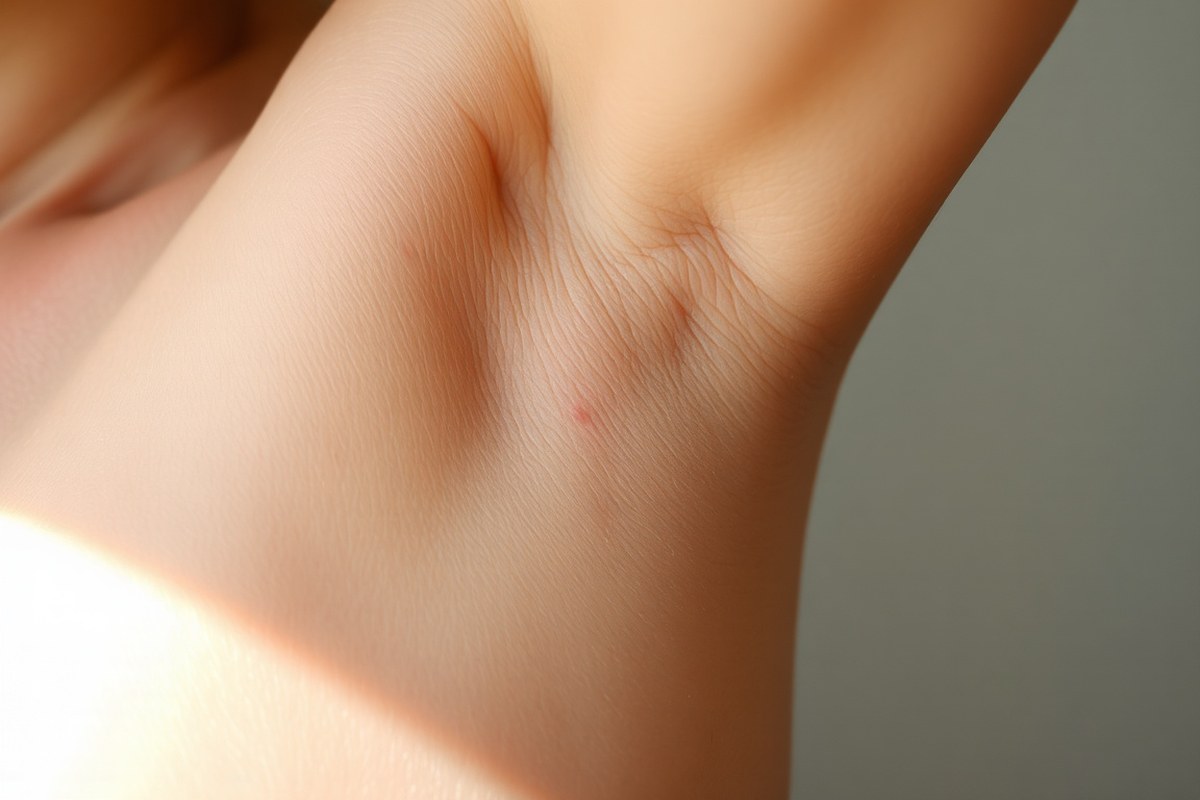
Dark underarms occur mainly due to skin irritation, friction, and certain health conditions. Frequent shaving often causes irritation, especially if you have sensitive or melanin-rich skin. Using a dull razor or shaving without gel can cause tiny cuts and inflammation, which darken the skin over time. Switching to a sharp razor and applying shaving gel reduces irritation by creating a protective barrier and ensuring a smoother shave.
The ingredients in some deodorants and antiperspirants also contribute to darkening. Harsh chemicals like alcohol and strong fragrances dry out and irritate the skin, leading to pigmentation changes. Choosing alcohol-free, moisturizing deodorants can help soothe the skin and prevent this problem.
Friction plays a considerable role as well. Tight, non-breathable clothing rubs against your underarms constantly, thickening and darkening the skin. Wearing loose and breathable fabrics reduces this friction and allows your skin to heal. Heavy sweating increases moisture and irritation, so using a strong antiperspirant (rather than a deodorant alone) helps control sweat and prevents further darkening.
In some cases, dark underarms signal a medical condition called acanthosis nigricans. This skin disorder causes thick, velvety patches in body folds like the underarms and often links to insulin resistance, type 2 diabetes, obesity, or hormonal imbalances such as polycystic ovary syndrome (PCOS). If dark patches appear suddenly or worsen despite good skincare, consulting a healthcare provider is necessary to check for underlying issues.
Improper hair removal can also cause darkening. Shaving cuts hair at the surface, which may leave a shadow under the skin, creating a grayish tint. Waxing removes hair from the root, which usually results in lighter and softer skin in that area over time. For persistent hair or discoloration, professional options like laser hair removal or electrolysis can significantly reduce both the hair and the shadow.
Moisturizing your underarms daily with a gentle, fragrance-free lotion or serum helps prevent dryness and friction, both of which aggravate pigmentation. Hydrated skin is less likely to develop dark patches. Regular exfoliation with a mild chemical exfoliant containing lactic, mandelic, salicylic, or glycolic acid breaks down accumulated dead skin cells that make the skin appear dull and dark. Use exfoliants once a week to help brighten the underarms gradually and safely.
Use a sharp razor and shaving gel to minimize irritation during shaving, which can prevent worsening dark underarms over time.
3. How to Prevent Darkening: Daily Habits That Matter
You can prevent darkening of your underarms by adopting the right daily habits that minimize irritation and pigmentation. Start by choosing deodorants and antiperspirants carefully. Avoid those with alcohol, fragrances, dyes, or preservatives, as these ingredients can irritate sensitive underarm skin and trigger discoloration. Opt for products labeled fragrance-free and formulated for sensitive skin instead.
Shaving technique also makes a difference. Frequent or aggressive shaving can cause skin irritation and lead to dark patches. Use a high-quality, gentle shaving cream or gel to reduce friction. Shave in the direction of hair growth using a clean, sharp razor to avoid nicks and irritation. After shaving, apply a natural, unscented moisturizer to soothe the skin and prevent darkening from inflammation.
Clothing choices impact underarm skin health too. Tight clothing increases friction and sweating, contributing to skin thickening and darkening. Select loose-fitting, breathable fabrics such as cotton to reduce irritation. This helps prevent buildup of dead skin cells and sweating that can worsen discoloration.
- Use fragrance-free, alcohol-free deodorants designed for sensitive skin
- Shave 2-3 times per week or less to give skin time to heal
- Apply gentle shaving cream, shave with the grain, and moisturize afterward
- Wear loose, breathable clothing mainly made from cotton
- Gently exfoliate underarms 1-2 times per week to remove dead skin
- Avoid waxing or use it less frequently to reduce friction
Exfoliating regularly but gently helps remove dead skin cells that may contribute to darkness. Limiting waxing frequency or switching to laser hair removal can reduce friction and irritation from frequent hair removal. Some treatments like Botox injections help reduce excessive sweating, which can worsen discoloration. However, sticking with daily habits that lower friction, irritation, and exposure to harsh chemicals provides the best long-term prevention.
4. Safe Exfoliation and Hair Removal Techniques
To safely exfoliate and remove hair from dark underarms without causing irritation or worsening discoloration, use gentle products and careful techniques. Avoid harsh scrubs and frequent shaving, which can irritate skin and increase darkening. Consistent but mild exfoliation combined with less abrasive hair removal methods helps maintain smooth, healthy underarm skin.
Choosing the Right Exfoliation Method
Exfoliation removes dead skin cells and prevents buildup that can make underarms look darker. Gentle exfoliation 2 to 3 times per week is ideal, using mild, fragrance-free body scrubs or chemical exfoliants with ingredients like lactic acid or glycolic acid. Avoid harsh physical scrubs with large, rough particles which can damage sensitive skin and lead to irritation.
Always test new exfoliants on a small patch of skin before applying fully. Over-exfoliating or using strong acids daily can dry or inflame the underarm area, causing more darkening. For sensitive skin, chemical exfoliants often provide controlled, effective removal without the friction that physical scrubs cause.
Best Hair Removal Practices for Sensitive Skin
Hair removal technique greatly influences underarm skin health and pigmentation. Shaving can cause razor burns, tiny cuts, and ingrown hairs, all of which increase the risk of darkening. Alternatives like waxing or laser hair removal can reduce irritation if done correctly. Laser treatment in particular avoids repetitive friction and skin damage, helping minimize darkening over time.
Maintain hygiene during hair removal by cleansing the area beforehand to prevent infection or inflammation. Use clean, sharp razors if shaving is chosen, avoid dull blades that tug on hair and skin. After removal, apply soothing, alcohol-free, fragrance-free moisturizers to calm skin and reduce redness and irritation.
Avoiding Common Mistakes That Cause Irritation
Many dark underarms result from daily habits that irritate skin. Avoid deodorants with alcohol or strong fragrances, which can inflame sensitive skin. Do not exfoliate or remove hair daily; giving skin time to recover prevents inflammation. Avoid excessive scrubbing, tight clothing that rubs skin, and excessive sweating without washing, all of which can worsen darkening.
Recognize that sudden or severe darkening may indicate an underlying condition, so consult a healthcare professional if irritation persists despite careful skincare. Consistent gentle care without overdoing exfoliation or hair removal encourages gradual improvement in skin tone and texture.
Follow these steps to exfoliate underarms safely and reduce irritation from hair removal:
- Cleanse your underarms with a gentle, fragrance-free cleanser before exfoliating or hair removal.
- Choose a mild exfoliant: either a chemical exfoliant with 5-10% lactic or glycolic acid, or a gentle body scrub with very fine particles.
- Exfoliate 2 to 3 times weekly, using light pressure and circular motions to avoid skin damage.
- Rinse thoroughly with lukewarm water, then pat dry carefully without rubbing.
- Select hair removal methods that suit your skin: waxing or laser removal instead of daily shaving when possible.When shaving, use a clean, sharp razor with shaving cream, smooth strokes in the direction of hair growth, and rinse frequently.
- Apply a soothing, alcohol-free moisturizer or aloe vera gel immediately after hair removal to reduce irritation.
- Avoid deodorants or antiperspirants that include alcohol or fragrances for at least a few hours after exfoliating or hair removal.
5. Natural Remedies That Fade Dark Underarms
Natural ingredients such as aloe vera, lemon juice, turmeric, almond oil, castor oil, and tea tree oil can help lighten dark underarms when applied correctly. Their skin-brightening effects come from antioxidants, natural bleaching agents, and moisturizing properties that reduce darkness without harsh chemicals.
Using Aloe Vera and Coconut Oil Safely
Aloe vera contains enzymes that may reduce pigmentation by inhibiting melanin production, making it useful for fading dark underarms. Coconut oil helps by moisturizing and soothing skin, preventing dryness that can worsen discoloration. Combining these two can lighten skin gently while keeping it hydrated.
To use, apply organic aloe vera gel directly to the underarms and massage gently. Follow with a thin layer of coconut oil to lock in moisture. Avoid overusing aloe vera if you notice irritation, and choose virgin coconut oil for best results.
- Clean your underarms with lukewarm water and mild soap.
- Apply 1-2 tablespoons of pure aloe vera gel on each underarm.
- Massage in circular motions for 2-3 minutes.
- Wait 10 minutes to allow absorption.
- Apply a small amount of virgin coconut oil to each underarm.
- Leave it on without rinsing, preferably overnight.
- Repeat this routine daily for 2 to 4 weeks to see improvement.
Test aloe vera on a small patch of skin first to avoid allergic reactions, especially if you have sensitive skin.
Applying Lemon Juice and Turmeric Paste
Lemon juice contains natural bleaching agents but can irritate skin if used alone. Mixing lemon juice with turmeric and moisturizing agents like yogurt or honey creates a safer paste that can lighten dark areas effectively. Turmeric contains curcumin, an antioxidant that reduces pigmentation and inflammation.
This paste should be left on for 10 to 15 minutes before rinsing with lukewarm water. Limiting use to 2-3 times per week prevents skin dryness or irritation. People with dry or sensitive skin should add extra honey or yogurt to increase moisture.
- Combine 1 tablespoon of lemon juice, 1 tablespoon of plain yogurt or honey, and 1 teaspoon of turmeric powder in a small bowl.
- Mix into a smooth, thick paste.
- Clean your underarms and dry them gently.
- Apply the paste evenly over the dark areas.
- Let it sit for 10-15 minutes without rubbing.
- Rinse thoroughly with lukewarm water.
- Moisturize afterward to prevent dryness.
- Repeat 2-3 times per week for up to 4 weeks.
Avoid applying lemon juice paste right before sun exposure as it can increase skin sensitivity and lead to more darkening.
Benefits of Almond, Castor, and Tea Tree Oils
Almond oil is rich in vitamin E, which nourishes the skin and promotes a lighter tone over time. Castor oil has moisturizing properties and may reduce pigmentation by improving skin texture. Tea tree oil offers antioxidant effects and also helps control underarm odor, making it a dual-purpose solution.
Each oil should be applied in small amounts to avoid clogging pores or causing irritation. Diluting tea tree oil with a carrier oil like almond or castor oil is important to reduce the risk of skin reactions.
- Mix 2 tablespoons of almond oil with 1 tablespoon of castor oil.
- Add 3-4 drops of tea tree oil to the blend and stir well.
- Wash and dry your underarms thoroughly.
- Massage the oil blend gently under each arm for 3-4 minutes.
- Allow the oil to absorb for at least 30 minutes or overnight if possible.
- Wipe off any excess oil with a soft cloth if desired.
- Use daily or at least 4-5 times per week for visible results within a month.
Always dilute tea tree oil before use since applying it undiluted can cause redness and irritation in sensitive areas like underarms.
6. Medical and Cosmetic Treatments for Persistent Dark Underarms
Dark underarms that do not improve with home care or natural remedies may require medical or cosmetic treatments. A dermatologist can diagnose any underlying causes and recommend prescription creams or professional options like laser therapy. These treatments often provide faster, more noticeable results but vary in cost, duration, and suitability depending on your skin and health.
Prescription Creams: Ingredients and Use
Prescription creams usually contain active ingredients like retinoids, hydroquinone, or azelaic acid, which work by reducing melanin production to lighten dark patches. Retinoids help speed up skin cell turnover, while hydroquinone and azelaic acid inhibit pigment formation. You can expect to apply these creams once or twice daily, typically for at least 4 to 8 weeks, before seeing results.
It is important to follow your dermatologist’s instructions precisely to minimize irritation and avoid worsening the condition. These creams can cause redness or peeling, especially in sensitive areas like the underarms. Stop use and contact your doctor if you notice significant irritation.
Laser and Light-Based Therapies Explained
Laser therapy targets the pigmented skin cells with focused light beams to break down excess melanin without damaging surrounding tissue. This method can significantly reduce darkening after several sessions, often spaced 3 to 4 weeks apart. Light-based treatments like intense pulsed light (IPL) also offer a less invasive option with similar effects.
These therapies tend to cost between $200 and $600 per session depending on the clinic, your location, and the number of treatments required. Usually, 3 to 6 sessions are recommended to achieve visible improvement. While generally safe, some people may experience mild redness or swelling temporarily.
Laser treatment is best suited for those who have persistent dark underarms unresponsive to creams and home remedies and for people without active skin infections or certain medical conditions. Professional consultation is necessary to customize the approach to your skin type and avoid complications.
How to Decide Which Treatment Fits You
Choosing among prescription creams, laser therapy, or seeking medical advice depends on factors like cause, severity, and your skin’s sensitivity.
| Factor | Prescription Creams | Laser Therapy | When to See a Dermatologist |
|---|---|---|---|
| Time to Noticeable Results | 4-8 weeks | After 3-6 sessions (3-4 weeks apart) | Immediately if darkening worsens or persists beyond home care |
| Cost (per session or prescription period) | Typically $50 – $150 per prescription | $200 – $600 per session | Varies based on exams and tests |
| Suitability | Good for mild to moderate pigmentation without irritation | Best for stubborn dark patches unresponsive to topicals | An underlying medical condition like acanthosis nigricans might be causing it. |
| Risks | Possible skin irritation, redness, peeling | Temporary redness, swelling | To rule out serious causes and get safe treatment advice |
Begin with a dermatologist consultation if your dark underarms do not improve after weeks of safe home care or worsen despite treatment. They can perform a thorough examination to determine if the darkening has a medical cause or if cosmetic treatments are appropriate. A personalized plan ensures you avoid ineffective or harmful options.
7. Timeline and Expectations: How Long to See Results
Lightening dark underarms usually takes several weeks to months, depending on the method you choose and your skin’s individual response. Natural treatments like applying baking soda or vitamin C-rich orange juice may show initial improvements within 3 to 4 weeks, but noticeable fading often requires consistent use over 6 to 8 weeks. For baking soda, a typical routine involves making a paste, applying it after a warm shower, letting it dry for 10 to 15 minutes, then rinsing with warm water. This exfoliates and gently bleaches the skin, but results are gradual. You should apply this treatment no more than 2 to 3 times per week to avoid irritation.
Medical or cosmetic treatments, such as chemical peels or laser therapy, often provide quicker results. Lightening may be visible after a few sessions spaced 3 to 4 weeks apart, with total treatment duration ranging from 1 to 3 months depending on severity and product strength. These options can be more costly but usually deliver more consistent improvements in less time. Keep in mind that some lightening agents may cause temporary redness or sensitivity, so following professional advice and patch testing beforehand is essential.
Your skin type, the cause of the darkness, and how well you maintain prevention habits all affect how long it takes to see improvement. Darkening due to friction or shaving may respond faster to exfoliation and gentle hair removal, while pigmentation caused by conditions like Acanthosis Nigricans might require medical intervention and a longer timeline. Consistency in treatment and daily care matters more than speed. Switching or stopping a treatment should be considered if you experience persistent irritation, no improvement after 6 to 8 weeks, or if your skin becomes overly dry or inflamed.
Monitor your progress by taking weekly photos and noting changes in texture and colour. Avoid harsh scrubbing or combining multiple aggressive treatments at once, as this can worsen darkening. Instead, give a treatment enough time to work, usually at least one month, and keep up gentle exfoliation with safe products. You can introduce a new method only if the current one stalls or causes discomfort. Patience and a personalized approach are key because underarm skin is delicate and reacts differently from person to person.
8. Common Mistakes and How to Fix Them When Lightening Underarms
Dark underarms often worsen because of certain habits that go unnoticed. Shaving too frequently or with dull blades can irritate the skin, causing inflammation and darkening over time. Using strong deodorants or antiperspirants with harsh chemicals can also build up and contribute to discoloration. Some people apply lightening creams excessively, which can damage the skin barrier and make hyperpigmentation worse. Understanding these mistakes is key to improving your results.
When exfoliating, overdoing it is a common error. Gently exfoliating 2 to 3 times per week with a mild exfoliant, such as a body wash formulated for sensitive skin, helps remove dead skin cells without causing irritation. Over-exfoliating strips natural oils and weakens the skin’s protective barrier, making it more prone to redness and dark patches. If your skin becomes irritated while using a product, interrupt the treatment and apply a calming moisturizer containing ingredients like aloe vera or ceramides. Avoid scrubbing hard or applying products on broken skin.
- Use a sharp razor and shave in the direction of hair growth to reduce irritation.
- Choose deodorants labeled for sensitive skin or those without alcohol and parabens.
- Limit exfoliation to 2-3 times weekly, using gentle products designed for the underarm area.
- Apply lightening treatments as directed, usually once or twice daily, avoiding thick layers.
- Stop any treatment if you notice redness, itching, or burning, and let your skin heal.
- Moisturize daily to maintain the skin’s natural barrier and prevent dryness.
- Avoid tight clothing that can cause friction and trap sweat, which worsens discoloration.
Correcting these mistakes often improves the skin’s appearance within 4 to 8 weeks of consistent care. Dark underarms caused by thick, dark hair might appear lighter once the hair is properly removed and the skin is gently exfoliated. However, if hormonal changes or obesity contribute to the discoloration, managing those underlying causes alongside proper skincare is necessary for better results.
Always perform a patch test before starting a new lightening product to avoid unexpected skin reactions.
Step-by-Step Action Plan to Lighten Dark Underarms
Follow this clear plan to start seeing improvements in your underarm skin safely and effectively.
- Before you start: Stop using any harsh deodorants or shaving creams to reduce irritation. Look for gentle, fragrance-free options instead.
- Day 1: Begin gentle exfoliation twice a week using a mild scrub or chemical exfoliant with ingredients like lactic acid. Notice if your skin feels smoother without shaving.
- Week 1: Start applying a natural remedy such as diluted lemon juice or aloe vera gel daily after cleansing. Look for gradual lightening and reduced darkness.
- Weeks 2-4: Use a safe, over-the-counter lightening cream containing ingredients like niacinamide or kojic acid as needed. Monitor skin for irritation and improvement.
- After 4 weeks: Evaluate your progress. If darkening persists, schedule a consultation with a dermatologist about medical treatments like chemical peels or laser therapy.
- Ongoing: Practice daily hygiene habits such as using a gentle deodorant, avoiding tight clothing, and moisturizing to prevent further darkening.
- Monthly check: Track changes by taking photos and noting skin texture and color. Adjust your routine based on your skin’s response.
Frequently Asked Questions
Can Deodorants Cause Dark Underarms?
Yes, deodorants containing aluminum fluoride can contribute to darkening underarms. Choosing aluminum-free deodorants might reduce this effect and help lighten your skin over time.
Is It Safe to Use Electrolysis for Underarm Hair Removal If You Have Dark Skin?
Electrolysis can worsen hyperpigmentation in dark skin, so it may not be the safest option. Stopping electrolysis often helps prevent further discoloration in your underarms.
Can Hormonal Imbalances Affect Underarm Skin Color?
Hormonal imbalances can cause darkening in the armpits, especially linked to conditions like diabetes or obesity. Checking with a healthcare provider can help address underlying issues contributing to dark spots.
How Does Papaya Help Lighten Dark Underarms?
Papaya contains the enzyme papain, which helps break down dead skin cells and lighten dark areas. Applying mashed papaya regularly can gradually improve your underarm tone.
Why Do Dark Underarms Sometimes Itch and Sweat More?
Excessive sweating and itchiness often promote microbial growth that darkens the skin. Keeping the area clean and dry reduces irritation and helps prevent darkening.
Are Dark Underarms Always a Sign of a Medical Problem?
Dark underarms are usually harmless but can signal skin ailments like acanthosis nigricans. Consulting a doctor is recommended if darkening develops suddenly or worsens.
Wrapping Up
Removing dark underarms takes consistent care using safe methods tailored to your skin. Start with gentle steps and observe how your skin responds before moving to stronger treatments. Take the next step now by choosing a mild exfoliant to introduce into your routine and build from there.