How to Remove Mildew Odor from Clothes: 8 Effective Methods That Work
Mildew odor in clothes can be removed by soaking them in specially prepared solutions, followed by thorough washing and proper drying. Using oxygen bleach or vinegar in a pre-soak helps break down mildew smells effectively. Persistent odors require longer soaking and proper machine cleaning to prevent recurrence. This information benefits homeowners and renters struggling with mildew smells after laundry, offering practical methods to identify, treat, and avoid the problem in everyday clothes and fabrics.
Key Takeaways
- Identify mildew odor by musty, damp smells and check for visible mold spots on fabric.
- Pre-soak clothes in oxygen bleach and warm water for 30 to 60 minutes to loosen mildew smells.
- For strong mildew odors, soak garments for 1 to 6 hours before washing.
- Use unflavored vodka to soak mildew-affected clothes for 10-15 minutes if fabric allows.
- Scrape off visible mold spores with a stiff brush before soaking in a bleach solution if coverage exceeds 50%.
- Wash pre-soaked clothes with detergent and add enzyme odor removers if mildew is caused by sweat buildup.
1. What Causes Mildew Odor in Clothes and How to Identify It
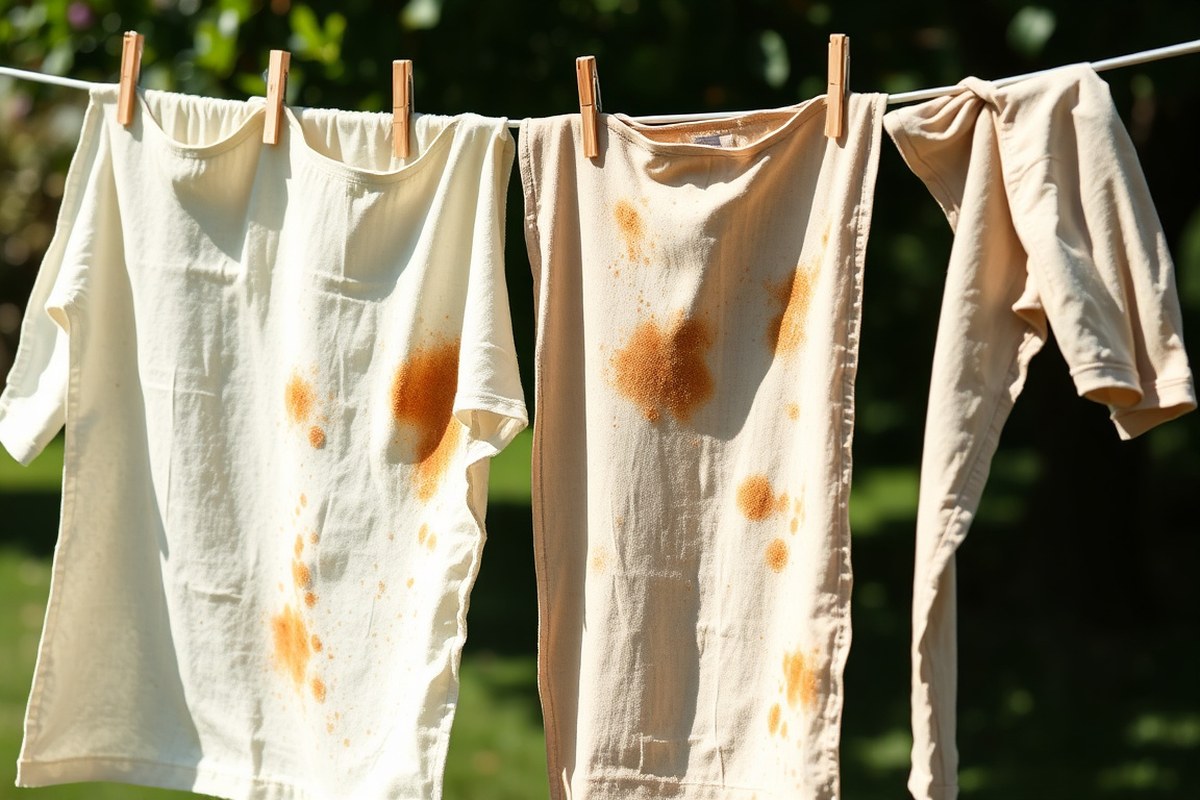
Mildew odor in clothes comes from mold and mildew growing on damp fabrics. When clothes stay wet or damp for too long, especially in warm, humid conditions, mildew spores have an ideal environment to settle and reproduce. These tiny organisms create a distinct musty smell that is easily recognizable and different from other common fabric odors.
This smell is often described as earthy, damp, or stale, and it tends to stick around after washing if not dealt with properly. Unlike body odor or smoke smells, mildew odor has a wet, moldy quality caused by the growth of fungus on the fabric’s surface. This fungus thrives because moisture gets trapped inside the fabric fibers, where it remains long enough for spores to develop.
Fabric conditions that promote mildew growth usually involve moisture combined with warmth and poor airflow. Leaving clothes damp in the washing machine, laundry basket, or stuffed inside a gym bag creates prime conditions. Detergent or fabric softener residue also contributes by trapping water in the fabric and providing nutrients that encourage bacteria and mildew growth. Clothes made from natural fibers like cotton or wool tend to hold onto moisture more, making them more susceptible to mildew odors than synthetic fabrics that dry faster.
Another sign of mildew is staining or discoloration on the fabric, such as gray or sometimes greenish patches. If you notice this, the mildew isn’t just causing odor but may also be harming the fabric. Mildew odor can sometimes be confused with a generic musty smell from old storage or mildew in the environment, but mildew on clothes has a sharper, more persistent scent, especially after the fabric feels damp.
Identifying mildew odor early helps you treat your clothes before the smell becomes stubborn or the mildew damages the fabric. You can start by smelling suspect clothes right after washing or after they have been in a damp place overnight. A faint musty smell that gets stronger with moisture signals mildew presence. Paying attention to this early warning lets you act quickly with proper cleaning and drying techniques to eliminate mildew and prevent it from returning.
2. Safe Pre-Soaking Techniques to Loosen Mildew Smell
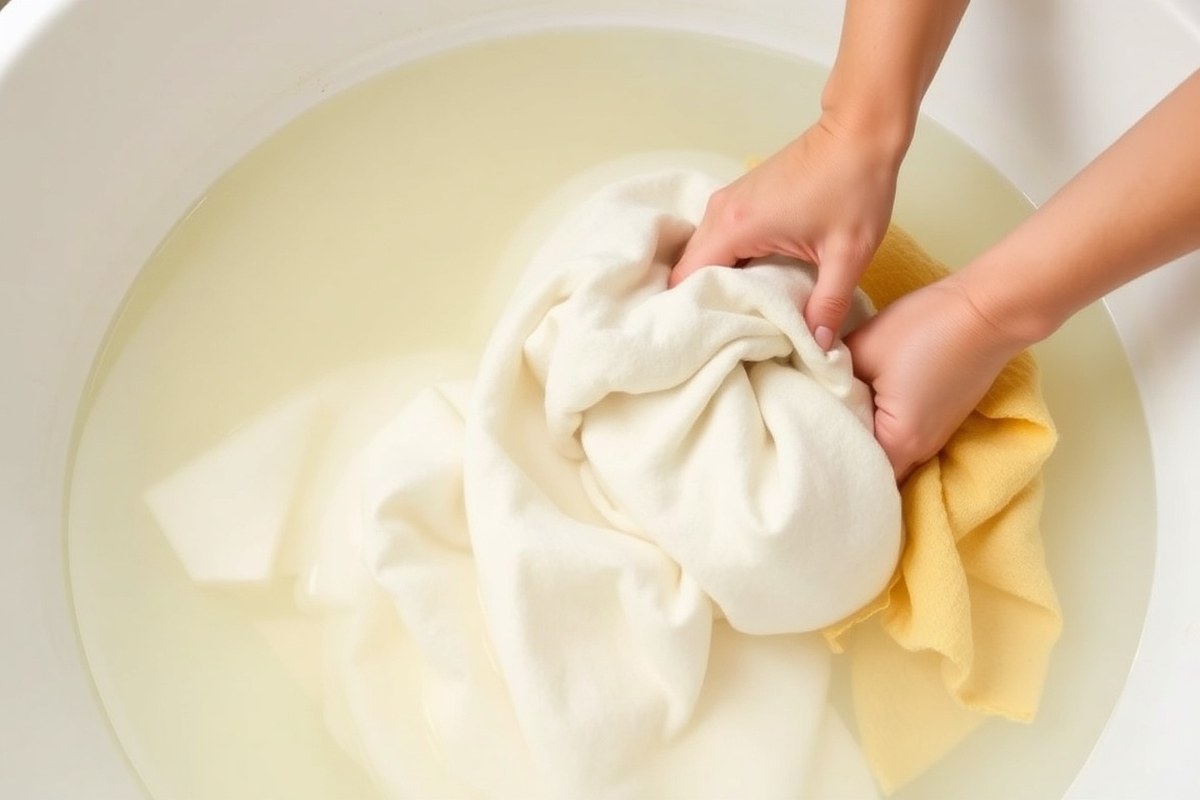
Removing mildew smell from clothes starts with a thorough pre-soak to loosen the odor-causing spores. Soaking times vary from 20 minutes for mild smells up to 6 hours for strong odors. Using soaking solutions like white vinegar, baking soda, or borax before washing helps neutralize mildew smell effectively and prepares the fabric for a deep clean.
Using White Vinegar Soaks
White vinegar is an accessible and effective soak solution that neutralizes mildew odors by breaking down the spores. For a mild to moderate mildew smell, soak clothes in a solution of one part distilled white vinegar to four parts cold water. Soak times range from 20 minutes to 1 hour depending on odor severity. Vinegar also helps prevent fibers from retaining smells after washing.
For best results, use fresh vinegar each time and rinse the clothes well after soaking. Avoid soaking clothes in vinegar longer than 6 hours as it may weaken fibers or cause color fading, especially on delicate fabrics.
Baking Soda Pre-Soak Instructions
Baking soda works as a natural deodorizer and mild mold killer, targeting different mildew strains than vinegar. It’s safe for all washable fabrics and can be used alone or after vinegar soaks to improve mildew odor removal. Dissolve 1/2 cup of baking soda in a large basin of warm water and soak clothes for 1 to 6 hours based on smell intensity.
Using baking soda after a vinegar soak provides a two-step neutralization process, ideal for stubborn odors. It also softens fabric, reducing the need for harsh detergents and helping wash out the lingering mildew smell. Here’s how to pre-soak clothes with baking soda:
- Fill a basin or tub with warm water (enough to cover your clothes).
- Add 1/2 cup of baking soda to the water and stir until dissolved.
- Submerge the mildew-smelling clothes fully in the solution.
- Let the clothes soak for 1 to 6 hours, checking periodically for odor reduction.
- Remove clothes and rinse well in cold water before regular washing.
Do not leave clothes soaking unattended for more than 6 hours to avoid fabric damage, especially if they are delicate or brightly colored.
When and How to Use Borax for Soaking
Borax is a stronger option for heavy or long-standing mildew odors resistant to vinegar or baking soda. It has proven effectiveness in killing mold spores and neutralizing smells but should be used only on durable fabrics. Avoid borax on delicate or wool items as it can cause damage.
Mix 1/2 cup of borax with 1 cup of hot water to dissolve it completely. Add this solution to a basin with enough cool or warm water to soak your clothes. Soak for about 20 minutes, then wash immediately with your regular detergent.
For persistent mildew odor, you may need to repeat the soak 2 to 3 times combined with regular washing cycles. Using borax also helps boost the cleaning power of your detergent during the wash step.
- Dissolve 1/2 cup borax in 1 cup of hot water thoroughly.
- Fill a large container or basin with enough cool or warm water to cover your clothes.
- Add the borax solution to the soaking water and stir.
- Submerge the mildew-smelling clothes fully in the borax soak.
- Let the clothes soak for 20 minutes only.
- Remove clothes and wash immediately with detergent using an extra rinse cycle.
Use gloves when handling borax and ensure good ventilation; avoid inhaling powder or prolonged skin contact.
3. How to Wash Clothes to Remove and Prevent Mildew Odor
Removing mildew odor from clothes involves washing with effective agents that kill mildew spores and neutralize smells. Using vinegar and baking soda during the wash cycle, selecting enzyme-based detergents, and applying bleach or oxygen-based products safely can all help. Each method protects your fabrics while targeting mildew odor.
Washing with Vinegar and Baking Soda
Vinegar and baking soda are affordable household items known for tackling mildew odor. Vinegar acts as a natural deodorizer and mild disinfectant, while baking soda neutralizes odors and helps remove residue. Washing clothes first with vinegar and then with baking soda can break down mildew smells without harsh chemicals. Follow these steps to wash clothes with vinegar and baking soda for mildew odor removal:
- Add one cup of white vinegar to the washing machine’s detergent dispenser or directly into the wash water for the pre-wash cycle.
- Wash clothes using the cycle and water temperature recommended on the care label.
- Skip adding detergent during the vinegar cycle to maximize deodorizing effects.
- After the vinegar wash, run a second wash cycle with half a cup of baking soda added to the drum or detergent compartment.
- Use the same water temperature and cycle as the vinegar wash.
- Dry clothes completely, preferably in direct sunlight to kill lingering mildew spores and prevent new growth.
This two-step wash targets odor at its source and is especially effective for cotton towels, bed linens, and synthetic clothing. Avoid this method for delicate fabrics that require gentle care.
Choosing the Right Detergent or Enzyme Cleaner
Enzyme-based detergents tend to outperform many home remedies because they break down organic compounds that cause mildew smells. These detergents contain odor-fighting enzymes designed to remove bacteria and their odors during the wash cycle. Regular use helps keep mildew odor from returning.
Choose a heavy-duty detergent with enzymes for synthetic and colored fabrics. Supplementing your usual detergent with a laundry booster that contains enzymes can also improve results. Sports detergents often contain these ingredients and are formulated to remove strong smells.
Wash clothes on the hottest water temperature the fabric care label allows to maximize odor elimination. However, avoid hot water for delicate or wool items, which require cooler water to prevent damage.
Using Bleach and Oxygen-Based Products Safely
Chlorine bleach can remove mildew odors on white or colorfast fabrics but can damage colored or delicate items. Test a small hidden area first or opt for oxygen-based bleach (color-safe bleach) when possible. Oxygen bleach works well on various fabrics without the harsher effects of chlorine.
Use bleach according to the garment’s care label, and never pour it directly onto fabric. Instead, dilute it in water or add to the washer’s designated bleach dispenser. Failure to follow these steps may weaken fabric fibers or cause discoloration. For mildew odor, apply the following bleaching routine on appropriate fabrics:
- Sort clothes by fabric type and colorfastness.
- Set the washing machine to the hottest water recommended for the garments.
- Add detergent as usual.
- Add a cup of chlorine bleach for white or colorfast fabrics or follow package instructions for oxygen-based bleach on colors.
- Run the complete wash cycle.
- Dry the clothes thoroughly, ideally in direct sunlight.
Never use bleach on delicate fabrics like silk or wool. In those cases, stick with enzyme detergents or vinegar and baking soda methods.
4. Special Care to Remove Mildew Odor from Delicate Fabrics
Delicate fabrics like silk, wool, and cashmere need careful treatment to avoid damage when removing mildew odor. Using harsh chemicals or aggressive washing can weaken fibers or cause discoloration. Employing gentle soaking, mild cleaning agents, and low-stress drying methods helps clean while preserving the fabric’s integrity.
Identifying Fabric Care Labels and Restrictions
Check the care label on nearly every delicate garment before attempting any cleaning. Labels provide key information about water temperature, hand wash versus machine wash, and whether dry cleaning is recommended or required. Some fabrics, such as silk and wool, may be labeled “dry clean only,” signaling that home treatments risk damage.
Respecting these restrictions prevents issues like shrinking, stretching, or color fading. When unsure or if the label forbids water washing, professional dry cleaning is the safest option for removing mildew odors. Avoid bleach or harsh chemicals on delicate fabrics unless the label explicitly permits it.
Gentle Soaking Solutions for Delicates
Soaking helps loosen mildew odor but must be done gently with delicates to protect fibers. Use cold or lukewarm water to avoid heat damage, and mix a mild detergent designed for delicate fabrics or a gentle vinegar solution (one cup white vinegar per gallon of water) to reduce mildew smell naturally. Avoid chlorine bleach or strong solvents that can weaken threads or cause color loss. Here is a safe soaking method:
- Remove any visible mold by gently brushing the fabric with a soft brush.
- Fill a basin with cold or lukewarm water and add a small amount of mild detergent or vinegar.
- Submerge the garment completely and gently agitate the water to distribute the solution.
- Let the garment soak for 30 minutes, agitating occasionally but gently to avoid fabric stress.
- After soaking, rinse the item thoroughly with cool water to remove all detergent or vinegar residues.
- Check if the odor has reduced; repeat the soak if necessary but avoid more than two cycles to prevent fabric weakening.
For particularly stubborn mildew odors in delicate or dry-clean-only fabrics, professional cleaning offers specialized solvents safe for sensitive fibers.
Drying Techniques to Protect Sensitive Fabrics
Drying delicate fabrics carefully after washing is important to maintaining shape and avoiding damage. Avoid high heat from dryers, which can shrink or fade fibers. Instead, lay garments flat on a clean towel to air dry or hang them away from direct sunlight, which can fade colors and weaken fibers over time.
Natural sunlight can kill odor-causing bacteria, but the benefits are more pronounced on sturdier fibers like cotton or wool than on silk or cashmere. If you use sunlight, limit exposure to short periods and flip the fabric to minimize fading. Ensure the drying area has good air circulation to fully dry the garment, which helps prevent renewed mildew growth.
5. Effective Drying and Storage Practices to Prevent Mildew Odor Recurrence
Proper drying is essential to stop mildew odors from coming back because mildew needs moisture to grow. After washing, immediately hang your clothes outdoors if possible, allowing direct sunlight to hit them for at least two to three hours. Sunlight helps break down odor-causing bacteria and dries fabrics thoroughly, making mildew less likely. Drying clothes indoors works best with a high heat dryer setting, but don’t overload it so that the fabric dries evenly and thoroughly.
Proper storage stops mildew odors from developing. Ensure clothes are fully dry before storing, then place them in a cool, dry place with airflow. Avoid airtight containers or plastic bags without moisture absorbers; breathable fabric bags or storage boxes support consistent air movement. Here is a checklist to help prevent mildew odors from returning, adapted for different situations:
- Air dry clothes outdoors in direct sunlight for 2, 3 hours when possible.
- Use a high heat dryer setting for at least 30, 45 minutes if line drying isn’t available.
- Remove clothes from the dryer promptly to avoid trapping moisture.
- Never store clothes while damp or slightly wet; always confirm fabric feels dry to the touch.
- Keep stored clothes in well-ventilated areas away from humid rooms like bathrooms.
- Use breathable containers or garment bags rather than plastic to allow air circulation.
- Add moisture-absorbing packets or natural options like charcoal briquettes to closed storage.
In crowded or humid spaces, a dehumidifier or fan can help keep air dry and reduce mildew risk. Towels and heavier fabrics need more drying time, consider drying towels separately to ensure they get fully dry.
Always avoid putting clothes away until they feel completely dry, even if you think they are just slightly damp, to prevent mildew growth.
Following these drying and storage habits preserves your clothes’ freshness, stops mildew odor from bouncing back, and can reduce how often you need to wash items, saving time and energy.
6. How to Remove Mildew Smell Without Rewashing Clothes
Removing mildew odor from clothes without a full rewash is possible in some cases, especially when you’re short on time or dealing with garments that can’t be washed immediately. Quick fixes target the odor-causing bacteria and mold spores, but they often provide temporary relief or work best when the mildew issue is mild.
Freezing clothes may reduce mildew smell slightly by slowing the activity of odor-causing bacteria and spores. However, this method does not kill them or eliminate the odor entirely. To try freezing, seal the clothes in a plastic bag and place them in the freezer for 24 to 48 hours. This approach costs nothing and requires no special equipment, but expect only partial and temporary odor reduction.
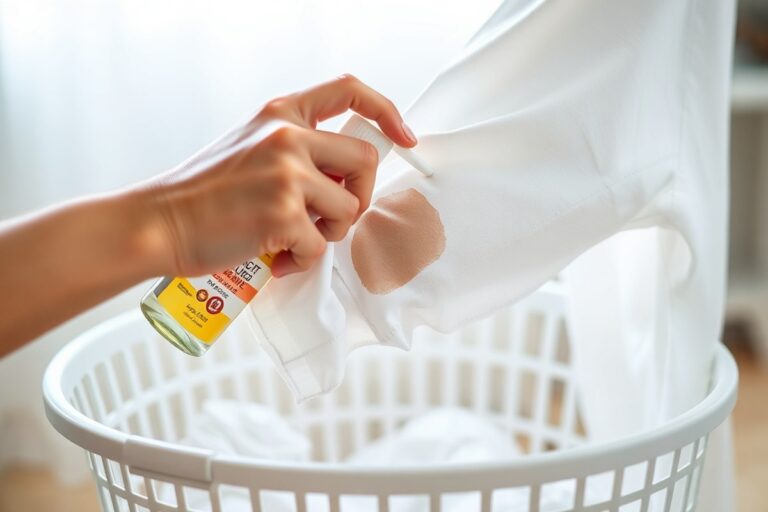
Commercial fabric sprays designed for odor elimination can be effective at neutralizing mildew smells. These sprays work by killing bacteria and masking odors with fragrances. For best results, choose products labeled for mildew or mold odor removal and follow the directions closely. Spray the garment evenly and allow it to dry completely in fresh air. This method costs $5 to $15 depending on the product and bottle size, and is handy for spot treatments or freshening fabrics between washes.
- Air out clothes in direct sunlight for 2 to 4 hours to naturally kill mold spores and reduce smell.
- Use a steam iron or handheld steamer on the affected areas to kill spores and refresh fabric.
- Sprinkle baking soda on clothes, let sit for 15 to 30 minutes, then shake out to absorb odors.
- Apply a mixture of equal parts water and white vinegar lightly with a spray bottle, then air dry.
- Use specialized mildew odor remover wipes or sprays approved for fabric use.
- Hang clothes near a dehumidifier or fan to improve air circulation and speed odor dissipation.
Each of these methods is suitable for different situations. Sunlight and steaming work best for cottons and durable fabrics but should be avoided on delicate textiles. Baking soda and vinegar offer inexpensive and easy options for mild odors but may not fully eliminate strong mildew smell. Using commercial sprays adds convenience and scent but may not eliminate spores if mildew has deeply penetrated the fibers.
Quick fixes generally serve as temporary aids until a thorough wash can be done. Persistent or strong mildew odor often requires rewashing with detergent and appropriate additives like chlorine bleach for white, non-delicate fabrics. Avoid relying solely on freezing because it does not reliably eradicate mildew spores or long-lasting odor. Instead, use these alternative methods to reduce odor temporarily or refresh clothes in between proper laundering.
7. Cleaning and Maintaining Your Washing Machine to Stop Mildew Smells
Your washing machine can become a hidden source of mildew odor on clothes if it develops mold or grime buildup. Mildew spores often accumulate in front-loading washers and in areas where moisture lingers, such as rubber gaskets, detergent dispensers, and drains. If your freshly washed clothes still smell musty, a dirty machine may be the cause. Regular cleaning stops mildew from contaminating laundry and keeps your machine working efficiently.
Experts recommend cleaning your washing machine about once a month. This prevents mold growth before it becomes hard to remove. Daily care also helps, such as leaving the door open after each use to let moisture escape. Below is a straightforward checklist with detailed steps to clean and maintain your washer and prevent mildew smells from coming back:
- Empty the washer and check seals and gaskets. Remove all laundry, then inspect rubber door seals for mildew, debris, or trapped water. Wipe these areas thoroughly with a cloth dampened with a solution of equal parts white vinegar and water to kill mold spores.
- Clean the detergent compartments. Remove detergent trays, soak them in hot water mixed with a bit of vinegar, and scrub away residue with an old toothbrush. Detergent buildup can trap moisture and mildew. Rinse well and replace compartments.
- Run a cleaning cycle with a washing machine cleaner or vinegar. Use a commercial washing machine cleaner following the package instructions or run an empty cycle with 2 cups of white vinegar in the drum at the hottest water setting. Vinegar helps dissolve mineral deposits and neutralizes odors.
- Run a second hot cycle with baking soda. Add 1/2 cup of baking soda directly into the drum and run another empty hot water cycle. Baking soda deodorizes and further loosens grime inside the machine.
- Wipe the interior thoroughly. After cycles complete, wipe the inside of the drum, door, and seals with a clean cloth. Dry completely to remove any remaining moisture.
- Leave the washer door open between uses. This simple habit lets moisture evaporate and air circulate, reducing mildew growth on seals and drum.
- Clean the drain filter regularly. Check your machine’s manual on locating the drain filter. Remove lint and debris about once a month. A clogged filter traps water and increases mold risk.
- Use only recommended detergent amounts. Overusing detergent causes residue that feeds mildew and can make odors worse. Use high-efficiency detergent if your machine requires it, and avoid fabric softeners which also trap grime.
Cleaning supplies like white vinegar and baking soda are inexpensive and safe. Commercial machine cleaners typically cost $5 to $15 and can be found in grocery or hardware stores. A well-maintained washer should not have any visible mold or smell faintly of vinegar after cleaning. Persistent strong odors or mold growth in hard-to-reach areas may require professional service to avoid damage.
8. Common Mistakes That Cause Mildew Odor to Persist and How to Fix Them
Lingering mildew odor after washing usually means something went wrong during washing, drying, or storage. Clothes may still smell if you didn’t use enough detergent or if the water temperature was too low to kill mildew bacteria. Mildew thrives best in damp, cool environments, so washing with cold water alone might not eliminate the odor. Use warm water (at least 105°F) for synthetic fabrics and hot water (130°F or higher) for whites to better combat mildew.
Improper drying is another common mistake. Clothes left damp for too long or dried in a humid space allow mildew spores to survive and multiply. Make sure to dry clothes thoroughly, ideally with a dryer set on a high heat setting or outside in direct sunlight for at least two hours if weather permits. Avoid overloading the dryer because that prevents proper airflow, leaving some parts damp.
Storage plays a big role too. Putting clothes away while still even slightly damp or storing them tightly packed in plastic or non-breathable bags traps moisture and encourages mildew to regrow. Store only fully dry clothes in well-ventilated areas, using cotton storage bags or breathable containers. Regularly airing out stored clothes also helps prevent mildew buildup.
Mildew odor that persists despite proper washing and drying might be bacterial. Bacteria in mildew can require extra care like using a detergent with enzymes or adding a cup of white vinegar or a half cup of baking soda to the wash cycle. If the odor persists, try these steps:
- Rewash clothes with added vinegar or baking soda along with detergent
- Use a commercial mildew remover or oxygen bleach on sturdy fabrics
- Soak clothes in a mixture of warm water and vinegar for 30 minutes before washing
- Increase drying time and check for complete dryness before storing
- Inspect and clean your washing machine regularly to avoid buildup
- Switch to line drying in direct sunlight to kill remaining spores
Listen to your nose: if the odor comes back quickly after cleaning, suspect storage or machine issues. Mildew spores can linger in your washing machine’s gasket or detergent drawer, requiring monthly cleaning with bleach or washing machine cleaner. Always let the machine door stay open after use to air it out properly.
Scrub your washing machine’s rubber seal and detergent dispenser once a month with a bleach solution to prevent mildew odors transferring back to your clothes.
Step-by-Step Action Plan to Remove Mildew Odor from Clothes
Follow these steps to tackle mildew smell in your clothes safely and effectively, ensuring they smell fresh again.
- Before washing: Pre-soak clothes suspected of mildew in a solution of water and oxygen-based bleach or vinegar for about 30 minutes to loosen odors.
- During washing: Use a heavy-duty detergent with added baking soda or odor remover, and select the hottest water allowed for the fabric to break down mildew smells.
- Immediately after washing: Check for any lingering smell. If odor remains, repeat the soak and wash steps before drying.
- Drying: Dry clothes completely in direct sunlight or a hot dryer cycle to kill mildew spores and prevent new odors.
- Storage: Store completely dry clothes in a clean, dry location with good air circulation to avoid mildew return.
- Weekly maintenance: Run a cleaning cycle on your washing machine with bleach or a machine cleaner to prevent mildew buildup.
- Daily habit: Promptly remove clothes from the washer and avoid leaving damp laundry in the machine to reduce mildew growth.
Frequently Asked Questions
Can Sunlight Help Remove Mildew Odor from Clothes?
Yes, sunlight naturally kills mildew spores and helps reduce odor. Hang clothes outside in direct sunlight for several hours to freshen them and prevent mildew growth.
Can Baking Soda Remove Mildew Smell from Clothes?
Baking soda can neutralize odors and brighten fabric. Add half a cup to your wash cycle to reduce mildew smell along with detergent.
Is It Safe to Use Bleach on Clothes with Mildew Odor?
Bleach can remove mildew but may damage delicate fabrics and cause discoloration. Test on a small area first or use safer vinegar alternatives.
Why Do Mildew Smells Return After Washing Clothes?
Mildew odors can return if clothes aren’t dried thoroughly or stored in damp conditions. Ensure complete drying and proper storage to keep smells away.
Can Mildew Odor Cause Allergic Reactions?
Mildew spores can trigger allergies or respiratory irritation if left untreated on clothes. Removing mildew odor promptly helps reduce health risks.
Does Freezing Clothes Really Kill Mildew Bacteria?
Freezing clothes can inhibit mildew growth and kill some bacteria temporarily. Place smelly items in the freezer overnight to reduce odor without washing.
Before You Go
Removing mildew odor from clothes is manageable with consistent care and the right techniques. Tackling the odor early through soaking and thorough washing prevents it from becoming stubborn or damaging fabrics. The next step is to maintain your washing machine and drying habits to keep your clothes fresh and mildew-free long-term.