How to Clean White Leather Sneakers Safely: 8 Essential Cleaning Methods
Cleaning white leather sneakers without causing damage requires gentle, targeted methods like using a soft brush, mild soap, and water. Avoid harsh chemicals or excessive scrubbing to keep the leather smooth, bright, and intact. Focus on spot cleaning regularly and deep cleaning every few weeks to preserve the shoe’s appearance.
Anyone with white leather sneakers looking to maintain their fresh look will find clear, practical cleaning steps here. These tips help protect your investment and ensure your shoes stay clean for work, social occasions, or everyday wear.
Key Takeaways
- Spot clean your white leather sneakers daily to prevent dirt buildup and reduce the need for deep cleaning.
- Use a soft cloth or brush with mild soap and water to gently clean the leather without damaging it.
- Avoid soaking leather; instead, apply cleaning solutions lightly and wipe off excess product after 10 to 15 minutes.
- Deep clean shoes every 3 to 4 weeks or when leather loses brightness to keep them looking fresh.
- Allow shoes to air dry naturally for at least 30 minutes after cleaning before applying any conditioners or sprays.
- Clean shoelaces separately by soaking for about 15 minutes to maintain a uniform clean look.
1. How to Clean White Leather Sneakers Without Damage
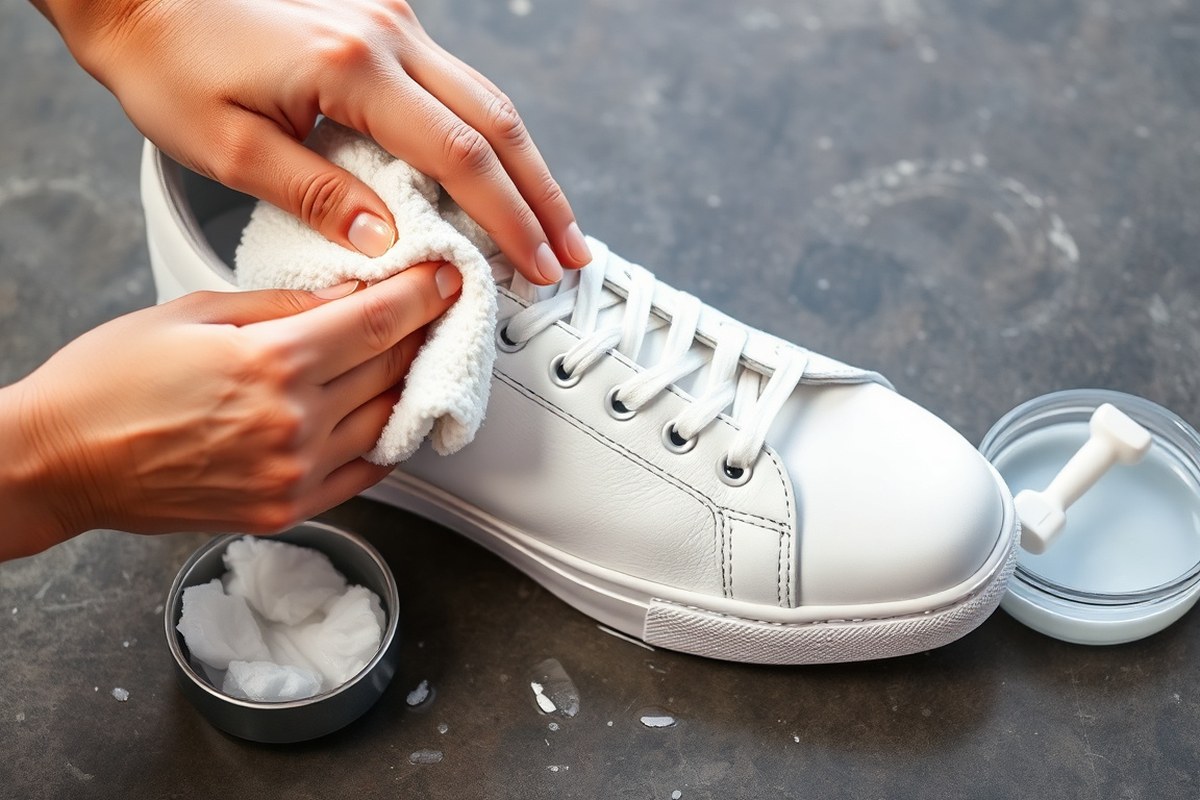
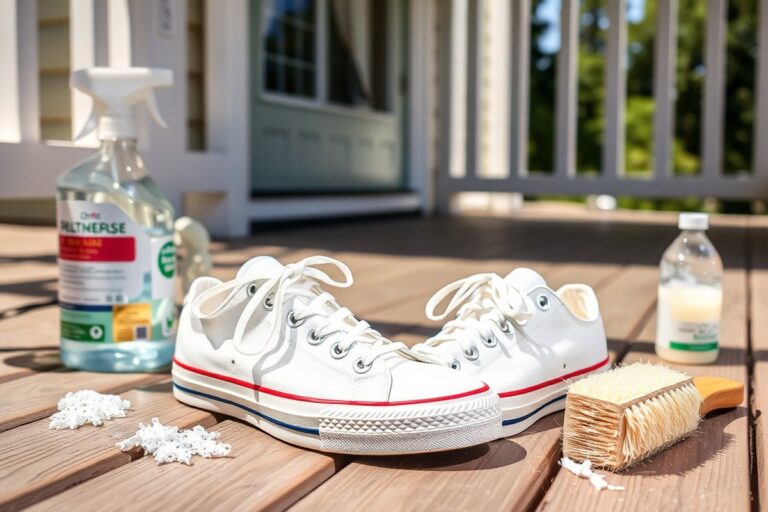
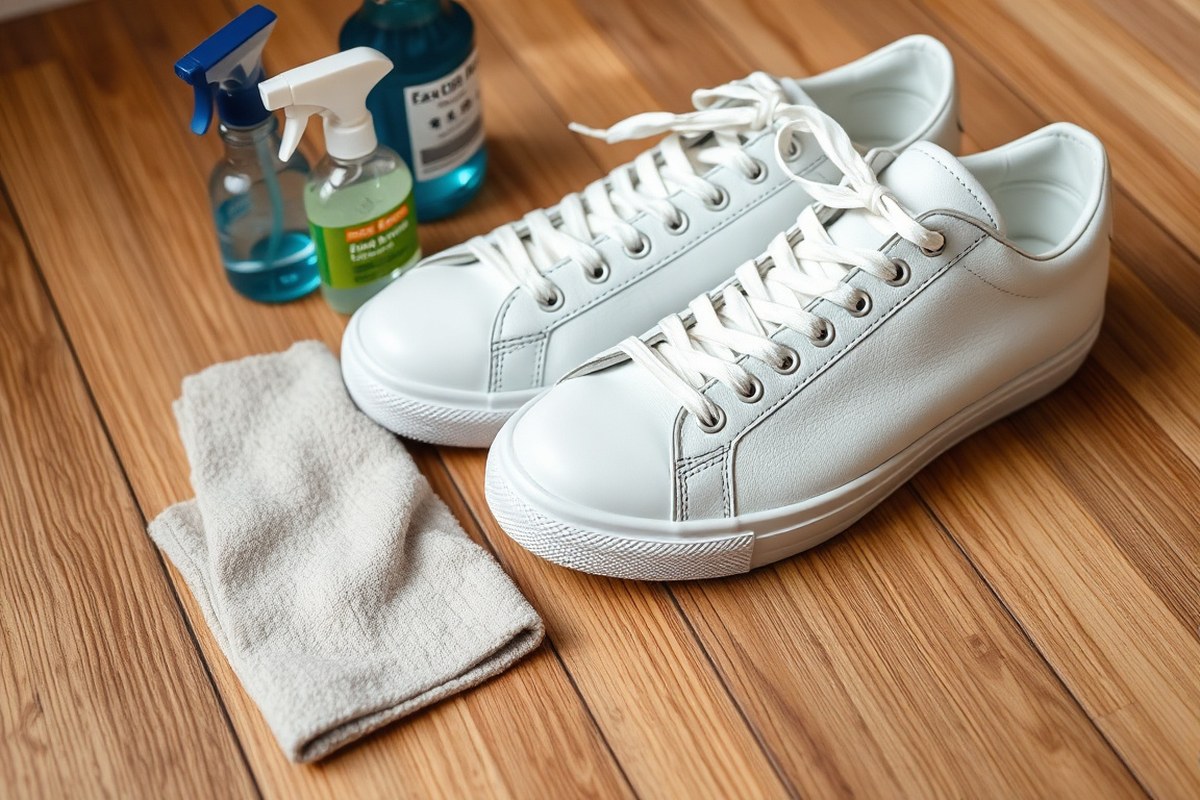
Cleaning white leather sneakers requires a gentle approach to avoid damage such as cracking, discoloration, or warping. Use mild cleaning products like a few drops of liquid soap or a gentle leather cleaner diluted in water. Avoid harsh chemicals, bleach, or soaking your sneakers, as excess moisture can weaken the leather and the adhesive holding the shoe together. Wearing your sneakers in muddy or wet conditions increases the risk of stains and water damage, which makes regular surface cleaning important.
For a safe and effective cleaning, prepare soft cleaning tools such as a microfiber cloth or a soft-bristled brush. Harsh scrubbing or abrasive materials can scratch and dull the leather’s finish. Spot cleaning quickly after exposure to dirt or spills helps keep your sneakers looking fresh and prevents deep stains from setting. Follow these steps to gently clean your white leather sneakers without causing harm:
- Remove loose dirt and debris. Use a dry microfiber cloth or soft brush to wipe off surface dust and dirt gently. This prevents scratching the leather during wet cleaning.
- Prepare a mild cleaning solution. Mix 1 to 2 drops of liquid dish soap or a few drops of gentle leather cleaner in about 1 cup of warm water (around 90°F to 100°F). Avoid using hot water as it can damage the leather.
- Dampen the cloth or brush. Lightly wet your cloth or brush in the cleaning solution and wring out excess moisture. Avoid soaking the tool to prevent water damage.
- Gently clean the sneaker surface. Using small circular motions, wipe or brush the leather with the damp cloth. Focus on stained or dirty areas but keep pressure light.
- Wipe off excess moisture. Use a clean, dry microfiber cloth to remove any remaining soap residue and moisture from the leather.
- Air dry naturally. Allow your sneakers to dry at room temperature away from direct sunlight or heat sources, which can cause the leather to crack or warp. Drying typically takes 1 to 3 hours depending on humidity.
- Condition the leather(optional). After drying, consider applying a leather conditioner designed for white leather shoes. This helps restore moisture and maintain suppleness, preventing cracks over time.
Costs for this cleaning method are low since most supplies, soap, water, cloths, are household staples or inexpensive to buy. Expect to spend under $10 for basic leather cleaner and conditioner if you don’t already have them. Good results mean your sneakers look bright and clean but the leather remains soft without spotting, stiff patches, or peeling. Excess moisture, abrasive scrubbing, or harsh chemicals often cause irreversible damage, so stick to mild care routines and spot clean regularly.
2. Choosing the Right Cleaning Method for Different Stains
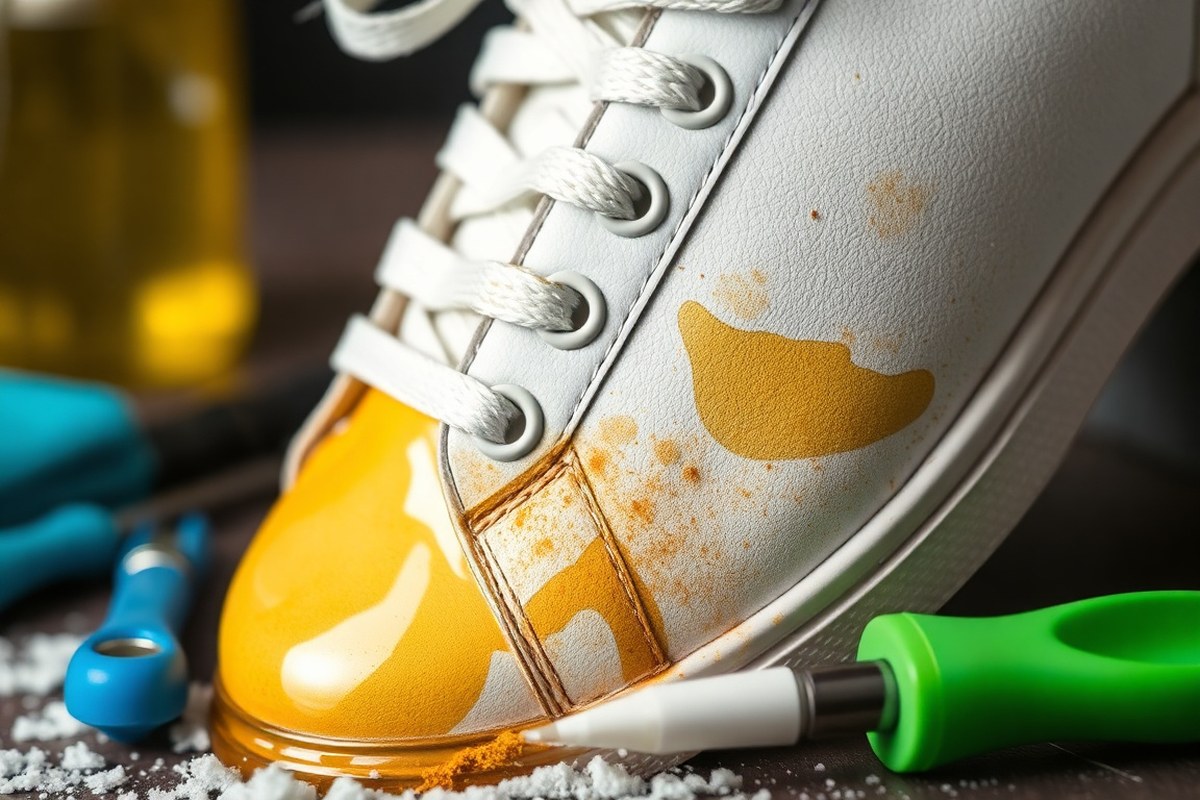
Identifying the type of stain on your white leather sneakers is key to choosing the right cleaning method. Everyday dirt and light stains usually only need a gentle surface clean with mild soap and a barely damp cloth. Scuffs and grime on rubber parts respond well to a Magic Eraser. For stubborn stains, especially yellowing or deep dirt, stronger solutions like a baking soda and hydrogen peroxide paste or commercial cleaners designed for leather can be effective but require cautious use.
Surface cleaning with mild soap and warm water is best for light dirt because it won’t risk damaging the leather. Avoid soaking leather to prevent warping or discoloration. The Magic Eraser is ideal for scuffs because it gently rubs off marks without harsh chemicals. For yellowing and persistent stains, a paste made from baking soda and hydrogen peroxide brightens the leather but should be applied sparingly to avoid dryness.
| Stain Type | Recommended Cleaning Method | When to Avoid |
|---|---|---|
| Everyday Dirt and Light Stains | Mild soap with warm water, gentle wipe | Avoid soaking or heavy scrubbing to prevent leather damage |
| Scuffs and Rubber Sole Grime | Magic Eraser, light rubbing | Avoid on delicate leather surfaces or decorations |
| Stubborn Stains and Yellowing | Baking soda + hydrogen peroxide paste, commercial leather cleaner | Avoid high-heat drying or abrasive scrubbing that warps leather |
| Grass or Dye Stains | Pre-treatment with dish soap or liquid laundry detergent | Avoid bleach unless specified safe for leather |
| Severe Stains on Delicate Parts | Professional cleaning or very gentle spot cleaning | Avoid heavy scrubbing and harsh chemicals |
Light stains respond best to prompt, mild cleaning to prevent them from embedding into the leather. For more stubborn blemishes, create a paste using one tablespoon of baking soda and two tablespoons of hydrogen peroxide. Apply the mixture gently onto the stain with a soft cloth, rubbing in circular motions before wiping off with a damp cloth. Steer clear of harsh scrubbing or hot water as these methods might cause the leather to shrink or develop yellow spots.
Commercial leather cleaners made for white leather sneakers work well if home remedies don’t lift stubborn stains completely. Always test any product in an unseen spot before applying it widely to avoid discoloration or damage. Do not use household bleach or submerge the leather in water, as these can ruin the material permanently. Concentrate cleaning only on the stained areas for best results.
Never soak your white leather sneakers or use hot water during cleaning; this can warp the leather and cause yellowing.
3. Step-by-Step Guide to Cleaning Shoelaces and Insoles
Cleaning shoelaces and insoles is key to keeping your white leather sneakers fresh without damaging delicate materials. Remove laces and insoles carefully, soak laces in mild cleaning solutions, and wash insoles gently before drying both completely to avoid moisture damage and odor buildup.
Removing Laces and Insoles Safely
Start by untying and removing the shoelaces gently to avoid pulling on the leather eyelets. Remove the insoles carefully by pulling them out from the heel area to prevent tearing or distortion.
Removing these components allows you to clean hard-to-reach areas and prevents damage to your sneakers. Handle insoles with care as they can absorb moisture and deteriorate if mishandled.
Soaking and Washing Methods for Laces
Choose a mild cleaning solution like warm water mixed with a small amount of gentle detergent or a bit of white vinegar for soaking shoelaces. Avoid bleach or ammonia-based cleaners that can weaken the fibers or discolor laces. Follow this step-by-step process to soak and wash your laces:
- Fill a bowl with warm water at around 90°F (32°C).
- Add 1 tablespoon of gentle detergent or 2 tablespoons of white vinegar.
- Submerge the laces fully into the solution and let them soak for 15 to 30 minutes.
- Remove the laces and gently scrub them with a soft brush or old toothbrush to loosen dirt.
- Rinse thoroughly under cool running water to remove soap residue.
- Squeeze out excess water without twisting too hard to avoid stretching.
- Lay the laces flat or hang them to air dry completely before reinserting.
Soaking in vinegar can help remove odors and brighten white laces, while gentle scrubbing removes surface dirt and grime. Avoid machine washing laces with sneakers to prevent wear.
Cleaning and Drying Insoles Properly
Insoles require gentle cleaning to avoid moisture buildup that can damage the leather lining or cause persistent odors. Use a mild detergent diluted with water and a soft cloth or sponge for cleaning. To clean insoles effectively, follow these steps:
- Mix 1 cup of warm water with a teaspoon of gentle detergent.
- Dampen a soft cloth or sponge with the solution.
- Wipe the insoles thoroughly, focusing on stained or odor-prone areas.
- Use a clean, damp cloth to remove detergent residue.
- Allow the insoles to air dry completely, preferably indoors at room temperature away from direct sunlight or heat sources.
Drying insoles overnight is usually sufficient. Avoid soaking insoles or using strong chemicals, as these can cause material breakdown and persistent smells. Keeping insoles dry helps maintain sneaker freshness and longevity.
4. How Often Should You Clean White Leather Sneakers?
Cleaning white leather sneakers regularly keeps them looking fresh and prevents deep grime buildup. General cleaning every two weeks combined with spot cleaning as needed helps avoid heavy stains. A deep clean about once a month restores their brightness and removes dirt you might miss with routine care.
Daily and Weekly Maintenance Habits
Light daily maintenance involves slipping a soft cloth over your white leather sneakers or using a suede brush if applicable, removing surface dust and preventing dirt from settling in. Weekly, take a damp microfiber cloth and gently wipe the entire surface to tackle minor stains before they set in. This quick routine costs only a few minutes but significantly delays the need for intensive cleaning.
Tackling spots as soon as you notice them is another essential daily habit. Use a soft brush or a cloth dipped in mild soap and water to dab at fresh marks. For example, a fingerprint or a small smudge can often come off before it darkens or spreads. Avoid soaking the leather to prevent damage.
Deep Cleaning Schedule and Process
Deep cleaning every four weeks is a good rule of thumb to preserve your sneakers’ brightness. This includes removing the laces and insoles, cleaning them separately, and applying a leather cleaner or a specialized white sneaker cleaner following product instructions. Thoroughly brushing and wiping all surfaces removes accumulated grime in seams and textures that routine cleaning misses.
Allocating around 30 to 45 minutes for this process every month can prolong your sneakers’ life and appearance. Deep cleaning is necessary if you notice yellowing, persistent stains, or a dull surface. Stains that don’t fade after regular cleaning should be addressed by a professional, particularly when dealing with delicate or specialty leather materials.
Spot Cleaning Between Regular Washes
Spot cleaning saves time and prolongs intervals between deep cleans. When you spot dirt, use a soft-bristle brush or even your fingertip dipped lightly in baking soda mixed with water to gently rub the affected area. This method works well for stubborn marks without excessive moisture.
Addressing small spots immediately stops stains from setting deeply. Be cautious with harsh chemicals or abrasive tools, which can scratch or discolor leather. Instead, remove dirt with gentle circular motions and air dry your shoes quickly out of direct heat.
Adjusting Frequency Based on Use and Environment
How often you clean your sneakers depends on their usage and environment. Sneakers worn every day in city or outdoor areas need more frequent attention, which might mean moving from weekly surface cleaning to deep cleaning every two weeks to maintain their brightness. Shoes worn mostly indoors usually require less frequent cleaning sessions.
Rain and mud accelerate dirt buildup, demanding quicker responses, while climate factors like humidity can affect drying times and cleaning effectiveness. Monitor how your shoes look and feel to adjust your schedule accordingly.
Cost and Time Considerations
Regular cleaning supplies like mild soap, soft brushes, microfiber cloths, and baking soda are low cost, totaling under $15 for all essentials. The time commitment is minimal, just a few minutes daily or weekly to maintain cleanliness. Deep cleaning consumes 30 to 45 minutes and may involve investing in a good leather cleaner, typically $10 to $20 per bottle.
Spreading cleaning tasks over days reduces wear from frequent exposure to water and cleaning agents. Constant neglect can lead to costly repairs or permanent stains, so consistent upkeep is a cost-effective strategy.
5. Removing Odors and Preventing Smells in Leather Sneakers
Odors in leather sneakers usually come from moisture trapped inside, sweat, and bacteria buildup. The leather itself can absorb these smells if the shoes aren’t aired out properly or cleaned regularly. Getting rid of odors while protecting your white leather sneakers means choosing gentle yet effective treatments that won’t damage the leather surface.
Baking soda works well for removing odors because it soaks up moisture and cancels smells without using strong chemicals. To try this, spread a good amount inside each sneaker and leave it overnight. In the morning, tap out the powder before putting the shoes on. For extra freshness, blend baking soda with white vinegar to form a paste. Combine one tablespoon of baking soda, two tablespoons of white vinegar, and a cup of warm water. Gently apply this mix to the inside of your sneakers with a soft cloth, avoiding over-wetting the leather. Allow the shoes to dry fully in a spot with good airflow, away from sunlight.
Tea bags are another natural option. Dry, unused tea bags can absorb moisture and odors effectively. Place one or two inside each sneaker and leave them overnight. This simple method adds a mild, pleasant scent while reducing mustiness. Avoid using brewed tea bags as wet tea can stain leather or cause excess moisture.
- Sprinkle baking soda inside shoes and leave overnight for odor absorption.
- Mix baking soda with white vinegar and water to make a gentle deodorizing paste.
- Use dry tea bags inside sneakers overnight to absorb moisture and smells.
- Apply commercial leather-safe odor removers as directed on the label.
- Remove and clean insoles frequently to reduce odor buildup.
- Allow sneakers to air out in a cool, dry place after wearing.
Commercial odor removers designed specifically for leather can be convenient, especially if odors persist. Look for products labeled safe for leather to avoid discoloration or damage. Always test any solution on a small hidden area of the shoe first. Applying odor treatments at regular intervals keeps smells from building up, but overuse of liquids or heavy sprays risks harming the leather’s surface and finish.
Keep leather sneakers dry between uses and clean insoles regularly to prevent lasting odors.
Preventing odors long-term depends on proper drying and storage. Leaving your white leather sneakers in damp or enclosed spaces encourages bacteria growth. Spot-treat spills and wipe interiors regularly. Taking these steps keeps your sneakers smelling fresh while maintaining their clean, white appearance.
6. Best Practices for Drying and Conditioning Leather Sneakers
Drying white leather sneakers safely requires avoiding heat sources that can shrink or warp the leather. After drying, applying a leather conditioner restores softness, protects the surface, and helps maintain durability. Both steps preserve the sneakers’ appearance and extend their lifespan.
Optimal Drying Environment and Techniques
Prevent leather damage by drying your sneakers in a cool, well-ventilated area away from direct sunlight and heat sources like radiators or dryers. High heat quickly dries out the leather, causing it to shrink, crack, or warp. Letting them air dry naturally maintains the leather’s shape and texture.
Stuffing the sneakers with white paper towels or clean cloths helps absorb moisture and supports the shoe’s shape as drying progresses. Replace the stuffing every few hours until the interior feels dry to the touch. The drying process typically takes 12 to 24 hours depending on humidity and temperature.
Applying Leather Conditioner Correctly
Once your sneakers are completely dry, conditioning ensures the leather stays soft and supple while restoring some lost oils from cleaning. Use a leather conditioner formulated for white leather shoes and apply it sparingly with a clean microfiber cloth. Conditioning too soon or on damp leather can trap moisture and promote mold growth. Follow these steps for effective conditioning:
- Make sure your sneakers are fully air-dried and free of dirt or cleaning agents.
- Put a small amount of leather conditioner on a clean microfiber cloth.
- Gently rub the conditioner into the leather using circular motions, covering all leather surfaces evenly.
- Allow the conditioner to absorb for 10 to 15 minutes at room temperature.
- Buff the sneakers lightly with a dry microfiber cloth to remove excess conditioner and restore shine.
Proper conditioning costs about $10 to $20 for a quality leather conditioner bottle, which will last for dozens of applications. Doing this once every 3 to 6 months helps keep your white sneakers looking fresh without over-conditioning.
Signs of Damage from Improper Drying
Rushing the drying process by using direct heat, such as hair dryers or heaters, often results in leather shrinkage, stiffening, and cracking. These symptoms cause permanent changes to your sneakers’ fit and appearance. Discolouration or yellowing can also occur if the surface dries unevenly or too rapidly.
Warped soles and misshapen uppers indicate that the sneakers lost their original form during drying. Overly dry leather may flake or peel, signaling lost natural oils that a timely conditioning step could have prevented. Avoid these issues by following safe drying practices and applying conditioner only when the leather is fully dry.
7. Common Mistakes to Avoid When Cleaning White Leather Sneakers
Using harsh chemicals on white leather sneakers can cause discoloration and dry out the leather, leading to cracks and stiffness. Avoid bleach, ammonia, or alcohol-based cleaners since they strip the natural oils from the leather. Instead, opt for mild detergents formulated for leather or a gentle soap diluted in water. Wiping the shoes with a damp cloth after using a harsh cleaner is a good idea, then apply a leather conditioner to help restore moisture and flexibility.
Machine washing is another common mistake, especially with leather sneakers. Leather doesn’t tolerate heavy agitation or soaking well. The washing machine’s water and spinning can warp the shape and damage the finish. Confirm your sneaker’s label says it is machine-safe before machine washing, then use cold water and a gentle cycle, removing the insoles and laces first. Air dry them naturally away from heat sources to avoid shrinking or stiffening the leather.
Over-wetting leather sneakers can cause water stains and promote mold growth. Applying excessive water during cleaning may seem thorough but risks damaging the shoe. Use a lightly dampened cloth rather than soaking the surface. After cleaning, blot excess moisture with a dry towel and allow the sneakers to air dry at room temperature. Avoid direct sunlight or heaters that can cause cracking.
Improper drying is the last major error. Stuffing wet sneakers with newspaper hastens drying but can leave ink stains or retain moisture inside if the paper stays damp. Instead, replace any wet stuffing every few hours and ensure good air circulation around the shoes. Using a fan can speed drying without heat damage.
- Avoid bleach and ammonia-based cleaners; choose mild, leather-safe products
- Do not machine wash unless the label explicitly allows it
- Use only a damp cloth, never soak leather with water
- Air dry away from heat and direct sunlight
- Replace stuffing frequently to prevent moisture buildup
- Apply leather conditioner after cleaning to maintain suppleness
Mistakes like harsh chemical use or machine washing can sometimes cause irreversible damage, especially discoloration or leather cracking. Prompt and proper care can lessen problems and restore some flexibility. Conditioning treatments and gentle cleaning help. Persistent stains or severe damage may need professional leather restoration.
To keep white leather sneakers looking their best, be cautious with products and methods. Following the care labels exactly and using specialized leather cleaners will prevent many common errors. When in doubt, less moisture and gentle products preserve the integrity of the leather better than aggressive cleaning.
8. Protecting and Maintaining White Leather Sneakers Long-Term
Using a leather protector helps shield your white leather sneakers from stains, water, and UV damage, preserving their brightness longer. Products like Furniture Clinic Leather Protection Cream, priced around $15 to $25 per 100 mL, offer a blend of conditioning and protective qualities. Spray-on options, such as Scotchgard Leather & Suede Protector, provide a water-resistant barrier but may require reapplication every few weeks during heavy use. Cream-based protectors nourish leather to prevent cracking, while sprays repel moisture and dirt more effectively. Apply the product to clean, dry shoes following label instructions, generally spacing applications 30 to 60 minutes apart for drying.
| Type | Protection | Application | Cost Range | Frequency of Use |
|---|---|---|---|---|
| Cream-based (e.g., Furniture Clinic) | Prevents cracking, maintains suppleness | Apply with soft cloth, rub in gently | $15, $25 per 100 mL | Every 3, 4 weeks |
| Spray (e.g., Scotchgard) | Water and dirt repellant | Spray evenly from 6, 8 inches | $10, $20 per can | Every 2, 3 weeks or after cleaning |
For storage, keep sneakers in a cool, dry place away from direct sunlight to prevent yellowing and fading. Avoid plastic bags or airtight boxes that trap moisture and encourage mold growth. Instead, store shoes in breathable fabric shoe bags or boxes with ventilation. Fill your sneakers with acid-free tissue paper or use shoe trees to maintain shape and absorb excess humidity. Do not store leather sneakers near heaters or in damp basements, since temperatures above 90°F or high humidity accelerate wear and discoloration.
Environmental factors such as extreme heat, heavy rain, and pollution speed up leather deterioration. Rainwater can cause spots and promote mold, while excessive sun exposure leads to fading and drying out of leather. To combat this, limit outdoor wear during wet weather and apply water-repellent protectors before exposure. If you live in a humid or rainy region, more frequent applications of protectors and thorough drying after contact with moisture are necessary. Allow shoes to air dry at room temperature when wet, never use direct heat sources like blow dryers or radiators as this can crack the leather.
Establish a routine maintenance checklist: wipe off loose dirt weekly with a soft cloth, clean with a leather-specific cleaner monthly, condition with a cream-based protector every 3 to 4 weeks, and spray a water-repellant protector every 2 to 3 weeks during frequent outdoor use. Inspect your sneakers regularly for signs of dryness or damage and reapply products as needed. Spending about 10 to 15 minutes per maintenance session helps keep white leather sneakers looking fresh and avoids costly repairs or premature replacement.
Always test any protector on a small hidden area first to ensure it does not alter the leather’s color or texture.
Step-by-Step Action Plan for Cleaning Your White Leather Sneakers
Follow this simple plan to keep your white leather sneakers looking fresh and clean without damage.
- Before cleaning: Remove the shoelaces and insoles. Wash laces separately and air out insoles to reduce odors.
- Day 1: Gently wipe shoes with a soft, dry cloth to remove loose dirt. If dirt remains, use a mild soap and water solution to spot clean.
- Day 2: Treat specific stains with a leather cleaner designed for white shoes. Test in a small area first to avoid discoloration.
- After cleaning: Dry sneakers naturally at room temperature, away from direct sunlight or heat sources, to prevent cracking.
- Day 3: Apply a leather conditioner suited for white leather to restore moisture and prevent stiffness. Let it absorb fully.
- Weekly: Use a protectant spray made for leather to create a barrier against future stains and water damage.
- Monthly: Inspect and repeat spot cleaning as needed to address new stains promptly and avoid deep-set marks.
Frequently Asked Questions
What Household Items Can I Use to Clean White Leather Sneakers Safely?
You can use a mixture of mild soap and water with a soft cloth. Avoid harsh chemicals to prevent damage to the leather.
Can I Use Toothpaste to Remove Stains from My White Leather Sneakers?
Yes, non-gel toothpaste can help remove stains but use it sparingly and gently. Make sure to wipe it off thoroughly to avoid residue.
How Do I Prevent My White Leather Sneakers from Cracking After Cleaning?
Regularly apply a leather conditioner after cleaning to keep the leather supple and prevent cracking. Avoid excessive moisture and direct heat when drying.
Is It Okay to Put White Leather Sneakers in the Washing Machine?
No, machine washing can damage leather and strip protective coatings. It’s best to clean them by hand with appropriate products.
Can I Use a Magic Eraser on White Leather Sneakers?
A magic eraser can work for tough spots but use it very lightly. Test on a small area first to avoid dulling the leather’s finish.
What Should I Do If My White Leather Sneakers Get Soaked in Rain or Mud?
Remove excess dirt gently with a soft brush, then hand clean with mild soap and water. Air dry away from heat sources to avoid damage.
Before You Go
Cleaning white leather sneakers carefully keeps them looking sharp and prolongs their life. Focus on gentle cleaning, drying properly, and conditioning to maintain the leather’s flexibility. Start by removing and washing your laces and insoles today to tackle odors and buildup. This easy step gets your sneakers ready for a full cleaning without causing damage.