How to Clean White Sneakers: 8 Essential Methods for Lasting Brightness
Learning how to clean white sneakers quickly and safely keeps them looking fresh longer without damage. Use gentle cleaning agents, allow sufficient drying time, and treat different materials appropriately. These methods work well for canvas, leather, and synthetic fabrics often found in white sneakers.
This information suits you if you want to maintain your white sneakers at home with easy, effective techniques. Expect clear steps to remove dirt, stains, and scuffs while protecting your shoes’ fabric and structure.
Key Takeaways
- Clean your white sneakers using mild detergent mixed with warm water for safe, effective results.
- Let cleaning pastes on your shoes sit for 15-30 minutes to tackle tough stains before wiping off.
- Use 3% hydrogen peroxide to brighten whites and disinfect your sneakers without harsh chemicals.
- Soak laces separately for 10-30 minutes or overnight to remove heavy grime easily.
- Allow sneakers to dry indoors at room temperature for 5-6 hours to preserve shape and prevent damage.
- Use a shoe washing bag when machine washing to protect your sneakers from excessive wear.
1. How to Clean White Sneakers Safely and Effectively

Cleaning white sneakers at home requires a gentle approach to protect the materials while effectively removing dirt and grime. Preparing your shoes properly and following a clear routine can restore their brightness without causing damage. Avoid harsh chemicals like bleach, which can discolor or weaken fabrics and leather.
Use mild dish soap and water as a safe cleaning base. This method works well across different materials and prevents overexposure to moisture. The process typically takes about 20 to 30 minutes for cleaning, plus several hours for drying. Patience during drying is important to maintain the sneakers’ shape and finish.
- Remove the laces and insoles: Taking out the laces and insoles allows you to clean every part thoroughly. Wash the laces separately in warm soapy water, and spot clean or air out the insoles depending on their material.
- Brush off loose dirt: Use a soft-bristled dry brush or an old toothbrush to gently remove dust, dried mud, and trail grit. This dry brushing helps avoid pushing dirt deeper into the materials during wet cleaning.
- Prepare a cleaning solution: Mix a few drops of mild dish soap with warm water in a small bowl. The ratio should be about one teaspoon of soap to one cup of water. Avoid strong detergents or bleach.
- Use the cleaning solution: Soak a soft cloth or brush in the soapy water and carefully work on the sneakers, targeting dirt and stains. Move in small circles without drenching the shoes. For mesh or knit sections, handle gently to avoid damaging the fabric.
- Wipe off excess soap: Rinse the cloth in clean water and wipe the sneakers to remove soap residue. Repeat until no suds remain, as leftover soap can cause discoloration or stiffness when dry.
- Dry the sneakers: Stuff the shoes with paper towels or clean cloths to help them retain their shape. Place them in a well-ventilated area away from direct sunlight or heat sources. Let them dry overnight or for at least 6 hours. Using a fan can speed this up but avoid heat that can warp materials.
- Reassemble and refresh: Once dry, reinsert the insoles and lace up the sneakers. You can lightly spray them with a fabric protector or sneaker-specific spray to help repel dirt and stains going forward.
2. Choosing the Right Cleaning Method for Different Materials
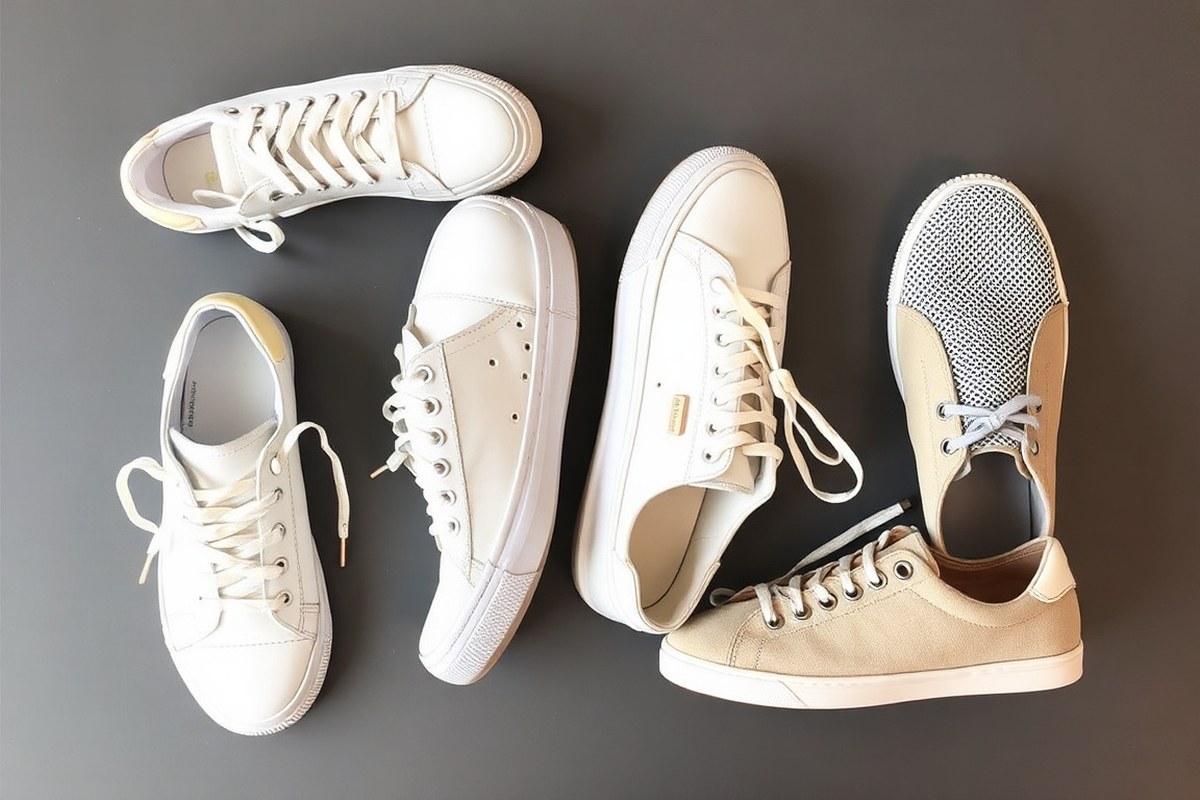
Selecting the right cleaning method based on your white sneaker’s material prevents damage and ensures a bright, fresh look. Canvas tolerates stronger solutions like diluted bleach, while leather, suede, mesh, and knit fabrics need gentler care to avoid fading, warping, or texture loss. Using harsh or wrong cleaners can ruin the surface or shrink delicate uppers, so match your cleaning tools and products carefully to the material.
Canvas Sneakers Cleaning Guidelines
Canvas sneakers handle more vigorous cleaning than other materials. Using a mild soap mixed with warm water and a soft brush works well for overall cleaning. For stubborn stains, diluted bleach (about 1 part bleach to 5 parts water) can help restore whiteness, but test on a hidden spot first to avoid discoloration.
Avoid machine washing canvas shoes since the agitation can weaken glue and seams, causing them to wear out or lose shape. Instead, hand-cleaning preserves construction while brightening the fabric. Your routine for white canvas shoes like Vans or Converse should be this: mix mild detergent with warm water, gently scrub using a toothbrush or soft cloth in circular motions, rinse with a damp cloth, and air dry away from direct heat or sun.
Leather Sneakers Cleaning Tips
Cleaning white leather sneakers calls for mild care. Use a soft cloth dampened with diluted soap and water, wiping gently without soaking the surface. Leather is prone to cracking or warping if it gets too wet or drys too quickly, so avoid soaking and apply conditioner after cleaning.
Never use bleach on leather; it can cause permanent damage and discoloration. Machine washing is also off limits to prevent breaking down the leather’s structure. Instead, spot clean with a leather-specific cleaner or gentle soap solution.
After cleaning, apply a leather conditioner or protectant spray to maintain suppleness and protect against stains and moisture. Always allow leather shoes to dry naturally at room temperature, stuffed with paper to maintain their shape.
Delicate Mesh and Knit Sneakers Care
Mesh and knit uppers demand gentle handling. A soft brush or cloth with diluted mild cleaner is the safest way to clean these materials without causing fraying or distortion. Avoid hard scrubbing and soaking to maintain the integrity of the knitted structure.
Bleach should never touch mesh or knit materials, as it can break down fibers and cause yellowing. Also, machine washing is often too harsh, as heat and tumbling may shrink or warp fabrics. Hand-clean lightly and allow them to dry flat to prevent misshaping.
Use a technique of gentle strokes that follow the fabric’s direction; this avoids pulling threads loose. Spot-treat tough stains with a bleach pen if necessary on mesh parts, then quickly wipe clean to prevent spotting.
Safely Cleaning Suede and Nubuck
Suede and nubuck are unfinished leathers that require special care. Avoid any liquid cleaners or soaking since water spots or stains can easily form. Instead, use a suede-specific brush or eraser to lift dirt and scuffs.
For a deeper clean, apply suede cleaner or a small amount of rubbing alcohol carefully using a soft cloth. Avoid bleach and harsh detergents at all costs, as these can irreversibly damage the soft nap.
After cleaning, a suede protector spray can help repel dirt and water, extending the life of your white suede sneakers. Let suede dry naturally at room temperature, away from heat sources to keep the texture intact.
| Material | Safer Approach | What to Avoid |
|---|---|---|
| Engineered Mesh | Use a soft brush or a cloth slightly dampened with a mild, diluted cleaning solution. | Hard scrubbing, soaking, concentrated cleaner |
| Knit Upper | Gentle strokes following the knit direction; minimal liquid | Stiff brushes, bleach, dryer heat |
| Rubber Outsole | More vigorous brushing with mild soap is okay | Solvents or cleaners not approved by the maker |
| Foam Midsole | Soft brush or cloth; wipe clean | High heat and harsh chemicals |
| Leather Upper | Mild cleaner or leather-specific cleaner; gentle wiping | Bleach, soaking, machine washing |
The table summarizes which methods are safest for common sneaker parts and what to avoid for each. Matching your cleaning method carefully prevents permanent damage and maintains the shoes’ appearance longer.
Never use bleach on leather or suede sneakers, and avoid machine washing unless the manufacturer specifically allows it for that model.
3. Removing Stains and Scuffs: Products and Techniques
Removing stains and scuffs from white sneakers requires using the right products and techniques to avoid discoloration or damage. Household items like baking soda, vinegar, and hydrogen peroxide can work effectively, while commercial cleaning products offer convenience and specialized formulas. Knowing when and how to use each option helps you target tough marks safely and restore your shoes’ brightness.
Homemade Cleaning Pastes and Solutions
Baking soda is a popular home remedy that can whiten white sneakers, especially those made from canvas, mesh, or fabric. To make a cleaning paste, mix about three tablespoons of baking soda with one tablespoon of white vinegar or water. The mixture will fizz as the baking soda reacts with the vinegar. Dip a soft brush, such as an old toothbrush, into the paste and gently scrub the stained area in small circles. After scrubbing, wipe off the excess paste with a damp cloth and let the sneaker air dry. This paste works well on yellowing or dirt buildup but may not remove very stubborn stains without multiple applications.
White vinegar alone is also useful for tough stains, such as grass or mud. Lightly dampen a clean cloth with white vinegar and blot the affected spots carefully. Avoid saturating the material, particularly on leather or suede, as excessive moisture can cause damage. For leather sneakers, dip a wet brush into baking soda and rub gently to lift stains, then wipe with a clean, damp cloth. Toothpaste, specifically non-gel white varieties, can serve a similar function; apply it with a cloth or brush to scuffed rubber or fabric areas, then rinse or wipe off after a few minutes. Vinegar and baking soda are also effective at eliminating odors, adding to their versatility in sneaker care.
Commercial Cleaners and Sneaker Kits
Specialized sneaker cleaning kits often contain whitening agents and mild detergents formulated to restore white shoes, including tough yellowing that homemade products might not fully address. These kits typically include a cleaner, brush, and sometimes a sponge or microfiber cloth designed for safe use on materials like leather, canvas, and rubber. Using these products according to the instructions can quickly brighten your sneakers without the risk of discoloration that harsher chemicals like bleach might cause.
Magic erasers, commonly found in department stores, provide a convenient way to remove scuffs and surface grime from rubber soles and midsoles. Gently rub the area with a damp magic eraser until the mark vanishes. Although effective, magic erasers can be slightly abrasive, so test on a small, hidden section first to ensure no dulling occurs.
Safe Use of Bleach and Alternative Stain Removers
Bleach can remove really stubborn stains like blood or heavy dirt but must be used cautiously to prevent yellowing or weakening of shoe materials. Dilute bleach heavily, one part bleach to five parts water, and spot-test on a hidden area before applying to visible sections. Use a cotton swab or cloth to gently apply the solution, then rinse thoroughly with water after a few minutes. This method is best reserved for white canvas sneakers and avoided on leather or suede.
An alternative to bleach for disinfecting and brightening is 3% hydrogen peroxide. It removes stains and kills bacteria, fungi, and viruses that may live on your shoes. Apply it with a cloth to stained areas, let it sit for five to ten minutes, then wipe clean. Using hydrogen peroxide reduces the risk of harsh damage compared to bleach and can be repeated as needed without significant color loss.
4. Cleaning Soles, Midsoles, Laces, and Insoles Properly
Cleaning the soles, midsoles, laces, and removable insoles separately helps you refresh every part of your white sneakers thoroughly. The white rubber and foam midsoles tend to yellow and gather scuffs over time, which impacts your shoes’ overall look. Removing and cleaning insoles prevents odor buildup and bacteria growth, while washing laces independently avoids discoloration and dirt transfer back to the shoes.
Start by removing the laces and insoles if your sneakers allow it. Soak the laces in warm water with a few drops of mild detergent. Let them sit for about 15 to 20 minutes, then gently rub them by hand to loosen trapped dirt. Rinse the laces thoroughly and hang them to air-dry. If they remain stained after washing, consider replacing them, which often costs as little as $5 to $15 online or in most shoe stores.
For the rubber soles and foam midsoles, dampen a Magic Eraser sponge and wring out excess water. This tool works well to remove yellowing and scuffs without harsh chemicals. Gently scrub the midsoles and outsoles using light to moderate pressure to avoid damaging the rubber. Avoid scrubbing the fabric upper with the Magic Eraser because it can roughen delicate materials like knit or mesh.
Wash removable insoles separately by hand. Use a small bowl of warm water mixed with mild cleaning solution, then gently scrub the insoles with a soft brush or cloth. Rinse them well to remove all soap residue, as leftover moisture or cleaner can cause irritation or degrade the material. Air-dry the insoles in a well-ventilated area away from direct sunlight and heat to maintain their shape and integrity.
- Remove laces and insoles from your sneakers.
- Soak laces in warm water with mild detergent for 15 to 20 minutes, then gently hand-rub and rinse; air-dry.
- Dampen and wring out a Magic Eraser, then scrub rubber soles and foam midsoles with gentle pressure to remove scuffs and yellowing.
- Fill a bowl with warm water and mild cleaning solution for cleaning insoles.
- Use a soft brush or cloth to gently scrub insoles, rinse thoroughly, and air-dry away from direct heat or sunlight.
- Allow laces and insoles to dry completely in a ventilated area before reinserting them into the shoes.
- Replace laces if they remain stained or worn after washing for an instant refresh.
5. Common Mistakes and How to Avoid Them When Cleaning Sneakers
Cleaning white sneakers often leads to mistakes that damage the fabric, cause yellowing, or even shrink the shoe. One common error is using the washing machine without checking the manufacturer’s instructions. Many brands, like Nike, warn against machine washing because it can make the materials break down faster and reduce the shoe’s lifespan. Instead, hand cleaning is usually safer and just as effective, especially if your sneakers are leather or contain delicate fabrics.
Machine washing can also cause distortion. The agitation and spinning expose shoes to excess heat and pressure, which may warp foam and weaken adhesives. Dryers can cause similar issues. Brands such as Brooks and adidas recommend air-drying your sneakers at room temperature to maintain their original shape and avoid shrinking. Avoid putting shoes in the tub or soaking them fully in water, which can make stains settle deeper into the fabric instead of coming off.
Yellowing is another frequent problem. Exposure to direct sunlight or high heat causes many white sneakers, including those made from leather and synthetic materials, to yellow over time. To avoid this, always store your shoes in a cool, dry, and shaded spot. When cleaning, use gentle soaps and avoid harsh chemicals or bleach, which can accelerate discoloration.
Wiping dirty spots too aggressively with a towel often spreads dirt across the fabric and doesn’t remove it fully. Instead, gently dab stains with a soft cloth or sponge and work outward from the stain to avoid spreading. Avoid trying to dry your shoes entirely with a towel as that can damage fibers; let them air-dry naturally. Leather sneakers especially need a softer hand during cleaning to prevent cracks or peeling, so use appropriate cleaners and conditioners suited for leather or faux leather.
Check your sneaker’s care label and avoid machine washing unless explicitly allowed; hand-cleaning with gentle motions protects the materials and keeps your shoes looking fresh longer.
For fabric sneakers made of cotton, canvas, or polyester, some can handle machine washing but only if the label states it’s safe. When you do, placing shoes inside a protective shoe washing bag and using a gentle cycle with cold water reduces the risk of damage. Avoid using hot water or harsh detergents. After washing, reshape your sneakers and air-dry them without heat sources. Good results look like a clean, white shoe without stretched seams, discoloration, or material breakdown. If your sneakers look cracked, yellowed, or warped after cleaning, that usually means the materials were stressed by improper methods.
Taking care when cleaning white sneakers and sticking to gentle, label-approved techniques prevents most common errors. Patience and letting your shoes dry completely in the right conditions are key parts of keeping your sneakers crisp rather than damaged.
6. How to Dry White Sneakers to Keep Their Shape and Prevent Damage
Drying white sneakers carefully after cleaning is essential to prevent damage like mildew, shrinkage, or losing their shape. Avoid direct sunlight and heat sources because they can cause fading, cracking, or yellowing, especially on leather and fabric materials. Instead, air drying at room temperature while maintaining the shoe’s shape is the best practice. You should allow sneakers to dry fully, which usually takes at least 2 to 3 hours, but overnight drying is ideal for deeper moisture removal.
Stuffing the sneakers with white paper towels or a clean, dry cloth helps absorb moisture inside and keeps the shoes from warping or collapsing. This method ensures the sneakers maintain their original form and finish. Never put white sneakers in a dryer or expose them to heaters, as the intense heat damages the material and can cause permanent deformities.
- Remove excess moisture. After rinsing your cleaned sneakers, gently pat them with a clean towel to remove surface water but do not rub aggressively.
- Stuff the sneakers. Insert white paper towels or a dry cloth inside the shoes to absorb inner moisture and preserve their shape.
- Place in a well-ventilated area. Set the sneakers somewhere indoors with good air flow and away from direct sunlight or heat sources like radiators or vents.
- Check periodically. Replace the paper towels if they become very damp, to continue pulling moisture away effectively.
- Allow adequate drying time. Leave the shoes to air dry completely for a minimum of 2 to 3 hours, but overnight drying (8, 12 hours) ensures thorough drying without risking mold.
- Confirm dryness before wearing. At the end of the drying period, press gently inside the shoe to make sure no damp spots remain.
Following these steps minimizes the risk of mildew formation and deformation, keeping your white sneakers looking fresh. Drying indoors protects against UV damage, which can fade and weaken fabrics and leather. The time investment, usually half a day, is minimal compared to repairing or replacing damaged shoes.
7. Pro Tips and Hacks to Maintain White Sneakers Longer
Using a protective spray specifically designed for white sneakers can significantly slow down the rate at which dirt and stains settle. Look for waterproof or stain-repellent sprays made for fabric, leather, or mesh, depending on your shoe material. Apply the spray in a well-ventilated area about 24 hours after cleaning and let the sneakers dry completely before wearing them. Reapply every two to three weeks if you wear the shoes frequently, or monthly if they see lighter use. A typical bottle costs around $10 to $20 and usually covers several pairs, making it a cost-effective step to keep whiteness vibrant.
Setting a cleaning schedule helps prevent buildup that dulls the bright look of your shoes. Wipe your sneakers with a soft damp cloth or a sneaker cleaning wipe after every two to three wears to remove dust and light dirt. For white running shoes, which show grime faster, consider spot cleaning immediately after exposure to mud or grass. A full gentle clean with a sneaker cleaner or mild soap solution every four to six weeks maintains brightness without over-washing, which can damage materials over time.
Proper storage reduces dust accumulation and accidental stains that can happen when sneakers are left out. Store your cleaned and fully dried white sneakers in a dust-free environment like a breathable cotton bag or a shoe box with ventilation holes. Avoid plastic bags or airtight containers, as trapped moisture can cause yellowing or mold. Keep sneakers away from direct sunlight and heat sources to prevent color fading or material cracking.
- Spray sneakers with waterproof or stain-repellent spray designed for the material, reapply every 2-4 weeks.
- Clean lightly with a damp cloth or sneaker wipes after every 2-3 wears to remove daily dust and dirt.
- Spot clean stains on running shoes immediately to avoid permanent discoloration.
- Deep clean your sneakers every 4-6 weeks to maintain brightness without causing damage.
- Store sneakers in breathable bags or ventilated boxes, away from sunlight and moisture.
- Stuff shoes with acid-free tissue paper to help maintain their shape during storage.
Failing to use protective sprays means dirt sets into your sneakers more quickly, making each cleaning session harder and less effective. Over-cleaning can lead to material wear and color fading, so sticking to a schedule balances cleanliness and longevity. Improper storage can cause irreversible yellowing or mildew, negating all your cleaning efforts. Following these targeted habits keeps your white sneakers looking fresh and bright, helping them last longer and maintaining their stylish appeal.
8. When to Seek Professional Cleaning for White Sneakers
Knowing when to take your white sneakers to a professional cleaner can save your shoes from permanent damage and maintain their appearance. Professionals can handle tough stains, delicate materials, and repairs that home cleaning methods might worsen. Use clear signs to decide whether expert help is necessary, especially for suede or intricate sneaker designs.
Signs Your Sneakers Need Pro Cleaning
Severe stains that won’t budge with gentle home cleaning are a key indicator you should seek professional care. This includes deep grease spots, ink stains, or dirt ground into textured materials like mesh or suede. Suede sneakers often need expert cleaning because water and strong cleaning agents can damage their finish and texture. If your shoes show discoloration, extensive scuff marks, or smell persistently even after washing, they likely need a professional touch. Also, visible damage such as peeling paint, severe sole discoloration, or fabric fraying suggests that a specialist’s restoration techniques are required.
Home cleaning can keep your sneakers looking fresh most of the time, but it struggles with these tougher problems. Professionals also have tools and cleaning agents that can protect delicate components while removing stains without soaking or harsh scrubbing, which might warp shapes or strip colors.
Problems Professionals Can Fix
Professional cleaning services can tackle a range of issues beyond simple dirt and stains. They can rejuvenate faded colors, restore the nap on suede, and sanitize interiors to eliminate odors and bacteria. In some cases, they offer minor repairs such as reattaching soles, replacing laces with matching ones, or patching small holes and tears. Deep cleaning with fabric-safe solvents preserves the sneaker’s structure and lets you keep specialty materials like knit uppers or leather in good condition.
For example, a suede sneaker that looks gray and worn can often be revived using specialized brushes and suede-specific cleaners that home kits lack. A professional might also apply protective coatings post-cleaning to help repel dirt and water. Some services provide doorstep pickup, making it easier to get expert care without hassle and ensuring your shoes are treated promptly and properly.
Typical Costs and Finding a Cleaner
Professional sneaker cleaning usually costs between $20 and $50 per pair depending on the material and service level. Additional repairs like sole work or insole replacement can raise the price. Some premium services may charge $60 to $100 for deep restorative cleaning or multi-step processes. Confirming the exact services included before paying helps avoid surprises.
You can locate professional cleaners through local laundromats offering sneaker services, shoe repair shops, or dedicated sneaker cleaning businesses. Reading reviews and checking they use fabric-safe and sneaker-approved cleaning methods protects your investment. Cleaner services like Primus Laundromat offer convenience with pickup and delivery, focusing on safe, gentle treatment to maintain your sneakers’ look and structure.
Choosing professional cleaning is a worthwhile investment if your efforts at home haven’t restored your sneakers or if the material is too sensitive for DIY methods. Always ask for a clear estimate and expected turnaround to make the best decision for your shoes.
Take your white suede sneakers to a professional for cleaning to avoid water damage and preserve the material’s texture effectively.
Step-by-Step Action Plan for Cleaning and Maintaining White Sneakers
Follow these steps to clean your white sneakers safely and keep them looking fresh longer.
- Before You Start: Check the material of your sneakers to choose the right cleaning method; confirm they are free of loose dirt by brushing gently with a soft brush.
- Day 1: Remove laces and insoles, then soak laces in warm, soapy water; if stains persist on laces, apply a small amount of mild detergent and rinse well.
- Day 1: Use a gentle cleaning solution suitable for your sneaker’s material and a soft cloth or brush to clean the upper; test on a small area first to avoid damage.
- Day 1: Clean soles and midsoles separately with a stronger cleaner or a magic eraser, avoiding the upper; wipe with a damp cloth to remove residue.
- After Cleaning: Stuff sneakers with paper towels or use a shoe tree to maintain shape; air dry in a well-ventilated area away from direct sunlight to prevent discoloration and warping.
- After Drying: Reinsert clean insoles and dry laces; inspect for remaining stains and spot treat as needed before next wear.
- Weekly: Wipe your sneakers with a damp cloth to remove new dirt, reducing the need for deep cleaning.
- Monthly: Apply a sneaker protector spray to safeguard against stains and water damage, following product instructions carefully.
Frequently Asked Questions
How Often Should I Clean My White Sneakers to Keep Them Looking New?
Clean your white sneakers after every few wears or once they look noticeably dirty. Regular cleaning prevents dirt buildup and keeps them looking fresh longer without heavy scrubbing.
Can I Use Bleach to Whiten White Sneakers Safely?
Avoid bleach as it can weaken fabric and cause yellowing on white sneakers. Use milder cleaners like dish soap or baking soda for safer whitening.
Is It Okay to Put White Sneakers in the Washing Machine?
Machine washing can damage some materials and adhesives in white sneakers. Hand cleaning is safer for maintaining shape and appearance.
How Can I Prevent Yellowing on White Sneakers over Time?
Store white sneakers away from sunlight and heat after cleaning. Excess UV exposure can cause yellowing even when dry.
What’s the Best Way to Clean Sneaker Laces Without Damaging Them?
Remove laces and soak them in warm water with mild soap, then air dry. This keeps laces clean without shrinking or fraying.
Can I Use a Magic Eraser on White Sneaker Materials Other Than Rubber?
Magic erasers work best on rubber soles, not fabric or leather. Test on a small spot first to avoid damage.
Final Thoughts
Cleaning white sneakers carefully based on their material and condition protects their look and lifespan. Timely care minimizes stubborn stains and damage, letting you keep your sneakers bright and fresh. Start by identifying your sneaker material now and pickup the right cleaning products, you’ll see the difference in how long your sneakers stay looking new.