
How to Get Sour Smell Out of Clothes: 8 Proven Methods That Work Fast
To remove sour odors from clothes fast, start by soaking them in warm water combined with laundry detergent for half an hour. Next, run the wash cycle normally, including one cup of baking soda to neutralize bad smells. Let the clothes air dry in a space with good airflow for a full day to clear out leftover odors and prevent mildew growth.
This advice suits homeowners and renters who want fresher-smelling laundry without harsh chemicals. You will find practical methods to remove sour odors fast and prevent them from coming back.
Key Takeaways
- Pre-soak smelly clothes in warm water and one ounce of detergent for 30 minutes before washing to loosen odors.
- Soak garments in equal parts white vinegar and water for 30 minutes, then wash using detergent and add one cup of baking soda.
- Sprinkle baking soda directly on clothes and let sit for 30 minutes to absorb sour smells before laundering.
- Allow washed clothes to air dry for 24 hours in a ventilated space, preferably outdoors, to prevent mildew and lingering smells.
- Use two cups of white vinegar per gallon of water for heavier fabrics like socks and soak for 30 minutes to remove tough odors.
- Adding lemon juice to the pre-soak solution can help break down body oils trapped in fabric causing sour smells.
1. How to Remove Sour Smell from Clothes Fast
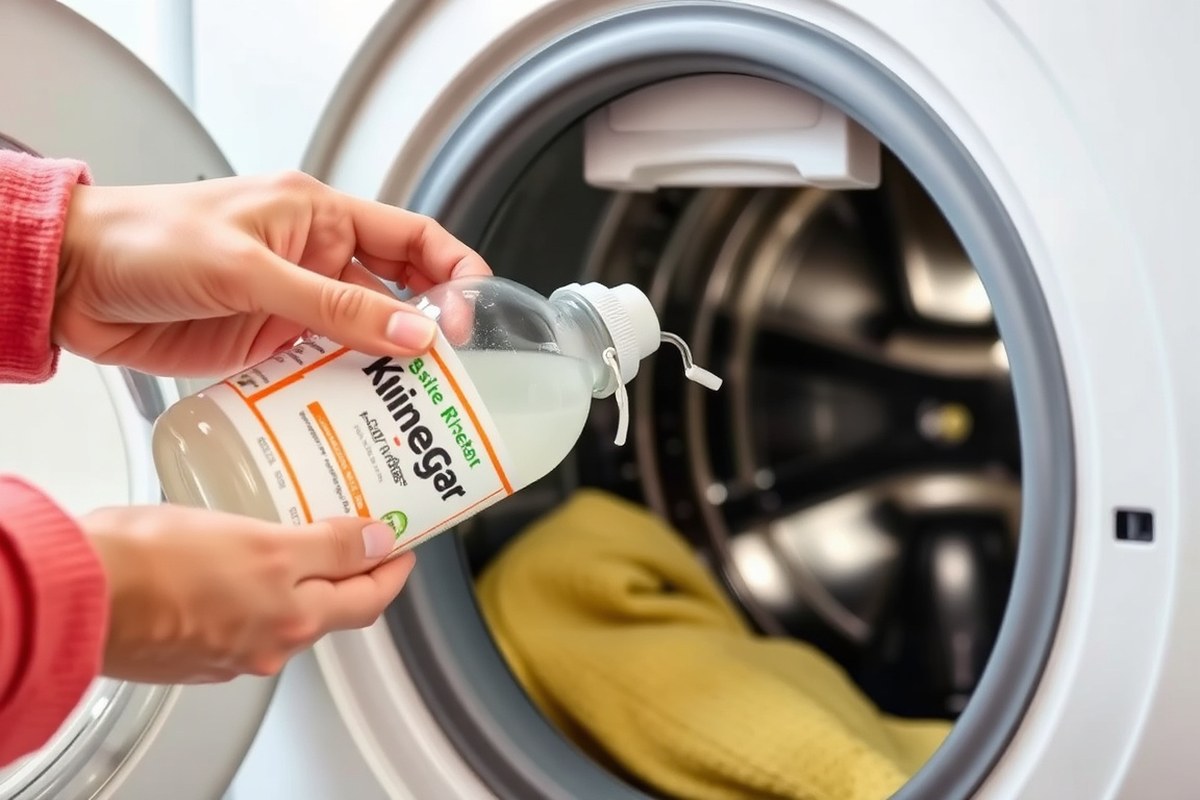
To remove sour smells from your clothes quickly using household ingredients, start by soaking the garments to break down odor-causing residues. White vinegar works well as a natural disinfectant and deodorizer, while baking soda neutralizes odors and boosts detergent cleaning power. Combining these ingredients with proper washing and drying steps will deliver fresher clothes without harsh chemicals. Here is a practical step-by-step process you can follow right now to eliminate sour smell fast:
- Separate sour-smelling clothes from your regular laundry load to focus treatment on the affected items.
- Prepare a soak solution by mixing equal parts white vinegar and cool water in a large basin or tub. For typical loads, aim for about 2 cups vinegar and 2 cups water.
- Submerge the sour-smelling clothes fully and let them soak for 30 minutes. This helps kill mildew and loosen odor-causing substances embedded in the fabric.
- Remove the clothes and place them into your washing machine. Add your usual detergent along with 1 cup of baking soda directly into the drum or detergent compartment. Baking soda improve detergent effectiveness and neutralizes lingering smells.
- Run a wash cycle using warm water based on your clothing care labels. Warm water supports odor removal without damaging most fabrics.
- Add an extra rinse cycle if your machine allows. This step flushes out any leftover vinegar or baking soda, preventing residue buildup.
- Dry clothes thoroughly. Use a dryer on the recommended heat setting or hang them outside in sunlight if possible. Complete drying is critical to avoid mildew growth, which causes sour odors.
Optional: Before washing, you can sprinkle baking soda directly on small, affected areas and let it sit for 30 minutes, then brush off gently and proceed with washing. This helps treat stubborn spots without soaking the whole garment.
This method is cost-effective and uses common items found in most homes. White vinegar typically costs around $3-$5 per gallon, and baking soda is usually under $2 per box, making this a low-cost solution. Expect sour smells to fade completely after one full treatment and drying, but very strong odors may need repeating.
Avoid letting wet clothes sit in the washer for long periods, as moisture encourages sour mildew smells. Always transfer laundry promptly to dry. Using these steps ensures your clothes smell fresh quickly and reduces the chance of odors returning.
2. Why Do Clothes Develop Sour Smells?
Sour smells on clothes mainly come from bacterial growth on damp fabric. When clothes stay wet or damp too long, bacteria multiply quickly, causing that sour milk or mildew-like odor. For example, wet clothes left inside a washing machine for several hours or overnight give bacteria the perfect environment to grow. These microorganisms feed on body oils, sweat, and even detergent residues, producing unpleasant smells as byproducts.
Mildew or mold also contributes to sour odors, especially if damp clothes are stored in dark, poorly ventilated places. Mildew spores flourish in moist fabric left to dry slowly or not at all. Thick fabrics that absorb water easily, like towels or sweatshirts, tend to hold moisture longer, increasing mildew risk. Clothes that stay wet for a whole day without proper drying almost always develop a musty, sour smell.
Using too little detergent plays a part, too. Insufficient detergent fails to break down and remove body oils and dirt, allowing bacteria to thrive. On the other hand, overloading your washing machine prevents clothes from moving freely, so water and detergent don’t circulate well. This leads to areas where moisture and residues build up, encouraging bacterial growth. Both conditions can leave a sour odor after washing.
In low-water washers, like high-efficiency models, less water can leave detergent and soil trapped in fabrics, making odor problems worse. Combined with leaving wet laundry sitting in the machine for hours, this creates the ideal environment for bacteria and mildew.
Drying practices also matter a lot. Not allowing enough airflow when drying prevents moisture from evaporating quickly, encouraging bacteria and mildew to grow. Hanging clothes indoors in a humid room, or piling damp clothes into baskets without air circulation, increases sour smell risk. Proper drying means clothes should feel completely dry within a few hours. If they stay damp overnight, sour smells can develop.
Always remove clothes from the washer promptly and dry them thoroughly to stop bacteria and mildew growth that cause sour odors.
3. Which Fabrics Are Most Prone to Sour Odors?
Some fabrics hold sour odors more stubbornly than others, mainly due to their fiber content and structure. Synthetic fabrics like polyester and nylon retain odor-causing bacteria better than natural fibers such as cotton and silk. This happens because synthetic materials trap moisture and sweat, creating a breeding ground for bacteria, which leads to persistent sour smells. Thick fabrics, like towels, tend to absorb water deeply and dry slowly, increasing the chance of sour odors if not dried properly. Delicate fabrics require gentle handling to avoid damage during odor removal.
For each type of fabric, you need cleaning approaches tailored to their characteristics. Washing synthetic fabrics in hot water can sometimes damage them, so warm water combined with thorough drying is preferable. For towels and other thick fabrics, a longer wash cycle with extra rinse and high heat drying helps remove trapped moisture and odors. With delicate fabrics like silk, cold water wash and mild detergent prevent fabric damage while still targeting odors.
The table below shows common fabrics, why they hold odor, and specific cleaning advice. These steps improve results and reduce the risk of damaging your clothes or leaving the smell behind.
| Fabric Type | Why It Holds Odors | How to Treat |
|---|---|---|
| Polyester & Nylon | Traps sweat and bacteria more easily | Wash in warm water; use enzyme detergents; air dry thoroughly or tumble dry low to medium heat |
| Cotton | Breathable, less odor retention | Wash in hot water when possible; use regular detergent; dry completely, preferably in sun |
| Towels & Thick Fabrics | Absorbs water inside fibers; slow drying leads to sour smells | Wash on heavy-duty cycle with extra rinse; use warm to hot water; dry on high heat; avoid fabric softener |
| Silk & Delicates | Fragile fibers, prone to damage from heat and harsh chemicals | Wash in cold water with mild detergent; hand wash or delicate machine cycle; air dry flat or hang dry |
Determining the right water temperature saves your fabrics while removing sour odors. High heat can fade or shrink delicate fabrics but is helpful for thick towels. Enzyme detergents work well on synthetic fibers because they break down oil and sweat that cause odors. Avoid putting damp fabrics in the laundry basket or drawers, as residual moisture weakens cleaning efficacy and encourages sour smell development. Proper drying speed and thoroughness makes a big difference, especially for thick and synthetic fibers that trap moisture.
4. How to Use Baking Soda and Vinegar Properly in Laundry
Use baking soda and vinegar separately during different laundry phases to avoid neutralizing their effects. Add baking soda to the wash cycle to boost detergent performance and cut odors, then pour vinegar during the rinse cycle to remove residues and lock in freshness. This method is safe for most fabrics and washers when you follow recommended amounts and timing.
Baking Soda Usage Tips
Adding baking soda improve your detergent’s ability to break down odor-causing buildup. Use between ½ cup and 1 cup depending on the severity of the sour smell. Baking soda works best in the wash cycle mixed directly with your detergent.
- Add ½ cup of baking soda for light odor removal.
- Use a full 1 cup for clothes with strong sour smells.
- Mix baking soda with detergent before pouring it into the machine to ensure even distribution.
Baking soda’s alkaline nature neutralizes acids and odors. Using it regularly can keep your laundry smelling fresh and reduce the need for heavy fragrances. Avoid adding too much, as excess baking soda can leave residues on fabrics or in your washer.
White Vinegar Usage Guidelines
White vinegar acts as a natural deodorizer and residue remover during the rinse cycle. Adding vinegar helps eliminate detergent leftovers that cause sour smells and softens fabrics without coating fibers like traditional softeners.
- Pour ½ cup to 1 cup of white vinegar into the rinse cycle dispenser or directly into the rinse water.
- Use ½ cup if odors are mild to moderate.
- Increase to 1 cup for heavy or persistent sour smells.
Vinegar should never be used in the wash cycle with detergent. Acidic vinegar mixed with detergent can reduce cleaning power and neutralize each other. Only add vinegar during rinse cycles to safely reap its benefits without damaging fabrics or washers. It is gentle enough for most washable materials but avoid use on delicate fabrics like silk or acetate without checking care labels.
Safe Combinations and Timing
Don’t mix baking soda and vinegar directly in the machine or in a container before adding to laundry. Their chemical reaction neutralizes both agents, making them less effective. Space them out by using baking soda in the wash and vinegar in the rinse. This staged approach lets each ingredient work during optimal parts of the laundry cycle.
- Load your laundry into the washing machine.
- Measure ½ cup to 1 cup of baking soda and add it directly to the wash drum or detergent compartment along with your usual detergent.
- Run the wash cycle as usual with warm or cold water per fabric care instructions.
- When the wash cycle completes and the machine enters the rinse phase, add ½ cup to 1 cup of white vinegar to the fabric softener dispenser or directly to the rinse water.
- Let the rinse cycle finish, allowing vinegar to deodorize and soften clothes.
- Remove laundry promptly and dry according to fabric guidelines.
- For extra odor removal, adding a second rinse cycle with additional vinegar can help, but this is optional and uses more water and time.
This method is safe for most top-loaders and front-loaders unless your machine’s manual prohibits vinegar use. Avoid using vinegar on rubber seals or metal parts frequently without wiping afterward, as vinegar’s acidity can wear down these components over time. Check garment tags to confirm tolerance for these additives, especially on delicate or specialty fabrics.
5. Other Effective Odor Removal Methods to Try
Several alternative methods can help tackle sour smells in clothes beyond traditional laundry detergents. Using hydrogen peroxide targets both odors and stains, essential oils offer a natural boost to freshness, and freezing or odor-absorbing products provide additional ways to neutralize persistent smells. Each approach has specific steps to ensure safety and effectiveness.
Hydrogen Peroxide Treatments
Hydrogen peroxide works as a mild bleach and disinfectant that removes odor-causing bacteria and stains. Use a 3% hydrogen peroxide solution, which is widely available and safe for most fabrics if applied correctly. It breaks down organic matter causing sour smells, improving both hygiene and smell in one step.
To treat sour odors, add half a cup of 3% hydrogen peroxide to your washing machine along with your regular detergent. For hand washing, mix one part hydrogen peroxide with two parts water and soak smelly clothes for about 30 minutes before rinsing thoroughly. Test on a hidden area first to check for colorfastness, especially on dark or delicate fabrics.
- Use only 3% hydrogen peroxide, never higher concentrations without expert advice
- Avoid mixing hydrogen peroxide with vinegar or bleach to prevent harmful reactions
- Do a patch test to avoid fabric damage or discoloration
- Allow clothes to rinse well to remove any residual peroxide
- Use gloves when soaking to protect sensitive skin
- Limit soaking time to 30 minutes to avoid weakening fibers
- Store hydrogen peroxide in a cool, dark place to maintain effectiveness
Hydrogen peroxide can bleach fabrics, so always check a small area first before treating the entire garment.
Essential Oils and Natural Boosters
Essential oils do not chemically remove sour smells but can effectively mask or complement odor removal by adding a fresh scent. Oils like lavender, tea tree, eucalyptus, and lemon have mild antimicrobial properties, which help reduce odor-causing bacteria. Adding a few drops to your laundry rinse or into a spray bottle for post-wash refreshing can boost freshness.
To use essential oils, add about 5 to 10 drops to your fabric softener compartment or dilute in water and spray clothes before drying. Avoid applying undiluted oils directly to fabric to prevent staining. Essential oils cost between $10 to $20 per bottle on average, making them an affordable natural option to improve laundry smell.
- Add 5-10 drops of essential oil per load in the washer’s rinse cycle
- Mix oils with water in a spray bottle (roughly 10 drops per 8 ounces) for fabric refreshers
- Use antimicrobial oils like tea tree for better odor control
- Test on small clothing areas for possible staining before use
- Combine essential oils with odor-eliminating detergents for best results
Essential oils help mask odors but don’t replace proper washing; use them as a complementary step for fresh-smelling clothes.
Freezing and Odor Absorbing Techniques
Freezing can reduce odors by killing bacteria responsible for sour smells on clothes. Place clothes in a sealed plastic bag and freeze for 24 to 48 hours. This method works best for delicate fabrics that can’t be washed frequently but doesn’t replace washing. After freezing, air out the clothes to remove any remaining dampness.
Odor-absorbing products such as activated charcoal, baking soda pouches, or commercial laundry odor absorbers neutralize smells by capturing odor molecules. Use these products alongside proper washing to maintain freshness. Place sachets in drawers, wardrobes, or laundry baskets to keep stored clothes smelling clean longer.
- Seal clothes in plastic bags and freeze for 24, 48 hours to kill odor bacteria
- Allow clothes to air out before wearing after freezing
- Use activated charcoal pouches in closets or wardrobe drawers
- Keep baking soda-filled sachets in storage areas to absorb moisture and odors
- Choose laundry products labeled “odor eliminator” rather than just “fresh scent”
- Combine odor absorbers with regular wash cycles for persistent smells
Freezing helps reduce bacteria but doesn’t remove oils or dirt that cause sour smells, so washing is still necessary afterward.
6. How to Prevent Sour Smell in Laundry Long-Term
Preventing sour smells in your laundry starts with proper washing machine care, drying habits, detergent use, and storage. Regularly cleaning your washing machine prevents mold, mildew, and bacteria buildup, which are common sources of foul odors that can transfer back onto your clothes. Aim to clean the machine every one to two months by running a hot water cycle with a washing machine cleaner or 1 cup of white vinegar. Wipe down the drum, gasket, and detergent drawer to remove lingering residue.
Drying your clothes thoroughly is critical to avoid sour smells. Damp clothes promote mildew growth and musty odors. Whenever possible, air dry clothes outdoors in direct sunlight or in a well-ventilated room for 24 hours. If using a dryer, select a high heat setting appropriate for the fabric to ensure complete drying. Avoid leaving washed clothes sitting wet in the machine, as moisture trapped in the drum can encourage bacteria and smell buildup.
Using the right amount of detergent can also help prevent odors. Excess detergent leaves residue on fabrics and inside the machine, creating a breeding ground for bacteria. Follow detergent packaging instructions closely, generally, for an average load, use about 2 tablespoons of liquid detergent. Using too little detergent can hinder cleaning; too much can cause buildup. Consider fragrance-free or antibacterial detergents if you are prone to odor issues.
- Clean your washing machine every 1-2 months with a hot cycle and white vinegar or a machine cleaner
- Wipe the drum, door seal, and detergent drawer to remove residue and prevent mold
- Dry clothes fully before storing, preferably air dry outdoors or in a ventilated area for 24 hours
- Use the detergent amount recommended for your load size, usually about 2 tablespoons for standard loads
- Remove clothes promptly after washing to prevent dampness in the drum
- Choose detergent formulas suited for your water hardness and fabric types to optimize cleaning
Storage plays a role, too. Ensure clothes are clean and completely dry before folding or hanging them in your closet. Store them in a dry, temperature-controlled environment to avoid introducing moisture. Poor ventilation in closets encourages musty smells. For items worn frequently, washing regularly and rotating wardrobe pieces minimizes odor buildup.
7. When Sour Smells Persist: Troubleshooting Common Mistakes
Sour smells often persist because of common laundry mistakes that reduce the washing process’s effectiveness. Overloading the machine limits water and detergent circulation, so clothes don’t get cleaned well. Wash cycles set at low temperatures also fail to kill odor-causing bacteria, especially on fabrics worn close to the skin. Using too little detergent or detergent without enzymes designed for breaking down oils and bacteria can leave residues that encourage sour odors.
Fixing these problems requires simple adjustments. Avoid stuffing the washing machine to capacity; fill it only about 75% and allow space for clothes to move freely. Set your wash cycle to run in hot water when fabric care labels allow; water temperatures of 130°F to 140°F are best for killing bacteria. Use a detergent with enzymes to break down body oils and sweat, improving odor removal. Sour smells that remain after washing require rewashing before drying; drying alone won’t remove odors and might make them permanent.
- Load laundry no more than three-quarters full to ensure thorough cleaning.
- Use hot water cycles (130°F to 140°F) for odor-prone fabrics that can tolerate heat.
- Choose detergents with enzymes that target sweat and oil residues.
- Repeat washing if sour odor remains before using the dryer.
- Avoid under-dosing detergent; follow label instructions precisely.
- Leave washed clothes to dry completely in fresh air or a well-ventilated area.
- Inspect your washing machine regularly for build-up that can cause odors.
Sometimes, clothes hold sour odors permanently, especially if bacteria or mildew deeply penetrated the fabric. This often happens when clothes are left damp too long or have been through multiple unsuccessful washings. Thorough washing using high temperatures, enzyme detergents, and odor removers might fail to eliminate smells, signaling it could be time to discard those items. Continuing to wash clothes with set-in sour smells can lead to recurring odor problems that affect other laundry loads.
Consistently following these corrective steps keeps your laundry fresh and avoids repeated odor issues. The cost is minimal, mainly using the right detergent and following correct machine loading and settings. Effective results look like clothes that smell clean right after washing and drying. Clothes that remain sour after multiple washes likely need retirement to keep your laundry smelling fresh overall.
8. How Washing Machine Maintenance Influences Laundry Smell
Washing machine maintenance plays a key role in preventing sour smells on clothes. A buildup of bacteria, mold, and mildew inside the drum, gasket, or detergent dispenser can cause persistent odors that transfer to your laundry. Regularly cleaning your washer helps eliminate these odor sources and keeps your clothes smelling fresh.
Checking for Washer Odor Sources
Identifying the smell’s origin in your washer is the first step. Front-load high-efficiency machines are more prone to mold growth because they use less water and have tighter seals that trap moisture.
- Inspect the rubber gasket around the door for visible mold, mildew, or grime.
- Smell inside the drum and detergent dispenser for any musty or sour odors.
- Check if clothes left inside the washer for hours after washing develop stronger sour smells.
- Look for standing water in the detergent tray or bottom of the drum after a cycle.
Persistent musty odor from the machine often indicates bacteria or mildew are building up inside and need cleaning.
Running Cleaning Cycles Safely
Cleaning your machine regularly removes bacteria and mold that cause sour smells. White vinegar is an effective natural cleaner and deodorizer for this task.
- Set the washer to its hottest water setting and longest cycle.
- Pour 2 cups of white vinegar directly into the drum or detergent dispenser.
- Run the cycle without any laundry inside the machine.
- After the cycle ends, wipe the drum, door gasket, and detergent dispenser with a cloth soaked in vinegar or a mild bleach solution.
- Leave the door open for several hours to allow the interior to dry fully and prevent moisture buildup.
Repeating this cleaning once a month helps maintain a fresh-smelling machine. Commercial washing machine cleaners cost between $5 and $15 and can be used if you prefer a product formulated specifically for this purpose.
Never mix vinegar with bleach inside the machine, this can create harmful fumes.
Preventive Routine Tips
- Avoid leaving wet clothes inside the washer for long periods after a cycle; remove them promptly to prevent sour odors.
- Leave the washer door slightly open after use to promote air circulation and drying.
- Use the correct amount of detergent as excess soap residue can feed bacteria growth.
- Regularly check detergent dispensers and clean out any residue or mold with a vinegar soak.
- Consider wiping down the door gasket weekly to reduce mildew accumulation.
Maintaining good washer hygiene is essential; even the cleanest laundry can smell sour if the machine isn’t properly cared for.
Step-by-Step Action Plan to Eliminate Sour Smell from Clothes
Follow these clear steps to remove sour odors from your laundry quickly and prevent them from coming back.
- Before washing: Sort clothes that smell sour and pre-soak them in a solution of warm water and 1 cup of baking soda for 30 minutes. This helps neutralize the odors before the main wash.
- During washing: Add 1 cup of white vinegar to the rinse cycle along with your regular detergent. This breaks down odor-causing residues and boosts freshness.
- Immediately after washing: Remove clothes from the washer as soon as the cycle ends. A prompt transfer to the dryer or drying line prevents mildew and sour smells.
- Drying phase: Dry clothes thoroughly in a dryer on medium heat or outside in sunlight, as UV rays help kill odor bacteria. Check that fabric is completely dry before storing.
- Weekly habit: Run a cleaning cycle on your washing machine once a week using hot water and 2 cups of white vinegar. This routine stops buildup that causes odors in your machine.
- Monthly maintenance: Wipe down washer seals, detergent dispensers, and door gaskets with a bleach solution monthly to remove hidden mold and bacteria sources.
- Long term: Use detergents formulated for odor removal and avoid leaving damp clothes in the machine for more than an hour.
Frequently Asked Questions
What Household Ingredients Work Best to Eliminate Sour Smells from Clothes?
Baking soda and white vinegar are the most effective household ingredients to remove sour smells from clothes. Baking soda neutralizes odors, and vinegar breaks down the bacteria causing the smell, helping return clothes to fresh-smelling condition.
Can Sour Smells in Clothes Affect Skin or Health?
Yes, sour smells in clothes often signal bacterial or mildew growth which can irritate skin or cause allergic reactions. It’s best to wash clothes thoroughly and dry them completely to avoid potential health risks.
Does the Water Temperature Affect Sour Odor Removal in Laundry?
Using hot water can help kill bacteria causing sour smells, but it depends on fabric care instructions. For sturdy fabrics, warm or hot water improves odor removal, while delicate fabrics require cooler water to avoid damage.
How Often Should You Clean Your Washing Machine to Prevent Sour Laundry Smells?
Cleaning your washing machine once a month helps prevent bacteria buildup that causes sour smells in laundry. Run a cleaning cycle with vinegar or a washing machine cleaner to keep the machine fresh.
Can Fabric Softeners Contribute to or Reduce Sour Smells in Clothes?
Fabric softeners do not eliminate sour smells and can sometimes trap odors in fabric. It’s better to focus on proper washing and drying for smell removal rather than relying on softeners.
Is It Normal for Some Workout Clothes to Retain Sour Odors Even After Washing?
Yes, workout clothes with synthetic fibers can trap sweat and bacteria more than cotton, causing lasting sour smells. Using sports-specific detergents and washing promptly helps reduce this issue.
The Bottom Line
Getting rid of sour smells from your clothes relies on consistent cleaning practices and timely drying. Taking care of both your laundry and washing machine ensures fresher clothes every cycle. Start by pre-soaking your smelly clothes today to see quick results and keep sour odors away for good.