
How to Get Rid of Musty Smell in Clothes: 8 Proven Methods That Work
To get rid of musty smell in clothes, start by soaking them in a vinegar and water solution for 30 minutes, then wash as usual. Make sure to dry clothes completely in a well-ventilated area or outside to prevent odor from returning.
This advice is perfect for homeowners and renters facing stubborn musty smells in their laundry. You’ll find practical methods to remove odors effectively and keep your clothes smelling fresh over time.
Key Takeaways
- Use a solution of 2 cups of white vinegar mixed into every gallon of water and soak your clothes for half an hour before washing to eliminate musty smells.
- Pour 1/2 cup of lemon juice into the washing cycle or soak garments in lemon juice for 15 to 30 minutes to brighten and refresh fabrics.
- For strong odors, boil clothes in water for 5 minutes before laundering to kill odor-causing bacteria.
- Air dry clothes outdoors or in a well-ventilated space for at least 24 hours to fully remove musty smells.
- Freeze heavily musty clothes for 2 hours, then hang them outside to defrost and dry before washing.
- Use dryer sheets and leave them in clothes for a full day to add a fresh scent, especially when storing garments.
1. Effective Ways to Remove Musty Smell from Clothes

Removing musty smells from clothes requires a precise washing and drying approach paired with effective household products. Using white vinegar, baking soda, or borax as laundry boosters can neutralize stubborn odors trapped in fabric fibers. These items disrupt odor-causing bacteria and mold spores, which ordinary detergent alone may not eliminate. Adjusting your washing cycle and water temperature improve this effect, while thorough drying prevents scent return.
When washing clothes, aim for the hottest water setting safe for the fabric to more effectively kill bacteria and dissolve odor particles. Adding 1 cup of white vinegar, baking soda, or borax directly into the washing machine during the wash phase adds deodorizing power. Avoid mixing these additives all at once; choose one per wash to prevent unwanted reactions. In case of strong mildew smells linked to body oils and sweat, enzyme-based cleaners provide targeted odor breakdown.
Drying plays an equally important role. Completely drying clothes in fresh air or sunlight helps eliminate residual moisture and odors trapped in the fabric. Sunlight adds a natural antibacterial effect. Never dry musty clothes in a damp or poorly ventilated space, as this encourages mold growth and intensifies the smell.
- Sort clothes by fabric type and check care labels to ensure high heat is safe for washing and drying.
- Load washer without overpacking to allow water and additives to circulate freely.
- Add 1 cup of white vinegar, baking soda, or borax to the wash water. White vinegar is great for odor neutralization, baking soda absorbs smells and softens fabrics, and borax boosts the detergent’s cleaning power.
- Set the washing machine to the hottest water temperature safe for the fabric and select a longer cycle if possible to boost cleaning and odor removal.
- Run an extra rinse cycle to make sure all vinegar or baking soda residues are washed out, preventing potential fabric damage or lingering smells.
- Dry clothes completely outdoors in sunlight or indoors with strong airflow. Avoid putting slightly damp clothes in the dryer or hamper.
- Repeat the process if the musty odor persists, considering enzyme cleaners especially for sweat-related mildew smells.
Bleach can remove musty smells but use it with caution. Only apply it on whites or colorfast fabrics following label instructions, sparingly, as overuse may damage fibers. Borax and enzyme cleaners are generally safe for most fabrics and provide effective odor removal without harsh chemicals. Baking soda also works well as a dry powder deodorizer, sprinkle it on dry clothes before washing or to freshen stored garments.
2. Why Clothes Develop a Musty Smell
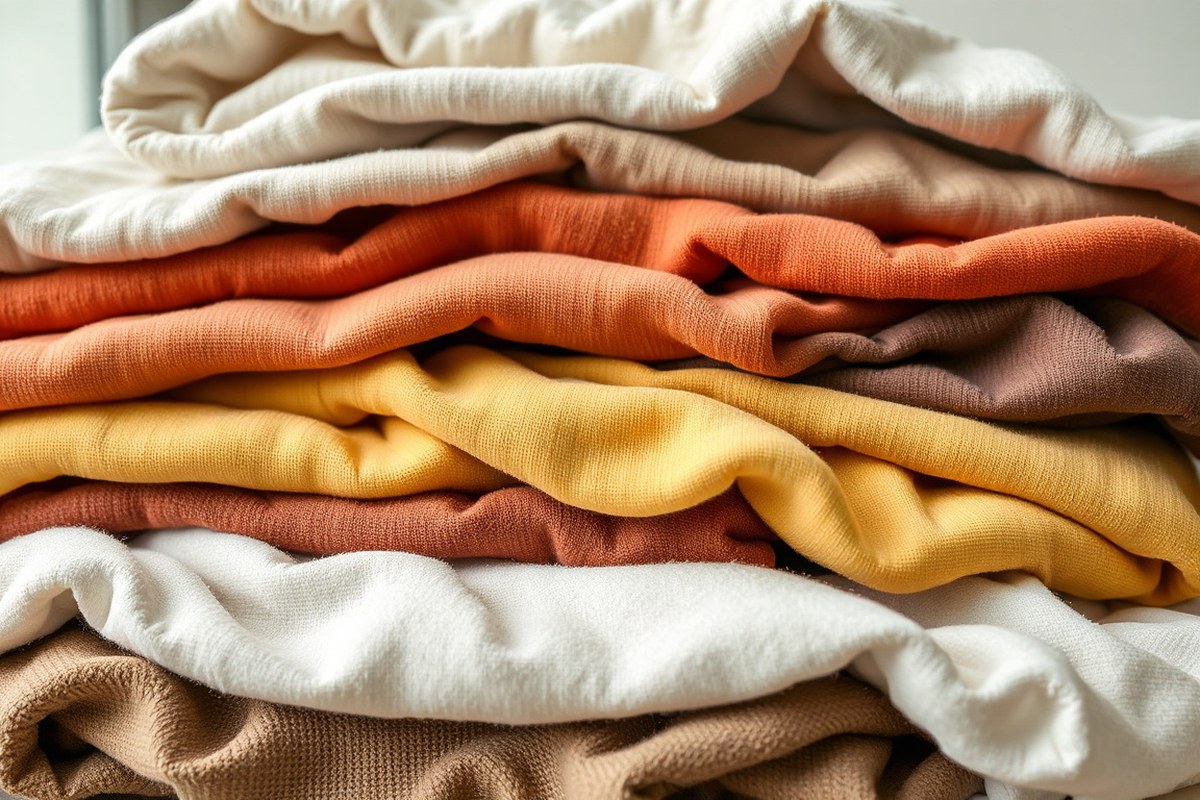
Musty smells in clothes usually come from moisture left behind in the fabric. When clothes stay damp for too long, either after washing or from humidity, they create an environment where bacteria, mold, and mildew can grow. These microbes produce odors that stick around even after you try to wash them out. Fabrics are like sponges that trap water, and if the air doesn’t circulate well, that dampness can’t evaporate. This is why clothes stored in humid or closed spaces often develop that musty scent.
Washing habits also play a big role in whether clothes smell fresh or musty. Using too much detergent leaves behind soap residue that traps dirt and moisture. This residue becomes food for odor-causing bacteria and mildew, worsening the smell over time. On the other hand, washing clothes thoroughly in hot water when fabric care labels allow helps kill these microbes and rinse away buildup. Letting clothes sit inside the washing machine after a cycle is complete keeps them damp longer, encouraging mildew growth right on the fabric.
Storage conditions dramatically affect how clothes smell after they’re clean. Storing garments in closets or drawers where air flow is poor and humidity is high can reintroduce moisture and encourage mold and mildew spores to settle. These spores differ slightly from general mustiness because they physically grow on the fabric fibers. Mildew tends to produce a sour, sharp smell, while general mustiness is softer but persistent. Preventing mildew requires keeping storage areas dry and well ventilated, as well as ensuring clothes are completely dry before putting them away.
Mold and mildew are types of fungi that thrive in moist environments. Mildew usually looks like a flat, powdery patch on fabric and smells musty or sour. Mold is more likely to appear fuzzy and gives off a stronger, more pungent odor. Both grow when organic matter, like dirt or skin oils on clothes, combines with trapped moisture. Removing these smells needs not only thorough washing but also drying and airing clothes completely.
Always remove clothes from the washing machine promptly and dry them fully to stop musty odors from forming or returning.
In summary, musty smells develop because moisture combines with bacteria, mold, or detergent residue in fabric. Washing clothes properly, using the right amount of detergent, washing on appropriate settings, and avoiding leaving damp clothes sitting, helps avoid odor buildup. Proper drying and storage in dry, airy spaces prevent microbes from growing later. When clothes stay damp or are stored in humid places, trapped moisture feeds these microbes, causing that persistent musty smell you want to avoid.
3. Laundry Stripping: Deep Cleaning Stubborn Odors
Laundry stripping is a deep-cleaning process that removes stubborn musty smells and buildup from clothes that regular washing cannot eliminate. It works by soaking garments in a hot water solution with specific detergents and additives that break down dirt, oils, and residue trapped in the fabric. Use this method only for sturdy fabrics like cotton or synthetic blends, avoiding delicate or dry-clean-only items to prevent damage.
Preparing the Stripping Solution
The key to effective laundry stripping is the right combination of cleaning agents. You’ll need hot water, unscented detergent, washing soda, and borax to create a powerful soaking bath. Hot water helps dissolve residues, while washing soda and borax cut through buildup and neutralize odors without harsh bleaches.
Fill a large tub or basin with enough hot water at about 140°F (60°C) to fully submerge your clothes. Add ¼ cup of unscented liquid detergent, ¼ cup of washing soda, and ½ cup of borax. Stir well to dissolve everything completely before placing your fabrics inside. This mixture targets oil, sweat, and mildew that cause the musty smell.
Soaking and Agitating Clothes Safely
Once your solution is ready, place the clothes carefully into the tub and make sure they are fully submerged. Let them soak to allow the cleaning agents to break down buildup deeply embedded in the fibers. To optimize results, gently stir the clothes every 30 minutes, ensuring the solution reaches all areas uniformly.
- Submerge the clothes completely in the hot stripping solution.
- Soak the clothes for 4 to 6 hours, stirring or agitating gently every 30 minutes.
- Watch for heavily soiled or very musty items that may require repeating the soak once.
- Avoid scrubbing or twisting delicate fabrics during this process to prevent damage.
For thicker items such as towels or gym clothes, the soaking time may extend closer to 6 hours. Thin or lightly soiled garments will do well with 4 hours. Stay within this range to avoid weakening fabrics or fading colors.
Rinsing and Drying for Best Results
After soaking, rinse clothes thoroughly to remove all residues left by the stripping solution. Use cool or lukewarm water and rinse several times until the water runs clear. This step is important for preventing any detergent buildup that might create new smells or skin irritation.
Dry the clothes immediately after rinsing, preferably outdoors in fresh air and direct sunlight. Sunlight helps deodorize fabrics and reduces moisture that causes musty odors. If drying outdoors isn’t possible, hang them in a well-ventilated room for at least 24 hours.
- Rinse each item under running water or in a clean basin until no suds remain.
- Wring out excess water gently for sturdy fabrics without twisting.
- Hang clothes on a clothesline or drying rack in sunlight if possible.
- Allow at least 24 hours for thorough drying to prevent any returning odors.
Delicate fabrics that can’t tolerate prolonged soaking are generally not suitable for laundry stripping, as the process involves extended exposure to hot water and alkaline additives. Test new fabrics on a small area before full soaking to avoid damage.
4. How Drying Methods Impact Musty Odor Removal
Drying methods significantly affect how well you can remove and prevent musty smells in clothes. Sunlight’s UV rays help kill mold spores and freshen fabrics naturally. Machine drying works best when outdoor conditions are damp or cold, but improper settings or added dryer sheets may trap odors. Proper ventilation and avoiding high humidity during drying reduce mildew growth that causes mustiness.
Air Drying Outdoors vs. Indoors
Air drying outside is often the most effective way to eliminate musty odors because sunlight’s ultraviolet rays kill bacteria, mold, and mildew spores left on your clothes. Choose a clothesline or drying rack placed in direct sunlight with good airflow for several hours until completely dry. This fresh air and sun exposure leave your clothes smelling cleaner naturally without chemicals.
Indoor air drying is less reliable for odor removal since it lacks UV rays and often involves lower airflow. If you must dry clothes indoors, place them in a well-ventilated room near an open window or fan to reduce humidity. Avoid piling clothes tightly, as stagnant air encourages mildew growth, which worsens mustiness rather than improving it.
Using a Dryer: Settings and Best Practices
Tumble drying on a high heat setting after washing is effective at killing mold spores and drying clothes thoroughly, which removes musty smells. To maximize odor removal, wash first using the hottest water suitable for fabric, then dry completely in the machine. Delay transferring damp clothes to the dryer to prevent mold from developing.
Using scented dryer sheets with musty clothes can trap odors and dust mites, worsening the smell rather than removing it. Instead, consider skipping sheets or use odor-neutralizing laundry additives during washing. Running an extra rinse cycle also helps rinse out mold spores and detergent buildup that contribute to odors.
Humidity and Ventilation Effects
High humidity and poor ventilation create the perfect environment for musty smells and mildew to form on drying clothes. In a poorly ventilated laundry room or during rainy, cold weather, air drying can take too long, allowing mold to develop. Using a dryer or moving clothing to a dry, airy spot helps prevent mildew buildup.
Running exhaust fans or opening windows while drying clothes indoors improves airflow and reduces moisture. Dehumidifiers can also aid by lowering the indoor moisture level to under 50%, slowing mildew growth and musty odors on fabrics you air-dry inside.
| Drying Method | Effect on Musty Odor | Best Use Case | Considerations |
|---|---|---|---|
| Outdoor Air Drying in Sun | Kills mold spores; freshens clothes | Sunny, dry, warm weather | Requires good airflow and time; not suitable when wet/humid |
| Indoor Air Drying | Less effective; risk of mildew if poorly ventilated | When outdoor drying is not possible | Needs open windows/fans to reduce humidity |
| Machine Drying on High Heat | Kills spores; dries quickly to prevent mildew | Humid or cold weather; musty clothes | Avoid scented dryer sheets with musty clothes |
| Using Dryer Sheets | May trap odors, not remove them | For fresh clothes without odors | Skip with musty laundry to avoid worsening smell |
| Ventilation and Dehumidification | Reduces moisture to prevent mildew | Indoor drying areas; humid climates | Use fans or dehumidifiers to improve air quality |
The best results come from matching your drying method to your climate and laundry conditions. Sun drying kills spores and adds freshness, while machine drying ensures thorough drying when outside conditions are poor. Always avoid damp, stagnant air by improving ventilation and controlling humidity to keep clothes smelling clean and free of mildew odors.
5. Preventative Tips to Stop Musty Smells Returning
Washing clothes regularly, ideally after every wear if you sweat or are exposed to dirt, prevents musty odors from settling. Avoid leaving damp clothes in the washing machine or laundry basket longer than a few hours. Dampness encourages mildew growth and causes lingering smells. Use warm water, around 104°F to 140°F (40°C to 60°C), with detergents formulated to combat odors, avoiding scented fabric softeners that can trap smells.
Storing clothes in a dry, well-ventilated space reduces moisture buildup and prevents odors. Using activated charcoal packets can absorb excess moisture and odors effectively. Cedar blocks or balls not only repel insects but also impart a fresh scent that helps keep closets smelling clean. Sachets filled with lavender or other fragrant herbs add a natural, mild fragrance that deters mustiness. Ensure closets and drawers are not over-packed to allow air circulation.
- Wash clothes within 24 hours of use if damp or sweaty.
- Dry clothes completely in sunlight or well-ventilated areas before storing.
- Place activated charcoal or cedar blocks inside closets and drawers.
- Use fragrance-free or odor-fighting detergents; avoid scented softeners.
- Regularly clean the washing machine drum and gasket with vinegar or washing machine cleaner monthly to remove residue and prevent odors.
- Keep storage areas organized and not overcrowded for good airflow.
Leaving damp clothes in the washer overnight can cause a musty smell that’s hard to remove later.
Maintaining the washing machine’s cleanliness is important. Residue from detergents and fabric softeners builds up inside, creating a breeding ground for bacteria and mold that transfer odors to clothes. Run an empty cycle monthly with a cup of white vinegar or a commercial washing machine cleaner on a hot setting. Wipe the rubber door seal, detergent trays, and inside walls regularly to prevent mold growth. Investing about $5 to $15 on cleaning agents can save the cost and effort of re-washing smelly clothes. Clothes stored properly and washed on time typically stay fresher for weeks, reducing the need for repeated laundering and odor treatments.
6. Recognizing When Musty Smell Means Mold or Mildew
Musty odors in clothes often originate from mold or mildew growth, especially if your washer retains moisture or clothes stay damp for too long. You can distinguish mold-related smell because it tends to be stronger, with a sharp, earthy scent compared to the lighter, stale odor of simple mustiness. Check your clothes carefully for visible signs like fuzzy spots or discoloration, often black, green, or white, which indicates mold or mildew presence rather than mere odor.
Fabric damage from mold usually includes weakened fibers that feel rough, brittle, or even develop holes over time. This kind of deterioration happens because mold releases enzymes that break down the material. If you notice these signs alongside the smell, the problem is more advanced and requires urgent attention to prevent permanent damage.
Mold and mildew can pose health risks, especially for those with allergies, asthma, or weakened immune systems. Exposure might trigger respiratory issues, skin irritation, or headaches. It’s important to treat moldy clothes promptly to reduce these risks and improve indoor air quality in your home.
You don’t always have to throw away moldy clothes, but it depends on the extent of the damage. For small stained areas, applying a paste made from baking soda and a little water directly onto those spots and letting it sit for about two minutes can help break down the mold without harming fabric. Then wash with hot water, around 130°F or higher, using a vinegar rinse to kill spores and neutralize odors. Avoid drying clothes before washing if mold is suspected because heat can set stains permanently.
Choose professional cleaning if your clothes show widespread mold spots, if the musty smell persists after thorough washing and drying in sunlight, or if the fabric is delicate and you worry about damage. Professionals have specialized solvents and ozone treatments that are more effective at eliminating mold and recovering damaged fabrics, though costs vary and can run from $20 to over $100 depending on the garment.
In cases where mold contamination is severe or your home environment promotes recurring mold growth, consider mold remediation in your laundry area. This prevents re-infection of your clothes. Monitoring moisture levels, promptly cleaning your washing machine with hot water cycles and vinegar, and drying clothes fully before storage are key to avoiding future mold issues.
7. Choosing the Right Odor Removal for Different Fabrics
Removing musty odor from clothes varies by fabric type because different materials react differently to cleaning agents and drying conditions. Choosing the right approach prevents damage while effectively getting rid of smells. Here’s how to treat cotton, synthetics, and delicates, plus tips for towels and workout wear.
Natural Fibers: Cotton, Wool, Linen
Natural fibers like cotton, wool, and linen absorb moisture and odors easily but generally tolerate more vigorous cleaning. For cotton and linen, washing with warm water and adding ½ to 1 cup of distilled white vinegar improves odor removal without harsh chemicals. Wool is more delicate and responds better to cooler water with gentle detergents or vinegar rinses, avoiding bleach or enzyme cleaners that can harm the fibers.
Sun drying works best for natural fabrics because sunlight’s ultraviolet rays reduce mildew and freshen fibers. Towels, often made from dense cotton, benefit from oxygen bleach treatments like OxiClean added to the wash to combat persistent mustiness safely. Avoid chlorine bleach on wool and linen since it weakens fibers and may cause discoloration.
Synthetic and Performance Fabrics
Synthetics like polyester, nylon, and spandex, especially workout clothes, trap odor molecules differently and require milder treatment. Use warm water with vinegar or baking soda to neutralize smells. Enzyme cleaners help break down sweat-based odors but aren’t ideal for silk or wool.
Sunlight has less effect on synthetics. Machine drying on low heat or air drying indoors helps prevent damage. Avoid bleach or harsh chemicals that can degrade elasticity or cause fading. Presoaking garments in a 1:4 vinegar-to-water mix for 30 minutes can improve odor removal when standard washing doesn’t work.
Delicate Fabrics: Silk, Lace, and Embellished
Delicates such as silk, lace, and embellished materials require the gentlest care to avoid damage. Use cold or lukewarm water with mild detergent and a splash of white vinegar but never chlorine bleach. Enzyme cleaners should generally be avoided on silk and wool since they can break down natural proteins.
Clothes last longer and look better when you wash them by hand and dry them flat or hung in a shaded spot, which helps avoid stretching or fading. For tough smells, you can turn to green dry cleaners that use liquid carbon dioxide; they remove odors without relying on harsh chemicals. Below is a table summarizing odor removal methods by fabric type, including recommended products, water temperature, and drying techniques.
| Fabric Type | Odor Removal Method | Water Temperature | Drying Method | Precautions |
|---|---|---|---|---|
| Cotton, Linen, Towels | 1 cup white vinegar or oxygen bleach (OxiClean) in wash; presoak for 30 mins if needed | Warm (about 90°F, 110°F) | Sunlight drying preferred | Avoid chlorine bleach to prevent fiber damage |
| Wool | Gentle detergent plus vinegar rinse | Cool to warm (below 85°F) | Air dry flat or hang in shade | No bleach or enzyme cleaners |
| Synthetics (Polyester, Nylon, Spandex) | Warm water wash with vinegar or baking soda; enzyme cleaner if needed | Warm (up to 110°F) | Low heat tumble dry or indoor air dry | Avoid chlorine bleach and high heat |
| Delicates (Silk, Lace, Embellished) | Hand wash with mild detergent and splash of vinegar | Cold to lukewarm (below 85°F) | Dry flat or hang in shade | No bleach or enzyme cleaners; consider green dry cleaning |
| Workout Clothes | Presoak in 1:4 vinegar-water, wash warm with vinegar or baking soda | Warm (90°F, 110°F) | Air dry or low heat tumble dry | Avoid harsh bleach, high heat damages elasticity |
Applying these fabric-specific techniques ensures the musty smell is removed without harming your clothes. Using the right water temperature and odor removers, along with proper drying, prevents residue buildup or color loss. Stay alert for fabric care labels and adjust methods accordingly to keep clothes fresh and intact.
8. Extra Tips and Alternative Methods for Persistent Mustiness
Freezing clothes can help reduce odor-causing bacteria but it does not kill them completely. Placing your clothes in a sealed plastic bag and freezing for 24 hours can slow bacterial growth and may reduce musty smells temporarily. This method works best for lightly worn clothes that you want to refresh without washing. For deeper odors, washing or specialized treatments are still necessary.
Vodka and essential oils offer alternative ways to tackle musty smells. Clear vodka works as a natural deodorizer because its alcohol content kills many bacteria. Lightly spray undiluted vodka on your clothes and let them dry fully. Be careful with delicate fabrics to avoid spots. Essential oils like lavender, eucalyptus, and tea tree have antibacterial properties as well. Add 10 to 15 drops of your chosen oil to a spray bottle filled with water, shake, and lightly mist the clothes. This adds a fresh scent and may help reduce odors, but it won’t replace washing.
Some common laundry mistakes make musty odors worse. Avoid leaving damp clothes in the washer for long periods, as moisture encourages bacterial growth. Overloading the washing machine prevents clothes from cleaning thoroughly. Using too much detergent can leave residues that trap smells. Always dry clothes completely before storing, ideally in fresh air or sunlight, as sunlight naturally kills bacteria.
For a quick refresh when washing isn’t an option, lightly spritz clothes with a vodka or essential oil spray, then let them air out thoroughly. You can also hang clothes outside in indirect sunlight for 1 to 2 hours to reduce odors. Using a garment steamer over the fabric may help release some smells as well.
Some situations call for commercial odor removers or professional cleaning. Sprays designed to kill 99 percent of odor-causing bacteria can be applied until clothes are lightly dampened. These sprays usually cost between $8 and $15 and work well on gym clothes, upholstery, and shoes. Persistent or strong mildew smells may require professional laundry services, especially if mold has developed. Professionals use specialized treatments and machines not available to home washers.
- Freeze clothes in a sealed bag for 24 hours to reduce bacteria temporarily.
- Spray undiluted vodka lightly on clothes to kill odor-causing bacteria.
- Add 10, 15 drops of antibacterial essential oil per cup of water, spray lightly.
- Always remove damp clothes from washer promptly and dry fully.
- Avoid excess detergent and overloading the machine.
- Hang clothes outdoors in sunlight for 1, 2 hours to kill bacteria naturally.
- Use commercial odor removers when home methods fail or for quick fixes.
Never spray cleaning sprays or oils on clothes without testing a small hidden area first to avoid stains or damage.
Step-by-Step Action Plan to Remove Musty Smell from Clothes
Follow these steps to remove musty odors effectively and keep your clothes fresh over time.
- Before Washing: Separate musty-smelling clothes from other laundry to prevent odor transfer. Inspect fabric labels to choose safe cleaning methods.
- Day 1 – Laundry Stripping: Prepare a laundry strip soak using hot water, a small amount of detergent, and washing soda. Soak clothes for 4 to 6 hours, then rinse thoroughly. You’ll know it worked if the musty smell is noticeably reduced or gone.
- Day 1 – Washing: After stripping, wash clothes on the hottest water setting safe for the fabric with a detergent designed for odor removal. Check that no smell remains once dry.
- Immediately After Washing: Dry clothes outside in direct sunlight or use a dryer on the highest suitable heat setting. Sunlight helps kill mold spores and freshen fabrics.
- Daily Use: Store clothes in a dry, well-ventilated area. Use moisture absorbers like silica gel packets to prevent mildew growth.
- Weekly: Air out clothes by hanging them in sunlight or a breezy spot to maintain freshness.
- Monthly Check: Inspect storage spaces and clean laundry baskets or hampers to avoid odor buildup.
- When Smell Returns: Repeat laundry stripping or add odor-neutralizing additives to your regular wash to fight persistent mustiness.
Frequently Asked Questions
How Do I Remove Musty Smell from Clothes Without Washing?
Sprinkle baking soda on dry clothes and let them sit overnight to absorb odors, then shake out the powder. This method helps freshen clothes when washing isn’t an option.
Can Boiling Water Help Get Rid of Moldy Smell on Clothes?
Yes, boiling water can kill mold spores causing the smell. Place clothes in boiling water briefly, then wash normally to remove mold and musty odors.
Is Borax Safe and Effective for Removing Musty Smells from Clothes?
Borax is effective for deodorizing and cleaning clothes, breaking down odor-causing residues. Follow package instructions and avoid using on delicate fabrics to ensure safety.
Can Dryer Sheets Prevent Clothes from Developing Musty Smells During Storage?
Yes, placing dryer sheets in storage areas or laundry bins can help prevent musty odors by adding a fresh scent and repelling moisture to some extent.
How Often Should I Wash Clothes to Avoid Musty Smells?
Washing clothes at least every two weeks helps prevent mildew and musty smells by removing sweat and bacteria before they build up.
What’s the Best Way to Dry Clothes to Avoid a Musty Smell?
Dry clothes completely in bright sunlight or a well-ventilated area; damp clothes encourage mildew growth and the musty smell returns.
Final Thoughts
Removing musty smells from clothes is manageable with the right cleaning and drying steps. Consistently airing out and properly storing your garments keeps them fresh longer. Start by tackling one load with laundry stripping and watch your clothes regain their clean scent.