How Long Does Dry Cleaning Take: Detailed Timelines and Factors Explained
Dry cleaning usually takes between 24 and 48 hours for common garments like suits, dresses, and jackets. Some items, such as leather and fur, require up to two weeks to clean properly due to their delicate materials. Express services can shorten the wait to as little as 6 to 12 hours, depending on your cleaner’s workload and policies.
This information helps customers understand typical turnaround times and factors that influence how long does dry cleaning take. It also guides you on what to expect based on garment type and service speed, so you can plan accordingly for your next dry cleaning visit.
Key Takeaways
- Standard dry cleaning for daily wear usually finishes within 1 to 2 days.
- Leather, suede, and fur items need up to two weeks for safe cleaning.
- Express dry cleaning can be done in 6 to 12 hours but may cost more.
- Garment complexity and fabric type strongly affect cleaning duration.
- Heavily stained clothes require extra treatment time beyond standard cleaning.
- Large order volumes at the cleaner can extend typical turnaround times.
How Long Does Dry Cleaning Usually Take for Common Garments

Dry cleaning most everyday garments like suits, dresses, pants, and coats generally takes between 24 and 48 hours. This timeframe fits well for common items such as blouses, shirts, skirts, and jackets. Many dry cleaners offer a normal turnaround of about two to three days, but some can provide same-day service if you drop off early enough in the morning. This faster option is more common for simpler pieces like dress shirts and trousers.
Turnaround varies because different garments require different care. For example, delicate fabrics or clothing with heavy stains need extra treatment time. Heavier or intricate items like winter coats or wedding dresses typically take longer, up to one or two weeks in some cases. Suits and full formalwear usually fall between 2 to 5 days, depending on complexity and the cleaner’s workload. Here’s a breakdown to help you anticipate how long your clothes will likely take at most dry cleaners:
| Garment | Typical Turnaround | Rush Available? |
|---|---|---|
| Dress shirts | Same day to 1 day | Yes, at most cleaners |
| Suit jacket or trousers | 2 to 3 days | Yes, usually next day |
| Full suit | 3 to 5 days | Yes, 1, 2 days for extra cost |
| Winter coat or overcoat | 3 to 7 days | Sometimes, depends on cleaner |
| Wedding dress or formal gown | 1 to 2 weeks | Rarely, too delicate to rush |
Most customers find that regular business days yield a 1 to 3 day wait. Dry cleaning shops tend to hold things longer during busy periods or if special treatments for tough stains or delicate fabrics are needed. If you want dry cleaning done in one day, ask about express or same-day services when you drop off your items. These services often cost more and depend on the cleaner’s schedule, but they are quite common for dress shirts and lighter garments.
Why Do Certain Garments Take Longer to Dry Clean?

Leather, suede, wedding dresses, and fur take longer to dry clean because they need special solvents, careful handling, and additional steps. These materials are delicate or structured, requiring more time to preserve their quality and prevent damage during cleaning.
Special Solvents for Natural and Delicate Fabrics
Leather, suede, and fur use natural oils and textures that water or regular dry cleaning solvents can damage. These fabrics require specialized solvents different from the usual perchloroethylene used on standard garments. For example, leather and suede often need hydrocarbon-based or silicone-based solvents, which clean gently but take longer to apply and remove. This extra care extends the dry cleaning process to about one to two weeks, compared to the usual one to three days for normal fabrics.
This longer timing ensures the solvent fully penetrates the material without harming natural oils or fibers. After cleaning, leather and suede often must rest to reabsorb conditioners that keep the fabric supple, adding to the timeline.
Delicacy and Fabric Structure Influence Cleaning Time
Wedding dresses often have delicate fabrics like silk, tulle, lace, and heavy embellishments that can easily be damaged by harsh chemicals or rough handling. Cleaning these items involves multiple gentle steps, such as spot cleaning stains by hand before the main solvent wash. The fabric’s complexity means it also takes longer to dry and press without ruining the shape or decorative details.
Fur garments require similar delicacy. Their pelts can lose natural oils if mishandled, so cleaners add conditioning after solvent cleaning and carefully fluff fur to avoid matting. These extra processes add days to the cleaning compared to regular clothes.
Extra Steps in Specialty Garment Cleaning
Wedding dresses often undergo stain testing and spot treatment before cleaning. This step ensures delicate fabrics do not get damaged by a wholesale wash. The dress may also require steaming or reshaping after cleaning to restore its original form. These specialty treatments add anywhere from several hours to several days depending on the dress’s condition.
Leather and suede require drying in controlled environments, sometimes with temperature regulation to prevent cracking. Fur garments receive a conditioning and grooming step, which can take up to several days to complete properly. These specialty steps are often manual and can extend the total turnaround time from a standard two to three days to a week or more.
When Quality and Safety Extend Timing
The decision rule for the dry cleaning time usually depends on the garment type and fabric fragility. For instance, standard garments like cotton shirts usually take 24 to 48 hours. In contrast, leather jackets or wedding dresses should be expected to take a week or longer. This extra time relates to the importance of gentle handling and thorough finishing steps to avoid damage and maintain garment quality.
Expect clothes that require specialist care to come back with improved longevity and appearance but with a longer wait. Rushing these processes may compromise fabric integrity or result in incomplete cleaning.
Never skip asking your cleaner about turnaround time for specialty items and avoid last-minute cleaning to prevent disappointing delays.
Key Factors That Affect Dry Cleaning Turnaround Time
The time it takes to complete dry cleaning depends on several key factors including the type of stains, the fabric involved, the dry cleaner’s current workload, and any additional treatments required. Each of these elements can either speed up or extend the turnaround time significantly.
Impact of Stain Type and Treatment
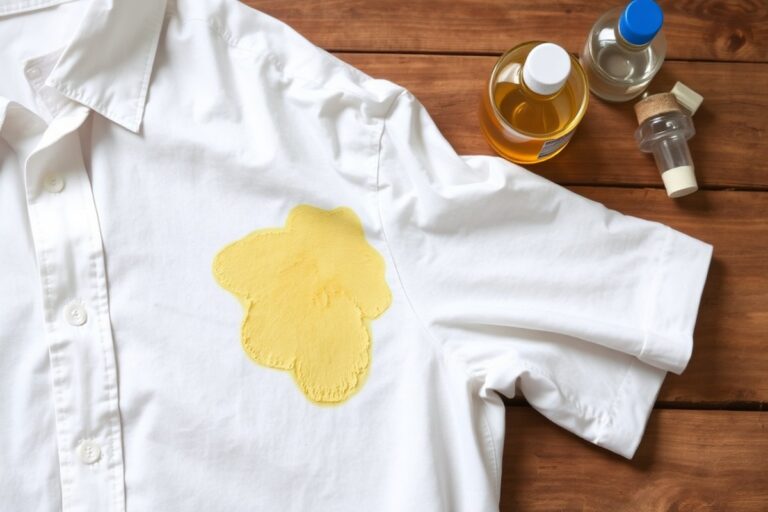
Stain removal is one of the main reasons dry cleaning can take longer than expected. Some stains, like oil or ink, require specialized solvent treatments that need more time to fully break down. Multiple treatments might be necessary for tough stains, which can add extra hours or even days to the cleaning process.
Minor stains often don’t affect the overall turnaround time much. However, delicate or untreated stains usually call for careful hand treatment. This manual attention ensures the stains are lifted without damaging the fabric, prolonging the cleaning time.
Fabric Type and Cleaning Complexity
The material of your garment plays a significant role in how long the cleaning takes. Some fabrics, such as silk or wool, require gentler solvents and slower cycle speeds in the dry cleaning machine. These fabrics may also need additional hand-finishing or pressing, which adds to the total time.
Thicker materials or garments with multiple layers, like coats and suits, can take between 24 to 72 hours for complete cleaning and drying. This longer period accounts for the time solvents need to penetrate the fabric and the careful drying to avoid shrinkage or warping.
Dry Cleaner’s Workload and Scheduling
The volume of orders at the dry cleaner greatly influences turnaround time. Busy days typically mean your clothes will stay longer before they enter the cleaning cycle. Dropping off your items early in the day maximizes the chances of same-day or next-day completion.
Dry cleaners usually schedule their work to optimize machine and labor use, so high demand can delay processing. During peak seasons or holidays, expect longer wait times, often extending beyond the usual 2 to 3 days.
Additional Treatments and Special Requests
Some garments need extra care such as deodorizing, waterproofing, or delicate hand-finishing. These treatments involve more labor and materials, extending the cleaning time beyond standard processing.
Hand-finishing, for example, typically includes detailed pressing and minor repairs, which are done by professionals to maintain garment quality. This process can add several hours to the overall timeframe.
Factors to Consider for Dry Cleaning Timing
Here is a list of key factors that can influence how long your dry cleaning takes:
- Type and severity of stains, tougher stains require more time.
- Fabric material, delicate or thick fabrics take longer to clean and dry.
- Dry cleaner’s current workload, busier times increase wait periods.
- Dropping off time, earlier drop-offs allow for faster processing.
- Extra treatments, hand-finishing and special fabric care extend duration.
- Garment complexity, multi-layered and structured garments take more time.
- Seasonal demand, holidays and special events may delay service.
Step-by-Step Timeline of the Dry Cleaning Process
The dry cleaning process involves several stages, each requiring specific attention to ensure your garments come back clean, undamaged, and properly finished. From the moment you drop off your clothes to when you pick them up, the workflow typically takes about two business days, but some cleaners offer faster service. Each step has its own time frame and purpose in keeping your clothing in the best condition.
Drop-Off and Initial Inspection
When you drop off your clothes, the first step is a careful inspection by the dry cleaner. This helps identify the fabric types, any special cleaning needs, and visible stains or damage. Garments labeled “dry clean only” get special attention to follow manufacturer instructions.
The inspection usually takes about 10 to 15 minutes at drop-off. Staff will note stains and may ask questions about your cleaning preferences or any delicate areas. The inspection ensures the right cleaning solvents and methods are chosen to avoid damage.
Cleaning and Stain Removal
Cleaning includes pre-treatment of stains, the actual cleaning cycle with solvent, and drying. Pre-treatment targets specific stains using specialized chemicals that loosen dirt before the main cleaning. This step is critical for removing tough spots and can take 20 to 30 minutes, depending on the garment and stain severity.
The cleaning cycle involves washing garments in a machine designed to use liquid solvent instead of water. This process usually lasts about 30 to 40 minutes. The solvent removes oils and grease without soaking the fabric, preventing shrinkage. It evaporates during drying, leaving clothes clean and dry.
Stain removal can extend the process if spots are stubborn. Skilled operators may apply extra treatments and re-clean parts of the garment, which adds 30 minutes to an hour in some cases. Proper stain removal requires experience to avoid fabric damage.
Drying, Pressing, and Packaging
After cleaning, garments go into a drying machine that gently evaporates the solvent. The drying step takes about 30 to 40 minutes and prepares clothes for finishing.
Next comes pressing, which includes steaming and ironing to restore shape and remove wrinkles. This stage takes 20 to 30 minutes per batch, depending on garment complexity. Proper pressing ensures a crisp, polished look without burns or shine.
Finally, each item undergoes a quality check, then is packaged on hangers and covered to protect it during storage or transport. Packaging takes 10 to 15 minutes. Most cleaners complete the entire cycle around 4 hours after initial inspection but space out work over two business days to manage volume and allow for extra treatments if needed.
- Inspect garments for fabric type, stains, and damage.
- Treat spots and stains with pre-treatment chemicals.
- Clean clothes in a specialized solvent-based machine for 30, 40 minutes.
- Dry garments to evaporate solvent thoroughly.
- Press and steam clothes to remove wrinkles and restore shape.
- Perform final inspection and quality control.
- Package garments with protective covering for pickup.
Express and Same-Day Dry Cleaning: What to Expect
Dry cleaning can often be done within the same day, especially for lightly soiled garments. Many dry cleaners offer express or rush services that complete cleaning in as little as one hour or by the end of the day. For example, ZIPS guarantees same-day service for garments dropped off before 9 a.m., with pickup available by 5 p.m. Monday through Saturday. This quick turnaround works well if you need your outfit urgently.
Express dry cleaning usually costs more than standard service due to the accelerated processing. Expect an additional fee, which varies by location and the dry cleaning company’s policies. Not all garments qualify for express cleaning because delicate or heavily stained items require more time to ensure proper care. Asking your cleaner upfront whether your particular garment can be handled with same-day service will help set realistic expectations.
Rush dry cleaning can be reliable provided the cleaner is well-equipped and not overly busy at the time. Availability and speed depend on factors like the facility’s workload, staffing, and your garment’s condition. For instance, a lightly soiled cotton blazer will clear faster than a heavily stained silk dress. Communicating clearly with your cleaner about when you need your items back and confirming receipt times helps avoid surprises.
Costs for express services typically range from about 20% to 50% more than regular dry cleaning fees. This premium is justified by faster handling and priority processing on specialized machines. Some cleaners offer 24-hour turnaround, but these services are rarer and may require an appointment or online scheduling. For customers in a hurry, the slight extra cost often outweighs the inconvenience of waiting several days.
Using express dry cleaning makes sense when you have a last-minute event or travel plans. For best results, drop off your clothes early in the day to allow sufficient processing time. Avoid requesting express cleaning for heavily stained, thick wool, or delicate fabrics since this can compromise quality. Review your dry cleaner’s express service policy, fees, and eligible garments before deciding, so you know exactly what to expect.
Ask your dry cleaner specifically which garments can be cleaned with express service and confirm the latest drop-off time to guarantee same-day completion.
Tips to Speed Up Your Dry Cleaning Service
Preparing your garments before dropping them off can significantly speed up the dry cleaning process. Remove any detachable accessories like belts or pins and check garment pockets for items. Separate heavily soiled pieces to inform the cleaner, allowing proper pretreatment of stains, which is done before the cleaning machines start. Clear packaging and unwrinkled items help reduce handling time and may avoid extra charges.
Choosing the right service also impacts timing. Some dry cleaners offer express or same-day service, but often require you to drop off your clothes early in the day, sometimes before 10 a.m., to qualify. Confirming which items are eligible is essential since bulky or delicate garments might need more time. A drop shop sending clothes to a large cleaning plant may take longer than an on-site cleaner.
Dragging your feet when picking up garments or dropping off at peak hours can add unnecessary delays. Avoid weekends or late afternoons when stores tend to be busier. Early weekday mornings usually see less traffic and faster service. Checking with your cleaner about their turnaround estimates before drop-off can help you plan better and avoid disappointment.
- Remove all items from pockets and take off accessories
- Separate heavily stained or delicate garments and notify the cleaner
- Drop off clothes early in the day for express or same-day service
- Visit during weekday mornings to avoid busy rush hours
- Ask what garments are excluded from quick service promotions
- Confirm pickup times and set reminders to avoid delays
- Provide clear instructions on special care needs or stain concerns
Common mistakes that slow down dry cleaning include not checking care labels, which might cause re-cleaning if improper methods were used. Also, failing to communicate about stains or special fabric requests can lead to extra pretreatment sessions. Overloading bags or bundling clothes together complicates sorting and may extend processing time. Knowing these factors and planning your drop-off and pickup accordingly helps ensure your clothes return quickly and in excellent condition.
Understanding How Stains Influence Dry Cleaning Duration
Not all stains require extra time during dry cleaning, but certain types do noticeably extend the process. Dry cleaning uses specialized solvents, not water, to remove stains and dirt from delicate fabrics. Some stains, such as grease or oil, resist these solvents and need pretreatment with specific chemicals to break them down before standard cleaning. This pretreatment often adds 15 to 30 minutes or more to the overall cleaning time, depending on the stain’s severity and fabric type.
Grease and oil stains rank among the toughest to remove because they bind deeply with fabric fibers. To address these, the cleaner applies a solvent designed to dissolve oils without damaging the garment. This step happens before the actual dry cleaning cycle and involves gently dabbing the affected area or soaking it briefly in the solvent. It’s important that the solvent stays at room temperature since heating can fix the oil stain further. The need for this detailed spot treatment is why a garment with heavy grease stains might take 20% to 40% longer than a similar article without such stains.
Other challenging stains include ink, wax, and some dyes. Ink stains often require special chemicals that can further prolong processing times, as each stain must be carefully tested for colorfastness to avoid garment damage. Wax requires melting away at a controlled temperature before solvent cleaning, adding additional steps to the timeline.
The process usually follows a decision rule based on stain type and fabric sensitivity. For example, if a white cotton shirt arrives with a grease stain, the cleaner first tests a small spot with a grease solvent at room temperature. If the spot lightens, the full stain is treated with that solvent for about 10 minutes. After drying this pretreatment, the shirt enters the dry cleaning machine, which typically takes 30 to 45 minutes. Without this step, the stain would likely remain after cleaning, but adding it can extend turnaround time by 15 to 30 minutes.
Good results mean the stain is completely removed without discoloring or shrinking the fabric. Problems arise when the pretreatment solvent is too strong or heated unintentionally, which can set the stain permanently or damage delicate materials. Garments requiring such detailed stain removal often cost $5 to $15 more than standard dry cleaning, reflecting the extra time and materials used.
In cases where the stain is minor or of a type easily removed by the solvents during the usual cycle, no extra time is needed. This explains why some garments come back within the standard one- to two-day turnaround, while others with tough stains require longer. Knowing the type of stain and whether pretreatment is necessary helps you estimate how much extra time your dry cleaning will take.
When to Choose Professional Dry Cleaning over Home Kits
Home dry cleaning kits can speed up garment freshening but usually don’t replace professional services. These kits include a cleaning solution and a reusable bag designed to remove light stains and odors in about 20 to 30 minutes at home. They are convenient and less expensive, usually costing under $10 per use. However, their cleaning power is limited compared to professional dry cleaning, which uses industrial solvents and equipment to thoroughly clean fabrics without water exposure.
Garments requiring professional dry cleaning often include suits, coats, and delicate fabrics such as silk, wool, and rayon. These pieces rely on the gentle solvents and controlled processes at dry cleaners to preserve color, shape, and structure. For items labeled “Dry Clean Only,” professional care helps avoid damage like shrinking, distortion, or color loss that can happen with water washing or at-home kits. Structured garments especially benefit because professional finishing and pressing restore their smooth, crisp appearance.
Choosing professional dry cleaning is smart when items have large or tough stains, intricate details, or require a flawless finish for formal wear. Professionals typically take one to three days and may offer same-day service for extra cost. The price varies based on garment type and service speed but generally ranges from $10 to $30 per item, reflecting the expertise and materials used.
Risks of skipping professional cleaning include incomplete stain removal, fabric damage, and loss of garment shape. Home kits work best for minor refreshes but might not fully clean or protect valuable or structured clothing. If a suit or coat begins to look dull, misshapen, or has persistent stains, it’s necessary to visit a dry cleaner with specialized solvents and pressing equipment. Avoid using home kits for delicate or heavily soiled items to prevent costly damage.
Use home dry cleaning kits only for lightly soiled clothes and always check garment labels to ensure the fabric won’t be harmed by the process.
Step-by-Step Action Plan for Dry Cleaning Your Garments
Follow these steps to get your dry cleaning done efficiently and have a clear idea of timing for each phase.
- Before dropping off: Sort your clothes by fabric and stain type to help the cleaner prioritize. This streamlines the process and prevents delays.
- Drop-off day: Deliver your items early in the day. This increases the chance of same-day or next-day service if available at your cleaner.
- Service selection phase: Ask about express or same-day options immediately to decide if you want to pay extra for faster turnaround.
- Cleaning phase (Day 1 or 2): The cleaner inspects, pretreats stains, and processes garments. Allow 1-3 days, depending on item complexity.
- Quality check (After cleaning): Verify the garments for stain removal and fit. This phase usually happens the same day as cleaning is completed.
- Pickup day: Collect your clothes within the promised timeframe. Confirm any lingering stains or issues before leaving the store.
- Aftercare: Store clothes properly to avoid new wrinkles or stains, reducing the need for frequent dry cleaning.
Frequently Asked Questions
How Long Does Dry Cleaning Take?
Dry cleaning usually takes 1 to 3 days, depending on the garment and service level. Most cleaners hold items for 2 business days to allow for cleaning, stain removal, and drying.
Can Dry Cleaning Be Done in 1 Hour?
Some dry cleaners offer express 1-hour service, but it’s best for simple garments without heavy stains. Check if your local cleaner provides this option before assuming fast turnaround.
Can Clothes Be Dry Cleaned in One Day?
Yes, many dry cleaners can complete common dress clothes the same day if you drop them off early. Complex items may still require more time.
Can You Get Dry Cleaning Done in 2 Days?
Most dry cleaners aim to have garments ready within 2 days, balancing quality and efficiency. This allows time for proper cleaning and any needed stain treatment.
Is Dry Cleaning Really Worth It?
Dry cleaning helps preserve delicate fabrics and extends the life of your clothes by using solvents instead of water. It’s worth it for suits, formal wear, and items labeled ‘dry clean only.’
What Factors Can Delay Dry Cleaning Turnaround?
Heavy stains, delicate fabrics, or intricate details can lengthen cleaning time. Seasonal demand and dry cleaner workload also impact how quickly your clothes are ready.
Final Thoughts
Dry cleaning usually takes one to three days, but checking with your cleaner about express options and garment types will set realistic expectations. Prioritize early drop-off and clear communication about special stains to avoid surprises in turnaround time. The next step is to call your local dry cleaner to ask about their timing and service levels, so you can plan your garment care with confidence.