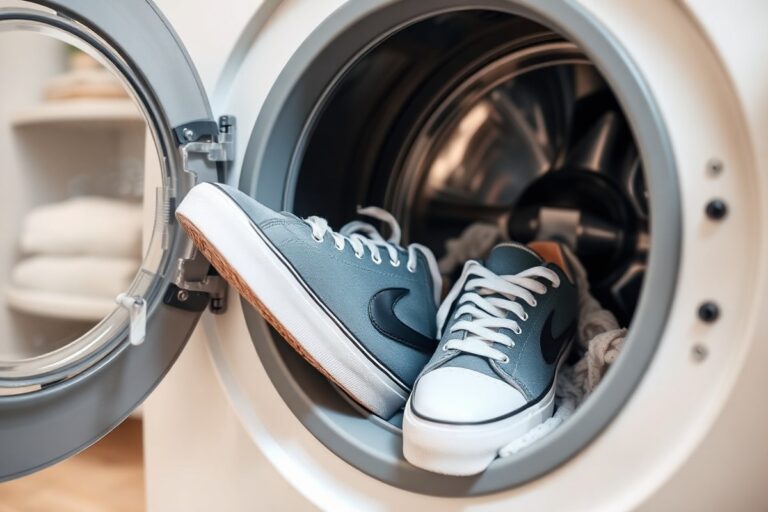
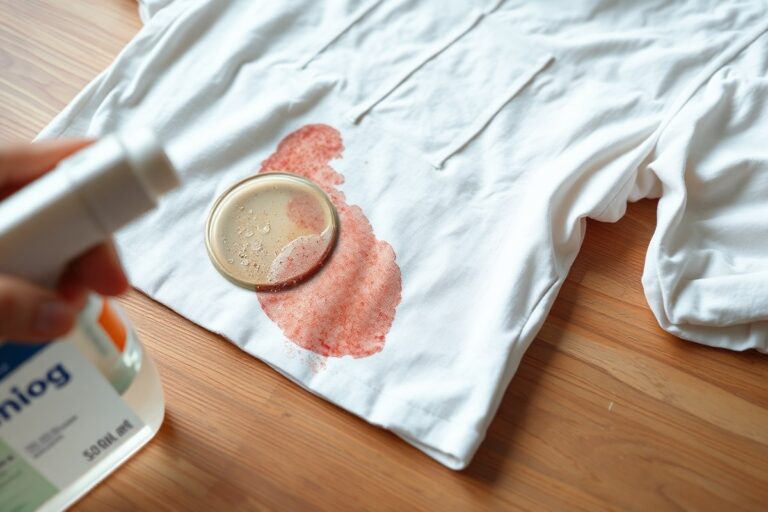
How to Get Rid of Smell in Clothes: 8 Proven Methods That Work
To get rid of smell in clothes quickly, start by soaking them in a vinegar solution or using baking soda on the affected areas before washing. Make sure clothes dry completely and avoid leaving damp laundry in the washer for more than 12 hours. These methods target musty, mildew, and strong odors effectively.
This advice suits anyone facing persistent smells in everyday laundry, stored garments, or secondhand clothes. You’ll find practical methods covering pretreatment, drying tips, fabric considerations, and storage solutions to keep clothes fresh longer.
Key Takeaways
- Soak smelly clothes for 30 minutes in one part white vinegar to four parts water to neutralize odors before washing.
- Sprinkle baking soda on clothes to absorb perfume or stubborn smells, letting it sit for 15 to 30 minutes before brushing off.
- Dry clothes completely before storing to prevent mildew and musty odors from trapped moisture.
- Avoid leaving wet clothes in the washer over 12 hours, as this encourages mildew growth and odors.
- Use breathable cotton storage bags or dust covers to protect clothes and allow airflow, reducing odor buildup.
- Maintain closet humidity between 30 and 50 percent to discourage mold and keep clothes smelling fresh longer.
1. Effective Ways to Get Rid of Smell in Clothes Fast

Removing smells from clothes quickly and effectively depends on whether you can wash the item immediately or need a no-wash option. For washable clothes, using targeted pretreatment before laundering and washing with the right detergent and temperature offers fast relief from odors. When washing isn’t possible, household items like baking soda, white vinegar, or citrus sprays can neutralize odors temporarily without water.
Start by deciding if you can wash your clothes right away. Washing eliminates odor-causing bacteria and removes buildup of sweat, oils, and residues. For quick non-wash freshening, natural deodorizers absorb and mask odors, which works better for light smells or mid-day refreshes. Knowing these methods prepares you to act fast and pick the right approach based on your time and access to laundry facilities.
- Turn clothes inside out. This exposes the areas that trap odors, especially underarms or collars, helping treatment reach the source directly.
- Sprinkle baking soda. Apply 1 to 2 tablespoons evenly on the inside of the garment. Baking soda absorbs musty and sweat smells. Let sit for 15 to 30 minutes before shaking off.
- Mist with diluted white vinegar or citrus water. Mix one part vinegar or lemon juice with three parts water in a spray bottle. Lightly spray clothes and air dry. This breaks down odor molecules without washing.
- Pre-treat underarms or odor hotspots. Rub a paste of water and enzyme detergent or a little liquid detergent on smelly areas. Let it sit for 10 to 15 minutes to break down sweat and deodorant residues before washing.
- Wash clothes in warm water with appropriate detergent. Use an enzyme-based detergent for protein-based odors (like sweat). Wash synthetic fabrics on cooler settings to avoid trapping oil smells. Avoid overloading to ensure proper rinsing.
- Add an extra rinse cycle. This helps remove detergent buildup, which can cause stale smells after washing.
- Dry clothes thoroughly outdoors or in a well-ventilated area. Sunlight and fresh air reduce lingering odors faster than indoor drying.
- Use fabric sprays or essential oil mists. For a last-minute freshen-up without washing, lightly spray lavender, tea tree oil, or commercial fabric fresheners that neutralize smells.
Household fixes like baking soda and vinegar are inexpensive and safe for most fabrics, costing less than a dollar per application. Pre-treating with enzyme detergents targets odor causes more effectively than regular detergent alone. Skipping the washing step works best for light, temporary odors but won’t remove bacteria and deep buildup. For durable odor removal, washing with proper steps is necessary. Avoid fabric softeners on synthetics as they trap oils and worsen smells.
2. Why Do Clothes Smell Even After Washing and How to Fix It
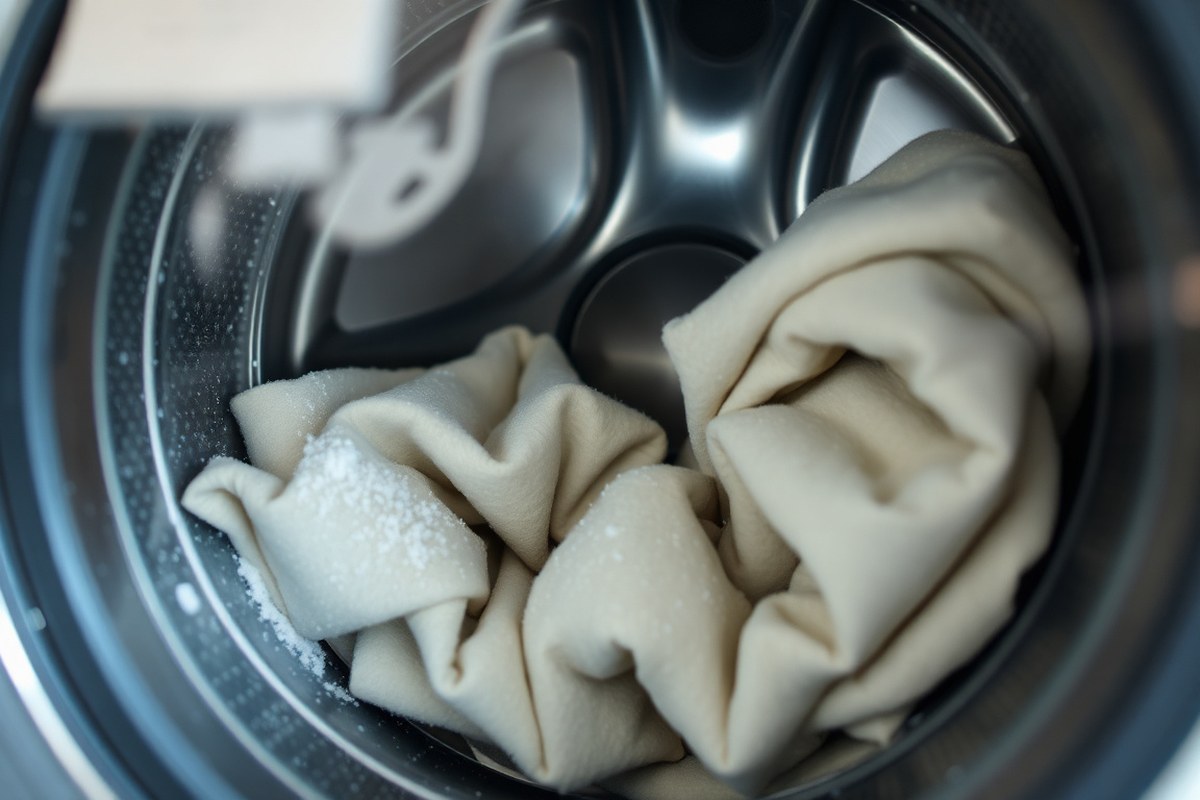
Clothes often smell after washing because of several common causes. Residual odor can come from washing machines that need cleaning, clothes not drying fully, or synthetic fabrics that trap smells more than natural ones. Dirty washing machines accumulate water, detergent, and dirt buildup, leading to musty smells that transfer onto your laundry. Avoid letting clothes sit wet in the washer or half-dry in the dryer, as this encourages mildew growth and unpleasant odors.
Cleaning your washing machine monthly helps prevent odor transfer. Run an empty cycle with hot water and add a cup of white vinegar or a quart of bleach. Vinegar is a natural deodorizer that also breaks down detergent residue and mildew. Hot water ensures a deep clean that removes trapped grime. This routine only takes about an hour per month and costs just a few dollars for vinegar or bleach.
Besides machine maintenance, washing habits are key. Avoid overloading the washer, which prevents proper rinsing and results in lingering smells. Choose detergents formulated with enzymes for odor removal, especially for gym clothes or tough body odors. Always move clothes promptly from the washer to dry, and dry them completely to stop mustiness.
For heavy odors, pre-soaking sweaty or smoke-smelling clothes in a solution of water with either 1/2 to 1 cup of white vinegar or baking soda before washing can boost freshness. Skip fabric softeners on synthetics since they can lock in odors rather than eliminate them. Using the right temperature matters too: wash smelly clothes in the warmest water safe for the fabric to help break down oils and bacteria causing the smells.
Run a hot-water wash cycle with 1 cup of white vinegar monthly to keep your washing machine odor-free and prevent smells from transferring to your clothes.
3. Soaking and Pretreating Clothes to Remove Tough Odors
Soaking clothes in solutions like vinegar or baking soda can effectively remove tough odors such as mildew, sweat, and mustiness. Proper soaking times and targeted pretreatment recipes break down odor-causing residues and bacteria. Using these methods before washing improves freshening results, especially for stubborn smells.
Vinegar Soaking Recipes and Timing
White vinegar naturally eliminates odors by targeting the bacteria responsible, and it won’t leave a strong vinegar smell if used properly. To tackle mildew or musty smells, prepare a soak using 2 cups of white vinegar mixed into 1/2 gallon of tap water. Place your garments in the solution for 1 to 2 hours, extending up to 8 hours for tough mildew odors. Avoid soaking delicate fabrics such as wool or silk, because vinegar can harm their fibers.
After soaking, rinse the clothes well and wash as usual. Vinegar helps break down odor residues that detergent alone may miss, especially mildew, smoke, or general mustiness found in storage or secondhand garments.
Using Baking Soda and Enzyme Pretreatments
Baking soda works as a gentle, natural deodorizer that balances pH and absorbs smells like sweat and body odor. For tough odors in cotton or synthetic blends, pretreat clothes with a baking soda paste or soak them in a baking soda solution before washing. Combine 1 cup of baking soda with 1/2 gallon of water to soak clothes for 30 minutes to 1 hour, targeting sweat and underarm odors.
Applying a paste made from baking soda and water directly to heavily odored areas like underarms or collars can help lift stubborn smells. Use enzyme-based detergents alongside baking soda treatments for polyester or nylon blends to break down protein-based odors effectively.
Soaking with Specialized Odor Removers Like OxiClean
Specialized odor removers such as OxiClean Odor Blasters contain ingredients designed to break down tough odor molecules and residues. These products can be used as a pretreatment soak, diluted according to package instructions. Typically, mix a scoop of OxiClean with warm water in a bucket or sink and soak clothes for 30 minutes to 1 hour.
Soaking with OxiClean works well for synthetic materials and heavily soiled garments. Avoid using these on wool or silk, which require gentle, specialized care. After soaking, wash garments as directed, using the recommended temperature for the fabric type.
Pretreating Underarms and Heavily Soiled Areas
Target pretreatment on odor-prone areas like underarms, collars, waistbands, and tight synthetic zones before soaking and washing. Spraying a mixture of equal parts white vinegar and water or applying rubbing alcohol directly to these areas helps reduce sweat smells instantly.
For heavily soiled spots, apply a baking soda paste (made by mixing baking soda with a small amount of water) and let it sit for 15 to 20 minutes before washing. Use enzyme detergents in the wash cycle to further break down protein-based body odors. Avoid dryer heat before odors are fully removed to prevent setting smells permanently.
- Fill a sink, basin, or bucket with warm water suitable for the fabric type.
- Add the deodorizing agent (2 cups vinegar, 1 cup baking soda, or OxiClean as directed).
- Submerge the clothes fully and press gently to soak through all layers.
- Let the garments soak: 1, 2 hours for vinegar, 30, 60 minutes for baking soda or OxiClean.
- For targeted odors, apply baking soda paste or vinegar spray on problem areas before soaking.
- Rinse the clothes thoroughly after soaking to remove residues and odor remnants.
- Wash clothes using the warmest water safe for the fabric and an enzyme detergent when dealing with sweat or body odor.
- Air dry or machine dry on a low-heat setting once odors are gone.
4. Drying Methods That Prevent and Eliminate Odor
Drying clothes thoroughly after washing is essential to prevent musty and mildew odors. Even slight dampness traps moisture in fabric fibers, creating an environment where mold and bacteria thrive. The best drying methods are those that reduce humidity quickly and completely remove moisture from the fabric.
Air drying clothes outdoors in direct sunlight is a highly effective way to eliminate odors. Sunlight acts as a natural disinfectant and helps evaporate moisture faster. For indoor drying, choose a well-ventilated space with enough air circulation to speed drying and prevent dampness. Avoid leaving wet clothes sitting in the washing machine for more than 12 hours, as this encourages mildew growth, causing persistent smells.
- Dry clothes completely until no moisture can be felt, typically 2 to 4 hours under direct sun or a full drying cycle in a machine dryer.
- Use a clothes dryer on the appropriate heat setting to reach 100% dryness before folding or storing clothes.
- Hang heavier items like towels or jeans separately to dry faster and more evenly.
- Choose breathable drying racks or hangers to allow airflow around the garment.
- For newly washed clothes, avoid stacking or folding them until fully dry to prevent trapped moisture.
- If indoor humidity is high, run a dehumidifier or fan in the drying area.
- Consider steaming clothes to refresh and eliminate lingering odors after drying.
Clothes must be completely dry before you store them to avoid trapping moisture inside storage containers or closets. Any residual dampness risks developing mildew smells over time. Machine-dried clothes need a full dry cycle; air-dried clothes should feel crisp and not cool or clammy to the touch. Proper drying also means clothes won’t feel stiff or overly hot from over-drying.
Mildew odors often originate from improper drying practices, such as drying in crowded spaces with poor air flow or folding clothes before they are dry. This leads to moisture trapped in the fabric layers. Prevent mustiness by drying clothes in open areas with good circulation, removing them promptly from the washer, and checking that fabric feels dry to avoid persistent odor issues.
5. How Fabric Type Affects Odor Retention and Removal
Fabric type plays a significant role in how odors develop and how easily they can be removed. Synthetic fibers like polyester and nylon tend to trap sweat and bacteria, causing odors to cling more persistently. Natural fabrics such as cotton and bamboo are more breathable and absorb moisture less, which limits odor buildup. Knowing this difference helps you choose the right cleaning technique and products.
Delicate fabrics, including wool and silk, require special care to avoid damage from strong odor removers or harsh washing conditions. High heat and direct sunlight can weaken these fibers or fade colors. For delicate or vintage clothes, professional cleaning services often offer the safest solution to remove odors without harm. The table below compares common fabric types by their odor retention and suggested deodorizing methods:
| Fabric Type | Odor Retention | Deodorizing Tips |
|---|---|---|
| Polyester | High, traps sweat and bacteria | Use enzyme detergents; avoid high heat drying; natural sprays with essential oils |
| Nylon | High, holds sweat smell | Pre-soak in baking soda solution; wash with odor-fighting detergents; air dry |
| Cotton | Moderate, breathable but can hold moisture | Wash in warm water (up to 140°F / 60°C); sun dry if possible; lemon peel rub for freshness |
| Bamboo | Low, highly breathable and moisture-wicking | Gentle wash; avoid strong chemicals; natural fabric sprays recommended |
| Wool | Moderate to low, odor can linger but less so than synthetics | Avoid strong detergents; air out frequently; use professional cleaners |
| Silk | Low, delicate, can trap odor if not cleaned properly | Hand wash carefully or dry clean; avoid direct sunlight and heat |
To remove odors from synthetic fabrics, begin by using detergents containing enzymes that target the substances causing the smell. Skip high-heat drying since it can trap odors inside the material. Let these clothes air dry instead, and try spraying them with essential oils like lavender or eucalyptus for a fresh scent. For natural fabrics, wash them in warm water to eliminate bacteria and odors, but steer clear of bleach or strong chemicals that could damage the fabric. Rubbing a lemon or orange peel on cotton items can add a subtle citrus fragrance to replace unwanted smells.
Use caution with direct sunlight on delicate or dark fabrics to prevent fading and fiber damage.
Delicate garments need a gentler approach. Laundry boosters should be avoided, and air drying in shade is best. Strong odor removers or excessive heat can damage the fibers and worsen smell retention. For particularly tough odors in these fabrics, professional cleaning services provide safer and more thorough odor removal. Keeping fabrics properly ventilated and clean reduces buildup, so avoid leaving clothes piled or damp, especially for synthetic blends.
6. Long-Term Odor Prevention in Closet and Storage
Preventing musty and mildew odors in your clothes requires proper closet and storage care that focuses on moisture control, airflow, and breathable materials. Using the right storage solutions combined with regular maintenance helps stop odors before they start. Managing humidity and ventilation effectively keeps clothes fresh for the long term.
Using Breathable Storage Solutions
Storing clothes in breathable materials like cotton allows air circulation that prevents moisture buildup. Instead of plastic garment bags or sealed bins, choose unbleached and undyed cotton covers, which protect clothes from light and dust while letting moisture escape. Products like the Deluxe Cotton Storage Bag or Butler’s Closet Shoulder Dust Covers provide these benefits and help cut down on mildew growth.
Breathable storage works best when combined with moisture absorbers inside the storage space. This setup keeps fabrics dry and odor-free even during periods when clothes are not in use. Folding clothes loosely in these bags rather than packing tightly also improves airflow around garments.
Controlling Closet Humidity and Ventilation
Moisture is the main cause of musty odors, making humidity control essential to a fresh closet. The Environmental Protection Agency recommends indoor humidity levels between 30 and 50 percent to prevent mildew growth. Using a small dehumidifier or air conditioner in humid climates helps maintain this range.
Good ventilation keeps air moving, which dries out dampness and reduces odor risks. Keep closet doors slightly open when possible or install a vent fan if the closet is enclosed. Periodically airing out stored clothes by hanging them outside or near a window encourages fresh airflow.
- Set indoor humidity between 30% and 50%
- Use a dehumidifier in basements or humid areas
- Keep closet doors open or use vent fans
- Air out stored clothes every few weeks
- Fix leaks or water sources near closets
Closets with no ventilation can trap moisture and create ideal conditions for mildew. Address any water intrusion or plumbing issues immediately to avoid persistent odors.
Replacing Sachets and Using Natural Deodorizers
Natural odor absorbers like activated charcoal and baking soda capture musty smells and dampness rather than just masking them. Activated charcoal has a large surface area that adsorbs malodor gases, making it especially effective in damp spaces. Place it in an open container or breathable pouch inside the closet.
Replace baking soda and charcoal every 1 to 3 months. Sachets with dried lavender or cedar chips also add a mild, natural scent and help deter moths, but their effect on moisture is limited. Use these sachets alongside moisture absorbers rather than as standalone solutions for best results.
Avoiding Plastic Covers and Sealed Containers
Plastic storage solutions trap moisture, restricting airflow and creating an environment where mildew can grow on natural fibers. Even clothes stored clean and dry can develop musty smells over time inside plastic bins or dry-cleaner bags.
Opt for breathable fabric storage instead of plastic. This choice prevents moisture buildup and long-term odor problems. When using plastic containers, ensure clothes are completely dry and allow the container to air out regularly to avoid moisture trapping.
7. How to Freshen Clothes Without Washing During Travel
Freshening clothes without washing is possible, especially while traveling. Using sprays, freezing, dryer sheets, and sun exposure can help eliminate odors and keep your garments smelling clean when laundry isn’t an option.
Using Essential Oil Sprays and Misting
Essential oil sprays offer a quick and effective way to neutralize odors on clothes. By mixing diluted vinegar with essential oils, you can create a natural spray that kills bacteria and freshens fabric. Spritzing clothes lightly and allowing them to air dry helps prevent the buildup of unpleasant smells without the need for washing. Here’s how to make and use a natural deodorizing spray while on the go:
- Combine 1 cup of water with 1 cup of white vinegar in a spray bottle.
- Add 20 or more drops of your preferred essential oils, such as lemon, citrus, or rose.
- Shake well to blend the mixture.
- Lightly mist your clothes, aiming for a uniform but not soaking application.
- Hang or lay the clothes flat to air dry completely.
- Repeat as needed, avoiding spraying on delicate fabrics like silk.
This spray costs only a few dollars to prepare and can be stored in travel-sized containers for easy packing. Avoid over-saturating garments, as excessive moisture may cause wrinkles or damage certain fabrics. The vinegar smell will dissipate once the garment dries.
Freezing Garments to Kill Bacteria
Freezing clothes can reduce odor by killing odor-causing bacteria and preventing mildew growth. This method works well for items that cannot be washed easily during travel, such as jeans or jackets. Freezing does not remove stains but helps freshen fabrics temporarily. Follow these steps to use freezing as a deodorizing method:
- Ensure the clothes are dry before treating.
- Place each garment inside a resealable plastic bag to protect it from moisture.
- Seal the bags tightly, removing excess air if possible.
- Put the bags in the freezer for at least 8 hours, ideally overnight.
- Remove the clothes from the freezer and allow them to return to room temperature before wearing.
This technique requires only freezer access and resealable bags, making it practical when available. Freezing won’t sanitize clothes entirely or replace a wash but can extend freshness between laundry sessions.
Dryer Sheets and Homemade Fabric Fresheners
Dryer sheets and homemade fabric fresheners are convenient for giving clothes a quick scent boost and removing mild odors. Store-bought dryer sheets can be tossed into a dryer cycle on low heat to refresh fabrics, while homemade versions soaked in a vinegar and essential oil blend can be used similarly or as sachets in drawers and luggage. To make and use a homemade fabric freshener:
- Collect old cotton scraps or washcloths.
- Mix 1 cup of white vinegar with 20 or more drops of essential oil (citrus or floral scents work well).
- Soak the fabric scraps in this mixture until fully saturated.
- Squeeze out excess liquid to prevent dripping.
- Place the soaked cloths in a sealed container or zip bag and store in luggage or drawers.
- For dryer use, toss one cloth with your clothes on a low heat setting for 10-15 minutes.
Keep in mind that dryer sheets and homemade fresheners are best for mild odor control and should not replace washing when clothes are heavily soiled. Removing lint regularly from your dryer also helps avoid lingering smells on clothes.
Air Drying and Sun Exposure While Traveling
Air drying clothes outdoors whenever possible is an effective way to reduce odors. Sunlight acts as a natural disinfectant and odor neutralizer by killing bacteria that cause smells. It also helps evaporate moisture, keeping fabrics fresh longer.
When your travel accommodations have an outdoor space or balcony, hang clothes in direct sunlight for several hours. For indoor drying, choose a well-ventilated room to speed up drying and prevent mustiness. Use these tips to maximize odor removal with sun and air:
- After applying any deodorizing spray, hang the clothes where sunlight reaches them directly.
- Allow garments to dry fully, typically 2 to 4 hours depending on fabric and conditions.
- When drying clothes indoors, open windows or use a fan to improve airflow around them.
- Use hangers or a drying rack to avoid fabric creases that trap odors.
Sun exposure can fade delicate colors or damage some fabrics, so limit direct sunlight on sensitive items like silk or wool. Air drying alone will not remove deep-set odors but works well combined with sprays or freezing.
8. Deep Cleaning and Rescue Tactics for Stubborn Odor
Persistent odors in clothes after regular washing demand a more thorough approach. Stubborn smells like mildew often result from deep-seated mold or mildew residues that typical detergents cannot fully eliminate. Deep cleaning involves targeted treatments that break down odor-causing bacteria and fungi while protecting fabric integrity. Sometimes, professional cleaning becomes necessary for delicate or heavily soiled garments.
For clothes with mildew or musty smells, use specialized products such as oxygen-based bleach, white vinegar, or enzyme detergents designed to neutralize organic odors. These work better than standard detergents when odors linger. You can also refresh your washing machine to avoid re-contaminating clothes. When fabrics keep smelling after several washes, professional dry cleaning can help, mainly for wool, silk, or shaped garments.
- Inspect the clothes carefully. Separate items with strong odors or visible mildew stains. Check fabric labels to confirm they can handle deep cleaning treatments safely.
- Clean your washing machine. Run a cleaning cycle with a machine cleaner or a cup of white vinegar at the hottest setting to remove residual mold and odors from the drum and seals. This prevents odor transfer during washing.
- Pre-soak garments. Fill a basin with warm water and add one cup of white vinegar or an oxygen-based bleach according to product instructions. Soak clothes for 1 to 2 hours to help break down mildew odors and kill odor-causing microbes.
- Wash with a specialized detergent. Use an enzyme detergent or one specifically formulated for odor removal. Wash on the hottest water setting safe for the fabric, increasing agitation and water volume to boost cleaning power.
- Rinse thoroughly and check odors. After washing, smell the clothes before drying. When odors won’t go away, do another soak and wash before drying, since heat can make smells stick.
- Dry completely in the sun if feasible. Sunlight and fresh air help kill remaining bacteria and remove odor. When sun drying is not an option, use a high-heat dryer cycle but check the care labels first to prevent shrinking or damage.
- Consider professional cleaning. For delicate fabrics, persistent odors, or when deep cleaning fails, take clothes to a dry cleaner experienced with odor removal. Professional solvents and steam treatments can reach deeper than home methods.
Repeatedly drying smelly clothes without eliminating odor sources can permanently set in smells, making removal impossible. Always ensure odors are gone before drying.
Step-by-Step Action Plan to Remove and Prevent Odors in Clothes
Follow these steps to quickly tackle and keep odors out of your clothes using effective washing and care methods.
- Before You Start: Sort your laundry by fabric type and odor level to choose the best cleaning method for each load.
- Day 1: Pretreat any heavily soiled or smelly areas with a mixture of detergent and white vinegar, then let soak for 30 minutes before washing. Success means the smell noticeably lightens after the soak.
- Day 1 (Wash Day): Use the hottest safe water setting for your fabrics and a detergent designed to fight odors. Add a deodorizing booster like baking soda. Check if odors are gone after drying.
- Day 1 (Drying): Dry clothes thoroughly outside in direct sunlight if possible, or in a well-ventilated area. Odors should be minimal after drying.
- Day 2: Store clothes in a dry, fresh closet space with moisture absorbers or sachets to prevent new odors.
- Travel Tip: Use odor-fighting sprays or fabric refreshers on unwashed clothes to stay fresh between washes.
- Weekly: Clean your washing machine to avoid build-up that can transfer odors to clothes.
- As Needed: For stubborn odors, deep clean garments using enzyme-based detergents or professional cleaning services and air out regularly.
Frequently Asked Questions
How Long to Soak Clothes in Vinegar to Remove Smell?
Soak clothes in a solution of 2 cups white vinegar and 1/2 gallon water for about 30 minutes. This time helps kill odor-causing bacteria without risking fabric damage.
How to Get Mold Smell Out of Clothes?
Wash clothes promptly with hot water and a strong detergent, then air dry in sunlight. Sunlight helps kill mold spores and removes the musty odor.
What Is the Strongest Odor Eliminator?
White vinegar is one of the strongest natural odor eliminators for clothes. It breaks down residue and bacteria that cause odors without harsh chemicals.
How to Get Rid of Musty Smell in Washing Machine?
Run a hot water cycle empty with 1 quart bleach or 1, 2 cups white vinegar to disinfect and remove buildup. This prevents musty smells transferring back to clothes.
Can Baking Soda Help Remove Odors from Clothes?
Yes, adding baking soda to your laundry neutralizes odors and softens fabric effectively.
Is It Okay to Use Fabric Softener to Remove Odor?
No, fabric softeners can trap odor-causing residues in synthetic clothes, making smells worse.
Wrapping Up
Removing odors from clothes involves consistent care during washing, drying, and storage. Taking action with the right treatments and prevention steps keeps your wardrobe fresh and smell-free. Start by checking your laundry sorting and pretreating garments today to see an immediate difference in odor control.