How Can I Get Mould Out of Clothes with 8 Proven Methods That Actually Work
To get mould out of clothes, start by soaking the items in a solution safe for the fabric, then wash with hot water and vinegar or a mold-fighting detergent. Using the washer’s sanitize cycle can help kill most mold spores, and drying clothes thoroughly afterward prevents mold from returning.
This is essential for anyone dealing with moldy garments or looking to protect their wardrobe from mold damage. The article outlines proven methods for mold removal, choosing treatments based on fabric type and color, and tips for preventing mold growth in clothes and storage areas.
Key Takeaways
- Soak moldy clothes for at least 20 minutes before washing to loosen mold spores.
- Use hot water and vinegar or mold-specific detergents to kill approximately 80% of mold spores.
- Run your washer on a sanitize cycle when possible to remove up to 99.9% of microorganisms.
- Always dry clothes fully before storing to avoid mold growth within 24 to 48 hours.
- Keep closet humidity below 50% using a dehumidifier or moisture absorbers to prevent mold.
- Treat clothes with mold promptly to avoid spores spreading to other garments and indoor spaces.
1. Effective Ways to Remove Mold from Clothes at Home

Removing mold from clothes at home involves a combination of brushing, soaking, washing, and drying techniques tailored to the fabric type. Using bleach or oxygen-based cleaners works best on whites and durable fabrics, while gentler methods like vinegar or baking soda suit delicate materials. Heat and sunlight help kill mold spores and prevent odor. For heavily moldy items, pre-treatment and repeated washes may be necessary to fully eliminate stains and smells.
The following step-by-step process covers three common methods: bleach treatment for whites, vinegar soaking for colors and delicate fabrics, and baking soda for odor removal. Each method varies in strength and fabric compatibility, so testing on a hidden area first is recommended. Below the steps, a comparison table highlights these options.
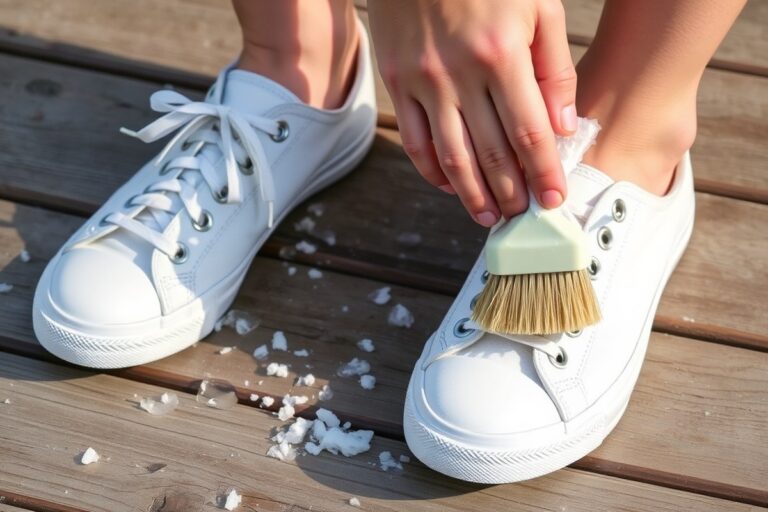
- Brush off mold spores outside. Use a soft brush or old toothbrush to gently remove loose mold before wetting to reduce spreading spores indoors.
- Choose a pre-soak based on fabric type: For whites and colorfast durable fabrics, soak in a solution of ¼ cup chlorine bleach per gallon of warm water for 15, 30 minutes. Avoid bleach on delicate or coloured clothing. For colors and delicate fabrics, soak in warm water with 1 cup white vinegar or ½ cup oxygen bleach (like OxiClean) for several hours.
- Apply laundry detergent directly to mold stains. Use a liquid detergent or a paste made from laundry soap and water. Scrub the stain gently with a toothbrush to break down mold residues.
- Wash on hottest setting safe for the fabric. Use the washing machine’s sanitize cycle if available (about 140°F) or the hottest water temperature recommended by care labels. Add laundry detergent and, if needed, an oxygen bleach booster for colors.
- Dry clothes thoroughly in direct sunlight. Sunlight’s UV rays help kill remaining spores and naturally deodorize fabrics. Avoid air-drying indoors if humidity is high, as mold may return.
- Repeat treatment if odor or stains persist. Mold spores can be stubborn; additional soaking and washing cycles may be required for complete removal.
| Method | Best for | Materials Needed | Treatment Time | Expected Results | Limitations |
|---|---|---|---|---|---|
| Chlorine Bleach Soak | White, colorfast durable fabrics | Chlorine bleach, warm water | 15-30 minutes soak + wash | Strong stain and mold kill, whitening effect | Not safe for colors or delicate fabrics; can weaken fibers |
| Vinegar or Oxygen Bleach Soak | Colored, delicate fabrics (cotton, synthetics) | White vinegar or oxygen bleach, warm water | Several hours soak + wash | Removes mold and odor gently; safe on colors | Less powerful than chlorine bleach; may require repeat |
| Baking Soda Treatment | All fabric types, odor removal | Baking soda, water, laundry detergent | Wash cycle + optional pre-soak | Neutralizes odor, mild stain lifting | Does not remove heavy stains alone; use with other methods |
2. Choosing the Right Method Based on Fabric Type and Color

Choosing the right mold removal method depends largely on the fabric type and color of your clothes. Not all chemicals work the same for every fabric, and some can damage delicate or colored fabrics. Testing for colorfastness and selecting appropriate treatments can prevent further damage while effectively removing mold.
Fabric Types and Mold Removal Compatibility
Check the fabric’s compatibility with mold removers before treating the stain. White cotton can handle stronger agents like chlorine bleach, but colored or delicate fabrics often require gentler methods. Below is a clear guide on which fabrics are safe for certain treatments, helping you decide the right choice based on your garment.
| Fabric Type | Bleach Safe? | Recommended Use |
|---|---|---|
| White cotton | ✓ Yes | Mold, heavy stains |
| Colorfast fabric | ⚠ Maybe (patch test) | Spot cleaning only |
| Delicate / Silk / Wool | ✕ No | Never use bleach |
| Synthetic colors | ⚠ Rarely (patch test) | Only if labeled safe |
For most washable garments, starting with a liquid detergent wash helps remove surface mold. Chlorine or sodium perborate bleach is effective for stubborn stains but should be limited to bleach-safe fabrics only. White vinegar diluted 1:1 with water is a safer option for natural fibers and colored garments, helping reduce mold spores and odors without harsh bleaching effects.
Step-by-Step Colorfastness Testing Guide
Before treating any colored or delicate clothing, perform a colorfastness test to avoid unexpected fading or damage. Follow these exact steps:
- Choose a hidden spot on the garment, such as an inside seam or hem.
- Dab a small amount of the mold removal solution on a cotton swab and apply it to the test area.
- Wait 5 to 10 minutes to allow the solution to react with the fabric and dyes.
- Blot the spot gently with a clean white cloth to check for colour transfer or fading.
- When the color remains stable and the fabric shows no signs of damage, go ahead with treatment on the mouldy area.
This test usually takes 15 minutes total and prevents costly mistakes. When colors bleed or the fabric becomes fragile, skip that chemical and choose a milder option instead.
Test any new mold remover on a hidden area before applying it to the whole garment to protect colors and fabric integrity.
Adjusting Methods for Delicates and Specialty Fabrics
Delicate fabrics like silk, wool, or specialty blends should never be treated with bleach. Their fibers can break down or lose texture from harsh chemicals. Instead, dedicate more time to gentle treatments.
For these fabrics, pre-soak in a mixture of one part white vinegar to one part water for one hour to reduce mild mold stains. After soaking, rinse thoroughly and wash with a mild detergent designed for delicates. Avoid vigorous scrubbing which can damage the fibers.
Oxygen-based bleach alternatives, such as products containing sodium perborate, can be safer for some colorfast synthetic fabrics. Always confirm the product label indicates compatibility with your fabric type and perform the colorfastness test first. Sun drying helps kill mold spores but limit exposure to prevent fading, especially on colored and lightweight materials.
3. Safety Precautions When Handling Moldy Clothes
Protecting yourself from mold spores is essential when cleaning moldy clothes to avoid allergic reactions and prevent spreading spores to other areas. Use protective gear like gloves and masks, handle moldy items carefully, and prepare your cleaning space to contain spores effectively.
Essential Personal Protective Equipment
Wearing the right protective gear helps reduce exposure to mold spores that can cause allergic reactions or respiratory issues. Always use disposable or waterproof gloves to prevent skin contact with mold. A tight-fitting mask, preferably a KN95, is needed to block inhaling airborne spores. Safety glasses or goggles protect your eyes from irritation caused by mold particles.
Investing in these items typically costs between $15 and $30 for a basic kit including gloves, masks, and eye protection. Using this equipment is important, especially if you have allergies, asthma, or other respiratory sensitivities. Make sure the mask fits snugly around your nose and mouth for the best protection during handling and washing.
Cleaning Environment Preparation
Prepare a well-ventilated area to clean your moldy clothes. Open windows and doors to create airflow which helps disperse airborne spores rather than concentrating them indoors. Work outdoors if possible, especially when brushing off visible mold, since this prevents spores from settling inside your home.
Avoid spreading mold spores by designating a single location for cleaning and keeping other areas sealed off. Limit the number of people in the vicinity to reduce cross-contamination risks. When cleaning indoors, use air circulation devices or fans to help ventilation, placing them so spores blow outside, not into other rooms.
- Brush off loose mold outdoors before washing
- Open windows and use fans to ventilate indoor spaces
- Work with moldy clothes in isolated areas
- Limit household members near the cleaning area
- Wear protective gear throughout the process
These steps help contain mold spores and maintain a safer environment while tackling mold removal.
Handling and Disposal of Moldy Items
Handle moldy clothes gently to avoid releasing spores into the air. Move items one at a time and keep them separate from clean laundry to prevent contamination. Always wash moldy garments alone using hot water and additives like vinegar, which can kill about 80% of mold spores.
Discard any heavily damaged or uncleanable clothes in sealed plastic bags to prevent spores from escaping during trash disposal. After handling moldy clothes and cleaning, thoroughly wash your hands and clean any tools or surfaces that came in contact with mold.
Stop handling moldy clothes and get fresh air at once if you notice allergic reactions like sneezing, coughing, itchy eyes, or trouble breathing. Consult a healthcare professional if symptoms persist or worsen.
4. How Long Should Moldy Clothes Soak for Best Results?
The time you soak moldy clothes depends on the mold’s severity, the fabric type, and the cleaning method you choose. For mild mold growth, soaking clothes for about 15 to 30 minutes in a solution with mold-cleaning detergent or vinegar is often enough to loosen spores and stains. This shorter soak works well with sturdy fabrics like cotton or polyester. On the other hand, heavy mold buildup usually requires a longer soak, anywhere from one hour to overnight (8 hours), to break down dense mold colonies and thoroughly disinfect the fabric.
Delicate fabrics such as silk or wool should never be soaked for too long because extended exposure to water or cleaning agents can weaken the fibers or cause color fading. Limiting soaking duration to 15-30 minutes is safer for these materials. Use a gentle, mold-killing detergent and cool water, and avoid harsh chemicals that might damage the fabric. If mold is deeply embedded in fragile clothes, professional cleaning may be a better option to avoid harm during soaking.
The soaking temperature also affects how well mold breaks down. Warm to hot water (around 104°F to 140°F) helps activate detergents and vinegar’s antifungal properties but can harm delicate fabrics. For everyday cotton or synthetics, soaking in warm water speeds up mold removal during a 20 to 60-minute soak. Meanwhile, cold water with a mild cleaner can be used for delicate items, with shorter soak times to prevent damage.
Soaking too long, especially beyond 24 hours, can risk fabric damage or color bleeding. Constant moisture can further encourage mold growth if the clothes are not rinsed and dried properly after soaking. Pay close attention to garment care labels and avoid leaving clothes in soaking solutions unattended. After soaking, wash the clothes separately in hot water if fabric care allows, to remove any remaining spores and odors. Thorough drying in direct sunlight or a hot dryer also helps prevent mold from returning.
You should avoid soaking moldy clothes for less than 15 minutes, as this time is generally insufficient to disrupt mold colonies or penetrate fabric fibers. For mild to moderate cases, soaking from 15 to 60 minutes combined with proper washing typically delivers good results. Heavy or long-standing mold contamination benefits from soaking overnight, but use caution with fabric type and cleaning agents to avoid damage. In all cases, combine soaking with a targeted stain remover application and a full wash cycle to achieve the best mold elimination.
5. Preventing Mold Recurrence in Clothes and Storage Areas
To keep mold from coming back on your clothes, controlling moisture and air flow is key. Mold grows quickly when clothes stay damp or are stored in humid, poorly ventilated spaces. Always dry your laundry completely before putting it away. Natural sunlight is the best option to dry clothes thoroughly because it also helps kill mold spores. When sunlight isn’t available, use a dryer or dry clothes in a well-ventilated indoor space with good airflow.
Maintaining indoor humidity below 50% is critical for preventing mold growth. According to the Environmental Protection Agency, mold spores need moisture levels above about 60% relative humidity to thrive. You can measure indoor humidity cheaply with a hygrometer, which usually costs $10 to $20. When storage areas such as closets, basements, or bathrooms are too damp, use a dehumidifier or moisture absorbers to reduce humidity.
Dehumidifiers remove water vapor from the air and are effective for larger or enclosed spaces. Moisture absorbers, such as silica gel packs or calcium chloride containers, work well in small or confined areas like drawers or small closets. For consistent humidity control, a dehumidifier is often more reliable but requires power and costs more upfront ($150 to $300). Moisture absorbers need regular replacement but cost less initially.
Storage methods also influence mold prevention. Avoid packing clothes tightly, as this traps moisture and heat, creating a perfect environment for mold. Use breathable storage containers or cotton garment bags to allow air circulation. Plastic bins sealed tightly can trap moisture and promote mold unless they contain desiccants or are used in a dry environment.
- Dry clothes completely before storing to eliminate moisture
- Keep closet humidity below 50% using a hygrometer and dehumidifier
- Use breathable fabric bags or containers with space between garments
- Avoid storing clothes in basements or bathrooms unless humidity is controlled
- Regularly air out storage areas and check for signs of dampness or mold
Never store clothes that are even slightly damp, as mold can begin growing within 24 to 48 hours under poor ventilation.
Check your storage spaces for leaks or water damage that could raise humidity. Improve ventilation by installing vents or using fans to reduce stagnant, moist air. In homes where mold keeps coming back despite these efforts, a professional humidity assessment may be necessary to identify hidden problems affecting your storage conditions.
6. Troubleshooting Stubborn Mold Stains and Odors
When mold stains or musty smells remain after the first wash, treat the clothes again using white vinegar or borax. Pour one cup of white vinegar into the washing machine along with your usual detergent and wash using the hottest water suitable for the fabric. White vinegar works well to kill mold and eliminate smells. For tough stains, mix half a cup of borax into warm water before adding your clothes to the solution. Borax helps break down mold and mildew stains while cleaning fabric. Let the clothes soak in this mixture for several hours before washing for better results.
Persistent odors after washing can be tackled by sprinkling baking soda directly on the damp garment. Allow it to sit for 15 to 30 minutes before rinsing or running the wash cycle again. Baking soda absorbs musty smells and helps neutralize the environment mold loves. Another option is to spray the affected areas with a mixture of equal parts white vinegar and water, saturating the moldy spots before allowing the clothes to air dry outside in sunlight. Sunlight naturally disinfects and helps fade stains, while fresh air reduces odors.
For delicate or valuable items that don’t respond well to home treatments, seek a professional cleaner experienced in mold removal. Professionals have access to specialized chemical treatments and equipment that can clean without damaging fabric fibers. Keep in mind that repeated treatments or harsh chemicals on delicate clothes can cause fading, shrinking, or weakening of fibers.
Consider discarding clothes if mold has deeply penetrated the fabric, leaving stains or odors that remain after multiple cleaning attempts. Persistent mold growth can cause health risks like allergic reactions or respiratory issues. Also, heavily moldy items might spread spores to other garments even after washing. Weigh this risk against the garment’s value and your ability to clean it thoroughly before making a decision.
Good results look like clothes with no visible spots and no lingering musty smell after washing and drying. Stains that remain faintly visible might fade over time with repeated cleanings, but usually not entirely. Odors should disappear completely; if not, the mold could be embedded in fibers or lining where moisture settled. Pay close attention to fabrics that trap moisture more easily, such as thick cotton or synthetic blends, as they may require extra care.
Addressing stubborn mold on clothes demands patience and multiple approaches. Always check the fabric’s care label to avoid damage with heat or chemicals. Using hot water, white vinegar, borax, and baking soda in combination provides a strong defense against tough stains and odors at a reasonable cost. Professional cleaning often starts at $20 to $50 per garment but may save cherished clothes. Prioritize safety by thoroughly drying clothes after treatment to prevent mold recurrence and protect your indoor air quality.
7. When to Seek Professional Cleaning for Moldy Clothes
Clothes with stubborn or extensive mold growth, especially valuable or delicate garments, should be taken to a professional dry cleaner. Home cleaning methods often work well for common fabrics but can fall short with items that require special care, such as suits, silk, leather, or heavily stained pieces. Dry cleaners use specialized solvents and techniques that target mold without damaging sensitive materials. These professionals also have equipment that can control moisture and temperature precisely to eliminate mold spores effectively.
Use this checklist to decide whether professional cleaning is necessary: if mold has penetrated deeply, which can cause fabric discoloration or weakening; if the garment has a high value, either financially or sentimentally; if the care label specifically advises dry cleaning; or if home remedies fail to remove the mold and odor completely after one or two attempts. For example, a $200 wool coat with mold stains should not be treated at home if there’s a risk of ruining the fabric.
Professional mold removal often differs from home cleaning mainly in the chemicals and processes used. Dry cleaners apply solvents that are stronger and more targeted than household bleach or borax solutions, allowing them to disinfect without harming fabric fibers. They also control the drying environment to prevent moisture from lingering, which is important for stopping mold’s return. Home washing machines might not reach the temperatures or use the solvents needed for some delicate clothes.
Costs for professional cleaning vary but expect to pay between $20 and $50 per item for mold treatment, depending on fabric type, garment size, and severity of mold. Some cleaners charge more for specialty items or urgent services. This can be more expensive than home cleaning yet offers safer handling of delicate or costly items and lower risk of permanent damage. Discuss price and processes upfront with the cleaner, especially if mold odor or stains are severe, as some items might need multiple treatments.
Good results from professional cleaning look like mold stains and odors completely gone without damage to fabric texture or color. The garment should feel dry and smell fresh, not musty. On the other hand, incomplete treatment can leave residual stains or odors and may require a follow-up visit to the cleaner or, at worst, disposal of the item if the mold has degraded the fabric too much. Professionals recommend avoiding storing any garment without thorough cleaning and drying since trapped moisture causes mold to return quickly.
8. Comparing Chemical and Natural Mold Removal Products
Choosing between chemical and natural mold removal products depends on your priority: speed, fabric safety, or environmental concerns. Chemical agents like bleach act fast but can damage delicate fabrics and colors. Natural options such as vinegar and baking soda take longer but protect fabric and reduce health risks. Commercial sprays offer convenience but can vary widely in ingredients and effectiveness.
Bleach and Oxygen-Based Cleaners
Bleach, specifically chlorine bleach, is one of the fastest and most powerful mold stain removers. It kills mold spores and lifts stains quickly, but it can strip colors and weaken fabric fibers, especially in natural materials like wool or linen. Oxygen-based cleaners release hydrogen peroxide in warm water and break down mold without the harshness of chlorine bleach, preserving colors better and being safer on many fabrics.
Use chlorine bleach only on white, bleach-safe garments by soaking or spot treating with no more than 1 part bleach to 10 parts water. Oxygen bleach should be used according to package instructions, usually in warm water, and can be added to your washing machine cycle for color-safe cleaning. Avoid overusing bleach to prevent fabric damage.
Natural Alternatives: Vinegar and Baking Soda
Vinegar is a mild acid that kills mold and neutralizes mildew odors effectively on most fabrics. Baking soda helps lift mold stains and absorb odors. Combined, they provide a strong natural cleaning solution that is safe for colors and delicate fabrics. Apply vinegar undiluted by spraying on the mold spot and let it sit for at least an hour before washing. A baking soda paste, mixed with water and gently rubbed on the stain, can boost mold removal.
For improve results, you can soak clothes in a solution of 1 cup vinegar to 1 gallon of water for 30 minutes, then wash with baking soda added to your detergent. Vinegar and baking soda are less expensive than commercial products and reduce exposure to harsh chemicals.
Commercial Mold Removal Sprays and Powders
Commercial mold removers often combine various active ingredients like hydrogen peroxide, borax, or tea tree oil for quick and effective stain removal. They offer convenience with ready-to-use formulas and can be designed for specific fabrics. Borax, for example, is a natural mineral that kills mold and helps sanitize but should be used cautiously on delicate fabrics.
When using commercial products, always follow the label for fabric compatibility and test on an inconspicuous area first. These products may be more costly but save time and effort, especially if you frequently deal with moldy clothes.
| Product Type | Effectiveness | Fabric Compatibility | Application & Usage Tips | Risks & Considerations |
|---|---|---|---|---|
| Chlorine Bleach | Very high, fast mold and stain removal | White, bleach-safe fabrics only | Dilute (1:10), soak or spot treat; avoid prolonged contact | Color stripping, fabric weakening, avoid delicate fabrics |
| Oxygen-Based Bleach | High, color-safe for many materials | Most colors, safe for many fabrics | Use warm water, add to wash cycle as directed | Less aggressive but check fabric care labels |
| White Vinegar | Moderate to high, kills mold and odors | Most fabrics, including delicate and colored | Spray undiluted, soak 30+ minutes, then wash | May cause mild odor, avoid prolonged exposure on silk |
| Baking Soda | Moderate, lifts mold stains and neutralizes odor | Safe for all washable fabrics | Make a paste or add to wash; gentle scrubbing | Minimal risks, use with vinegar for best results |
| Borax | Moderate to high, kills mold and deodorizes | Most washable fabrics, caution on delicate | Dissolve in water, soak, or add to wash | Can irritate skin, not for delicate fibers without testing |
| Commercial Mold Sprays | Varies, generally high | Depends on product, often fabric-specific | Follow label instructions, test patch recommended | Costly, potential unknown chemicals, use protective gloves |
Use this comparison to pick the right product based on your fabric type, urgency, and comfort with chemicals. Combining methods like a vinegar soak followed by an oxygen bleach wash can increase mold removal success without risking fabric damage.
Always test a small, hidden area before applying any mold removal product to avoid unexpected fabric damage or discoloration.
Step-by-Step Action Plan to Remove Mold from Clothes
Follow these steps to get mold out of your clothes effectively and keep them mold-free going forward.
- Before you start: Sort clothes by fabric type and color to choose the safest cleaning method. Check labels to avoid damage.
- Day 1: Pre-treat moldy spots with a mixture of water and white vinegar or a mold cleaner suitable for the fabric. Let it sit 30 minutes to loosen the mold.
- Same day: Soak clothes in warm water with detergent and a cup of vinegar or oxygen bleach for 1 to 2 hours, depending on fabric durability.
- Next step: Wash clothes in the hottest water safe for the fabric using your regular detergent plus a mold-fighting additive if needed. Check for mold removal before drying.
- After washing: Dry clothes thoroughly in direct sunlight if possible, or use a hot dryer to kill any remaining mold spores.
- Within a week: Clean and dry your storage areas well, using a dehumidifier or air flow to prevent mold from returning in your wardrobe or drawers.
- Ongoing: Regularly inspect stored clothes for musty odors or spots and repeat cleaning promptly if mold shows up.
Frequently Asked Questions
Can Mold on Clothes Cause Health Problems?
Mold growth on clothing can cause allergic reactions, skin irritation, and worsen asthma symptoms. Mold spores can transfer to other garments, so it’s important to clean affected clothes quickly and maintain indoor humidity under 60% to lower the chance of mold spreading.
How Can I Safely Dry Clothes to Prevent Mold Growth?
Dry clothes completely within 24 to 48 hours before storing them. Leaving damp clothes in drawers or closets promotes mold growth; using a dehumidifier or desiccant in storage areas helps control humidity.
Are Certain Fabrics More Susceptible to Mold Than Others?
Natural fibers like cotton and wool absorb moisture more easily, making them more prone to mold. Synthetic fabrics tend to dry faster and resist mold better but can still develop mold if stored damp.
Is It Effective to Use Vinegar on All Types of Clothes for Mold Removal?
Vinegar works well on most fabrics and kills about 80% of mold spores, but test it first on delicate materials to check for colorfastness to avoid damage or fading.
Does Washing Moldy Clothes in Hot Water Remove All Mold Spores?
Washing in hot water kills most mold spores and helps remove stains and odors. However, stubborn mold may require soaking or additional treatments like vinegar or specialized detergents.
Can Mold Spread from Clothes to Other Items in My Home?
Yes, mold spores can easily transfer from moldy clothes to other fabrics and surfaces. Isolate and clean moldy clothes promptly to prevent spreading contamination around your home.
Before You Go
Removing mold from clothes takes prompt, careful cleaning and drying to prevent damage and health risks. Taking action today with the right soaking and washing steps improves your chances of fully restoring your garments. Next, check your storage space for moisture and improve ventilation to stop mold from coming back.