How to Shrink a Polyester Shirt: A Complete Guide with Proven Methods
You can shrink a polyester shirt by applying high heat through washing and drying, but expect only slight size changes, especially with 100% polyester. Blended fabrics with cotton shrink easier and faster than pure polyester. This guide helps you understand how to shrink a polyester shirt effectively using simple home methods suited for casual wearers and DIY enthusiasts.
You’ll learn about the differences between polyester blends and pure polyester shirts, how to use household appliances and heat techniques safely, and what signs indicate your shirt has shrunk enough. This knowledge helps you get your shirt to the right fit without damaging the fabric.
Key Takeaways
- Use the hottest wash cycle and dryer heat setting to maximize polyester shrinkage.
- Polyester blends shrink faster and more than 100% polyester due to the natural fibers present.
- Boiling water can help shrink polyester shirts but requires caution to avoid fabric damage.
- Ironing with high heat can shrink polyester when combined with moisture and pressure.
- Watch for minimal size change in 100% polyester garments despite using high heat.
- Avoid overheating to prevent fabric weakening or permanent damage when shrinking polyester.
Does Polyester Shrink and How Much?

You can shrink a polyester shirt, but expect very limited shrinkage compared to natural fibers like cotton. Polyester is a synthetic fabric designed to resist shrinking and stretching. For 100% polyester shirts, shrinking usually requires exposing the fabric to high heat, sometimes between 155 and 178 degrees Fahrenheit. Even then, the amount of shrinkage tends to be minimal, mostly slight adjustments rather than major size changes.
Blended fabrics that contain polyester and cotton tend to shrink more because cotton reacts to heat and moisture by contracting. For example, a 65/35 polyester-cotton blend might experience slight shrinkage after a hot wash and dry, mostly due to the cotton content. Shirts with higher cotton percentages behave more like pure cotton and can shrink noticeably more than polyester-dominant fabrics.
The way polyester fabric responds to heat and washing influences how much it shrinks. Cold or lukewarm water won’t shrink polyester much, if at all, because polyester fibers don’t absorb water like cotton. Hot water and high heat in dryers or irons can cause the polyester fibers to tighten slightly, but excessive heat carries the risk of damaging the fabric by causing melting, distortion, or loss of shape. You should always be cautious about temperature settings to avoid harming the shirt.
Fabric thickness also affects shrinking. Thinner polyester fabrics may shrink slightly faster or more noticeably than thick, densely woven versions because heat penetrates them easier, allowing fibers to contract. However, because polyester fibers are synthetic, even thin polyester fabrics typically show only minimal shrinkage. Blends with cotton in thinner fabric will shrink more than thicker 100% polyester materials.
Checking the garment label is important for understanding what you’re working with. Labels list fabric content and recommended care temperatures, which help you gauge how much shrinkage to expect and how to apply heat safely. Shirts made purely of polyester often advise against high heat to prevent damage, while polyester blends allow some use of heat to achieve a slight size reduction.
In practical terms, shrinking a 100% polyester shirt means using high heat settings in washing machines, dryers, or irons, but you should monitor the shirt carefully to stop before damage occurs. Blended shirts require less intense heat and usually shrink a bit more easily. Because polyester is plastic-based, heat treatments that are too intense or last too long risk ruining your shirt rather than shrinking it successfully.
How to Shrink Polyester Shirts Using a Washing Machine and Dryer

Shrinking a polyester shirt effectively with a washing machine requires washing the garment in hot water followed by drying it on a high heat setting. Hot water helps relax and shrink the fibers, while a high-heat dryer solidifies that shrinkage. This method works best with repeated hot wash and dry cycles for more significant results.
Setting the Washing Machine Temperature
Use your washing machine’s hottest water setting to maximize shrinking potential. Polyester’s durable fibers respond well when exposed to long washes in hot water, helping return them to a smaller, tighter form. Choose the longest wash cycle available to give the fibers enough time to contract.
Turn the shirt inside out before placing it in the washer to protect color and fabric. Wash it alone or with similar items to avoid color transfer. Avoid mild or cold water cycles since hot water is the key factor in shrinking polyester.
Choosing the Right Dryer Heat and Time
After washing, transfer the shirt immediately to a dryer set at the highest heat. High heat is important in setting the shrinkage caused by hot water, causing polyester fibers to constrict further. Drying times might vary, but aim for at least 30 to 40 minutes on high heat.
This process can significantly reduce the shirt’s size, especially if repeated. Keep in mind that high heat can fade colors or cause slight fabric damage, so monitor your shirt’s condition regularly.
Checking and Repeating Shrinking Cycles
Once the drying cycle finishes, check the shirt’s fit while it is still warm. Significant shrinkage may happen after the first wash and dry, but polyester often requires multiple cycles to reach the desired size. Repeat the hot wash and high heat drying steps as needed.
Be careful not to overdo it, as too many cycles can degrade polyester fibers and affect the shirt’s wearability. Stop once you notice the shirt fits well or you see signs of fabric weakening.
- Turn the polyester shirt inside out to protect color during washing and drying.
- Place the shirt alone in your washing machine for better control over washing conditions.
- Set the washing machine water temperature to the highest setting suitable for cotton fabrics (usually around 130-140°F).
- Choose the longest wash cycle available to maximize heat exposure and fiber contraction.
- Add a detergent formulated for synthetic fabrics to help clean without damaging the shirt.
- After washing, immediately transfer the shirt to the dryer and set it to the highest heat setting.
- Dry the shirt for 30-40 minutes, checking partway through to monitor progress and prevent overheating.
- Check the fit once dry and repeat the hot wash and dry process if more shrinkage is needed.
Wash and dry polyester shirts by themselves on high heat to avoid color bleeding and fabric damage during shrinkage.
Using Boiling Water to Shrink Polyester: Precautions and Procedure
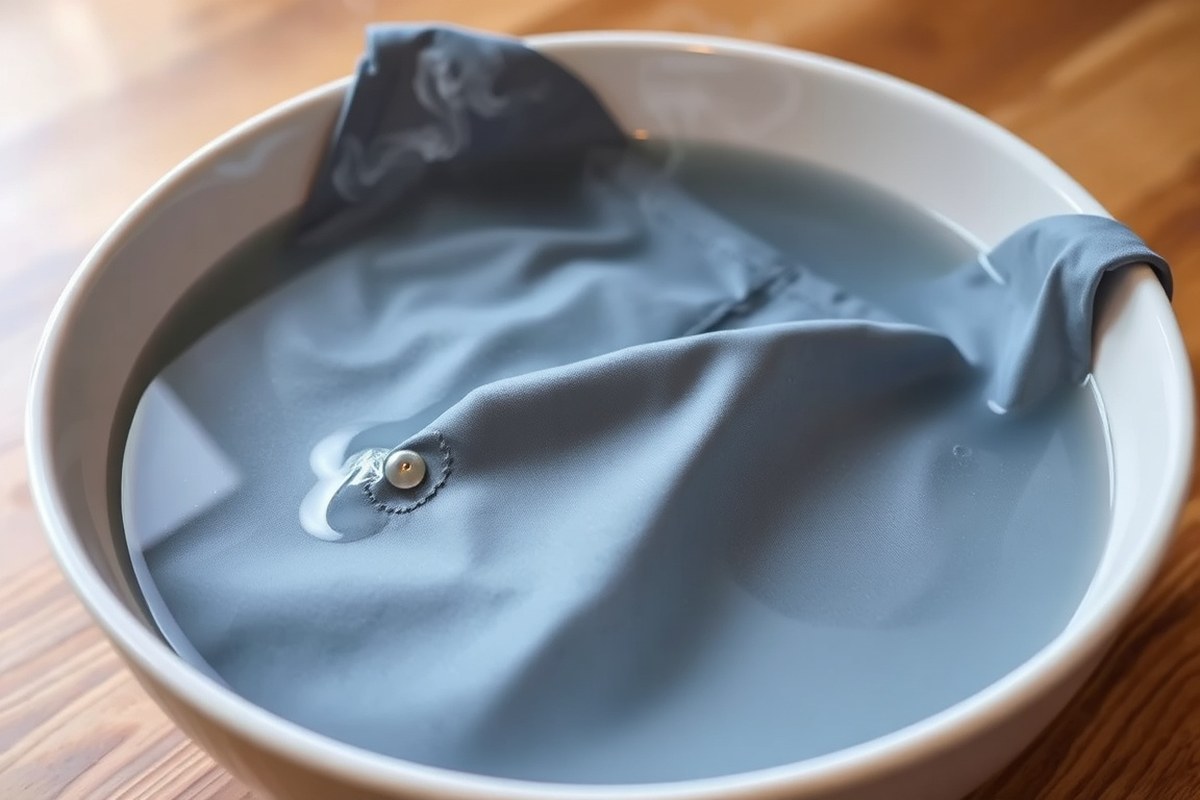
Using boiling water can shrink polyester shirts, but you must handle the process carefully to avoid damaging the fabric. Boiling water causes polyester fibers to contract, but too much heat or time can weaken or warp the material. Safe shrinking involves controlling soak time, temperature exposure, and drying methods.
Preparing the Boiling Water Bath Safely
Start by bringing a pot of water to a rolling boil on the stove. Use a large pot so the water fully covers the shirt without overcrowding. Because boiling water reaches 212°F (100°C), avoid direct contact with your skin and always use protective tools like tongs to handle the shirt. Keep in mind pure polyester can resist high heat better than polyester blends, which may shrink more quickly or unevenly. To safely prepare:
- Fill a pot with enough water to allow free movement of the shirt.
- Heat the water until it reaches a full boil (212°F or 100°C).
- Turn off the heat or reduce it slightly to maintain near-boiling temperature, avoiding continuous rolling boil if possible.
- Use long tongs or heat-resistant gloves to lower the shirt slowly into the water.
- Ensure the shirt is fully submerged and evenly soaked.
Timing Your Polyester Shirt Soak
Polyester typically begins to shrink at temperatures around 180°F to 210°F but exposure to 212°F can accelerate shrinking. Soaking your shirt in boiling water for about 15 minutes is generally enough to contract the fibers without harming the fabric. Leaving it longer increases the risk of weakening or brittleness. For better control:
- Submerge the shirt for no more than 15 minutes to avoid overheating the fibers.
- Check the shirt periodically by gently lifting it out with tongs to feel for shrinkage.
- Avoid soaking blends longer than pure polyester because natural fibers like cotton shrink faster and more dramatically.
Post-Boiling Drying Recommendations
After soaking, handle the shirt carefully to maintain the shape and prevent damage. Remove it with tongs or gloves and gently squeeze out excess water without wringing. Lay the shirt flat on a clean towel to air-dry or use a dryer on a low or medium setting, watching closely to prevent overheating. This step consolidates shrinking while preserving elasticity and fabric integrity. Steps for drying:
- Remove the shirt carefully from the hot water using tongs.
- Press the shirt against the pot rim to drain excess water gently.
- Lay the shirt flat on a clean towel and roll it to blot remaining moisture.
- Unroll the towel and reshape the shirt if needed.
- Let it air-dry flat or place it in a dryer on low or medium heat for a short time.
- Watch the drying process to avoid overheating or over-shrinking.
Ironing and Heat Press Methods for Shrinking Polyester Shirts
Ironing can help shrink polyester shirts by applying controlled heat that causes the synthetic fibers to contract. Since polyester does not shrink easily like natural fibers, the process requires careful temperature settings to avoid damaging the fabric. Use a steam iron with a low to medium heat setting, typically between 250°F and 300°F. Avoid the highest heat settings marked “synthetic” or “polyester” on your iron to prevent melting or burning the fibers.
Start by slightly dampening the shirt, either by spraying water or ironing immediately after washing when the fabric still holds some moisture. The combination of steam and moderate heat encourages the fibers to tighten and shrink. Place a thin cotton cloth between the iron and the shirt to protect any printed areas or delicate details. Press the iron gently and move it steadily across the fabric, avoiding holding it in one spot for more than a few seconds to prevent scorch marks or shiny patches.
To shrink just certain sections, like sleeves or shoulders, focus on those areas individually instead of treating the whole shirt. This precision helps maintain the overall shape and avoids uneven shrinkage. Using the heat press method for more intense shrinking works similarly but requires equipment calibrated specifically for clothing, usually set between 280°F and 320°F for polyester. This method suits shirts without prints or embellishments since the uniform pressure and high heat can damage decorative features.
Take care to check the manufacturer’s care label on your shirt to confirm it can handle ironing and heat application. Some polyester blends include other fibers sensitive to heat. Avoid using steam on shirts with heat-sensitive prints or appliques, as this can cause warping or discoloration. When unsure, test the iron on a small, hidden spot first and check the results after it cools.
The process can be done at home with a basic steam iron costing around $30 to $60. Shrinking 100% polyester shirts modestly through ironing usually takes multiple passes, each lasting about 30 seconds to a minute per section, and may reduce the size by about one to two percent. Overheating or excessive ironing can cause irreversible damage such as fabric melting or deformation, so proceed slowly and monitor your progress closely.
For better control, iron the shirt inside out, especially if it has prints, and avoid using the steam burst function on high settings. The goal is gradual shrinking to improve the fit without rushing the process. Avoid ironing over zippers, buttons, or highly elastic fibers, which can distort under heat and pressure. When done properly, ironing and heat press methods offer a practical way to adjust polyester shirts at home without expensive alterations or professional tailoring.
Shrinking Polyester Blends vs 100% Polyester Shirts: What Differs?
Polyester shirts made from 100% polyester shrink less and require higher heat to affect any size change, while polyester blends with cotton or rayon shrink more easily and at lower temperatures. Different fabric compositions need tailored heat settings and careful handling to get the fit changes you want without damaging the shirt’s integrity or print.
Shrinkage Potential by Polyester Content
Pure polyester shirts resist shrinkage because the synthetic fibers hold their shape well. They generally change little, even after repeated washes and drying. In contrast, polyester blends, especially those mixed with cotton or rayon, shrink more due to the natural fibers that contract when exposed to heat and moisture.
For example, cotton can shrink up to 20% depending on its quality, causing the blend to shrink significantly more than a 100% polyester shirt. Polyester blends may reduce in size by about one full size after shrinking, while pure polyester typically shows minimal size change.
Recommended Heat Settings per Blend
Different fabric blends need different heat settings to shrink appropriately. Pure polyester requires exposure to higher heat levels, such as hot water in washing and high heat in drying, to achieve even slight shrinkage. Lower heat usually won’t impact its size much.
Polyester blends with cotton or rayon can shrink well at lower heat settings since natural fibers are more responsive to heat. Using high heat on blends risks uneven shrinkage or damage, especially if the shirt has prints or special finishes.
| Fabric Type | Shrinkage Potential | Recommended Water Temperature | Recommended Dryer Heat | Care Notes |
|---|---|---|---|---|
| 100% Polyester | Low, minimal change | Hot (above 130°F / 54°C) | High heat | Resists shrinking; avoid overheating to prevent damage |
| Polyester-Cotton Blend | Moderate to high, up to 20% shrinkage | Warm to hot (110-130°F / 43-54°C) | Medium to high heat | Shrinks more due to cotton; monitor to avoid over-shrinking |
| Polyester-Rayon Blend | Moderate shrinkage | Warm to hot (110-130°F / 43-54°C) | Medium heat | Rayon sensitive; avoid excessive heat to maintain fabric integrity |
| Polyester with Prints | Depends on print type | Lower end of warm temperatures | Medium to low heat | Heat can damage prints; test on inconspicuous area first |
Adjust heat levels according to the specific blend and presence of prints to avoid unexpected shrinkage or damage. Paying close attention to the care label and fabric composition helps maintain the shirt’s quality while achieving desired size changes.
Expected Fit Changes After Shrinking
Expect polyester blends to shrink noticeably and fit more snugly, often allowing you to reduce a size. Pure polyester usually offers subtle fit changes, often restricting you to minor alterations. Shrinking also varies if the fabric has stretch or prints, which can limit heat exposure.
Sports jerseys and shirts with large prints or heat transfers may require gentler shrink methods to protect decorations. Stretch polyester improve fit retention and resilience, making shrink attempts less effective.
Tip: Always test heat on a small, hidden area of the shirt first to see how the fabric and print react before shrinking the entire garment.
Common Mistakes When Shrinking Polyester and How to Avoid Them
Shrinking polyester shirts requires careful handling to avoid common mistakes that can damage the fabric or ruin the colour. One frequent error is relying on too much heat or extending exposure times during washing or drying. Polyester can withstand heat up to about 350°F (177°C) before it risks melting or warping, but prolonged periods in a high-heat dryer or boiling water can weaken fibers and cause unwanted changes in texture. Using excessive heat repeatedly increases the chance polyester will look worn out, pill, or lose its elasticity.
Another mistake is skipping the step of starting with a freshly washed shirt. Dirt, oils, and detergents trapped in the fabric may interfere with uniform shrinking and lead to uneven results. Washing first removes these residues and prepares the fibers to respond predictably to heat. Also, people often overlook the need to protect the colour during shrinkage. Heat and water may cause dyes to fade or bleed if you don’t use colour-safe detergents and avoid mixing colours in the same load.
Repeated shrinking attempts can cause damage over time. Since polyester resists shrinking compared to natural fibers like cotton, shrinking multiple times may change the fabric’s feel and durability. That means each shrinking session should be intentional and well-controlled, not rushed or repeated without assessing the results. Over-shrinking risks ending up with a stiff, less comfortable shirt instead of a better fit.
- Always wash the shirt fresh before shrinking to remove residues
- Do not exceed dryer temperatures of around 150°F (65°C) for polyester
- Avoid boiling for more than 10 to 15 minutes to prevent weakening fibers
- Use mild, color-safe detergents to preserve dye vibrancy
- Do not mix colours to prevent dye transfer during heat treatment
- Limit shrinking attempts to one or two sessions; check fit before repeating
Following these practical tips helps protect your polyester shirts while shrinking them successfully. Taking the time to control heat, watch the clothes during treatment, and remember how polyester reacts will keep your shirt looking good and feeling right. Polyester’s resistance to shrinkage makes careful steps essential to avoid damage or colour loss, making every shrinking try count toward your ideal fit.
Signs Your Polyester Shirt Has Shrunk Enough and When to Stop
Knowing when your polyester shirt has shrunk enough is key to avoiding over-shrinking or fabric damage. The best way to tell if the shirt fits as desired is by measuring it and trying it on periodically during the shrinking process. Start by measuring the chest width, sleeve length, and overall shirt length before shrinking, then compare these with the measurements and fit after each shrinking attempt. It’s best to use a soft measuring tape and lay the shirt flat to get accurate measurements.
Check the fit by putting the shirt on to see if it feels comfortable but snug. Pay attention to areas like the chest, shoulders, and sleeves, these should feel closer but not overly tight. When the fabric feels brittle, stretched thin, or shows visible signs of damage like pulling threads or uneven texture, it is likely over-shrunk and may need to be left as is or even stretched gently while damp. Here is a quick checklist to know if you should stop shrinking your polyester shirt:
- Measurements match your desired fit within about half an inch.
- The shirt fits comfortably when put on without restricting movement.
- No visible fabric damage such as thinning or distortion of print.
- Fabric retains some natural stretch without feeling overly stiff.
- Repeated shrinking cycles show minimal change in size.
- Heat exposure beyond current attempts causes discoloration or fabric weakening.
It’s better to shrink the shirt gradually, testing the fit between attempts rather than applying heat all at once. Most polyester shirts respond slowly to shrinking methods, so patience helps prevent damage. When the shirt meets your size expectations and shows no signs of stress, stop the shrinking process. Holding onto the requested fit avoids unnecessary wear or fabric breakdown.
Keep in mind shrinking polyester too much at home can limit how you wear it and how long it lasts. When the exact size is critical, consider professional tailoring or buying a fitted shirt instead of repeated home shrinking. This approach saves money and avoids compromising the fabric’s durability.
Caring for Your Polyester Shirt After Shrinking to Maintain the Fit
After shrinking your polyester shirt to the desired fit, proper care during washing, drying, and storage plays a big role in maintaining that shape. Polyester is less prone to absorb water, so it doesn’t shrink much again after the initial process if treated gently. Washing your shirt in cold water on a gentle cycle prevents the fibers from loosening or stretching out, which helps maintain the smaller fit. Avoid hot water, since it can cause unintended shrinking or damage the fabric’s texture.
When drying, air drying is the safest method to keep the shirt’s new size intact. Lay it flat or hang it in a place with good airflow but out of direct sunlight, which can cause fading or weaken the fibers over time. Sun drying might seem helpful to dry shirts quickly, but for polyester, prolonged sun exposure does not contribute to shrinkage and can degrade fabric quality.
If you prefer machine drying, use the lowest heat setting available and check the shirt frequently. Overdrying or high heat may stretch the shirt back out or create uneven shrinking. Taking the shirt out while it is slightly damp reduces stress on the fabric and keeps the fit consistent. Avoid wringing the shirt, as twisting it can distort the shape.
Storing the shirt properly also matters. Folding it or hanging it on a sturdy hanger helps the garment keep its shape. Avoid wire hangers that can cause shoulder bumps or stretching. Polyester retains its shape better when given support and minimal compression during storage.
To shrink polyester shirts without washing, controlled heat using an iron or a heat press can be useful but requires caution. Apply medium heat with little steam, test on an inside seam first, and avoid prolonged contact to prevent damage. This method doesn’t rely on water so you can target shrinking specific areas without a full wash and dry cycle.
Avoid high heat during drying to prevent stretching polyester back out; check your shirt periodically and remove it when slightly damp for best results.
Step-by-Step Action Plan to Shrink Your Polyester Shirt
Follow these steps to safely and effectively shrink your polyester shirt at home while avoiding damage.
- Before you start: Check the shirt’s care label for heat warnings to prevent damage.
- Day 1: Wash the shirt in hot water using a washing machine’s hottest setting and a normal cycle; check if the shirt feels smaller after drying.
- Immediately after washing: Dry the shirt on high heat for 20 to 30 minutes; measure to see if the shirt’s size has reduced noticeably.
- Day 2: If more shrinking is needed, pour boiling water over the shirt in a basin, soak for 10 minutes, then dry again on high heat; confirm shrinking progress once dry.
- Day 3: For precise control, use a hot iron or heat press on low to medium heat in short bursts, focusing on tight areas; test the fit before continuing further.
- Day 4 and beyond: Wear the shirt to confirm fit and avoid repeating heat treatments to prevent fabric damage.
- After shrinking: Wash the shirt in cold water and hang dry to maintain the new size and fabric integrity.
Frequently Asked Questions
Can Polyester Shirts Shrink After Multiple Washes?
Polyester shirts, especially 100% polyester, may shrink slightly after several hot washes, but changes are minimal. Consistent exposure to heat over time can cause gradual shrinkage.
Is Shrinking Polyester Through Hot Water Safe for Dyed Shirts?
Hot water can fade some dyed polyester shirts, so test a small area first. Use caution to prevent color loss during the shrinking process.
Can Using Fabric Softener Affect Shrinking Polyester?
Fabric softeners do not affect shrinking polyester. They may reduce static but won’t influence the fabric’s response to heat.
Is It Better to Shrink Polyester Shirts When Dry or Damp?
Shrinking polyester works best with damp shirts because fibers respond better to heat and moisture combined. Start with wet or damp fabric for effective shrinking.
How Long Should You Keep a Polyester Shirt in the Dryer to Shrink It?
Typically, 30 to 45 minutes on high heat is enough to shrink polyester shirts. Check periodically to avoid over-shrinking or damage.
Will Shrinking Polyester Damage the Shirt’s Texture or Durability?
High heat shrinkage can slightly alter texture or weaken fibers over time, especially with repeated shrinking attempts. Limit heat exposure to protect fabric integrity.
The Bottom Line
Shrinking a polyester shirt requires careful control of heat to avoid damage while achieving a better fit. Using the right combination of washing, drying, and targeted heat treatments can reduce size safely. Start with short, gradual steps and stop as soon as you reach the desired fit. Next, maintain your shirt by washing in cold water and air drying to preserve that fit over time.