How to Shrink Clothes in the Wash: 8 Steps for Safe, Effective Shrinking
Shrinking clothes in the wash works best by using hot water and high dryer heat to relax and shorten fabric fibers. Natural fibers like 100% cotton and denim shrink most easily, while synthetic fabrics shrink less. Mastering how to shrink clothes in the wash lets you customize the fit of your garments at home without special tools.
This guidance suits anyone wanting to adjust clothing size safely and effectively. You’ll learn which fabrics respond to heat, how to target specific areas, and steps to prevent over-shrinking and damage.
Key Takeaways
- Use the hottest wash cycle available to help shrink cotton and denim fabrics effectively.
- Follow with a high heat dryer setting to continue the shrinking process safely.
- Natural fibers like 100% cotton can shrink up to 20 percent, especially when washed hot.
- Synthetic fabrics such as nylon and acrylic shrink only about 3 to 4 percent under heat.
- Soak clothes in lukewarm water with fabric conditioner before drying to tone down fabric relaxation.
- To shrink specific areas, wet and heat only those spots rather than the entire garment.
1. How to Shrink Clothes Effectively in the Wash

Shrinking clothes in the wash works best by combining heat and agitation. Hot water relaxes the fibers while the agitation in the washing machine causes the fabric scales to interlock more tightly, resulting in shrinkage. Using the dryer on a high heat setting further tightens the fibers to maximize shrinkage. The process varies depending on fabric type, but generally, washing clothes in hot water and drying them with high heat achieves effective shrinking quickly. Follow these steps to shrink your clothes effectively using your washing machine and dryer.
- Organize your laundry. Keep heavier fabrics like cotton, denim, and polyester apart from softer materials such as wool, cashmere, or silk. Delicate fabrics can get damaged by hot water and high heat, so handle them carefully or avoid using this approach.
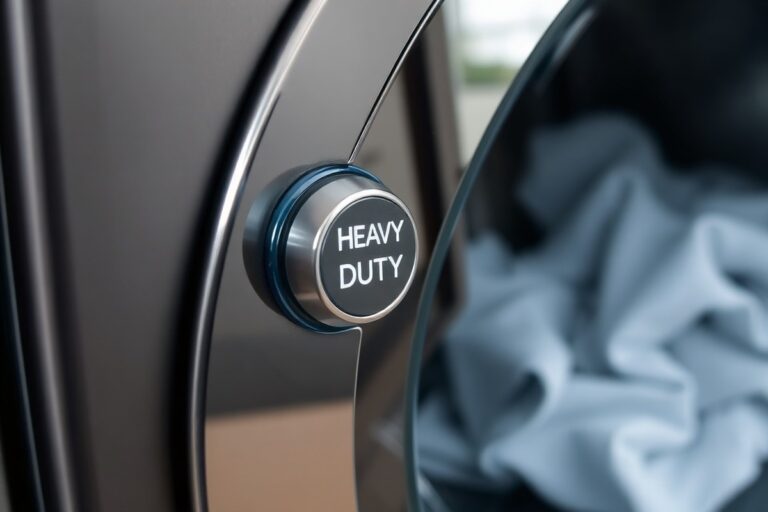
- Set the washing machine. Choose the longest wash cycle with the hottest water temperature available on your machine. Hot water heats the fibers and relaxes them for better shrinkage. Avoid warm or cold water for the most shrinkage.
- Add a fabric-safe detergent. Use a regular amount of detergent for best cleaning without interfering with the heat process. Consider adding half a cup of white vinegar to prevent color bleeding if you wash colored clothes in hot water.
- Load your clothes loosely. Don’t overload the washer. Allow enough space for agitation to work effectively on the fabric fibers.
- Start the wash and monitor the cycle. Let the machine complete the full wash cycle with hot water and agitation to ensure the maximum effect on the fabric fibers.
- Transfer clothes to the dryer immediately. Set the dryer on the highest heat setting to continue shrinking the clothes. Drying on high heat contracts the fibers further after washing.
- Check clothes periodically. Remove and try on your garments after 20 to 30 minutes of drying to monitor shrinkage. Over-shrinking may make clothes too small, so you can stop early if satisfied.
- Finish drying completely or air dry. Continue drying the clothes fully on high heat if more shrinkage is needed or air dry to preserve the current size and avoid further shrinkage.
For situations without a dryer, washing with hot water alone can shrink clothes, but the process will take longer and results vary by fabric. A blow dryer can help target specific areas if you want to avoid full shrinkage or risk of damage. Take care with delicate fabrics by using warm water and medium heat settings to prevent damage while still allowing some shrinkage.
2. Which Fabrics Shrink and Why Heat Matters

Different fabrics react to heat and water in various ways, which affects how much they shrink during a wash. Natural fibers generally shrink more because heat relaxes and shortens their threads. Synthetic fabrics shrink less because their fibers do not absorb water and swell as easily. Understanding these differences helps you target the right clothes and control shrinking more precisely.
Natural Fibers Like Cotton and Wool
Cotton is among the easiest fabrics to shrink. Its fibers contract significantly when exposed to hot water and high heat drying. Wool and mohair, made from animal hair with a scale-like structure, also shrink well when heated because their fibers contract and interlock. Silk, linen, and hemp similarly react to heat by relaxing their fibers, causing noticeable shrinkage.
Natural fibers absorb water, which swells the threads. Heat then relaxes the stretched fibers, allowing them to return to a shorter length. The effect is most pronounced with cotton and wool, making them ideal for shrinking through washing. Different fabric constructions influence shrinkage too, knitted cotton can shrink more in length than woven cotton because of its elasticity.
Synthetic Fibers and Blends
Synthetics like polyester and nylon resist shrinking because their plastic-like fibers do not absorb moisture and swell like natural fibers do. While you can shrink synthetic clothes using high heat, the amount of shrinkage is usually less significant. Turning synthetic garments inside out during the wash can protect the color from fading under high heat.
Blends with synthetic and natural fibers shrink depending on the proportion of natural fibers. A shirt with a high cotton content will shrink more than one with a higher polyester percentage. Because synthetic fibers maintain their length better, garments made of 100% polyester or nylon often do not shrink enough to alter fit noticeably in normal washing.
Pre-Shrunk and Treated Fabrics
Many clothes are labeled “pre-washed” or “pre-shrunk.” These garments have already undergone treatments to reduce further shrinking. As a result, they shrink less or not at all when washed with heat. This treatment is common in denim and cotton clothing to maintain size and fit after purchase.
Fabric blends and weaves treated to resist shrinking can behave differently. Sometimes, shrinking one part causes uneven results, which is why knowing your garment’s label and construction helps set realistic expectations. If a pre-shrunk garment must shrink more, follow specific methods that apply extra heat or agitation but watch for damage.
| Fabric Type | Likelihood of Shrinking | Reason |
|---|---|---|
| Cotton | High | Fibers swell with water and contract with heat |
| Wool/Mohair | High | Scale-like fibers interlock and contract with heat |
| Silk, Linen, Hemp | Moderate to high | Natural fibers relax and shrink under heat |
| Polyester, Nylon | Low | Plastic-like fibers resist water absorption and swelling |
| Blended Fabrics | Variable | Depends on natural vs synthetic fiber ratio |
| Pre-shrunk Fabrics | Low | Treated to reduce further shrinkage |
Heat causes shrinking because it softens and relaxes the fibers in natural fabrics. Water absorption swells the fibers, while heat and agitation allow the stretched threads to return to their original, shorter size. This process is less effective with synthetic materials that do not swell with water.
Tip: Avoid heat when washing delicate natural fibers like wool and silk to prevent damage, even though they shrink easily.
3. Step-By-Step Guide for Shrinking Specific Fabric Types
Shrinking clothes requires different techniques depending on the fabric type, as each material reacts differently to heat, water, and agitation. For cotton and denim, heat and agitation in the washer and dryer cause fibers to contract. Wool and silk need gentle handling to avoid damage while encouraging some shrinkage. Polyester and synthetic blends resist shrinking, needing more heat or drying time but usually shrinking less.
Shrinking Cotton and Denim Clothes
Cotton shrinks most readily when exposed to high heat and vigorous agitation. Denim, made mostly of cotton, behaves similarly but can vary if it contains Lycra or other stretch fibers. Shrinking these fabrics works best with a hot wash cycle followed by a high-heat dry. Follow these steps to shrink cotton or denim clothing:
- Check the care label to confirm the garment is mostly cotton and can handle heat.
- Wash the item in hot water using a regular or heavy-duty cycle for about 30 to 40 minutes.
- Dry the clothing immediately on the highest dryer setting for at least 30 minutes.
- If further shrinkage is needed, repeat the drying process without rewashing.
- Avoid prolonged drying beyond 45 minutes to reduce fiber damage or excessive wear.
Good shrinkage results look like a noticeable size reduction without fabric stiffness or distortion. Garments with some stretch may shrink less. Avoid overdrying cotton too often to maintain fabric softness.
Handling Wool and Silk Gently
Wool and silk fibers are sensitive to heat and agitation and can felt or weaken if treated harshly. These fabrics require a low heat and short wash cycle to achieve slight shrinkage safely. Use caution to avoid damaging delicate fibers. Steps for shrinking wool or silk items:
- Read the care label for any specific instructions on washing temperature and drying.
- Select a short, gentle or delicate wash cycle with cold or warm water (not exceeding 100°F).
- Use mild detergent designed for delicate fabrics.
- Air dry the garment loosely or use a low-heat dryer setting for no more than 10 to 15 minutes to prevent felting.
- Check shrinkage after drying and repeat if a minor additional reduction is acceptable.
This controlled approach may only shrink wool or silk slightly but will keep your garment’s shape and softness. Avoid hot water or extended drying to prevent permanent damage.
Approach for Polyester and Synthetics
Synthetics like polyester and spandex blends resist shrinking due to their plastic-like fiber structure. They require more heat during drying to shrink, and even then, the results are usually modest. Patience and controlled heat are key. Follow this process to shrink polyester or synthetic blends:
- Verify the care tag allows heat-based drying and washing.
- Wash the garment in the hottest water safe for the fabric, usually warm to hot (130°F to 140°F).
- Place the item in the dryer on a high heat setting for 30 to 40 minutes.
- Check the garment frequently during drying to avoid overheating, which can melt or damage fibers.
- Repeat drying cycles as necessary, allowing breaks between cycles if shrinkage is slow.
Expect slight shrinkage rather than dramatic size changes. Stretch blends may contract in tight areas but won’t shrink overall like cotton. Avoid excessive heat exposure to protect fabric integrity and colour.
4. Controlling Shrinkage: How to Shrink Specific Areas
You can shrink just the sleeves, waist, or other parts of a garment by applying heat and moisture selectively to those areas. Targeted shrinking is useful when you want a more precise fit without altering the entire piece. It matters because uneven shrinking may cause distortion or make the garment look misshapen, so controlling the process carefully is key to avoiding unwanted effects.
The most common and effective tools for localized shrinking include a hair dryer, a hot iron, and a spray bottle with water. Start by dampening only the specific area you want to shrink. For example, if you want to shrink sleeves, lightly spray them with water or dampen with a cloth. Then, apply heat directly by using a hair dryer on medium-high heat, holding it about 6 to 8 inches away and moving constantly to avoid burning the fabric. Another option is to cover the area with a thin cloth or pressing cloth and press firmly with a hot iron, using the heat setting appropriate for the fabric type. This combination of moisture and heat causes the fibers to contract in that spot.
To avoid uneven or excessive shrinking, focus on one small section at a time. After applying heat, let the area cool completely before checking the fit. Repeat the process gradually if more shrinkage is needed. Be cautious on synthetic blends like spandex, which may shrink differently and sometimes permanently, often shrinking significantly with every wash. Always test on an inconspicuous part of the fabric when possible.
- Identify fabric type before starting; use lower heat for synthetic blends or delicate fabrics.
- Only dampen the area you want to shrink, never saturate the entire garment.
- Use a hair dryer or hot iron on medium heat; avoid maximum heat to reduce risk of damage.
- Work in sections and let cooled areas rest before reapplying heat.
- Check fit often to prevent over-shrinking or distortion.
- If the garment is labeled dry-clean only, do not attempt at-home shrinking, consult a professional cleaner.
- Wash and dry the garment in cold water after achieving desired shrinkage to stop further shrinking.
This method requires patience and control but can achieve a subtle, targeted fit adjustment without compromising the entire garment. The cost is minimal, you only need household tools that most people already own. Good results look like a snug but comfortable fit in the treated area, without puckering or warping seams. Problems arise when parts shrink unevenly or become misshapen, often caused by applying too much heat or moisture unevenly. Maintaining steady heat and checking frequently help prevent these issues and deliver a more balanced outcome.
5. How Long Does Shrinking Take and When to Stop
Shrinking clothes typically takes place during the drying stage rather than the washing stage. When you use a high heat setting in your dryer, most natural fabrics like cotton and wool will start to shrink within 20 to 30 minutes. Synthetic fibers usually resist shrinkage, so they may take longer or not shrink much at all. Washing clothes in hot water can help begin the shrinking process, but leaving them in hot water too long can weaken fibers and cause damage, so limit soaking to about 30 minutes max if you soak your clothes first.
Clothes stop shrinking once their fibers have tightened as much as they can. This means the shrinking process mostly finishes after the first dry cycle at a high heat setting. You can repeat the process to get more shrinkage after one drying cycle. However, be careful, since repeated exposures to high heat can wear out clothes, cause fading, or even make fabrics lose their shape. For delicate fabric blends, aim for shorter drying times or use medium heat to avoid damage while still encouraging some shrinkage.
To recognize when clothes have shrunk enough, check the fit regularly during the drying cycle. Pause the dryer every 10 to 15 minutes to try on the garment or measure it against the size you want. Clothes will feel noticeably tighter and smaller once they have shrunk. Inspect the fabric for stiffness or brittleness and shrink only until the fit is right. When the item feels rough or shows stretched spots, stopping prevents permanent damage.
Using this timeline as a starting point, tailor your approach depending on fabric type and initial fit. For example, heavier cotton jeans might need a full 30-minute high heat dry cycle to shrink sufficiently, while a cotton T-shirt could shrink faster and require less drying. For small targeted shrinkage, you can dampen specific areas and dry them briefly instead of shrinking the entire garment.
Repeated high heat drying can damage clothes, so stop once the garment fits properly to avoid shrinking too much or causing fabric wear.
6. Common Mistakes to Avoid When Shrinking Clothes
Using hot water is essential to shrink clothes, but it often leads to color fading or parts of the fabric weakening if not done carefully. Hot water can make dyes bleed, especially on darker or bright-coloured fabrics. To prevent this, wash shrinking clothes separately from others and use a mild detergent designed to preserve colors. Avoid harsh chemicals or bleach, which accelerate fading and damage fabric strength.
Leaving clothes in the dryer too long after washing is another common error that causes over-shrinking or stiffness. The heat continues to affect the fabric, sometimes making it hard or brittle, especially with cotton. Set the dryer to a medium or low heat if you want to avoid overdoing shrinkage, or remove clothes promptly when dry enough. For delicate fabrics, air drying after hot water washing prevents damage but may reduce total shrinkage.
Some people attempt to shrink clothes with extremely high heat or prolonged washing times. While longer cycles encourage more shrinkage, running a wash cycle beyond 45 minutes can unnecessarily stress the fibers. This can lead to holes or a rough texture. For fabrics sensitive to heat, like wool or leather, keep washing times short and water temperatures below 110°F (43°C). When shrinking leather, soak it only for 2 to 3 minutes using lukewarm water and gently squeeze excess water rather than wringing it out. Here is a simple checklist of common mistakes and ways to avoid damaging clothes while shrinking:
- Using hot water without separating colors to prevent dye bleeding
- Overdrying clothes in the dryer causes stiffness and over-shrinking
- Using bleach or harsh detergents that weaken fibers
- Washing too long or at temperatures too high for delicate fabrics
- Neglecting to protect fabric during ironing when shrinking specific areas
- Soaking leather too long or in very hot water, which makes it hard
- Not checking fabric care labels for maximum temperature and washing guidelines
Ironing at a high temperature can help shrink specific garment areas, but always use a pressing cloth. Direct contact between a hot iron and fabric risks burning or shiny marks. Adjust the iron to the proper setting for the fabric type and keep the cloth in place during pressing. This method allows precise shrinking without harming the whole item. Avoid attempting this on leather or very delicate materials.
Sticking closely to fabric care labels and using the right temperature, wash cycle length, and drying method will give you the best results while protecting your clothes. Modest heat and timing are keys to shrink clothes safely without causing permanent damage or uneven results.
7. Safe Alternatives to Machine Shrinking Clothes
You can shrink clothes without using a washing machine or dryer by soaking them in warm water, using fabric conditioners, or applying heat with a blow dryer. These methods are gentler and reduce the risk of damaging delicate fabrics. Each approach gives you more control over shrinkage, especially for items that don’t tolerate machine agitation or high heat well.
Soaking Clothes in Warm Water
Soaking clothes in warm water helps the fibers relax and contract gradually, which can induce shrinkage without the harsher effects of machine washing. This method is effective for materials like cotton, wool, or blends that respond to temperature but might get damaged by rougher washing cycles. Using water that’s warm but not hot, around 100°F to 110°F, limits the risk of overstretching or warping the fabric.
To soak safely, fill a clean sink or bucket with warm water and fully submerge the garment. Allow it to soak for about 30 minutes, monitoring the fabric’s feel. After soaking, gently squeeze (don’t wring) excess water out before air drying. This slow process encourages even shrinkage.
- Fill a sink or bucket with warm water (about 100°F to 110°F).
- Submerge the garment completely, ensuring it is fully soaked.
- Let the garment soak undisturbed for 30 minutes.
- Gently press water out without wringing or twisting the fabric.
- Lay the garment flat on a towel to air dry, reshaping if needed.
Using Fabric Conditioner or Hair Conditioner
Adding fabric or hair conditioner to warm water can soften fibers and help them shrink gently by relaxing the material. Hair conditioner works well as an affordable alternative. This approach is particularly useful for wool or delicate fabrics that may shrink unevenly or feel rough after washing. Conditioning keeps the fibers supple.
To do this, dissolve about 1 tablespoon of hair or fabric conditioner per quart of warm water in a basin or sink. Soak the item for 15 to 30 minutes, depending on how much shrinkage you want. After soaking, rinse lightly with cool water to remove excess conditioner, then air dry. The gentle conditioning action reduces damage and unwanted stiffness.
- Mix 1 tablespoon of hair or fabric conditioner per quart of warm water in a basin.
- Submerge your clothing item completely in the solution.
- Leave it to soak for 15 to 30 minutes.
- Rinse the garment briefly with cool water to remove conditioner residue.
- Press out water gently, then lay flat or hang to air dry.
Applying Heat with a Blow Dryer
Using a blow dryer on high heat is a way to target specific areas or overall shrinkage when you want more control than machine drying offers. The heat stimulates fibers to contract, mimicking the effect of a dryer but without tumbling. This works best on fabrics like cotton or polyester blends that shrink moderately with heat.
Hold the blow dryer about 6 to 8 inches from the fabric, moving it constantly to avoid overheating a single spot. Focus on damp clothes after soaking or hand washing. This method requires some patience, as it can take 10 to 20 minutes to noticeably shrink a garment without damage. Avoid use on fragile materials like silk.
- Dampen the garment thoroughly with warm water or after soaking.
- Set the blow dryer to a high heat setting.
- Hold the dryer 6 to 8 inches away from the fabric.
- Move the dryer slowly over the entire surface to apply even heat.
- Continue until the desired shrinkage is achieved, typically 10 to 20 minutes.
- Let the garment cool and dry fully before trying it on or wearing.
8. What to Do If Clothes Shrink Too Much
Fixing clothes that have shrunk too much is possible but depends on the fabric type and how severe the shrinkage is. Cotton and wool are easier to stretch back compared to synthetic fabrics like polyester. To gently stretch shrunken fabric, start by soaking the garment in lukewarm water with a small amount of hair conditioner or baby shampoo for about 10 to 30 minutes. The conditioner relaxes the fibers, making them less rigid.
After soaking, remove excess water by pressing the garment gently, do not wring it out. Lay the item flat on a clean towel and begin stretching it back to its original size. Work slowly, pulling each section evenly to avoid distorting the shape. You can pin the stretched garment to the towel with safety pins to hold it in place until dry. This method can increase the size by an inch or two, but results vary based on fabric and shrinkage severity.
Some clothes might be beyond DIY stretching, especially those with strong heat-shrink fibers or severe shrinkage. In such cases, professional help from a tailor or alterations specialist is worth considering. Tailors can add panels, adjust seams, or reshape the garment with precise sewing techniques. This option can cost anywhere from $20 to $100, depending on the complexity of the work and your location. It’s a practical choice if you want to save a pricey or sentimental piece.
A checklist to decide your next step is helpful: if the garment is natural fiber and only slightly smaller, try soaking and stretching at home first. For heavy shrinkage, synthetic materials, or structured garments like jackets, estimate a visit to a professional tailor. Also, check whether the garment is under warranty or has special care instructions; some manufacturers do not allow heat-related fixes.
Don’t use high heat during drying to fix over-shrunk clothes, it often makes the problem worse instead of helping.
Step-by-Step Action Plan to Shrink Clothes in the Wash
Follow these steps in order to shrink your clothes safely using your washing machine and dryer.
- Before you start: Check the fabric label to confirm if it is a natural fiber like cotton or wool, which shrink more easily.
- Preparation phase: Wash the garment in warm water to begin shrinking; you should feel the fabric tighten slightly after the wash.
- Drying phase: Dry the item on a high heat setting in the dryer; the heat causes fibers to contract for effective shrinking.
- After first dry: Try on the garment to see if the size matches your goal; it should feel noticeably smaller but still comfortable.
- Repeat if needed: If more shrinkage is desired, repeat washing and drying with warm water and high heat, checking after each cycle.
- Stop phase: Once the garment fits well, switch to air drying or low heat to avoid further shrinking.
- Maintenance: Wash future loads in cold water and air dry or tumble dry on low to preserve the size.
Frequently Asked Questions
Can All Clothes Be Shrunk in the Wash?
Not all clothes shrink well in the wash; pre-washed or pre-shrunk items often won’t shrink further. Natural fibers like cotton and denim shrink best, while delicate fabrics and some synthetics resist shrinking or can be damaged.
How Does Water Temperature Affect Shrinking Clothes?
Hot water relaxes fabric fibers, causing them to shrink when dried on high heat. Using cold water prevents shrinkage, so always choose the hottest water safe for the fabric to encourage shrinking.
Is Drying Clothes on High Heat the Best Way to Shrink Them?
Yes, drying clothes on high heat sets the shrinkage by tightening the fibers after washing in hot water. Avoid low or medium heat, which won’t shrink fabrics as much.
Can Synthetic Fabrics Like Polyester Shrink in the Wash?
Polyester and similar synthetics can shrink but much less than natural fibers. Expect minimal shrinkage, even with hot wash and drying; multiple cycles may be needed for noticeable change.
What Should I Avoid When Trying to Shrink Clothes in the Wash?
Avoid shrinking delicate fabrics like wool, silk, or cashmere in the wash or dryer; they can felt or distort. Also, don’t over-shrink, a few short cycles prevent damage or over-tightening.
How Can I Shrink a Specific Part of a Garment Without Affecting the Whole Piece?
Focus heat and water on one area using a damp cloth and a hairdryer, rather than machine washing and drying the whole garment. This targets shrinkage more precisely without risking full shrink.
Before You Go
Shrinking clothes at home works best when you pay attention to fabric type and carefully control water temperature and drying heat. Start with a gentle warm wash and increase heat gradually to avoid over-shrinking. Your next step is to try shrinking one garment following the plan above and adjust based on your results for the best fit.