What Does Tumble Dry Mean? A Complete Guide to Dryer Settings and Fabric Safety
Tumble dry means using a dryer machine that tumbles clothes through heated air to remove moisture quickly and gently. Drying settings like low, medium, and high control the machine’s temperature to protect different fabrics while speeding up drying. This explanation is for anyone wanting to understand laundry label instructions better and avoid damage to clothes during drying.
You will learn how tumble drying works, what the symbols on labels mean, which fabrics handle tumble drying well, and common mistakes to avoid when using your dryer’s settings. Knowing these details can help keep your clothes looking their best while saving time on laundry.
Key Takeaways
- Tumble dry low uses about 125°F and is best for delicate fabrics like knitwear and workout clothes.
- Tumble dry medium heats air to roughly 135°F, suitable for most everyday fabrics.
- High heat settings can reach 140-150°F but risk shrinking or damaging sensitive materials.
- The tumble dry symbol shows a square with a circle and 1-3 dots indicating heat levels.
- Avoid tumble drying fabrics labeled “no heat” or “do not tumble dry” to prevent damage.
- Tumble drying usually takes 30-60 minutes, much faster than air drying.
What Does Tumble Dry Mean on Laundry Labels?

Tumble dry means drying your clothes using a machine dryer, where your garments spin inside a rotating drum with heated air circulating to remove moisture. This method is quickly becoming the go-to for drying laundry because it saves time and can lessen wrinkles compared to air drying. On a clothing care label, “tumble dry” tells you whether it is safe to use this drying process and what heat setting to use.
The tumble dry icon appears as a square containing a circle. Inside that circle, one, two, or three small dots show the recommended heat level for drying. One dot indicates low heat, two represent medium heat, and three mean high heat. For instance, a label stating “tumble dry medium” suggests using a medium heat setting, typically near 135 degrees Fahrenheit. Many dryers offer preset cycles such as “Low,” “Medium,” or “High” that match these levels. A label with “tumble dry high” means you can select the highest heat or cycles named Heavy Duty or Sanitize.
Some laundry labels carry the tumble dry symbol crossed out with an “X.” This “Do Not Tumble Dry” symbol means you should avoid putting the garment in the dryer altogether. Instead, air-drying is recommended to protect the fabric. Ignoring this warning can cause shrinkage, fabric damage, or even ruin your clothes. For instance, delicate fabrics like silk or items with certain trims often carry this symbol to prevent damage from heat and tumbling.
Knowing how to interpret the tumble dry symbol on your garments matters because it helps you avoid costly mistakes. Clothes with a tumble dry symbol but no dots usually mean they can be dried without heat, using the no-heat or air-fluff cycle on your dryer. This is useful for items that need tumbling action to reduce wrinkles but cannot handle heat. Properly following these instructions takes just a quick look at your care label before loading your dryer. Ignoring heat recommendations or tumble dry instructions can lead to shrinking, weakening of fabric fibers, or fading colors.
Before starting the drying cycle, match the heat setting on your dryer to the dots inside the tumble dry symbol on the label. No dots mean no heat; one dot means low heat; two dots stand for medium heat, and three dots mean high heat. Do not use the dryer when the label says “Do Not Tumble Dry.” Instead, allow the garment to dry naturally in the air. Taking this step prevents damage and prolongs the life of your clothing.
How Tumble Drying Works to Dry Clothes Efficiently

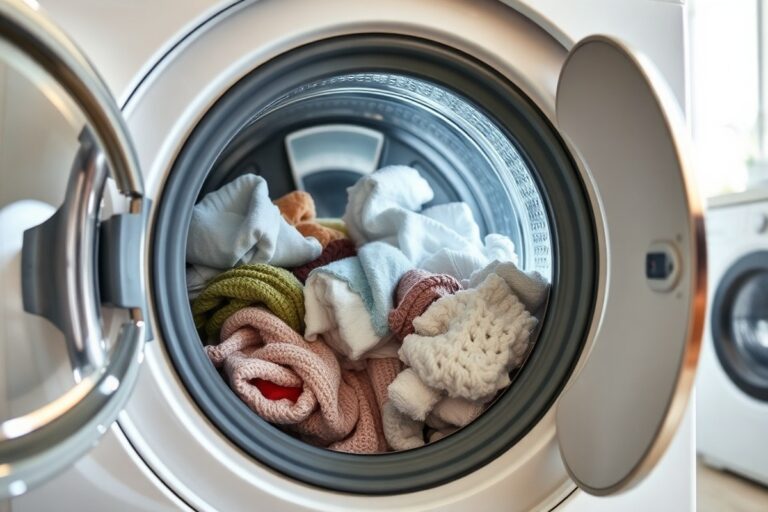
Tumble drying works by rotating clothes inside a drum where heated air circulates, speeding up the evaporation of moisture. The tumbling action prevents fabric from clumping and improves overall drying efficiency. Typical dry times vary but generally range between 30 minutes to an hour depending on load size and settings.
How Tumbling Moves Clothes for Even Drying
The drum of a tumble dryer rotates to lift and toss clothes repeatedly through heated air. This continuous tumbling action stops fabrics from bunching together, which allows hot air to flow through layers evenly. By separating the clothes, the dryer exposes more surface area to the warm air, speeding moisture evaporation. Without tumbling, some areas would stay damp longer, requiring extra drying time.
A typical drum rotates multiple times per minute, ensuring constant motion. This motion also reduces wrinkles by preventing clothes from settling in one position during drying. The tumbling action is key to drying consistency, making tumble dryers much faster than letting clothes air dry flat or hung.
Role of Heat in Removing Moisture
Heat in a tumble dryer evaporates water locked in fabric fibers. Most settings use temperatures between about 125°F on low heat to higher temperatures on regular or high settings. Warmer air can carry more moisture, which accelerates drying. When heat is applied, moisture in the clothes turns to steam and is vented out of the machine.
Some tumble drying cycles use no heat, relying only on air circulation. These settings take longer but can be safer for delicate fabrics that might shrink or get damaged by heat. The right temperature depends on the fabric type and garment care instructions, affecting drying time and fabric longevity.
How Airflow Helps Speed Drying
Airflow in the dryer carries moisture away from the wet clothes and out through an exhaust vent. A constant stream of warm air flowing through the tumbling clothes picks up evaporated water vapor and removes it from inside the drum. Good airflow is important because stagnant air slows drying.
Poor airflow from blocked vents or lint traps means clothes stay damp longer and the dryer uses more energy to complete the cycle. Regular cleaning of vent systems maintains airflow and efficient drying times. Adequate airflow complements heat and tumbling to make the entire drying process faster and more effective.
Typical Drying Time Frames
A normal tumble dry cycle usually takes between 30 to 60 minutes for a full load of average fabric, like cotton or synthetics. Loads with heavier textiles or denser materials may require up to 90 minutes or more. Lower heat settings extend drying times, sometimes doubling the cycle length compared to high heat.
Cycles using no heat rely solely on air movement, taking significantly longer, often more than an hour, to dry similar loads. The exact drying time depends on factors such as load size, fabric type, heat level, and dryer model. Monitoring the dryer’s moisture sensor (if available) can also optimize drying time by ending the cycle once clothes reach the desired dryness.
Always clean the lint filter before starting the dryer to ensure proper airflow and prevent longer drying times or fire hazards.
Understanding Tumble Dry Settings: Low, Medium, High, and No Heat
Tumble dry settings let you choose the right heat level to safely dry different fabrics while preserving their quality. Common settings include low, medium, high, and no heat, each with specific temperature ranges and fabric recommendations. Choosing the appropriate setting prevents damage like shrinking or fading.
Low Heat Settings and Uses
Low heat tumble dry usually runs between 120 to 125°F (49 to 52°C). This setting suits delicate fabrics and heat-sensitive items such as activewear and some synthetic blends.
Using low heat protects fragile fibers from shrinking, warping, or weakening. The delicate cycle is a common example of a low-heat option, ideal for lightweight garments that would be damaged by higher temperatures. Drying on low heat might take longer but reduces the risk of heat damage.
Medium Heat Settings and Uses
Medium heat tumbler temperatures range from about 130 to 135°F (54 to 57°C). This “normal” or permanent press setting balances effective drying and fabric care for materials like permanent press, synthetics, and lighter cottons.
Medium heat is versatile for most everyday clothing, allowing quicker drying than low heat without excessive wear. It usually suits mixed loads where fabrics with varied sensitivities are combined, unless the care labels specify otherwise.
High Heat Settings and Uses
High heat uses temperatures from roughly 140 to 145°F (60 to 63°C), ideal for sturdy fabrics such as heavy cottons, towels, and denim. This setting dries thick garments quickly and helps remove dampness efficiently.
High heat speeds up drying but can cause shrinking, fading, or fabric weakening if used on heat-sensitive items. Use high heat only for clothes specified as safe for this level or when fast drying of durable textiles is necessary.
No Heat or Air Fluff Explained
The no heat or air fluff setting circulates air without added warmth. This is best for items that need to avoid heat exposure, such as rubber-backed fabrics, embellished clothes, or heat-sensitive materials.
No heat tumble drying prevents heat damage and shrinking but takes longer than heated cycles. It can refresh clothes and reduce wrinkles without the risks linked to hot air. This setting conserves energy compared to heated options, making it a gentle and cost-effective choice.
Choosing the right tumble dry setting depends on the fabric type and drying speed needed. Below is a comparison table to help decide which heat level to use for your laundry.
| Setting | Approximate Temperature | Typical Fabrics |
|---|---|---|
| Low Heat | 120, 125°F / 49, 52°C | Delicates, activewear, heat-sensitive fabrics |
| Medium Heat | 130, 135°F / 54, 57°C | Permanent press, synthetics, lightweight cottons |
| High Heat | 140, 145°F / 60, 63°C | Sturdy cottons, towels, heavy garments |
| No Heat/Air Fluff | No added heat | Heat-sensitive items, rubber-backed fabrics, embellished clothes |
Using this guide makes it easier to select the tumble dry setting that suits each load, reducing fabric wear and maintaining your clothes’ appearance over time.
Which Fabrics Are Safe or Unsafe for Tumble Drying?
Not all fabrics are safe for tumble drying. Many common clothing materials tolerate drying in a machine on appropriate heat settings, but some fabrics can shrink, warp, or become damaged under heat and mechanical action. Identifying which garments you can safely tumble dry will help preserve your clothes’ shape, texture, and lifespan.
Natural fibers like cotton, linen, and polyester blends usually tolerate tumble drying well when you use the proper heat setting. Using a low-heat or delicate cycle at about 125°F is best for loosely woven fabrics or those with embellishments such as sequins or iron-on decals. This setting reduces the chance of damage while still drying efficiently in about 30 to 60 minutes. Items with fillings, like down jackets or comforters, often require tumble drying to properly restore loft, just be sure to follow the garment label’s instructions.
- Never tumble dry delicate fabrics such as silk, wool, cashmere, lace, leather, suede, and spandex, as heat and tumbling can cause shrinkage, loss of shape, or texture damage.
- Avoid tumble drying garments with elastic embellishments or glued-on decorations because heat can warp or melt these materials.
- Use the “tumble dry low” or gentle cycle for delicate synthetics and fabrics with decoration to minimize wear and prevent fraying.
- For garments labeled “do not tumble dry,” air dry flat or hang to dry to keep the fabric intact.
- Always check the manufacturer’s care label before tumble drying any item to ensure the recommended drying method.
Delicate or embellished fabrics need extra attention. While some can tolerate a gentle cycle at low heat, many will degrade with heat exposure or tumbling motion. Silk, for example, loses its smooth texture and shine if tumble dried. Wool and cashmere shrink or lose softness. Garments with intricate beading or sequins benefit from air drying to avoid damage. For these items, follow the fabric care instructions closely and choose air drying rather than machine drying whenever the label advises against tumble drying.
Using this fabric safety checklist and selecting the appropriate dryer setting makes a big difference. Taking the time to sort your laundry by fabric type and to respect care labels helps you avoid costly damage and keeps your clothes looking their best for longer. When in doubt, opting for air drying is safer than risking harm from heat and tumbling.
How to Read and Interpret the Tumble Dry Laundry Symbols
The dots inside the tumble dry symbol indicate the heat level recommended for drying your clothes safely. One dot means low heat, two dots stand for medium heat, and three dots show high heat. A crossed-out tumble dry symbol means the item should not be tumble dried at all.
Single Dot: Low Heat Settings
A single dot inside the tumble dry symbol suggests using a low heat setting. This prevents damage to delicate fabrics like nylon, polyester, or certain blends that could melt or shrink with high heat. Low heat typically ranges between 120°F to 140°F (49°C to 60°C).
Tumble drying on low heat preserves the garment’s shape and reduces the risk of shrinking or fabric weakening. Use this setting for items labeled with one dot to avoid overheating.
- Check the care label for a tumble dry symbol with one dot.
- Set your dryer to the low heat or delicate cycle.
- Dry similar weight items together to ensure even drying.
- Remove clothes promptly to prevent wrinkles.
- If unsure, add a dryer sheet or ball to help prevent static.
Using low heat can extend the life of delicate fabrics, but avoid over-drying to keep clothes soft.
Two Dots: Medium Heat Settings
Two dots inside the tumble dry symbol indicate the item can handle medium heat. This setting usually ranges from about 140°F to 160°F (60°C to 71°C). Medium heat suits fabrics like cotton blends and some synthetics that are less sensitive than delicate items.
Medium heat dries faster than low heat while still protecting fabrics from extreme heat damage. Choose this option for everyday clothes labeled for medium heat to balance efficient drying and fabric care.
- Identify the tumble dry symbol with two dots on your garment’s tag.
- Set your dryer to a medium heat or normal cycle.
- Separate heavy fabrics like towels from lighter items for better drying control.
- Check for dampness near the end of the cycle to avoid over-drying.
- Take clothes out promptly to minimize wrinkles.
Medium heat is a good balance for most everyday clothing but watch for signs of overheating like shrinking or fabric stiffness.
Three Dots: High Heat Settings
Three dots inside the tumble dry symbol mean you can use high heat, often between 160°F and 180°F (71°C to 82°C). This setting is meant for sturdy fabrics like 100% cotton, denim, and some towels that tolerate high temperatures.
High heat can shorten drying time but risks shrinking or weakening some fabrics if used incorrectly. Only select this setting when the label explicitly shows three dots and when quick drying of durable items is needed.
- Look for the tumble dry symbol with three dots on the garment label.
- Choose the high heat or heavy-duty cycle on your dryer.
- Dry heavy, durable fabrics separately from lighter materials.
- Check the garment during the drying process for signs of damage or excessive shrinkage.
- Remove promptly once dry to decrease wrinkles.
Only use high heat for fabrics that specifically allow it to prevent shrinking and damage.
Crossed Symbol: No Tumble Dry
A tumble dry symbol with a cross over it means do not machine dry the item. This might indicate the fabric could shrink, deform, or sustain damage from tumble drying heat and tumbling action.
In this case, air drying is the safest option. Lay the garment flat or hang it to dry to maintain its shape and fabric quality. Ignoring this warning risks ruining the piece with heat or mechanical action.
- Look for a tumble dry symbol crossed out on your garment care label.
- Avoid placing this item in the dryer under any heat or cycle.
- Choose a flat or hanging drying method appropriate for the fabric type.
- Place the garment in a well-ventilated area away from direct sunlight to prevent fading.
- Allow sufficient time for the item to dry fully before storing or wearing.
Always respect the crossed tumble dry symbol to avoid irreversible shrinkage or fabric damage.
Common Mistakes When Tumble Drying and How to Avoid Them
One common mistake when tumble drying is ignoring the care label, which often leads to shrinkage or fabric damage. Clothes made from delicate fabrics or those marked “Do Not Tumble Dry” should never go in the dryer. The heat and tumbling action can cause irreversible damage, such as stretching or color fading. To avoid this, always check the care symbols and choose the dryer setting that matches the fabric type.
Overloading the dryer is another frequent error. When too many clothes crowd the drum, air cannot circulate properly, resulting in uneven drying and longer drying times. This can also increase wrinkles and cause some items to stay damp while others overdry. Aim to fill the drum no more than two-thirds full. This allows clothes to tumble freely and dry evenly.
- Sort clothes by fabric type and drying requirements before loading the dryer.
- Use low or medium heat settings for synthetic or blended fabrics to reduce shrinkage risk.
- Avoid tumble drying items with heavy embellishments, like beads or sequins, as they can snag or become damaged.
- Clean the lint screen every time to maintain dryer efficiency and safety.
- Use the “air fluff” or no-heat setting to refresh clothes without applying heat, ideal for delicate pieces.
- Remove clothes promptly after drying to prevent wrinkles and overdrying damage.
Clothes with embellishments demand extra care during tumble drying. The tumbling action can loosen beads, sequins, or appliques, causing both damage to the item and potential harm to the dryer drum. You can dry such items safely by turning them inside out and placing them in a mesh laundry bag. Use the lowest heat setting or air fluff to minimize risk. When possible, air drying remains the safest option for heavily decorated clothing.
Preventing shrinkage also means not overdrying. High heat and extended drying can cause natural fibers like cotton and wool to contract. Set your dryer to a lower temperature or use moisture sensors if your machine has them, so it stops once clothes are just dry. This care helps keep your clothes fitting well and looking good longer.
Tumble Dry vs Air Dry: Which Is Better for Your Clothes?
Tumble drying uses heated air circulating inside a rotating drum to dry clothes rapidly. Air drying lets garments hang on a line or rack, slowly drying through exposure to ambient air. Each option impacts your fabrics, drying duration, wrinkle levels, and electricity consumption differently.
Tumble drying is much faster than air drying. Most loads dry in 30 to 60 minutes, depending on fabric type and dryer heat settings. Air drying varies widely from several hours to a full day, depending on humidity, temperature, and airflow. This time difference matters most when you need clothes ready quickly.
| Factor | Tumble Dry | Air Dry |
|---|---|---|
| Drying Time | 30-60 minutes | Several hours to 24 hours |
| Fabric Care | Higher heat can cause shrinking or damage to delicate fabrics | Gentler on most fabrics, ideal for delicate or shaped items |
| Wrinkle Impact | Often reduces wrinkles because tumbling prevents clumping | May cause stiffness and wrinkles unless clothes are shaken or smoothed out |
| Softness | Keeps fabrics soft but can lead to static without fabric softener | Can feel stiff; adding fabric softener or shaking clothes helps |
| Energy Use | Consumes electricity, increasing utility costs | No energy cost; environmentally friendly |
| Best Use | Durable fabrics, needed quickly | Delicates, sweaters, or fabrics prone to shrinkage |
Using tumble dry settings with no heat or air-only cycles helps protect delicate fabrics when you want to avoid heat damage but need faster drying than air drying alone. Air drying works best when you can plan ahead and want to reduce energy use. It also avoids risks like shrinkage or weakening caused by dryer heat. For wrinkle control, tumble drying usually gives better results because tumbling keeps clothes moving and prevents bunching, but shaking out air-dried clothes or using fabric softener helps reduce stiffness and creases.
Choosing between tumble dry and air dry depends on your schedule, fabric type, and care label directions. Delicate fabrics like wool or silk often benefit from air drying despite the longer wait time, while cotton and synthetic blends handle tumble drying well and come out ready to wear faster. Paying attention to settings and fabric labels helps you balance care and convenience effectively.
When to Use Tumble Dry and When to Seek Professional Laundry Help
Deciding when to tumble dry your clothes versus seeking professional laundry help depends largely on the fabric type and the value of the garment. Tumble drying works well for durable fabrics like cotton towels, sheets, and synthetic materials because it dries them quickly, usually within 30 to 60 minutes, and helps reduce wrinkles and soften the fabric. When you select the correct heat setting based on your garment’s fabric, tumble drying can also help kill bacteria on these sturdy items. However, delicate or high-end garments, such as silk, wool, or embellished clothing, often require more delicate handling that home machines cannot provide safely.
Look for a decision checklist to guide your choice. Start by identifying the fabric on the care label. If the label explicitly says “do not tumble dry” or “professionally dry clean only,” it’s best to avoid the dryer at home. For typical cotton or synthetics without these warnings, tumble drying at the appropriate heat level is typically fine. Then consider the garment’s value. High-value items or those with special finishes should be sent to a professional dry cleaner who can use specific solvents and preservation techniques not available with a washing machine or home dryer.
Professional laundry services, like Love2Laundry, offer more than just convenience with their pickup and delivery options. They use expert knowledge and commercial equipment suited for delicate, valuable, or complex clothing that requires dry cleaning or gentle washing cycles. This service costs more than home laundering, prices usually start around $10 to $20 per item depending on the fabric and cleaning method, but it can prevent costly damage from incorrect drying. When you have items that are hard to replace or repair, spending on professional care can protect your investment.
In deciding between the two methods, consider the fabric type, care label instructions, and the garment’s importance to you. For everyday clothing like cotton t-shirts and towels, tumble drying at the correct heat setting saves time and effort. For delicate fabrics, intricate designs, or expensive garments, using a professional service protects your clothes and keeps them looking their best. Avoid piling different fabric types in the dryer together, as their varying drying times and heat tolerances can cause uneven drying and damage.
Always check your garment’s care label before tumble drying and avoid drying items that explicitly advise against it to prevent shrinkage or damage.
Step-by-Step Action Plan for Safe and Effective Tumble Drying
Follow these steps to tumble dry your clothes properly and protect your fabrics from damage.
- Before you start: Check your garment labels for tumble dry instructions and symbols. Confirm which fabrics are safe for tumble drying to avoid shrinking or damaging your clothes.
- Sorting clothes: Separate items by fabric type and weight. This helps ensure even drying and prevents overexposure of delicate fabrics to heat.
- Selecting settings: Choose the appropriate heat level (low, medium, high) based on fabric care labels. Use no heat or air fluff for items labeled “no heat.”
- Beginning the cycle: Load clothes without overcrowding and start the dryer. Check that the appliance is clean and lint filters are free of debris for safety and efficiency.
- Mid-cycle check: Pause to feel dryness and fabric condition. Remove items that are dry early to prevent over-drying and wear.
- After drying: Take clothes out promptly to reduce wrinkles. Hang or fold them soon after to maintain their shape and texture.
- Maintenance routine: Clean the lint filter after every load and check the dryer vent monthly. Proper upkeep improves drying performance and reduces fire risk.
Frequently Asked Questions
What Happens If I Tumble Dry Clothes That Say Do Not Tumble Dry?
Ignoring “do not tumble dry” risks shrinking or damaging fabric, so it’s best to follow the label for garment safety.
Can I Tumble Dry Clothes That Have Sequins or Embellishments?
Tumble drying can harm sequins or embellishments; air drying is safer to maintain their look.
Does Tumble Drying Kill Germs and Bacteria on Clothes?
Tumble drying at high heat can reduce germs but won’t sterilize clothes completely.
How Does Tumble Drying Affect Clothes Shrinking or Stretching?
Heat from tumble drying can shrink clothes, especially natural fibers; low heat reduces this risk.
Is It Okay to Tumble Dry Clothes with Elastic or Spandex?
Using low heat on elastic or spandex helps prevent damage and loss of stretch.
Can I Tumble Dry Clothes to Reduce Wrinkles Without Ironing?
Tumble drying on a low-heat setting and removing clothes promptly can minimize wrinkles.
Key Points to Remember
Tumble drying means using a machine to dry clothes by rotating them with heated air, which speeds up drying times but requires careful attention to fabric types and dryer settings. Using the right temperature and cycle helps keep your clothes looking their best while avoiding damage. As your next step, review the care labels on a few of your most used garments and try a low heat tumble dry cycle to see the difference. This approach keeps your laundry routine efficient and safe for your fabrics over time.