How to Clean Armpit Stains: 8 Proven Methods for Fresh and Set Stains
To clean armpit stains effectively, treat fresh stains quickly by soaking for 2 to 4 hours and applying a baking soda paste for up to 30 minutes before washing. For set-in stains, a longer soak of 4 to 8 hours or overnight with stronger solutions like hydrogen peroxide mixtures is often necessary. Avoid applying heat during washing or drying until stains are completely removed to prevent them from setting further.
This guide is for anyone wanting to remove or prevent armpit stains from everyday clothing. You will find clear methods to clean fresh and stubborn stains, understand why these stains form, and learn how to protect your fabrics for lasting freshness.
Key Takeaways
- Soak fresh armpit stains for 2, 4 hours before washing to weaken the stain fibers.
- Apply a baking soda and hydrogen peroxide paste directly on the stain and leave for 30 minutes.
- Let set-in stains soak 4, 8 hours or overnight for better stain breakdown.
- Never put stained clothing in the dryer before stains are fully removed to avoid baking the stain in.
- Scrub stains gently with an old toothbrush after treatment to lift residues without damaging fabric.
- Wash shirts within 24 hours after sweating to prevent stain formation and setting.
1. How to Remove Fresh and Set-In Armpit Stains Effectively
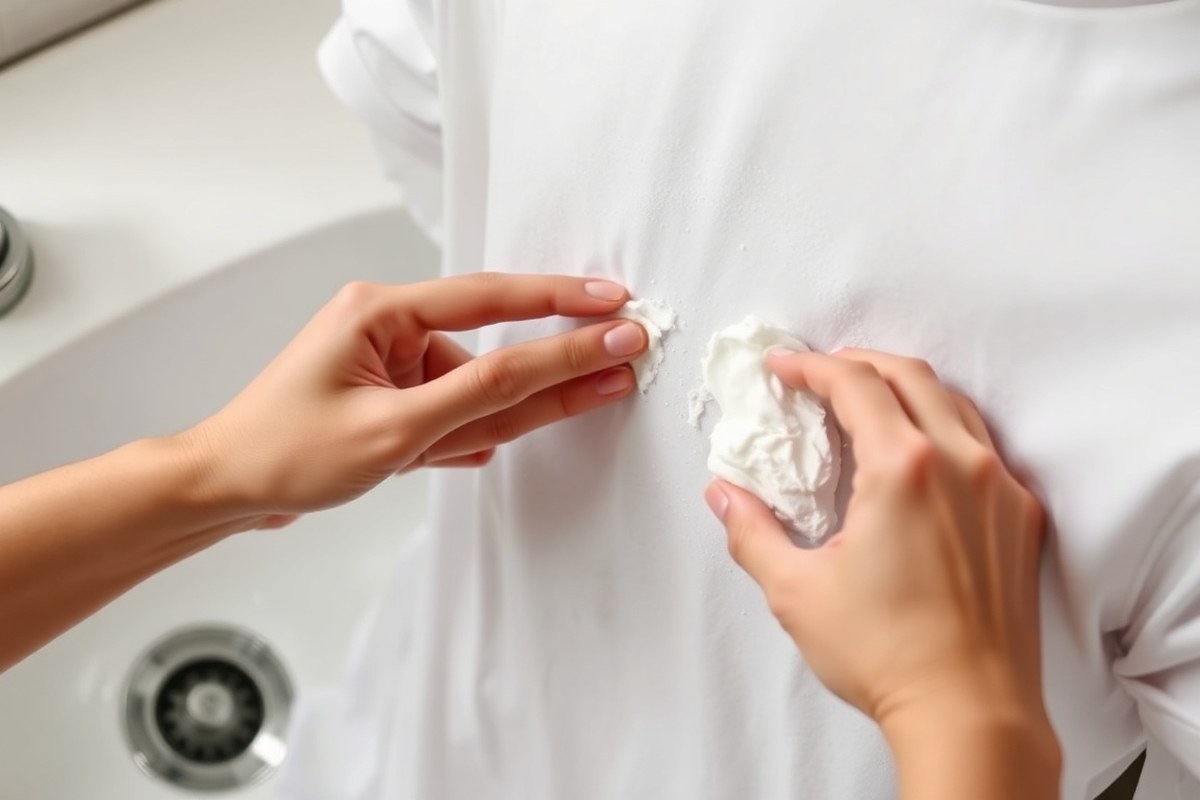
Fresh armpit stains can be removed quickly with a targeted pre-treatment using a baking soda and hydrogen peroxide paste, followed by soaking and washing. Older, set-in stains require longer pre-treatment times, including overnight soaking, and careful rinsing and scrubbing before laundering. Treating the stain before washing is necessary to break down the protein and deodorant residues, ensuring better stain removal.
Preparing a Baking Soda and Hydrogen Peroxide Paste
Mixing a paste with the right proportions helps soften and lift armpit stains. Use two parts baking soda, one part 3% hydrogen peroxide, and one part room-temperature water for an effective blend.
This paste targets the aluminum compounds in deodorants that bind to proteins in sweat stains. Baking soda acts as a mild abrasive to scrub off residues, while hydrogen peroxide helps bleach and break down stains. Avoid using hydrogen peroxide on dark or colored clothes as it can cause yellowing.
Soaking and Timing Guidelines for Different Stain Ages
Pre-soaking is important. Fresh armpit stains benefit from 2 to 4 hours of soaking, which begins to loosen the stain without harsh scrubbing. Set-in or older stains require longer treatment, soaking for 4 to 8 hours or even overnight ensures the paste fully penetrates the fabric and dissolves tougher bonds.
After applying the paste liberally on the stain, let it sit for 30 minutes to an hour before soaking. For set-in stains, leave the paste on up to 12 hours. Use an old toothbrush to gently scrub the stain after soaking to improve removal before washing.
Washing and Drying Precautions to Avoid Stain Setting
Always wash treated garments on a cold water cycle to prevent heat from fixing the stain permanently. Match the detergent strength and wash cycle intensity to the fabric type to protect the garment while removing residues. Avoid clothes dryers until stains are fully removed because heat will set the stain, making it impossible to remove later.
Rinse thoroughly after scrubbing and soaking to remove all paste traces. Stains that stick around need another round of soaking and scrubbing instead of hotter water or dryer heat. Proper pre-treatment and cold washing typically result in complete stain removal.
- Combine baking soda in a ratio of 2 to 1 with 3% hydrogen peroxide and add an equal amount of water at room temperature to make a thick paste.
- Apply the paste generously to the armpit stain and let it sit for 30 minutes.
- For fresh stains, soak the garment for 2 to 4 hours; for set-in stains, soak 4 to 8 hours or overnight.
- Use an old toothbrush to gently scrub the stained area after soaking.
- Rinse the garment thoroughly to remove the paste completely.
- Wash the clothing on a cold water cycle with a detergent suitable for the fabric.
- Air dry the clothing or let it dry naturally; do not use a dryer until the stain is gone.
- Repeat the process for stubborn stains instead of using heat or stronger washing methods.
2. Why Do Armpit Stains Form and Harden over Time?

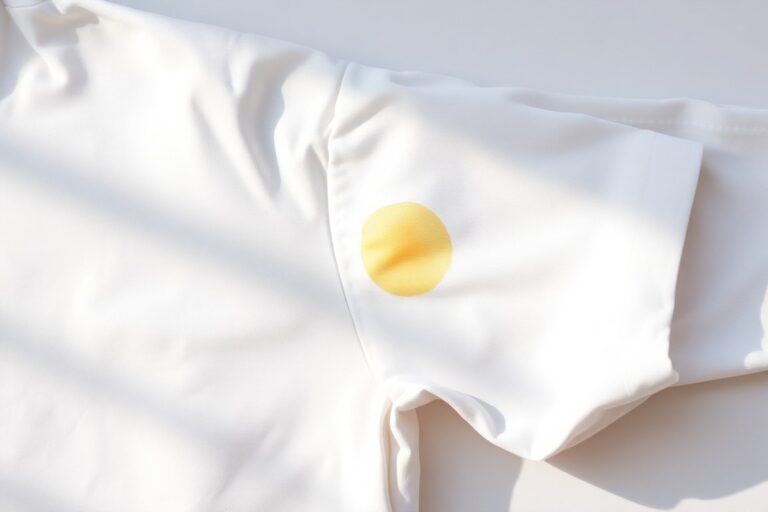
Armpit stains form mainly because of a chemical reaction between sweat and the ingredients in many antiperspirants, especially those containing aluminum compounds. Sweat itself is mostly water but also carries salts and body oils. When these mix with the aluminum in deodorants, they create yellow or brown stains that gradually set into fabric fibers. This process causes the stains to harden over time and makes them tougher to remove with regular washing.
Deodorant residue presents differently on various fabrics. White deodorant marks on dark clothing usually come from the solid ingredients in deodorants that don’t dissolve well in water, appearing as a stiff white crust. Light-colored or white fabrics can show yellow or brownish stains instead because of the buildup of sweat salts and aluminum complexes. Thinner or lighter fabrics make these stains more visible.
Heat plays a significant role in how stubborn armpit stains become. Washing or drying clothes at high temperatures can cause the chemical compounds in the stains to “bake” into the fabric. This makes them much harder to remove later. For example, clothes dried on hot dryer settings may lock sweat stains permanently, as the heat solidifies the combination of oils, salts, and deodorant residues. To protect your garments, wash them in cold or warm water and air dry when possible. Using gentle heat settings on a dryer is safer but only if the fabric care label allows it.
Body oils mixed with sweat and deodorant not only cause color changes but also affect fabric texture. On dark shirts, you can often feel stiff, white crusts rather than just see discoloration. These residues cling to fibers, making the fabric less breathable and comfortable if not treated. Repeated wearing and washing without pre-treating can deepen the stain and make it darker and more embedded.
Water quality may influence stain removal success as well. Hard water with high mineral content can reduce detergent effectiveness, requiring stronger enzymatic cleaners to break down stubborn sweat components. Clothes made with special fabrics like silk, wool, or spandex need extra care since certain stain removal methods or heat exposure can damage them or worsen stains.
Avoid drying garments with armpit stains on high heat; air dry or use low heat instead to prevent stains from setting permanently.
3. Best Household Ingredients for Removing Armpit Stains
Common household ingredients like baking soda, white vinegar, and hydrogen peroxide offer practical solutions for removing armpit stains. Each has different effects on fabrics and stain types, so using them properly helps protect your clothes while improving stain removal. Chlorine bleach is not recommended for these stains, especially on colored fabrics, as it can cause discoloration.
Baking Soda Benefits and Fabric Safety
Baking soda works well on both white and colored fabrics because it is mildly alkaline (pH 8.3), helping to neutralize acids in sweat stains. It’s gentle enough to use on many materials, including cotton and blends. However, avoid using baking soda on delicate fabrics like silk or wool, as it can be too abrasive or cause damage.
To use baking soda, mix roughly equal parts baking soda and white vinegar to form a thick paste. Apply this paste directly to the stained armpit area. Let it sit for 30 minutes to an hour before washing normally. This method helps lift the stain without harsh chemicals, costing just a few cents per use.
White Vinegar Pros and Cons
White vinegar acts as a mild acid that can break down deodorant residue and some stain components. It is especially useful for colored fabrics where stronger cleaners might cause fading. Dilute white vinegar by mixing one part vinegar with four parts water before applying to fabric, to avoid potential damage.
Using plain distilled white vinegar undiluted on stains is common but can sometimes affect fabric color depending on the material and how long it stays on. For a safer approach, pre-treat armpits with a diluted solution and rinse thoroughly after 20 to 30 minutes. Vinegar cleans without adding harsh chemicals and typically costs about $0.10 per application.
Hydrogen Peroxide Risks and Precautions
Hydrogen peroxide is a strong oxidizer effective at breaking down sweat proteins and deodorant buildup, especially on white cotton fabrics. It can bleach fabric slightly, so only use it on white or very light-colored items. Avoid using hydrogen peroxide on dark or colored clothes, as it may cause discoloration or uneven fading.
Apply 3% hydrogen peroxide directly to the stain and let sit for 10 to 15 minutes before washing. Do not leave on fabric longer than recommended or expose it to sunlight, which can weaken fibers. Hydrogen peroxide costs around $1 to $2 per bottle, offering an effective spot treatment when used carefully.
Lemon Juice and Bleach: When to Avoid
Lemon juice can serve as a natural stain remover due to its mild acidity, similar to white vinegar. It can help lighten armpit stains when applied freshly and rinsed thoroughly. However, lemon juice may cause discoloration or uneven fading on colored or delicate fabrics if left too long or exposed to sunlight. Use lemon juice cautiously and test on a hidden area before treating the whole stain.
Chlorine bleach is not safe for treating yellow armpit stains, particularly on colored fabrics. It often causes discoloration and further damage. Oxygen bleach, also called color-safe bleach, works better for white items and avoids these risks. Avoid regular chlorine bleach on any fabric with armpit stains to preserve the garment’s color and integrity. Here is a summary of these household stain removers and their fabric considerations:
| Ingredient | Best Fabric Type | Effectiveness | Application | Precautions |
|---|---|---|---|---|
| Baking soda + white vinegar paste | Colored fabrics, cotton blends | Good for deodorant and sweat stains | Apply thick paste, let sit 30, 60 minutes, then wash | Avoid delicate fabrics like silk or wool |
| White vinegar (diluted, 1:4) | Colored and delicate fabrics | Breaks down deodorant buildup mildly | Apply, leave 20, 30 minutes, rinse well | May discolor sensitive fabrics if undiluted |
| Hydrogen peroxide (3%) | White cotton and light-colored fabrics | Strong oxidizer for protein stains | Apply, leave 10, 15 minutes, then wash | Can bleach colors, avoid delicate fabrics |
| Lemon juice | White and some colored fabrics | Mild natural acid cleaner | Apply, rinse quickly, avoid sun exposure | May discolor or fade colors |
| Chlorine bleach | None (avoid on armpit stains) | Not recommended for armpit stains | Not advised | Discolors and damages fabrics |
Selecting the right ingredient depends on your fabric type and stain severity. Always test on a small, hidden area first and follow with a normal laundering cycle for best results.
4. How to Avoid Common Mistakes When Cleaning Armpit Stains
You often see people make the same mistakes when trying to clean armpit stains, and these errors can make the problem worse or damage your clothes. The biggest mistake is applying heat, like using a dryer or hot water, before the stain is fully gone. Heat can set the stain permanently, meaning no amount of washing afterward will remove it. Another common error is skipping the pre-treatment step. Without pre-treating, the stain stays set in, even after washing, and you might find yourself rewashing the same shirt multiple times without success. Using the wrong chemicals, such as bleach on colored fabrics or harsh detergents on delicate materials, can harm the fibers or cause discoloration.
To avoid tightening or damaging delicate fabrics while treating stains, always test the cleaning product on a small, hidden area first. This helps ensure the color and fabric hold up. Choose milder cleaners for sensitive materials, like a small amount of liquid detergent or a diluted vinegar solution, and apply them gently. Avoid scrubbing hard, which can weaken fabric fibers and cause thinning or holes. Here’s a checklist to follow before you start cleaning an armpit stain:
- Remove any excess soil or residue by gently scraping or blotting, avoiding rubbing it deeper.
- Test your chosen cleaning product on a hidden spot to check for colorfastness.
- Apply a pre-treatment solution to the stain and let it sit for at least 10 to 15 minutes to break down the stain.
- Use lukewarm or cold water for soaking and washing to prevent further setting of the stain.
- Resist the urge to put the item in the dryer until the stain is completely gone.
- Follow the care label instructions for your garment, especially for fabrics like silk or wool.
Following these steps takes about a half-hour or more depending on how long you let the pre-treatment sit and soak. Pre-treatments typically cost just a few cents when made from common household products like baking soda or vinegar. Good results show when the stain becomes less visible after soaking and disappears after washing, leaving fabric colors intact and without damage. If you notice any fabric weakening or spreading of the stain, stop treatment and rinse thoroughly to save the garment.
This approach works best on all fabrics, but you might need gentler pre-treatments for delicate items and stronger ones for heavy cotton. Avoiding early heat and pre-treating properly makes a big difference in how well you remove armpit stains without harming your clothes.
5. Differences in Treatment for White Residue and Yellow Sweat Stains
White deodorant residue and yellow sweat stains might look similar on your clothes, but they come from different causes and need different cleaning methods. White residue shows up mostly on dark fabrics as a chalky or waxy layer. This residue is usually the leftover of your deodorant or antiperspirant sitting on your shirt’s surface. Yellow stains, found more on light-colored fabrics, are caused by a chemical reaction between the aluminum compounds in antiperspirants and the proteins in your sweat. This reaction actually penetrates the fabric fibers, making the stain more stubborn.
You can tell the difference by closely examining your clothing. Look for white, powdery or chalky patches mainly on dark shirts. These spots can often be rubbed off or brushed away. Yellow stains, on the other hand, look like a discoloration or browning that sits within the fabric itself and won’t simply wipe off. They typically appear on the underarm areas of white or light-colored shirts, especially after repeated wearing and washing.
Cleaning white deodorant residue requires a gentle, surface-level approach. Start by letting the fabric dry if it’s wet, then brush off any flaky bits with a soft brush or cloth. Washing the garment with a detergent designed for active wear or one containing enzymes works well because these help break down deodorant buildup. For dark clothes, avoid harsh scrubbing to prevent color fading. A typical wash cycle at normal temperatures (around 104°F or 40°C) with regular detergent is usually enough to remove the residue.
Yellow sweat stains need a deeper treatment since the discoloration is chemical-based and inside the fibers. Use a pretreatment specifically formulated for protein-based stains or one that contains oxygen-based bleach. Apply the product directly to the stain and let it sit for 15 to 30 minutes before washing. Hot water between 120°F and 140°F (about 49°C to 60°C) helps improve stain removal on durable fabrics, but be cautious with delicate materials that can shrink or fade. A detergent with active enzymes is key as it breaks down the sweat proteins combined with antiperspirant residues. Expect multiple treatment cycles on older or set-in stains.
White deodorant residue often washes away easily, but yellow sweat stains usually need enzyme-based pretreatment and warmer water to fully disappear.
Using the correct method not only improves stain removal but also protects your clothes. Over-treating white residue with harsh chemicals won’t damage the fabric but may not remove it any faster. In contrast, ignoring yellow stains lets them set deeper, making them almost permanent. Adjust your cleaning based on the stain’s appearance: surface chalkiness calls for brushing and normal washing; fabric discoloration calls for pretreatment and temperature-controlled washing.
6. How to Care for Different Fabrics with Armpit Stains
Delicate fabrics require special care to avoid damage when treating armpit stains. Avoid harsh chemicals like bleach or strong alkaline cleaners, which can weaken fibers or cause discoloration. Instead, use a mild detergent diluted in cool water and gently dab the stained area by hand. For silk or wool, apply the detergent solution directly to the stain and let it sit for 30 minutes to an hour before rinsing with cool water. Avoid scrubbing to prevent fabric distortion. When the garment’s care label says “dry clean only,” have a professional cleaner handle it instead of attempting home remedies.
Workout clothes often consist of synthetic fabrics like polyester or nylon, designed to wick moisture away. These materials can hold onto sweat and deodorant stains stubbornly. Wash these items in warm water (around 104°F) with a sports-specific detergent that targets oils and odors. Pre-treat the stains by applying a mixture of equal parts water and white vinegar or a gentle enzymatic cleaner directly to the armpit areas. Let it sit for about 30 minutes before running a full wash cycle. Avoid fabric softeners with workout gear, as they can clog fibers and reduce breathability.
Professional cleaning makes sense for structured or delicate garments such as suits, wedding gowns, or expensive silks, especially when stains are deep or have set over time. These services use specialized solvents and techniques that can effectively remove stains without harming the fabric’s integrity. Though costs vary by garment and stain severity, expect to pay between $20 and $100 or more for expert cleaning. A stain that won’t come out with gentle home treatment or on fabrics labeled for professional care should prompt you to get expert cleaning to protect your clothes.
When approaching armpit stain removal, start by identifying your garment’s fabric and care instructions. For everyday washable fabrics, warm water cleaning with targeted pre-treatment usually works well. For delicate or dry-clean-only items, use mild treatments sparingly or rely on professional services. Exercise caution with chemical use and mechanical action, balancing stain removal with fabric preservation for the best results.
7. How to Prevent Armpit Stains from Forming Again
Preventing armpit stains involves a combination of choosing the right deodorant, adjusting laundry habits, and selecting appropriate clothing materials and fits. Managing these factors can keep your shirts looking fresh longer and reduce the need for intensive stain removal. Taking quick action and understanding how your lifestyle affects staining play key roles in prevention.
Choosing the Right Deodorant
Switching to an antiperspirant-free deodorant can significantly reduce yellow and white stains on your clothes. Antiperspirants contain aluminum compounds that react with sweat and fabric, causing stubborn discoloration. Opt for deodorants labeled fragrance-free or natural, which typically avoid these compounds.
Applying deodorant properly is also important. Let it dry completely before putting on your clothes to minimize transfer. Avoid heavy application, which can increase residue buildup under your arms and on fabric. You still need antiperspirant protection? Choose clear or gel types; they often leave less visible residue than traditional stick or solid forms.
Laundry Habits That Reduce Staining
Speed matters when it comes to preventing stains from setting in. Rinse or wash clothes promptly after wearing them to stop sweat and deodorant residues from bonding with fabric fibers.
Cold water rinsing before washing helps remove residues without setting protein-based stains like sweat. Follow with a regular wash cycle using an enzyme-based detergent, which breaks down sweat proteins effectively. Avoid hot water on fresh stains, as heat can cause yellowing to become permanent.
- Rinse armpits with cold water immediately after wearing
- Wash stained clothing as soon as possible, ideally within 24 hours
- Use enzyme-based detergents to break down sweat proteins
- Choose cold or warm wash cycles, avoiding high heat on stains
- Air dry stained items rather than machine drying to prevent setting
- Pre-treat stains with stain removers suitable for fabric type
Tap water quality can affect stain removal; hard water with minerals may reduce detergent effectiveness. Adding a water softener or booster can help improve cleaning results in such cases.
Clothing Material and Fit Considerations
Natural fabrics like cotton and moisture-wicking synthetics tend to handle sweat differently. Cotton absorbs sweat, which can lead to more noticeable staining, but it also allows for simpler cleaning. Moisture-wicking fabrics pull sweat away from the skin, reducing buildup under the arms but may trap deodorant residues.
Looser-fitting clothes reduce friction and deodorant transfer onto fabric. Tight shirts cause deodorant and sweat to press directly against fibers, making stains more likely and harder to remove. Choose breathable fabrics and fits that allow airflow to keep your underarms dry and clothes cleaner.
Avoid synthetic fabrics that trap heat and sweat, such as polyester blends worn frequently, as they can encourage stain formation. You must wear synthetic blends? Changing shirts often and washing them promptly can reduce stain buildup significantly.
8. When Home Remedies Fail: Professional Cleaning Options
You should consider professional cleaning services when armpit stains persist despite several rounds of home treatment, especially if the stains are deeply set or heat-set into the fabric. Home remedies often struggle to fully remove stains that have bonded strongly into fibers, such as those caused by protein buildup and deodorant residues combined over time. This is common with older stains or on expensive and delicate clothing where harsh treatments could cause damage.
Professional cleaners use specialized techniques and chemicals not typically available for home use. These may include stronger enzyme-based solutions, oxidizing agents, or tailored solvents that target sweat and deodorant residues without harming the fabric. Professionals often apply controlled heat and steam treatments to soften and lift the stain efficiently. They also possess equipment allowing precise temperature and chemical control, which lowers the risk of fabric damage compared to home methods.
Cost for professional stain removal varies depending on the stain’s severity and garment type but generally ranges from $10 to $30 per item in many cleaning services across the U.S. Higher-end garments or tougher stains can push prices upward. It’s a practical investment when cleaning such pieces at home repeatedly risks damaging the fabric or causing color loss. Repeating home treatments multiple times may weaken fabric integrity, so it’s advisable to limit repeat attempts if the stain remains noticeable after two or three cleanings.
Before deciding to call a professional, attempt two thorough treatments at home with recommended stain removers. If the stain fades but does not disappear, further home attempts may be ineffective. Calling a professional cleaner is more appropriate when stains remain visible despite careful home care or on garments that require delicate handling, like silk or wool. A professional will assess the fabric and stain type to choose the safest and most effective treatment.
When professionals treat your clothing, give them full details about any previous home cleaning steps, products used, and observed results. This helps avoid overlapping treatments that could harm garments. Keep in mind some stains, especially very old ones, might never look perfectly clean even after professional work, but a reputable cleaner can greatly improve the garment’s appearance compared to home efforts.
Repeated household stain treatments using harsh chemicals or high heat can weaken fabric fibers; stop after two or three attempts and consult a professional cleaner for persistent stains.
Step-by-Step Action Plan
Follow these steps to tackle armpit stains efficiently and keep your clothes fresh longer.
- Before washing: Pretreat the stain with a mix of equal parts white vinegar and water, let it sit for 15 minutes to break down sweat oils.
- During washing: Use a detergent with enzymes designed to target protein-based stains. Wash in warm water if the fabric allows, checking the care label.
- After washing: Inspect the stain before drying. If any stain remains, avoid the dryer and retreat the area since heat can set the stain permanently.
- After drying: For persistent yellow stains on white clothes, apply a paste of baking soda and water, leave for 30 minutes, then rinse and dry again in the sun to brighten.
- Weekly care: Regularly soak frequently worn tops in a solution of oxygen-based bleach and water to prevent buildup of sweat and deodorant residues.
- Monthly check: Review your deodorant ingredients, opting for aluminum-free options to reduce stain formation while maintaining odor control.
- As needed: Take delicate or stubborn-stained garments to a professional cleaner to protect fabric integrity and achieve deeper cleaning results.
Frequently Asked Questions
Can You Remove Old Set-In Stains?
Yes, old set-in armpit stains can be removed using oxygen bleach or a strong stain remover. Soak the garment for several hours or overnight before washing for better results.
How to Remove Collar Stains?
Collar stains usually need pretreatment with stain remover or detergent and gentle scrubbing. Avoid harsh scrubbing to protect fabric while lifting oils and dirt.
Does Dawn Dish Soap Remove Armpit Stains?
Dawn can help break down oils in deodorant stains but works best combined with other treatments. Use it as a pretreatment before laundering.
Why Does My Shirt Still Have Deodorant Stains After Washing?
Deodorant stains may persist due to residue buildup or incorrect washing settings. Adjust detergent, water temperature, and cycle to fabric type for better cleaning.
Can Vinegar Remove Armpit Stains?
Vinegar can help break down sweat and deodorant buildup but may not fully remove tough stains alone. Use it as a pretreatment for mild freshness.
Are Armpit Stains Permanent Once Dried?
Not always permanent, but dried stains become harder to remove and may need stronger or repeated treatments to fade effectively.
The Bottom Line
Removing armpit stains requires timely treatment and the right approach based on fabric and stain type. Act quickly on fresh stains and avoid heat until the stain is fully gone. Try the steps above today, starting with a simple vinegar pretreatment before your next wash to see a clear difference in stain removal and fabric care.