How to Shrink a Dress in the Dryer: A Complete Guide with Fabric Tips
Shrinking a dress in the dryer requires washing it in hot water, then drying on a high heat setting for 15 to 30 minutes while checking frequently to avoid damage. Natural fabrics like cotton shrink more effectively than synthetics, and controlling time and temperature is key to achieving the right fit. This method suits anyone wanting to adjust their dress size at home without professional tailoring.
You’ll learn which fabrics respond best to drying shrinkage, how long to dry for maximum results without ruining the dress, and common mistakes to avoid. This helps you safely shrink various dress materials and know when drying alone won’t do the job.
Key Takeaways
- Wash your dress in hot water over 120°F (49°C) before drying to encourage shrinkage.
- Dry natural fabrics like cotton or rayon on high heat and check every 15 minutes to prevent over-shrinking or damage.
- Cotton can shrink up to 20% if unshrunk, but preshrunk cotton only shrinks about 2-3%.
- Polyester and synthetic blends need quicker checks during drying since they dry faster and can shrink less.
- Soaking your dress for 5 to 20 minutes before washing can increase shrinkage, with longer soaks causing more shrink.
- Stop the drying process when you reach your desired size to avoid over-drying and potential fabric damage.
How to Shrink a Dress in the Dryer Step-by-Step
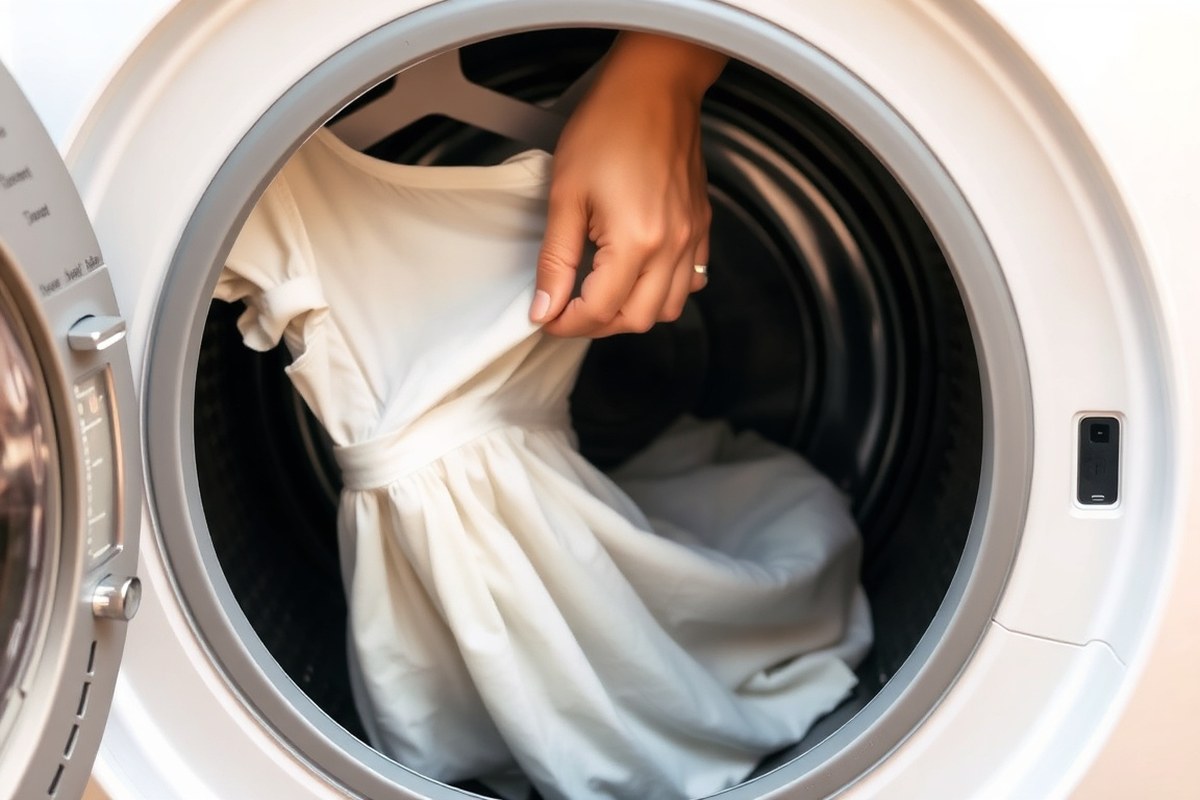
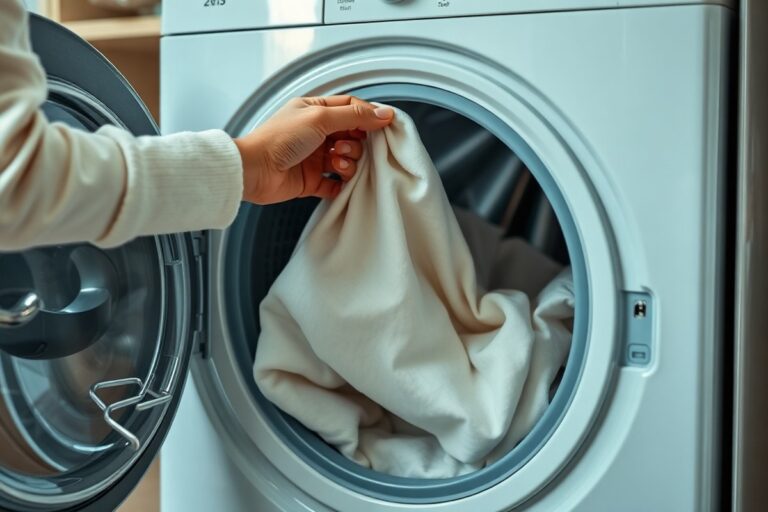
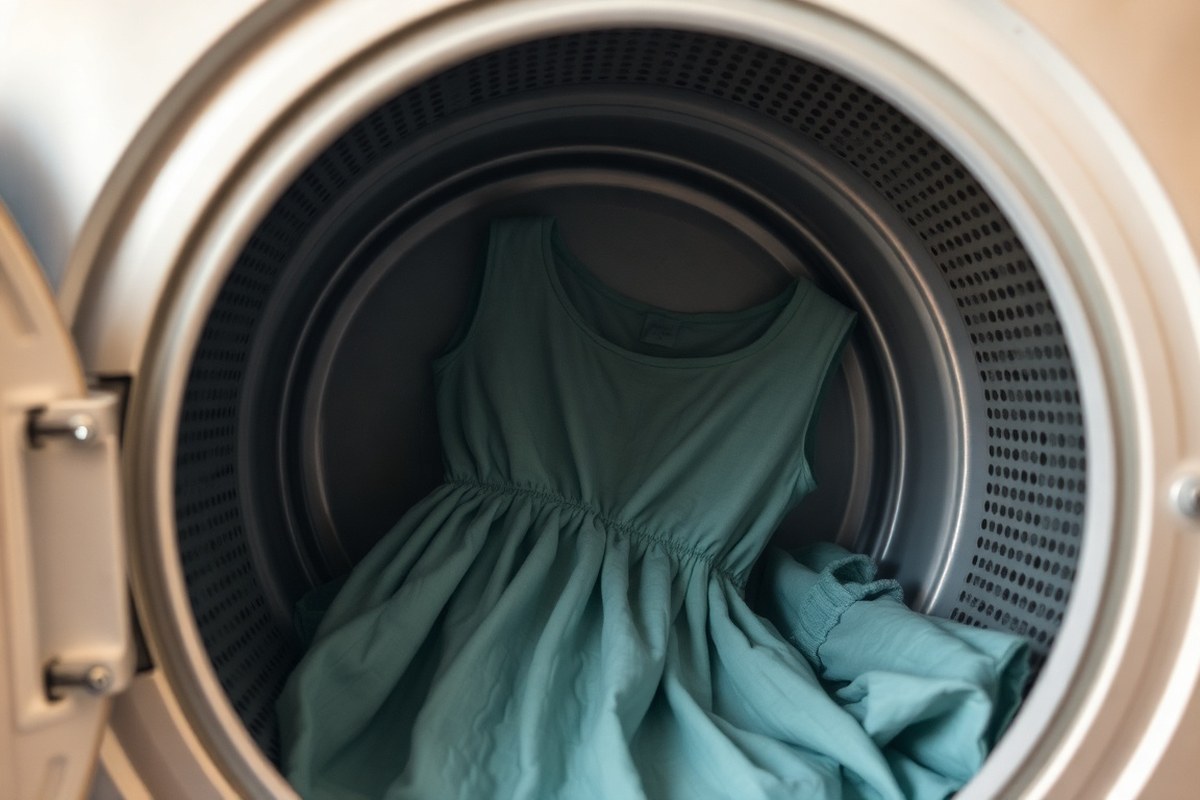
Shrinking a dress safely in the dryer depends on controlling temperature, timing, and frequent monitoring. High heat speeds up shrinking but risks damage or excessive shrinkage if left unchecked. For synthetic fabrics like polyester, checks must be even more frequent since they dry and shrink faster than cotton. Plan for gradual shrinkage by repeating the process if needed, rather than expecting the perfect size after just one drying cycle. Use a moderate to high heat setting and check the dress every 5 to 10 minutes to prevent uneven shrinking or over-shrinking.
- Wash the dress in warm or hot water. Use a warm or hot water wash cycle to begin the shrinking process, as heat and agitation loosen fibers before drying. Avoid delicate or cold cycles because they won’t sufficiently prep the fabric for shrinking.
- Transfer the dress promptly to the dryer. After washing, immediately place the dress in the dryer to take advantage of the remaining moisture for effective shrinking.
- Set the dryer to high heat. Choose the high heat or “cotton” setting on your dryer, which typically runs between 130°F and 150°F. High heat accelerates shrinking, especially for cotton, linen, and untreatment fabrics.
- Dry for about 25 minutes initially. Run the dryer for a minimum of 25 minutes to initiate the shrinkage. This timeframe allows enough heat and tumbling to start pulling fibers closer together.
- Check the dress every 5 to 10 minutes after the initial period. Stop the dryer periodically, every 5 minutes for synthetic fabrics, every 10 minutes for natural fibers. Use a measuring tape to compare dimensions to the original size and look for even shrinking.
- Repeat drying cycles if needed. If the dress hasn’t shrunk enough, run short drying cycles on high heat again, always monitoring closely to avoid over-shrinking. This step-wise shrinkage lets you control the fit more precisely.
- Cool and measure the dress after the final cycle. Allow the dress to cool completely outside of the dryer to let fibers settle. Then measure it to confirm the new size. Avoid ironing until you confirm the shrinkage is as intended.
- Adjust based on fabric type and shrinkage progress. For sensitive fabrics like wool or delicate blends, reduce heat settings or use shorter cycles to prevent damage. For stubborn fabrics, consider additional pre-shrinking treatments like boiling water soak prior to drying.
Which Fabrics Shrink Most in the Dryer and Why

Fabrics made of natural fibers like cotton and wool shrink the most in the dryer because heat and moisture relax and contract their fibers. Synthetic fabrics shrink very little, if at all. Pre-shrunk fabrics will shrink less since their tension was already set during manufacturing.
Natural Fibers: Cotton, Wool, Linen
Cotton and denim shrink best with hot temperatures and agitation, often losing between 3% to 5% of their size on first drying. Wool fibers contract significantly with warm water and low heat, sometimes shrinking 20% or more, but high heat can cause felting, making the fabric stiff and smaller. Linen may shrink slightly but is less reliable for shrinking because its crisp texture can be damaged by heat and moisture.
Natural fibers tend to stretch while worn, which is why shrinking them can restore fit. Repeated high heat drying will continue shrinking cotton, but results diminish over time. Wool and linen require gentler drying to avoid damaging the garment.
Synthetic Fibers: Polyester, Nylon, Rayon
Polyester and nylon hold their shape well because they are heat-set during production. These fabrics shrink minimally, usually less than 1%, even under high heat. Rayon, though semi-synthetic, is sensitive to heat and water and can shrink more than polyester but less predictably than natural fibers. It often requires careful, gentle shrinking techniques.
Heat shrinks polyester and nylon very little because their synthetic polymers resist contraction. Any significant shrinkage in these fabrics usually requires specialized processing outside of home drying methods.
Blended Fabrics and Shrinkage
Blends combine natural and synthetic fibers, affecting how much they shrink. A 60% cotton and 40% polyester fabric will shrink more than pure polyester but less than pure cotton, typically around 2% to 3%. The natural fibers will respond to heat and moisture by contracting, but synthetic fibers will limit overall shrinkage.
Pre-shrunk fabrics have been treated to stabilize fibers, so their shrinkage during home drying is minimal. Attempting to shrink pre-shrunk cotton often results in very little size change and may risk uneven texture or damage if exposed to excessive heat. Here is a comparison of typical shrinkage rates for common dress fabrics in the dryer:
| Fabric Type | Typical Shrinkage Rate | Best Shrinking Conditions | Notes |
|---|---|---|---|
| Cotton | 3% – 5% | Hot water wash & high heat dry | Shrinks more on first wash; natural fibers contract |
| Denim | 4% – 7% | Hot water wash & high heat dry | Usually shrinks more than light cotton |
| Wool | 10% – 20%+ | Warm water wash & low heat dry | Felting can cause drastic shrinkage; fragile |
| Linen | 1% – 3% | Warm water wash & low to medium heat dry | Use caution to avoid texture damage |
| Polyester | <1% | High heat dry | Heat set fibers resist shrinking |
| Nylon | <1% | High heat dry | Shrinks very little at home |
| Rayon | Variable, up to 5% | Warm water & gentle drying | Shrinks more than synthetics, but less predictable |
Knowing which fabrics shrink most helps you choose the right drying temperature and timing to avoid damage. Shrinking natural fibers requires moisture and heat, which relax the fibers and allow them to contract. Synthetic fibers often use heat treatments at the factory to lock their size, so home drying usually won’t shrink these garments.
Warning: Avoid high heat drying on pre-shrunk or delicate natural fabrics like silk and linen to prevent damage or uneven shrinkage.
Why Washing Temperature Matters Before Drying
Washing temperature plays a major role in how much a dress will shrink before you even start drying it. Hot water, ideally around 130°F (54°C) or higher, relaxes the fibers in fabrics like cotton and denim. This relaxation makes the fibers more susceptible to shrinking when you apply heat and agitation in the dryer.
Using hot water during washing causes the fibers to swell and loosen. As a result, when you move the dress to the dryer on a high heat setting, the fibers contract and lock into a smaller size. This combination of a hot wash followed by high-heat drying can shrink cotton dresses between 3% and 5%, while denim typically shrinks 3% to 4%, particularly in length.
On the other hand, cold water does not relax fibers and significantly reduces shrinkage. Washing a dress in cold water prevents the fibers from swelling, which means they stay closer to their original shape throughout the drying process. While this means less risk of unwanted shrinking, it also limits your ability to shrink the dress intentionally in the dryer. Cold water is a safer option if you want to maintain the dress size or avoid accidental shrinkage.
For best results when aiming to shrink a dress, set your washing machine to the hottest water temperature available, typically over 120°F (49°C). Use the longest wash cycle combined with extra-high spin speed to prepare the fibers for maximum shrinkage. Washing the dress alone can prevent other garments from affecting the process. Adding detergent and a small amount of fabric softener helps the fibers loosen properly without causing damage.
The first hot wash and dry cycle delivers the most significant shrinkage. Subsequent cycles produce diminishing returns, so you usually won’t need to repeat the process many times. Overly aggressive hot water washing may damage delicate fabrics, so know your dress material before committing to high temperatures. For example, hot water can severely shrink wool, while synthetic fabrics like nylon may barely shrink at all.
In short, washing your dress in hot water before drying it on high heat is a concrete way to achieve noticeable shrinkage. Cold water wash will reduce or prevent shrinkage, which is better if you want to maintain the dress size. Adjusting washing temperature gives you control over how much your dress shrinks during the drying stage.
How Long Should You Dry to Maximize Shrinkage Without Damage
Drying a dress in the dryer for shrinkage usually takes about 25 to 30 minutes on a medium to low heat setting. Most shrinkage occurs during the first cycle, so sticking to this time frame helps maximize the size reduction without putting too much stress on the fabric. Cotton dresses, especially unshrunk ones, tend to shrink the most, sometimes up to 20%. However, longer drying doesn’t always mean better or more shrinkage. Beyond 30 minutes, the fibers risk weakening, and the dress could become misshapen or damaged.
Check your dress every 15 minutes during drying to monitor how much it has shrunk. This regular inspection allows you to stop the cycle early if the dress reaches the right size, preventing over-drying. Over-drying can stiffen the fabric, cause fading, or even create unwanted wrinkles. Wool and delicate fabrics don’t respond well to long drying times and may shrink unevenly or deteriorate, so avoid intense heat or extended drying periods for those materials.
Once the dress hits your desired size, remove it from the dryer immediately and hang it to air dry. This step lets the fibers relax without further shrinkage or damage. Air drying after shrinking helps maintain fiber strength and fit. If you need a little more shrinkage, repeat the drying process in short increments rather than one long, continuous cycle. This helps balance the risk of damage with gain in shrinkage.
Using a low dryer heat setting with regular interval checks offers a safer approach for shrinking while protecting your dress. Depending on the fabric and the thickness of the material, drying times might vary slightly. Denser fabrics could take a bit longer, but always err on the side of caution with heat exposure. Shrinking a dress isn’t an instant fix and requires careful timing and attention to prevent damage and ensure the dress fits as intended.
Common Mistakes When Shrinking Dresses and How to Avoid Them
One common mistake when shrinking a dress in the dryer is using too high a heat setting. Excess heat can cause fabric damage, such as weakening fibers or creating uneven shrinkage spots. To avoid this, choose a medium or low heat cycle that still encourages shrinkage but is gentler on the fabric. Using a timer also helps you control drying time precisely, preventing over-shrinking or elongation caused by extended heat exposure.
Another typical error is drying the dress with other items that restrict movement and airflow. This leads to uneven shrinkage since parts of the dress may be compressed or insulated within the load. To fix this, dry the dress alone or with a few loosely packed, similar-weight garments to ensure consistent agitation and heat distribution throughout the cycle.
Ignoring fabric type differences may also cause damage or poor shrinking results. For example, pre-shrunk cotton resists further shrinkage, while untreated cotton requires both heat and mechanical action. Heat-sensitive fabrics like cashmere can shrink unevenly or become damaged easily, so they should be treated cautiously or avoided in the dryer. Always check the dress label and adjust drying strategy accordingly.
- Avoid high heat settings; use medium or low heat instead.
- Dry the dress with few or no other items to allow free movement.
- Watch drying time closely with a timer to prevent over-shrinking.
- Check fabric type and follow care label instructions carefully.
- For heat-sensitive fabrics, consider alternative shrinking methods.
- Allow the dress to cool before checking shrinkage to avoid misleading stretch.
- Avoid direct or additional heat sources near drying area during or after drying.
Setting a timer for a few minutes before checking shrinkage helps prevent accidental damage from over-drying.
Shrinkage caused by the dryer is often irreversible, especially if fabric fibers have been permanently altered by heat and agitation. Unlike stretched fabric, which may relax back with steaming or ironing, over-shrunk dresses typically cannot be restored to their original size. To avoid this, take careful steps before and during drying. If the dress shrinks too much, professional steaming or reshaping while damp might slightly restore shape, but full recovery is unlikely.
How to Shrink Different Dress Fabrics in the Dryer Safely
Different dress fabrics respond to heat and agitation uniquely during drying, making fabric-specific approaches essential to shrink a dress safely. Cotton shrinks more easily with warm water and high dryer heat, while wool and silk require gentler methods to avoid damage. Polyester and blended fabrics offer limited shrinkage even under intense heat, so adjusting expectations and techniques is necessary.
Shrinking Cotton Dresses
Cotton is one of the easiest fabrics to shrink in the dryer because its natural fibers contract with heat and moisture. You can use warm water and a high dryer setting to achieve noticeable shrinkage, usually between 3% and 5%. Keep in mind that over-drying at high heat can cause excessive shrinking or fabric weakening.
For a controlled shrink, soak the cotton dress in warm water (about 120°F) for 30 minutes before drying. This pre-wetting helps fibers relax and prepares them to shrink more uniformly.
- Fill a basin with warm water at around 120°F and soak the cotton dress for 30 minutes.
- Remove excess water gently without wringing to prevent stretching.
- Place the dress in the dryer and set it to a high heat setting (around 140°F, 150°F).
- Dry for 20 to 30 minutes, then check the fit.
- Repeat drying in 10-minute increments to achieve more shrinkage, checking the dress after each cycle.
- Hang the dress to air dry once desired shrinkage occurs to avoid overdrying damage.
Using these steps, you can shrink a cotton dress safely while minimizing fabric stress and distortion.
Shrinking Wool and Silk Dresses
Wool shrinks through felting, which happens with heat, moisture, and agitation. This process tightens the fabric, but excess can cause irreversible shrinking and stiffness. Silk is delicate and can be damaged by high heat or boiling water, so it requires more careful handling.
Before drying wool or silk in a machine, soak wool for 10 to 30 minutes in warm water (not exceeding 105°F) to relax the fibers gently. Silk should only be exposed to short, low-heat drying to avoid weakening fibers or color fading.
- Submerge the wool dress in warm water (90°F to 105°F) for 10 to 30 minutes.
- Gently squeeze out excess water without wringing.
- Place the dress in the dryer on the lowest heat or “air fluff” setting.
- Dry in 10-minute intervals, checking frequently to avoid overfelting.
- For silk, set the dryer to the lowest heat possible and limit drying time to 5 minutes.
- Remove the dress promptly and lay flat to air dry, reshaping if necessary.
For both fabrics, avoid excessive heat and agitation to keep the dress wearable and prevent shrinking beyond your target size.
Handling Polyester and Blended Dresses
Polyester and fabrics blended with synthetic fibers like nylon or acrylic resist shrinking, often less than 3% even under extreme heat. Drying these dresses on high heat rarely leads to significant size reduction and may risk melting or weakening fibers.
To attempt some shrinkage, increase drying temperature moderately but limit drying time to prevent damage. Soaking isn’t necessary, as moisture retention doesn’t influence synthetic fiber shrinkage much.
- Set the dryer to a medium heat setting, around 120°F to 130°F.
- Place the polyester or blended dress in the dryer and dry for 15 to 20 minutes.
- Check the dress size and texture for changes.
- Repeat drying in 5- to 10-minute increments when needed, taking care to prevent overheating.
- Allow the dress to cool and air dry afterward to stabilize sizing.
Expect only minor shrinkage, and watch for any heat damage like melting or distorted fabric. When shrinking blended fabrics, proceed cautiously and test on a small area if unsure.
How to Check and Control Shrinkage During the Drying Process
Checking and controlling shrinkage during the drying process involves regularly measuring your dress and stopping the dryer once it reaches your desired size. You’ll want to monitor changes every 20 to 30 minutes to avoid over-shrinking. This approach gives you a better fit without damaging the fabric or losing control over the process.
Measuring the Dress Accurately
Use a soft tape measure or a ruler to check key areas like the bust, waist, and length. Lay the dress flat on a clean, smooth surface to avoid stretching it while measuring. Record the measurements before you start drying, and compare them each time you check. This way, you’ll know exactly how much the dress has shrunk and can decide when to stop.
For example, if the bust measured 36 inches before drying, you might want to stop when it reaches around 34 inches for a snug fit. Taking consistent measurements helps avoid guessing and ensures you don’t shrink the dress too much or too little.
When to Stop the Dryer
Check the dress after every 20 to 30 minutes of drying, especially on high heat, since most dresses shrink noticeably within the first hour. Stop the dryer once the measurements match your target size or the garment feels close to the right fit. Over-drying can lead to excessive shrinkage or damage, particularly in delicate fabrics.
If the dress still feels too large after one full hour of drying through one or two shorter cycles, pause to assess fit and comfort before deciding whether more drying will help. Stopping at the right time prevents unwanted damage or misshaping of the dress.
Repeat Shrinking Cycles Safely
You can repeat washing and drying two to three times to achieve additional shrinkage, but expect diminishing returns after the first cycle. Each repeat will cause less size reduction, so measure carefully before continuing. Avoid attempting more than three cycles to prevent unnecessary wear or fabric damage. For fabrics tougher to shrink, this slow, measured approach allows better control. Keep these points in mind during repeats:
- Measure the dress completely after each drying cycle
- Use the highest heat setting recommended on the care label
- Limit drying time per cycle to 20, 30 minutes initially
- Allow the dress to cool and relax between cycles before measuring
- Stop repeating once size reduction plateaus or desired fit is achieved
Following this checklist makes it easier to control the shrinkage process and avoid excessive changes. Remember that delicate fabrics like silk often don’t tolerate repeated shrink attempts and could be permanently damaged.
When Shrinking in the Dryer Isn’t Enough: Advanced Methods
When a dress doesn’t shrink enough in the dryer, using a soak or steaming can help achieve the desired size. Soaking the dress in a warm water mixture helps relax and soften the fibers, making shrinkage easier. Steaming can slightly shrink or reshape delicate fabrics without the agitation of a dryer that might cause damage.
For a soaking method, prepare a solution with one part white vinegar and two parts warm water. Submerge the dress and let it soak for 30 minutes to two hours, which softens the fabric fibers and allows you to reshape the garment more effectively. After soaking, rinse the dress in cool water and either air-dry or run it through a warm dryer cycle again for additional shrinkage. This method works well for cotton or cotton-blend dresses, especially when the dryer alone isn’t producing enough shrinkage.
Steaming is gentler and safer for delicate fabrics where high heat could cause damage. Use a garment steamer or carefully hold the dress over boiling water to allow the steam to penetrate the fabric. Steam for about 5 to 10 minutes while gently tugging or reshaping the dress. Steaming won’t shrink garments as dramatically as the dryer or soak but is effective for gradual size adjustment without risk of warping or melting fibers.
Each method has pros and cons. The dryer delivers fast, strong shrinkage but risks damage if overdone. Soaking requires more time but provides better control over the softness and sizing. Steaming is safe for delicate dresses but usually results in smaller shrinkage amounts and is best for touch-ups.
| Method | Process | Time Required | Best For | Risks |
|---|---|---|---|---|
| Dryer | High heat tumble dry after washing | 30 to 60 minutes | Cotton, denim, sturdy fabrics | Over-shrinking, damage to delicate fabrics |
| Soaking | Warm water + vinegar soak, then rinse & dry | 30 minutes to 2 hours | Cotton, cotton blends | Possible fading; fading controlled by vinegar soak |
| Steaming | Steam garment 5, 10 minutes, reshape gently | 5 to 10 minutes | Delicate fabrics, silk, synthetics | Minimal shrinkage; requires careful handling |
Tip: Avoid soaking delicate fabrics for too long as it can weaken fibers and cause permanent distortion.
In situations where the dryer alone fails to shrink the dress enough, combine soaking with a follow-up dryer session for more effective shrinking. For dresses with sensitive or synthetic fabrics, try steaming first, then lightly dry to avoid any heat damage. Monitoring any shrinkage step-by-step prevents accidental over-shrinkage and preserves the dress’s shape and softness.
Your Step-by-Step Action Plan for Shrinking a Dress in the Dryer
Follow these steps to shrink your dress effectively while minimizing the risk of damage. Checking your progress at each stage helps ensure you achieve the fit you want.
- Before you start: Identify your dress fabric by checking the label to choose the appropriate heat setting for washing and drying.
- Washing phase: Wash the dress in warm to hot water if the fabric allows, which prepares the fibers to shrink during drying.
- Initial drying: Put the dress in the dryer on the highest heat safe for the fabric for 10 to 15 minutes, then pause to check the size.
- Shrinkage check: Remove the dress and measure or try it on to see if the size has decreased, avoiding overdrying or damage.
- Additional drying cycles: Repeat drying in 5 to 10-minute increments as needed, checking after each cycle to control shrinkage precisely.
- Cooling phase: Let the dress cool completely before trying it on or washing again, as fibers may relax slightly when hot.
- Repeat safe washing and drying: If you want more shrinkage, repeat the process but do not exceed the fabric’s temperature limits to prevent damage.
Frequently Asked Questions
Will a 90% Cotton Shirt Shrink in the Dryer?
Yes, a 90% cotton shirt will shrink in the dryer because cotton fibers contract with heat, but expect less shrinkage than pure cotton since the other fibers limit this effect.
Am I Getting Bigger or Are My Clothes Shrinking?
Your clothes might be shrinking due to heat exposure in washing or drying, so check your laundry habits before assuming changes in your size.
Will 15 Minutes in the Dryer Shrink My Clothes?
Fifteen minutes in the dryer may cause slight shrinkage, especially on cotton fabrics, but longer drying at high heat usually results in more significant shrinkage.
How to Shrink Cotton Pants?
Wash the cotton pants in hot water, then dry them on high heat while checking frequently to control shrinkage.
Can Polyester Dresses Be Shrunk in the Dryer?
Polyester can shrink slightly in a hot dryer, but it dries fast and needs frequent checks within 5 minutes to avoid damage.
Does Using Fabric Softener Affect Shrinkage in the Dryer?
Fabric softeners don’t prevent shrinkage; they mainly soften fibers but won’t stop heat-induced shrinking in cotton garments.
The Bottom Line
Shrinking a dress in the dryer works best when you balance heat, time, and fabric type carefully. Pay close attention during the drying process to avoid over-shrinking or damaging your dress. Start your first shrinking attempt with the warmest recommended settings and short drying intervals, checking fit often to get the best results.