How to Add Bleach to Washer Safely + Amounts, Methods & Tips
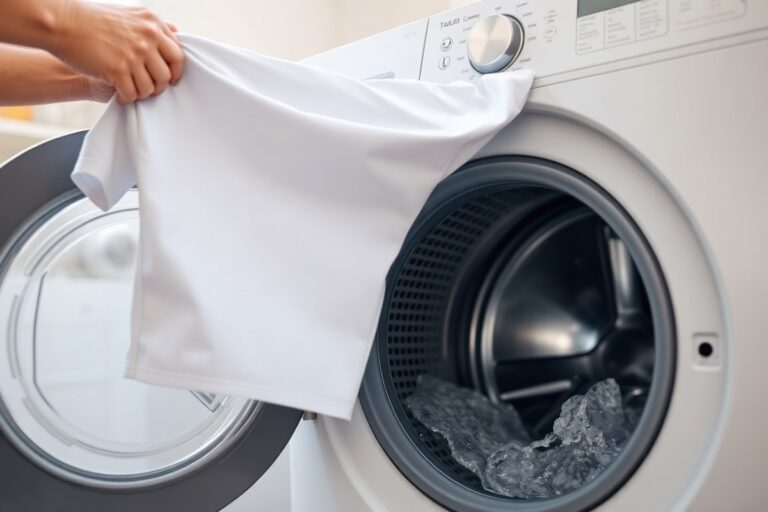
To add bleach to your washer safely, pour about 3/4 cup of liquid chlorine bleach into your washer’s bleach dispenser. This method helps avoid direct contact between undiluted bleach and your laundry, preventing stains and fabric damage. Front-loading washers without a bleach dispenser require diluting bleach with water before adding it to the drum. Knowing how to add bleach to washer correctly is essential for maintaining white clothes and disinfecting fabrics effectively.
This advice is for homeowners and renters who want to use bleach in their laundry without ruining fabrics or appliances. You’ll learn exact bleach amounts based on load size and washer type, types of bleach to use, safety precautions, and how to clean your machine after bleaching.
Key Takeaways
- Use about 3/4 cup of liquid chlorine bleach for a regular load unless your washer’s guide suggests otherwise.
- For small or lightly soiled loads, add ½ cup of bleach; for large or heavily soiled loads, use up to 2/3 cup.
- Always pour bleach into the washer’s bleach dispenser to avoid stains caused by undiluted bleach.
- In front-loading washers without a bleach dispenser, dilute bleach in 1 liter (34 fl oz) of water before adding to the drum.
- Pause the cycle for 1 hour after adding bleach to allow proper soaking and sanitizing of fabrics.
- Use regular, unscented household bleach with 5%-9% sodium hypochlorite concentration for laundry purposes.
How to Add Bleach to a Washing Machine Step-By-Step

To add bleach to a washing machine safely, use your washer’s bleach dispenser if it has one, as this ensures the bleach dilutes properly before reaching your clothes. When there’s no dispenser, dilute the bleach in water and add it directly to the drum after the washer fills with water. Timing matters: add bleach during the wash cycle after water fills the machine to avoid fabric damage and ensure even cleaning.
Adding Bleach with a Dispenser
Most modern washers include a bleach dispenser slot designed to hold and release liquid bleach at the appropriate time. This dispenser automatically mixes bleach with water, so your laundry isn’t exposed to undiluted bleach, which can harm fabric fibers. Using the dispenser also protects the washing machine components from bleach damage. Follow these steps to add bleach using a dispenser:
- Open the bleach dispenser slot on your washing machine.
- Pour the recommended amount of liquid bleach into the dispenser, typically 3/4 cup (6 fluid ounces).
- Close the dispenser lid securely to prevent spills.
- Load your clothes into the drum as usual.
- Select your wash cycle, usually a hot or warm water setting for best bleach effectiveness.
- Start the machine; the washer will automatically release the diluted bleach during the wash cycle after it fills with water.
Adding Bleach Without a Dispenser
Your washing machine requires manually diluting and adding bleach to the drum when it doesn’t have a bleach dispenser. This step prevents clothes from contacting concentrated bleach, which can cause fabric damage or discoloration. Diluting your bleach in about 1 quart (34 fluid ounces) of water before pouring it into the drum helps ensure even distribution. Use these steps to add bleach without a dispenser:
- Measure the appropriate amount of liquid bleach; typically 3/4 cup for average loads.
- Dilute the bleach in 1 quart of water in a separate container.
- Start your washing machine and allow the tub to fill approximately halfway with water.
- Pause the cycle or open the lid to safely add the diluted bleach into the drum water.
- Add your clothes after the bleach solution is mixed in the water.
- Resume the cycle and allow the wash to complete as normal.
Timing Bleach Addition During Wash Cycle
Adding bleach at the correct time during the washing cycle protects your clothes and ensures bleach effectiveness. Adding it too early can result in undiluted bleach contact, causing fabric damage, while adding it too late may reduce cleaning performance. The best practice is to add bleach after the machine fills with the correct volume of water. Follow these timing tips for optimal results:
- Start your wash and let the machine fill with water but not begin agitating.
- Pause the cycle or open the lid carefully.
- Add the bleach either into the dispenser or diluted directly into the drum, depending on your machine type.
- Add laundry afterward if you have no dispenser and paused the cycle before adding clothes.
- Close the lid or resume the cycle so the machine can agitate and distribute bleach evenly.
How Much Bleach to Use Based on Load and Washer Type

The amount of bleach to use depends mainly on your washer type, the load size, and how soiled your clothes are. Standard washers usually need between 1/4 cup and 1 cup of liquid chlorine bleach per load. You should add less bleach for small or lightly soiled loads and more for large or heavily soiled ones. Using the correct amount helps clean clothes effectively without damaging fabric or the washer.
In washers with a bleach dispenser, pour the bleach into that compartment. If your washer does not have a dispenser, add bleach when the tub is filling, before adding clothes, so bleach dilutes in water first. Front-load washers typically have a dedicated bleach drawer and use the dispenser automatically during the wash cycle. Check your washer’s manual because recommended bleach amounts may vary slightly between models.
| Bleach Amount | Load Size | Water Temperature |
|---|---|---|
| 1/4 cup (60 ml) | Small load | Warm or hot |
| 1/2 cup (120 ml) | Small or lightly soiled load (standard washer) | Warm or hot |
| 2/3 cup (about 160 ml) | Heavily soiled or large load (standard washer) | Warm or hot |
| 3/4 cup (180 ml) | Medium load | Warm or hot |
| 1 cup (240 ml) | Large load | Warm or hot |
The soil level of your clothes affects the bleach quantity. Heavily stained or very dirty laundry needs closer to the higher end of this range. For lightly soiled loads, it’s safer and better for fabric longevity to use less bleach. Oxygen bleach, often in powdered form, is added differently, it can be sprinkled directly into the empty tub before clothes go in, and it’s usually less harsh.
Never exceed the fill line in your washer’s bleach dispenser to avoid fabric damage and machine issues.
Always consult your clothes’ care labels to ensure they are bleach-safe. Adjust bleach use according to the label instructions and your washer’s guidelines. Combining bleach with detergent at the right time, usually when the tub is half full, is also key to effective cleaning and preventing bleach damage. Using the correct bleach amount saves money and prevents premature wear on your clothes and machine.
Types of Bleach and Which to Use for Laundry
You can use two main types of bleach in your washing machine: chlorine bleach and oxygen bleach. Chlorine bleach works best on white, sturdy fabrics, while oxygen bleach is safer for colored items and delicate fabrics. Adding powdered bleach works differently depending on the type, so knowing how to add it correctly helps protect your clothes.
Chlorine Bleach Characteristics
Chlorine bleach, often called standard liquid bleach, is powerful for whitening white cotton towels, sheets, and other heavy-duty white fabrics. It’s effective at removing tough stains and killing germs but should not be used on colored clothing because it can cause fading and fabric damage. To use chlorine bleach safely, pour about one capful into the washing machine’s bleach dispenser just as the washer begins to fill with water. This timing ensures the bleach dilutes properly and does not come in direct contact with your clothes, which helps prevent burns or spots.
Check that your washer has a bleach dispenser designed for liquid bleach, and always follow the label directions on both your washing machine and the bleach bottle. Using chlorine bleach can keep whites looking brighter but avoid using it with delicate fabrics like wool or silk, which can weaken or discolor when exposed. This bleach type is usually inexpensive, costing between $2 and $4 per quart, and a small amount goes a long way for each load.
Oxygen (Color-Safe) Bleach Details
Oxygen bleach is also called color-safe bleach and often comes as a powdered or liquid product designed for use on colored and delicate fabrics. It contains hydrogen peroxide or a similar compound that gently lifts stains and brightens fabrics without the harsh effects of chlorine bleach. This makes it ideal for brightening colored clothes and removing stains without risking fading or damage.
For liquid oxygen bleach, you add it directly to the bleach dispenser just like you would with chlorine bleach. Powdered oxygen bleach can be added either to the detergent compartment or directly into the drum with your clothes, depending on your washer’s design and manufacturer instructions. Oxygen bleach takes a bit longer to work, usually needing a full wash cycle to clean and brighten effectively. It’s a bit more expensive than chlorine bleach but worth the cost for maintaining color vibrancy.
Powdered vs Liquid Bleach Forms
Powdered bleach is usually oxygen-based and can be added safely to colored and white clothing. To use powdered bleach, scoop the recommended amount specified on the package, often about one to two tablespoons for a regular load, and add it either to the washing machine drum before loading your clothes or into the detergent compartment if your machine has one. Adding powder directly to the drum helps prevent clumping and ensures it dissolves fully during the wash.
Liquid bleach, whether chlorine or oxygen-based, should always go into the washer’s bleach dispenser to avoid direct contact with fabrics, which can cause stains or damage. Avoid using powdered chlorine bleach since it’s rare and may not dissolve properly, increasing the risk of fabric damage. Powdered oxygen bleach is common and more versatile, especially for colored loads. Different washers have various dispenser designs, so check your user manual to know exactly where and how to add powdered or liquid bleach safely for the best results.
Precautions and Fabric Care When Using Bleach
Bleach can effectively clean and disinfect laundry, but it also risks damaging fabrics without the right precautions. Always read the garment care label before using bleach to ensure the fabric can handle it safely. Fabrics like wool, silk, mohair, leather, spandex, and non-colorfast items often react poorly to bleach, showing signs of discoloration or fiber weakening. Using the wrong type or amount of bleach can cause irreversible damage, so following these guidelines helps protect your clothes.
To prevent fabric damage, start by choosing the correct bleach for the load. Chlorine bleach is strong and works well for whites but can fade or harm colored fabrics. Non-chlorinated, oxygen-based bleaches tend to be gentler and safer on a wider range of fabrics but still require label checks. Avoid using bleach on delicate fabrics such as silk or wool, as these materials can easily shrink, weaken, or lose their finish.
Before adding bleach to your washer, confirm the care label’s instructions and your washer’s bleach dosing guidelines. Overusing bleach does not improve cleaning and increases the chance of fabric damage. Follow these precaution steps to use bleach safely and reduce risk to your clothes and yourself:
- Check garment care labels to confirm bleach compatibility and recommended type.
- Use only the bleach dispenser designed for your washing machine to avoid direct contact with fabric.
- Never mix bleach with ammonia or other household cleaners to prevent toxic fumes.
- Wear gloves if handling bleach directly to protect skin from irritation.
- Use the minimum effective amount of bleach based on the load size and soil level.
- Avoid soaking fabrics in bleach longer than suggested by the care label or product instructions.
- Run an extra rinse cycle if needed to remove bleach residues completely.
Signs that fabric has been damaged by bleach include discoloration, thinning, or a rough texture. These effects may weaken the garment, reducing its lifespan. If you are uncertain about bleaching an item, testing a hidden area or consulting a professional cleaner can prevent costly mistakes. Avoid bleach on delicate, colored, or non-fast fabrics to keep your laundry in good condition and maintain its appearance over time.
How to Clean Your Washing Machine After Using Bleach
Bleach can help sanitize your washing machine, but if used incorrectly, it may damage rubber seals and hoses. Using too much bleach or leaving it in the machine too long without proper rinsing can cause deterioration. Cleaning your washing machine after using bleach will protect its parts, prevent corrosion, and keep it smelling fresh. Monthly cleaning with bleach maintains internal plumbing by pushing water through the barrel and pipes, removing buildup and germs. Follow these steps to clean and protect your washing machine after using bleach:
- Run a bleach cycle: Add 1 quart (946 mL) of bleach to an empty washer and start a hot water cycle. This will sanitize the drum and internal parts. Leave the lid open if you have a top-loader to allow fumes to escape.
- Pause to let bleach work: Once the cycle fills with water and bleach, pause the machine for 1 hour if possible. This soak time increases the bleach’s effectiveness without prolonging exposure that can harm seals.
- Complete the cycle: Resume the cycle and let it drain completely. This pushes the bleach through the entire plumbing system.
- Run a rinse cycle: To remove leftover bleach, run an additional rinse cycle with plain water. This helps prevent damage to rubber and metal parts.
- Wipe down surfaces: Use a clean cloth to wipe the inside of the drum, door seal, and detergent dispensers. This removes residue and moisture that bleach can leave behind.
- Keep the door open: After cleaning, leave the door or lid open for several hours to air-dry. This helps prevent mildew and bleach smell buildup.
- Inspect parts regularly: Check rubber seals, hoses, and dispensers monthly for signs of wear or cracking. Replace damaged parts promptly to avoid leaks or failures.
Use the exact amount of bleach recommended by your machine’s manual to avoid damaging parts; overusing bleach increases the risk of seal deterioration.
Combining Bleach with Detergent and Fabric Softener
Mixing bleach with detergent in the washing machine can be safe if done correctly. Adding liquid chlorine bleach, such as Liquid Clorox Bleach, is best done through the washer’s bleach dispenser five minutes into the wash cycle. This timing allows the detergent’s enzymes to begin working on stains before the bleach is introduced. If you add bleach at the very start, it may inactivate those enzymes, reducing the cleaning effectiveness.
To use bleach with detergent safely, measure the bleach according to the manufacturer’s instructions and dilute it with about 1 quart of water before pouring it into the bleach compartment. This dilution helps disperse the bleach evenly and prevents fabric damage. Put the detergent in its designated compartment, so it runs at the right time during the cycle. Avoid pouring bleach directly on clothes or mixing it in with powder or liquid detergent outside the dispenser, as direct contact can cause fabric discoloration or damage.
Adding bleach and fabric softener together in the washer is not recommended. Bleach should go into the bleach dispenser, while fabric softener belongs in its separate compartment, typically released during the rinse cycle. Mixing bleach with fabric softener can create harmful fumes and reduce the effectiveness of the softener. Always use each product in its proper dispenser and sequence to maintain fabric safety and washing performance.
Before using bleach on any clothing or linens, check the care label to confirm the fabric can tolerate bleach. Use color-safe bleach alternatives for colored items or bleachable-safe fabrics to avoid fading or damage. Testing a small, hidden area, such as an inside seam, is a good practice to catch any adverse reaction before washing a full load.
Some machines, especially newer models, have specific compartments designed for bleach, detergent, and fabric softener. Using these compartments ensures the products release at ideal times for effective washing and fabric care. In washers without separate bleach dispensers, adding bleach manually during the wash cycle can be an option but requires careful timing and dilution to prevent fabric harm.
Avoid mixing bleach with any other cleaning products except detergent. Combining bleach with ammonia, acids, or fabric softeners can produce dangerous chemical reactions. Stick to adding bleach through the washer’s bleach dispenser with detergent in its compartment and fabric softener separately. Following these steps safeguards both your laundry and your health during the wash cycle.
How to Use Bleach Safely in Different Washer Types
Using bleach in different types of washers requires attention to dispenser design and capacity. High-efficiency (HE) washers use less water and require precise bleach amounts, while standard and front-loading washers handle bleach differently due to their mechanics and dispenser setups. Knowing exactly where and how much bleach to add helps protect your clothes and machine from damage while getting the cleaning power you expect.
Bleach Use in Front-Loading Machines
Front-loading washers have a bleach dispenser usually located in the detergent drawer. Pour the bleach into this compartment before starting the wash cycle. This dispenser gradually releases bleach during the correct wash stage, preventing fabric damage and uneven bleaching.
Check your washer’s manual for the bleach dispenser’s maximum fill line. For normal soil, fill to the max line with bleach. Avoid pouring bleach directly on clothes or into the drum, as front-loaders use less water and direct bleach contact can harm fabric. Ensuring the dispenser is properly sealed and that the drawer closes fully is important to prevent bleach leaks.
Bleach Use in Top-Loading Washers
Top-load washers typically do not have a bleach dispenser, so bleach is added directly to the wash water before adding clothes. Add 1/3 cup of bleach for lightly soiled loads, or up to 2/3 cup for heavily soiled laundry in standard top-loaders. Pour the bleach into the water as the tub fills, then wait at least one minute before adding clothes. This allows the bleach to dilute and prevents direct fabric exposure.
Use cold or warm water to mix bleach properly in the wash tub; hot water can cause bleach to evaporate quickly. After adding bleach and before starting the full cycle, let the washer agitate briefly to mix the bleach evenly. This method ensures even bleaching action without damaging fabrics or leaving residue in the machine.
Using Bleach in High-Efficiency Machines
High-efficiency washers use a bleach dispenser with a clearly marked max line and typically require smaller bleach amounts due to lower water usage. For sanitizing, use about 1/4 cup of bleach; for whitening and stain removal under normal soil conditions, fill the dispenser to the max line. Avoid exceeding this amount to prevent damage to the washer’s internal components and your clothes.
HE machines mix water and bleach before releasing it into the drum, so always add bleach to the dispenser rather than directly to the drum. Following the manufacturer’s recommendations on timing and amount minimizes fabric wear and keeps your washer running efficiently. Using bleach exactly as prescribed for HE washers also helps keep the dispenser clean and functioning properly long term.
Common Mistakes and How to Avoid Them with Bleach Use
Using bleach incorrectly can cause damage to your clothes or washing machine. Common mistakes include applying too much bleach, adding it at the wrong time, and using it on fabrics that bleach can harm. Over-bleaching can weaken fibers, create holes, or cause uneven discoloration. Timing matters because bleach must have enough contact time to sanitize without overstaying and damaging fabrics.
To avoid these problems, always measure bleach carefully. Using more than the recommended 3/4 cup (6 fluid ounces) of household bleach for a regular-size load can cause fabric damage. Chlorine bleach with 5% to 9% sodium hypochlorite is the safest choice. Make sure to add the bleach to the dedicated bleach dispenser or at the right point in your washer’s cycle. This prevents undiluted bleach from touching fabrics directly, which can leave permanent stains.
- Measure bleach with a standard cup or dispenser; never pour directly on clothes.
- Pour bleach into the washer’s bleach compartment before starting the wash cycle.
- Avoid using bleach on delicate fabrics like wool, silk, or spandex.
- Ensure the load has enough water to dilute bleach properly (especially in high-efficiency washers).
- Do not let bleach sit on dry fabrics; rinse promptly to prevent damage.
- Sanitize by ensuring clothes stay in contact with the bleach solution for about 10 minutes.
Mixing bleach too early or late can reduce effectiveness or harm clothes. For example, adding bleach after the wash cycle starts helps dilute it automatically, avoiding fabric contact with full-strength bleach. Using bleach on colored fabrics without checking colorfastness first risks stains or fading. When dealing with stained items, pretreat them separately instead of increasing bleach amounts indiscriminately.
Always dilute bleach fully before it touches fabric, either by adding it to the dispenser or mixing with water first, to prevent fabric damage.
Bleach drips can cause spots on other laundry or surfaces. Keep the bleach container upright and handle it carefully to avoid spills on your carpet or clothing. After using bleach, run an empty cycle with hot water to clean the washer and remove any residual bleach, preventing corrosion. Regularly following these steps helps keep your clothes bright and your washer in good condition.
Step-by-Step Action Plan for Adding Bleach to Your Washer
Follow these steps to use bleach safely and effectively in your washing machine for clean and bright laundry.
- Before You Start: Check your clothing labels and washer manual to confirm bleach is safe to use.
- Load Your Washer: Add clothes, making sure not to overload. Proper spacing helps bleach and detergent work better.
- Measure Bleach: Use 3/4 cup of liquid chlorine bleach for a regular load in a standard washer, or follow your washer’s guide for high-efficiency models.
- Add Bleach to Dispenser: Pour bleach into the washer’s bleach dispenser, never directly on clothes, to avoid damage and allow even distribution.
- Select Cycle: Choose the hottest water safe for your fabric and start the wash to activate the bleach’s cleaning power.
- Combine Correctly: Use detergent as usual in its dispenser; avoid mixing bleach directly with detergent or fabric softener.
- After the Cycle: Run a rinse cycle if needed to ensure all bleach residue is removed from clothes and the machine.
- Clean Washer Monthly: Run an empty hot water cycle with bleach to sanitize the machine and prevent buildup.
Frequently Asked Questions
Can I Add Bleach Directly to the Washer Drum Instead of the Bleach Dispenser?
Yes, you can add liquid bleach directly to the drum only if your washer lacks a bleach dispenser, but be sure to pour it before adding clothes to avoid fabric damage.
How Often Should I Use Bleach to Clean My Washing Machine?
Using bleach to clean your washer once a month helps prevent mold and soap buildup.
Can I Use Bleach with Cold Water Cycles in My Washer?
Bleach works best with hot water for disinfecting and stain removal; cold water may lessen its effectiveness.
Is It Safe to Use Bleach on All Types of Fabrics in the Washer?
Avoid bleach on delicate fabrics like wool or silk to prevent damage; check care labels before use.
What Should I Do If Bleach Spills on Clothes During Loading?
Rinse the affected clothes immediately with cold water to reduce bleach stains or fabric damage.
Can Using Too Much Bleach Harm My Washing Machine?
Excessive bleach can damage washer parts like seals and hoses, so stick to recommended amounts.
Before You Go
Adding bleach to your washer the right way helps kill germs, remove tough stains, and brighten fabrics without damage. Start with checking your clothes and using the bleach dispenser to protect your laundry. Next time you wash, apply these steps to get cleaner results safely and confidently.