Can You Mix Bleach and Laundry Detergent? Safe Use and Practical Tips
You can mix bleach and laundry detergent safely if you follow proper steps, use the right amounts, and avoid harmful combinations. Standard laundry detergent generally works well with bleach, but careful handling is essential to protect fabrics and your health. This guidance suits homeowners and anyone doing laundry who wants effective stain removal without damaging clothes or creating dangerous chemical reactions.
This article covers how to add bleach and detergent properly, which fabrics tolerate bleach, the difference between chlorine and oxygen bleach with detergents, common mixing mistakes, and safe presoak methods. Practical tips help you get cleaner, brighter laundry while avoiding stains, discoloration, and safety hazards.
Key Takeaways
- Only use ¼ cup of chlorine bleach per gallon of water for laundry to ensure safe dilution.
- Add your detergent first, wait 5 minutes, then add bleach to prevent reactions in the wash.
- Test bleach on fabric by soaking for 1 minute to check for discoloration before washing.
- Oxygen bleach is gentler and suitable for more colors compared to chlorine bleach.
- Use bleach on whites and colorfast fabrics only; skip it on delicate or non-colorfast items.
- Presoak laundry with up to 3 cups of bleach in 12 gallons of water for no longer than 5 minutes.
Can You Mix Bleach and Laundry Detergent Safely?
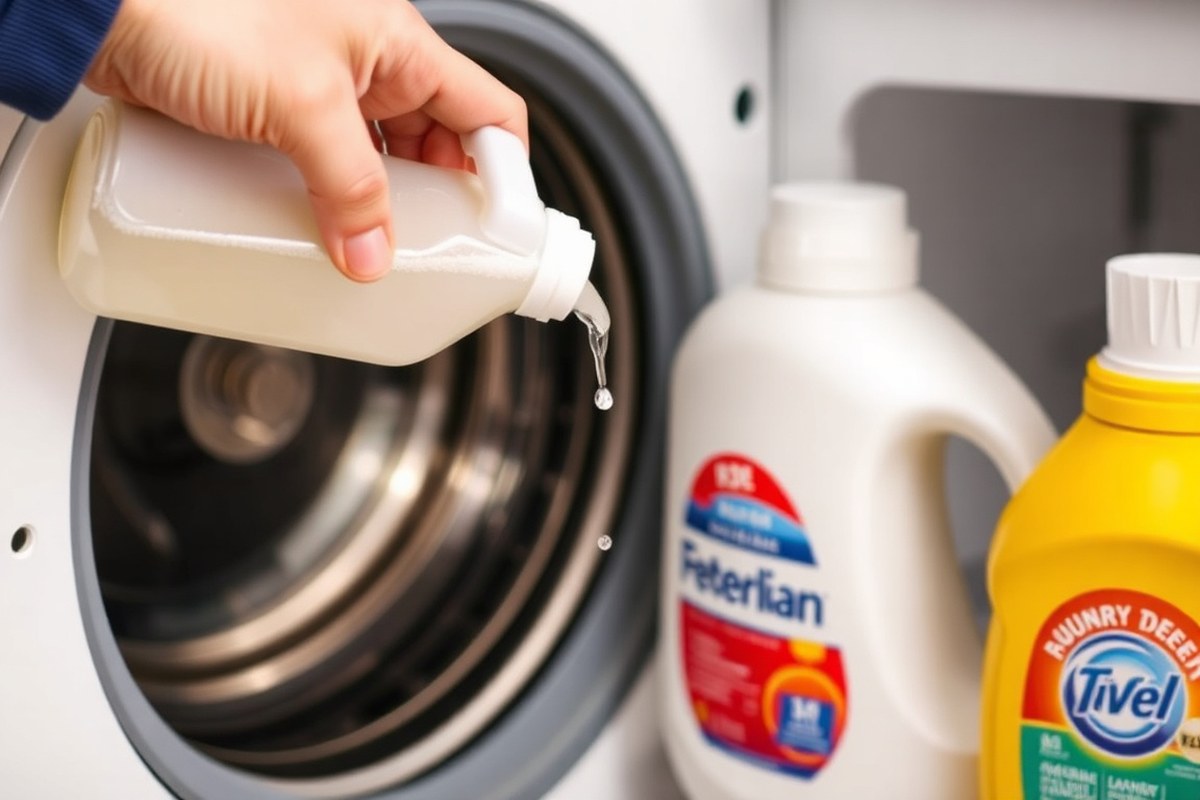
You can mix bleach with laundry detergent safely in most cases, but knowing the right types and methods is key to preventing damage or hazardous reactions. Standard laundry detergents are generally safe to combine with bleach, particularly chlorine or oxygen bleach, as long as you follow proper dilution and usage instructions. Mixing these correctly helps you boost cleaning power without harming fabrics or producing toxic fumes.
When combining bleach and detergent, always add the bleach to water first and allow it to fully dilute before adding laundry detergent or clothes. For example, in a typical washer, dilute about 1/4 cup of bleach in one gallon of water and wait a few minutes for this mixture to stabilize. After that, add your preferred detergent. This sequence minimizes the risk of chemical reactions that could reduce cleaning effectiveness or damage fabrics. Let the bleach and detergent solution sit for about five minutes before loading your clothes into the washer, allowing proper mixing and activation.
Not every bleach and detergent pair is safe to mix. Avoid combining bleach with detergents that contain vinegar or ammonia, as these mixtures can release harmful gases. For instance, never mix chlorine bleach with ammonia-containing cleaners or vinegar-based soaps. Oxygen bleach is safer for mixing with detergent, especially on colored fabrics, because it’s a gentler, non-chlorine option that brightens without disinfecting. Chlorine bleach works better for disinfecting whites but requires careful handling to avoid fabric damage or colour fading.
Mixing bleach directly with undiluted detergent is not recommended because the concentrated chemicals can react and produce less effective cleaning or spots on clothes. Instead, mixing bleach in the wash water until it’s diluted, then adding detergent, ensures compatibility. The process takes just a few minutes and costs no extra money beyond your usual bleach and detergent supply. Proper mixing results in evenly cleaned laundry with no signs of chemical spotting or fabric weakening.
Using too much bleach or the wrong kind of detergent can cause issues. For example, using over 1/2 cup of chlorine bleach for a regular washer load risks fabric damage or colour loss. Always measure bleach carefully and review product labels for compatibility guidelines. Oxygen bleach alternatives offer a safer option if you want to avoid the stronger chemical effects of chlorine bleach but still want whitening or stain removal benefits. Following label instructions for both bleach and detergent helps you avoid unwanted reactions and keeps clothes safe and looking their best.
How to Properly Add Bleach and Detergent to Laundry Loads

To add bleach and detergent to your laundry safely and effectively, add the bleach early in the wash cycle, ideally through the washing machine’s bleach dispenser. Detergent should go in separately, usually at the start or in its designated compartment. Avoid mixing bleach directly with detergent, especially pods or powders, to prevent reactions that reduce cleaning power and risk fabric damage.
Using Bleach Dispensers in Machines
Most modern washing machines have a bleach dispenser designed to add bleach at the correct time and dilute it properly. This prevents direct contact between concentrated bleach and your clothes, avoiding stains and weakening of fabrics. Pour liquid chlorine bleach into the dispenser according to the machine’s instructions. The dispenser releases bleach during the wash cycle after the tub fills with water, allowing even distribution.
Use the bleach dispenser in your washer instead of pouring bleach directly on clothes or detergent. This method ensures the bleach is diluted in water and added safely.
Diluting Bleach Before Adding
When your washer lacks a bleach dispenser or you do a hand wash, dilute the bleach before it contacts fabric. Using full-strength bleach directly on clothes can cause spotting and damage. The recommended dilution for laundry use is about ¾ cup of chlorine bleach per gallon of water.
Mix the bleach in water separately, then add the diluted solution to the washing machine after the tub fills with water but before adding clothes. This lets the bleach spread evenly and reduces risk of harsh spots. For larger loads, increase the bleach slightly but do not exceed 1 cup per gallon of water.
Adding Detergent Before or After Bleach
Detergent should always be added separately from bleach. Typically, you add detergent at the beginning of the wash cycle, either in its dedicated compartment or directly into the washer if no compartment exists. Then, add bleach either through the dispenser or as a diluted solution after the tub fills but before the wash cycle starts.
Avoid combining bleach with detergent pods or powders because chemical reactions between bleach and detergent ingredients can reduce effectiveness and risk fabric damage. Instead, let the detergent dissolve fully first, then add the bleach separately for safe and thorough cleaning.
Never pour undiluted bleach directly onto clothes or mix it with detergent pods to avoid fabric bleaching and chemical reactions.
Follow these steps to add bleach and detergent properly for a safe and effective wash:
- Fill the washing machine with water to the appropriate level for your load.
- Pour the right amount of liquid chlorine bleach into the washer’s bleach dispenser. When there’s no dispenser, dilute ¾ cup of bleach in 1 gallon of water before using it.
- Add the diluted bleach solution to the washer after filling but before adding clothes.
- Place your laundry into the washer.
- Add detergent in its designated compartment or directly onto the laundry if no compartment is available.
- Start the wash cycle as usual.
- Let the wash complete and run an extra rinse cycle to remove any bleach residue and odors if desired.
Which Fabrics and Colors Can Handle Bleach with Detergent?
You can safely use bleach with laundry detergent on certain fabrics and colors, but it depends on the type of bleach and the fabric’s tolerance. Chlorine bleach should be reserved for white, durable fabrics, while oxygen bleach is safer for most colors and a wider range of fabrics. Testing for colorfastness before adding bleach is necessary to prevent damage or discoloration.
Fabrics Safe for Chlorine Bleach
Chlorine bleach effectively whitens natural fibers like cotton and helps disinfect fabrics. Use it only on white items because it can cause permanent stains or damage on colored fabrics. Avoid chlorine bleach on delicate or synthetic fabrics. Fabrics safe to use chlorine bleach with detergent include:
- White cotton towels and sheets
- White cotton clothing
- Linen and some white synthetic blends (check labels)
- Polyester blends labeled safe for bleach
- Durable white fabrics without embellishments or finishes
Chlorine bleach should not be used on delicate fabrics such as silk, acetate, wool, spandex, polypropylene foam, flame retardant textiles, and rubber because it can cause damage like weakening fibers and discoloration.
Fabrics Safe for Oxygen Bleach
Oxygen bleach (sometimes labeled all-fabric bleach) is gentler and safe for most fabrics and colors. It whitens, brightens, and disinfects without the harsh effects of chlorine bleach. This type of bleach works well with colored laundry where you want to avoid bleach spots or fading. Safe fabrics for oxygen bleach include:
- Colored cottons
- Polyester and polyester blends
- Synthetic fabrics like nylon and acrylic
- Delicate fabrics labeled bleach-safe
- Furniture and chef jackets treated with color-safe formulations (e.g., Clorox 2™)
This makes oxygen bleach a versatile choice when you need to mix bleach and detergent for both color and durability.
Spot-Testing Fabric Colorfastness
Testing for colorfastness before using any bleach is critical to avoid ruining your clothes. To do this, mix a small amount of diluted bleach solution with water, usually 1 part bleach to 10 parts water works well. Apply the solution with a cotton swab or small brush to an inconspicuous spot on the fabric.
Wait about 1 minute to observe any changes. Discoloration, fading, or staining of the fabric indicates that bleach should not be used on that item. When the color stays the same and the fabric shows no signs of harm, using bleach on the material is probably safe. Always double-check the manufacturer’s care label, especially for blend fabrics or unusual textiles.
- Prepare a bleach solution: 1 part bleach to 10 parts water
- Apply to a hidden fabric area with a cotton swab
- Wait 1 minute and watch for color change or fabric damage
- Do not use bleach if stain or fading appears
- Repeat test if unsure, or try oxygen bleach as a safer alternative
How Much Bleach to Use with Laundry Detergent for Different Loads
Bleach amounts for laundry should match the load size and soil level to avoid fabric damage or ineffective cleaning. More bleach does not always mean cleaner clothes. Using too much can weaken fibers or cause yellowing, especially in hard water. The right dose allows bleach to whiten and disinfect effectively while the detergent lifts dirt and grime without reducing bleach’s power.
Follow label instructions on both your bleach and detergent, but a general guideline helps. Concentrated bleach formulas like Clorox™ Disinfecting Bleach contain polymers that control metal ions in tap water, reducing yellowing and fabric damage risks when used correctly. Use the correct water-to-bleach ratio and avoid soaking loads longer than five minutes for best results, especially in treated water.
| Load Size | Soil Level | Chlorine Bleach Amount | Oxygen Bleach Amount |
|---|---|---|---|
| Small (up to 5 lbs) | Light | 1 tablespoon (15 mL) | 1/4 cup (60 mL) |
| Small (up to 5 lbs) | Heavy | 2 tablespoons (30 mL) | 1/2 cup (120 mL) |
| Medium (5-10 lbs) | Light | 1/4 cup (60 mL) | 1/2 cup (120 mL) |
| Medium (5-10 lbs) | Heavy | 1/3 cup (80 mL) | 3/4 cup (180 mL) |
| Large (10-15 lbs) | Light | 1/3 cup (80 mL) | 3/4 cup (180 mL) |
| Large (10-15 lbs) | Heavy | 1/2 cup (120 mL) | 1 cup (240 mL) |
Chlorine bleach is typically dosed in tablespoons or up to a half cup for large, heavily soiled loads. Oxygen bleach amounts are higher because they act more gently and take longer to brighten. Never exceed recommended amounts or soak for extended periods, as this can cause fabric weakening or color loss. Mixing bleach and detergent will not reduce cleaning or disinfecting power when used in these amounts, as detergents complement bleach without neutralizing it.
Always add bleach into the washer’s bleach dispenser or dilute it in water before adding to prevent direct contact with fabrics. Too much bleach may cause fabric yellowing or holes. To maintain safe and effective laundry care, use bleach quantities appropriate to load size and soil level and avoid mixing bleach with other household chemicals like ammonia or acids.
Differences Between Chlorine Bleach and Oxygen Bleach with Detergents
Chlorine bleach and oxygen bleach differ in chemical makeup, cleaning power, and fabric safety, which affect how you mix and use them with laundry detergent. Chlorine bleach contains sodium hypochlorite and works quickly to whiten and disinfect clothes, but it can damage some fabrics and fade colors. Oxygen bleach, usually based on hydrogen peroxide or sodium percarbonate, cleans by releasing oxygen bubbles, making it gentler on most fabrics and safer around colors. Both types can be mixed with detergent, but how you do it and the situations where each excels vary.
Chlorine bleach is highly effective at removing tough stains and sanitizing, especially whites and heavily soiled items. However, it should only be added during the wash cycle and never mixed directly with detergent because some detergent ingredients can react with chlorine bleach, releasing harmful gases. Oxygen bleach is better for regular use with detergent and can be added together without a strong chemical reaction. It’s also safer for colored fabrics and synthetic materials that chlorine bleach would harm.
| Feature | Chlorine Bleach | Oxygen Bleach |
|---|---|---|
| Main Ingredient | Sodium hypochlorite | Sodium percarbonate or hydrogen peroxide |
| Color Safety | Best for whites only | Safe for most colors |
| Fabric Safety | Can damage delicate fabrics | Gentler on fabrics, safe for cotton and synthetics |
| Mixing with Detergent | Add separately in wash cycle, avoid direct mixing | Can be mixed directly with detergent |
| Cleaning Effectiveness | Powerful stain remover and disinfectant | Good stain removal, less harsh |
| Typical Use Temperature | Cold or warm water, not hot | Warm or hot water improves effectiveness |
| Cost Range (per load) | Less than $0.20 | $0.25 to $0.50 depending on brand |
Choose oxygen bleach when you want a safer option for colors or delicate items and a more flexible mixing process with detergent. Use chlorine bleach mainly for whites, heavily soiled loads, or when disinfecting is a priority. Always add chlorine bleach separately during the wash to prevent chemical reactions. Oxygen bleach typically requires warm to hot water for the best results, while chlorine bleach works well in cooler water.
Warning: Never mix chlorine bleach directly with laundry detergent as this can release toxic gases. Add bleach separately according to label instructions.
Common Mistakes Mixing Bleach and Detergent and How to Avoid Them
Using bleach and laundry detergent together can lead to common mistakes that damage fabrics or create unwanted stains. One frequent error is adding bleach directly onto fabric instead of diluting it first. This can cause concentrated bleach spots, which show up as yellow or white marks on your clothes. Another problem is using too much bleach. Overbleaching not only weakens fabric fibers but also may turn bright whites dull or yellowed over time, especially if bleach is left in contact too long or the water temperature is too high.
A third common issue is mixing bleach with detergent in a way that triggers chemical reactions or reduces cleaning effectiveness. Some detergents already contain oxygen-based bleach, and combining them with chlorine bleach can create fumes or damage clothes. Also, pouring bleach and detergent at the same time into the washing machine’s main compartment can prevent the bleach from activating properly, reducing its stain-removing power.
- Always dilute bleach with at least one gallon of water before applying it to clothes.
- Add bleach to the washing machine’s bleach dispenser, never directly on clothes.
- Use no more than 3/4 cup (6 fluid ounces) of bleach for a regular wash load.
- Check detergent labels to avoid mixing chlorine bleach with detergents that contain bleach or boosters.
- Run wash cycles at the temperatures recommended on clothing labels and for bleach stability (typically warm water, around 90°F to 110°F).
- Presoak stained clothing separately in diluted bleach solution rather than mixing in detergent.
- Use oxygen-based bleach alternatives to avoid harsh chemical reactions and reduce yellowing risks.
Preventing damage or stains requires careful measurement and correct order of mixing laundry products. For example, adding bleach after the wash cycle starts ensures it disperses safely with water, lowering the chance of fabric harm. Monitoring contact time helps, keep bleach on clothes for about 5, 10 minutes only before rinsing thoroughly.
If yellow stains appear on clothes from bleach, try soaking them in a solution of warm water and oxygen bleach for 30 minutes to an hour to both lift and neutralize the discoloration. Avoid rewashing the clothes using chlorine bleach to limit further color damage. Instead, switch to a gentle detergent paired with oxygen bleach products for future cleaning.
Safety Precautions When Handling Bleach and Laundry Detergent
Handling bleach and laundry detergent requires careful safety precautions to prevent skin irritation, breathing in harmful fumes, and accidental mixing with other chemicals. Bleach, especially chlorine bleach, is a strong chemical that can cause redness or burns on your skin and eyes. Wearing rubber or waterproof gloves whenever you handle bleach reduces direct contact and lowers your risk of irritation. Avoid splashing or spilling bleach on your clothes or skin by pouring it slowly and carefully into the washing machine or a mixing container.
Never mix bleach with household cleaners containing ammonia or acids. Mixing bleach with ammonia produces toxic chloramine vapors, which can cause respiratory problems, coughing, and eye irritation. Combining bleach with acidic cleaners releases chlorine gas, which is also dangerous to your lungs and can be life-threatening in high concentrations. Always keep bleach and other cleaners stored separately to prevent accidental mixing.
When a spill or splash happens, act quickly to reduce harm. Wash skin with plenty of cool running water for at least 15 minutes. For eyes, flush with water immediately and continuously for 15 minutes. Should irritation continue or breathing grow difficult after breathing in fumes, get medical help right away. Clean spills on hard floors or surfaces with plenty of water and ventilate the area to disperse any chemical vapors.
- Wear rubber gloves when handling bleach.
- Use bleach in a well-ventilated area to avoid inhaling fumes.
- Never mix bleach with ammonia or acidic cleaners.
- Pour bleach slowly and directly into the washing machine’s bleach dispenser.
- Rinse any bleach spills on skin immediately with cold water for 15 minutes.
- Store bleach securely and separately from other cleaning products.
- Ventilate rooms well after using bleach to disperse fumes.
Using these safety steps costs minimal effort but helps avoid serious risks linked to bleach. Proper glove use and ventilation protect your respiratory system and skin. Careful handling prevents chemical reactions that release dangerous gases. Keeping protective measures consistent during laundry tasks ensures the cleaning power of bleach and detergent does not compromise your health or home environment.
When and How to Presoak Laundry Using Bleach and Detergent
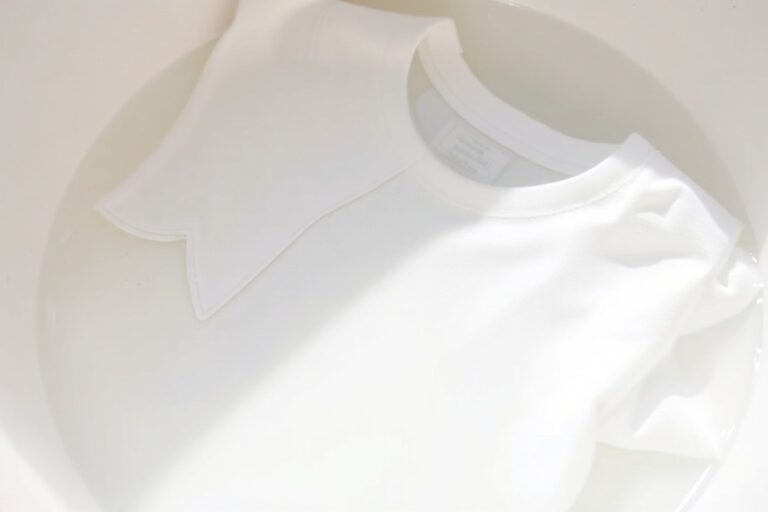
Presoaking laundry in a diluted bleach and detergent mix can help lift tough stains safely when done with the right solution and timing. Use a bleach-to-water ratio of ¼ cup bleach per gallon of warm water and soak clothes for up to 8 hours. Proper rinsing after soaking is essential to avoid fabric damage and yellowing.
Preparing Bleach Soak Solution
Start by making a safe bleaching solution to protect your garments and avoid fabric damage. Use warm water to help activate the bleach, improving stain removal. The recommended bleach concentration is ¼ cup of standard chlorine bleach per gallon of water, which balances effectiveness and fabric safety. Mix in a mild laundry detergent after diluting the bleach, but do not exceed this bleach ratio to prevent yellowing or weakening fabric fibers.
Soaking and Timing Guidelines
Once the solution is ready, fully submerge the stained clothes and let them soak for no more than 8 hours. Longer soaking times or stronger bleach concentrations increase the risk of irreversible yellowing and fabric damage. If the water supply contains metals, this may also contribute to yellowing, so avoid extended soaking in hard water. For delicate fabrics or lightly stained items, shorten soaking time to 30 minutes to 1 hour to minimize risk.
Rinsing and Laundering After Soaking
After soaking, rinse clothes thoroughly in cool water to remove all traces of bleach solution and detergent. Incomplete rinsing can cause fabric yellowing or degrade fibers. Use plenty of water to ensure the soak solution is fully washed out.
Follow rinsing with a full wash cycle in your machine using a regular detergent and appropriate water temperature based on fabric care instructions. This final wash removes any remaining bleach residues and restores fabric softness.
- Fill a bucket or sink with 1 gallon of warm water.
- Add ¼ cup of chlorine bleach and mix well.
- Add a small amount of laundry detergent to the solution and stir gently.
- Submerge stained clothes completely in the solution.
- Allow clothes to soak for up to 8 hours depending on fabric type and stain severity.
- Remove clothes and rinse thoroughly under cool running water.
- Run clothes through a regular washing machine cycle with detergent as usual.
Tip: Avoid soaking colored or delicate fabrics longer than one hour to reduce the chance of color loss or fabric damage.
Step-by-Step Action Plan for Safely Using Bleach and Laundry Detergent
Follow these steps to safely and effectively combine bleach and laundry detergent in your laundry routine.
- Before you start: Check the care labels on your clothes to confirm they can handle bleach, and choose the right type of bleach (chlorine or oxygen) based on fabric and color safety.
- Prewash phase: Use detergent alone during the wash cycle to remove most dirt before adding bleach, ensuring cleaner results without fabric damage.
- During wash cycle: Add bleach only to the designated dispenser or diluted in water separately to avoid mixing it directly with detergent, preventing harmful chemical reactions.
- Load size step: Measure bleach carefully, typically 3/4 cup for a regular load with chlorine bleach or the recommended amount on oxygen bleach packaging, and adjust for larger or smaller loads.
- Postwash inspection: After the cycle, check clothes for color fading or fabric damage; if present, reduce bleach quantity or switch to oxygen bleach in the future.
- Presoak step: For tough stains, presoak clothes in a diluted solution of bleach (oxygen bleach preferred) and detergent before washing but avoid presoak with chlorine bleach on colored fabrics.
- After each laundry: Rinse your washing machine’s bleach dispenser and keep the laundry area ventilated to prevent chemical buildup and odors.
- Ongoing care: Always store bleach and detergents separately and securely to maintain safe handling practices.
Frequently Asked Questions
What Household Products Should You Avoid Mixing with Bleach?
Avoid mixing bleach with ammonia, vinegar, or products containing these ingredients because they can create toxic gases. For safe laundry cleaning, only combine bleach with laundry detergent designed for use with bleach following manufacturer instructions.
Can You Use Dishwashing Liquid with Bleach in Laundry?
Mixing dishwashing liquid and bleach in laundry isn’t recommended because it can cause excessive sudsing and potential chemical reactions. Stick to laundry detergents that specify compatibility with bleach to keep your cleaning effective and safe.
How Does Bleach Affect Colored Clothing in the Wash?
Bleach can cause fading or discoloration of colored fabrics unless it is oxygen-based bleach designed for colors. Chlorine bleach is best reserved for whites to avoid ruining the appearance of colored garments.
What Causes Damage to Clothes When Using Bleach in Laundry?
Using too much bleach or not diluting it properly can weaken fabric fibers and cause discoloration. Always measure bleach carefully according to load size and fabric type to maintain garment quality.
Is It Safe to Let Clothes Soak Overnight in Bleach and Detergent?
Soaking clothes overnight in a bleach and detergent mix can be too harsh and damage fabrics. A maximum soak time of 5 minutes is recommended followed by thorough rinsing for safe whitening.
What Happens If Bleach and Washing Powder Are Combined in the Washing Machine?
Combining bleach with washing powder can reduce bleach’s effectiveness and risk fabric damage due to uneven mixing. Add bleach to diluted water first, then add detergent to ensure better cleaning results.
Before You Go
You can mix bleach and laundry detergent safely by following proper usage guidelines and respecting fabric care instructions. Using the correct type and amount of bleach with detergent keeps your clothes clean without damage. Start by testing a small load or an inconspicuous area of fabric next time you do laundry to confirm the results. This hands-on approach helps you avoid common mistakes and protects your clothes over time.