Can You Shrink Clothes? 8 Proven Ways to Adjust Fit Safely
Yes, you can shrink clothes intentionally, mainly by using heat and water to tighten the fabric fibers. Shrinking works best with natural fibers like cotton, which respond predictably to hot washing and drying. This article helps you learn how to safely adjust your clothes’ fit without ruining them, focusing on different fabric types and shrinking methods.
This information is for anyone who wants to tailor their clothing at home or understand how fabrics react to heat and moisture. You’ll find clear advice on which fabrics shrink easily, how to control the process, and when to avoid shrinking altogether.
Key Takeaways
- Clothes made of 100% cotton shrink the most in hot water and high-heat drying cycles.
- Preshrunk cotton garments still shrink slightly but less than untreated cotton.
- Rayon and viscose fibers can shrink up to 25% on the first hot wash.
- Polyester needs temperatures above 140°F (60°C) to start shrinking significantly.
- Poly-cotton blends shrink proportionally based on their cotton content.
- To avoid over-shrinking, check clothes every 15 minutes during drying.
1. Can You Shrink Clothes on Purpose and How It Works
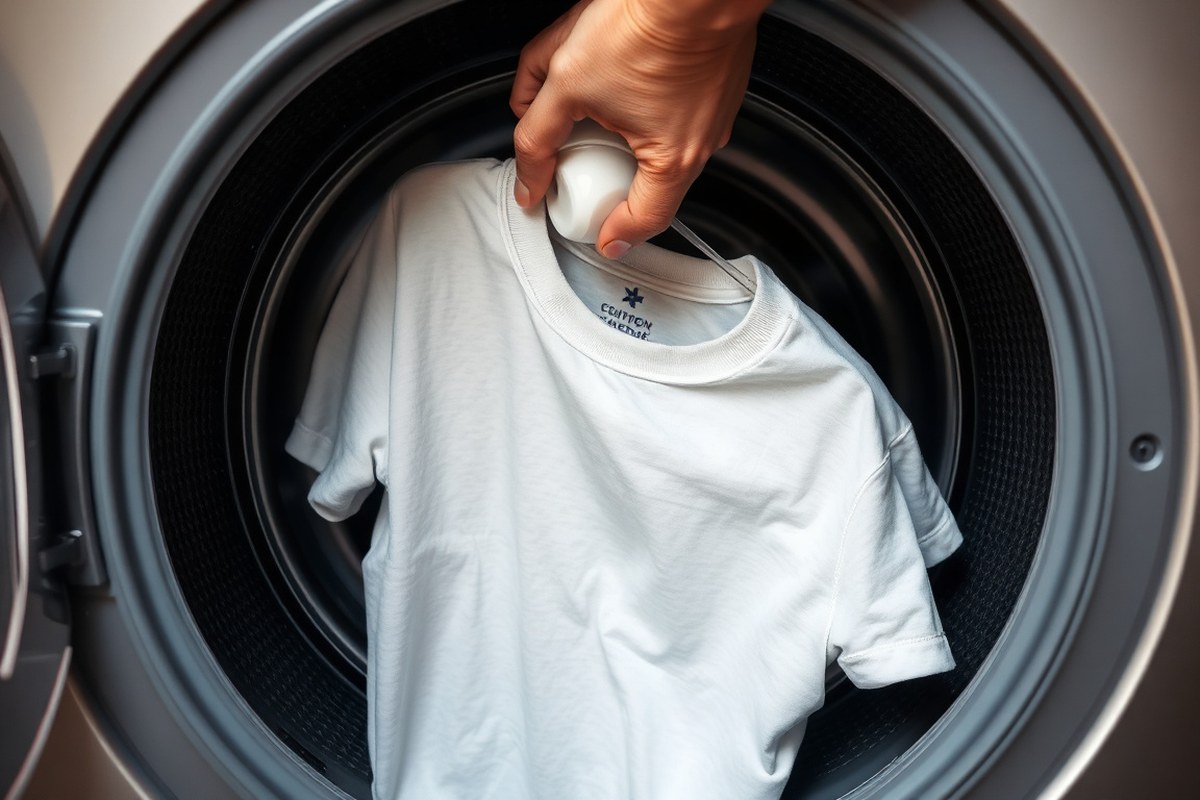
Shrinking clothes on purpose is possible and can work reliably depending on the type of fabric. The process involves using heat and moisture to cause the fibers to contract. When fibers absorb water and then dry at a high temperature, their structure tightens, reducing the overall size of the garment. This happens because natural fibers like cotton and wool are more porous and react to water and heat by contracting. Synthetic fibers such as polyester respond differently, requiring higher temperatures to change shape and may not shrink as much.
To shrink clothes deliberately, you typically introduce heat combined with water. For example, washing a garment in hot water followed by drying it on a high-heat setting in a tumble dryer creates the conditions needed for the fibers to contract. Cotton fibers absorb water and swell, then as they dry and heat is applied, they return to a smaller size than before. This method is usually faster than air drying alone and can shrink 100% cotton fabrics by up to 20%, according to cotton experts. Wool, on the other hand, reacts best to warm water and low heat, and requires gentle agitation to shrink without damaging the fabric. Polyester and nylon are thermoplastic fibers that start to shrink or warp at temperatures above approximately 140°F (60°C), but their shrinkage is less predictable and often less significant.
Certain fabrics are more responsive to shrinking due to their fiber makeup. Cotton and denim reliably shrink with a combination of hot water washing and high heat drying. Wool needs more careful temperature control, using lukewarm water and lower heat to avoid felting the fabric while encouraging contraction. Silk and rayon require gentler treatments such as soaking in warm water without heavy agitation because they are more sensitive to heat and water, which may cause damage rather than uniform shrinkage. Polyester and other synthetics respond poorly to traditional shrinking methods and often require higher sustained heat, but the results may be distortion rather than shrinkage.
The process generally costs no more than your usual laundry energy and time. Using your home washing machine and dryer is sufficient. You need to monitor the garment as excessive heat or repeated cycles can cause damage or over-shrinking, especially with delicate natural fibers. Pre-shrunk clothes may resist significant change or could weaken if forced to shrink further. Planning for gradual shrinking with repeated shorter cycles helps control the amount of size reduction and prevents harming the fabric. This approach makes shrinking clothes on purpose a manageable task when approached with fabric type and heat control in mind.
2. Fabric Types and Shrinking Behavior Explained

Fabrics behave differently when exposed to heat and water because of their fiber content and structure. Natural fibers like cotton, wool, and linen absorb a lot of water, allowing their fibers to relax and contract, causing shrinkage. Synthetic fibers such as polyester and nylon resist shrinking due to their chemical makeup designed to maintain shape. Blended fabrics shrink in proportion to the amount of natural fiber present, so a poly-cotton blend will shrink less than 100% cotton but more than pure polyester.
Cotton generally shrinks the most, especially if it’s untreated or not pre-shrunk. Pre-shrunk cotton still may shrink slightly but not as much as regular cotton because manufacturers partially relax the fibers during production. Wool also shrinks easily but requires gentle handling to avoid damage. Denim, which is usually cotton-based, shrinks well with heat, making hot water and high dryer temperatures effective for reducing size. Silk and delicate fabrics like rayon and viscose absorb water but can be damaged or distorted if exposed to high heat or aggressive shrinking methods.
| Fabric | Shrinkage Tendency | Recommended Shrinking Method | Notes |
|---|---|---|---|
| Cotton (100%) | High | Hot water soak (30 minutes), high dryer heat | Pre-shrunk cotton shrinks less |
| Wool | Moderate-High | Low temperature, gentle detergent, avoid excessive heat | Can felt or be damaged easily |
| Polyester | Low | Not recommended to shrink; resists heat | Synthetics maintain shape well |
| Poly-cotton Blend | Moderate | Hot water, moderate dryer heat | Shrinks roughly in proportion to cotton content |
| Denim (Cotton-based) | High | Hot water soak, high heat dryer | Effective shrinking, common in jeans |
| Silk | Low to moderate | Generally avoid shrinking; use gentle care | Can be damaged or distorted |
Blends like poly-cotton shrink less than pure cotton because the synthetic fibers limit fiber contraction. That makes blended fabrics a safer option if you’re worried about over-shrinking but want some size adjustment. High heat settings generally help natural fibers shrink more because the heat relaxes stretched fibers and tightens their structure as they dry.
Understanding how much water a fiber absorbs explains why natural fibers shrink more. Heat combined with moisture causes the fibers to contract from their stretched state post-manufacturing, known as relaxation shrinkage. This process explains why a 100% cotton t-shirt fresh from the store will often shrink noticeably the first time you wash and dry it with hot water.
Use caution with wool and silk; shrinking attempts on these can ruin the fabric or cause irreversible damage.
3. Effective Methods to Shrink Cotton and Natural Fibers
Shrinking cotton and other natural fibers works best by combining heat, moisture, and agitation. Hot water loosens the fibers, and high dryer heat encourages them to tighten and reduce size. Wool requires gentler soaking with warm water and shorter drying to prevent damage while still shrinking. Careful control of temperature and timing maximizes shrinkage without harming the fabric.
Hot Water Washing Step-by-Step
Using hot water in the washing machine is a common and effective way to shrink cotton, linen, and similar natural fibers. The heat relaxes the fibers so they contract when dried. This method is safest for garments that can handle machine washing and helps shrink bigger clothes by up to 3-10%.
- Set your washing machine to the hottest water temperature safe for the garment according to the care label.
- Place the cotton or linen clothing inside and select a gentle or normal wash cycle to balance agitation.
- Start the cycle and allow it to complete, ensuring the fabric is fully soaked and agitated in hot water.
- Remove the garment promptly after washing to prevent wrinkles and prepare for drying.
- Proceed to dry on the highest machine heat setting the fabric can tolerate.
- Check the garment periodically during drying to avoid over-shrinking or damage.
- Repeat the process if additional shrinkage is required, but avoid excessive heat exposure.
Boiling and Soaking Instructions for Wool
Wool shrinks through heat as well, but it needs gentler handling to avoid felting or distortion. Soaking wool in warm water with a conditioner can shrink it gradually without harsh agitation or boiling. This method preserves the wool’s texture while allowing moderate size reduction.
Set up a basin with about 1 gallon of lukewarm water (around 100°F) and mix in ⅓ cup of standard hair conditioner or baby shampoo. Soak the wool garment for about 30 minutes. Avoid wringing out the fabric to prevent stretching or fiber damage, lift it and press water out against the basin’s side instead. Air drying flat is best after this treatment.
Dryer Heat Settings and Timing Guidelines
The dryer plays a important role in shrinking natural fiber clothing. High heat causes the fibers to contract firmly, finishing the shrinking process started by hot washing or soaking. However, using dryer heat improperly can lead to over-shrinking or fabric damage, so timing and temperature should be carefully controlled.
For cotton and linen, set the dryer to a high heat or cotton mode that reaches between 130°F to 160°F. Check the garment every 10 to 15 minutes during the cycle. Typically, a 30 to 45-minute drying time yields visible shrinkage of 3-10%. Wool should be dried on a low or medium heat setting and removed while still slightly damp to avoid felting. Preferably, dry wool flat to maintain its shape.
4. Shrinking Synthetic Fabrics and Blends Safely
Synthetic fabrics like polyester, nylon, rayon, and blends do not shrink easily because they absorb very little water and have plastic-based fibers. You can expect minimal shrinkage from these materials compared to natural fibers like cotton or wool. However, slight shrinking is possible by carefully applying heat, but the process requires caution because synthetic fibers can melt, glaze, or become damaged if overheated.
For 100% polyester or nylon garments, using your clothes dryer on a medium or low heat setting is the safest way to encourage minor shrinkage. Set the dryer to around 120°F to 140°F (about 50°C to 60°C) and run it for 20 to 30 minutes. This temperature range is gentle enough to help tighten the fibers without risking damage. Avoid high heat settings above 160°F, since polyester fibers can melt near 300°F, and irritation like scorching can occur with direct iron contact.
Blends that combine polyester or spandex with natural fibers shrink less predictably and are more sensitive to heat. These fabrics require extra care because heating above their recommended limits on the care label will likely cause damage rather than shrinkage. For blends, it helps to tumble dry on the lowest heat or air dry setting while checking fit frequently. Avoid boiling water or putting these garments in the dryer for long periods at medium-to-high heat. Doing so can stretch the synthetic parts out or create permanent wrinkles and misshaping.
Boiling synthetic fabrics is riskier than natural fibers because they are more heat sensitive and may lose shape or texture quickly. To speed up shrinkage using boiling, keep the garment in water just below 212°F for only 3 to 5 minutes, then move it immediately to a low-heat dryer cycle. That method suits 100% polyester better than blends but still carries some risk of weakening seams or color fading.
To shrink a garment with some synthetic fibers without risking damage, begin by drying it on low heat for several cycles, then slightly dampen the fabric before drying it again. Always check the care label for temperature guidelines and test on an inconspicuous area first. Avoid using an iron or placing the fabric directly on a hot surface, since direct contact with high heat can permanently melt fibers, changing texture and fit forever.
In practical terms, synthetic fabrics shrink slowly and only a little. Expect about 2% shrinkage or less, which may reduce length or looseness slightly but won’t significantly alter garment size. Achieving noticeable shrinkage may require multiple heating and drying cycles while keeping temperatures moderate. For shrinkage beyond minor size changes, it’s better to use professional alteration services. Synthetic fiber shrinkage is a balance between applying enough heat to tighten fibers and avoiding heat levels that damage the garment.
5. How Long Does Clothes Shrinking Take and How to Monitor Progress
Shrinking clothes normally takes from a few minutes to a couple of hours depending on the method and fabric. Checking your garment frequently during soaking or drying helps you stop at the right fit without damage. Signs such as excessive stiffness, fabric distortion, or a much smaller size signal when to end the shrinking process.
Typical Soaking Durations by Fabric
Soaking times vary widely with fabric type and desired shrinkage. Natural fibers like cotton usually reduce size noticeably after 30 to 60 minutes submerged in hot water. Wool and rayon soak times typically range from 20 to 45 minutes but require more care to avoid misshaping. Synthetic blends might need shorter soaking periods as they are less prone to shrink.
You should plan to check your clothes every 10 to 15 minutes during soaking to see how much they have shrunk and to prevent over-processing. Hot water temperatures around 120°F to 140°F work well for most natural fabrics, but always confirm the garment’s care label before starting.
- Cotton: 30-60 minutes in hot water
- Wool: 20-45 minutes in lukewarm water
- Rayon: 20-40 minutes, gentle handling needed
- Synthetic blends: shorter soaking, about 15-30 minutes
- Delicate fabrics: minimal soaking, consider drying methods instead
Monitoring in the Dryer: When to Remove Clothes
Drying on high heat is common for faster shrinking but requires short, monitored cycles to keep your clothes from shrinking too much or becoming damaged. Use 10- to 15-minute bursts on the highest dryer heat and take the garment out between cycles to check fit and texture. Repeat until you reach the target size.
This approach prevents shrinking beyond your needs and helps avoid fabric harm like excessive stiffness or brittleness. After the desired shrinkage, let the garment cool or finish drying on a rack if still damp to help fibers settle. For best results:
- Dry in short 10-15 minute bursts
- Check garment dimensions and feel after each burst
- Remove as soon as desired fit is achieved
- Allow to cool before trying on to see true size
Stop drying at the first sign of excessive stiffness or unusual texture changes to protect fabric integrity.
Visual and Fit Signs to Watch For
Keep an eye on how the garment looks and fits throughout the shrinking process. Wrinkling or puckering may indicate over-shrinking or fiber stress. A good fit should feel snug but flexible without holes or stretched-out areas.
Measure key parts such as chest or waist every time you check, comparing to your desired size. Too much shrinkage typically shows as stiffness, loss of elasticity, or distortion in shape. In those cases, stop immediately and finish drying gently or air dry.
Regular monitoring lets you stop the process when the garment fits comfortably, avoiding shrinkage that is difficult or impossible to reverse. Carefully following these guidelines helps preserve the fabric and ensures your clothes fit just right.
6. Common Mistakes When Shrinking Clothes and How to Avoid Them
Shrinking clothes can easily go wrong, causing excessive shrinking, felting, or even permanent damage. Recognizing common mistakes helps you avoid ruining your garment’s fit or texture. For instance, wool is prone to felting and should be treated very gently, or you risk irreversible damage to its fibers. Monitoring the process closely, checking the fabric every 5 to 10 minutes, is essential to avoid over-shrinking.
One frequent error is relying on high heat for too long. Heat is the main trigger for shrinking, but too much exposure to hot water or dryer heat may shrink your clothes beyond the desired size, distort the shape, or cause some fabrics to become stiff or felted. To prevent this, set a timer and limit the shrinking treatment to short intervals, reassessing fit and feel regularly. A good rule of thumb is to aim for a total shrink change of about 1 to 2 inches in length or width; pushing further tends to shrink unevenly and creates a misshapen item.
Care labels are another key factor. Ignoring instructions can lead to damage or shrinking that the garment’s fabric cannot recover from. Items marked “dry clean only” or “pre-shrunk” are generally poor candidates for intentional shrinking at home, as they can lose shape, texture, or color. For delicate fabrics such as silk or rayon, hand shrinking with controlled water temperature and minimal agitation reduces damage risk. Avoid machine drying these fabrics when shrinking.
- Set a timer and check garments every 5 to 10 minutes during shrinking
- Use warm water, not boiling, if hand shrinking wool or delicate fabrics
- Limit dryer time to avoid over-shrinking and fabric stiffness
- Never shrink “dry clean only” or pre-shrunk clothes at home
- Stop the process early if you notice any distortion or felting
- For wool, gently rinse and reshape after shrinking to prevent felting
- Test shrinking on a hidden seam or small section before treating the whole garment
If you discover excessive shrinkage or felting, immediately soak the garment in cool water with fabric conditioner or a specialized wool wash to relax the fibers. Avoid high temperatures or further drying attempts until the fabric recovers. In some cases, reshaping while damp helps restore fit, but severe damage may require professional care. Remember that patience and close observation during the process are your best tools for successful shrinking without ruining the garment.
7. When Shrinking Is Not Recommended or Requires Professional Help
Shrinking certain fabrics at home can cause more harm than good, especially with delicate or expensive garments. Materials like silk, wool, and some synthetics often do not respond well to heat and moisture, leading to irreversible damage or distortion rather than a desired fit adjustment. For example, wool weakens significantly when wet, losing up to half its dry strength, and needs cold water with mild soap if shrinking is necessary. Silk requires continuous monitoring during any shrinking attempt to avoid damage. Garments labeled “dry clean only” indicate that washing or drying at home can either ruin the fabric or cause unwanted shrinkage, so dry cleaning or professional care is required.
Attempting to shrink polyester or polyester blends at home often results in minimal changes. A single hot wash and dry can shrink polyester by about 1-3%, with repeated cycles capping at 3-5% overall. Because polyester naturally resists shrinking, harsh methods risk damaging the fabric without meaningful benefit. Thick fabrics like denim require more authentic or industrial processes that typically aren’t feasible at home and can ruin your garment if done improperly. In these cases, professional help ensures the fabric’s integrity and fit are preserved while achieving the best possible result.
Clothing that’s delicate, expensive, or features tricky details like linings, embellishments, or stretch panels shouldn’t be shrunk at home. The risks include stretching, distortion, color loss, and uneven shrinkage. Instead, consulting a professional tailor or dry cleaner is the safer approach. They can use specialized equipment and methods, such as controlled steam or gentle pressing, to manage shrinkage without compromising the garment. Tailors also provide alteration services to adjust fit more precisely than shrinkage alone can achieve, which is often a better long-term solution.
When you decide to try shrinking at home, limit drying time to about 10-15 minutes on the appropriate heat setting for the fabric, usually delicate heat for sensitive materials. Check the garment frequently during drying to avoid over-shrinking or damage. When the fabric feels dry and cool, you need to wet it again and carefully repeat the shrinking steps to get more shrinkage. This hands-on approach requires patience and attention but reduces the risk of irreversible shrinkage.
In situations where you feel unsure about how your garment will respond to washing or drying, following a simple guideline can help: if the care label specifies dry cleaning only, or if the item is expensive, intricate, or made from delicate fibers, choose professional assistance. Dry cleaning services often use high-quality materials and controlled processes that protect your clothing while adjusting the fit gently. Professional tailors may charge between $20 and $50 for simple alterations, which is a worthwhile investment compared to the risk of ruining a prized garment at home.
8. How to Unshrink Clothes and Restore Fit
You can often unshrink clothes by soaking them in lukewarm water mixed with hair conditioner to relax the fibers, then gently stretching the garment back to its original size. Natural fibers like cotton and wool respond better to these techniques than synthetic blends. This approach can restore a wearable fit without harming the fabric.
Preparing a Conditioner Soak Solution
Relaxing shrunken fibers starts with a soak in a conditioner solution. Hair conditioner works well because it softens fibers and makes them more pliable. Choose a mild, unscented conditioner or one formulated for dry hair to avoid residue or damage.
Use lukewarm water around 90°F (32°C), which helps loosen fibers without risking further shrinkage. Avoid hot water, as it can tighten fibers more. Fill a basin or sink with enough water to fully submerge the garment, typically about 2 to 3 gallons depending on clothing size.
Stepwise Unshrinking Process
Follow these steps to safely unshrink your clothes:
- Fill a clean basin with lukewarm water (around 90°F or 32°C).
- Add 2 tablespoons of hair conditioner per gallon of water and stir gently to mix.
- Fully submerge the shrunken garment and let it soak for 20 to 30 minutes.
- Carefully remove the clothing, avoiding wringing or twisting.
- Lay the garment flat on a clean towel and gently press to remove excess water.
- Slowly stretch the fabric back toward its original size, focusing on length and width evenly.
- Pin or secure the stretched garment if needed to hold shape during drying.
Use gentle motions only; aggressive stretching can distort shapes or damage seams.
Shaping and Drying for Best Results
Once the garment is stretched, drying it carefully is important. Air drying flat on a towel or hanging in a warm, shaded area helps prevent further shrinkage. Avoid direct sunlight and heat sources like radiators or dryers, which can tighten fibers again.
Check periodically during drying and reshape or stretch again if shrinking begins. Wool and cotton respond best to repeated mild stretches while drying. Synthetic blends may not regain full size but often improve noticeably.
Step-by-Step Action Plan for Shrinking Clothes
Follow these steps to shrink your clothes effectively while protecting the fabric’s integrity. Adjust your approach based on the fabric type and the amount of shrinkage needed.
- Before you start: Check the clothing label to identify the fabric type and care instructions to select the proper shrinking method.
- Day 1: Begin with a hot water wash cycle for cotton or natural fibers. After washing, immediately move to a high heat dryer setting. Check for shrinkage before the clothes fully dry.
- Day 2: For synthetic blends, use warm water and a moderate dryer heat. Avoid excessively high temperatures to prevent damage. Assess the fit once dry.
- Day 3: If the garment hasn’t shrunk enough, repeat the wash and dry process, adjusting temperature as needed based on the fabric’s response.
- After shrinking: Avoid over-drying by removing clothes as soon as they reach the desired size to minimize further unwanted shrinkage or fabric stress.
- Weekly check: Try on the garment after each drying session to monitor progress and prevent over-shrinking.
- After 2 weeks: If shrinking attempts are unsuccessful or the fabric shows signs of damage, stop and consider professional advice or alternative solutions.
Frequently Asked Questions
How to Unshrink a Cotton Shirt?
To unshrink a cotton shirt, soak it in lukewarm water with a gentle conditioner, then gently stretch it back to size while damp. This helps relax the fibers and restore some of the original fit without damaging the fabric.
Is Shrinking Objects Possible?
Shrinking textile objects is possible, especially natural fibers like cotton, wool, and linen, which contract when exposed to heat and moisture. Synthetic materials usually resist shrinking or require special techniques due to their heat sensitivity.
Can Boiling Jeans Help Them Shrink?
Boiling jeans can help them shrink slightly, but it may damage the fabric and cause color fading. Using hot water wash and high heat drying is a safer way to shrink jeans while preserving texture.
What Kind of Clothes Shrink in the Dryer?
Clothes made from natural fibers such as 100% cotton, wool, and linen typically shrink in the dryer due to heat and moisture. Synthetic blends usually resist shrinking or may deform instead.
How Do You Purposely Shrink a Shirt?
To purposely shrink a shirt, wash it in hot water and dry it on the highest heat setting. Natural fibers like cotton respond best, shrinking up to 20% while maintaining shape if done carefully.
Can Synthetic Clothes Shrink at All?
Synthetic clothes can shrink, but usually less and with more care due to heat sensitivity. Some blends shrink slightly with controlled heat and washing.
Key Points to Remember
You can shrink most clothes intentionally by controlling heat and moisture, but results vary by fabric type. Handle synthetic blends with care to avoid damage, and always check your progress early. Start shrinking small to avoid irreversible changes and remember that some garments may need professional help or cannot be safely shrunk. Try shrinking one item first before applying the method more broadly.