How to Shrink Clothing: 8 Proven Methods for Safe, Effective Results
How to shrink clothing depends on the fabric type and care methods. You can use hot water, high dryer heat, or soaking techniques to safely reduce the size of many garments at home. Proper temperature control and fabric knowledge help avoid damaging clothes while achieving the desired shrinkage.
This information is ideal for anyone wanting their clothes to fit better, including those who want to downsize or alter their wardrobe. You will learn effective, safe methods to shrink cotton, denim, wool, synthetics, and more, along with common mistakes to avoid.
Key Takeaways
- Use piping-hot water and high dryer heat to shrink 100% cotton clothes effectively.
- Denim containing a small amount of spandex may shrink more at every wash.
- Woven fabrics like flannel and chiffon shrink only 2 to 3 percent, usually unnoticeable.
- Synthetics can shrink in the wash but less than natural fibers and require caution.
- To avoid over-shrinking wool, soak in warm water briefly and use a low-heat dryer or blow dryer.
- Start shrinking tests at 60 degrees and increase heat gradually since reversing shrinkage is hard.
1. How to Shrink Clothes at Home Safely and Effectively
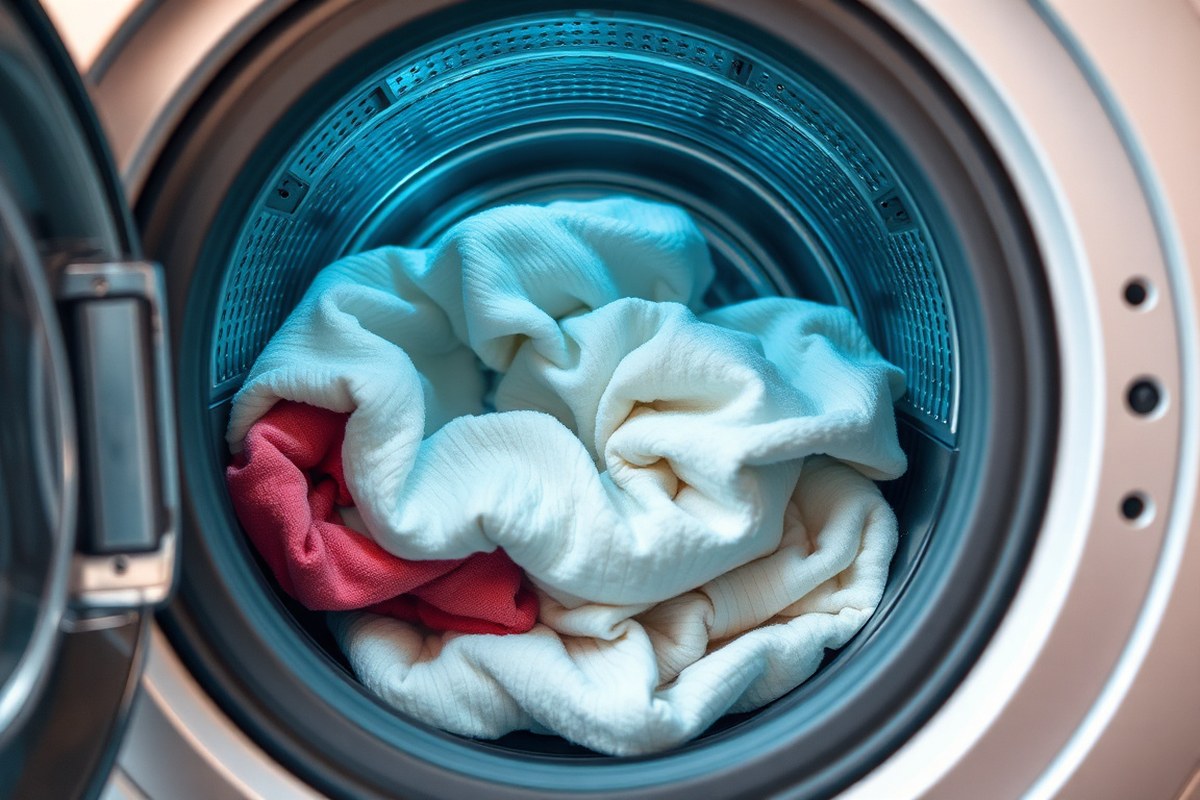
Shrinking clothes at home works by applying heat and moisture to the fabric. Heat relaxes and tightens the fibers, causing threads to contract and the garment to reduce in size. Hot water in the wash and high heat in the dryer are the primary methods that compress fabric threads, especially in natural fibers like cotton and denim. Synthetic fabrics may shrink less and require more careful treatment.
To shrink durable clothes effectively, washing in hot water followed by drying on the highest heat setting typically yields the best results. However, for delicate materials like wool, silk, or cashmere, avoid full high-heat drying to prevent damage or uneven shrinking. You can use a blow dryer on these fabrics instead to control heat application.
Before you start, consider that shrinking is not an exact science. Different fabrics and garment constructions react differently. The same process can cause unwanted changes like uneven shrinkage, loss of fit, or fabric stiffness. Proceed carefully and avoid shrinking clothes you don’t want to risk. Always check care labels and do a test on an inconspicuous area if possible. Follow these basic steps to shrink clothes at home effectively:
- Sort your clothes by fabric type to treat each appropriately. Durable fabrics like cotton or denim can handle hot water and high dryer heat, while delicate fabrics require gentler handling.
- Set your washing machine to the hottest water setting safe for the fabric, usually above 130°F (54°C). Hot water helps fibers contract and prepares the garment for shrinking.
- Wash the garment alone or with similar colors to prevent color bleeding and maximize exposure to heat and water.
- Use the highest heat setting on your dryer immediately after washing. The dryer’s heat tightens fibers further, providing the shrinking effect.
- Check the fit frequently by pausing the dryer to make sure the garment is shrinking evenly. Stop drying once you reach the desired size to avoid over-shrinking or damaging the fabric.
- Air dry or use a cool setting if you are working with delicate fabrics or want to slow the shrinkage process to prevent drastic shape changes.
- Repeat the cycle if necessary, but be aware that repeated high-heat exposure can weaken fabrics and affect garment longevity.
2. Which Fabrics Shrink and How Much to Expect

Natural fibers like cotton, wool, and silk shrink more readily than synthetic ones such as polyester, nylon, or acrylic. This difference happens because natural fibers absorb water and swell, which heat then causes to contract. Synthetic fibers undergo heat-setting during manufacturing, making them resistant to shrinking despite exposure to heat and moisture.
How much your clothes shrink depends on their fiber content and previous treatments. For example, natural cotton clothes that haven’t been pre-shrunk can reduce in size noticeably, while nylon or polyester items might stay almost the same size. Denim made of 100% cotton shrinks more than denim blended with Lycra, which adds stretch and limits shrinkage. Woven fabrics like flannel or chiffon might shrink 2 to 3 percent, often too small to notice.
| Fabric Type | Typical Shrinkage Rate | Notes |
|---|---|---|
| Cotton (not pre-shrunk) | Up to 5% | Best shrink rate among common fabrics; water-loving fiber swells |
| Wool and Mohair | 3% – 5% | Animal fibers with scale-like structure; shrink easily with heat |
| Denim (100% cotton) | 4% – 7% | True denim shrinks well; Lycra blends shrink less |
| Linen and Silk | 2% – 4% | Natural fibers prone to shrinking, but gentler handling advised |
| Polyester, Nylon, Acrylic | Less than 1% | Heat-set fibers resist shrinking; often requires harsh treatment |
| Blends (natural + synthetic) | 1% – 3% | Shrink rate depends on ratio of natural fibers; synthetic reduces shrinkage |
| Woven fabrics (tafetta, flannel, chiffon) | 2% – 3% | Usually small, unnoticeable shrinkage |
Clothes treated to resist shrinking, such as those marked “Sanforised” or having anti-shrink finishes, rarely reduce in size regardless of heat exposure. You should check the care label to avoid wasting time or damaging garments that won’t shrink as desired.
Attempt shrinking natural fibers first; synthetic blends often require repeated, controlled drying cycles to shrink noticeably, if at all.
Shifting from natural to synthetic fabrics means adjusting expectations about shrinkage. Natural fibers respond well to heat and moisture treatments, often shrinking between 2 to 7 percent. Synthetic fibers usually shrink less than 1 percent because their polymers are stabilized during production. Blended items may shrink slightly, but the synthetic portion limits overall change.
Slow or resistant shrinkage is common with synthetic and pre-washed clothes. Pre-shrunk items have already undergone processes to remove excess shrinkage potential. For harder-to-shrink clothes, more drying time on high heat or repeated cycles might be needed, but that raises risk of heat damage or warping. Delicate fabrics like silk require gentler methods despite their natural fiber content.
3. Best Methods to Shrink Cotton and Denim Clothes
To shrink cotton and denim clothes effectively, start by soaking them in hot water and then drying on high heat. Cotton shrinks mainly due to heat exposure through washing in hot water combined with high-temperature drying. Denim, being thicker, requires similar treatment but may need multiple cycles to achieve the desired shrinkage.
Step 1: Use Hot Soak Washing Method
Soaking cotton or denim garments in hot water helps tighten the fibers and triggers initial shrinkage. This step is important because it uses consistent heat exposure, which is the main driver for shrinking these natural fibers.
- Set your washing machine to the hottest water setting available.
- Place the cotton or denim item inside the machine.
- Allow the garment to soak for 10 to 15 minutes as the water cools.
- For thicker denim, extend soaking to 20 to 30 minutes for better penetration.
- At the end of the soaking period, complete the wash cycle without adding detergent.
The hot soak loosens the fibers to contract when dried, ensuring a more effective shrink. Avoid detergents or fabric softeners that could coat fibers and inhibit shrinkage.
Step 2: High Heat Tumble Dry
Tumble drying at high heat finishes the shrinking process by drying the fibers while they contract. This is the most aggressive and effective way to shrink cotton and denim, but it requires attention to prevent damage like excessive stiffness or warping.
- Transfer the garment promptly to a dryer, set to the highest heat setting.
- Tumble dry the item completely, ensuring no damp areas remain.
- Remove the item immediately after drying to avoid wrinkles and allow it to cool flat or hang normally.
High heat dries and pulls the fibers tighter, reducing the size of cotton and denim garments. For denim, expect shrinkage to be less dramatic per cycle, often requiring repetition for noticeable changes.
Step 3: Assess and Repeat for Desired Shrinkage
After drying, check the garment’s fit or measurements against your goals. Cotton usually shrinks noticeably on the first cycle, whereas denim may need multiple rounds.
- Measure the garment or try it on to assess shrinkage.
- If further shrinking is needed, repeat the hot soak and high heat drying steps.
- Limit repetitions to avoid damaging fabric texture or integrity.
Multiple cycles increase the risk of fabric stiffness or color fading, especially in denim. Stop once you reach a satisfactory fit to preserve garment quality. Always follow any specific care label instructions to avoid unintended damage.
4. How to Shrink Wool and Other Animal Fibers Safely
Shrinking wool and other animal fibers requires careful control of temperature and agitation to avoid felting or ruining the garment. Using lukewarm water with fabric conditioner gently relaxes the fibers, allowing controlled shrinkage. Applying moderate heat and movement, such as with a dryer on low settings or a blow dryer, tightens the fibers further while minimizing damage.
Using Lukewarm Water and Fabric Conditioner
Wool fibers shrink because their scales lock together when exposed to heat, water, and movement. Harsh detergents or hot water speed this up but also risk damaging the fabric. Lukewarm water combined with fabric conditioner softens fibers and reduces friction between them, allowing you to shrink wool more safely and with control. Follow these steps to shrink wool gently using water and fabric conditioner:
- Fill a bucket with lukewarm water, around 85°F to 95°F (29°C to 35°C).
- Add 2 tablespoons (30 mL) of fabric conditioner and stir to mix thoroughly.
- Submerge the wool garment fully and let it soak for 15 to 30 minutes, allowing the conditioner to coat the fibers.
- Gently agitate the water occasionally to encourage even fiber contraction, but avoid vigorous movement.
- Remove the garment and rinse with cool, clean water to remove excess conditioner.
- Gently press out excess water without wringing to prevent distortion.
- Lay the garment flat on a towel and reshape it slightly smaller to encourage shrinkage.
- Let it dry naturally, checking progress as it dries.
This method helps you avoid rapid felting or permanent matting by controlling temperature and movement. Do not use hot water or harsh detergents, as they damage wool and cause unpredictable shrinkage.
Controlled Heat from Dryer or Blow Dryer
Heat tightens wool fibers. The dryer’s heat and tumbling motion can shrink wool quickly, but high heat causes felting and over-shrinkage. Using low-to-medium heat on short cycles allows you to shrink wool while retaining its softness and shape. A blow dryer provides targeted heat without agitation, useful for spot shrinking or minor size adjustments. Use these guidelines when applying heat:
- Start with low or medium dryer heat for no longer than 10, 15 minutes per cycle.
- Check the wool item frequently to monitor shrinkage and avoid overdrying.
- Remove the garment once it reaches the desired size, even if slightly damp.
- In case you need small local shrinking, hold a blow dryer about 6 inches from the fabric, moving it continuously to avoid hotspots.
Wool and cashmere shrink rapidly, so close monitoring is key. Overdrying occurs when the dryer runs after the garment is dry, exposing fibers to unnecessary heat that can turn the wool stiff and thick.
Avoiding Overfelting and Damage
Felting happens when wool fibers mat tightly and irreversibly, making the fabric dense and stiff. Excess heat, agitation, and harsh detergents increase this risk. Using pH-neutral detergents or specially formulated wool detergents helps protect fiber integrity. Avoid chlorine-based cleansers and oxygen bleaches with wool garments.
Synthetic blends with wool shrink more unpredictably because the synthetic fibers don’t respond to heat and moisture in the same way. Shrink them cautiously, using lukewarm water and light agitation only. Aggressive heat or movement can cause uneven shrinkage or damage the synthetic components.
Assess your garment’s fabric content first. Wool blends typically benefit from the lukewarm water and fabric conditioner soak combined with gentle drying, rather than machine drying on high heat.
5. Shrinking Synthetic Fabrics Like Polyester and Blends
Synthetic fabrics such as polyester and nylon are much harder to shrink compared to natural fibers. Polyester doesn’t respond quickly to heat like cotton does. It requires sustained high temperatures, which can be risky. Using intense heat can cause polyester to shrink slightly, but going too far may melt or damage the fabric. Shrinking synthetic blends also depends on the percentage of polyester mixed with other fibers.
To attempt shrinking, set your washing machine to the hottest water setting safe for the garment, usually around 130 to 140°F (54 to 60°C). Then, put the clothing in the dryer on the highest heat setting for about 20 to 30 minutes. Be cautious and check your fabric label first to avoid melting or warping. Because polyester fibers can withstand some heat, the shrinkage will be minor but measurable, typically around 3% or less. This method tends to work best on lightweight polyester blends rather than 100% polyester.
For delicate synthetic blends, try shorter drying intervals on a medium heat setting instead of high heat. This helps reduce the risk of damaging the fabric. Also, avoid stretching the garment while it is warm, since synthetic fibers can stretch out or lose shape when pulled. Some garments may resist shrinking altogether, so don’t expect dramatic size changes with synthetics.
Using an iron with steam on a low to medium heat setting can help shrink small areas of a polyester garment, such as cuffs or collars. Maintain a distance of about an inch between the iron and fabric to prevent melting. Test on a hidden spot first to see how the fabric reacts. A hot iron applied directly may cause fabric to shimmer or warp, which is irreversible.
While shrinking synthetics, keep fabric labels in mind and prioritize caution. Because of the limitations, you may find better results by altering fit through tailoring rather than aggressive shrinking techniques. For synthetic blends with a high percentage of natural fibers, the shrinkage potential is higher, but it remains limited mainly by the synthetic content.
Use high heat cautiously when shrinking polyester, it can shrink slightly, but too much heat risks melting and ruining your garment.
6. Alternative Shrinking Techniques Without a Dryer
Shrinking clothes without a dryer is possible using heat and moisture carefully in other ways. Tools like hair dryers, hot water soaks, and steam irons provide control over shrinking specific areas or the whole garment. These solutions work well when you don’t have access to a tumble dryer or want to avoid the risks of heat damage from machine drying.
Using a Hair Dryer for Targeted Shrinking
A hair dryer can help you shrink small areas like cuffs, collars, or seams where you want precise control. This method uses concentrated heat to shrink the fabric without wetting the entire garment or relying on machine cycles.
Start by dampening only the spots you want to shrink with very hot water, either from boiling water poured carefully or from a hot tap. Then, use your hair dryer on the highest heat setting, keeping it a few inches away to avoid burning the fabric. Slowly move the dryer back and forth over the damp spots for about 5 to 10 minutes or until the fabric dries and noticeably tightens.
- Dampen targeted areas with hot water.
- Blot excess moisture with a towel, leaving fabric damp.
- Set your hair dryer to high heat.
- Hold the dryer 3 to 6 inches above the fabric.
- Move the dryer slowly over the area for 5 to 10 minutes.
- Check frequently for shrinkage and texture changes.
- Allow the garment to cool before trying it on.
This approach is low cost, requires only a hair dryer and access to hot water, and provides good results on stubborn or delicate spots. Avoid over-drying or holding the dryer too close to prevent scorching or fabric damage.
Hot Water Soak Followed by Air Dry
Soaking clothes in hot water is a simple, effective way to shrink fabrics without a dryer. The heat causes fibers like cotton and denim to contract. Letting clothes air dry then keeps shrinkage steady and avoids risks from machine heat.
Use water close to boiling (around 200°F or 93°C) for best results, as regular washer hot cycles are cooler and less effective for intentional shrinking. Completely submerge the garment in the hot water for 15 to 30 minutes, stirring occasionally to ensure even heat exposure.
- Bring water to near boiling in a pot or kettle.
- Pour the water into a basin ensuring enough to cover the garment fully.
- Submerge the clothing item completely.
- Allow it to soak for 15 to 30 minutes.
- Gently squeeze out excess water without wringing.
- Lay flat or hang the garment to air dry in shade.
- Reshape the fabric to desired dimensions while damp.
For larger or thicker items, soaking times closer to 30 minutes yield more shrinkage. Air drying avoids harsh heat but takes longer, and slight additional shrinkage may occur during drying. Avoid direct sun exposure to prevent colour fading.
Steam Iron Techniques to Shrink Specific Areas
Using a steam iron combines moisture and heat precisely to shrink small sections like collars, seams, or pleats. Steam loosens fibers, and the dry heat of the iron causes them to contract faster than air drying alone. Professional tailors often use steam and vacuum tables, but you can replicate some effects with a home iron and steam setting.
This technique requires patience and care. Use your iron’s steam function to lightly mist the target area, then apply the hot iron directly. Move in slow, firm passes to induce shrinking without burning. Use a pressing cloth if the fabric is delicate.
- Set your steam iron to the fabric-appropriate high heat.
- Lightly spray water or use steam on the targeted area.
- Press the iron firmly onto the fabric for 10 to 20 seconds.
- Lift and reposition the iron to cover the area evenly.
- Repeat steam and press cycles until desired shrinkage.
- Allow the fabric to cool before assessing results.
- Use a pressing cloth to protect delicate fabrics.
Steam ironing targets shrinking to problem areas without stressing the entire garment. It’s especially useful for wool or blended fabrics that react unpredictably to full soaking or dryer heat. Always test on a hidden spot first to avoid damage.
7. How Long and How Often Should I Shrink Clothes?
Shrinking clothes takes controlled timing and careful repetition to get the right fit without damaging the fabric. Generally, shrinking happens during the first heat or hot water exposure. For cotton and denim, a 30-minute wash cycle in hot water, followed by drying on high heat for 20 to 30 minutes, often results in the most noticeable shrinkage. Avoid leaving clothes soaking too long, as extended exposure to hot water weakens fibers and can cause unwanted distortion or loss of shape.
When shrinking delicate fabrics, start with a shorter, less intense cycle. For example, soak the item in warm water for 10 to 15 minutes, then air dry or use a low-heat setting. If the fit still isn’t right, repeat the process in small increments rather than applying maximum heat immediately. This approach reduces the risk of over-shrinking or fabric damage.
It’s important to space out shrinking attempts instead of repeating cycles back to back. Allow your clothing to rest and fully dry between shrinking rounds, usually 24 hours or more. This helps you assess how much the item actually shrank and avoids overstressing the fibers. Some fabrics shrink most on the first treatment, then very little afterward. Cotton knits, for instance, may shrink 1 to 8 percent in that initial wash and dry, with diminishing returns on repeated attempts, according to Textile School.
Repeated washing and drying over months or years won’t necessarily continue to shrink clothes significantly. Instead, multiple washes may stretch fibers out again or cause fabric wear, which changes the fit differently. Preshrunk clothing is less likely to shrink further, so shrinking efforts can be limited if your garment is labeled “preshrunk.”
To keep track and control shrinkage, use a simple checklist: note your fabric type and its shrink potential, choose your water temperature and drying heat level, set a timer for each cycle, then document shrink results and fabric condition after drying. With fragile items, test shrinking on an inconspicuous area first before treating the entire garment. Patience and careful timing make shrinking safer and more predictable, saving you from accidental over-shrinking or ruining your clothes.
8. Common Mistakes When Shrinking Clothes and How to Fix Them
Over-shrinking clothes often happens when heat or agitation exceeds the fabric’s limits. Cotton and denim can shrink by up to 5% in length and width, but pushing beyond that causes stiffness or misshaping. To protect fabrics, always check the care label before shrinking. For wool or silk, use only short, gentle heat exposure to avoid felting or permanent distortion. Avoid the dryer entirely if you want to keep your favorite garments safe; air drying after a warm wash is generally safer.
You can often stretch a shrunken item back to size, especially natural fibers like cotton or wool. After washing, while the fabric is still damp, lay the garment flat on a clean surface. Gently pull the fabric outward, focusing on the length and width that need adjustment. For instance, a cotton shirt shrunk by 10% can usually be stretched back 3, 5% by working the fabric slowly and evenly. You may need to repeat this process a few times after hand washing. Be cautious not to overstretch as that can cause thin spots or distort seams.
In cases where shrinkage has caused stiffness or pilling, fabrics may require more care. For stiffness, soak the garment in lukewarm water with a small amount of fabric softener or hair conditioner for 15 to 30 minutes. This relaxes the fibers and makes stretching easier. Pilling, which is common in synthetic blends after high heat exposure, can be removed carefully with a fabric shaver or by hand to prevent further damage. Be gentle to avoid thinning or tearing the fabric.
Damage from excessive heat or agitation also shows up as misshaping, such as sleeves that shrink while the body remains the same size. Try targeted stretching on the garment while it is damp to restore size. For example, if jeans legs have shrunk but the waist fits fine, wet only the legs before stretching. Avoid hot water and dryers during this process, as they increase shrinkage risk. Hanging wet garments correctly, using padded hangers for shirts or clipping jeans by the waistband, helps prevent new misshaping.
Always monitor drying time carefully; keeping clothes in the dryer too long is the most common cause of over-shrinking and fabric damage.
To avoid repeated over-shrinking, create a shrinking checklist: read labels, choose the mildest heat settings, air dry when possible, and stretch damp clothes immediately after washing. When shrinking cotton and denim, prefer warm water and short drying bursts. For wools or delicate fibers, use cold water and minimal machine agitation. Synthetic blends generally react poorly to heat, so avoid high dryer temperatures entirely.
Step-by-Step Action Plan for Shrinking Clothes at Home
Follow these steps to shrink your clothes safely and meet your desired fit. Each step helps you control the shrinking process without damaging your garments.
- Before You Start: Check the fabric content on your clothing label to know the appropriate method and expected shrinkage.
- Day 1: Wash clothes in hot water for natural fibers like cotton or wool. You’ll know it worked if the fabric feels tighter or smaller after drying.
- Day 2: Dry the clothes on the highest safe heat setting for the fabric type. Shrinking will continue during this phase.
- After Initial Shrink: Try the garment on to assess fit. If too large, repeat hot wash and dry for small additional shrinkage.
- Over the Next Week: For synthetic blends, hand wash with warm water and air dry or use a low dryer setting to avoid over-shrinking or damage.
- Two Weeks Later: If shrinking wool or animal fibers, use only warm water and air dry to avoid felting or over-shrinking.
- Maintenance Phase: Wash your shrunken clothes in cooler water and air dry or use low heat in the dryer to preserve the new size.
Frequently Asked Questions
Can I Shrink Clothes That Have Lycra or Spandex?
Clothes with Lycra or spandex can shrink, but not as much as 100% cotton. Be gentle to avoid stretching out the fibers instead.
Is It Safe to Use Hot Water to Shrink Delicate Fabrics?
Hot water can damage delicate fabrics like wool and silk, causing unwanted shrinkage or deformation. Use warm water with caution or opt for air drying with heat from a blow dryer.
Can I Shrink Clothing by Soaking It in Fabric Conditioner?
Soaking clothes in a mixture of fabric conditioner and warm water may soften fibers but does not significantly shrink clothing. It’s better for fabric care than for shrinking.
Does Synthetic Fabric Shrink Permanently or Just Temporarily?
Synthetic fabrics may shrink slightly but often regain shape after washing. Shrinking is usually less permanent than with natural fibers.
Can Clothing Shrink from Improper Storage?
Improper storage can cause clothes to lose shape or shrink slightly, especially if stored wet or in tight spaces, but not like washing and drying methods.
Will Washing Clothes Frequently Cause Them to Keep Shrinking?
Repeated washing can cause progressive shrinkage, especially with cotton and wool; expect gradual shrinkage over time rather than a big change all at once.
The Bottom Line
Shrinking clothes effectively requires knowing your fabric type and adjusting heat exposure carefully. Start with small steps, measuring results after each wash and dry cycle to avoid over-shrinking. The best next action is to try shrinking one item using the hot wash and high-dry method for cotton, paying close attention to the garment’s fit before proceeding further.