How to Shrink a Jacket: Safe Methods for Every Fabric Type
You can shrink a jacket at home by soaking it in hot water for 5 to 10 minutes, then drying it on high heat for 15 to 20 minutes. Natural fiber jackets like cotton respond well to this method, while delicate and leather jackets require more care. This approach lets you control shrinkage safely and effectively using common household tools.
This advice is for anyone wanting to adjust the fit of jackets without professional alteration. You’ll learn how different fabrics react, how long shrinking takes, and the best precautions to avoid damage while tailoring your jacket’s size at home.
Key Takeaways
- Soak natural fiber jackets in warm water for 5 to 10 minutes before drying to start shrinkage.
- Use dryer heat for 15 to 20 minutes, checking the jacket every 15-20 minutes to avoid overshrinking.
- Cotton jackets can shrink up to 20%, but body parts may shrink unevenly.
- Denim jackets need an extra 20-30 minutes in the dryer to achieve adequate shrinkage.
- Leather jackets require professional alteration or very careful heat application due to risk of damage.
- Hang dry jackets when unsure, as it minimizes shrinkage and protects fabric integrity.
How to Shrink a Jacket at Home Step-by-Step
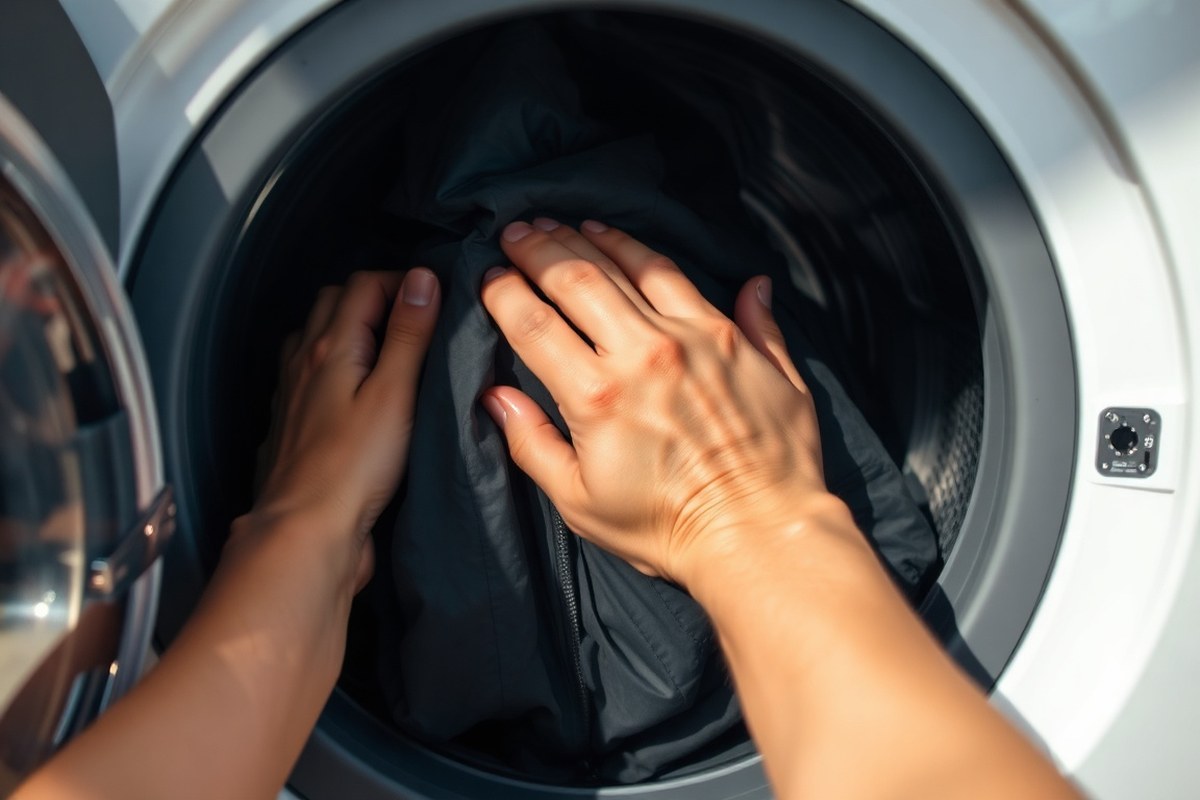
Shrinking a jacket at home involves using heat and water to contract the fabric fibers, especially effective on natural materials like cotton and denim. The most straightforward ways are using a machine wash with hot water and a high-heat dryer cycle or soaking the jacket in very hot water followed by drying. Before starting, ensure your jacket’s care label allows these methods to avoid damage. Have access to a washing machine, dryer, a large pot for soaking, and something to submerge the jacket safely, such as a wooden or metal spoon.
Follow these step-by-step instructions for the machine wash and hot water soak methods. These steps focus on safely shrinking your jacket while checking progress along the way to prevent over-shrinking or damage.
- Prepare the jacket: Remove any detachable parts like liners or hoods. Close zippers and buttons to help the jacket hold its shape. Check the care label to confirm machine wash and dry settings.
- Use the washing machine: Place the jacket in the washer. Select the hottest water setting available, typically around 140°F (60°C), and run a normal wash cycle without detergent or with minimal detergent. This prevents excess wear while still allowing shrinkage.
- Soak in hot water alternative: Fill a large pot or tub with boiling water and immediately remove it from heat. Submerge the jacket fully, using a metal or wooden spoon to press it down. Let it soak for 5 to 7 minutes while the water cools slowly to maintain heat exposure.
- Remove and drain: Take the jacket out of the water, wring gently if fabric allows, and prepare it for drying. Avoid heavy wringing that could stretch or distort the fibers.
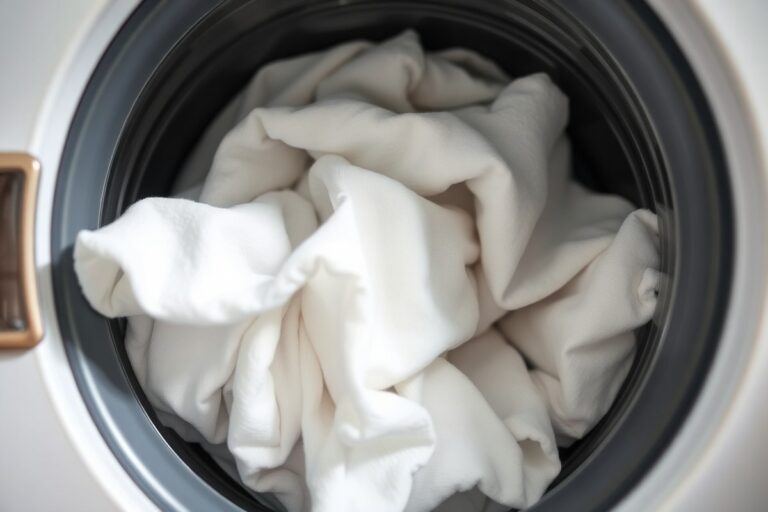
- Dry on high heat: Place the jacket in the dryer. Use a medium to high heat setting and dry for 15 to 20 minutes at first. Stop periodically to check fit and feel. Natural fibers like cotton can shrink up to 20%, but irregularly by area.
- Test the fit: After drying, try on the jacket or measure key areas like chest, sleeves, and length. If further shrinkage is needed, repeat drying in 5 to 10 minute increments to avoid over-shrinking.
- Air dry if delicate: For jackets with some synthetic blends or fragile features, consider air drying partially and use spot heating methods like steam irons to reduce risk of damage.
This home-based approach costs only your time and basic utilities. It works best for jackets made from cotton, denim, or other washable natural fibers. Avoid this for leather, waterproof, or heavily lined jackets without professional advice. After shrinking, maintain the fit by washing in cold water and air drying to avoid reversing the shrinkage.
How Different Fabrics React to Shrinking

Shrinking a jacket depends greatly on what fabric it’s made from. Natural fibers like cotton and wool react well to heat and moisture, shrinking noticeably when washed in hot water or dried on high heat. For instance, cotton can shrink up to about 5% according to a 2023 USDA fabric study. These fabrics often shrink quicker and more uniformly, making it easier to predict how much your jacket will reduce in size. Denim, a cotton twill fabric, usually shrinks evenly when exposed to heat and is one of the simpler fabrics to work with when shrinking.
Synthetic fibers such as polyester and nylon tend to resist shrinking. They require much higher temperatures to alter size, which can damage the material’s shape or texture. Down and other insulated jackets also need special care because washing or drying them improperly can cause clumping or loss of loft instead of shrinkage. Leather jackets must never be shrunk using heat or soaking methods unless you specifically know the type of leather and have done detailed research because they can warp, crack, or lose finish quality.
| Fabric Type | Shrink Potential | Heat Sensitivity | Recommended Shrinking Method |
|---|---|---|---|
| Cotton | High (up to 5%) | Moderate | Hot water wash, high heat drying |
| Denim (Cotton Twill) | High | Moderate | Hot water wash, tumble dry |
| Wool | Moderate to high | High | Warm water wash, low heat drying |
| Leather | Low (risk of damage) | Very high | Professional treatment or careful drying post washing |
| Down | Low | High | Gentle wash, air dry or low heat with tennis balls |
| Polyester/Nylon (Synthetics) | Low | Very high | Avoid heat; spot clean or use alternative methods |
| Blends (Cotton/Synthetic) | Medium | Variable | Test small area, use warm water wash, low heat dry |
Fabrics that shrink the most are natural fibers, especially cotton and denim, which respond well to heat and moisture. Wool also shrinks but requires gentler handling to prevent felting. Synthetic fabrics generally don’t shrink much, and using hot dryers can distort or damage them. Jackets made from blends may shrink moderately depending on the fiber ratio. You should start with milder methods and check the jacket’s fit before applying intense heat or water treatments.
Always check the care label before shrinking and test shrinking on a small hidden section when possible to avoid damaging your jacket.
Take special care with leather and down jackets; leather often needs professional alteration and might only shrink slightly with home methods, while down may clump if dried aggressively. For synthetic jackets, shrinking at home is often ineffective. Instead, consider tailoring if the goal is tight fit adjustment. Knowing your jacket’s fabric type helps decide how long and how hot your water and dryer should be, reducing the risk of damage and maximizing shrink results.
Using the Dryer and Heat Sources to Control Shrinkage
Heat sources like dryers, steam irons, and hairdryers cause jacket fibers to contract, helping the fabric shrink. Precise control over temperature and timing is necessary to prevent damage or overshrinking. Using these tools properly can target shrinkage across the whole jacket or specific sections.
Optimal Dryer Settings for Jacket Shrinking
Tumble drying on high heat is the most effective way to shrink a washable jacket made from natural fibers. After washing, set the dryer to the highest heat setting your jacket’s care label allows. About 15 to 20 minutes of drying is usually enough to start shrinking the jacket, but it’s critical to check the fit at least every 15 minutes to avoid shrinking it too much. Begin with 15 minutes when the label allows, then add brief intervals while checking how the jacket feels.
The dryer heats the fibers and promotes contraction as moisture evaporates. Moving the jacket promptly from the washer to the dryer maximizes the shrinking effect by using residual dampness. Keep in mind that jackets with linings or mixed fabrics may react differently, sometimes warping if exposed to prolonged or uneven heat. When uncertain, lower the heat or shorten the time and check the jacket more often.
Using a Steam Iron or Hairdryer to Shrink Specific Areas
Steam and localized heat work well when you want to shrink only certain parts of a jacket, like the sleeves or hem. A steam iron applies hot moisture directly, relaxing fibers before heat sets them smaller. Move the iron slowly over the targeted area while keeping it slightly above the fabric to avoid scorches. Using the steam setting for a few minutes on one small section can help tighten the fabric there incrementally.
A hairdryer provides a dry heat option for targeted shrinking. Hold it about 3 to 4 inches away from the fabric and focus on the desired area. Keep the heat on medium or high and move the dryer continuously to prevent burning. After heating, manually stretch or shape the fabric to control the fit. This approach takes longer than a dryer but reduces risk to the whole jacket.
Safety Tips When Applying Heat to Jackets
Always follow the jacket’s care label guidelines on washing and drying temperatures to minimize damage. Too much heat can cause colors to fade, fibers to weaken, or linings to shrink unevenly, leading to a warped shape. Checking the jacket often during heat exposure helps catch problems early. Stop shrinking once the jacket fits better to avoid overshrinkage, which is usually irreversible.
Use caution with synthetic blends, delicate fabrics, or leather as these materials respond poorly to heat. In these cases, steam or heat treatment might cause more harm than good. Protect your work surface when using irons or hairdryers, and avoid concentrating heat in one spot too long. Wearing heat-resistant gloves can help prevent burns while handling hot fabric.
How Long Does It Take to Shrink Jackets and How to Check Fit
The time it takes to shrink a jacket depends mainly on the fabric type and the shrinking method used. Cotton jackets may begin to shrink after a single wash cycle with hot water and heat drying, often within 30 minutes to an hour of drying. Polyester, on the other hand, requires more heat exposure and several cycles to see noticeable shrinkage, sometimes up to two washes. Wool jackets will shrink with a careful wash cycle using warm water and may shrink slightly after one wash but usually need repeated gentle heat exposure to avoid damage. Heavy fabrics like denim generally take longer and require higher heat or more drying cycles to shrink effectively.
Heat and water exposure should stop as soon as the jacket reaches the desired fit or shows signs of distress like stiffness, fiber damage, or loss of waterproof qualities. Avoid overexposing sensitive fabrics such as down, softshell, leather, and Gore-Tex jackets since shrinkage attempts can ruin insulation and water resistance. A good rule is to check the jacket’s fit after each shrinkage attempt to prevent overdoing it. To measure if your jacket has shrunk enough, take these measurements before starting and check after each shrinkage step:
- Chest width: Measure from armpit to armpit while the jacket lays flat.
- Shoulder width: Measure across the back from one shoulder seam to the other.
- Jacket length: Measure from the base of the collar to the bottom hem.
- Sleeve length: Measure from the shoulder seam to the cuff.
- Fit check: Put on the jacket and assess comfort and mobility, noting any tightness or pulling.
Check the measurements after drying or cooling so the fibers settle. Stop shrinking if the jacket fits snugly without restricting movement, or before the fabric shows early signs of wear or shrinkage unevenness. Continuing after two washes or drying cycles without change often suggests the fabric has reached its shrinkage limit.
Shrinking Jackets Safely: Precautions and Common Mistakes
Always handle your jacket gently when attempting to shrink it. The choice of fabric dramatically influences both the method and risk of damage. Natural fibers like cotton or wool can usually tolerate heat and moisture better than synthetics or leather, which require care to prevent irreversible harm. Avoid using high heat on synthetic materials as it can cause melting or warping. For leather jackets, water exposure should be minimal, especially on cuffs and waist areas, since over-shrinking can result in a stiff, misshapen look that is hard to fix.
Before starting, check your care label for temperature guidelines and recommended washing methods. Wash the jacket separately or only with similar materials to avoid friction that causes wear or pulling. After washing, carefully remove all excess water without twisting or wringing too hard, which can distort the fabric’s shape. Stretch the zipper area by gently pulling on the top and bottom to keep it aligned and prevent warping.
Common mistakes include using too hot water or heat, washing with incompatible materials, and shrinking leather without proper preparation. Overshrinking is one of the biggest risks and often happens from repeated high-heat drying or prolonged exposure to water. This can make parts like cuffs or waists too tight or wrinkled. If overshrinking occurs on leather, it rarely returns to its original size and texture, which is why professional help or tailoring is often safer.
Dealing with overshrinking involves gradual stretching and conditioning for fabrics like cotton and wool. For example, dampen the tight areas slightly and gently pull them back into shape. Leather requires special conditioners and should not be soaked; instead, apply leather conditioner frequently after light water exposure to maintain softness and flexibility. Avoid machine drying leather jackets to keep shrinkage in check.
Precautions to prevent damage include using lukewarm water (generally under 104°F or 40°C), limiting wash cycles, and avoiding the dryer for delicate or stubborn fabrics. Synthetic jackets benefit from air drying since heat tends to weaken fibers. Always monitor the shrinkage process closely, checking the fit every 10 to 15 minutes during heat treatments or after wash cycles. Stopping early helps prevent going beyond the desired size.
Never expose your leather jacket to water on cuffs and waist areas to avoid irreversible wrinkling and shrinkage damage.
When to Shrink Down, Leather, and Delicate Jackets at Home
Shrinking down, leather, suede, and other delicate jackets at home requires careful attention to fabric type and heat tolerance. Some materials can be safely shrunk with heat and moisture, while others risk damage like cracking or loss of insulation. Knowing the right approach can help you adjust fit without ruining your jacket.
Shrinking Down Jackets Safely
Down jackets should not be intentionally shrunk because their insulating feathers are sensitive to heat and water, which can damage loft and warmth. Attempting to shrink them at home risks permanent damage to the filling. Instead, consider professional cleaning or alteration for fit adjustments.
For down jackets, use gentle washing and air drying according to the care label to maintain shape without shrinking. Avoid putting them in high heat dryers or applying direct heat, as this causes clumping and loss of loft.
Leather and Suede Jacket Shrinking Tips
Heating leather and suede jackets can cause them to shrink, but the temperature needed depends on the tanning process. Vegetable-tanned leather typically shrinks between 167-185°F (75-85°C), chrome-tanned leather around 212°F (100°C), and alum-tanned leather at 131-140°F (55-60°C). Knowing your jacket’s tanning type helps avoid overheating and potential damage.
Shrinking leather or suede at home carries risk of cracking or stiffness. Instead of heat-based methods, consider minor size adjustments by professional tailoring, which can cost $50 to $300 or more depending on the work needed.
For gentle home attempt, start with low heat and humidity. Avoid immersion or machine drying. Instead, try lightly steaming the leather to relax fibers, then wear the jacket until it cools and molds to your shape. Use a leather conditioner afterward to prevent drying and cracking.
- Identify your jacket’s tanning type to estimate safe temperature range.
- Apply steam or use a garment steamer on low setting to loosen fibers without soaking.
- Wear the jacket while warm and slightly damp from steam, moving your arms to stretch or compress areas slightly.
- Let the jacket cool fully while worn or placed on a mannequin for shaping.
- Apply a leather conditioner evenly to restore moisture and prevent stiffness.
- Repeat the process sparingly if small adjustments remain necessary; avoid excessive heat or water exposure.
Handling Delicate and Insulated Fabrics
Delicate fabrics such as silk blends or technical shells require minimal heat and gentle treatment to avoid damage like shrinking spots or loss of finish. Start with the lowest heat in washing machines or dryers to test fabric reaction.
Always follow the care label as a primary guide. Avoid hot water wash or iron heat beyond fabric recommendations. For partial shrinking, targeted application of warm steam may be preferred over full wet heat.
For insulated jackets without down, such as synthetic fillings, gentle washing and low heat drying can sometimes reduce excess looseness, but overdoing heat risks melting fibers or reducing insulation. These jackets demand cautious trial and error.
How to Shrink Only Certain Parts of a Jacket
Shrinking only specific parts of a jacket, such as sleeves or waistbands, is possible but requires careful heat application and precise control to avoid distorting the entire garment. Using tools like a steam iron or hot water spray lets you target problem areas while preserving the rest of the jacket’s fit and look. This method is best suited for natural fabrics, while synthetic blends and insulated jackets need extra caution or professional tailoring.
Targeting Sleeves and Waistbands
You can shrink sleeves, waistbands, or collars by focusing heat or moisture on these parts without submerging or drying the entire jacket. Sleeves and waistbands often need shrinking for a better fit since they stretch with wear. Applying water or steam locally helps tighten fibers only where needed.
Start by dampening the specific area using a spray bottle with hot water or a steam iron set to steam mode. Gently pull the fabric to stretch it before applying heat; as it dries, it will shrink back smaller. Avoid soaking large areas to prevent unwanted overall shrinkage.
Using Steam for Controlled Shrinking
Steam delivers heat gradually and evenly, allowing you to control shrinkage precisely. It also reduces the risk of burning or overstretching fabric compared to direct ironing or high heat from a dryer. Follow this step-by-step guide to shrink a jacket part with steam:
- Fill a spray bottle with very hot water or heat an iron to the steam setting.
- Lightly mist or steam the targeted jacket section evenly until the fabric feels damp but not soaked.
- Lay the jacket on a flat surface or hang it where you can stretch the area gently.
- Gently pull the fabric’s edges inward while keeping it damp to shape it smaller.
- Press the damp area lightly with the steam iron without applying the soleplate directly (hover slightly to send steam).
- Allow the fabric to air dry or use a cool iron press once dry for a more tailored finish.
- Repeat the process if more shrinking is needed, but wait at least a few hours to see full results.
This method works particularly well on cotton and wool. Avoid applying steam near insulation or delicate linings to prevent damage.
Avoiding Uneven Shrinkage Risks
Uneven shrinkage can misshape a jacket, especially if heating one area causes tension or pulling in others. Jackets with polyester blends, insulation, or delicate materials can have altered proportions or fill clumping from restricted heat applications.
Control the shrinking process by limiting heat exposure to small patches and allowing the fabric to cool completely before evaluating. Over-shrinking sleeves may result in shorter arms or puckered seams, while shrinking waistbands too much can distort the jacket’s overall silhouette.
Machines or dryers often provide less control and can harm insulation or linings, so consider professional tailoring for synthetic or insulated jackets. Using a handheld steamer, spray bottle, and careful stretching offers the most precise results for targeted shrinking at home.
When to Choose Tailoring Instead of Shrinking
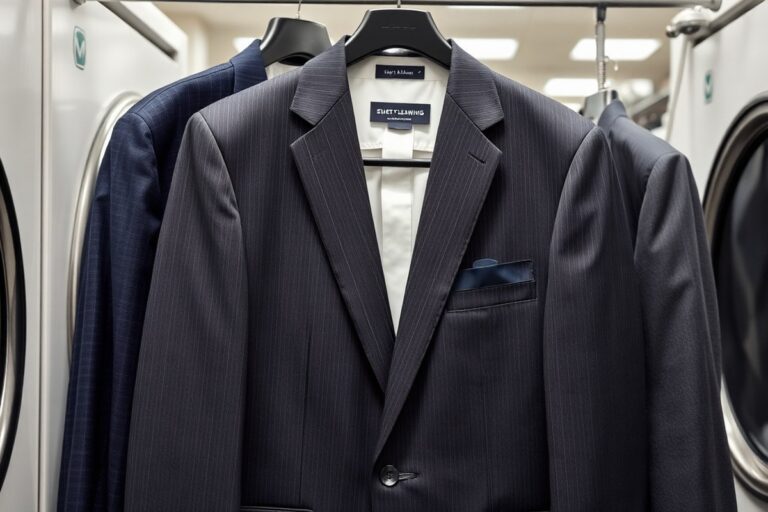
You should consider tailoring instead of shrinking when the size adjustment needed is significant or involves parts of the jacket that shrinking cannot fix, such as broad shoulders or uneven sleeves. Shrinking works best for minor size reductions and is generally suited for fabrics that respond well to heat and water. Jackets with multiple layers, structured elements, or specific design features require a tailor’s expertise for a precise fit. For example, suit jackets cannot be effectively shrunk at home due to their complex construction, making professional tailoring the better option.
Tailoring provides controlled, selective adjustments that shrinking cannot achieve. It can reshape parts of the jacket to fit your body more accurately, addressing issues like excess fabric around the shoulders, waist, or arms. Patience is essential, as alterations might take multiple sessions to get the perfect fit. While shrinking is quicker, tailoring can guarantee a polished, custom fit that home methods rarely match.
The time frame for tailoring usually ranges from a few days to two weeks depending on the tailor’s workload and the complexity of the alterations. Costs vary widely, generally starting around $30 to $50 for simple adjustments like taking in side seams or shortening sleeves. More complex changes, like shoulder reshaping, can cost $100 or more. Consider the jacket’s value and how much you want it tailored before committing to these expenses.
Decide to tailor your jacket when shrinking either doesn’t achieve the desired fit or risks damaging the fabric. Shrinking is limited, an XL jacket cannot be turned into an XS this way, so large size differences require major alterations or replacing the jacket altogether. Also, shrinking applies heat and moisture that may warp delicate materials or affect finishes negatively. Following the care label helps, but tailoring is safer for expensive or delicate jackets.
In practice, start by shrinking minor size issues at home if your jacket’s fabric and construction allow it. If the changes are insufficient or involve structural fit problems like shoulder width, seek a professional tailor who can perform precise and permanent alterations. This approach helps avoid costly mistakes and ensures your jacket fits comfortably and looks well made.
Always check your jacket’s care label; damage from improper shrinking may be irreversible, so when in doubt, trust a professional tailor for the best fit and fabric care.
Step-by-Step Action Plan for Shrinking Your Jacket at Home
Follow these steps to start shrinking your jacket safely and effectively. Check the fit after each step to avoid over-shrinking.
- Before you start: Identify the jacket’s fabric by checking the care label. This determines the best shrinking method.
- Day 1: Wash the jacket in hot water if the fabric allows it. Use the shortest cycle and observe any size changes after drying.
- Immediately after washing: Place the jacket in a high-heat dryer setting. Check shrinkage every 10 minutes to avoid damage.
- Day 2: If the jacket needs more shrinking, repeat the hot wash and drying cycle once more, paying close attention to fabric response.
- After initial shrinking: Try the jacket on and decide if it fits better. If certain areas need targeted shrinkage, dampen those spots and dry on high heat for a few minutes.
- Within the first week: For wool or delicate fabrics, use steam or a warm iron with a cloth barrier instead of heat drying to control shrinkage.
- After 2 weeks: If fit is still not ideal and the fabric is sturdy, consider professional tailoring to avoid damaging the jacket.
Frequently Asked Questions
Can I Shrink a Jacket Multiple Times?
Repeated shrinking is possible but risks damaging the fabric or changing the jacket’s shape unevenly. Shrink cautiously and allow the jacket to dry and rest between attempts to assess fit changes.
Does Shrinking a Jacket Affect Its Color?
Shrinking can cause some fabrics to fade or change color, especially if exposed to hot water or high heat. Use gentle washing and drying methods to minimize color loss.
Can I Shrink Synthetic Jackets Like Polyester?
Synthetic fabrics like polyester resist shrinking and may only shrink slightly or become misshapen with heat. Avoid high heat and consider tailoring for better fit adjustments.
Will Shrinking a Jacket Reduce Its Water Resistance?
Shrinking, especially involving hot water or heat, can damage waterproof coatings. Reapply water-repellent spray if shrinking affects the jacket’s water resistance.
Can I Shrink a Lined Jacket Without Harming the Lining?
Shrinking a lined jacket risks damaging or distorting the lining if heat or water exposure is uneven. Spot shrinking or tailoring is safer for lined garments.
How Much Can Wool Jackets Shrink Compared to Cotton?
Wool shrinks less compared to cotton but can felt and shrink unevenly if exposed to too much heat or agitation. Gentle steaming or tailoring is recommended for wool.
Before You Go
Shrinking a jacket at home takes careful steps tailored to the fabric and jacket type. Your adjustments will improve fit gradually, reducing risk of damage. Start with one shrink cycle, then move forward only after checking the fit. For stubborn cases, professional tailoring remains a safe option.