How to Get Stains Out of Jeans: 8 Proven Methods That Work Fast
To get stains out of jeans quickly and safely, treat fresh spots as soon as possible using dish detergent, baking soda, or vinegar before washing in cold water. Different stains require different products and soaking times, with older stains needing longer treatments to break down set-in residue without damaging the denim. Avoid hot water on stains until fully treated to prevent setting.
This advice suits anyone wanting reliable, straightforward stain removal methods at home, whether you’re new to stain care or have experience. The clear steps here make it easier to save your jeans from grease, wine, or protein stains with common household products and careful timing.
Key Takeaways
- Treat stains immediately for the best chance at full removal.
- Use dish detergent on grease stains and let it sit about 10 minutes before washing.
- Apply baking soda to fresh wine stains and let stand 1-2 minutes before laundering.
- Soak protein-based stains like blood or sweat for 30 minutes to several hours before washing.
- Use hairspray on ink or dye stains, letting it sit 15 minutes, then blot clean.
- Cold water wash is safest right after stain treatment to avoid setting stains.
1. How to Get Stains Out of Jeans Quickly and Safely

Acting quickly and using cold water are key to removing stains from jeans effectively without causing damage. Cold water helps prevent many stains, especially protein-based ones like blood or dairy, from setting into the fabric. Warm or hot water can sometimes make stains harder to remove by “cooking” them into the fibers. Avoid rubbing the stain aggressively, as that can spread it or damage the denim’s texture. A gentle and timely approach is your best defense. Here is a straightforward checklist to tackle a fresh stain on your jeans safely and quickly:
- Blot or scrape off excess material. Use a clean cloth or paper towel to blot liquid stains gently, or a spoon to lift away solids without rubbing the fabric.
- Rinse with cold water. Run cold water through the back of the stained area to push the stain out of the fibers. Avoid warm or hot water at this stage.
- Soak in cold water. Fill a basin or sink with cold water and submerge the stained part of your jeans. Soak for at least 30 minutes to loosen the stain.
- Apply an appropriate stain remover. For oily stains, sprinkle baking soda or cornstarch to soak up grease before washing. For tannin stains like coffee or wine, a small amount of liquid dish soap with cold water works well.
- Gently rub the stain. Use your fingers or a soft brush to move the stain remover into the fabric carefully without rough scrubbing.
- Wash jeans as usual in cold water. Set your washing machine to cold and use a regular detergent suitable for denim. Avoid bleach and fabric softeners.
- Air dry the jeans. Avoid heat from dryers until you confirm the stain is gone, as heat can set it permanently.
Following these steps generally costs no more than household staples like detergent, baking soda, or dish soap, and takes about an hour including soaking time. Good results look like the stain fading or disappearing without harming the denim’s color or feel. Avoiding warm water early on is important since stains like blood or wine become nearly impossible to remove once heated. Gentle handling protects the fabric from stretching or fading, preserving your jeans longer.
2. Choosing the Right Products for Different Stain Types
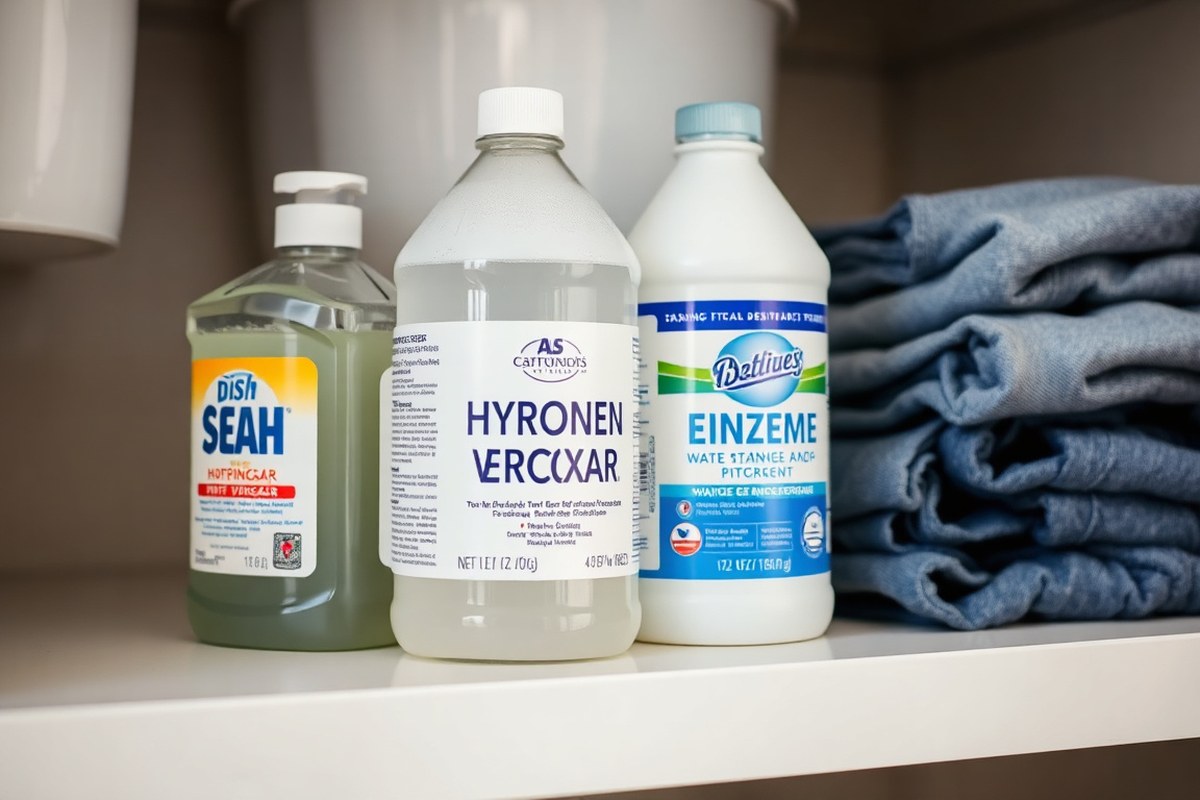
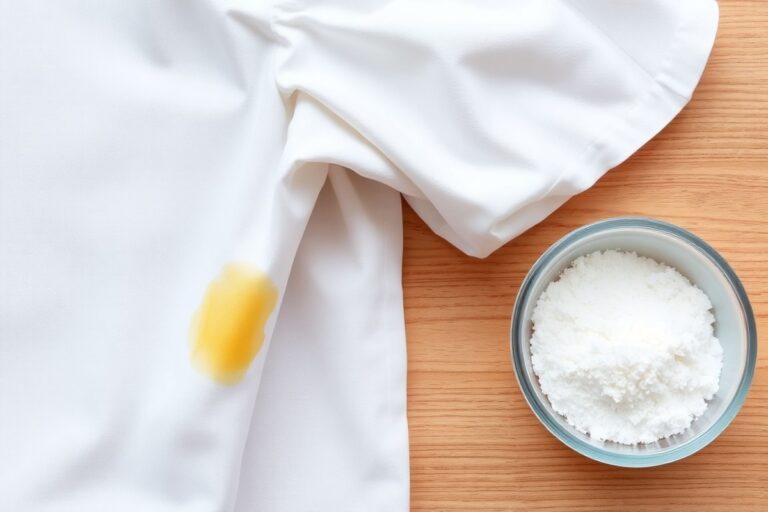
Different stains on jeans require tailored products for effective removal. Oil and grease stains respond best to absorbents like baking soda or cornstarch applied directly on the stain. Let the powder sit for about 10 minutes to soak up excess oil, then brush it off and treat the area with dish soap to break down the grease before washing. Dish soap alone often works well on fresh oil stains.
Protein-based stains such as blood and eggs need cold water rinsing first to avoid setting the stain. Follow this with an enzyme-based spray or pre-soak product, which targets the proteins breaking them down. For whites, a small amount of hydrogen peroxide can help but avoid it on colored denim as it may cause fading.
Tannin stains from coffee, tea, and red wine require an acid-based pretreatment. White vinegar or lemon juice can prepare the stain, allowing follow-up cleaning agents like oxygen bleach to remove it effectively. Avoid using salt on red wine stains, as it can set the stain permanently. Soaking tannin stains in cool water for around 30 minutes also improves results without damaging the fabric.
Dye and ink stains usually need rubbing alcohol applied carefully to a hidden spot first for colorfastness testing. Commercial ink-specific removers or heavy-duty spotters work well for these tougher stains, but they must be used with caution on jeans to prevent fabric damage or colour loss.
| Stain Type | Effective DIY Solution | Recommended Commercial Product Type |
|---|---|---|
| Protein-Based | Hydrogen Peroxide (for whites), Soapy Water | Enzyme-Based Spray or Pre-Soak |
| Oil & Grease | Baking Soda or Cornstarch, Dish Soap | Solvent-Based Spot Treatment |
| Tannin (Coffee/Wine) | White Vinegar or Lemon Juice | Oxygen Bleach (Powder or Spray) |
| Dye & Ink | Rubbing Alcohol (test first!) | Ink-Specific Remover or Heavy-Duty Spotter |
| General Grime | Bar Soap (like Fels-Naptha) | All-Purpose Detergent |
The choice of product depends on the stain’s nature and color of your jeans. Oxygen bleach is fabric-safe and especially good for organic stains like grass, wine, or sweat, useful for both white and colored denim if used as directed. Also, temperature matters: use hot water for oil stains but always start with cold water on protein-based stains to prevent setting. For coffee or wine, sponge with cool water before pretreatment; soaking for 30 minutes to overnight yields better results on stubborn spots.
Do not apply bleach directly on colored jeans; always test stain removers on a concealed area first to avoid unexpected fading or fabric damage.
3. Step-by-Step Removal for Common Stain Types
Removing stains on jeans requires targeting the specific type of stain for best results. Grease, protein-based, ink, and grass stains each need particular steps to break down and lift the stain without damaging denim. Following tailored cleaning actions helps restore your jeans while preventing permanent marks.
Removing Grease and Oil Stains
Grease and oil stains come from cooking oils, butter, or lotions and can leave a slick, dark mark that’s hard to wash out. They stick to the fibers because oil doesn’t dissolve in water. Using a degreasing agent like dish soap or a specialized stain remover formulated for grease is key. Cold water helps prevent the stain from setting before treatment. Avoid hot water initially, as it can make the stain more stubborn.
Start by blotting fresh grease to remove excess. Then apply dish soap or a gel stain remover directly to the stain. Let it sit for about 10 minutes so it breaks down the oils effectively.
- Blot the grease stain gently with a paper towel to absorb as much oil as possible, avoiding rubbing.
- Apply a few drops of dish soap or a gel stain remover onto the stain.
- Massage the product lightly into the fabric with your fingers or a soft brush.
- Let it sit for 10 minutes to loosen the grease.
- Rinse the stained area under cold running water, flushing out the soap and loosened oil.
- Apply the treatment again whenever the stain is still visible.
- Wash the jeans normally, following care label instructions.
Treating Protein Stains Like Blood
Protein stains include blood, sweat, egg, or dairy. They bond tightly to fibers and can become permanent if exposed to heat. Avoid hot water before stain treatment to prevent “cooking” the stain in. Cold water and enzyme-based detergents or stain removers work best since enzymes break down protein molecules.
For fresh blood stains, quickly rinse with cold water and then apply an enzyme cleaner or a bar stain remover. Allow a 10-minute setting time, or longer for tough, set-in stains. For older stains, soaking the jeans in cold water with an enzyme detergent for several hours or overnight improves removal.
- Rinse the blood stain immediately with cold water to flush out as much as possible.
- Apply an enzyme-based stain remover or rub a stain removal bar into the fabric.
- Let the product sit for 10 minutes; extend soaking time to several hours or overnight for old stains.
- Gently scrub the area if needed to lift the stain.
- Rinse again with cold water to remove detergent and loosened stain.
- Wash the jeans in cold water using an enzyme detergent.
- Air dry to avoid heat setting; repeat if necessary.
Handling Ink and Dye Stains on Jeans
Ink stains require prompt action because inks vary in chemical makeup and tend to set quickly. Avoid drying the jeans before treating the stain. Alcohol-based solutions or specialized ink removers break down ink pigments. Do not use hairspray; it’s a common myth and can make stains worse.
Blot excess ink without rubbing. Apply rubbing alcohol or a dedicated ink stain remover with a cotton ball. Let the area dry and repeat as needed. Wash in cold water after the stain has lightened or disappeared.
- Blot the ink stain gently with a clean cloth or paper towel to absorb excess ink.
- Soak a cotton ball with rubbing alcohol or ink stain remover.
- Dab the stain with the alcohol-soaked cotton ball, avoiding spreading it further.
- Allow the jeans to air dry and check the stain’s progress.
- Repeat dabbing if the stain remains.
- Wash the jeans in cold water once the stain fades.
- Avoid drying jeans in the dryer before completely removing the stain.
Dealing with Grass and Dirt Stains
Grass and dirt stains are common on jeans and can be stubborn, particularly because grass contains chlorophyll and proteins that bind to fibers. An acidic solution like white vinegar helps break down the chlorophyll, while dish soap pulls away dirt and grease. Enzyme-based stain removers also aid in digesting organic matter.
Start by scraping off excess dirt and rinsing with cold water. Then apply a mixture of vinegar and dish soap or use an enzyme stain remover. Let it soak for 10 minutes to several hours for tougher stains before washing.
- Scrape off any dried dirt carefully with a blunt knife or spoon.
- Rinse the stain under cold running water from the back to push out soil.
- Mix 2 parts white vinegar with 1 part liquid dish soap and apply to the stain.
- Massage the solution into the fabric and let sit for 10-15 minutes.
- For severe stains, extend soaking time up to 6 hours or use an enzyme-based remover.
- Rinse thoroughly with cold water.
- Launder the jeans in cold water according to the care label.
4. How Long to Treat Stains: Timing for Different Methods
To get stains out of jeans effectively, the time you let a treatment sit or soak depends on the stain’s type and how old it is. Fresh stains usually require shorter treatment times, ranging from 5 to 15 minutes, while older or set-in stains often need longer soaking times, sometimes up to several hours. Soaking helps loosen the stain before washing, ensuring better removal.
Short Treatment Times for Fresh Stains
Acting quickly on fresh stains improves removal results. Common stain removers like hairspray, vinegar, or laundry detergent typically should remain on the stain for 5 to 15 minutes before laundering. For instance, spray hairspray generously on the stain and wait for around 5 minutes, then proceed to wash normally. Using liquid detergent directly on the stain and allowing it to stay for 15 minutes before washing helps break down the stain gently without harming your jeans.
Short treatments save time and reduce wear on fabric but may not fully remove older or stubborn stains. Quick soaking isn’t necessary for fresh stains unless specified by the stain type. Follow the product or treatment directions carefully to avoid damaging the denim.
Soaking Timeframes for Older and Set-In Stains
Older stains usually require longer soaking to loosen dried residues. Soaking jeans in lukewarm water for 30 to 45 minutes is common before washing, especially after applying a stain remover or a solution like vinegar. For tougher stains like sweat or oil, soaking in a vinegar and water mixture for 30 minutes to overnight can help break down the stain.
Set-in stains sometimes need specialized treatments with soaking times around 30 minutes or longer. Applying glycerine and letting it sit about 30 minutes improves the likelihood of removal. Stains that have dried and set, like old tomato or oily stains, might require soaking for several hours or repeated treatments to improve results.
Adjusting Treatment Time by Stain Type
The type of stain impacts how long the treatment should sit or soak. For alcohol-based stains like ink or some cosmetic stains, let an alcohol-containing treatment like hairspray sit on the fabric for 5 to 15 minutes. Protein-based stains such as sweat respond well to soaking in a vinegar-water mix for at least 30 minutes, up to several hours for better success.
Greasy stains generally respond better to longer pre-treatment with detergents or soaking. Some chemical treatments work best after 10 to 15 minutes, like applying shaving cream on stains and waiting before rinsing. Testing a small spot beforehand and following recommended soaking times can prevent damage to the fabric.
How Stain Age Affects Treatment Duration
Fresh stains absorb less into the fabric and often respond to quick treatments. As stains age, they dry and bind more tightly to fibers, requiring longer soaking or repeated applications. A stain from just minutes ago might only need a 5-minute sit time, while one a day old or more could require soaking for 30 minutes or longer.
Extremely old stains that seem permanent after treatments may not come out despite longer soaking and repeated action. At that point, extra care with pre-soaking and possibly professional cleaning is advisable to avoid damaging your jeans with harsh attempts.
Timing Tips for Best Results
Apply treatments directly to the stained area and follow recommended sit times carefully to avoid fading or weakening denim. Avoid soaking jeans in hot water as it can set some stains further; lukewarm or cold water is best. After treatment, wash jeans promptly to remove loosened stain particles and avoid residue buildup.
Patience with longer soak times boosts stain removal but balance this with fabric care instructions. In all cases, treat stains as soon as possible for the easiest and most effective cleaning.
5. Avoiding Common Mistakes That Set or Spread Stains
Rubbing stains harshly often damages denim fibers and spreads the stain to clean areas, making removal harder. Instead of scrubbing, pat the stain gently with a clean cloth or use a soft-bristled brush to lift it without pushing it deeper. Avoid washing or soaking jeans in hot water early on, because heat causes proteins like blood or sweat to bond permanently with the fabric. Cold water should be your go-to to prevent stains setting. Using the wrong water temperature can undo your stain removal efforts, so always check the care label and stick to safe temperatures.
Drying jeans before the stain is fully eliminated can set the stain in permanently. Heat from a dryer or even a warm iron locks in residual stain particles, making them nearly impossible to remove later. Air drying is safer, hang your jeans in a shaded, well-ventilated area away from direct sunlight to protect color. Once sure the stain is gone, you can dry them in the machine as usual.
- Avoid scrubbing stains with plain water, especially on oily spots, as this can spread and set the stain.
- Avoid using heat, hot water, or a dryer on stained fabric until the stain has been fully eliminated.
- Use cold water to soak or rinse stained areas promptly after a spill.
- Pat or blot stains gently rather than rubbing to avoid fabric damage.
- Check garment labels to determine the highest safe wash temperature after pretreating stains.
- Air dry jeans, turning them inside out and away from sunlight to prevent fading and heat setting.
- Stains that spread require pretreating the larger area and repeating the cleaning process instead of washing the entire garment multiple times with heat.
A common mistake is using club soda or running water on greasy stains; these water-based methods can fix water-repellent oils deeper into the fabric, making removal harder. Instead, treat oil stains with an effective prewash remover first. Color fading after treating a stain can be countered by rinsing the spot with a solution of one part white vinegar to four parts cold water, which helps neutralize cleaning agents and safeguard the dye.
Always air dry your jeans after treating stains, never use heat until you’re 100% sure the stain is gone to avoid setting it permanently.
6. How to Handle Stubborn and Set-In Stains at Home
Stubborn and set-in stains demand more patience and specific treatments. Oils and ink, for example, are among the toughest stains on jeans. Since these often require solvents not readily available at home, your best bet is to work with household staples like rubbing alcohol, white vinegar, and baking soda.
For ink stains, dab a cotton ball soaked in rubbing alcohol directly onto the stain, working from the outside edge inward to prevent spreading. Avoid washing the jeans before treating because laundering tends to set ink permanently. Keep dabbing until no more ink transfers to the cotton ball, then rinse the area thoroughly with cold water.
Dried blood stains respond well to enzyme-based pretreatments or soaks. Fill a basin with warm water and add a laundry detergent containing enzymes, then soak your jeans for 30 minutes to an hour. After soaking, gently rub the stain to help lift the residue before rinsing with cold water. Using warm water helps activate enzymes that break down proteins in blood but make sure to avoid hot water, which can set the stain further.
For oil stains that have dried and set, dish detergent is a reliable solution. Apply a small amount straight to the affected area and softly rub it in using your fingers or a gentle brush. Allow it to rest for 15 to 30 minutes, then rinse with warm water. If the stain remains, create a paste from three parts baking soda and two parts white vinegar and carefully scrub it onto the stain with an old toothbrush. This process breaks down the oil and lifts the stain from the fabric fibers. Finish by rinsing with cold water.
White vinegar also helps tackle other tough stains like dirt or grease; apply it directly to the area, let it stand for 10 to 15 minutes, then blot or gently rub before rinsing. Repeating treatments up to two or three times is reasonable if the stain remains after the first attempt. Allow the jeans to air dry between treatments so you can accurately see if the stain is fading or not.
Repeatedly washing and drying jeans with stains still present often makes removal harder. Avoid putting jeans into the dryer until the stain is mostly or entirely gone, as heat can lock stains into the fabric. Persistent stains may require professional cleaning if household methods fail to restore the fabric.
7. Special Care for White Jeans Versus Colored Denim
Stain removal on white jeans involves different steps than on colored denim because bleach and other strong agents can damage colored fabrics. White jeans can handle mild bleaching, but careful choice and use of products is key to avoid weakening the fabric or causing uneven color. Natural alternatives offer gentler options for white jeans without risking harm.
Safe Bleaching Options for White Jeans
Oxygen-based bleach is the safest choice for white jeans. It lifts stains effectively without harsh effects common with chlorine bleach. Use it according to the product directions, applying to the stained area or soaking the whole garment if needed. Treat stains as soon as possible for best results.
For tougher dye stains such as ink or mustard, an equal mixture of white vinegar and cool water can be used to soak white jeans for several hours. A weak chlorine bleach solution may also work but must be used carefully, following the label’s instructions to avoid fabric damage. Do not leave bleach on longer than 15 minutes, as longer exposure can weaken denim fibers.
Alternatives to Bleach for Whites
Hydrogen peroxide works well as a mild bleach for white jeans. Apply it directly on stains and let it sit briefly before washing. This method brightens whites but should never be used on colored denim because it causes fading. For yellowish stains, pretreat with distilled white vinegar or dish detergent to help lift discoloration before laundering.
Other alternatives include commercial color removers designed for whites. These products can remove stubborn dye transfers without the harshness of chlorine bleach. Nail polish remover may remove stains but also risks removing fabric color similarly to bleach and is generally not recommended for colored or delicate denim.
Avoiding Color Bleed and Fabric Damage
Since bleach can damage or discolor colored jeans, avoid using it on anything but whites. Oxygen-based bleaches are safer for colored denim, but always check the care label and test on a hidden area first. Always treat the stain before bleaching the entire white garment to avoid uneven lightening.
Rinse fabrics thoroughly after applying bleach or alternatives to remove residue and prevent further fabric weakening. Over-bleaching or repeated bleaching cycles can cause jeans to thin or develop holes. For colored jeans, stick to oxygen bleach or color-safe stain removers, and give each treatment time to work before reapplying. Below is a table comparing stain removal options specifically for white and colored jeans based on fabric safety and effectiveness:
| Method | White Jeans | Colored Jeans | Notes |
|---|---|---|---|
| Oxygen-Based Bleach | Safe and effective | Use only if labelled color-safe | Lifts stains without harsh damage |
| Chlorine Bleach | Can use, max 15 min exposure | Not recommended | Strong bleaching can weaken fabric |
| Hydrogen Peroxide | Mild bleaching, good for whites | Not suitable, fades color | Use briefly; rinse well |
| White Vinegar Soak | Effective for dye stains; soak for hours | Safe, but may not lift all stains | Gentle, non-bleaching option |
| Nail Polish Remover | Possible stain removal | Risk of color removal | Use with caution; test patch first |
| Commercial Color Removers | Good for stubborn dye stains | Check product suitability | Follow directions carefully |
Choosing the right method depends on the fabric color and stain type. Testing on a hidden seam area helps avoid unwanted results. Proper timing, dilution, and rinsing reduce the risk of damage and improve stain removal success.
8. When to Seek Professional Cleaning Help for Jeans
Some stains on jeans are too difficult or risky to manage at home, making professional cleaning your best option. Oil paints, for example, often require specialized treatment that dry cleaners can provide. If your jeans are labeled “Dry Clean Only,” Iowa State advises taking them to a professional within 24 to 48 hours to avoid damaging the fabric. These fabrics usually include delicate denim blends or pre-treated jeans that home washing could ruin.
Deciding when to seek a professional can be guided by a simple checklist. First, check the care label for “Dry Clean Only” instructions. Next, consider the stain type, oil-based stains, paint, and large or deeply set stains suggest professional help. Remember if your home treatment attempts, like pre-treating with stain removers or soaking, fail to reduce the stain noticeably within a day, it’s time to consult an expert. Also, if the jeans are expensive or hold sentimental value, professional care reduces the risk of ruining them.
Timing matters. The longer you wait, the harder it becomes to remove stains. Plan to bring your jeans to a cleaner within 24 to 48 hours of the stain occurring for the best results. Professionals can then apply targeted stain removal without increased risk to the fabric. Keeping your jeans dry and avoiding additional home treatments reduces the chance of setting the stain before cleaning.
When you visit a cleaner, give detailed information about the stain and any home treatments you did. For example, you might say: “There is an oil paint stain on the thigh that I tried to soak in detergent and pre-treat with an oil stain remover.” This helps the cleaner choose the right chemicals and techniques, possibly treating the stain without dry cleaning the entire garment, which should reduce cost.
Professional dry cleaning services vary in price, generally ranging from $5 to $20 per pair of jeans, sometimes more for special stain removal. Many cleaners listed in directories like LaundroMaps offer dedicated stain removal services. Look for a cleaner experienced with denim and specific stains similar to yours. Quality results mean the stain is either fully or largely gone and the fabric remains undamaged and colorfast. Poor results may include residual staining, fabric damage, shrinkage, or color fading.
Always tell the cleaner exactly what type of stain it is and what you have tried at home; this can make the difference between successful stain removal and permanent damage.
Step-by-Step Action Plan for Removing Stains from Jeans
Follow these simple steps to tackle stains on your jeans quickly and effectively. Checking results at each stage will help you avoid damage and spread.
- Before You Begin: Identify the type of stain and jeans color to select the right cleaning product. Knowing this helps prevent damage and ensures the stain treatment suits the fabric.
- Within Minutes: Blot the stain gently with a clean cloth or paper towel to absorb excess liquid or debris. A clean surface means the stain won’t spread further during treatment.
- Within 30 Minutes: Apply an appropriate stain remover or a small amount of liquid detergent directly on the stain. Let it sit as directed on the product label. This stage helps break down the stain before wash.
- Within 1 Hour: Rinse or blot the treated area with cold water to flush out loosened stain particles. Check if the stain lightens or disappears, if not, repeat treatment before washing.
- Before Washing: Check care instructions on your jeans. Wash with cold water and a gentle cycle to protect the fabric. Confirm the stain is noticeably reduced to prevent setting during drying.
- After Washing: Air dry jeans instead of using a dryer. Heat can set remaining stains permanently. Inspect the stain; if it persists, retreat using stain remover and repeat washing before using heat.
- For Set-In Stains: Use specialized treatments like oxygen-based bleach or vinegar soak overnight. Observe changes in stain intensity before attempting another wash cycle.
- Final Check: Ensure your jeans look clean and the fabric remains intact. If the stain is stubborn or fabric damage occurs, consider professional cleaning advice.
Frequently Asked Questions
How Can I Remove Grease Stains from Jeans Using Household Items?
Grease stains often come out well with just dish detergent. Put some on the stain and wait about 10 minutes. Then wash your jeans using a regular cycle. For better results, repeat the process and use cold water for the wash.
Is It Safe to Use Baking Soda on All Jean Stains?
Baking soda works well for many stains like wine but avoid it on greasy stains, as it won’t be effective there. For fresh wine stains, apply baking soda and let it stand briefly before washing.
What’s the Best Way to Dry Jeans After Stain Removal?
Air-drying is recommended to avoid setting stains with heat. After washing out the stain, let your jeans dry naturally. Avoid using a dryer until you’re sure the stain is completely gone.
How Long Should I Soak Stained Jeans Before Washing?
Soaking overnight can improve stain removal, especially for tough spots. Use water with detergent or a stain remover to soak, then wash as usual to increase effectiveness.
Can I Use Hairspray to Remove Stains on Jeans?
Yes, hairspray can help remove certain stains like ink. Saturate the stain with hairspray for about 15 minutes, then blot with a damp cloth until the stain lifts.
What Should I Avoid When Trying to Remove Stains from Jeans?
Avoid using hot water on set stains or greasy ones, as it can make them harder to remove. Also, don’t put stained jeans in the dryer before the stain is gone.
Before You Go
Removing stains from jeans is best done as soon as possible with the right treatment for the stain type. Act quickly, check your progress at each step, and avoid heat drying until stains are gone. Start by identifying your stain and gently blotting it now to prevent it from settling further.