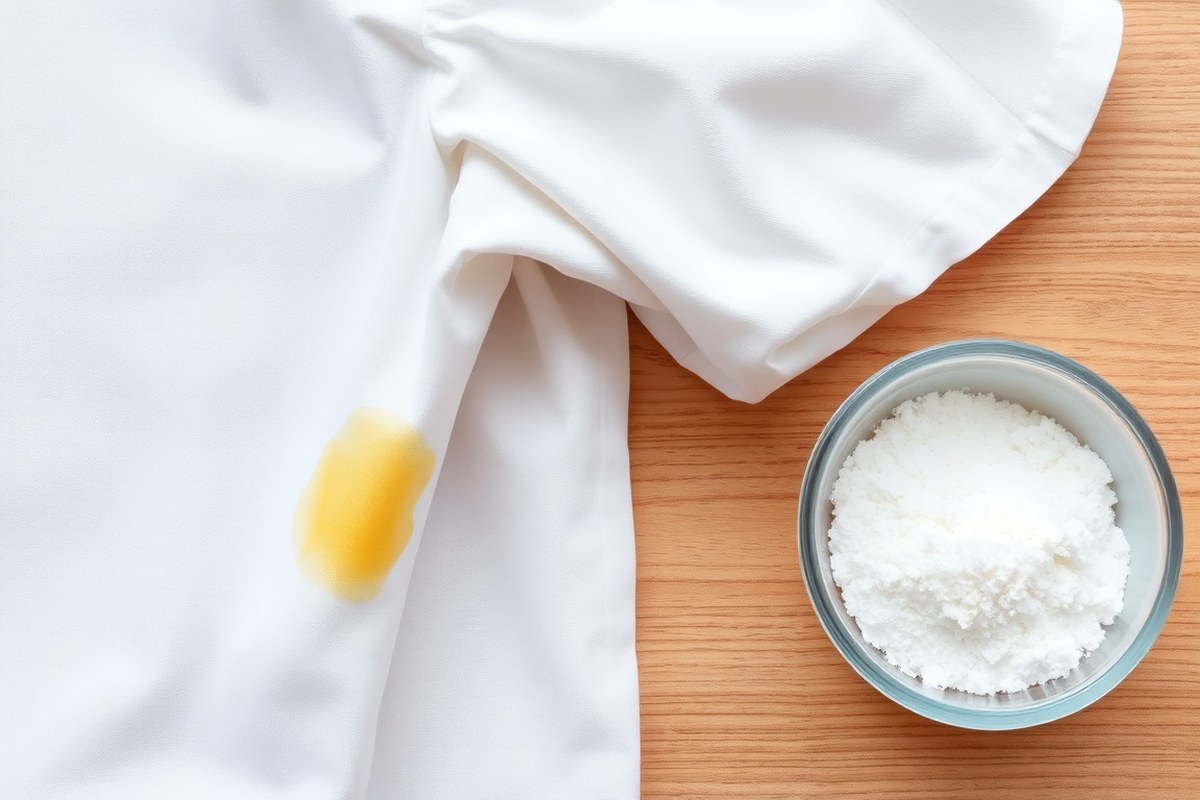
How to Remove Sweat Stains from Shirts: 8 Proven Methods That Really Work
The easiest way to remove sweat stains from shirts is to soak the garment in a cleaning solution for at least 20 minutes, then gently scrub the stain before washing. For fresh stains, a 15 to 30 minute soak works well, while older stains may require stronger treatments like vinegar soaks or baking soda paste. You can use these methods on different fabrics safely by adjusting the soak time and cleaning agent.
This advice is for anyone dealing with stubborn sweat marks on shirts, whether white or colored. You’ll find proven methods that tackle both recent and set-in stains without damaging your clothes, plus practical tips to treat various fabric types effectively.
Key Takeaways
- Soak sweat-stained shirts in a 50/50 vinegar and baking soda solution for 30 minutes to remove odor and stains.
- Apply a paste of baking soda and water directly on stains and let it sit for 30 minutes before scrubbing.
- Use white vinegar diluted in warm water (125ml vinegar in 500ml water) for cotton and synthetic fabrics.
- For white shirts, a crushed aspirin paste can help remove stubborn yellow sweat stains.
- Wash sweat-stained shirts in water below 40°C to avoid setting the stain permanently.
- Scrub gently with a soft toothbrush after soaking to loosen and lift the sweat stains.
1. Effective Methods to Remove Sweat Stains from Shirts
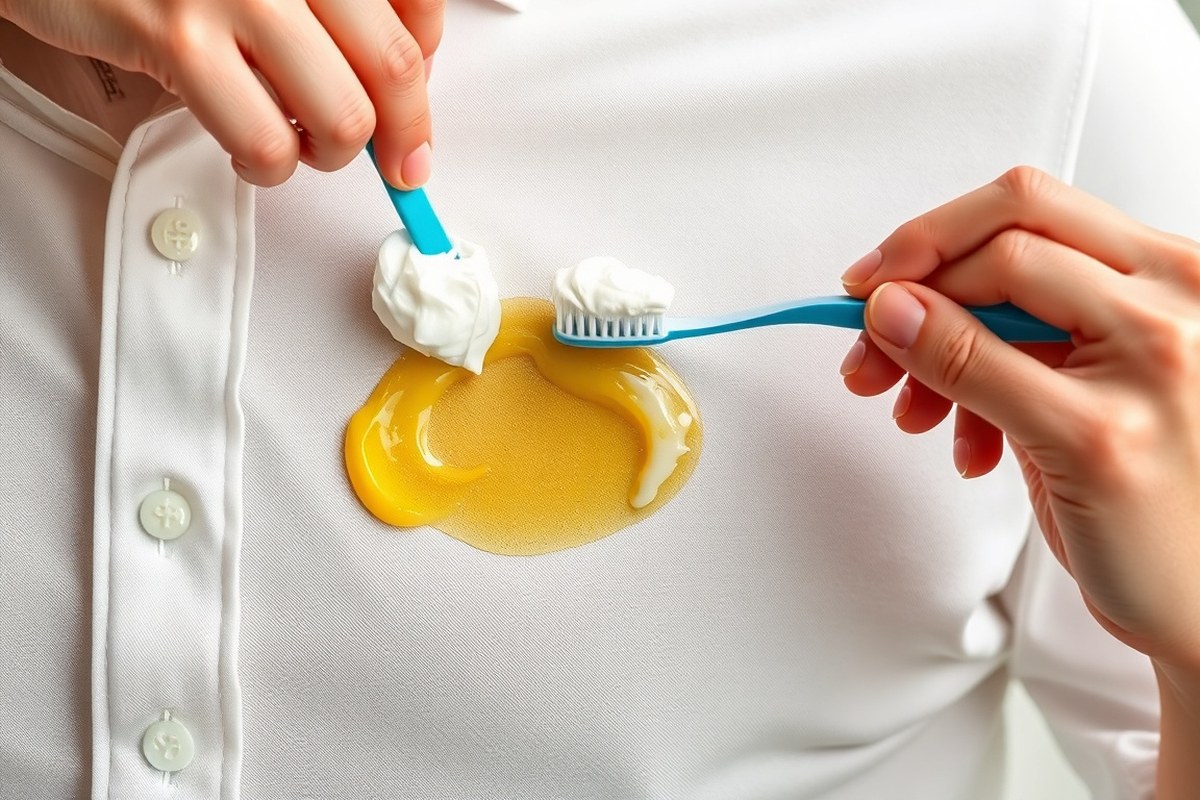
Removing sweat stains from shirts quickly and effectively is possible using common household ingredients like baking soda, white vinegar, and lemon juice. These items work well because they break down the proteins and oils in sweat that cause discoloration. Soaking the fabric in a solution made from these ingredients allows the stain to lift off without harsh chemicals. For best results, soak stained shirts for at least 20 to 30 minutes before washing. Here is a simple step-by-step method using baking soda and vinegar that you can follow to tackle sweat stains on most cotton and synthetic shirts:
- Mix a cleaning solution. Combine 4 tablespoons of baking soda with about 1/4 cup of warm water to form a thick paste. For extra stain-lifting power, add 1/4 cup of white vinegar to a basin holding 2 cups of warm water.
- Apply the baking soda paste. Gently rub the paste onto the sweat-stained areas of the shirt using your fingers or a soft toothbrush. This helps break up the sweat oils in the fabric.
- Let it sit. Allow the paste to soak into the fabric for 15 to 20 minutes. Do not let it dry completely, as it needs to stay moist to work effectively.
- Soak the shirt. Submerge the shirt in the vinegar and warm water solution, making sure the stained areas are fully covered. Let it soak for at least 30 minutes to loosen the stains.
- Rinse thoroughly. After soaking, rinse the shirt well with cold water to remove any residue from the baking soda and vinegar.
- Wash normally. Launder the shirt as you usually would, using a detergent. Avoid hot water unless the fabric care label says it’s safe, because heat can worsen stains.
- Check the stain before drying. Inspect the shirt after washing. Drying with heat can set any remaining stains permanently. Repeat the process if needed before drying.
These household ingredients cost only a few cents per use and are easy to keep on hand. The key is to act before drying and to allow enough soaking time to break down the stain. For white shirts or stubborn yellowing, crushed aspirin tablets mixed with water can also be used as a paste to treat stains before washing.
2. How to Remove Sweat Stains on Different Shirt Fabrics Safely
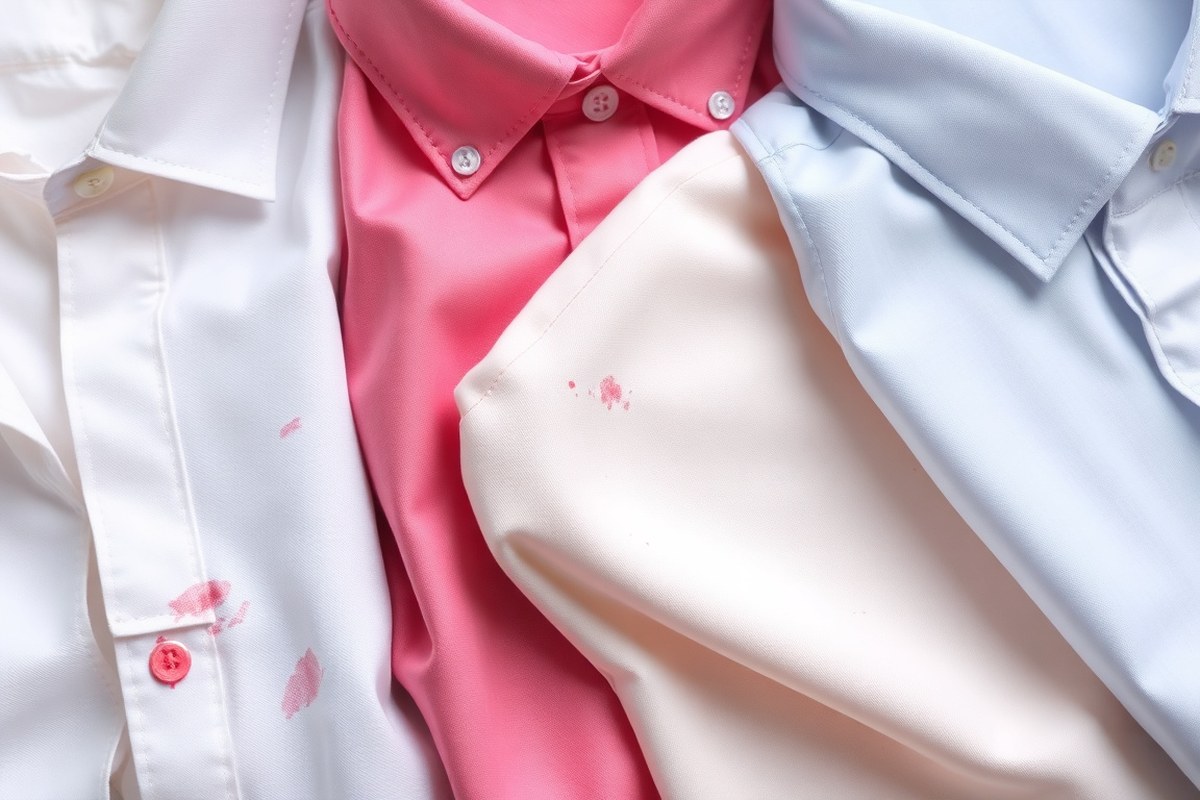
Different shirt fabrics need different sweat stain treatments to keep them intact and stain-free. Using cold water and gentle solutions works best for delicate fabrics like wool and silk, while cotton and synthetics can handle mild acids and warmer temperatures. Protecting prints and embellishments requires extra care, especially avoiding rubbing and heat.
Cotton and Cotton Blends
Cotton shirts tolerate more aggressive stain removal methods since the fabric is durable and absorbent. To break down sweat stains on cotton or blends, soak the shirt in a solution of 125ml white vinegar to 500ml warm water (around 30°C). Let it soak for 30 minutes to loosen the stain without damaging the fibers. After soaking, gently scrub the stained area with a soft brush or cloth, then wash as usual.
Avoid bleach on white cotton because it can cause yellowing, and hot water above 40°C should not be used; heat can set protein stains permanently. Mild bleaching alternatives formulated specifically for cotton can be chosen, but test in an inconspicuous area first.
Delicate Fabrics: Wool, Silk, and Synthetics
Delicate fabrics need cold water and gentle handling. Wool, such as merino, should soak up to 15 minutes in a diluted vinegar solution, about 50ml vinegar in 500ml cold water. Avoid rubbing, as felting or shrinking can occur. Pat the area dry instead of wringing or scrubbing. Avoid baking soda on wool since it can be abrasive.
Silk shirts require cold water soaks without harsh chemicals. Use a mild detergent or vinegar diluted in cold water and handle the stained area very gently. Synthetic fabrics like polyester or nylon do not absorb stains deeply but can hold odors. Cold water and mild detergent are best. Avoid any bleach or heat, as these ruin fibers and stretch.
- Always test stain removal solutions on a hidden area first for colorfastness
- Use cold water only on wool and silk to prevent damage
- Pat stains on delicate fabrics instead of rubbing
- For synthetic shirts, use gentle detergents and avoid bleach
- Soak for short periods: 15 minutes max for wool, 30 minutes for cotton
- Rinse thoroughly to remove vinegar so fabric odors do not linger
- Air dry delicate fabrics flat or on a hanger away from direct heat
Never use heat or bleach on delicate fabrics; this can cause irreversible damage and set the stain permanently.
Protecting Prints and Embellishments
Shirts with logos, prints, or embellishments need special care to protect the design. Turn the shirt inside out before treatment and washing. Use cold water and gentle stain removers. Avoid scrubbing directly on the print, as that can crack or fade the design. A soak in cold water with a mild detergent or vinegar solution followed by a gentle hand wash often works best.
Heat from irons or dryers should be avoided until stains and moisture are completely gone; this prevents damage to inks and adhesives. Spot cleaning first lets you treat stains without risking the entire shirt’s print. When possible, use commercially available stain removers labeled safe for printed fabrics and follow product instructions carefully.
3. Treating White Shirts vs Colored Shirts: What You Need to Know
White and colored shirts need different stain removal methods to avoid damage or discoloration. White shirts can handle stronger treatments like bleach, but colored shirts require gentler solutions to keep their hues. Always test any product carefully to prevent unwanted fading or weakening of the fabric.
Safe Stain Removers for White Shirts
White shirts can tolerate bleach-based treatments that effectively remove sweat stains. Regular chlorine bleach can be used on whites, but it’s important to dilute it properly and avoid prolonged exposure to prevent weakening fibers. For stubborn stains, a homemade paste made from 1 tablespoon of hydrogen peroxide, 1 tablespoon of salt, and ½ cup of baking soda works well without harsh chemicals.
Oxygen bleach is a safer alternative to chlorine bleach and works on both white and colored clothing, though it is especially helpful on whites because it brightens fabric without causing yellowing. Applying oxygen bleach according to package instructions and soaking for around 30 minutes can brighten white shirts while removing stains.
Gentle Methods for Colored Shirts
Colored shirts need treatments that won’t strip or fade dyes. Avoid chlorine bleach altogether since it risks discoloration and damage to fabric. Instead, use enzymatic stain removers like those formulated for protein-based stains, such as sweat. Products containing enzymes or oxygen bleach are best for colored shirts, as they safely break down stains without harsh bleaching.
Applying white vinegar directly on sweat stains before using an enzyme prewash stain remover gives extra stain-lifting power, while being gentle on color. Use cold water for washing to stop colors from bleeding or fading. Always air dry colored shirts after treatment to avoid heat setting any stain residue or discoloration.
How to Test Colorfastness Before Treatment
Testing allows you to see how fabrics react to stain removers before treating the whole stain, protecting your shirts from damage or fading. Apply a small amount of the stain remover or cleaning solution to an inconspicuous area of the shirt. Wait at least 10 minutes to check for any color change or fiber damage.
If the fabric shows no discoloration or weakening, proceed to treat the stained area. Avoid using heat, such as hot water above 40°C or machine drying, until the stain is fully removed, because heat can set sweat stains and make them harder to eliminate. Below is a comparison table to summarize the recommended stain removal guidelines for white and colored shirts:
| Feature | White Shirts | Colored Shirts |
|---|---|---|
| Safe bleach use | Chlorine bleach diluted, oxygen bleach | Oxygen bleach only, no chlorine bleach |
| Homemade stain paste | Hydrogen peroxide + salt + baking soda | Avoid harsh pastes; use vinegar + enzyme remover |
| Water temperature for washing | Cold or warm, but avoid above 40°C before treatment | Cold water only to prevent color bleeding |
| Pre-treatment | Oxygen bleach soak or enzyme prewash stain remover | White vinegar + enzyme prewash stain remover |
| Drying after treatment | Air dry only until stain is removed | Air dry only; avoid heat to prevent color fading |
| Testing ahead | Apply test spot, wait 10 minutes for fiber or color damage | Same test recommended before treating whole area |
Following these tailored approaches for whites and colors helps you effectively remove sweat stains without causing further fabric damage or unwanted color changes.
4. How to Remove Old and Set-In Sweat Stains from Shirts
Old and set-in sweat stains require a more thorough approach than fresh marks. Treating them involves stronger cleaning agents and longer soaking periods to break down yellowing and protein buildup. Using the right methods ensures the stains lift without damaging your shirts.
Soaking with Enzymatic Detergents
Enzymatic detergents contain special enzymes that target protein-based stains like sweat. Because older stains have set deep into fabric fibers, soaking your shirt before washing helps these enzymes work better. Soaking loosens the stain, making it easier for the detergent to break down the residue.
For best results, select a detergent labeled enzymatic and use warm water, around 104°F (40°C), which activates the enzymes without harming the fabric. Avoid very hot water, which can set the stains further.
- Fill a basin with warm water (between 100°F and 110°F).
- Add the recommended amount of enzymatic detergent, usually about 1-2 tablespoons per gallon of water.
- Submerge the stained shirt completely.
- Let it soak for 1 to 4 hours, checking periodically.
- After soaking, gently rub the stain area with your fingers or a soft brush.
- Rinse the shirt with clean water.
- Wash normally in your washing machine using the enzymatic detergent again.
Using Stronger Paste Mixtures
For stubborn yellow stains, a thicker paste with higher concentrations of stain-fighting ingredients may be necessary. Mix baking soda with hydrogen peroxide and a small amount of liquid detergent to create a more potent stain remover. Hydrogen peroxide acts as a mild bleach, helping to fade yellowing caused by sweat salts and body oils.
This paste is especially effective on white or bleach-safe fabrics. Always test on a hidden section first when treating colored shirts to prevent discoloration. Apply the paste generously on the stain and let it sit for about 30 minutes to an hour before rinsing thoroughly.
- Combine 4 tablespoons of baking soda, 1/4 cup of hydrogen peroxide, and 1 teaspoon of liquid detergent to form a paste.
- Spread the paste evenly over the entire sweat stain.
- Allow the paste to sit for 30 to 60 minutes, but keep the shirt away from direct sunlight during this time.
- Rinse the shirt well with cool water.
- Wash the shirt as usual using regular detergent.
Repeated Treatments and Patience
Set-in stains may not disappear after just one cleaning session. Repeated treatments improve results because sweat proteins and oils accumulate and become harder to remove over time. Letting treatments rest long enough between applications ensures the ingredients break down the stain fully.
Waiting 12 to 24 hours between treatments can make a difference, especially for old stains. Avoid machine drying shirts with lingering stains, as heat can permanently set them.
- Treat the stain using enzymatic soaking or paste application.
- Wait at least 12 hours before repeating the treatment if the stain remains.
- Inspect the shirt after each wash before drying to prevent setting stains with heat.
- Repeat the treatment cycle up to 3 times if needed.
- Air dry the shirt after a successful stain removal to maintain fabric quality.
5. Why Do Sweat Stains Form and How Deodorant Affects Them
Sweat stains on shirts often appear yellow and can be stubborn because of a chemical reaction between your sweat and the aluminum compounds found in many antiperspirants. Sweat itself is mostly water and salt, which usually don’t stain fabric. However, when sweat mixes with the aluminum salts in deodorants, it creates a yellowish compound that bonds with proteins and oils on your skin. The heat from your body or from washing and drying then sets these protein-based stains deep into the fabric fibers, making them difficult to remove.
Deodorants, especially those containing aluminum-based antiperspirants, can worsen these stains. The aluminum blocks sweat glands but leaves behind residues that bond with sweat. This bond forms a stiff, yellow buildup that not only discolours the fabric but also traps bacteria. This usually causes the stained area under the arms to stiffen, develop an odor, and appear discoloured even in light-colored or white shirts. Applying deodorant too close to the time you get dressed can transfer wet aluminum to your clothing, increasing the likelihood of staining.
The type of fabric affects how sweat stains form and how visible they appear. Natural fibres like cotton absorb sweat and oils more easily, which can cause stains to linger but also allow easier penetration by cleaning agents. Synthetic fabrics such as polyester tend to repel water but attract oils and deodorant residues, causing sweat stains to build up on the surface and look shinier or darker rather than just yellow. This difference means you might need stronger or different treatments based on your shirt’s fabric to effectively break down and remove the combination of sweat, deodorant, and bacteria.
To reduce stubborn stains, apply your antiperspirant or deodorant at least 10 minutes before dressing, letting it fully dry to prevent wet aluminum transfer to fabric. Rinsing underarms with water immediately after sweating helps remove sweat and aluminum salts before they react and oxidize into stains. Ideally, wash shirts within 48 hours of wearing to prevent protein and aluminum compounds from setting permanently.
Apply deodorant and wait 10 minutes before dressing to reduce transfer of wet aluminum that causes yellow stains.
6. Common Mistakes to Avoid When Removing Sweat Stains
Drying a shirt before treating a sweat stain can set the stain permanently. Sweat contains proteins that heat activates, causing the stain to bond with fabric fibers. Avoid putting the stained shirt in the dryer or on hot surfaces like radiators reaching 60-70°C before treating it. Instead, start stain removal while the fabric is still damp or dry but untreated.
Water temperature also affects stain removal success. Cold water prevents proteins in sweat from settling deeper into fabric compared to warm or hot water, which may set the stain. Begin by soaking the stained area in a mixture of cold water and white vinegar (equal parts) for at least 30 minutes. Use cold water for washing afterward unless the shirt’s care label specifies otherwise. Here’s a checklist of common mistakes to avoid when removing sweat stains from shirts:
- Using hot water or drying on high heat before stain treatment
- Rubbing the stain harshly without pre-soaking, which can spread the stain or damage fabric
- Ignoring fabric type and using a stain remover unsuited for delicate materials
- Applying bleach directly onto colored shirt stains without dilution or testing
- Skipping pretreatment for old, set-in stains, which require extra scrubbing or soaking
- Using only detergent without treating the stain specifically to break down sweat components
- Not soaking or allowing enough time for vinegar or aspirin mixtures to work on yellow stains
Avoid hot water or high heat early in the process, which can fix protein stains permanently. For example, crushing two aspirin tablets then dissolving them in ½ cup of hot water creates a mild acid solution that can lighten yellow stains when applied before washing. This works best if you let the solution sit on the stain while the fabric remains damp, not dry. If the sweat buildup is stiff, mix equal parts white vinegar and water, use an old toothbrush to scrub the stained area gently, then soak before washing.
Following these steps saves your shirts from becoming unrecoverable stains or damaged fabric. Taking time to soak and treating the stain gently yet effectively ensures better results. Costs involve just common household items like vinegar, aspirin, and cold water, making this a low-cost, low-risk approach compared to replacing your favorite shirts.
7. Prevention Strategies to Stop Sweat Stains Before They Start
Preventing sweat stains starts with managing sweat and how it interacts with your clothing. Choosing the right deodorant makes a significant difference. Look for deodorants that are labeled “clear” or “invisible,” since these typically contain fewer ingredients like aluminum compounds that cause yellow stains. Applying deodorant only after your skin is fully dry also prevents the product from trapping sweat against the fabric, which reduces the chance of stains developing.
Wearing special undergarments or sweat liners can be effective, especially if you sweat heavily. Undershirts made from moisture-wicking fabrics pull sweat away from your skin, allowing your outer shirt to stay drier and less prone to staining. Disposable or washable sweat pads that stick inside your shirt’s underarm area can absorb sweat before it reaches your shirt fabric. These options cost anywhere from $10 to $30 for a pack, offering an affordable way to protect dress shirts.
Certain habits can also reduce sweat buildup and limit stains. Try to dress according to the temperature and activity level; lightweight, breathable fabrics like cotton or performance blends help sweat evaporate quickly. Wearing looser clothing promotes airflow and makes sweat less likely to soak through to the shirt’s surface.
- Apply deodorant to clean, dry skin and let it dry completely before dressing
- Choose deodorants labeled as “clear” or “invisible” to reduce stain-causing ingredients
- Wear moisture-wicking undershirts to keep sweat off the outer shirt
- Use adhesive sweat pads in the shirt’s underarm areas for extra protection
- Select breathable, natural-fiber shirts or performance fabrics in hot conditions
- Avoid overdressing or tight shirts when you expect to sweat
Regular laundering after each wear removes sweat salts before they can settle into the fabric, which helps prevent stains from setting in. Cleaning shirts with cold to warm water and a detergent designed for protein stains works best; avoid using hot water that can cause stains to bond more deeply. Taking preventive steps tailored to your sweat level and lifestyle helps keep shirts looking fresh and reduces the need for tough stain removal later.
8. When to Seek Professional Cleaning for Sweat Stained Shirts
Consider professional cleaning when sweat stains on your shirts do not respond to repeated home treatments or if the fabric is particularly delicate or expensive. Professionals use specialized solvents and equipment to target deep-set stains without damaging the garment’s fibers or colors. This is important because some sweat stains, especially those combined with deodorant and body oils, can become chemically bonded to fabric fibers, making them difficult to remove with home care products alone.
Professional cleaners often offer methods like enzyme-based treatments and controlled temperature steam cleaning that go beyond what standard home washing can do. These processes break down proteins and oils in sweat stains more effectively and reduce the risk of fabric weakening. You can typically expect a professional to handle these treatments safely on materials such as silk, wool, or high-quality cotton, which may fade or shrink if treated incorrectly at home.
To decide if you need professional help, try home remedies one or two times first with proper stain removal techniques. When the stain stays noticeable after 1 to 2 wash cycles, usually within one to two weeks of treating it, consider getting professional cleaning. Also, consider the shirt’s value and sensitivity. For example, a silk blouse or a designer shirt worth $100 or more might justify a $20 to $40 professional cleaning fee, which varies by location. In contrast, heavily stained but inexpensive white cotton T-shirts might be better replaced or treated at home repeatedly.
What you want from professional cleaning is a visibly cleaner shirt without fabric damage or color fading. Spotting uneven discoloration, fabric thinning, or new odors after cleaning may signal improper treatment or that the cleaner doesn’t know your shirt’s fabric well. Choosing a reputable cleaner with expertise in handling sweat stains and delicate fabrics reduces these risks.
Some dry cleaners also offer specialty services such as color restoration or additional protective coatings to prevent future staining, which home methods cannot provide. These options can be helpful if your shirts regularly get sweat stains and you prefer longer-lasting protection.
Always inform your professional cleaner about the type of fabric and any previous stain treatments; this helps prevent chemical reactions or damage during cleaning.
Step-by-Step Action Plan to Remove Sweat Stains from Shirts
Follow these clear steps to tackle sweat stains and keep your shirts looking fresh. Each step helps you confirm progress and avoid damage.
- Before washing: Pre-treat the stain with a mix of equal parts water and white vinegar or a gentle stain remover. Rub gently and let sit 15 minutes to break down sweat residues.
- Washing time: Use cold or warm water with a mild detergent suitable for your shirt’s fabric. Avoid hot water which can set stains further. Check if the stain fades after the wash.
- Post-wash inspection: Look for any remaining discoloration before drying. If the stain persists, repeat the pre-treatment to avoid making it permanent by drying.
- Dry carefully: Air-dry the shirt rather than using a dryer. Heat can set any leftover sweat stain. Make sure the stain is gone before machine drying.
- For old or set-in stains: Soak the shirt overnight in a mixture of water and oxygen-based bleach (safe for colored fabrics) for at least 8 hours. Confirm the stain softens before washing as usual.
- Fabric-specific care: For delicate fabrics like silk or wool, use a specialized detergent and cold water. Test on a small area first and avoid soaking. Check for fabric damage after treatment.
- Prevent future stains: Apply deodorant fully dry before dressing and wash shirts regularly. Look for signs of discoloration early to catch stains fresh.
- Seek expert help: If stains resist all treatments or your shirt is valuable, take it to a professional cleaner. They have access to specialized products and techniques.
Frequently Asked Questions
What Household Items Can Help Remove Sweat Stains from Shirts?
Common items like baking soda, white vinegar, and lemon juice work well to break down sweat stains and odors. Mixing these with water to soak the shirt for at least 20 minutes can improve stain removal before washing.
Can Sweat Stains Be Removed from Silk Shirts Without Damage?
Yes, use a gentle soak with cold water and a mild detergent for silk. Avoid harsh chemicals or scrubbing, and consider testing a small area first to prevent fabric damage.
How Do I Remove Sweat Stains If I Don’t Have Stain Remover?
Soaking the shirt in a mixture of warm water and white vinegar or baking soda for 20 to 30 minutes can help lift sweat stains. This DIY approach saves money and avoids harsh chemicals.
Are Sweat Stains Easier to Remove When They Are Fresh or Old?
Fresh sweat stains are easier to remove because they haven’t set into the fabric. Treating stains as soon as possible improves your chances of complete removal.
Can Deodorant Cause Sweat Stains, and How Do I Avoid It?
Yes, some deodorants with aluminum react with sweat causing yellow stains. Using aluminum-free deodorants and washing shirts promptly helps prevent stains.
What Is the Safest Way to Treat Sweat Stains on Colored Shirts?
Use mild, color-safe detergents and avoid chlorine bleach. A soak in a diluted white vinegar solution helps remove stains without fading colors.
Wrapping Up
Removing sweat stains from shirts requires a gentle yet consistent approach to protect fabric quality while restoring appearance. Starting with safe pre-treatments and careful washing gives the best chance of success. Begin by identifying your shirt’s fabric and testing a stain remover in a hidden spot today. That hands-on step moves you closer to clean, sweat-free shirts without risking damage.